
Explore Artists
Browse through 2,035 talented actors, musicians, dancers, filmmakers and creative professionals from Nepal.
2,685
All Artists
197
Actor
224
Actress
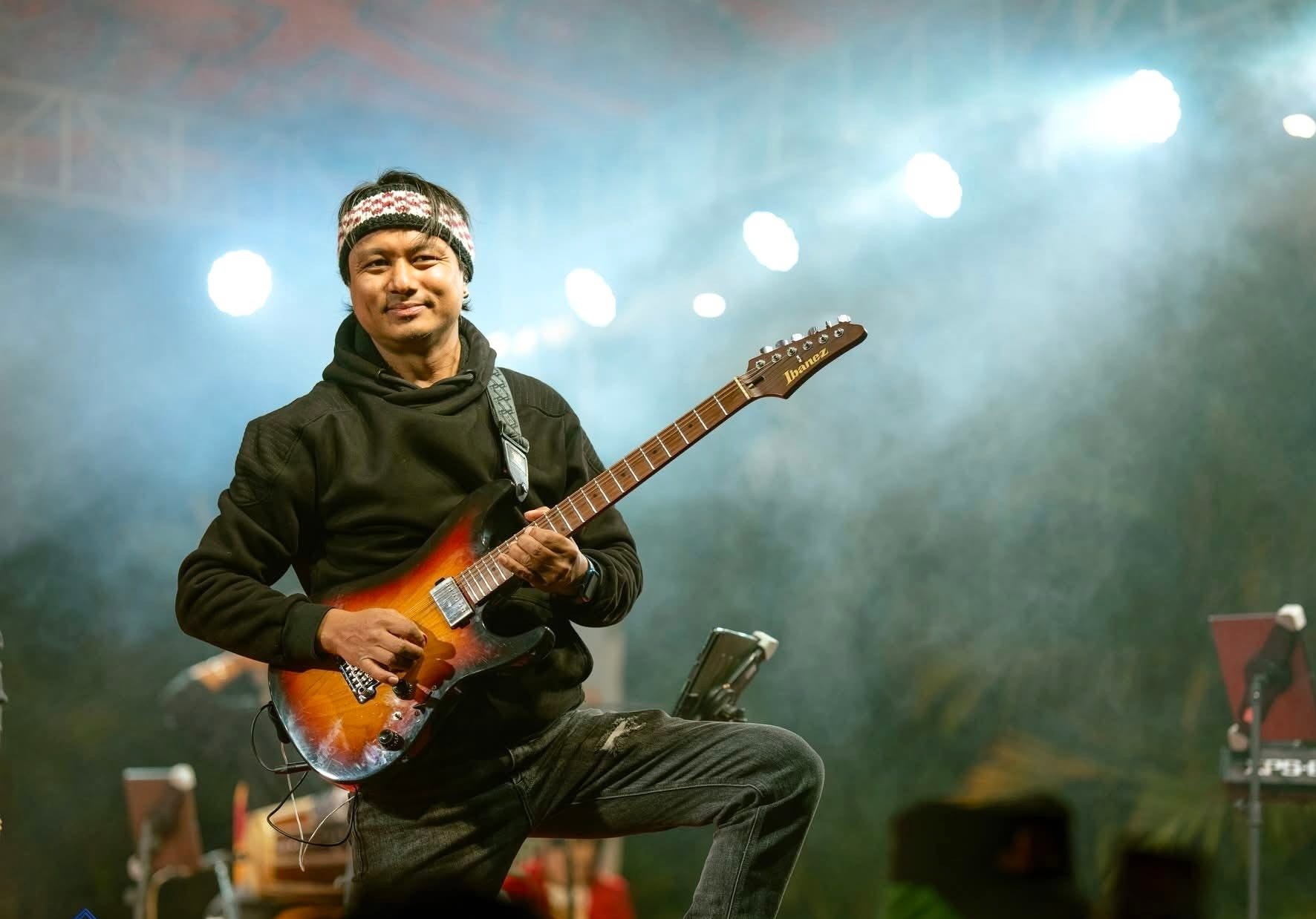
Dewasish Tamang is a Nepali lead guitarist, musician, and session performer known for his expressive playing style, technical clarity, and versatility across modern, pop, fusion, and instrumental music. He gained national visibility as a finalist in the Deepak Moktan Guitar Competition (DMGC) 2018/19, where he delivered multiple high‑level performances using ESP/LTD guitars and professional multi‑effects processors. According to the competition profile, Dewasish works as a freelance musician and session guitarist, has been involved with Nepal Idol and The Voice of Nepal as a backup musician, and has toured across Nepal and abroad.
Dewasish Tamang
Musicians & Instrumentalists, Guitarist

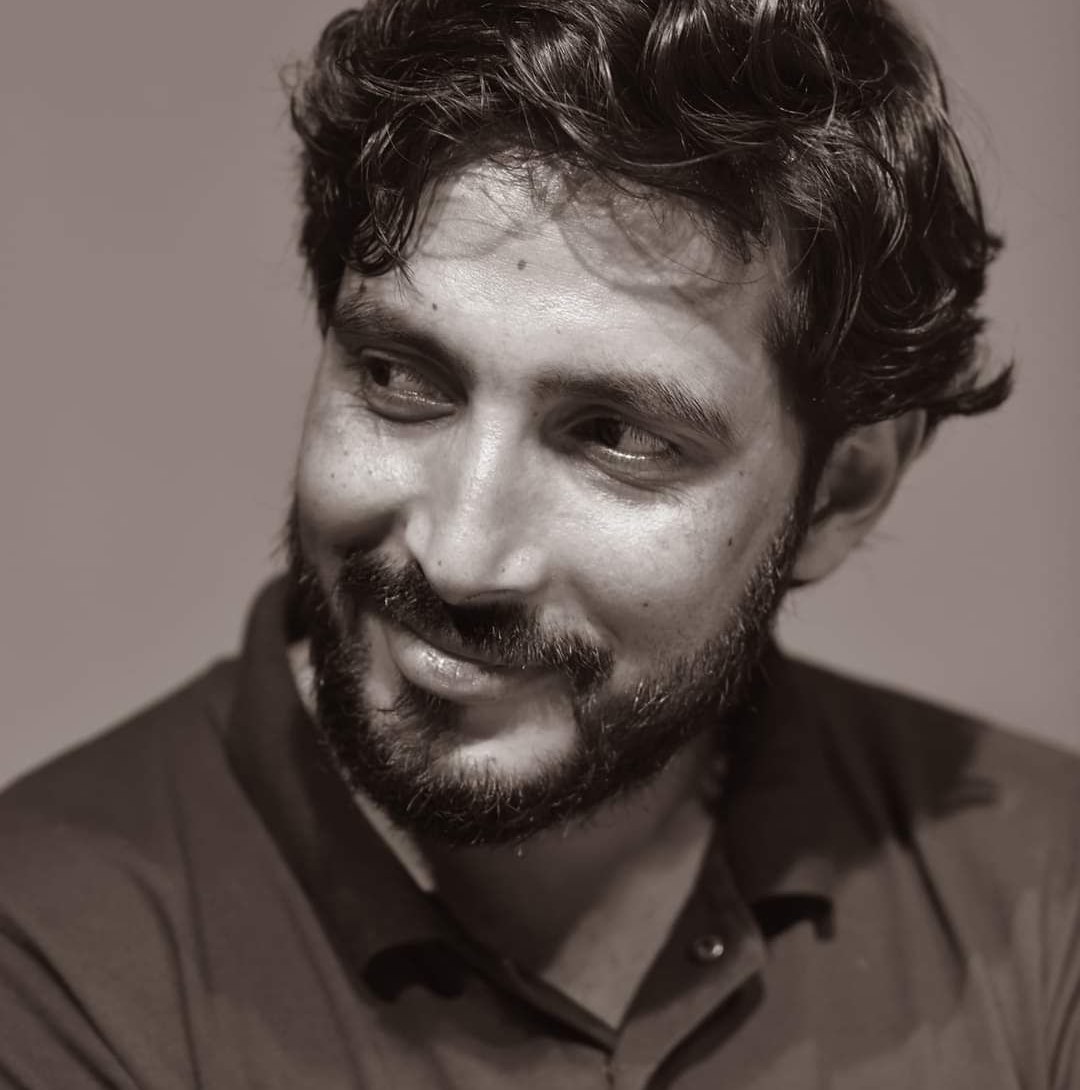
Karan Raj Karki is a Nepali music director, composer, and lyricist known for his work across films, television, and modern Nepali music. He serves as the Official Music Director of The Voice of Nepal, contributing to the show’s musical identity, arrangement quality, and overall sound design. Active since 2014, he has directed music for feature films including Prem Diwas (2019), Chi Musi Chi (2018), and Ichchha (2015), and began his credited career as a lyricist in Stupid Mann (2014). His compositions and songs appear widely on digital platforms, and he continues to collaborate with leading Nepali artists and production houses.
Karan Raj Karki
Music Director
Divya Dev Pant is a distinguished Nepali actor, theatre artist, and voice performer originally from Baitadi, Nepal. He began his acting career in 2010 with One World Theatre, debuting in Angels in America, and has since performed in over 25 plays in both English and Nepali. His stage credits include Hamlet, Golden Boy, True West, and Sandaju Ko Mahabharat, often under the direction of Dr. Deborah Merola. In film, Divya Dev has played lead roles in Chiso Ashtray, Rudane, and Hijo Aaja Kaa Kura, and appeared in supporting roles in The Secret of Radha, Kiya, and Looking for a Lady with Fangs and a Moustache. He has also acted in dozens of short films and music videos. He is widely recognized as the host of The Poet Idol, Nepal’s first poetry reality show, and the narrator of The Voice of Nepal, where his commanding voice and theatrical delivery have become iconic. Divya Dev’s work bridges classical theatre, contemporary cinema, and poetic storytelling, making him one of Nepal’s most versatile and respected performers.
Divya Dev
Actor, Film Artists
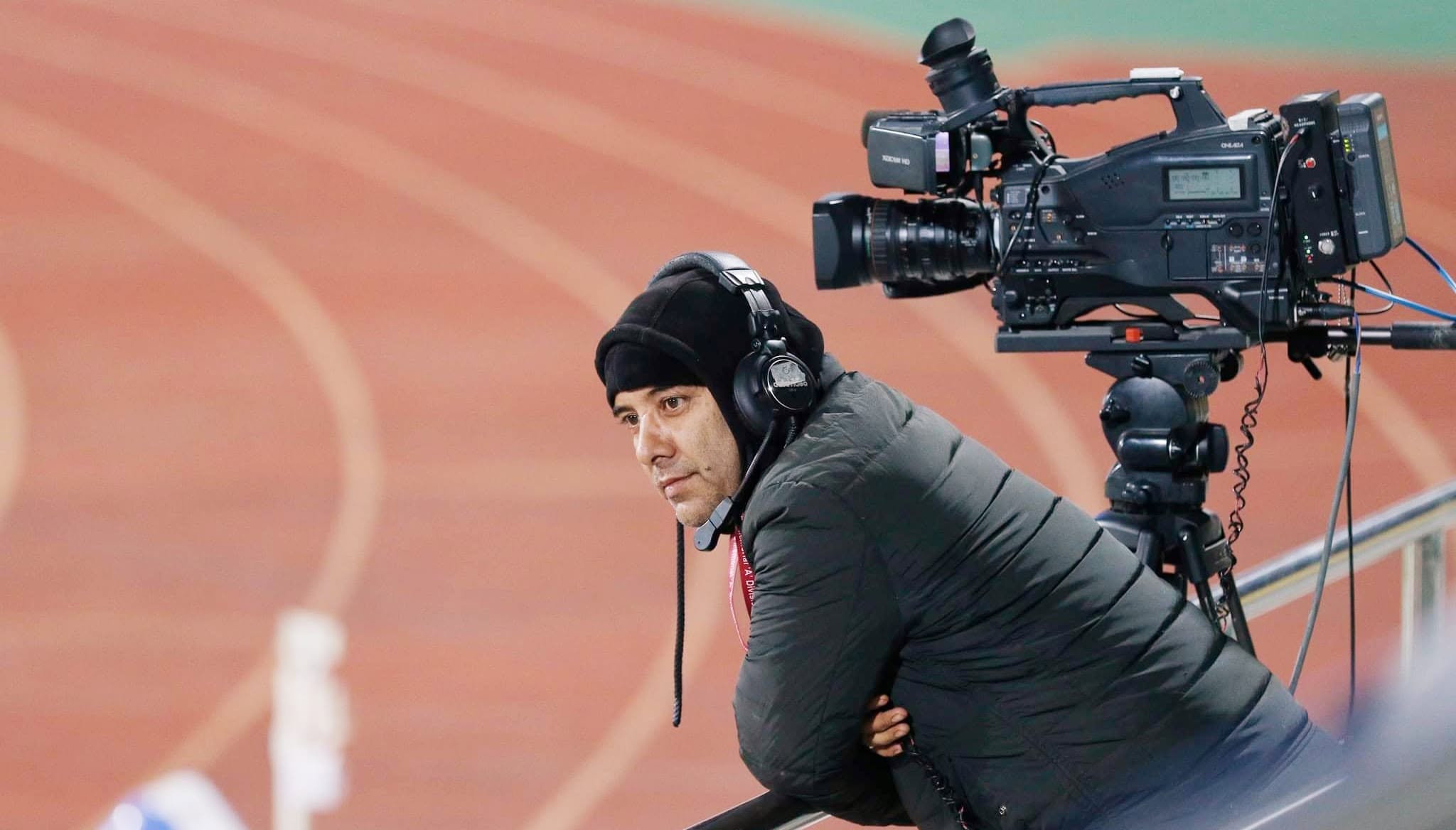
Sushil Baniya is a Nepali camera person working in television and media production, recognized for his behind‑the‑lens contribution to studio and field‑based shoots. His work focuses on multi‑camera setups, reality‑show coverage, and broadcast‑ready visual capture. Known for steady technical execution and reliable on‑set coordination, he supports directors and editors by delivering clean, consistent footage that strengthens the overall visual narrative of each production.
Sushil Baniya
Camera Person
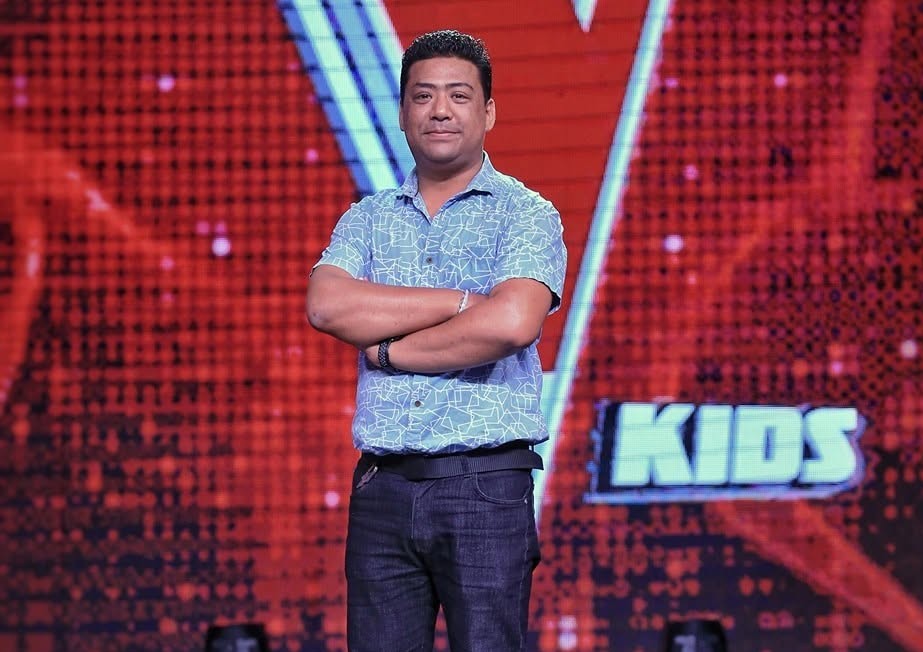
Sohan Manandhar is a Nepali post‑production specialist known for his extensive work across major Nepali television reality shows. He began his career at Image Channel HD, building a foundation in broadcast editing before moving into high‑visibility national franchises. He served as Visual Editor for The Voice of Nepal and The Voice of Nepal Kids, shaping the visual rhythm and emotional pacing of the shows. At AP1 TV, he worked as Post‑Production Head & Chief Video Editor, and later led the Post‑Production and Editing Department for Nepal Idol Season 1, contributing to the show’s signature visual identity.
Sohan Manandhar
Video-film Editor, Colorist

Dipshikha Khadka, born on February 14, 1994, in Dhankuta, Nepal, is a Nepali actress, producer, and director known for her multifaceted contributions to the entertainment industry. She made her debut with the film Prem Leela, where she not only played the lead role but also took on the responsibilities of producer and director, showcasing her versatility and ambition. Beyond cinema, she has appeared in several popular Nepali music videos including Baja Bajaa Baaja, Malai Aafno Samjhiyara, and Miss Gare, earning recognition for her expressive performances. Dipshikha has been honored with awards such as the Jyoti Film Music Award and continues to be a prominent figure in Nepali pop culture. She is the daughter of Surya Bahadur Khadka and Padam Maya Khadka.
Dipshikha Khadka
Actress

Rajani KC, born on October 26, 1997, in Trishuli, Nuwakot, is a celebrated Nepali actress known for her dynamic presence in mainstream cinema. She made her debut with Loafer (2013), produced by Chhabi Raj Ojha, and quickly rose to prominence with her performance in Pardeshi (2015), a major box office success. Her filmography includes titles like Bracelet, Laal Jodee, Deepjyoti, Patuki, and Timile Maya Garne Manchhe, showcasing her versatility across genres. Rajani holds a Bachelor of Pharmacy degree but chose to pursue acting, becoming one of the most recognized faces in Nepali film. She is the daughter of Bahadur KC and Shanti KC. Known for her expressive acting and graceful screen presence, she has carved a niche for herself in the industry and continues to captivate audiences with her performances. Her journey reflects a successful transition from academic life to cinematic acclaim.
Rajani KC
Actress

Jiya KC, born on December 12 in Birtamod, Jhapa, is a Nepali actress and model known for her bold roles in films like ATM, Barbaad, and Gigolo, having debuted with Ho Yehi Maya Ho (2013) alongside Rajesh Hamal and Karishma Manandhar. She gained widespread attention for her appearance in the controversial film ATM (Any Time Masti), which sparked both criticism and curiosity in the Nepali film industry. Active since 2013, Jiya KC has portrayed diverse characters in films such as Wrong Way, Rudrakchya, Valentine Dhoka, and Bacha Timrai Ho Ya Mann. After a brief hiatus following Valentine Dhoka (2015), she returned to the screen with Bacha in 2019. Jiya KC is also known for her public relationship with veteran actor Bhuwan KC, which has kept her in the media spotlight beyond her film career.
Jiya KC
Actress
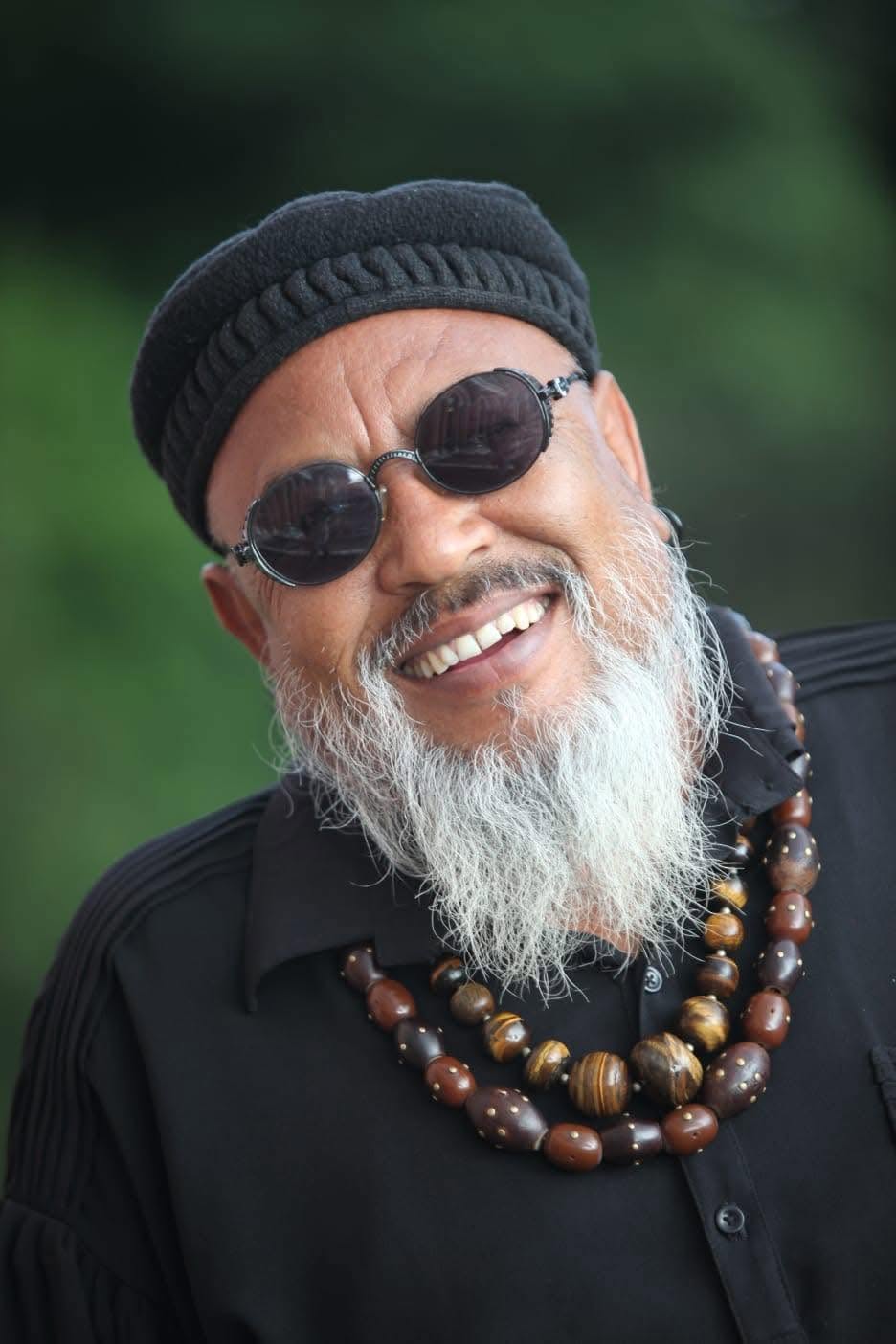
(कुमार नगरकोटी) is one of Nepal’s most influential contemporary fiction writers, known for his surrealism, magical realism, and highly experimental narrative style. Born on 2 December 1974 (17 Mangsir 2031 BS) in Lalitpur, Nepal, he has established himself as a bold, genre‑bending storyteller whose works challenge traditional Nepali literary forms. He began his literary journey in 1999 with an English poem titled “Sorry Buddha, I Cannot Follow You.” At age 21, he published his first story “Nikash” in Sahakalam Sahitya, a publication that typically featured only established writers—marking his early recognition. Nagarkoti’s debut book “Mokshanta: Kathmandu Fever” (2011) introduced his signature eccentric style. He followed it with “Fossil” (2013), “Aksharganj” (2014), “Mistika” (2015), “Ghatmandu” (2016), “Docha” (2017), “Gya” (2018), and the experimental “Kalpa‑Grantha” (2021), which contains 63 experimental tales including typographs, postcards, and screenplays. His novel Gya was shortlisted for the Madan Puraskar (2075 BS), and Kalpa‑Grantha was shortlisted for Madan Puraskar (2077 BS). He also won the Barsha Pustak Puraskar (2013 AD) for Fossil. Nagarkoti has also written acclaimed plays such as “Coma — A Political Sex” (2015) and “Bath‑Tub” (2019), both staged at Shilpee Theatre under the direction of Yubraj Ghimire. He made a cameo appearance in the Nepali film “Lal Purja” (2018). He describes himself not as a writer, but as a “fiction designer.”
Kumar Nagarkoti
Writing & Literature
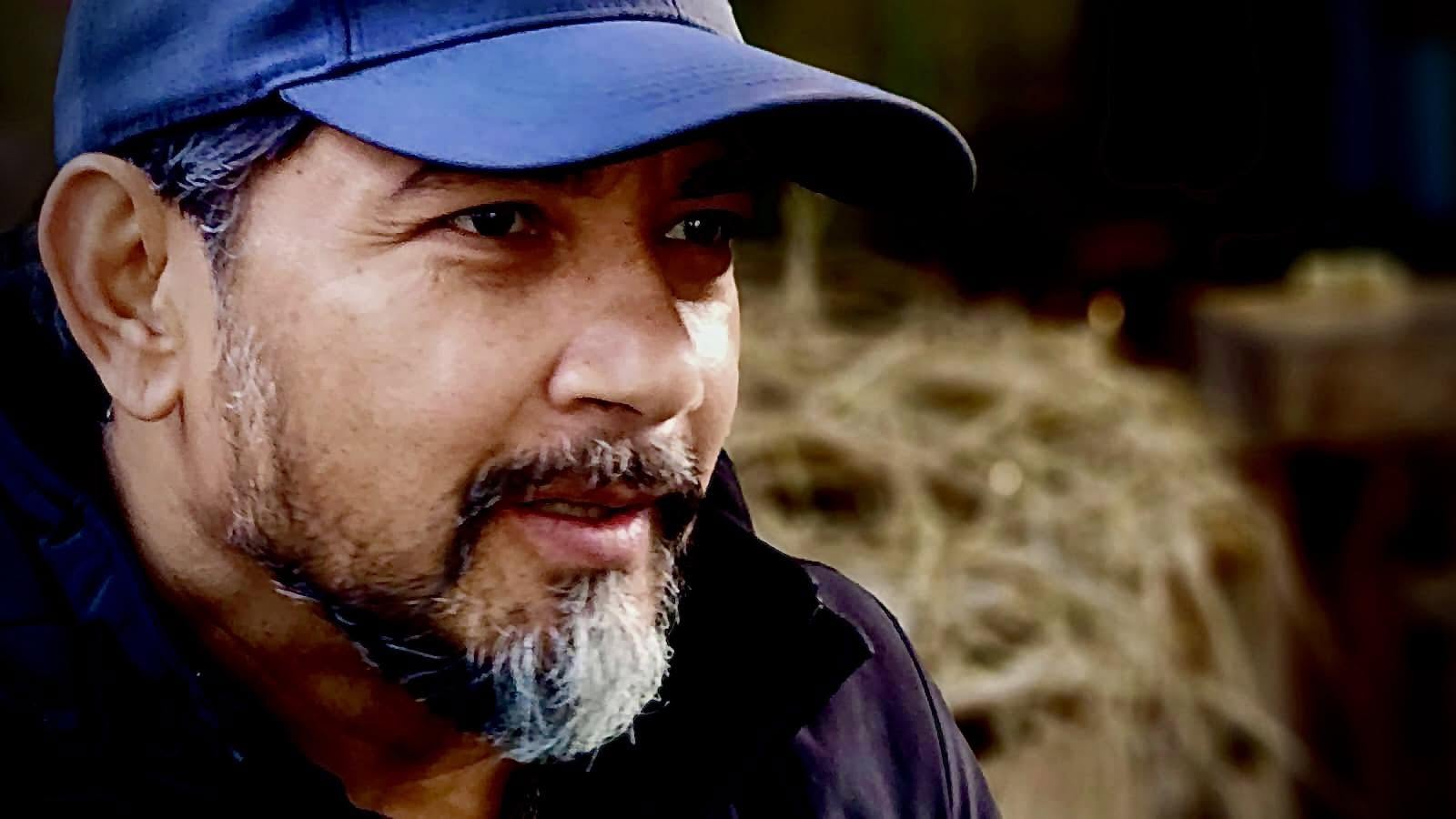
Subarna Thapa is a Nepali film and theatre artist, internationally recognized for his work as a director, actor, and writer. Based in France since 1999, he works across cinema and theatre, shaping stories that blend Nepali identity with global artistic sensibilities. His creative foundation comes from theatre, which continues to influence the emotional depth and realism of his films.Thapa made his feature‑film debut as a director with Soongava: Dance of the Orchids (2012), Nepal’s first mainstream LGBTQ+‑themed film, which earned international acclaim and festival screenings. He went on to direct notable films including Fanko (2016), Fils (2014), Bato Muniko Phool 2 (2016), and the critically praised The Secrets of Radha (2022).As an actor, he has appeared in films such as Soongava (2012), Goodbye Kathmandu (2017), The Puppet (2021), and several short films, showcasing his versatility across dramatic and character‑driven roles.Thapa is also active in theatre arts, conducting workshops, mentoring young filmmakers, and collaborating on stage‑based storytelling projects. His long‑term association with the British Council’s “Script to Screen” initiative highlights his commitment to nurturing new Nepali voices in cinema.Today, Subarna Thapa stands as one of Nepal’s most respected cross‑disciplinary artists, bridging film, theatre, and international cinema with a distinct narrative voice.
Subarna Thapa
Theatre Artists, Film Artists
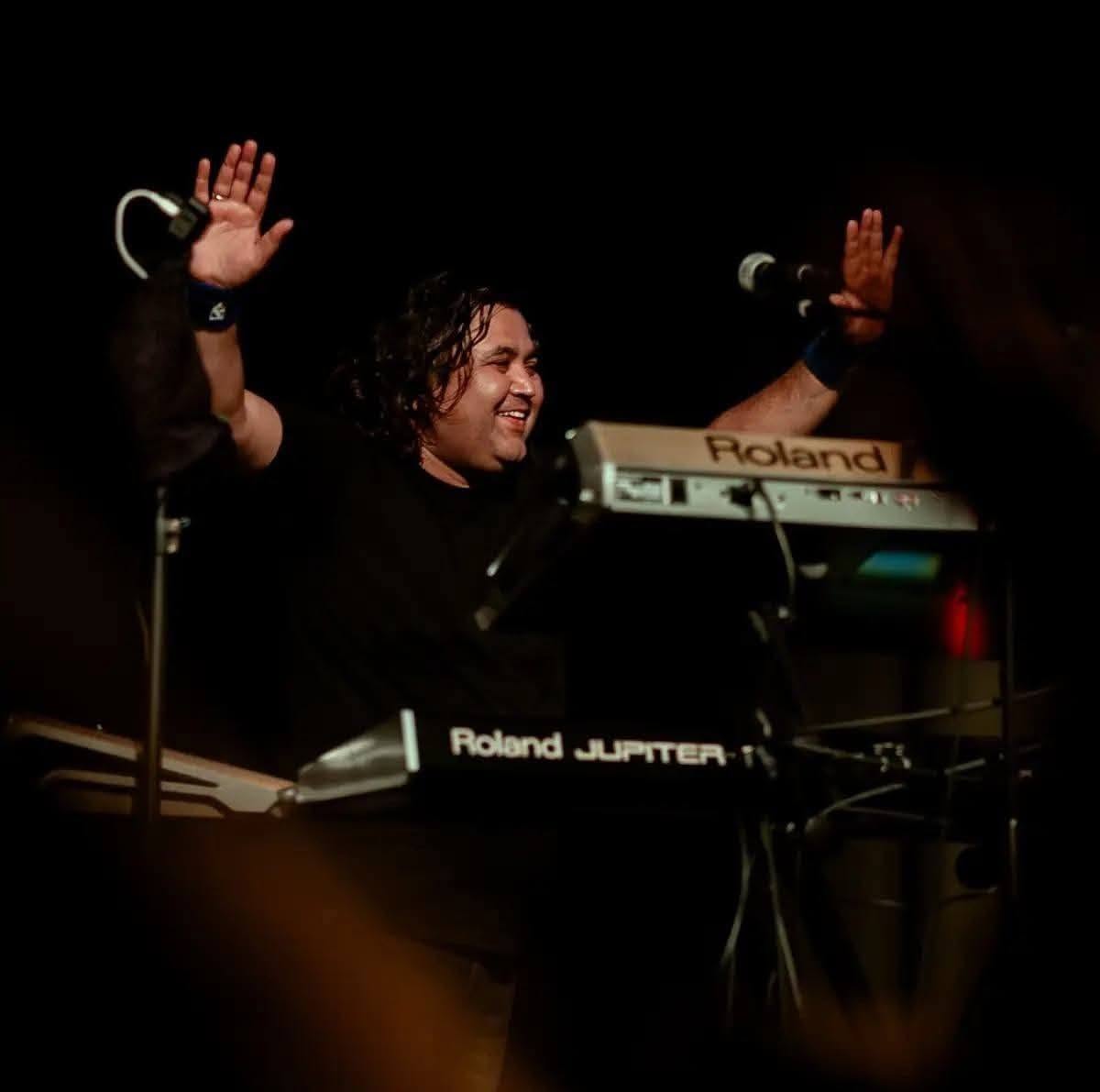
Dinesh Raj Regmi is a Nepali keyboardist and live performer, best known as the keyboard player of Nepathya, Nepal’s most influential folk‑rock band. As part of the group’s core lineup, he contributes to the band’s signature blend of folk melodies and contemporary rock arrangements, performing in major national and international concerts.Nepathya’s global tours — including performances across the US, Australia, Japan, Israel, Germany, Finland, India, and Europe — have positioned Regmi as one of the most widely traveled Nepali keyboardists of his generation.His role in the band supports Nepathya’s evolving sound, from classic hits like “Resham,” “Bhedako Oon Jasto,” and “Jomsom Bazaarma” to their newer live arrangements. Regmi’s playing style emphasizes atmospheric layering, folk‑inspired textures, and dynamic stage performance, making him a key contributor to the band’s enduring popularity.
Dinesh Raj Regmi
Keyboardist
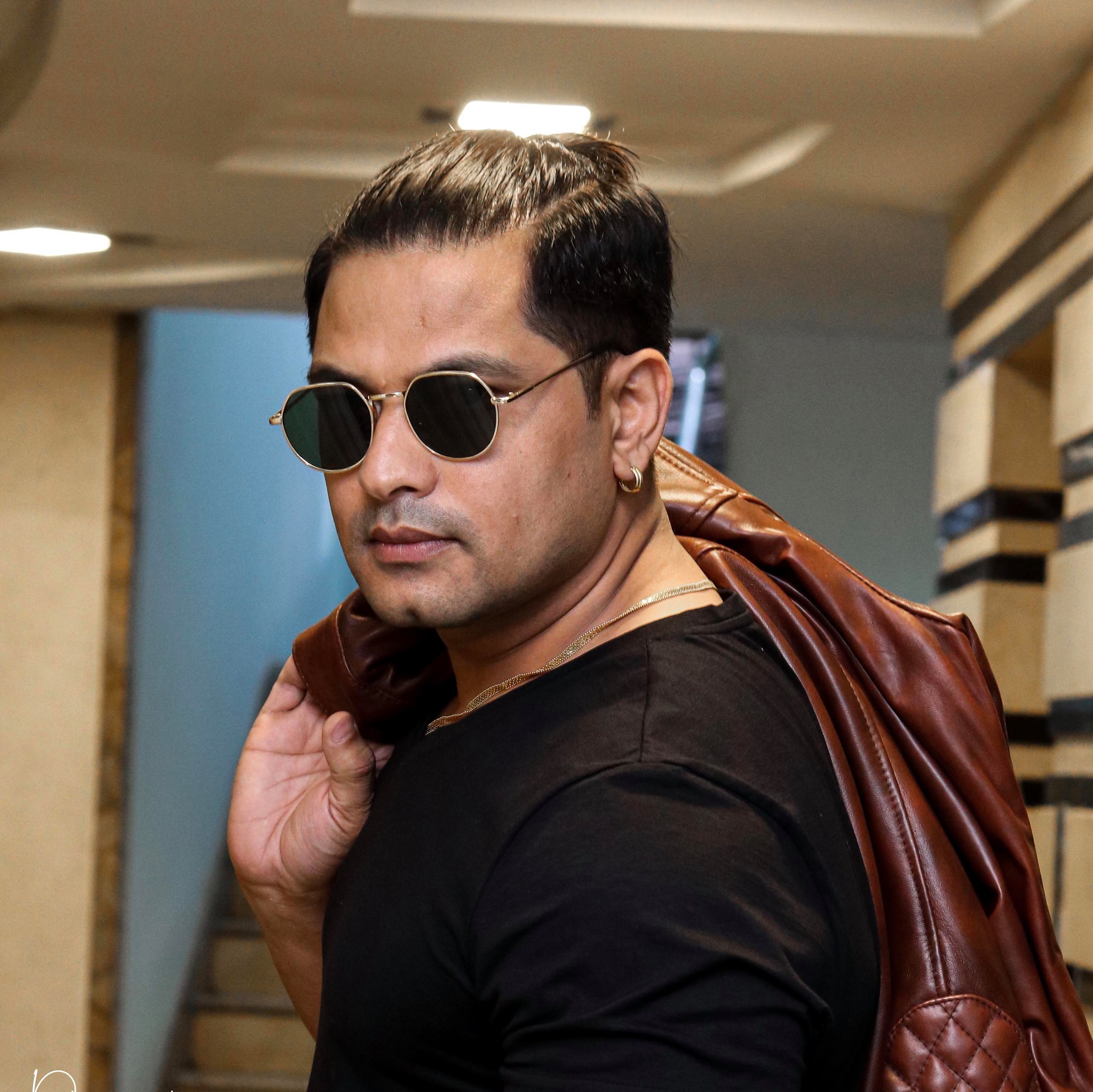
Sabin Shrestha is a Nepali actor and model known for his dynamic roles in over two dozen films. He won Best Actor for Hero Returns at the 13th D Cine Award (2023) and received the Encouragement Award for Hawaldar Suntali at the 7th LG D Cine Award (2072). Sabin currently serves as General Secretary of the Film Artist's Association of Nepal (FAAN), contributing to the growth of Nepal’s film industry. His filmography includes Andaj, Hero Returns, Lily Bily, Rampyari, Lootera, Bhag Sani Bhag, Aadhi Bato, and First Love. Known for his versatility and screen presence, Sabin continues to be a prominent figure in Nepali cinema. Sources:
Sabin Shrestha
Actor
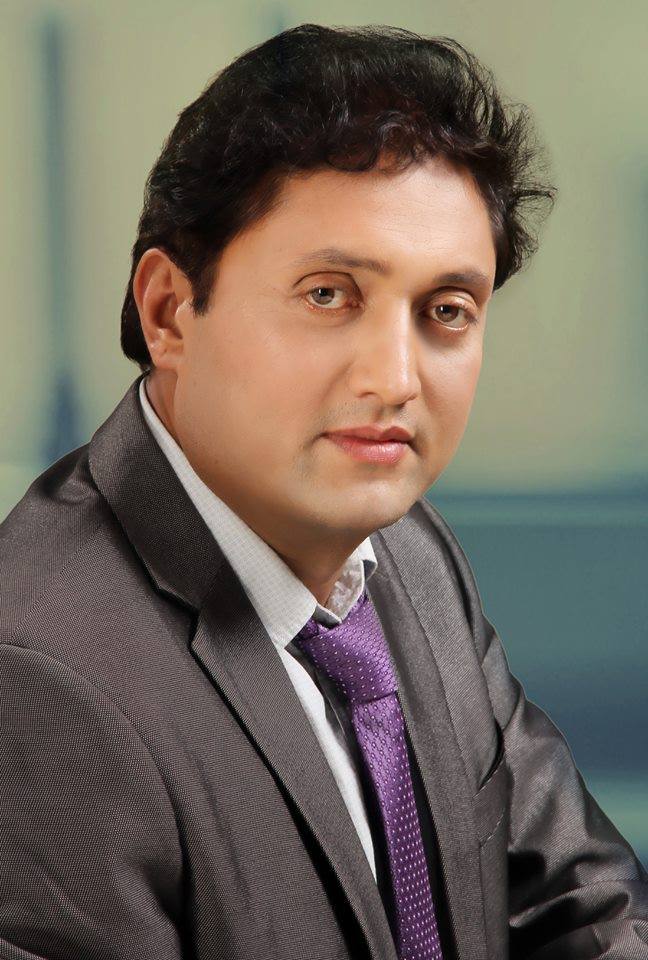
Nawal Khadka is a veteran Nepali actor, producer, director, and screenwriter active since 1994. Known for his patriotic and socially conscious films, he has contributed to over a dozen projects including Chandra Surya, Gunyo Cholo, Bishwasghat, Dasgaja, Aawaz, and Bhimdatta. His recent film Kandetar (2024), which he directed and produced, addresses Nepal–India border issues. Khadka is also a lyricist and audiographer, showcasing his multifaceted talent in the Nepali film industry. He has received accolades such as the Jury Award at the D Cine Award 2072 and Best Supporting Actor and Best Story at the NEFTA Film Awards 2068.
Nawal Khadka
Actor, Performing Artists

Nischal Basnet is a celebrated Nepali director, actor, writer, and playback singer known for revolutionizing modern Nepali cinema. Born on January 17, 1980, in Birtamod, Jhapa, he studied film at Oscar International College. His directorial debut Loot (2012) became a cult hit, followed by acclaimed films like Talakjung vs Tulke (2014) and Loot 2 (2017). As an actor, he starred in Kabaddi Kabaddi, Dui Rupaiyan, and Prasad. Known for blending realism, dark humor, and social commentary, Basnet is married to actress Swastima Khadka. His work continues to shape the narrative and technical evolution of Nepali cinema.
Nischal Basnet
Music Artists, Music Director
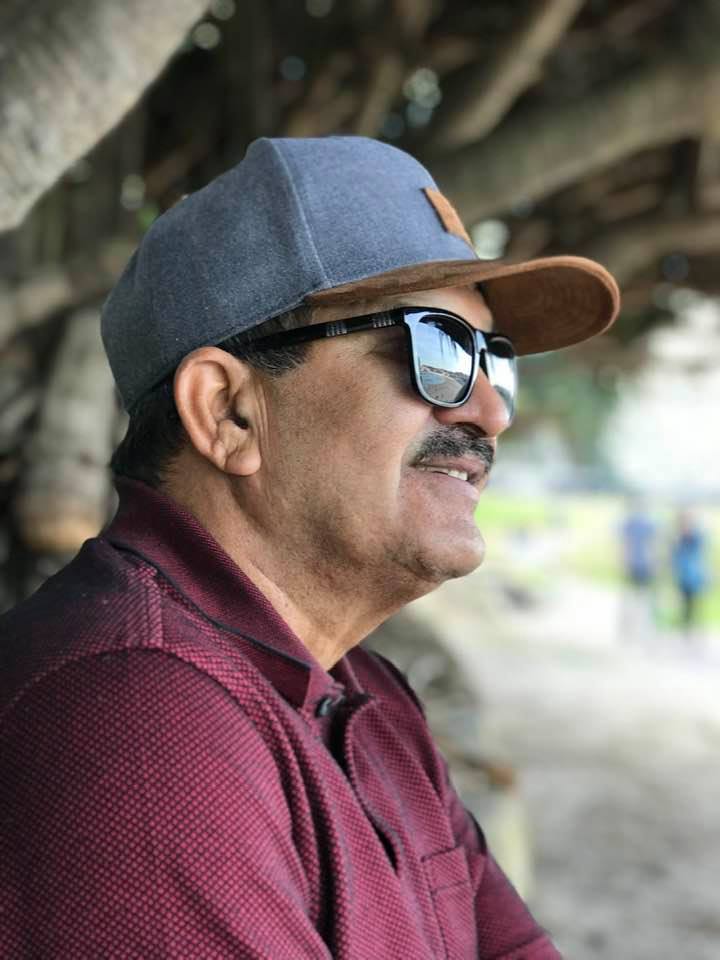
Laya Sangroula is a Nepali actor and filmmaker known for his thoughtful performances and contributions to socially conscious cinema. Active across film, theatre, and television, he has built a reputation for portraying grounded, emotionally layered characters that reflect everyday Nepali life. Sangroula has also worked behind the camera, engaging in writing and direction that highlight cultural identity, social issues, and human relationships. His commitment to meaningful storytelling and his steady presence in the industry have made him a respected creative voice within contemporary Nepali film and performing arts.
Laya Sangroula
Film Director, Character Artists, Film Artists

Khusbu Khadka is a Nepali actress, singer, and model active since 2002, recognized for her work in cinema, music, and stage performance. She appeared as an actress in Rato Tika Nidharma (2019), earned early recognition as a singer with Hamro Sano Ghar Hola (2002), and later contributed as a legal advisor in Tathastu (2015). With a growing digital presence and modeling portfolio, Khadka continues to build a multifaceted career in Nepali entertainment.
Khusbu Khadka

Kundan Khanal
Film Director
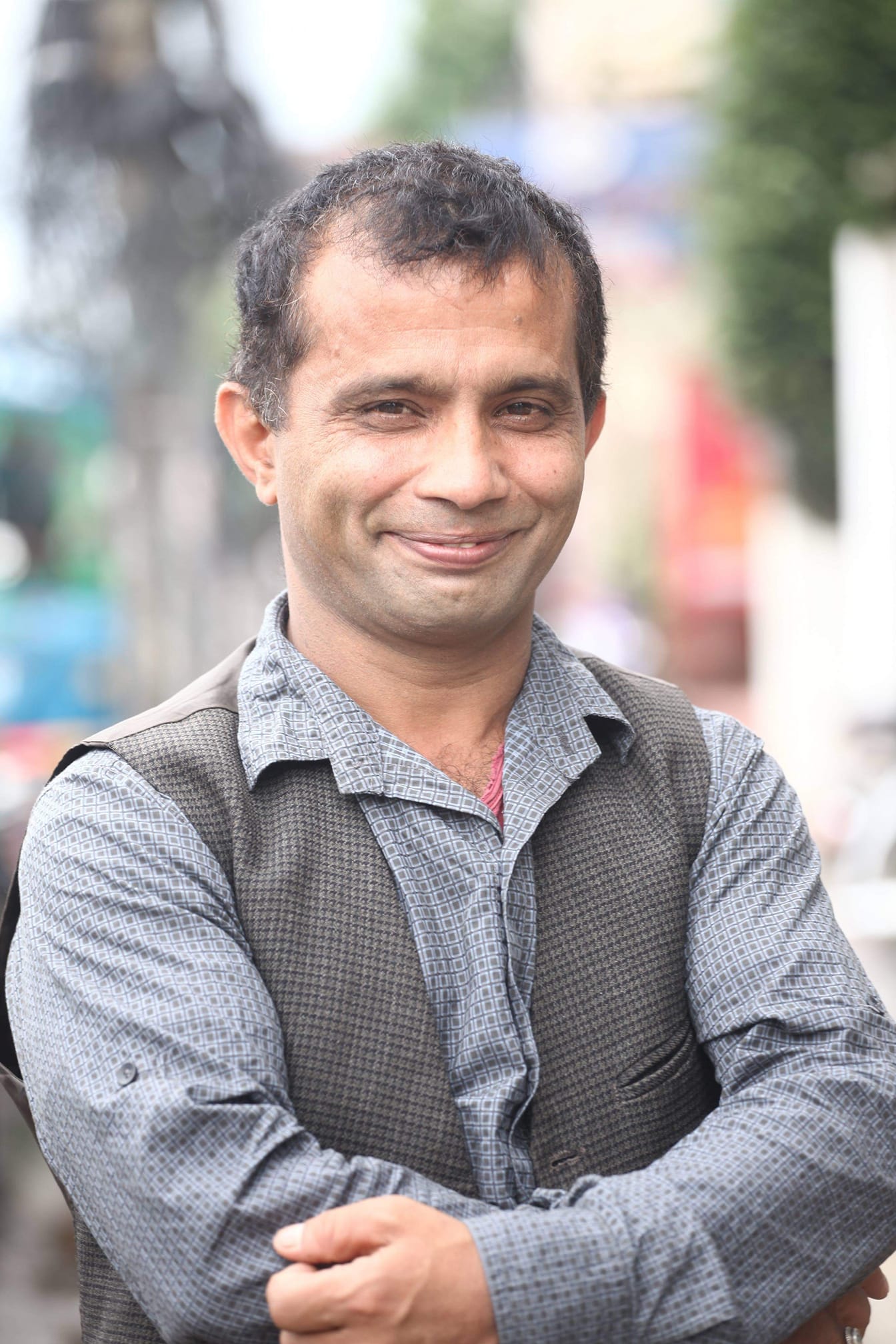
Aashant Sharma stands among the most influential figures in Nepal’s modern theatre movement — a multitalented actor, director, and storyteller whose work bridges stage and cinema with rare emotional clarity. Rising from a passion for acting and dance, he became a prominent face of Nepali theatre, earning the Mandala Yuwa Samman in 2011 for his artistic impact. His stage play Sathi, Sathi Aideu Na became a cultural touchpoint, praised for its intimate portrayal of friendship, mental health, and human resilience. Responding to audience demand and the limitations of touring theatre, Sharma transformed the play into the feature film Taraharu, which he wrote, directed, and led — bringing a deeply personal narrative to the big screen. His work consistently explores inner conflict, hope, and the quiet struggles of everyday Nepalis, making him a compelling voice in socially conscious storytelling. Today, Sharma remains a driving force in Nepal’s creative community, shaping new talent, expanding theatrical language, and championing stories rooted in truth and emotional honesty.
Aashant Sharma

Shashi Khadka began her acting journey as a child artist in the telefilm “थोरै भए पुगी सरी”, where her natural performance immediately drew attention. She later expanded into dance and modeling, becoming widely recognized after appearing in Jabik KC’s popular music video “आँखा भरी आँसु कि…”. The success of this song established her as one of the prominent faces of early Nepali music videos, where she “ruled the scene” with her expressive eyes and emotional clarity. Transitioning into films, Shashi Khadka acted in notable Nepali movies such as “पलपलमा”, “किन किन”, and Raju Giri’s film “चन्द्रावती”, showcasing her versatility across romantic and dramatic roles. Her combined presence in cinema, music videos, and dance has made her a memorable figure in Nepali entertainment
Shashi Khadka

Sumina Ghimire is a Nepali film actress known for her strong screen presence and prolific work during the early 2010s, becoming one of the most visible faces of commercial Nepali cinema. Active from 2011–2015, she appeared in more than a dozen films, including Dulahi (2011), Kina Mayama (2011), Sadak (2012), Jaya Hos (2012), Star (2013), Rang Baijani (2014), Santrash (2014), and Bhimdatta (2015). Her performance in Dulahi earned her Best Debut Actress at both the D-Cine Awards and NEFTA Awards 2068, while Rang secured her a nomination at the NFDC National Film Awards 2069. Known for her expressive acting, glamour appeal, and versatility across romance, drama, and action, Sumina Ghimire remains a memorable figure of her era
Sumana Ghimire

Ranjana Sharma is a Nepali actress known for her expressive performances and strong presence in mainstream Nepali cinema during the 2000s. She gained recognition through films such as Muglan, Gorkhali, Pardeshi, and Dhadkan, where she often portrayed emotionally grounded and relatable characters. Sharma became one of the notable female leads of her era, balancing commercial appeal with nuanced acting. Alongside films, she has appeared in music videos and stage performances, contributing to the broader entertainment landscape. Her work remains appreciated for its sincerity, screen warmth, and connection with audiences.
Ranjana Sharma

Rupa Khanal is a Nepali actress and model active since the late 2000s, known for her roles in films such as Paridhi, Shreeman, Santrash, Star, and Rahadani. She began her career with the film Dus Gaza and has since appeared in feature films, music videos, and fashion/editorial photo shoots. Her screen presence blends commercial cinema appeal with expressive character work, and she remains active in modeling, photoshoots, and media appearances.
Rupa Khanal
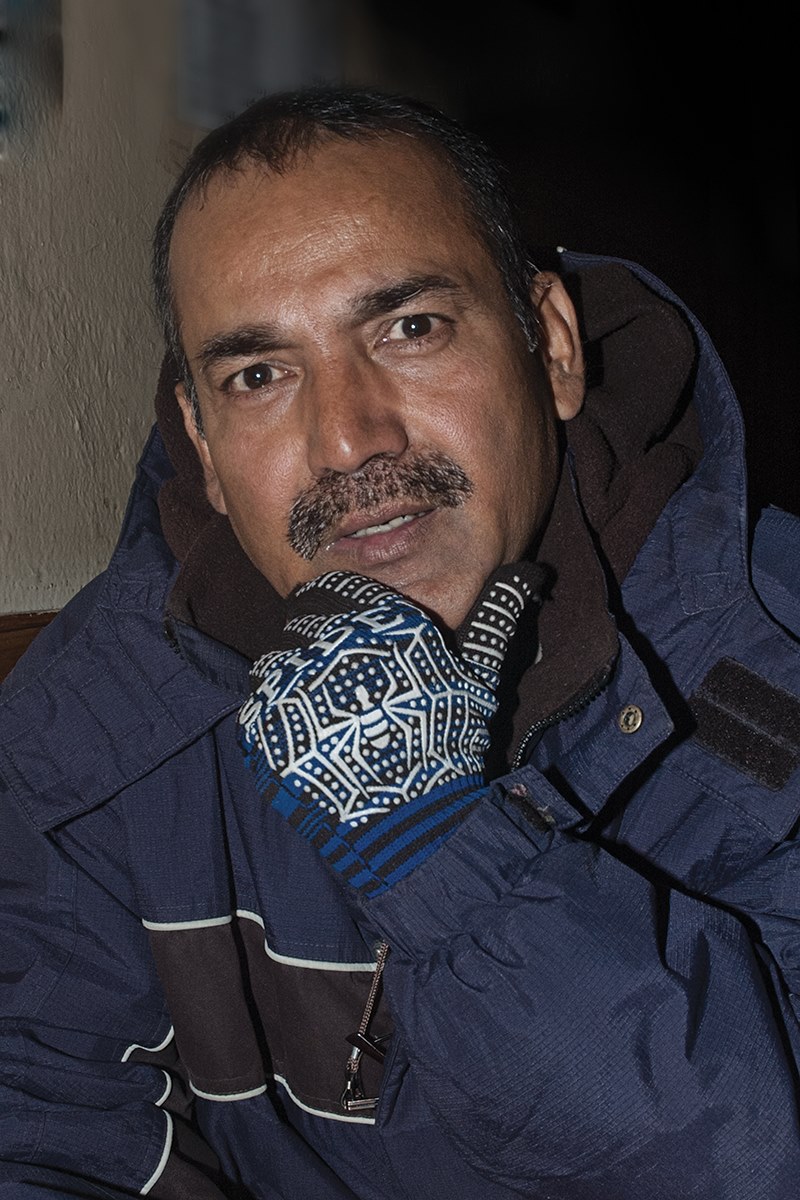
Badri Adhikari is a senior Nepali theatre artist and film–television director known for his disciplined craft, social sensitivity, and long‑standing contribution to Nepal’s performing arts. Beginning his creative journey in theatre, he later became widely recognized for directing influential Nepali television serials such as Viral Bagdacha Indrawati, Maun Aakash, Sahayatri, and Koras. These works earned him a reputation for blending emotional realism with strong social themes, portraying the struggles, relationships, and cultural nuances of everyday Nepali life.As a filmmaker, Adhikari is respected for his ability to guide actors toward natural, grounded performances and for maintaining a thoughtful, character‑driven visual style. His career reflects a deep commitment to storytelling rooted in community, culture, and human experience. Beyond his own achievements, he is also known as the father of acclaimed Nepali actress Keki Adhikari, whose artistic discipline and sensibility are often attributed to his influence
Badri Adhikari
Film Director, Theatre Artists
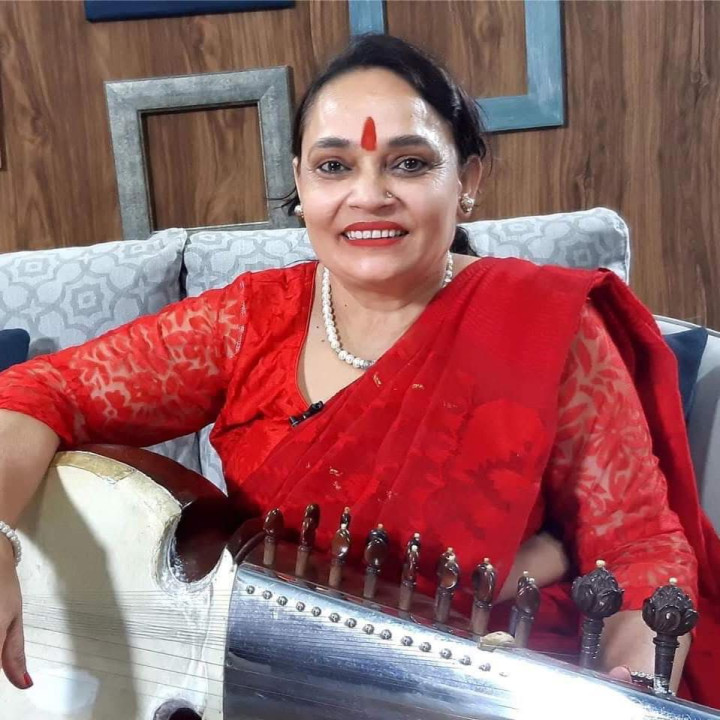
Dashain and Malshree Dhun are deeply connected in Nepali culture. The sacred melody of Malshree is considered the musical soul of Dashain, and helping preserve this tradition is Nepal’s first and only female sarod player, Rupa Neupane. Rupa Neupane was born in Asar 2026 B.S. (1969 A.D.) in Mulpani, Kathmandu. She was married at the age of 12 in 2038 B.S. Despite early marriage and social responsibilities, her passion for music gradually found its way into her life. At the age of 24, in 2050 B.S. (1993 A.D.), she began learning the sarod, marking the beginning of her remarkable musical journey. She first trained under senior sarod maestro Mohan Sundar Shrestha in Kathmandu. Later, she continued her studies with Suresh Raj Bajracharya and further refined her skills under Dr. Anupama Kumari in India. Through dedication and continuous practice, she steadily established herself as a respected sarod instrumentalist. In a field traditionally dominated by men, Rupa Neupane broke barriers and created a historic identity as Nepal’s pioneering female sarod player. Her performances of Malshree Dhun during Dashain have strengthened the cultural connection between classical instrumental music and Nepal’s most celebrated festival. Today, she continues her journey as a committed sarod artist, inspiring women and young musicians across the country. Her life reflects perseverance, courage, and devotion to classical music, proving that passion and determination can overcome social and personal challenges.
Rupa Neupane
Musicians & Instrumentalists
Sikha Malla
Film Artists
Radhika Lama
Film Artists

Muna Karki is a Nepali film actress appreciated for her expressive acting and her ability to portray emotionally grounded, relatable characters. Active in feature films, television projects, and music videos, she has built a reputation for delivering sincere, natural performances that connect with audiences. Her work spans social dramas, romantic stories, and character‑driven narratives, where she brings depth, clarity, and authenticity to each role. Known for her disciplined approach and dedication to craft, Muna Karki continues to collaborate with both emerging and established filmmakers. Her growing body of work reflects a commitment to meaningful storytelling and a strong connection with Nepali viewers.
Muna Karki
Actress

Arjun Shrestha is a Nepali film actor recognized for his natural screen presence and his work across social, romantic, and dramatic cinema. He has appeared in notable films such as Dodhar, Arjun, Sampati, Kathmandu, and Arunima, earning appreciation for portraying relatable characters rooted in everyday Nepali life. His performance in the widely loved song “Master Saheb Sikaideu Pirati” further strengthened his popularity among audiences. Active across multiple decades, Arjun Shrestha has contributed to the growth of Nepali cinema through consistent performances and collaborations with respected filmmakers and actors. His work continues to resonate with viewers who value authenticity, emotional depth, and storytelling grounded in Nepali culture.
Arjun Shrestha
Actor

Sushmita KC (formerly Sushmita Bomjom) is a noted Nepali actress and producer known for her charismatic screen presence and contributions to mainstream Nepali cinema. Rising to fame with hit films such as Nepali Babu (1999), Ta Ta Sarai Bigris Ni Badri (2000), and Super Star (2001), she established herself as a leading figure of her era. She later expanded into film production, founding Anmol Creations and supporting new creative talent. Sushmita is also recognized as the mother of actor Anmol KC and continues to remain active in Nepali film and public life.
Sushmita KC
Actress, Film Maker/ Producer

Krisha Chaulagain is a Nepali film producer, writer, and director who has been active since Friday, 23 April 2004. Over two decades, she has built a steady presence in Nepali cinema, shaping projects that blend commercial appeal with socially grounded storytelling. Known for her disciplined production style and narrative clarity, she has contributed to films, television work, and independent projects that highlight contemporary Nepali experiences. Her career reflects a commitment to developing strong characters, nurturing new talent, and elevating women’s leadership behind the camera. Chaulagain continues to expand her creative footprint across writing, production, and direction.
Krisha Chaulagain
Film Director, Film Maker/ Producer
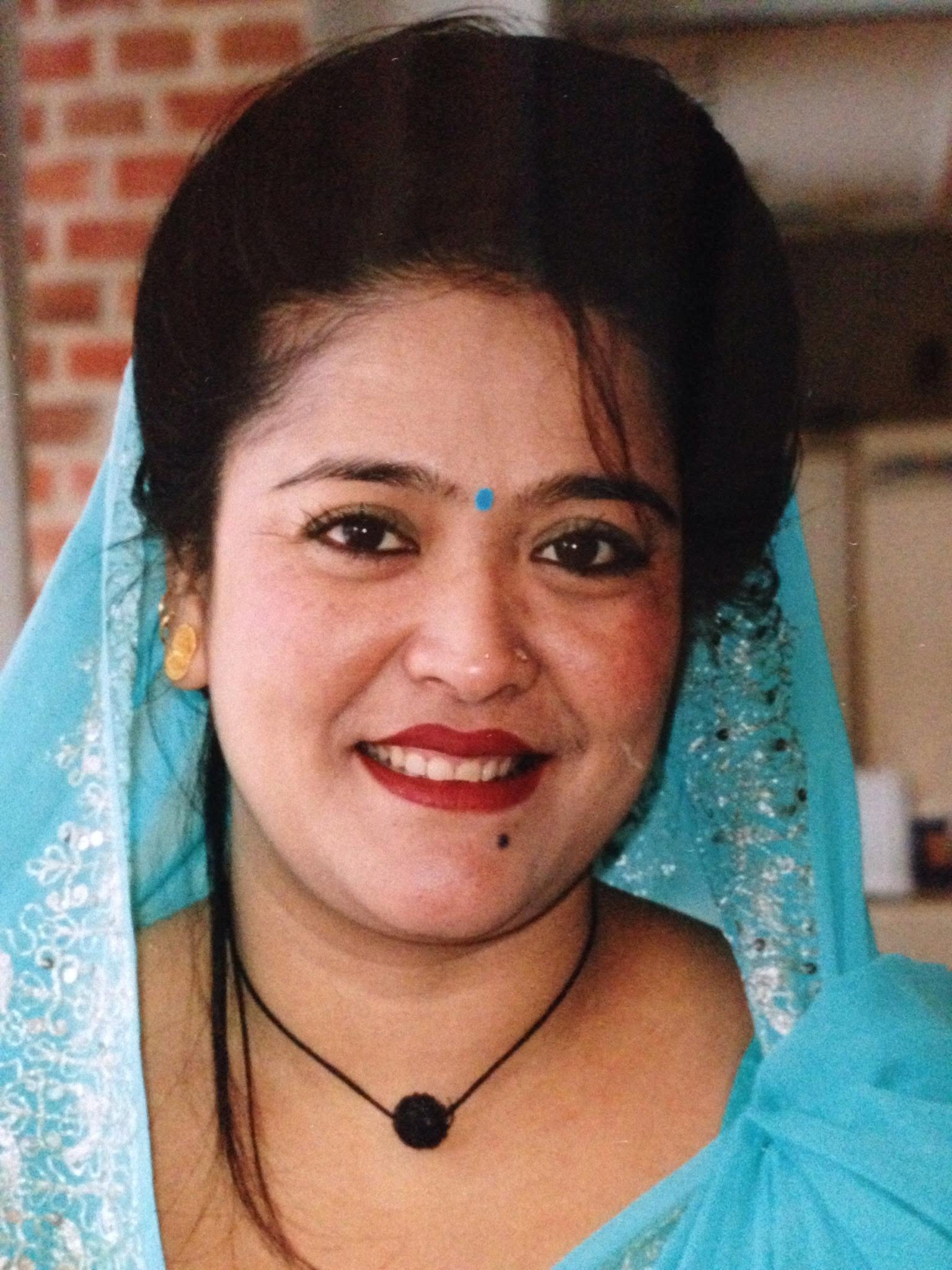
Bishnu Malla
Film Artists

Priya Rijal is a Nepali actress, model, and media personality known for her graceful screen presence and growing impact in contemporary Nepali cinema.She began her career as a model before transitioning into acting, appearing in music videos, short films, and feature projects that highlighted her expressive performance style. Over the years, she has built a reputation for versatility—balancing glamour roles with more grounded, character‑driven performances. Active in both film and digital media, she continues to expand her creative footprint while engaging with audiences through public events and social platforms. Her work reflects the emerging generation of Nepali actresses shaping the industry’s modern identity.
Priya Rijal
Classical / Traditional Dancer, Actress

Sushil Chhetri is a Nepali actor and model best known for his breakout performance in Aago (2000) and his leading roles in early‑2000s action and romantic cinema.Active since 1999, he quickly became one of the most recognizable faces of his era, starring in films such as Gaajal (2001) and Anjuli (2002). Before entering films, he worked as a background dancer, later transitioning into a full‑time actor with dozens of Nepali films and 11 Bhojpuri films to his credit.After a period away from the industry, he returned with Bich Bato (2015), reaffirming his place as a veteran performer in Nepali cinema
Sushil Chhetri
Actor

Suraj R.D. is a Nepali actor, producer, and lyricist active since 2006, known for his roles in commercial action‑drama films such as Mission Paisa (2009) and Binti Patra (2006).He has worked across multiple creative roles—acting, producing, writing lyrics, and contributing story concepts—making him one of the more versatile contributors of his generation. His acting credits span over a dozen films, including Maya Ta Maya Ho (2009), Bhool Bhaye Maaf Gara (2010), Aafnai Manlai Sodhi Hera (2011), Kaslai Diu Yo Joban (2012), My Life (2012), Naaike (2014), and Aadha Page (2015).He has also served as a legal advisor on films like Timro Kasam (2013) and The Plan (2012), reflecting his multidisciplinary presence in the Nepali film industry.
Suraj R.D.
Actor

Shobita Simkhada is a Nepali actress known for her early 2000s screen presence, later becoming an Osho sannyasin and recently returning to cinema after more than a decade away.She began her film career with projects like Sandesh (2009), Gangajal (2010), and Timi Binako Jivan (2010), followed by multiple releases in 2011 including Aafnai Manlai Sodhi Hera, Birtako Chino, Maryo Ni Mayale Maryo, and Kasam.After stepping back from films to pursue a deep spiritual journey at Osho Tapoban, she re-emerged with a renewed perspective, announcing her comeback through the film Great, directed by Manoj Pandit.
Shobita Simkhada
Actress
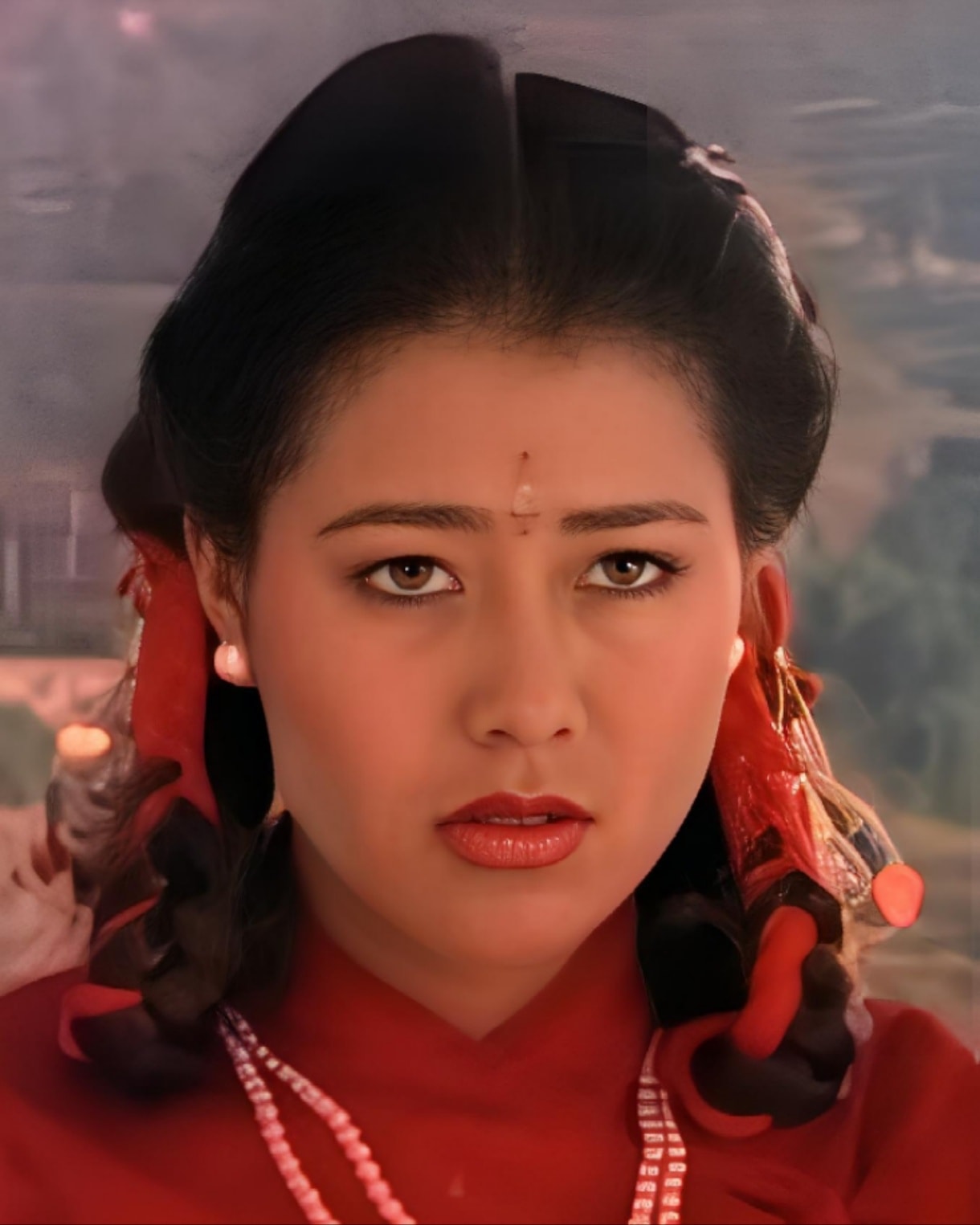
Srijana Basnet is a veteran Nepali actress best known for her breakout role in the blockbuster Deuta (1993), where her performance brought her into national prominence. She began her career in the early 1990s and quickly became a familiar face in commercial Nepali cinema. After the passing of her husband, producer Biju Ranjit, she stepped away from films but later returned with renewed dedication, transforming herself physically and professionally. She expanded her creative range by directing and producing the film Good Luck, taking on multiple roles both behind and in front of the camera. Her career reflects resilience, versatility, and a lasting contribution to Nepali film culture.
Srijana Basnet
Actress
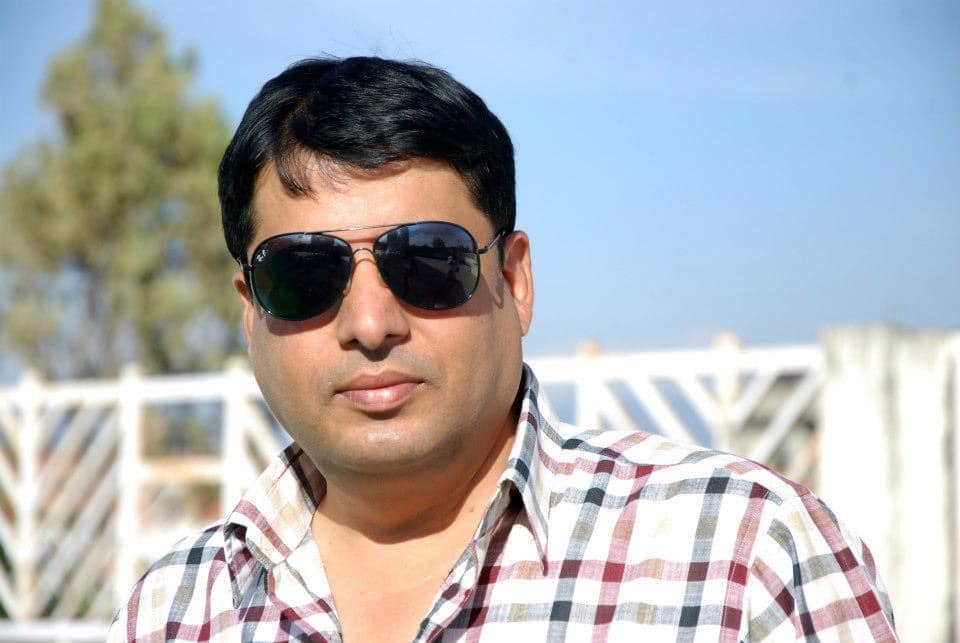
Chhabi Raj Ojha – Nepali film producer and distributor known for shaping commercial cinema through hit films like Hero, Himmat, Kismat, and Loafer.
Chhabi Raj Ojha
Film Maker/ Producer
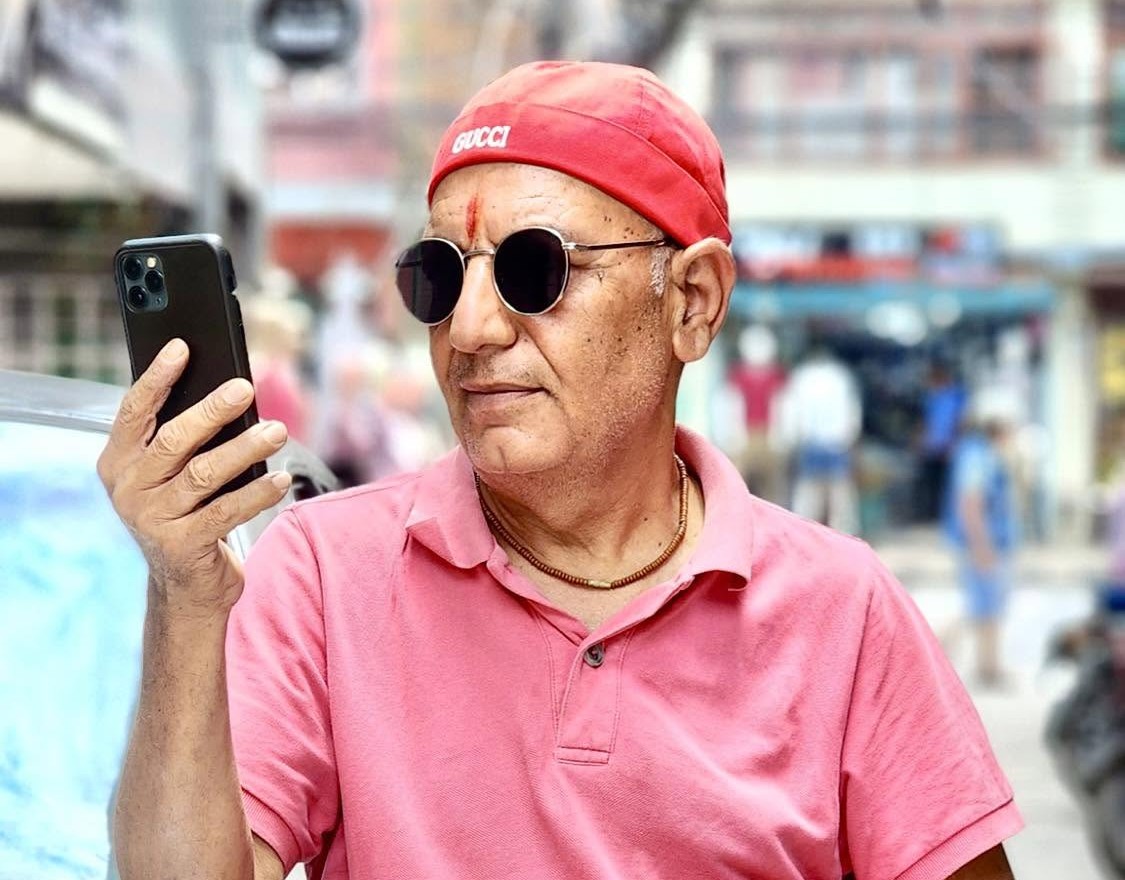
Ganesh Sapkota
production manager
Raju Dhoj Rana is a veteran Nepali film director active since 1994, known for directing several notable commercial and social‑drama films of the 1990s and 2000s. His career spans multiple creative roles — director, story writer, lyricist, screenplay writer, production designer, producer, and action director — making him one of the more versatile contributors of his era.
Raju Dhoj Rana
Film Director
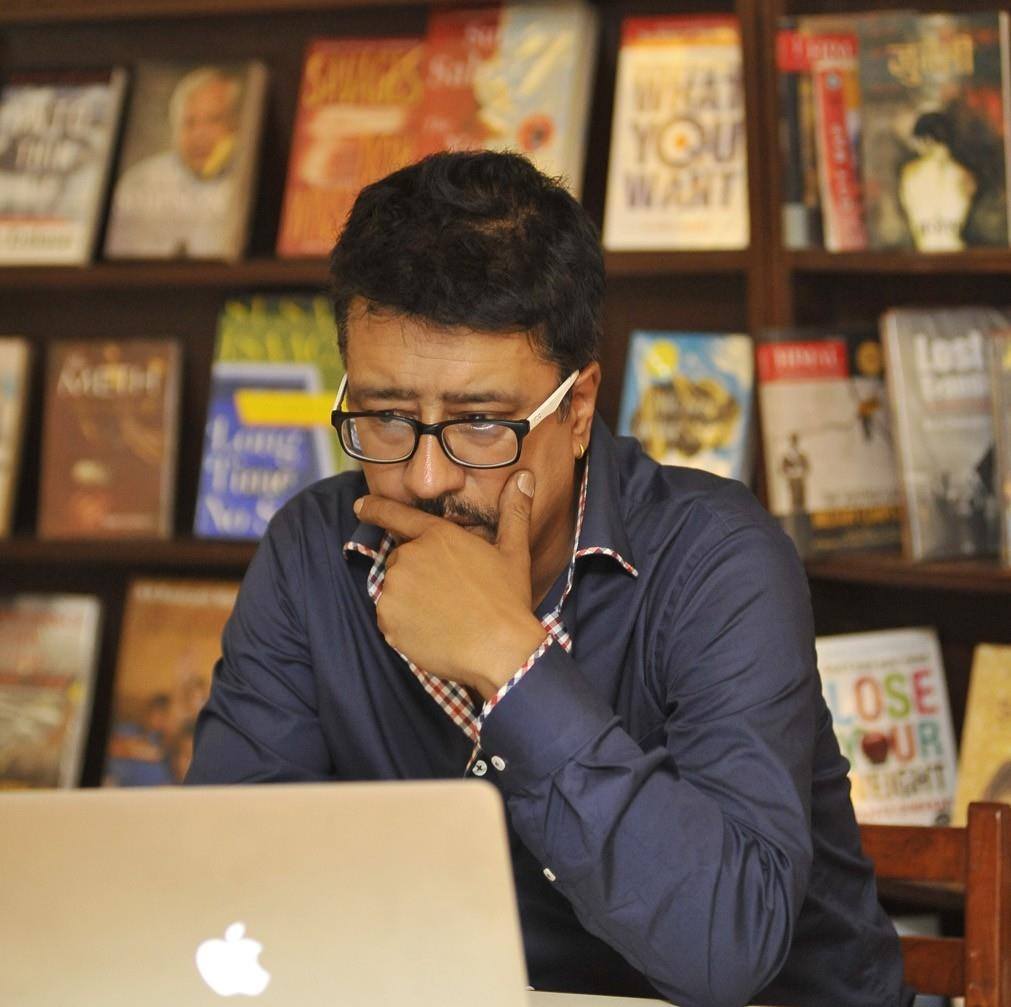
Brazesh Khanal is a respected Nepali writer, columnist, actor, and novelist known for his diverse contributions to Nepal’s literary and entertainment fields. Born and raised in Kathmandu, he began writing early, publishing his first story in Gorkhapatra while in eighth grade and went on to write screenplays and dialogues for over 100 TV shows and films. He has authored two novels — Yayawar (2013) and Juneli (2016) — acclaimed for their depth and nuance. As an actor, he debuted in theatre with the lead role in Bathtub and has also been involved in film work including writing the screenplay for Gothalo (1996). Known for bridging literature and performance, Brazesh remains an influential creative figure in Nepali culture.
Brazesh Khanal
Screenwriter/Script Writer, writer-author, Film Artists
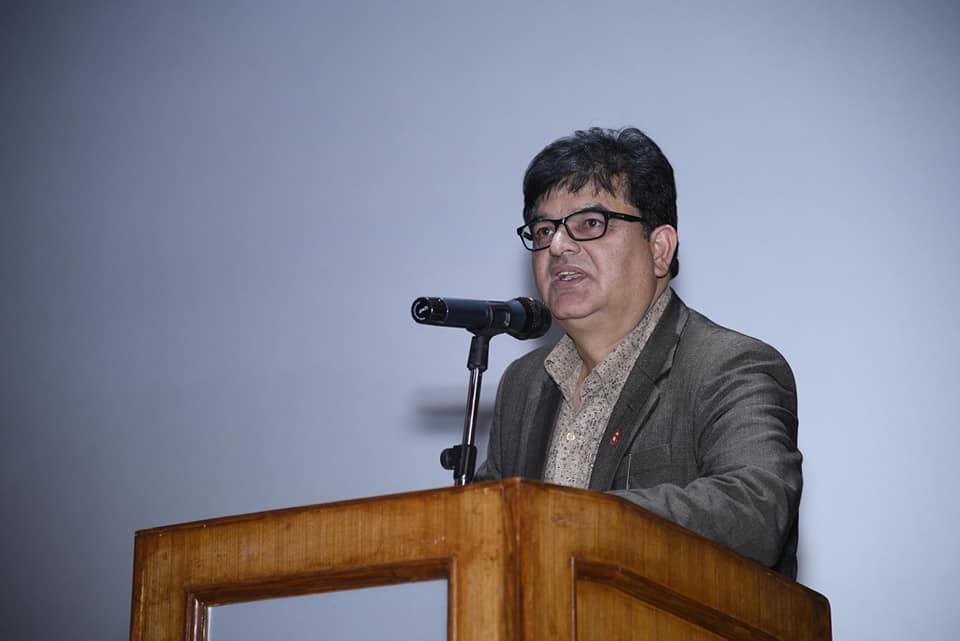
Keshab Bhattarai was a respected Nepali actor and film producer who played a significant role in the country’s cinema for over three decades. He made his acting debut in the film Koseli directed by Tulsi Ghimire and appeared in around fifty Nepali movies throughout his career. As a producer, Bhattarai worked on several films including Yatra, Bracelet, So Simple, Karmayoddha, and Aafno Manche. He also served as the Chairperson of the Film Development Board and was Senior Vice President of the Nepal Film Producer’s Association, contributing to the growth of the film industry before his passing in 2019
Keshab Bhattarai
Film Maker/ Producer, Film Artists
Deepak Rayamajhi was a celebrated Nepali film director and producer widely regarded as a key figure in shaping modern commercial Nepali cinema. Known for introducing fresh faces, stylish visuals, and contemporary storytelling, he played a major role in defining the look and rhythm of Nepali films during the 1980s and 1990s. Rayamajhi directed several successful films, including Bhagya Rekha, Kasam, Aafno Manche, Aafno Ghar Aafnai Manche, and Ghar Sansar, helping launch and elevate the careers of many actors. His work blended emotion, music, and social themes, earning him a lasting legacy as one of Nepal’s most influential filmmakers
Deepak Rayamajhi
Film Director
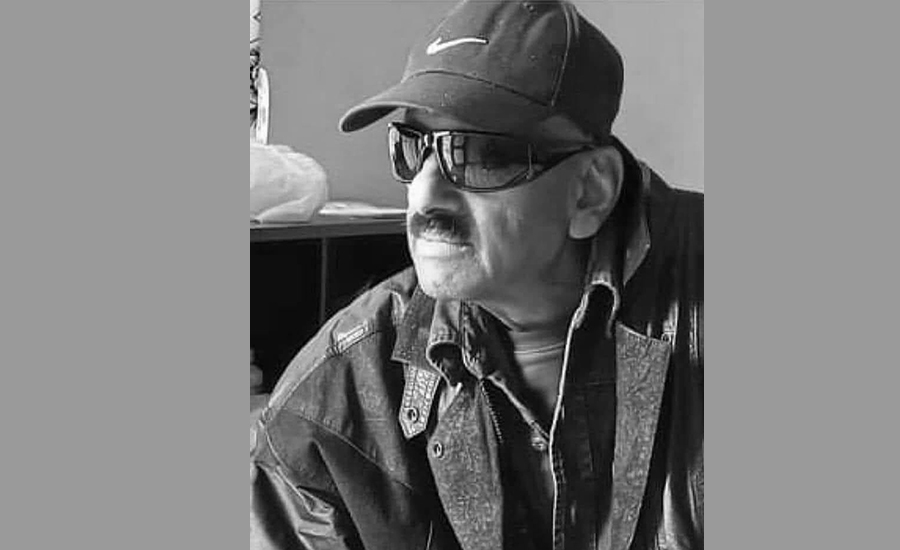
Reshraj Acharya was a respected Nepali film director known for his emotional storytelling and strong command of family and social‑themed cinema. He began his directorial journey with the film Tilhari and went on to direct notable works such as Tuhuro, Mato Bolchha, Bandhan, Aama, Man Muttu Ra Maya, Mayako Saino, Bhagyale Jurayo, Nagad Narayan, and Dharmasankat. His final directorial project was Preetiko Phool. Acharya also directed television serials including Dushman and Aama, and served as assistant director on films like Sapana, Sampatti, and Mayalu. He passed away on Falgun 5, 2078 B.S., at the age of 64.
Reshraj Acharya
Film Director
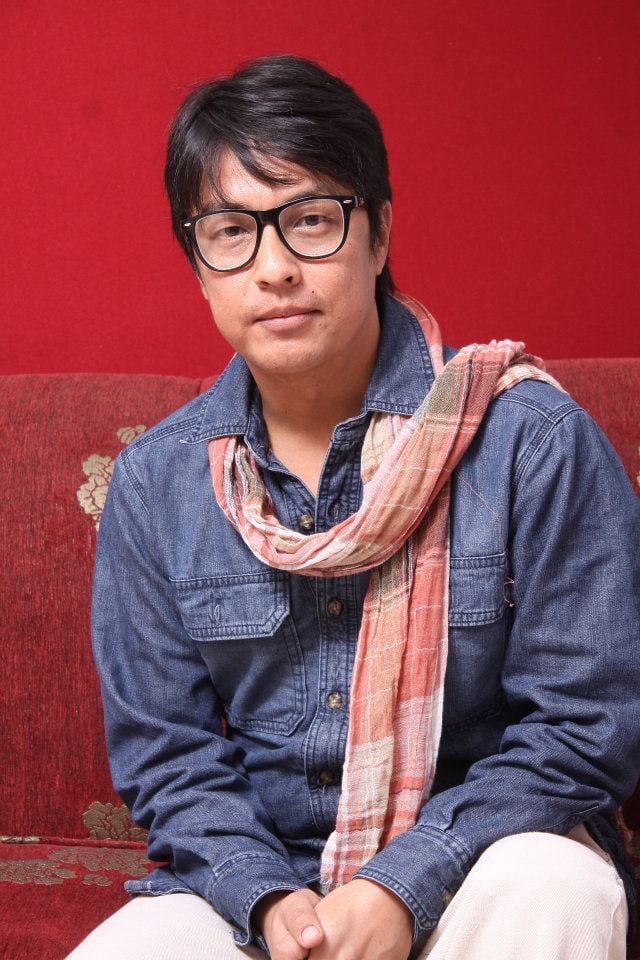
Alok Nembang (June 9, 1973 – November 6, 2014) was one of Nepal’s most influential film and music‑video directors, celebrated for shaping the visual language of modern Nepali pop culture. Beginning his career as a VJ and model, he went on to direct over 600 music videos, introducing cinematic style, fresh aesthetics, and youth‑driven storytelling. Nembang made his feature‑film debut with the hit romantic drama Sano Sansar (2008), followed by Kohi Mero (2010). Known for his creativity, discipline, and trend‑setting vision, he remains a defining figure in Nepal’s contemporary visual and musical landscape.
Alok Nembang
Film Director, Music Video TVC Director
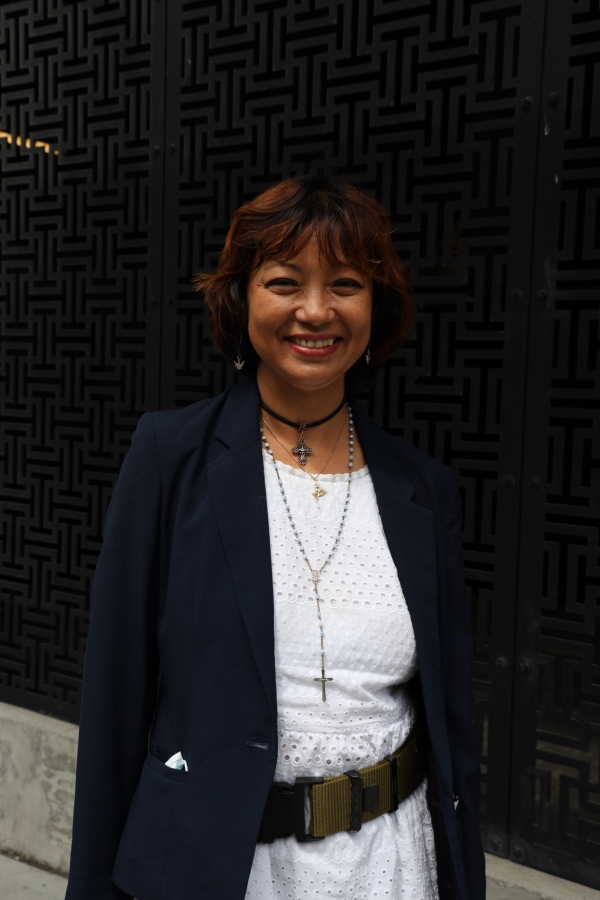
Sharon Sherpa is a Nepali actress, model, and dancer known for her graceful screen presence and early success in beauty pageants, winning Miss Beautiful 1996 and Miss Catwalk at Miss Nepal 1996. She entered Nepali cinema with the film Chamatkar, appearing alongside Rajesh Hamal, and continued her acting journey with roles in Sikhar opposite Shree Krishna Shrestha, Rajendra Khadgi, and Gagan Birahi. Active across modeling, dance, and film, Sherpa is recognized for her versatility and contribution to the 1990s–2000s era of Nepali entertainment.
Sharon Sherpa
Classical / Traditional Dancer, Actress, Film Artists
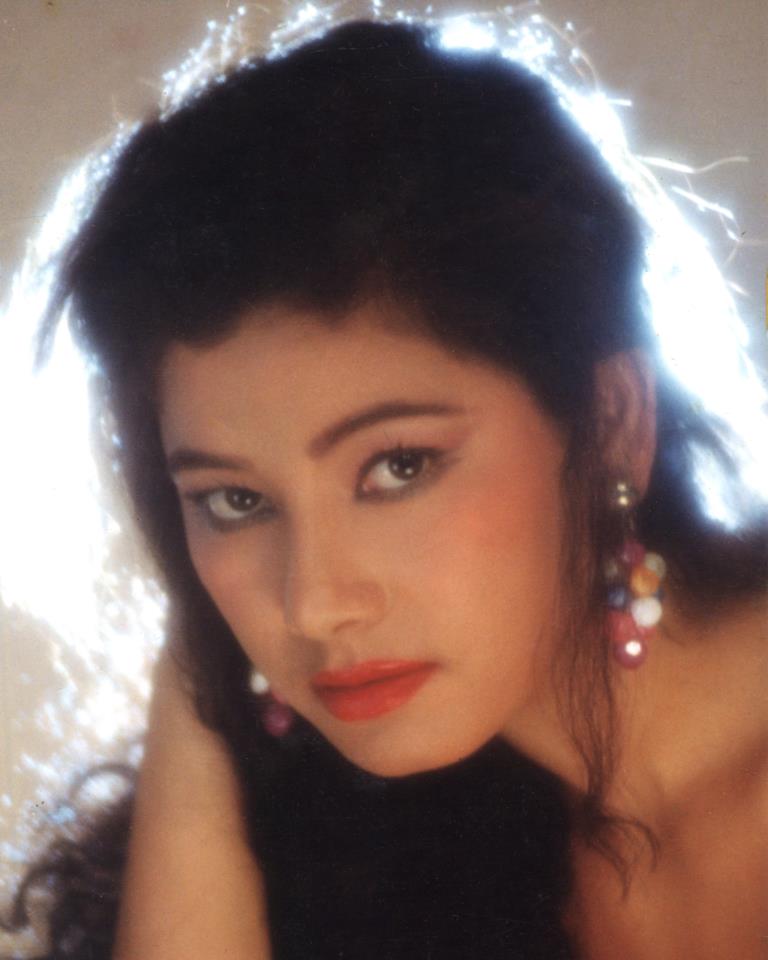
Rupa Rana is a prominent Nepali actress who entered the film industry in 1989 with Bhagya Rekha and quickly became one of the recognizable faces of the 1990s Nepali cinema. Over her career, she has acted in more than two dozen films, including Chino, Prem, Bhisma Pratigya, Aama Ko Maya, Dushman, Prem Geet, Ma Yesto Geet Gauchhu, Kri, and Panchayat. Known for her versatility, she has portrayed both leading and strong character roles across decades. Rana has also appeared in music videos and earned honors such as the Silver Jubilee Award at the D Cine Awards 2074.
Rupa Rana
Actress
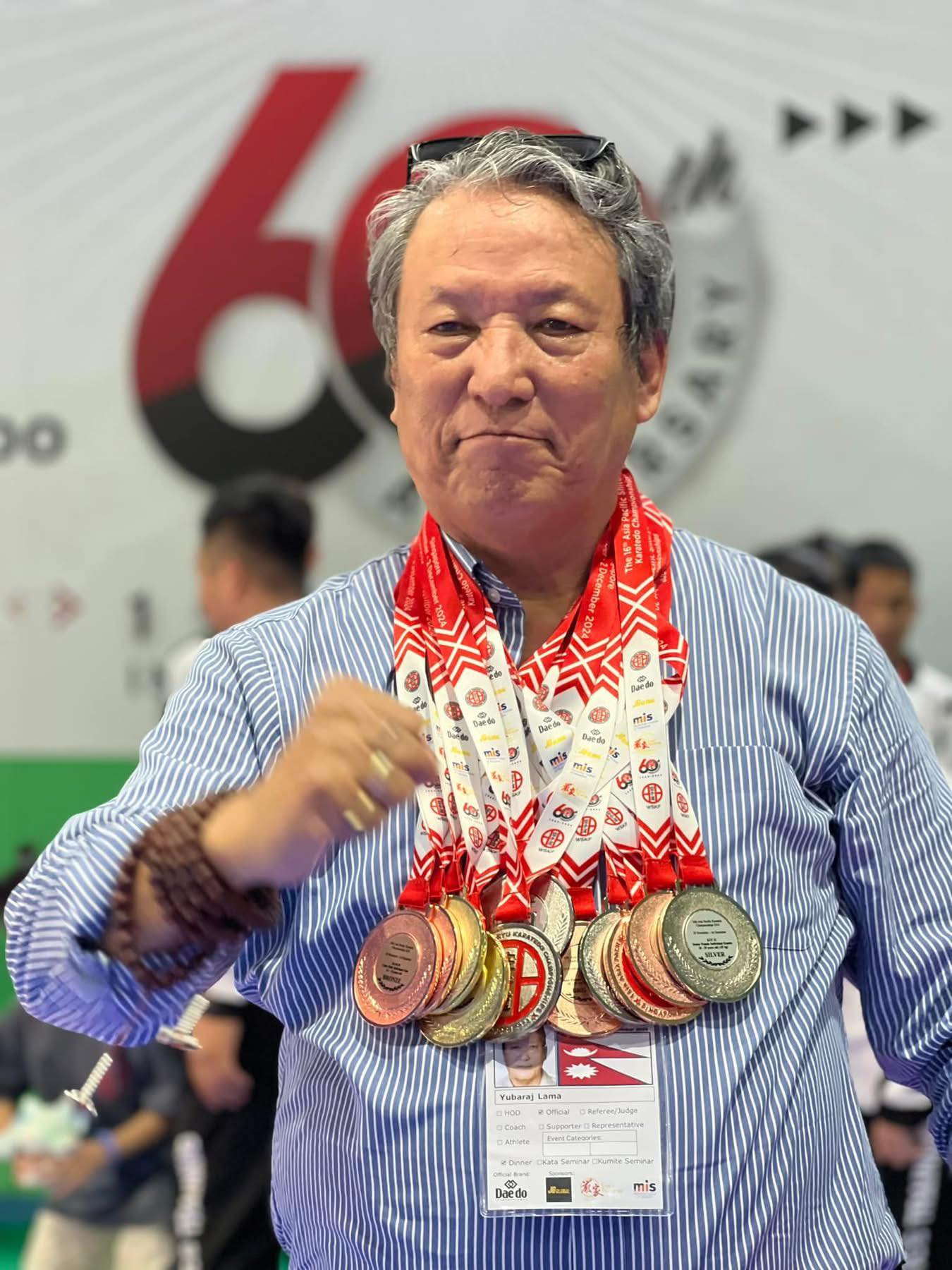
Yubaraj Lama is a veteran Nepali actor, filmmaker, and action director known for his influential presence in Nepali cinema since the late 1980s. His career spans acting, directing, choreography, and sports administration, making him one of the industry’s most versatile figures. Selected Filmography As Actor Sarauto (2019) Saayad (2012) Phool (2012) Jangabaaz (2009) Gorkha Rakshyak (2008) Agneepath (2005) Dharmatma (2003) Hero (2000) Deuta (1993) Chino (1991) Bijaya Parajaya (1990) As Director Khandaan (2004) Dharmatma (2003 As Action Director Chino (1991) Deuta (1993) Aparadh (1994) Badal (1994) Khelauna (1999)
Yubaraj Lama
Film Director, Film Maker/ Producer, Fight Director, Film Artists
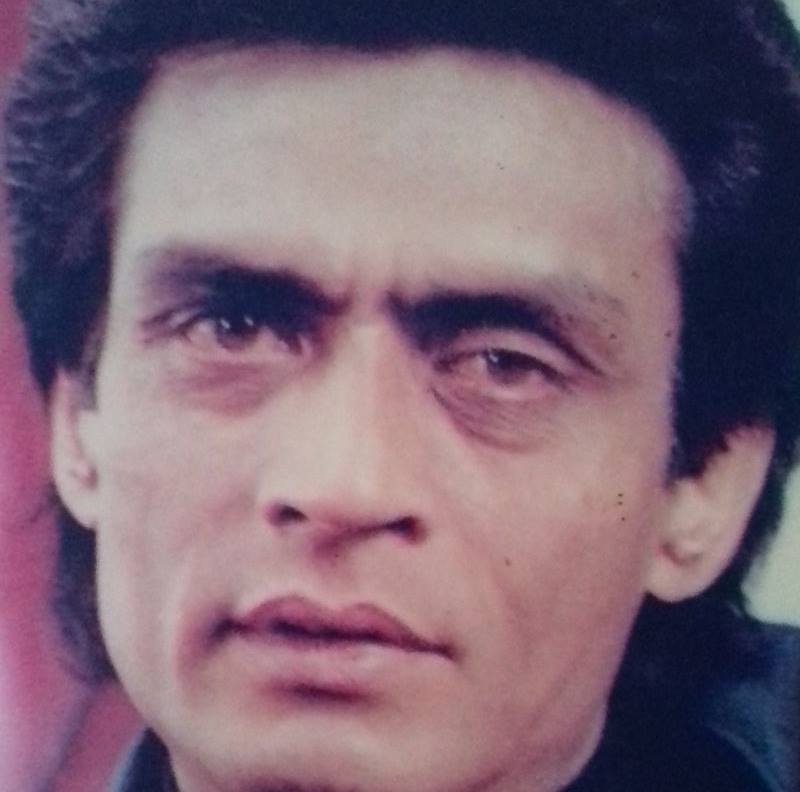
Deepak Chhetri was a distinguished Nepali film actor known for his powerful presence and memorable character portrayals across more than three decades of cinema. Renowned for intense negative and supporting roles, he appeared in notable films such as Seemana, White Sun, Rajja Rani, Bulbul, and Halkara. His performances were marked by emotional depth, physical precision, and a strong command of screen realism. Chhetri worked extensively in both mainstream and art‑house films, earning respect from directors and audiences alike. He passed away in 2019, leaving a lasting legacy as one of Nepali cinema’s most compelling character actors.
Deepak Chhetri
Actor, Performing Artists, Film Artists
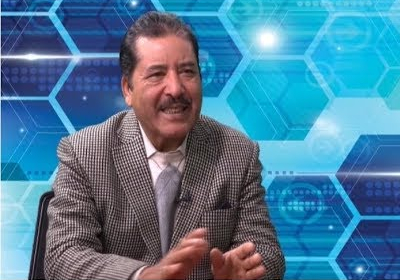
Shrawan Ghimire is a prominent Nepali film actor and producer best known for his long‑running collaboration with director Tulsi Ghimire, forming one of the most successful duos in Nepali cinema. He gained widespread recognition through hit films such as “Darpan Chhaya,” “Lahure,” “Kusume Rumal,” “Chino,” and “Dakshina,” many of which became cultural milestones. As a producer, he played a key role in shaping the commercial era of the 1980s–2000s, supporting films that blended emotion, music, and strong storytelling. His consistent contribution has made him a respected and enduring figure in Nepali film history
Shrawan Ghimire
Actor, Film Maker/ Producer, Film Artists

Dij Raj Poudel is a Nepali singer, composer, and lyricist known for his soulful voice and contributions to modern Nepali music since the early 2000s. Born in Sindhuli, he studied music under Dhan Bahadur Gopali and N.B. Chamling. His discography includes solo albums like Sambodhan, Sunaiko Durbar, Ghaderi, and Goreto, and he has contributed to numerous collection albums. Dij Raj’s popular songs include Timi Aaune Batoma, Sunaiko Durbar, Timi Kadarma, Nisthurile, Mauka Pare Pachi, Sunko Paincho, and Mutu Ma Bas Magi. He has performed internationally in India, Thailand, Malaysia, Qatar, Singapore, and China, promoting Nepali music across borders.
Dij Raj Poudel
Music Artists, Singer/ Performer
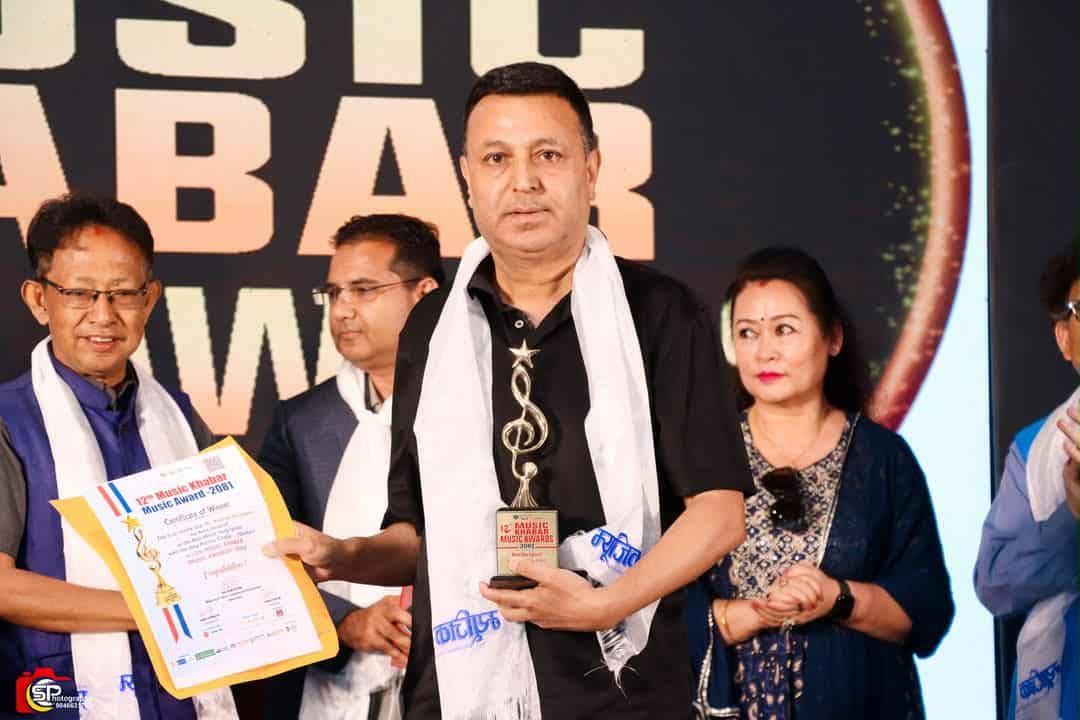
Pramod Dhungana is a prolific Nepali lyricist active since 1993, credited for writing songs in more than 50 Nepali films across three decades. His work spans classic, modern, and commercial cinema, contributing lyrics to notable films such as Aama (1996), Daijo (1996), Gunyo Cholo (1997), Bandhan (1997), Chandal (1998), Army (2000), Daag (2000), Sahar (2001), Upahaar (2003), Kurukshetra (2004), Baramala (2005), Aandhi Tufan (2007), Ghatak (2008), Sargam (2011), Shasan (2011), K Ma Timro Sathi Banna Sakchu (2012), Lamphoo (2018), Kahi Katai (2018), Jhingedau (2022), and Upahaar (2024).He has also collaborated repeatedly with major Nepali music directors such as Shambhujeet Baskota, sharing credits in films like Shasan (2011), Chino (2011), Ko Aafno Ko Birano (2005), and Apaharan (Ekadeshma).Alongside lyric writing, he has occasionally worked as an actor, screenwriter, and singer, showing versatility within the Nepali film industry.
Pramod Dhungana
Lyricist
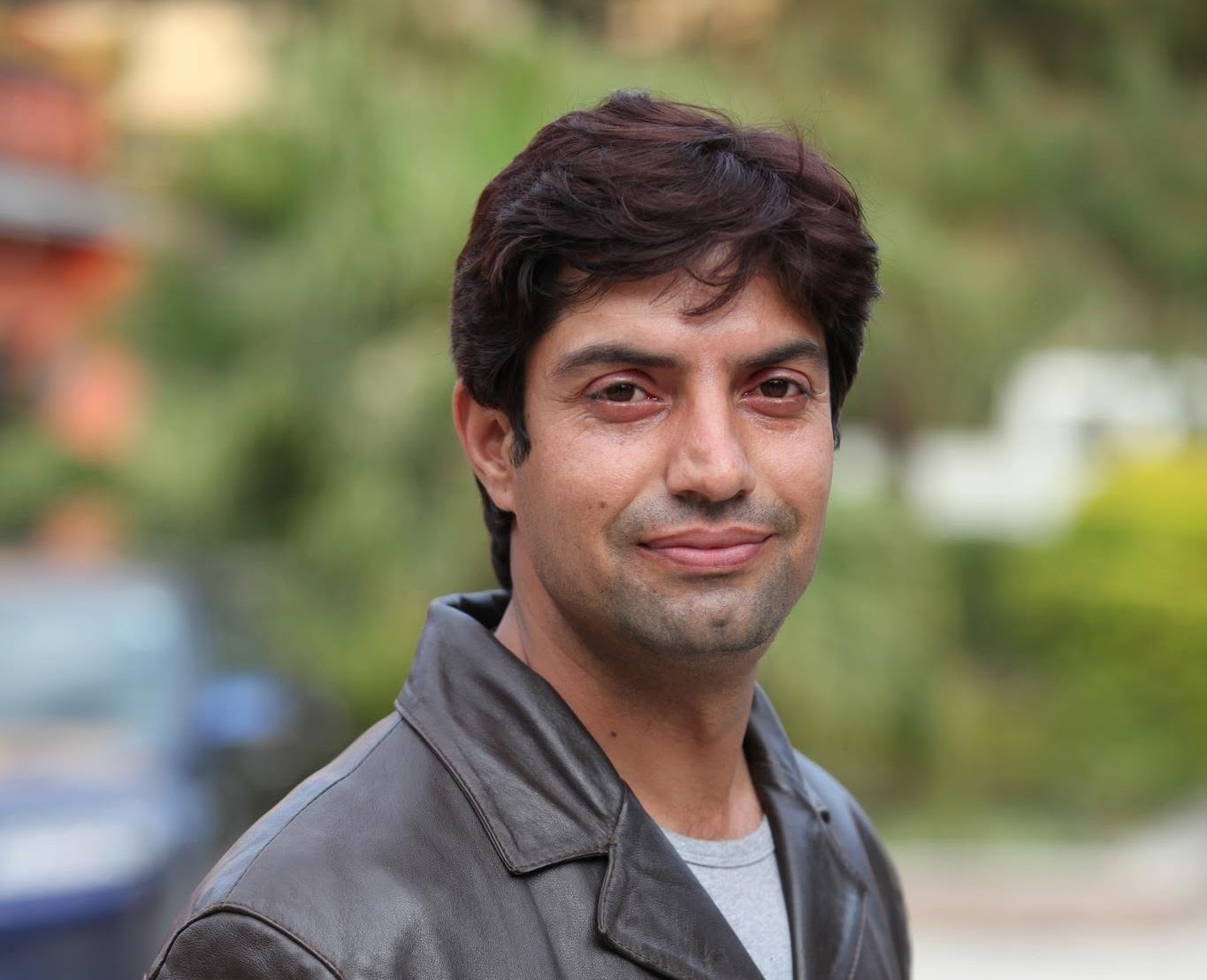
Shree Ram Pudasaini is a senior Nepali film actor and a former executive committee member of the Nepal Film Artists Association. Active in Nepali cinema for several decades, he has contributed to feature films, television serials, and numerous music videos, establishing himself as a committed and respected figure in the industry.He has acted in several Nepali films, including Commander (2020) and the historical drama Bhimdatta, where he appeared alongside artists such as Nawal Khadka and Nisha Adhikari. His verified filmography also includes earlier works like Bhul (1996) and Dasgaja (2011), reflecting a long creative journey across different eras of Nepali cinema.Beyond acting, Pudasaini has been active in organizational leadership within the Nepal Film Artists Association, serving in various roles and contributing to the welfare and representation of artists. In recognition of his service and dedication, he has been honored with the association’s “Seva Samman.”He has also directed and acted in multiple television serials and has appeared in several notable music videos, further showcasing his versatility and long-standing commitment to the performing arts.
Shree Ram Pudasaini
Film Artists
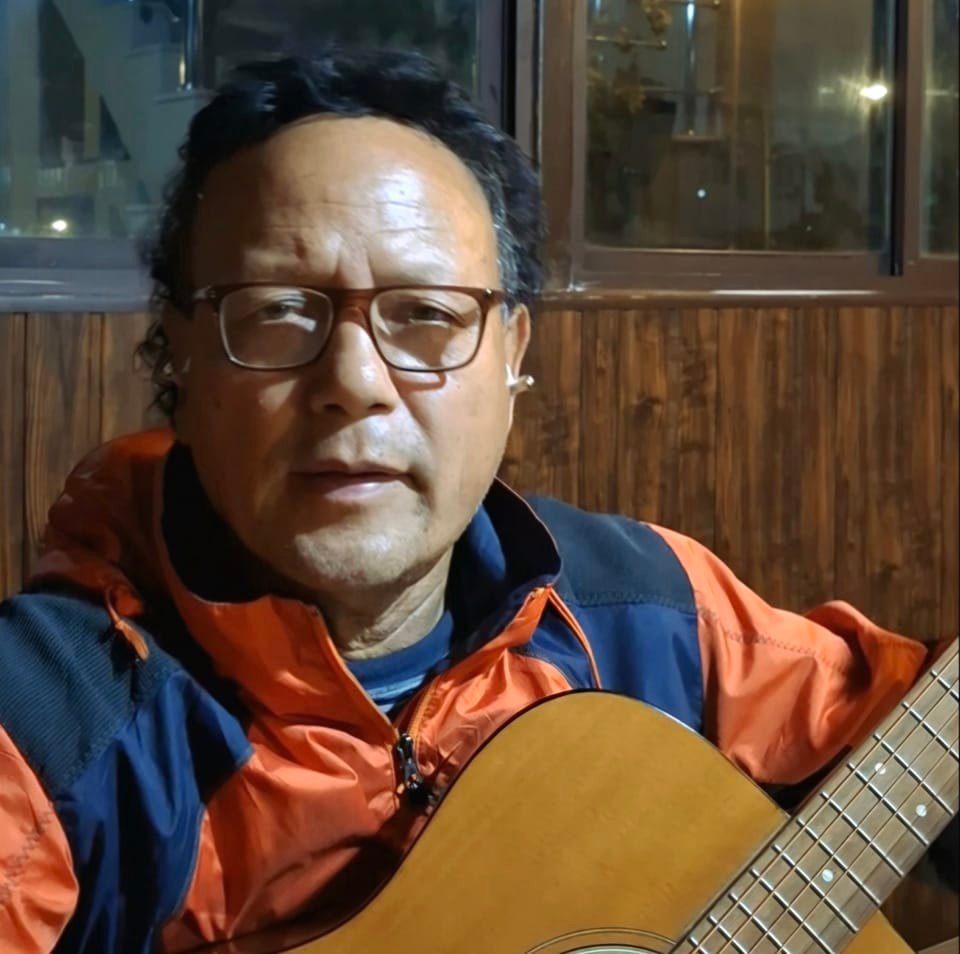
C.B. Gurung is a respected Nepali singer and composer from Namchi, Sikkim, known for his soft, melodious vocal style that shaped the musical taste of the Sikkim–Darjeeling region. His popular album “Eklai Eklai,” released under Master Recording Nepal, helped establish him as a beloved voice in modern Nepali music. Celebrated for timeless melodies and emotional depth, his songs continue to resonate across generations and remain staples in Nepali musical nostalgia.
C B Gurung
Singer/ Performer
Shyam Pradhan
Film Director
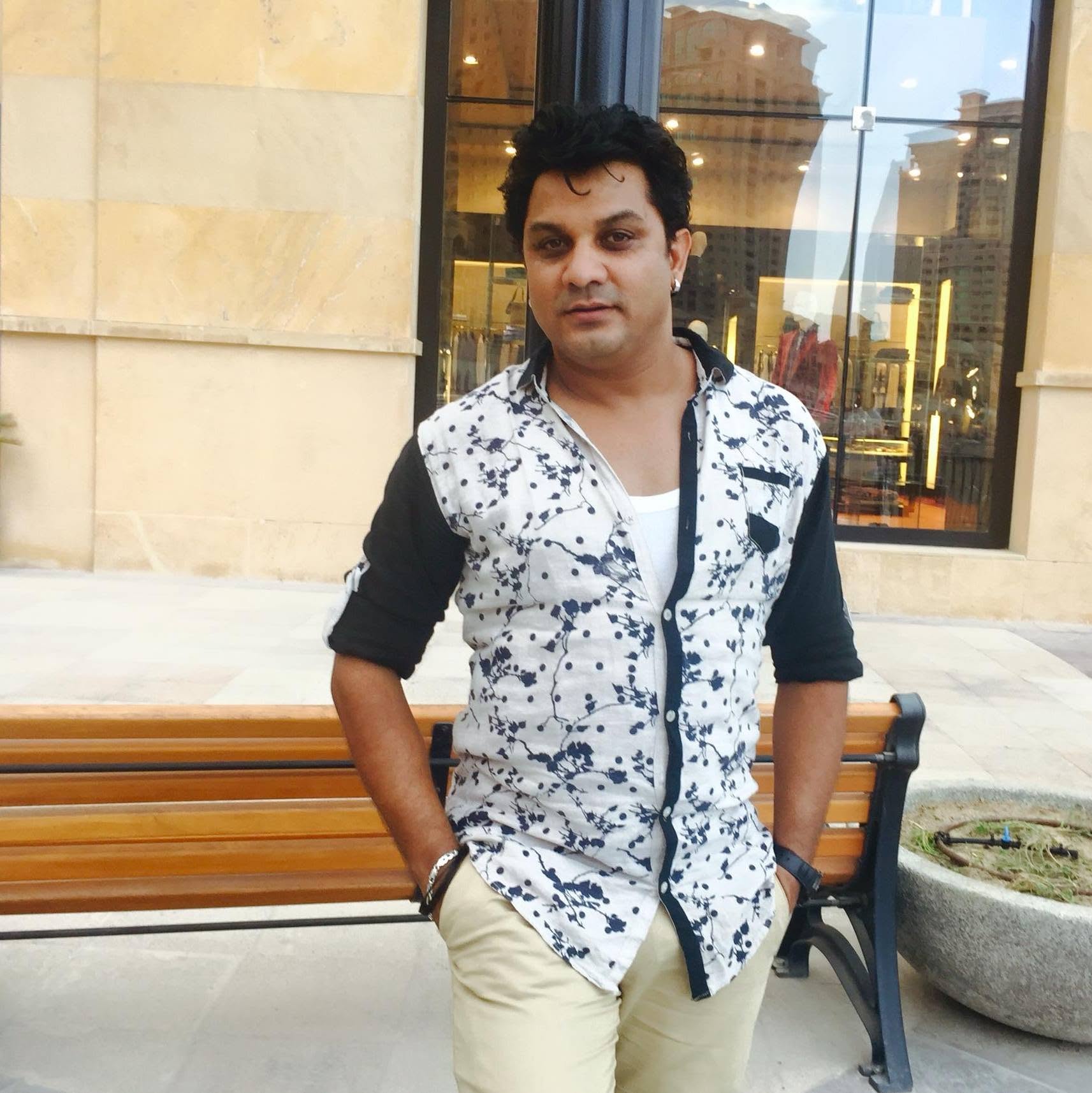
Kalyan Ghimire is a Nepali film actor, producer, and production designer active in Nepali cinema since 1998. Over the years, he has appeared in several mainstream commercial films and has contributed behind the scenes in story writing, screenplay, and production design. His acting credits include films such as Anshabanda (1998), Nagad Narayan (1999), Mero Hajur (2001), Maan Mutu Ra Maya (2003), Sasu Nanda Bhauju (2010), Sasu Sasura (2011), Birtako Chino (2011), Shreeman (2011), and Good Luck (2014).Beyond acting, Ghimire has played key creative roles in the film Shreeman (2011), serving as producer, story writer, screenplay writer, and production designer, and later worked as production designer for Madhumas (2013). His long‑running involvement across multiple departments reflects his versatility and steady presence in Nepali cinema.
Kalyan Ghimire
Film Artists

Sharmila Bardewa is a celebrated Nepali playback and modern singer known for her soft, expressive voice and a career that spans some of the most beloved Nepali melodies of the 90s and 2000s. Her signature hits include “Phoolko Jawaf,” “Aankha Ma Jhaljhali,” “Mero Hajur Lai,” “Aaja Unle,” “Jindagi Yo,” “Duniya Ho,” “Baru Timile,” and “Maile Bhane Gurung Ni Nani.” Bardewa’s songs blend emotional depth with melodic clarity, making her a favorite among radio listeners and film audiences. Her contribution to Nepali pop and playback music remains influential across generations.
Sharmila Bardewa
Playback Singer, Singer/ Performer

Swapnil Sharma is a Nepali singer, songwriter, and the lead vocalist of the iconic rock band The Shadows Nepal. Known for his powerful voice and socially conscious lyrics, he has delivered hit songs such as “Hidne Manche Ladcha,” “Ke Pais Nepali,” “Prakriti,” “Mero Nepal,” and “Tadha Bhaye Pani”. Beyond The Shadows, he is also the vocalist of the creative musical collaboration Swar alongside Rohit Shakya and Gautam Tandukar. His work spans rock, alternative, and experimental Nepali soundscapes.
Swapnil Sharma
Singer/ Performer

Mahima Silwal (1991–2020) was a Nepali actress and model known for her bold roles and expressive performances in contemporary Nepali cinema. Originally from Bharatpur, Chitwan, she began her career in modeling before debuting in the film Karbahi. She went on to star in April Fool, Ek Pal, Kismat 2, and several music videos, earning recognition for portraying strong, independent female characters. Tragically, Mahima passed away on February 12, 2020, in a road accident in Gajuri, Dhading, while traveling with her sister Sharmila, who also died in the incident. Her untimely death was a great loss to the Nepali film industry.
Mahima Silwal
Model, Actress

Harshika Shrestha is a Nepali actress, legal advisor, and co-producer known for her versatile roles in action and romantic films. She debuted opposite Prashant Tamang in Angalo Yo Maya Ko and gained popularity through films like Lootera, Mukhauta, Nagbeli, Zanjeer, and Mission Paisa 2 – Reloaded. She has acted in over 14 films and served as legal advisor for Sadanga and Kina Kina, and co-produced Mission Nepal. Harshika began her career as a model and editor before transitioning to acting. Her dynamic presence and legal background make her a unique figure in Nepali cinema.
Harshika Shrestha
Actress, Film Artists

Simpal Khanal is a Nepali actress, model, and former VJ known for her charm and versatility in film, television, and fashion. She debuted in the film Majhi Dai and gained popularity through music videos, TV serials, and modeling campaigns. Simpal hosted shows like Hit Mix on Nepal Television and Bhabishya Darpan on Kantipur TV. She also appeared in advertisements and fashion shoots, becoming a recognizable face in the early 2010s. After marrying UK-based Nadeem Sarwar in 2016, she stepped away from the Nepali entertainment scene. Her filmography includes Majhi Dai and several short films and music videos
Simpal Khanal
Model, Actress, Film Artists