


Bijay Shivakotee
@bijay-shivakotee · Lyricist
Bijay Shivakotee is a respected Nepali lyricist and poet active since 1986, celebrated for his emotionally resonant, conversational writing style. His songs—including Bihani Seet Bani, Mero Pani Yaad Aaucha, Chaina Jun, and Thaha Chaina Kun Mod—have ...
Biography
Bijay Shivakotee is a respected Nepali lyricist and poet active since 1986, celebrated for his emotionally resonant, conversational writing style. His songs—including Bihani Seet Bani, Mero Pani Yaad...
Personal Info
Career Highlights
—
Films
1
Awards
—
Experience
—
Rating
Similar Artists
Artists you might also like

Sushant Gautam is a talented Nepali lyricist and music director. Born on June 30, 1992, in Biratnagar, Sarswoti Tole, he has made significant contributions to the Nepali music industry. Career Highlights Music Director: Worked on movies like "Saili," "21 Years," "Joon Ta Lagyo Tara Le," "Captain," and "Aappa." Composer: Collaborated with singers such as Sanup Paudel, Ram Krishna Dhakal, Hemant Rana, Santosh Lama, Bikram Baral (Nepal Idol), Manish Dhakal, and Banika Pradhan. Current Work: Studying filmmaking and continuing his work as a music director. Sushant Gautam has composed and directed several notable songs in the Nepali music industry. Here are some of his popular works: "Maya": A soulful track that has gained significant popularity. "Baani": Another beautiful composition that showcases his lyrical prowess. "Kaha Kaha (Acoustic Version)": A heartfelt acoustic rendition
Sushant Gautam
Music Director, Lyricist

A lyricist who got a lot of fame from a few songs. Creators of songs including Saili, Batauli, K Maya Lagchha Ra? Hatti Dhungama, Teenpatey etc .
Harka Saud
Lyricist
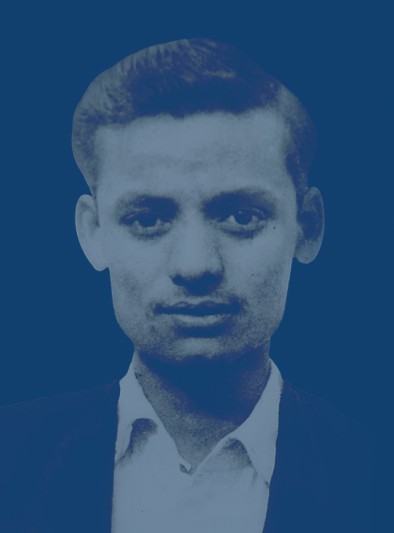
Batukrishna Jwala (Nepali: बटुकृष्ण ज्वाला; 23 Falgun 1999 B.S. – 23 Magh 2025 B.S. / 1943–1969 A.D.) was a pioneering Nepali singer, composer, lyricist, music teacher, and stage performer who played a significant role in the evolution of modern Nepali music during the 1960s. Although his life and career were tragically brief, he left an extraordinary legacy through his timeless songs, innovative musical style, and charismatic performances. Widely regarded as one of the artists who transformed the image of Nepali modern music, Jwala introduced a fresh blend of melody, expression, and stagecraft that influenced generations of musicians.Born as Batukrishna Silwal in Kshetrapati, Kathmandu, he was the son of Rameshwor Krishna Silwal and Prabhavati Silwal. From an early age, he demonstrated exceptional musical ability and developed a deep passion for singing and composing. As his artistic career flourished, he adopted the stage name Batukrishna Jwala, a name that would become synonymous with Nepal's golden era of modern music.Before dedicating himself fully to music, Jwala served as a music teacher at Laboratory School, Kirtipur, where he nurtured young talent while continuing his own artistic pursuits. His background as an educator reflected his commitment to promoting music beyond the stage and recording studio.Batukrishna Jwala emerged as a leading voice in Nepali modern music during the 1960s. At a time when the country's music industry was still in its formative years, he brought a distinctive performance style that combined expressive singing with theatrical presentation. His energetic stage presence earned him recognition not only as a gifted vocalist but also as one of Nepal's earliest musical performers, captivating audiences through both his voice and his expressive interpretation of songs.His breakthrough came with the timeless classic "Ae Durka Sitara Mero Chandani Kaha Chha." The song, written by renowned lyricist Kiran Kharel, became one of the landmark recordings in Nepali music history. According to musical accounts, King Mahendra was deeply impressed after hearing Jwala perform the song live, leading to its recording in Kolkata, India. The recording marked an important milestone in his career and introduced his voice to audiences across Nepal.Jwala achieved nationwide fame with the evergreen hit "Chanchale Aankhale Ho Ho Chanchale Aankhale," a song that remains one of the most recognizable classics of Nepali modern music. His expressive vocal delivery, memorable melodies, and lively presentation helped redefine popular music at the time. Other notable songs associated with his career include "Phuleko Phool" and several other compositions that continue to be appreciated by lovers of classic Nepali music.Beyond singing, Batukrishna Jwala was also an accomplished composer and lyricist. His musical works blended traditional Nepali melodies with modern arrangements, creating a fresh sound that appealed to a new generation of listeners while preserving the emotional depth of Nepali music. His versatility allowed him to contribute creatively in multiple aspects of music production, making him one of the pioneering multi-talented artists of his era.Despite achieving immense popularity, Jwala's recording career remained relatively short due to the limited recording infrastructure available in Nepal during the 1960s. Many of his performances were witnessed live on stage rather than preserved through commercial recordings. Nevertheless, the songs he recorded became enduring classics and continue to be broadcast, performed, and celebrated decades later.Batukrishna Jwala passed away on 23 Magh 2025 B.S. (1969 A.D.) at the age of only 25, bringing an untimely end to one of the most promising careers in Nepali music. Although his life was brief, his artistic contributions left a lasting impact on the country's musical landscape.Today, Batukrishna Jwala is remembered as one of the pioneers of modern Nepali music—a gifted singer, composer, lyricist, teacher, and performer whose timeless songs and innovative artistry helped shape the identity of Nepali popular music. His classics, including "Chanchale Aankhale," "Ae Durka Sitara Mero Chandani Kaha Chha," and "Phuleko Phool," continue to inspire musicians and delight audiences, ensuring that his legacy remains an enduring part of Nepal's musical heritage.
Batukrishna Jwala
Music Director, Lyricist, Singers & Vocalists
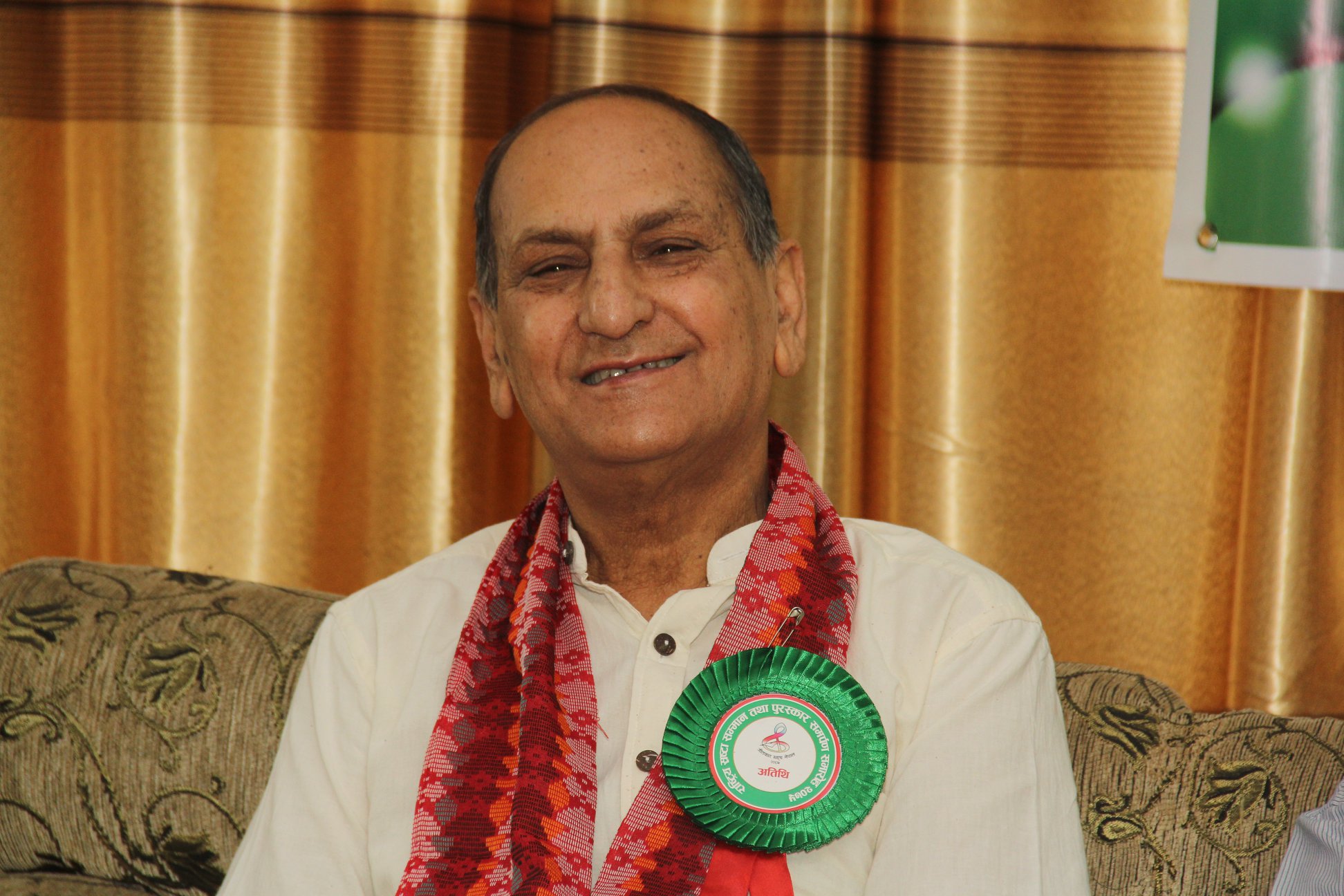
Kiran Kharel is a renowned Nepali poet and lyricist known for his significant contributions to Nepali literature and music. He has penned lyrics for numerous popular Nepali songs, collaborating with various artists and composers. Popular Songs by Kiran Kharel: "Aina Nabhaye" "Aakha Bhari Timi Timi" "Yo Mausam Yo Hariyali" "Tasbir Mai Yasto" "Makhamali" These songs have been cherished by audiences and have contributed to the rich tapestry of Nepali music. Throughout his career, Kharel has received several accolades recognizing his talent and impact on the industry. Notably: Kalika FM Music Award 2075: Lifetime Achievement Award Nefta Film Award 2069: Best Lyricist for the song "Pal" Dcine Award 2068: Best Lyricist for "Kasle Choryo Mero Man"
Kiran Kharel
Lyricist, writer-author