
Explore Artists
Browse through 2,037 talented actors, musicians, dancers, filmmakers and creative professionals from Nepal.
2,687
All Artists
197
Actor
224
Actress
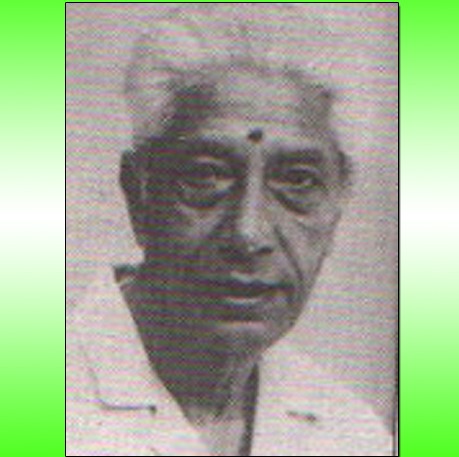
Laxman Lohani is a Nepali lyricist, poet, satirist, and playwright known for his patriotic songs, socially conscious poetry, and sharp political commentary. His writing blends folk emotion, national identity, and cultural storytelling, giving his work a distinctive voice in modern Nepali literature and music.As a lyricist, Lohani has written memorable songs rooted in Nepali life, rural sentiment, and emotional depth. His patriotic and social‑themed lyrics are recognized for their sincerity, clarity, and cultural resonance.As a poet, he creates lyrical and symbolic works that explore themes of nation, society, human emotion, and moral reflection. His poetry often highlights the struggles and aspirations of ordinary people.As a satirist, Lohani is known for bold and humorous critiques of political behavior, social hypocrisy, and leadership culture. His satire carries both wit and truth, making it powerful and memorable.
Laxman Lohani
Lyricist, Poet
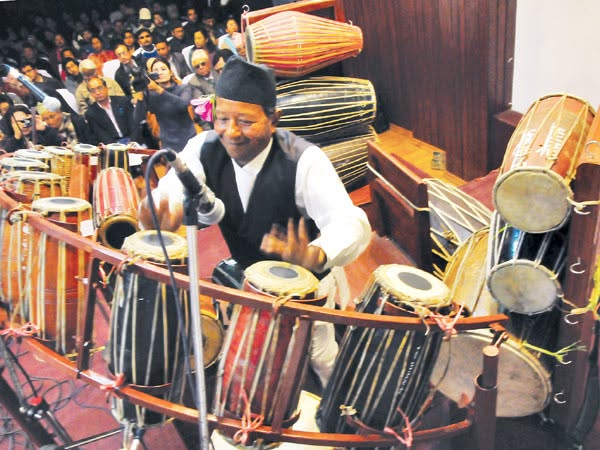
Nhuche Bahadur Dangol is a distinguished Nepali folk music educator, researcher, and multi‑instrumentalist, widely respected for his lifelong contribution to preserving and teaching Nepal’s traditional musical heritage. As an Associate Professor at Tribhuvan University, he has dedicated more than 36 years to teaching Nepali folk music, folk musical instruments, and traditional folk tunes to new generations of Nepali students.His career reflects a rare combination of academic depth, practical musicianship, and cultural stewardship. Dangol has played a central role in documenting, teaching, and transmitting the musical traditions of Nepal’s diverse ethnic communities. His classroom work, field knowledge, and performance experience have shaped thousands of young musicians, many of whom now serve as performers, teachers, and cultural ambassadors.Known for his mastery of multiple Nepali folk instruments, Dangol emphasizes authentic technique, historical context, and cultural meaning in his teaching. His approach blends scholarship, performance, and preservation, making him one of the most influential figures in Nepali folk music education.Through decades of service at Tribhuvan University, he has contributed to curriculum development, academic research, and the institutional recognition of Nepali folk music as a formal discipline. His work continues to strengthen the identity, continuity, and global appreciation of Nepal’s musical heritage.
Nhuche Bahadur Dangol
Musicians & Instrumentalists, Music Instructor, Madal - Dholak Player
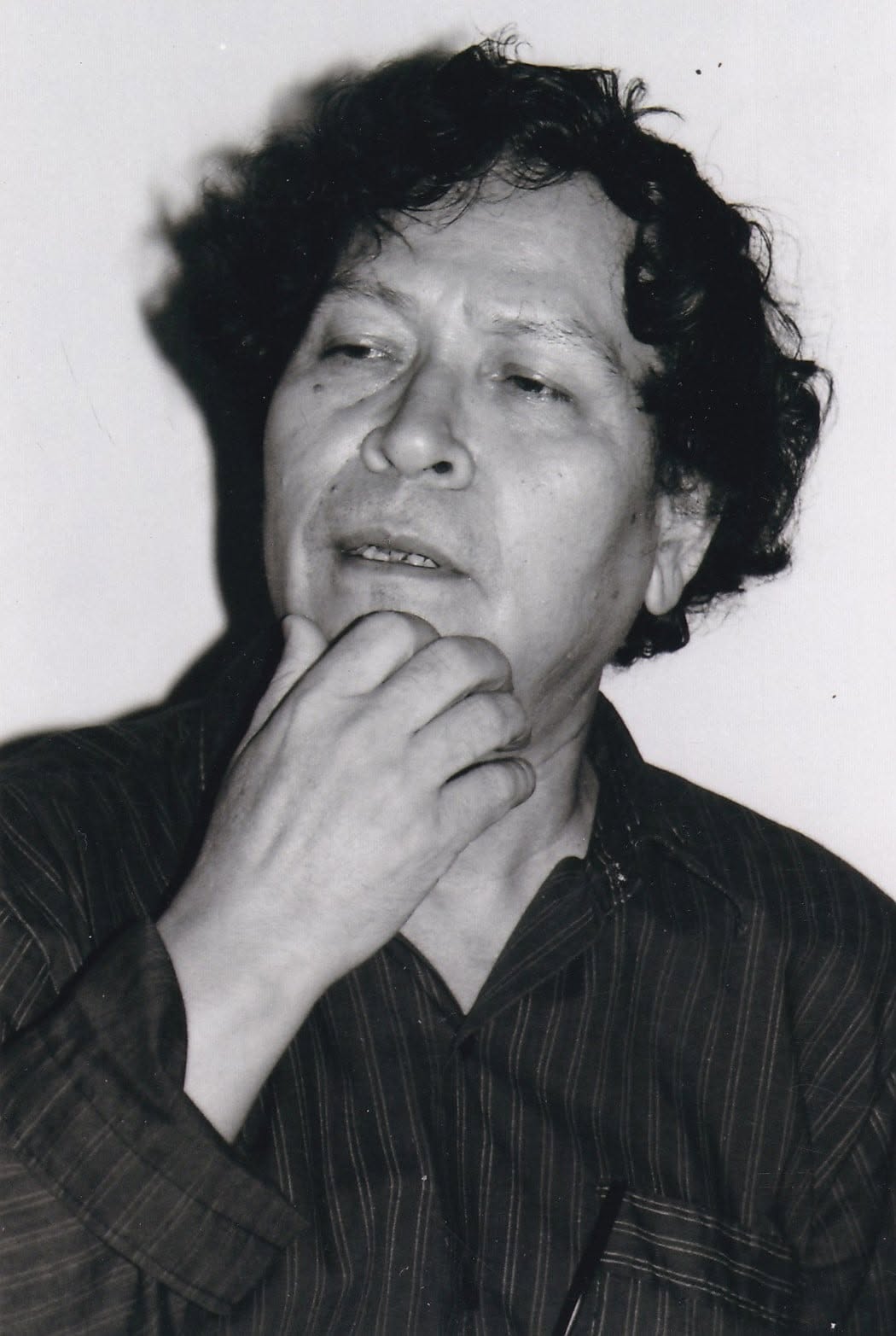
Manik Ratna Sthapit is a legendary Nepali singer and composer, widely admired for his expressive voice, refined musical discipline, and contribution to the development of Nepal’s modern musical era. Known for his smooth vocal delivery and deep melodic understanding, Sthapit became one of the respected voices who helped shape the sound of Nepali music during a transformative period.Emerging from a generation that valued classical grounding and cultural authenticity, Sthapit built his reputation through emotionally rich performances and compositions rooted in Nepali identity. His songs reflect clarity, balance, and a timeless melodic structure that continues to resonate with listeners and musicians.As a composer, he created works that blend traditional sensibility with modern musical expression. His compositions are known for their lyrical depth, elegant phrasing, and musical purity — qualities that earned him recognition among senior musicians, broadcasters, and cultural institutions.Throughout his career, Sthapit remained committed to artistic integrity. His influence extends across generations, inspiring singers, composers, and students who look to his work as a model of discipline, taste, and musical excellence.
Manik Ratna Sthapit
Music Director, Singer/ Performer
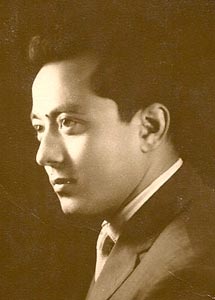
Pushpa Nepali (Born: 3 January 1932 AD – Died: 13 November 2001 AD) was a legendary Nepali singer, lyricist, and composer, celebrated for his powerful voice, disciplined artistry, and extraordinary contribution to the golden era of Radio Nepal. Born on Poush 19, 1988 BS in Kathmandu, he emerged as one of the most influential musical figures of his generation.He entered Radio Nepal in 2008 BS with a monthly salary of fifty rupees, marking the beginning of a remarkable musical journey. After serving for eight years, he briefly left the station, but his exceptional voice soon reached the ears of King Mahendra, who personally requested his return. Rejoining Radio Nepal, Pushpa Nepali resumed recording with renewed energy, and his voice quickly became one of the most admired in the country.By 2036 BS, he had recorded over 500 songs, establishing himself as one of the most prolific singers of his era. Alongside his vocal achievements, he also contributed around 25 lyrics and 25 musical compositions, all preserved as part of Nepal’s musical heritage.Pushpa Nepali’s artistry combined emotional depth, classical grounding, and cultural authenticity. His songs remain beloved across generations, and his influence continues to shape Nepali music long after his passing on Kartik 27, 2058 BS.
Pushpa Nepali
Singer/ Performer
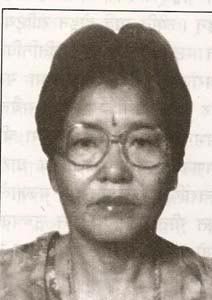
Ganga Rana was one of Nepal’s most influential voices in adhunik (modern) music, celebrated for her effortless singing style and her rare ability to perform both modern and folk songs with equal mastery. Her patriotic songs, emotional depth, and artistic versatility made her a defining figure in Nepal’s musical history. She was not only a singer but also a composer and lyricist, contributing significantly to the creative evolution of Nepali music.Born on Poush 9, 1996 BS in Rumjatar, Okhaldhunga, to Champa Singh Gurung and Chandra Devi Gurung Rana, she moved to Kathmandu at a young age with her elder sister and brother‑in‑law to pursue her education. However, her passion for music soon took precedence. While studying at Gaushala Adhar School, Chabahil, she actively participated in singing, dancing, and acting—laying the foundation for her artistic journey.Ganga Rana recorded her first song at Radio Nepal at age 14, and by 2010 BS, she was working there professionally. Her breakthrough moment came during the coronation of King Mahendra, where her performance captivated the entire audience. In 2011 BS, she gained national and international attention after singing a patriotic song to welcome Chinese Prime Minister Chou En‑lai during his visit to Nepal.She married Nur Pratap Rana in 2018 BS, and they had three children—sons Kundan Pratap and Amir Pratap, and daughter Rakshya Rana, who later became Nepal’s first female pilot.Throughout her career, Ganga Rana earned numerous honors:Gold Medal for acting from Nepal Rastriya Pustakalaya (2016 BS)2nd place in Radio Nepal’s Adhunik Singing Competition (2019 BS)1st place in the same competition (2020 BS)Awarded by King Mahendra for winning again in 2023 BSHonored for acting by the Cultural Association (2030 BS)Shree Panch Birendra Subharajyabhishek Padak (2031 BS)In 2049 BS, her husband established the Nurganga Puraskar Guthi in her memory, honoring artists from Lumbini every year.
Ganga Rana
Folk Singer, Singers & Vocalists
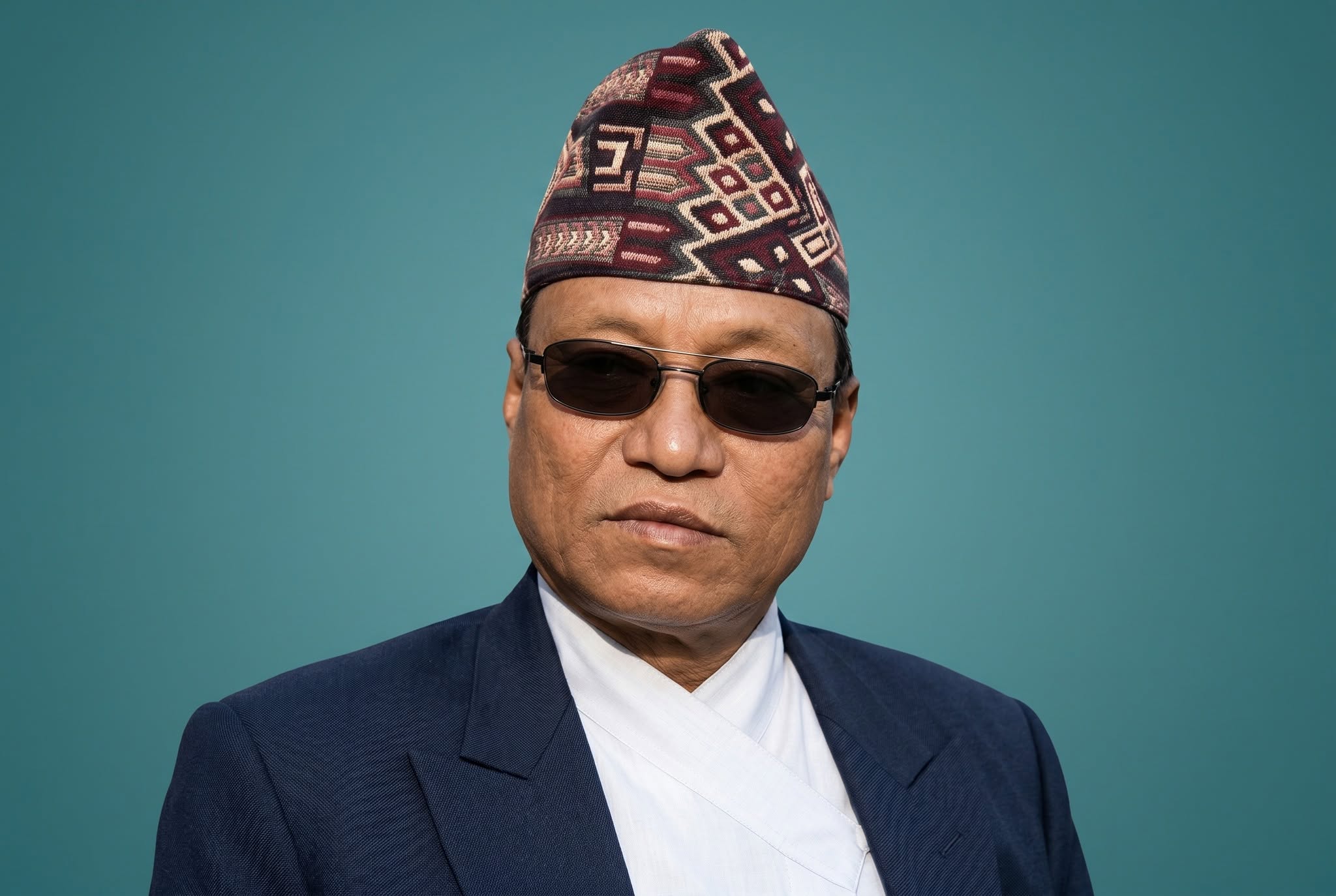
Pandav Sunuwar (पाण्डव सुनुवार) was a celebrated Nepali folk singer and pioneering Radio Nepal RJ, admired for his soulful voice, natural humor, and radio programs that transformed Nepal’s broadcasting culture. Born on 2009 BS Poush 9 in Ragani, Okhaldhunga, he rose from the eastern hills to become one of Nepal’s most beloved musical voices.He entered the music field around 2030 BS with the song “Sapanabhari Hansirahunshu”, and went on to record dozens of evergreen folk hits including “Ainseluko Paat,” “Sakyo Nani,” “Shahrai Jaula Ni,” “Bhijyo Timro Rato Pachhyauri,” “Babari Phoolko Bot,” and many more that remain cultural staples across generations.His duet partnership with Vasudev Munal produced nearly five dozen songs, making them one of the most iconic duos in Nepali folk music history.As a Radio Nepal RJ, Pandab Sunuwar became a household name through programs like Phone‑In, Chautari, Jharna ra Jhankar, Sungabha, Indreni, and others. He is widely credited with introducing Nepal’s first Phone‑In program, a format later adopted by FM and TV stations nationwide. His warm, witty, and emotionally resonant voice made him a national favorite.He authored the book “Aaroh‑Avaroh”, documenting the evolution of Radio Nepal and Nepali broadcasting.Pandab Sunuwar passed away on 2063 BS Asoj 21 at King’s College Hospital, London, while undergoing treatment for liver cirrhosis. His artistic legacy continues through his children, including his son Simosh Sunuwar, a well‑known music video and advertising film director active in Nepal’s contemporary visual and commercial media industry.
Pandav Sunuwar
Radio Jockey [RJ], Folk Singer
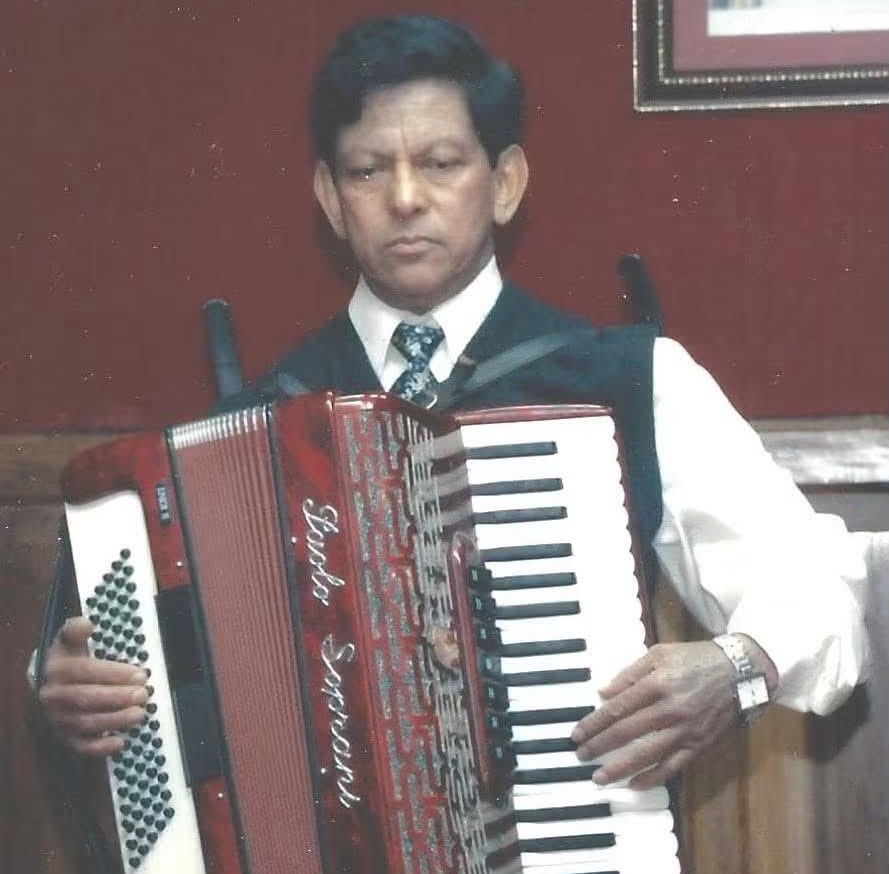
Kiran Rasaily (born 24 March 1947, Kolkata) was one of Sikkim’s most versatile and influential artists—an accomplished composer, multi‑instrumentalist, photographer, painter, architect, and cultural mentor. He gave his first public musical performance in 1953 in Gangtok and rose to prominence in 1964 after composing the patriotic song “Sikkim Dhara Hara Bhara…” written by Jaybir Subba. Gifted with mastery over harmonium, banjo, mouth‑organ, violin and the iconic piano‑accordion presented to him by the Chogyal, Rasaily became a central figure in Sikkim’s musical ceremonies and later co‑founded the Denzong Musical Society. Parallel to his artistic journey, he built a distinguished career as an architect, designing landmark structures across Gangtok, Namchi, and beyond. His passing at 79 marked the loss of a rare multi‑talented cultural treasure whose contributions continue to shape Sikkim’s artistic and architectural identity.
Kiran Rasaily
Music Artists
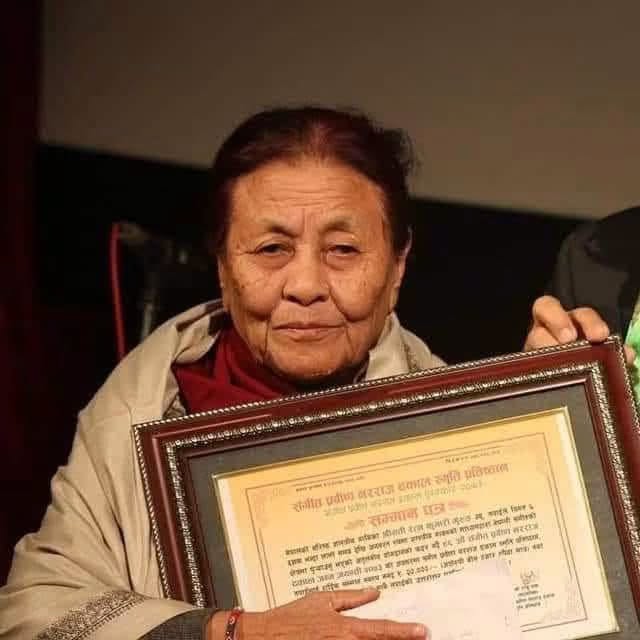
Ratna Kumari Gurung is a Nepali classical and folk‑classical singer known for her contribution to traditional vocal music and her presence in Nepali cultural performance circuits, she is recognized in Nepali music listings as a classical‑leaning vocalist with appearances in cultural programs and traditional music platforms. Within the classical domain, Ratna Kumari Gurung is associated with semi‑classical and classical vocal styles, often performed in cultural events, traditional gatherings, and Nepali folk‑classical platforms.
Ratna Kumari Gurung
Music Artists
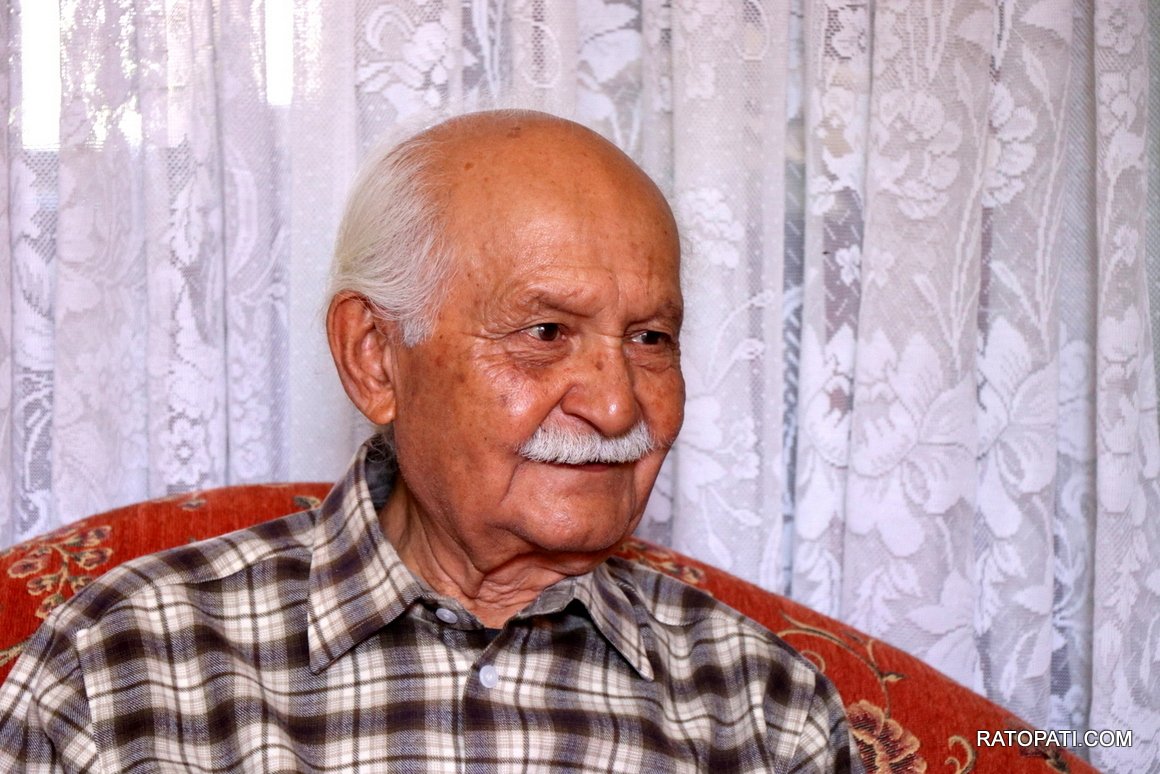
Nagendra Thapa (नागेन्द्र थापा) is a Nepali lyricist and poet known for his significant contributions to Nepali music and literature. He has written numerous songs and poems that have resonated with audiences. Some of his notable works include songs like "Sangala Ghumtoharu", "Aankha Dekhi", and "Suntale Otha". Nagendra Thapa has also been recognized for his contributions to Nepali music, receiving honors such as the Natikaji Rastriya Bishishta Sangeet Samman 2080. Nagendra Thapa played a significant role in bringing together two legendary figures in Nepali music, Narayan Gopal and Gopal Yonjan. He was instrumental in establishing their collaboration, which resulted in many timeless songs that have left a lasting impact on Nepali music. Their partnership redefined the Nepali musical world, giving us evergreen songs that continue to resonate with audiences
Nagendra Thapa
Lyricist, writer-author
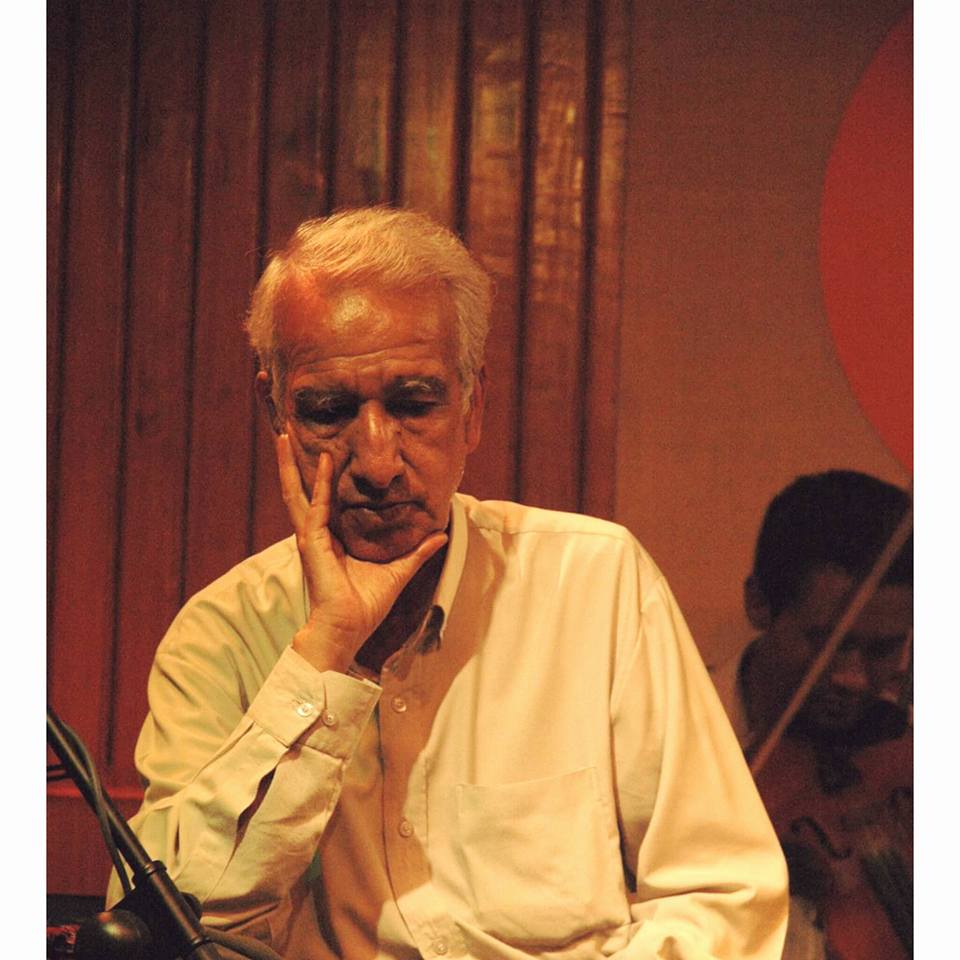
Ratna Shumsher Thapa (1939–2020) was a distinguished Nepali poet and lyricist, renowned for his significant contributions to Nepali music and literature. Born on July 31, 1939, in Kamalpokhari, Kathmandu, he began his poetic journey in 1951. Over his prolific career, Thapa penned numerous timeless songs that have become integral to Nepali culture. Notable Works: "Aankhako Bhaka Ankhaile" "Swargaki Rani" "Kunjama Gunjiyo" "Bho Bho Nasodha" "Madhumas Yo Dilko" "Ye Kanchha Thattaima" "Bichodko Pida" "Sero Fero Mero" "Ghumtima Naau Hai" "Jaga Lamka Chamka Hai Naujawan Ho" His lyrics often explored themes of love, separation, and human emotions, resonating deeply with audiences. One of his most celebrated collaborations was with the legendary singer Narayan Gopal on the song "Swargaki Rani," which remains a classic in Nepali music. Awards and Recognition: Thapa's literary excellence earned him several prestigious awards, including the Jagadamba Shree Puraskar and the Bhupi Poetry Award. Passing: Ratna Shumsher Thapa passed away on May 28, 2020, at the age of 80, due to pneumonia. His demise marked the end of an era in Nepali literature and music, but his legacy continues to inspire artists and music lovers.
Ratna Shumsher Thapa
Lyricist
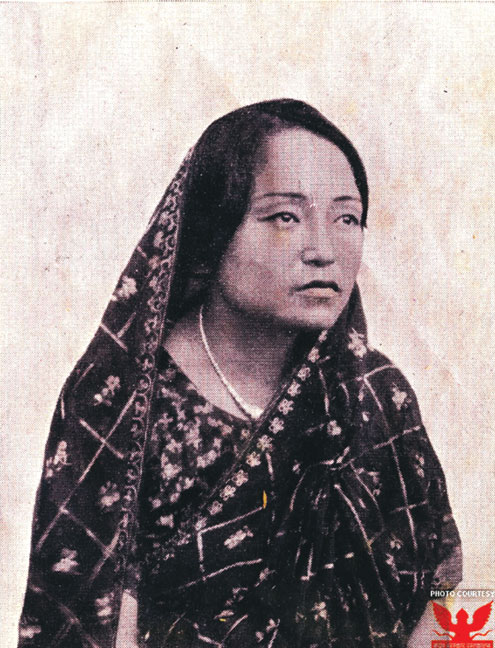
Melwa Devi Gurung, also known as Melawa Devi, holds the distinction of being Nepal's first female recording artist. Born in 1954 B.S. (circa 1897) in Rumjatar, Okhaldhunga District, Nepal, she emerged as a pioneering figure in the nation's musical landscape. In 1928, Melwa Devi traveled to Calcutta (now Kolkata), British India, to record her songs, marking a significant milestone in Nepali music history. Among her notable recordings are "Na Gharlai Ghar Kahincha Nari Nai Durbar Ho" and "Sawari Mero Relaima," which resonated with many listeners and showcased her exceptional talent. Her musical prowess garnered the attention of Chandra Shumsher Jang Bahadur Rana, the Prime Minister of Nepal at the time, under whose patronage she performed. Melwa Devi's contributions not only paved the way for future generations of female artists but also enriched Nepal's cultural heritage. In recognition of her impact, Nepal issued a commemorative postage stamp in her honor in 2013, celebrating her legacy as an eminent singer.
Melwa Devi Gurung
Music Artists, Singer/ Performer
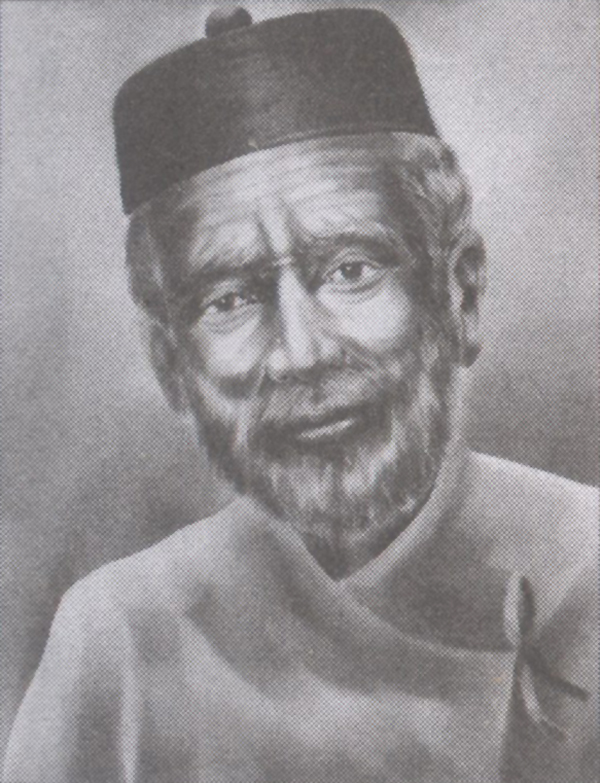
Seturam Pradhan holds the distinction of being the first Nepali singer. Born in 1891 in Kathmandu, Nepal, he was a pioneer in Nepali music and played a significant role in its early development. His contributions laid the foundation for modern Nepali music, and his legacy continues to inspire artists and musicians in Nepal.
Seturam Pradhan
Music Artists, Singer/ Performer
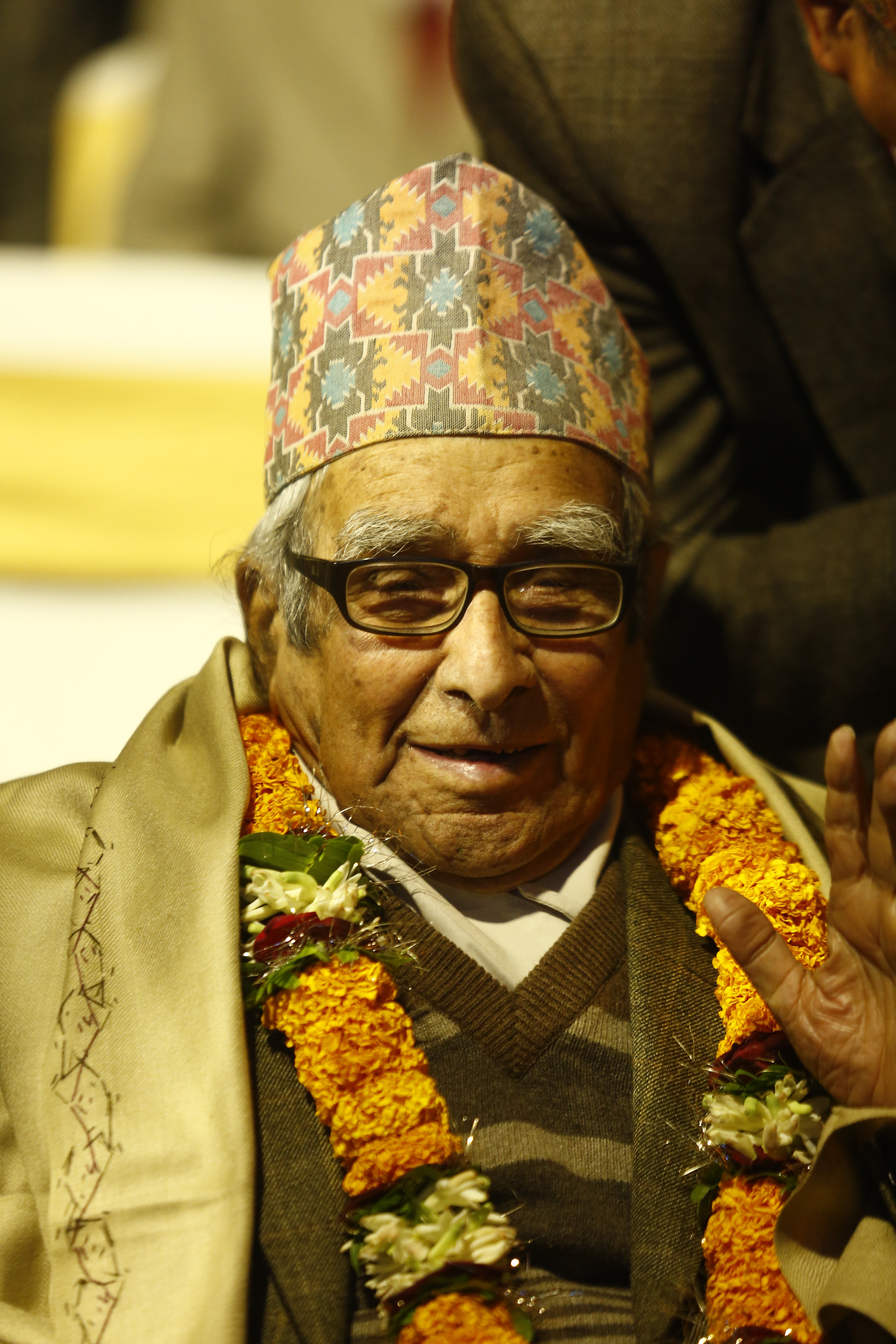
Madhav Prasad Ghimire was a celebrated Nepali poet and scholar, honored as the "Rashtrakavi" (National Poet) of Nepal. Born on September 23, 1919, in Lamjung, Nepal, he had a literary career spanning over eight decades. His works, such as Gauri, Malati Mangale, Shakuntala, and Himal Pari Himal Wari, are considered masterpieces of Nepali literature. Ghimire's poetry often explored themes of nature, romance, patriotism, and societal truths. He was inspired by the works of Rabindranath Tagore and contributed significantly to Nepali literature through epic poems, plays, essays, and songs. He also served as the Vice Chancellor and Chancellor of the Royal Nepal Academy. He passed away on August 18, 2020, at the age of 100, leaving behind a legacy that continues to inspire generations.
Madhav Prasad Ghimire
Lyricist, writer-author
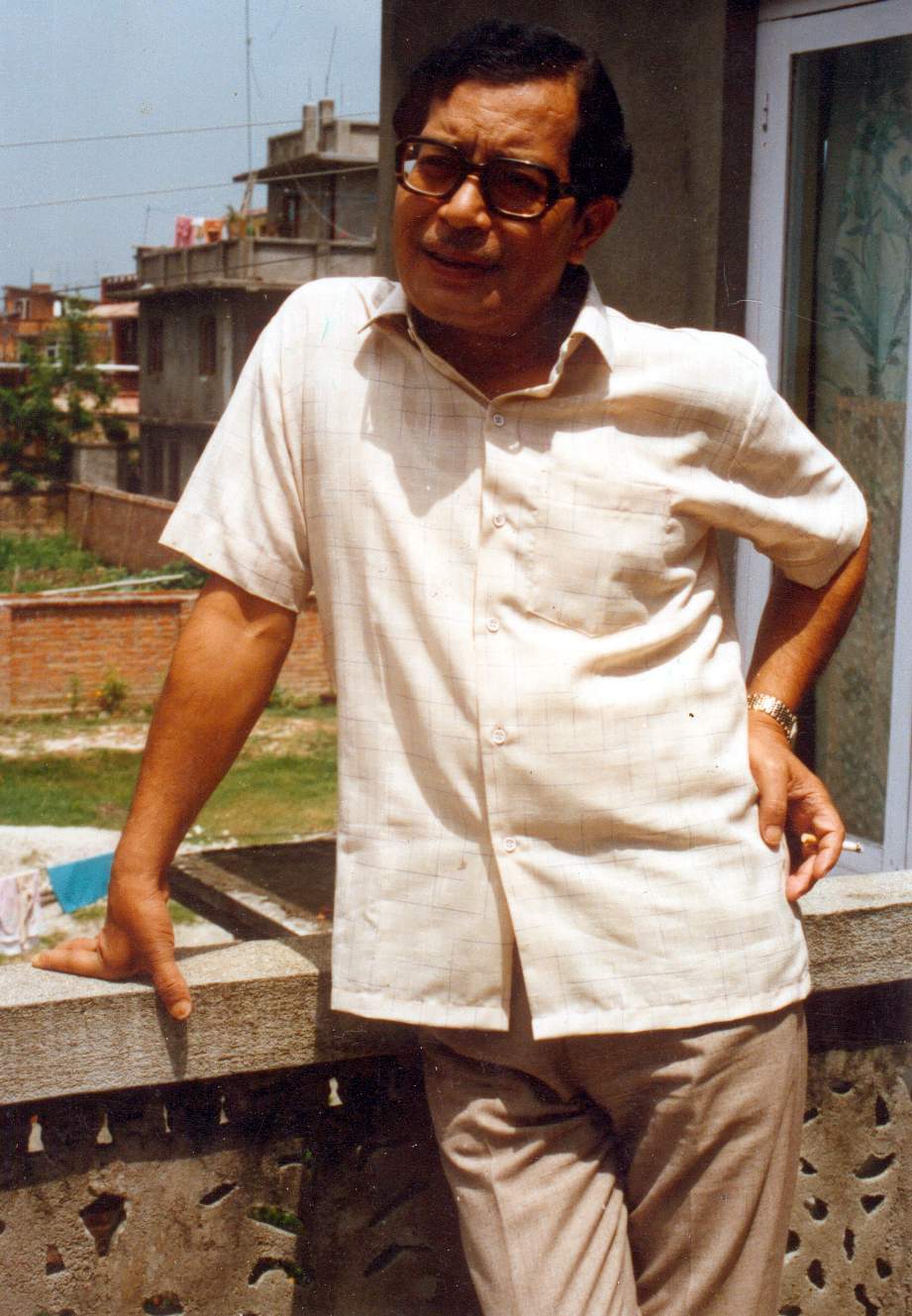
Narayan Gopal Gurucharya (नारायणगोपाल गुरुआचार्य) (October 4, 1939 – December 5, 1990), known professionally as Narayan Gopal and N. Gopal was a prominent popular singer and composer of Nepali music. Regarded one of the most significant cultural icons in Nepal, he is referred as “Swar Samrat” (Nepali: स्वर सम्राट, meaning: Emperor of Voice) in Nepal. He is also known as “Tragedy King” owing to his numerous tragedy songs. He also sang in Nepalbhasa. Owing to his vocal range he was capable of singing songs of every Nepalese genre. Often, his songs were accompanied by the sitar, harmonium and flute. He was also a music director during the 1950s to the 70s and belongs to the first generation of professional Nepali singers. His songs have been showcased in several movies and dramas across the country. Narayan Gopal released 137 songs during his lifetime, his first songs were composed by his friend Prem Dhoj Pradhan and his teacher Manik Ratna. Gopal is one of the most celebrated and influential musicians of the 20th century and received many awards during his lifetime.
Narayan Gopal
Music Artists, Singer/ Performer
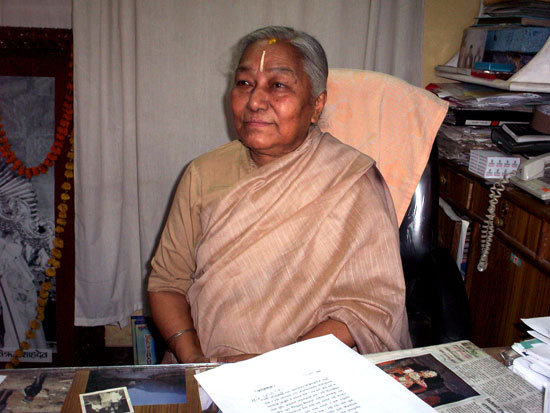
Koili Devi Mathema (1929–2007) was a trailblazer in the Nepali music industry, celebrated as the first woman lyricist, singer, and composer. Born as Radha Basnet in Chisapani Gadhi, Makwanpur, Nepal, she was affectionately nicknamed "Koili" (meaning "cuckoo bird") for her melodious voice. Her career began at Radio Nepal after the establishment of democracy in Nepal, and she went on to record over 4,000 songs, including modern and patriotic pieces. She also composed iconic songs like "Jahi ra juhi phul mala gansi duwaile launla." Koili Devi received numerous accolades, including the Gorkha Dakshin Bahu V and Chinnalata Music Award, for her contributions to Nepali music.
Koili Devi Mathema
Music Artists, Singer/ Performer
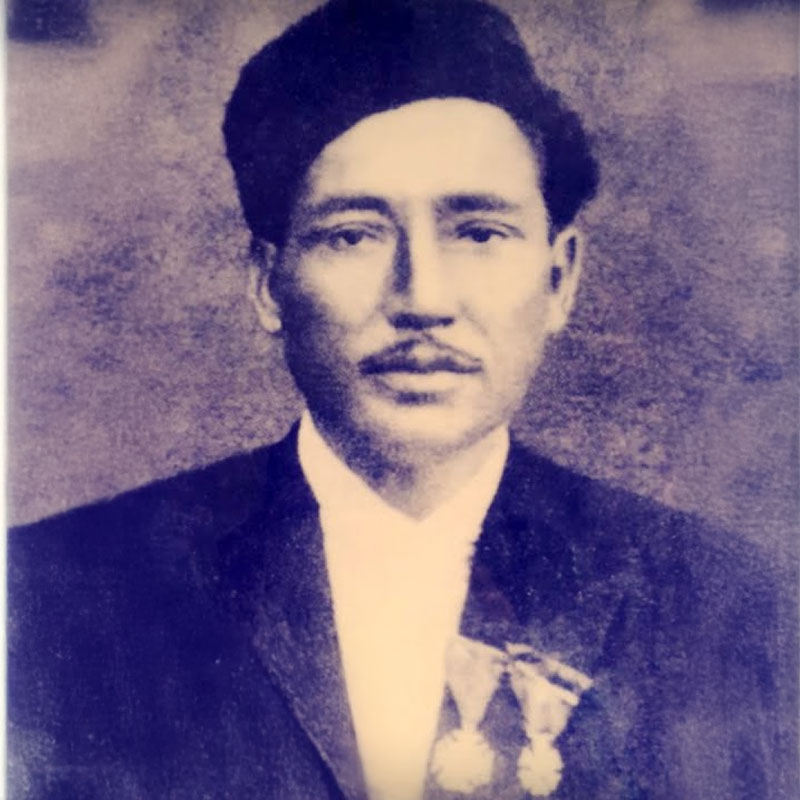
Master Ratna Das Prakash was a pioneering figure in Nepali music, especially known for shaping the genre of aadhunik geet (modern songs) during the mid-20th century. Key Details: Date of Birth: Unfortunately, his exact birth date is not publicly documented. Active Years: He was actively recording and performing from the 1950s through the 1970s, particularly through Radio Nepal and the Ratna Recording Trust, which began producing phonograph records in 1961. Contributions: He helped blend Indian light classical music, Nepali folk melodies, and Western harmonies, creating a sentimental and distinctly Nepali sound. His recordings were among the earliest to be distributed widely in Nepal, making him a household name in urban music circles.
Master Ratna Das Prakash
Music Artists, Music Instructor

Natikaji, (Amrit Lal Shrestha) born in dec 25 1925 in Lalitpur, Nepal, is revered as one of the most influential music directors in Nepali history. A prodigy from a musical Newar family, he began playing harmonium at age seven and later joined Radio Nepal in 1950, where he composed over 2000 songs across genres. His works include timeless classics like Marna Baru Garho Hunna, Nepali Hami, and Phoolko Thunga Bagera Gayo. He also directed music for more than 15 operas and several Nepali films, including Man Ko Bandh and Sindoor. Known for blending classical depth with emotional resonance, Natikaji earned prestigious honors such as the Gorkha Dakshin Bahu and Chinnalata Geet Puraskar. His melodies continue to shape Nepal’s musical identity, making him a cultural icon. He passed away in nov 22003, leaving behind a legacy that still echoes in the hearts of Nepali music lovers.
Nati Kaji
Music Artists, Music Director, Singer/ Performer
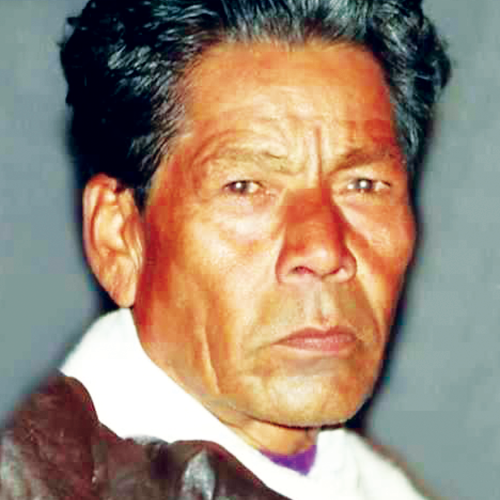
Jhalakman Gandharva (झलकमान गन्धर्व) was a pioneering Nepali folk singer who popularized Gaine Geet, giving voice to Nepal’s marginalized Gandharbha community. Born on July 29, 1935, in Batulochaur, Pokhara, Jhalakman began singing at age nine, traveling village to village with his sarangi. He became the first Gaine artist to record songs, transforming oral traditions into mass media. His haunting ballads, especially “Aamale Sodhlin Ni”, mourned the death of Nepali soldiers abroad and resonated deeply across generations. Active from 1965 until his death in 2003, he recorded over 100 songs, blending folk and classical styles. His music preserved indigenous narratives and challenged caste-based exclusion, earning him national reverence. Jhalakman’s legacy lives on as a cultural bridge—his voice remains a symbol of dignity, sorrow, and resilience.
Jhalakman Gandharva
Music Artists, Sarangi Player, Folk Singer
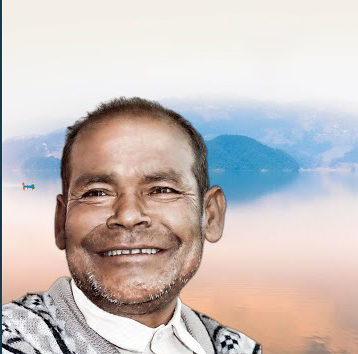
Buddhi Bahadur Pariyar was a gifted Nepali folk composer whose song “Resham Firiri” became a cultural anthem. Born in Pokhara, Pariyar grew up immersed in the rhythms of village life. In 1972, he composed “Resham Firiri Resham Firiri”, inspired by the hills and daily joys of Nepali people. The song was recorded in 1974 by Sunder Shrestha and Dwarika Lal Joshi, and quickly gained national fame. Its catchy tune and relatable lyrics made it a favorite among street performers, travelers, and diaspora communities. Despite its popularity, Pariyar remained largely uncredited, highlighting the struggles of folk creators in Nepal’s music industry. His work reflects the soul of Nepali folk traditions—simple, melodic, and deeply rooted in lived experience. “Resham Firiri” continues to echo across generations, symbolizing the enduring charm of Nepal’s musical heritage.
Buddhi Bahadur Pariyar
Music Artists, Folk Singer
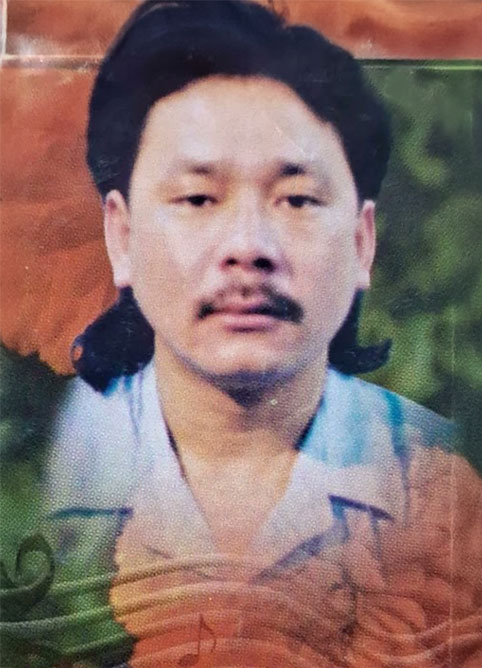
Praveen Gurung (लोक गायक स्वः प्रविण गुरुङ) was a talented Nepali Lok Dohori singer known for his soulful voice, powerful stage presence, and deep connection to folk culture. He dedicated his musical journey to preserving and promoting authentic Nepali lok geet, earning respect from audiences across the country. His songs often reflected themes of love, struggle, rural life, and cultural identity, making him a beloved figure in the folk community. Praveen’s popular songs include “Jhyamma Jhyamma,” “Sali Ramro Pareki,” “Badhyau Ki Maya,” “Aankha Ko Nindra,” “Kanchi Hou Kanchi,” and “Tadha Tadha,” which helped him gain wide recognition and admiration. Through his music, he created a lasting legacy that continues to inspire fellow artists and listeners even after his untimely passing. He is remembered as a humble, passionate, and influential voice in Nepali folk music.
Praveen Gurung
Music Artists, Folk Singer
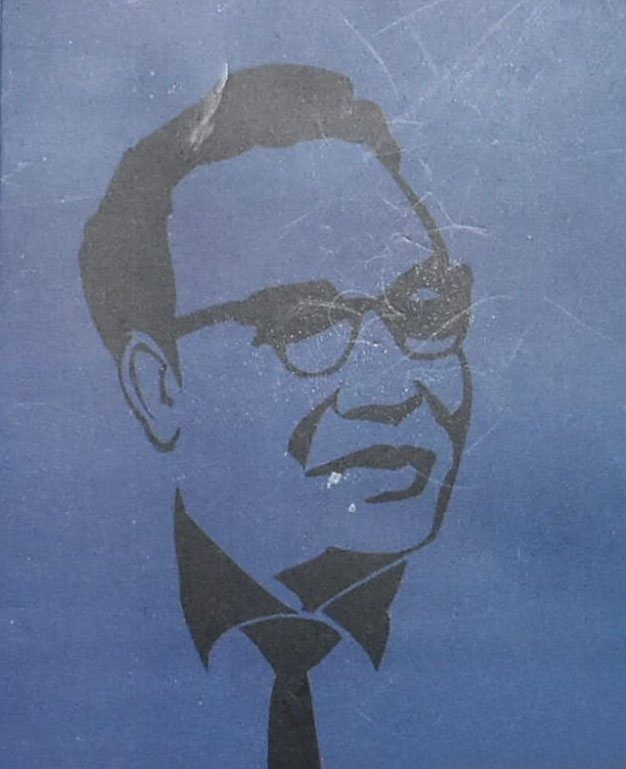
D.B Pariyar was a pioneering Nepali filmmaker best known for directing, writing, and shaping Satya Harischandra (1950), widely regarded as the first Nepali‑language feature film. Working from India during the early diaspora era of Nepali cinema, Pariyar helped establish the narrative, technical, and cultural foundations that later filmmakers would build upon. His contribution marked a defining moment in the transition from stage traditions to cinematic storytelling for Nepali audiences. Though historical documentation remains limited, Pariyar’s role as director, scriptwriter, and story creator positions him as one of the earliest architects of Nepali film history
D.B. Pariyar
Film Director
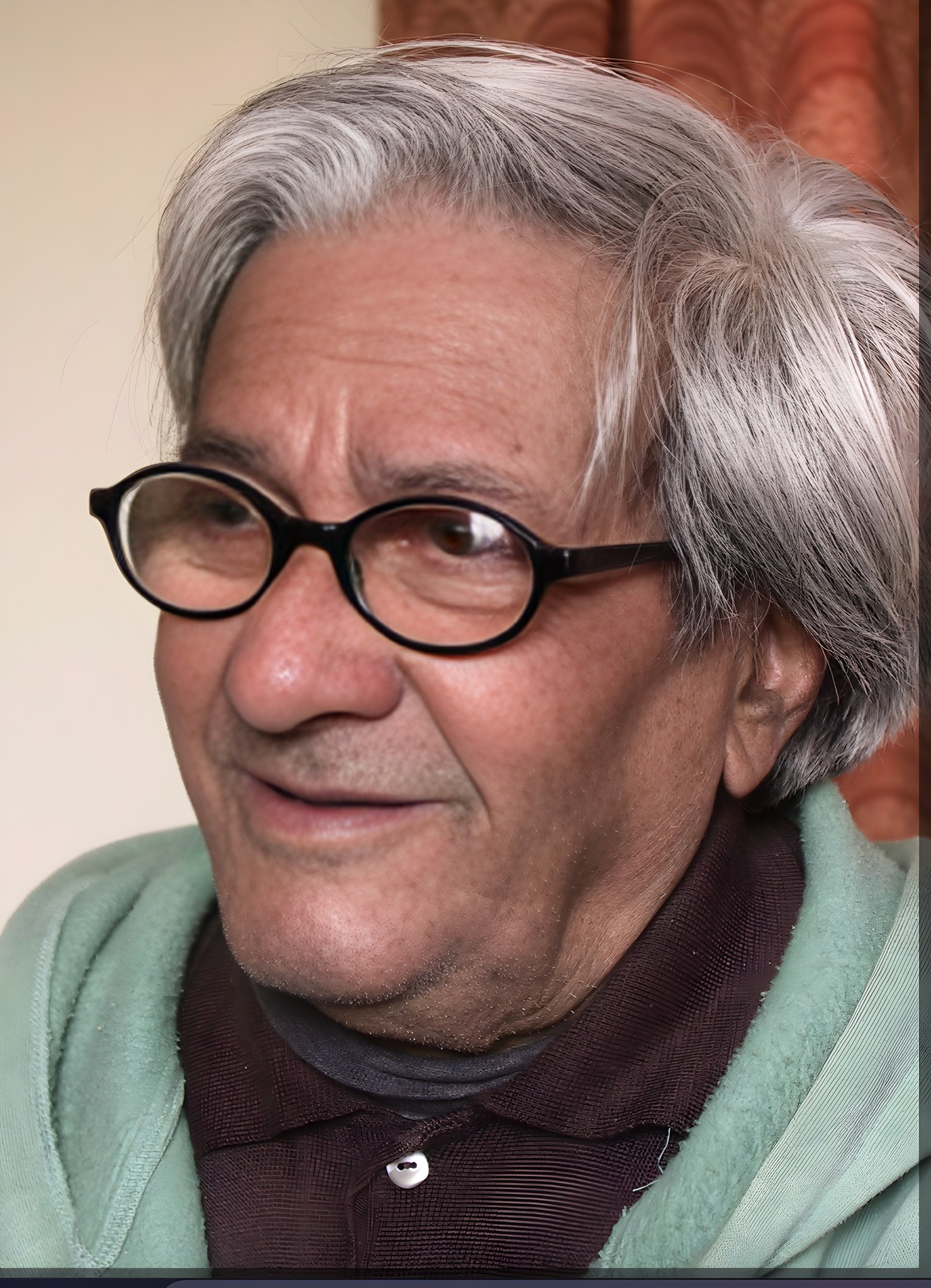
Hari Prasad Rimal is honored as one of the foundational figures of Nepali performing arts, celebrated for his pioneering contributions to theatre, music, and cinema. Widely recognized as Nepal’s first radio singer, he recorded Mero Mann Ma Timro for Radio Nepal in 1951, marking a historic milestone in the nation’s broadcasting and musical culture. Rimal was also a prominent stage actor and later transitioned into film, appearing in early Nepali classics such as Aama (1964). His expressive performances, disciplined craft, and commitment to artistic excellence helped shape the identity of modern Nepali acting. Over his long career, he received multiple honors acknowledging his influence on theatre, music, and the evolution of Nepal’s cultural landscape
Hari Prasad Rimal
Actor, Theatre Artists, Singer/ Performer
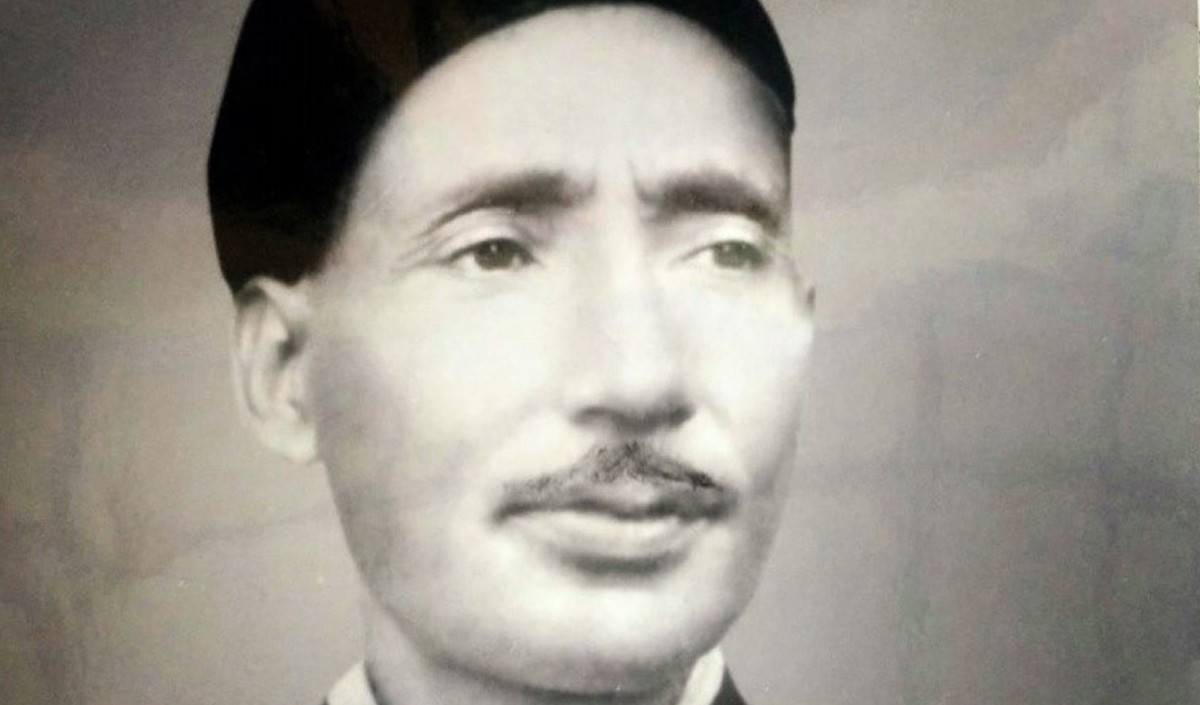
Master Mitrasen Thapa Magar (1895–1946) was a pioneering Nepali folk singer, dramatist, social reformer, and cultural ambassador whose work laid the foundation for organized Nepali folk performance. Born in Bhagsu, Dharamshala, he served in the Gurkha Regiment before dedicating his life to music, theatre, and community upliftment. He performed widely across India and Nepal, including Kathmandu Durbar, where he presented folk songs, dramas, and shamanic‑influenced performances, earning high recognition and public felicitation. His mission was to preserve Nepali identity among diaspora communities through art, discipline, and cultural pride. Master Mitrasen recorded seven gramophone discs in Calcutta, a rare achievement for a Nepali artist of his era. Out of his 63 known compositions, 23 songs survive in recorded form. In 1942, he wrote “Buddhvaani” in Nepali to spread messages of peace, compassion, and social harmony. He passed away in 1946 while on a cultural tour, leaving behind a legacy that continues to inspire Nepali folk musicians worldwide.
Master Mitrasen Thapa
Folk Singer, Singer/ Performer
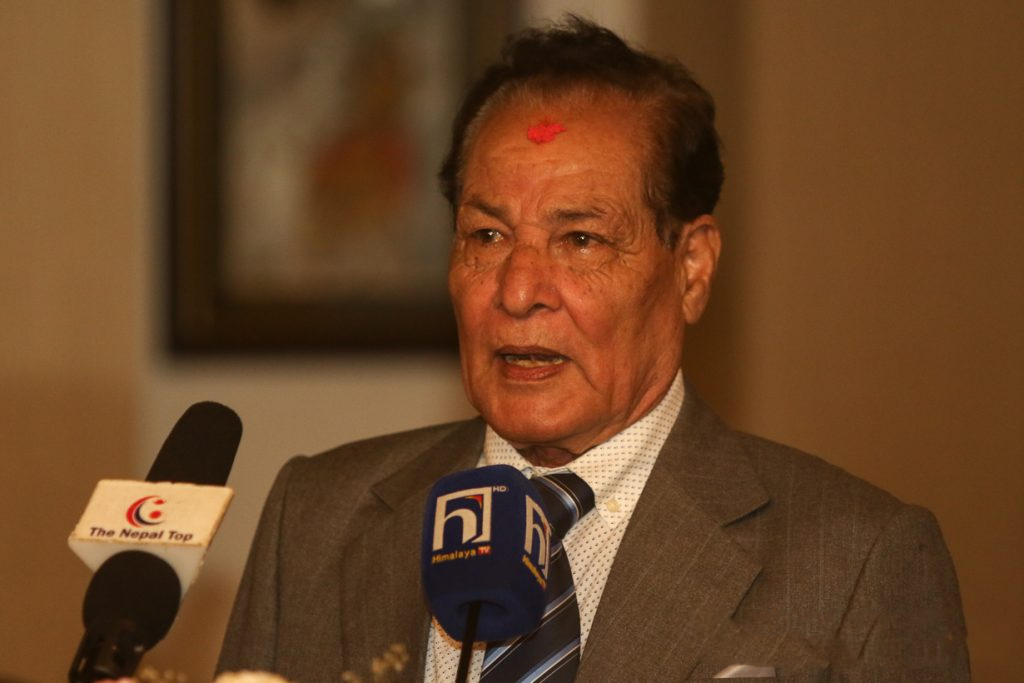
Kumar Basnet (born 7 July 1938) is one of Nepal’s most celebrated folk icons, renowned for his energetic performance style, satirical humor, and pioneering contribution to modern lok geet. Widely known as “Lok Samrat”, he popularized comedic and socially reflective folk music through classics like “Lai Bari Lai,” “Ama Bhanda,” “Herda Ramo,” and “Goru Bhanjyang.” Active since the late 1950s, Basnet’s charismatic stage presence earned him comparisons to Elvis Presley within Nepal’s folk scene. His achievements include the Tri‑Shakti Patta, Gorkha Dakshin Bahu, Birendra–Aishwarya Sewa Padak, and the Ratna Record Puraskar, honoring his lifelong impact on Nepali cultural heritage.
Kumar Basnet
Folk Singer

Peter Rai is a Nepali actor who starred in Harishchandra (1951). He worked in films and theaters during that century.
Peter Rai
Bal Bahadur Syando is a Nepali actor who starred in Harishchandra (1951). He worked in films and theaters during that century.
Bal Bahadur Syando
is a Nepali actor who starred in Harishchandra (1951). He worked in films and theaters during that century.
Sagar Dutta Koirala
Dambar Singh Tamang is a Nepali actor who starred in Harishchandra (1951). He worked in films and theaters during that century.
Dambar Singh Tamang
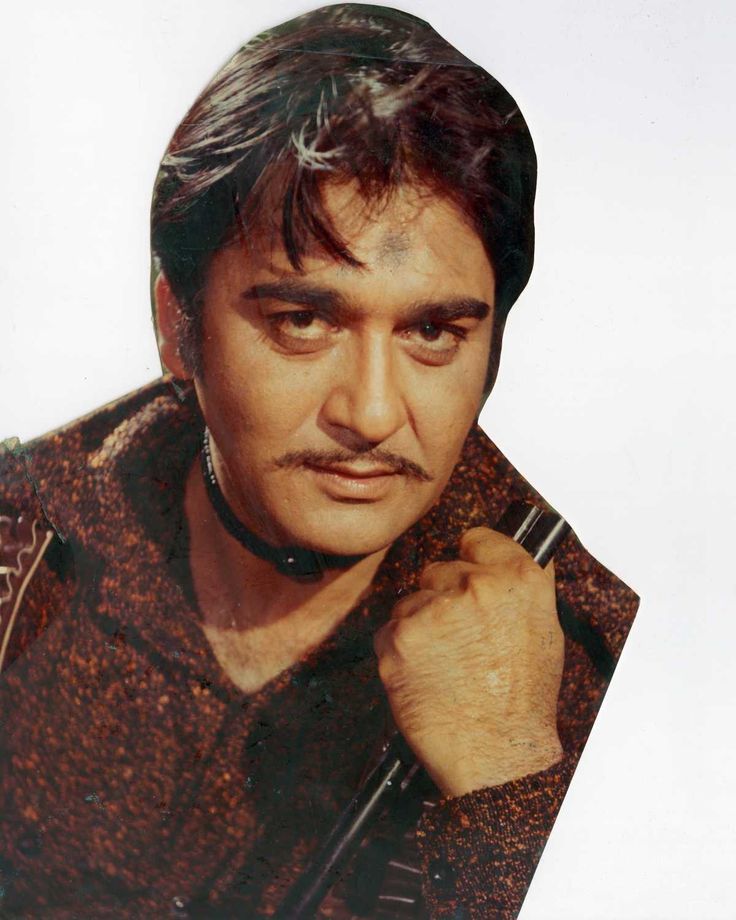
Sunil Dutt was a major Hindi film actor, producer, director, and later a politician, remembered for his dignified screen presence and humanitarian work. He also made a special appearance in the Nepali classic Maitighar (1966), which remains one of the earliest and most influential films in Nepal.
Sunil Dutt
Actor
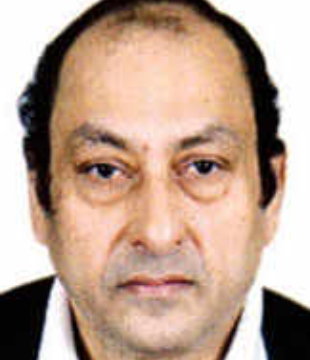
Shanti Das (also spelled Shanti Das or Shanti Das) was an Indian film art director and set decorator who was active from the 1950s to the 1990s. He also worked as an art director on the Nepali film Maitighar (1966). A master craftsman of the golden age of Hindi cinema, he worked on over two hundred films and helped define the visual language of mainstream Bollywood. He died on August 14, 2011 in Mumbai, Maharashtra, India.
Shanti Das
Film Director
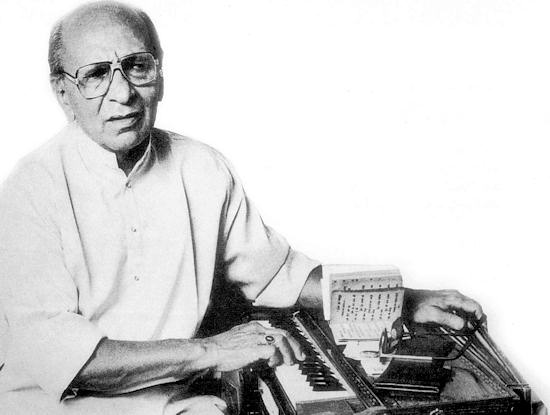
Jaidev (1918–1987) was a respected Indian music composer known for his soulful melodies and strong foundation in Indian classical music. Born on 3 August 1918 in Nairobi, Kenya, he later moved to India where he trained in classical music and began working in the Hindi film industry.Jaidev composed music for several acclaimed films, including Hum Dono, Reshma Aur Shera, and Gaman. His music was widely praised for its depth, simplicity, and classical influence. During his career, he received the National Film Award for Best Music Direction three times.Jaidev also contributed to Nepali cinema by composing the music for the historic film Maitighar, helping enrich its musical quality. His legacy remains significant in both Indian and Nepali film music history.
Jaidev Verma
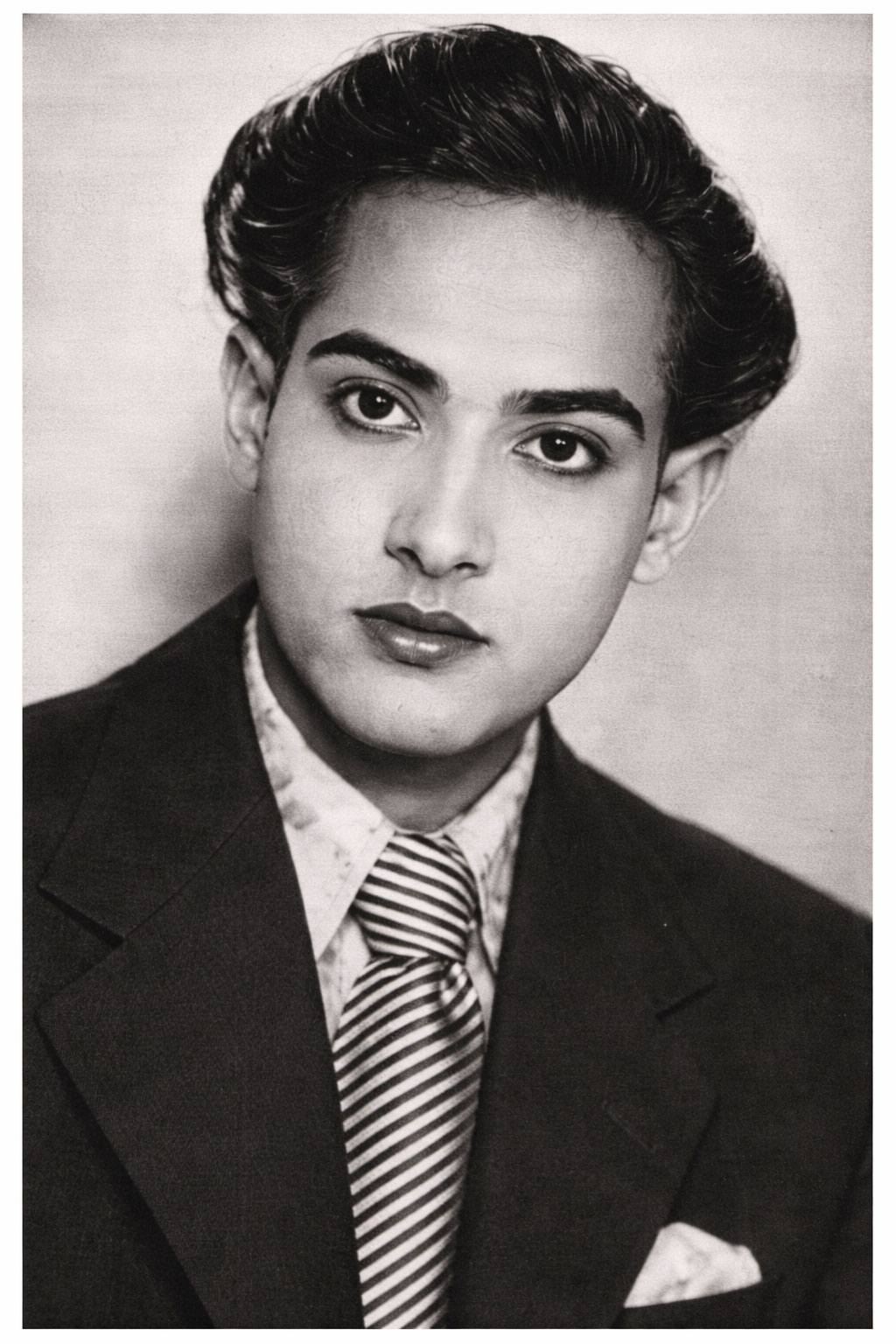
Janardan Sama (1903–1981) was a prominent Nepali poet, playwright, and literary figure who made a major contribution to the development of modern Nepali drama and theatre. Born in Kathmandu, he became one of the most influential writers in Nepali literature and is often called the “Shakespeare of Nepal.” His writings introduced psychological depth, social themes, and dramatic structure to Nepali plays.Sama wrote several important literary works, including the famous plays Prem Pinda, Mutuko Byatha, and Aago ra Pani, which became milestones in Nepali theatre history. His works often explored love, human emotions, morality, and social conflict.Apart from literature, Janardan Sama also had connections with early Nepali cinema. His historical drama Prem Pinda was later adapted into a successful Nepali film, helping introduce his literary works to a wider audience. Some of his poems and dramatic compositions were also used as lyrics or inspiration for stage songs and musical performances in Nepali theatre.Through his literary works, stage plays, and their later influence on films and songs, Janardan Sama left a lasting legacy in Nepal’s cultural and artistic history.
Janardan Sama
Poet, Playwright
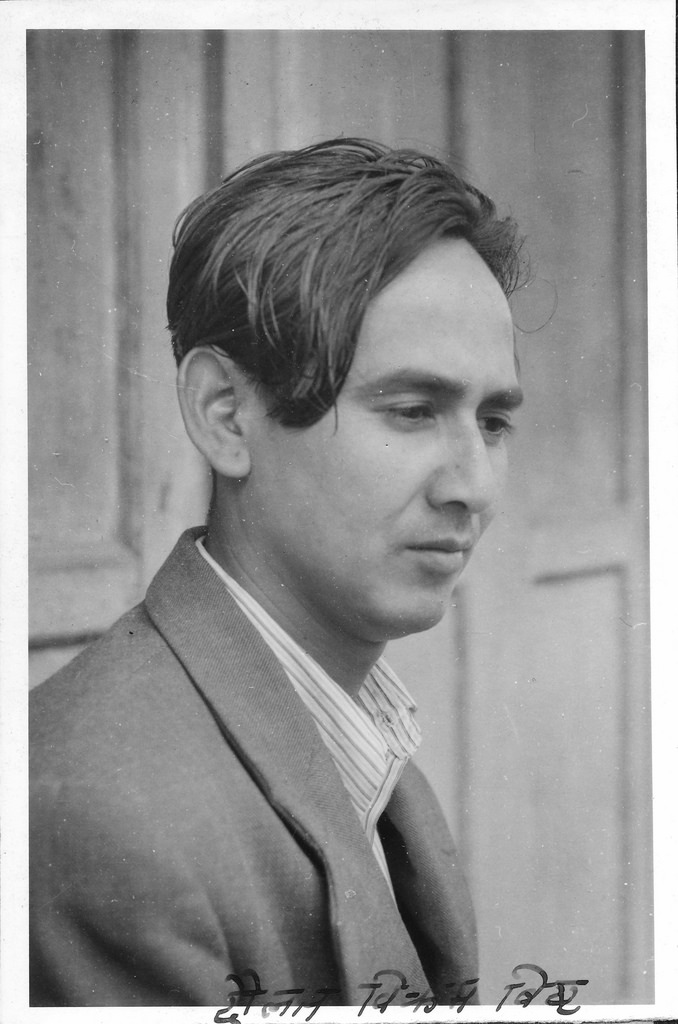
Daulat Bikram Bista (1925–2002) was a renowned Nepali writer and novelist celebrated for his portrayal of social issues, culture, and the lives of ordinary people. Born in Bhojpur, Nepal, he authored several influential novels, including Chapaiyeka Anuhar and Jyoti Jyoti Mahajyoti, the latter earning him the prestigious Madan Puraskar. His works often highlighted discrimination, inequality, and human struggles in Nepali society. Bista’s literary contributions have influenced Nepali culture and cinema, with some of his stories adapted into films, such as Sindoor, for which he is credited with the story.
Daulat Bikram Bista
Writing & Literature, Novelist
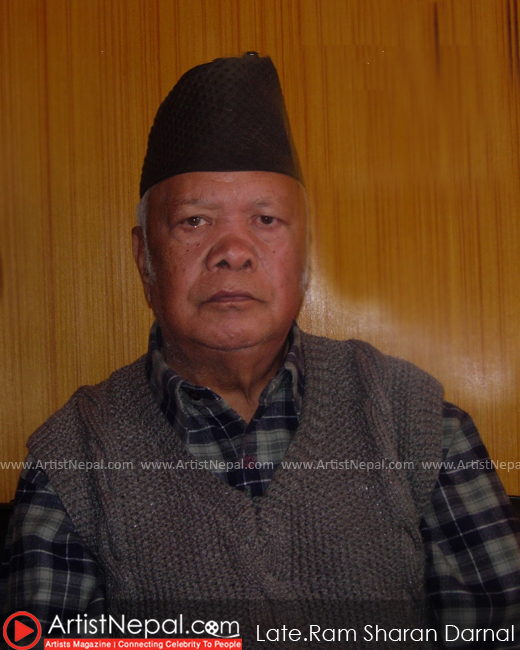
Ram Sharan Darnal (1937–2011) was a pioneering Nepali ethnomusicologist known for initiating the systematic study of Nepal’s ethnic music and traditional instruments. His landmark works — Sangeet Parikrama, Nepali Sangeet Sadhak, Nepali Sangeet‑Sanskriti, and Nepali Baja — remain foundational texts in Nepali music research. He played a key role in popularizing both indigenous and select Western instruments in Nepal. Darnal received major national honors, including the Jagadamba Shree Puraskar and Narayan Gopal Sangeet Puraskar.
Ram Sharan Darnal
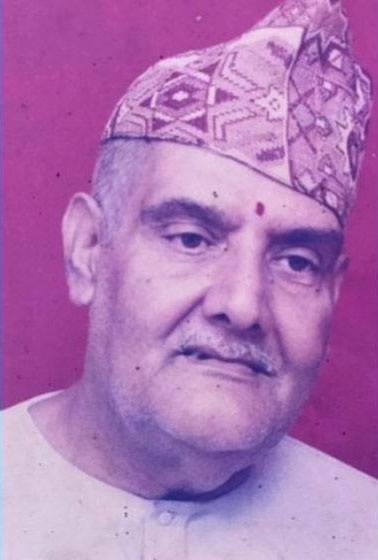
Chaturbhuj Aashavadi was a prominent Nepali cultural figure known as a cultural activist, dancer, director, and Maithili playwright. His work spanned multiple disciplines including music, dance-drama, acting, direction, and cultural research, making him a key contributor to Nepal’s performing arts scene.He was the founding अध्यक्ष (Chairperson) of Bhanu Kala Kendra, an institution dedicated to the promotion of arts and culture. Aashavadi was deeply passionate about discovering new talent and providing training to emerging artists. He devoted much of his life to mentoring aspiring performers, often supporting underprivileged talents by bringing them into his own home and nurturing their artistic growth.His active involvement in the cultural sector began after he participated in the 2014 B.S. language movement led by Mahakavi Laxmi Prasad Devkota. Inspired by this movement, he went on to play a pioneering role in initiating street-based cultural programs in Nepal, using performance as a powerful medium for public awareness and social expression.Throughout his career, Aashavadi acted in and directed a wide range of notable plays in both Nepali and Maithili languages. His major works include Prithak-Prithak Golardha, Vidyarthi, Raksi, Chhippiyeko Dukhai (Nepali), Jwailkanakani (Maithili), Pus Jaad ki Magh Jaad (Maithili), Aago Dankirheko Chha, Natakbhitrako Natak, Satar Ko Bihe (docudrama), and Shivpuriya Aatank.Chaturbhuj Aashavadi is remembered for his lifelong dedication to cultural development, artistic education, and the promotion of theatre as a tool for social transformation in Nepal.
Chaturbhuj Aashavadi
Theatre Artists
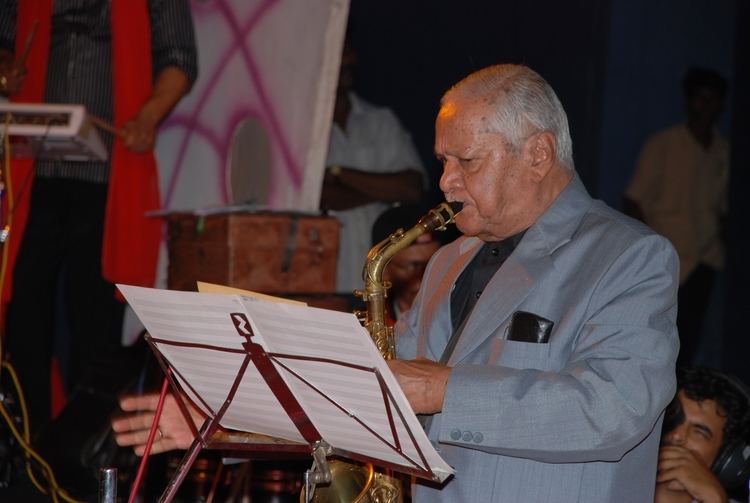
Manohari Singh (1931–2010), born in Kolkata to a Nepalese Bhusal family, is celebrated as one of South Asia’s finest woodwind and orchestral arrangers. Though globally known for his work with R.D. Burman, his Nepali heritage and musical upbringing in a Nepali household shaped his tonal sensibility, melodic phrasing, and emotional depth — qualities that strongly resonated with Nepali film composers.His mastery of alto saxophone, flute, piccolo, clarinet, mandolin, and bansuri made him a sought‑after session musician whose sound influenced the orchestral palette of Nepali film music in the 1980s–1990s. Many Nepali composers — especially those working in Mumbai and Kolkata studios — relied on his phrasing style, brass‑woodwind layering, and melodic counterlines as a reference point.Although he did not score many Nepali films directly, his arrangement style, brass band roots, and Nepali musical lineage helped shape the cross‑border sound that Nepali cinema adopted during its modern era. His work as part of the Basu–Manohari duo also inspired Nepali arrangers who studied Indian studio orchestration.
Manohari Singh
Music Director, Musicians & Instrumentalists
Dalbahadur (Surname Unknown)Singer/ComposerDalbahadur is considered one of the early contributors to Nepali modern jhyaure and folk‑based recordings, active since around BS 1965 (AD 1908/1909). Archival research shows that he recorded 2 songs in BS 1970 (AD 1913/1914). The song titles and further personal details remain unavailable, but his role in the early recording era is historically significant.
Dalbahadur (Surname Unknown)
Music Artists
Miss Patal (Patali) China – SingerKnown for her striking Mongolian features, she was popularly called “Miss Patal China.” Archival sources indicate she recorded 2 songs in India in BS 1988 (AD 1931/1932). Her real name, song titles, and additional biographical details are missing, yet she is recognized as one of the early Nepali female recording artists.
Miss Patal (Patali) China
Music Artists
Miss Tara Bai – Singer (Disciple of Melawa Devi)A musical disciple of Melawa Devi, Miss Tara Bai recorded 2 songs in BS 1988 (AD 1931/1932). Although her personal background and song titles are not documented, she is remembered for carrying Melawa Devi’s vocal tradition into the early recording medium.
Miss Tara Bai (Disciple of Melawa Devi)
Music Artists
Miss Dulari – Singer (Disciple of Melawa Devi)Also a disciple of Melawa Devi, Miss Dulari recorded 2 songs in BS 1988 (AD 1931/1932). Beyond this, no additional information is available. She is regarded as one of the early women who helped preserve traditional vocal styles through recorded music.
Miss Dulari (Disciple of Melawa Devi)
Music Artists
Ustad Anand – Classical VocalistA prominent classical musician of BS 1985 (AD 1928/1929), Ustad Anand has 2 gramophone recordings from BS 1989 (AD 1932/1933) preserved in researcher archives. It is believed he recorded many more songs, but only two discs have been found. His influence in early Nepali ustadi tradition remains notable.
Ustad Anand
Music Artists
Professor Bala Prasad – Singer/MusicianProfessor Bala Prasad has 2 recorded songs from BS 1989 (AD 1932/1933) documented in researcher archives. No further details are available, but he stands out as one of the rare early recording artists carrying an academic title.
Professor Bala Prasad
Music Artists
Master Purnaman – Singer/ComposerMaster Purnaman is recorded as having 8 songs from BS 1990 (AD 1933/1934). Although song titles and personal details are missing, he is considered one of the most productive artists of the early 1990s (BS) recording wave.
Master Purnaman
Music Artists
Ustad Badri – Classical VocalistUstad Badri has 5 recorded songs from BS 1990 (AD 1933/1934) listed in archival research. Additional biographical information is unavailable, but he is recognized as a contributor to the early classical/ustadi tradition in Nepali recordings.
Ustad Badri
Music Artists
Master Jitu Singh – SingerMaster Jitu Singh recorded 4 songs in BS 1990 (AD 1933/1934). No further details are documented, but he is acknowledged among the active artists of that recording period.
Master Jitu Singh
Music Artists
Miss Panchawala Dasi – Singer Miss Panchawala Dasi was an Early Recording Era singer with 2 documented songs from BS 1991 (AD 1934/1935). No additional biographical details or song titles have been found in archival sources.
Miss Panchawala Dasi
Music Artists
Bhawanicharan Das – Singer (Early Recording Era)Bhawanicharan Das is listed as an Early Recording Era artist with 2 recorded songs from BS 1992 (AD 1935/1936). Further personal and musical details remain incomplete.
Bhawanicharan Das
Music Artists
Miss Chandradevi – Singer (Early Recording Era)Miss Chandradevi was an Early Recording Era vocalist with 2 recorded songs from BS 1992 (AD 1935/1936). No further information about her life or repertoire is available.
Miss Chandra devi
Music Artists
Soni Singh – Singer (Early Recording Era)Singer Soni Singh is documented as an Early Recording Era artist with 2 songs from BS 1992 (AD 1935/1936). Additional biographical details are incomplete.
Soni Singh
Music Artists
Pramila – Singer (Early Recording Era)Pramila is recorded as an Early Recording Era singer with 2 songs from BS 1992 (AD 1935/1936). No further details about her background or recordings have been found.
Pramila Singer
Music Artists
Khemchand – Singer (Early Recording Era)Khemchand was an Early Recording Era vocalist with 2 to 4 songs recorded in BS 1992 (AD 1935/1936). Other personal and musical information remains incomplete.
Khemchand Singer
Music Artists
Hirabai – Singer (Early Recording Era)Hirabai is listed as an Early Recording Era artist with up to 2 songs from BS 1992 (AD 1935/1936). No additional archival details are available.
Hirabai Singer
Music Artists
Miss Shanti Singh – Singer (Early Recording Era)Miss Shanti Singh was an Early Recording Era singer with 2 recorded songs from BS 2000 (AD 1943/1944). Other biographical information remains incomplete.
Miss Shanti Singh
Music Artists
Ustad Asha Gopal was a respected classical vocalist from Kathmandu and the father of Swor Samrat Narayan Gopal. He was deeply involved in the devotional music culture of New Road, Kilagal, and surrounding temple areas, where he regularly led and participated in bhajan–kirtan traditions. During Narayan Gopal’s childhood, Ustad Asha Gopal often took him along to these bhajan mandalis, where the young Narayan accompanied the ensemble on basic instruments, absorbing classical discipline and devotional musical structure from an early age.Although formal recordings of Ustad Asha Gopal have not been found, his influence is widely acknowledged in oral histories. His grounding in classical and devotional music shaped the early musical environment that nurtured Narayan Gopal’s sense of melody, discipline, and vocal purity. Researchers consider him an important figure in Kathmandu’s traditional music circles of the early 20th century.
Ustad Asha Gopal
Music Artists
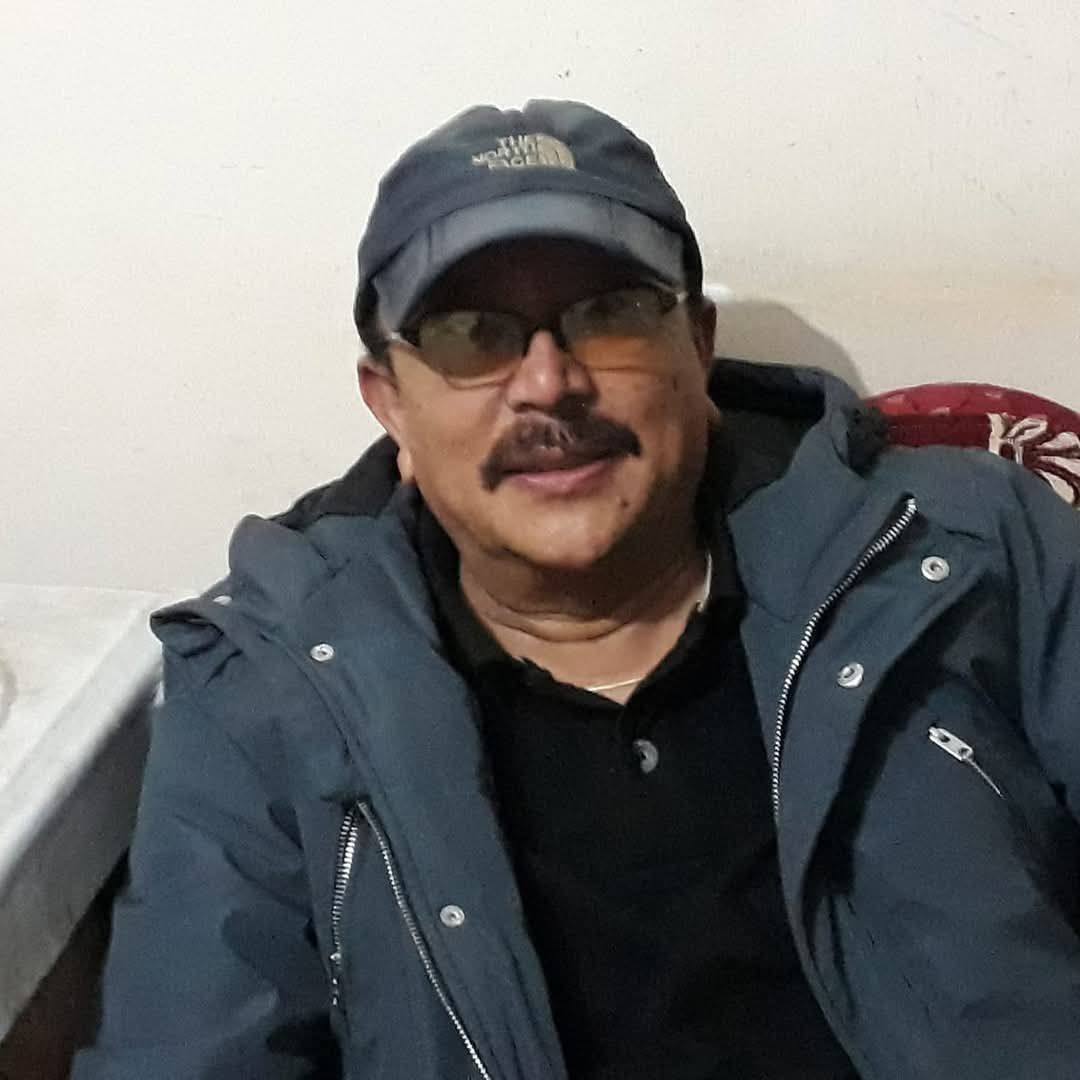
Basanta Chhetri is recognized as a melodious vocalist, sensitive composer, and prolific music director in Nepali modern music. Active since the 1950s, he has devoted his life to musical practice and has directed music for hundreds of songs across folk, modern, and classical genres. His early works such as Premko Geet, Sapana, and Maya established his artistic identity. His compositions explore themes of love, life, society, nature, spirituality, and patriotism, enriched with deep emotional FEELING and AURA. As a mentor and inspiration to younger generations, Chhetri has played a vital role in expanding Nepali music at both national and international levels.
Basanta Chhetri
Music Artists, Music Director
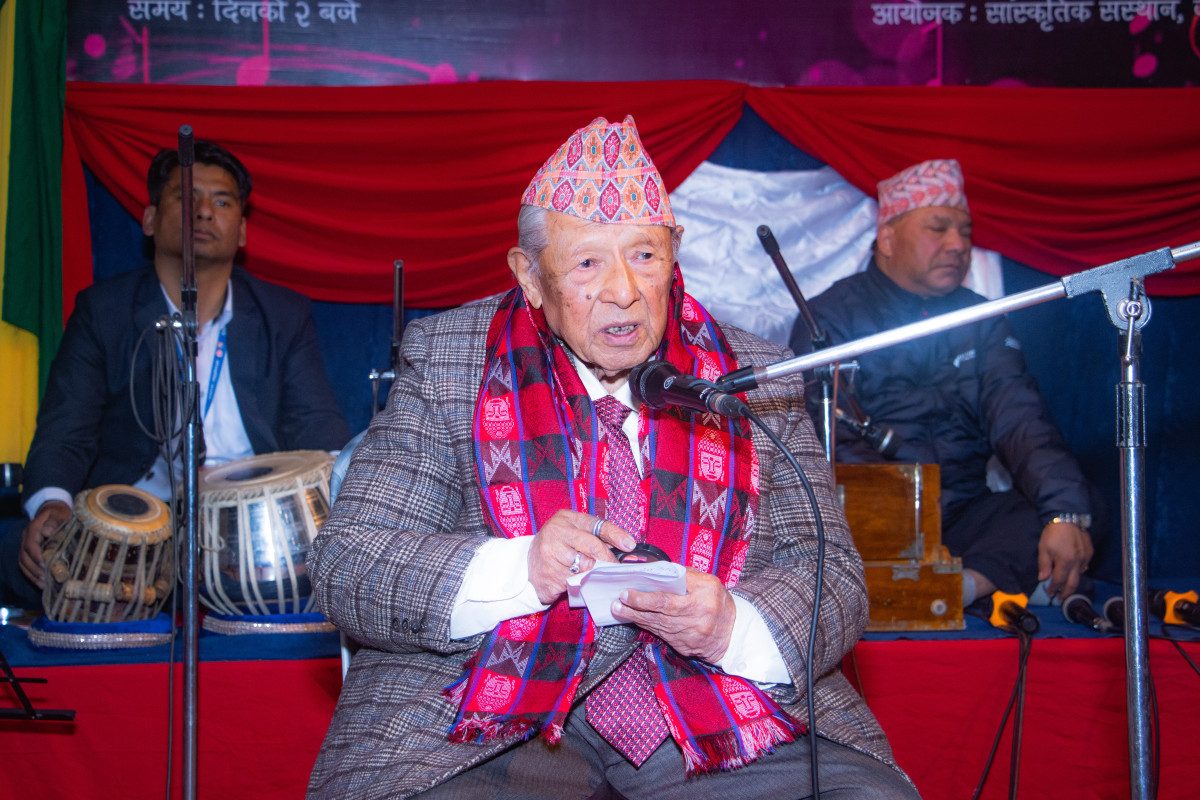
Bhairav Bahadur Thapa (born 18 February 1933 AD / 1989 Falgun 6 BS, Kamalpokhari, Kathmandu) was a pioneering Nepali dancer, choreographer, and scholar widely regarded as one of the earliest architects of Nepali folk‑dance staging. His creative works began appearing from 2007 BS (1950/51 AD), and he formally entered the field of dance direction around 2010 BS (1953/54 AD) through the Bhairav Nritya Dal, established under the initiative of playwright Balkrishna Sama. This marked the beginning of his influential artistic journey.Thapa revitalized Nepali folk and cultural dance by presenting it on national and international stages, giving the genre a new identity and professional structure. He authored several foundational texts, including Nepali Nritya ra Sharirik Praveshika Parts 1–3 (2022 BS / 1965 AD), Dhoka (2030 BS / 1973 AD), Hiddahiddai Baneka Tasbirharu (2065 BS / 2008 AD), Samarpan (2067 BS / 2010 AD), and Himal Natya Mimansa (2072 BS / 2015 AD), which remain important references in Nepali dance studies.Honored with recognitions such as the Jagdamba Shree Samman and Bhim Darshan Roka Memorial Award, Thapa’s contributions shaped the academic, cultural, and performative landscape of Nepali dance.He passed away after a lifetime dedicated to dance, leaving behind a legacy that continues to guide Nepal’s choreographic and cultural scholarship.
Bhairav Bahadur Thapa
Classical / Traditional Dancer, Dance Choreographer, Folk/cultural Dancer
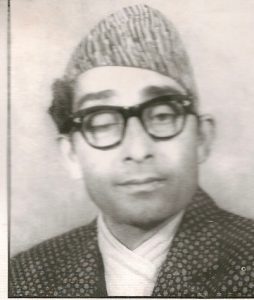
Ustad Bhairav Bahadur Thapa (1925 June 30 AD / 1982 Ashar 16 BS, Kuleshwor, Kathmandu) was a pioneering Nepali composer, vocalist, and mentor whose influence shaped the foundation of modern Nepali music. He introduced and guided many of Nepal’s celebrated singers, lyricists, and composers including the legendary Tara Devi into their musical journeys.Thapa began his professional musical journey around 2005 BS (1948/49 AD), marking the start of a prolific career. Over the decades, he composed music for nearly 1,000 songs and recorded vocals for more than 500 songs, establishing the artistic and technical standards of Nepali modern music.Alongside music, he performed in numerous Radio Nepal dramas and acted in films such as Hijo Aaja Bholi, Aama, and Manko Baadh. His daughter Bhuvan Thapa, the lead actress of Nepal’s first feature film Aama, was also a singer with around fifty recorded songs.In 2022 BS (1965 AD), during the Grand Music Conference held in Kathmandu, King Mahendra honored him with the prestigious title “Ustad.” Ustad Bhairav Bahadur Thapa passed away on 2039 Poush 18 BS (1983 January 2 AD), leaving behind an enduring legacy in Nepali music and performing arts.
Ustad Bhairav Bahadur Thapa
Music Artists, Music Director
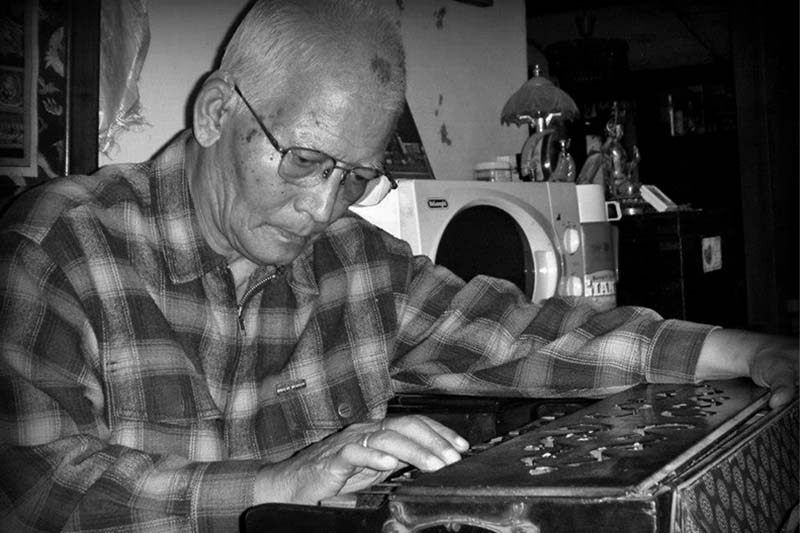
Panna Kaji Shakya (1931–2017) was a pioneering Nepali singer, composer, and lyricist, widely regarded as one of the foundational voices of Nepal’s modern music era. Born in Ombahal, Kathmandu, he began his musical journey through devotional singing and later became one of the earliest and most influential artists associated with Radio Nepal, where he worked from 1951 to 1985.Across four decades, Shakya contributed his voice and compositions to over 300 songs, shaping the sound of early Nepali modern, folk‑inspired melodies, and bhajans. His timeless recordings—“Tiriri Murali Bajyo Banaima,” “Naulakhe Tara,” “Kina Kina Timro Tasbir,” “Lolaeka Ti Thula Timra Ankha”—remain cultural landmarks and continue to define Nepal’s musical heritage.Beyond music, Shakya was active in theatre and stage performance during a period when male actors often portrayed female roles due to the absence of women in the field. He was also briefly involved in political activism through the Nepal Praja Parishad, leading to his arrest in 1962.In recognition of his lifelong contribution to Nepali music, he received the Tuborg Image Award – Lifetime Achievement Award (2013). Panna Kaji Shakya passed away on January 25, 2017, at the age of 85, leaving behind a legacy that continues to inspire generations of Nepali musicians.
Panna Kaji Shakya
Music Artists, Singers & Vocalists
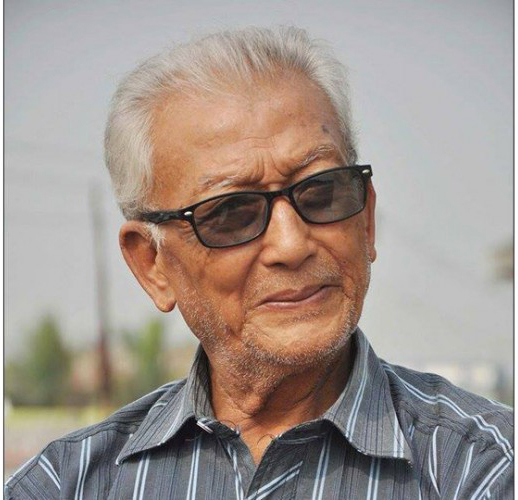
Laxmi Prasad Joshi, popularly known as LP Joshi, was a pioneering Nepali folk singer and composer celebrated for introducing the traditional Binayo to a global audience through his iconic creation “Riting Riting Nabajau Binayo, Binayole Man Mero Chhinayo.” Born in 1993 BS in Dhankuta‑6, Beechbazar, he devoted his life to the preservation and promotion of Nepali lok‑sanskriti. Recognized with the title Lokgeet Samrat, Joshi produced widely loved songs such as Riting Riting, Vallo Kholo Pallo Kholo, Nigalo Gharima Chyakhura Nachyo, and Khipima Khipi Binayo Baja. Beginning his artistic journey in 2008 BS through dance, he expanded into painting, singing, and literature, sharpening his multidisciplinary talent. His first recorded song appeared in 2013 BS, and by 2020 BS most of his works were already documented. Joshi passed away at age 88 on 2081 Saun 10, leaving behind a lasting cultural legacy.
LP Joshi
Folk Singer
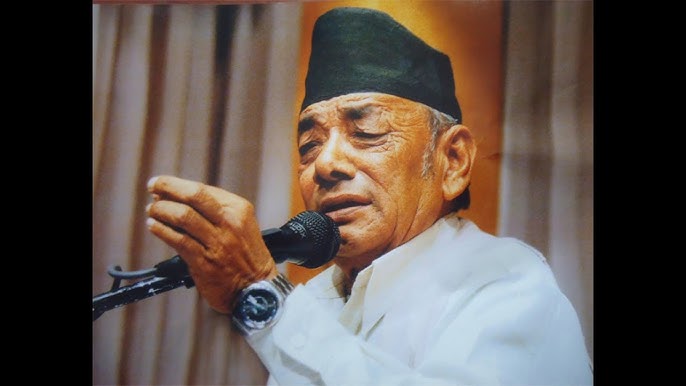
Phatteman Rajbhandari (1936 – 9 September 2013) was a legendary Nepali classical and modern singer, celebrated for his unmatched vocal purity, mastery of raag, and disciplined musical artistry. Born in Lalitpur, he began his professional musical journey in 1951 after joining Radio Nepal, where his deep, resonant voice quickly became a national standard of excellence. Known for timeless recordings such as Yesto Pani Hudo Raichha, he remained a central figure in shaping Nepal’s classical‑based modern music tradition. Honored with major national awards including Chinnalata Puraskar and Gorkha Dakshin Bahu, Phatteman’s legacy continues to inspire generations of Nepali vocalists and music learners.
Phatteman Rajbhandari
Singer/ Performer