
Explore Artists
Browse through 2,035 talented actors, musicians, dancers, filmmakers and creative professionals from Nepal.
2,685
All Artists
197
Actor
224
Actress

Sadhana Sargam is a celebrated Indian playback singer known across South Asia for her expressive, classically rooted voice. While she has recorded thousands of songs in Indian cinema, she holds a special place in Nepali music, where her soft, emotive singing helped define the sound of Nepali romantic films from the 1990s onward.Her entry into Nepali playback began with collaborations with leading Nepali music directors, where her refined vocal texture blended seamlessly with Nepali melodies. Over the years, she became one of the most recognizable non‑Nepali voices in the industry, contributing to film soundtracks, modern songs, and cross‑border musical projects.Sargam’s Nepali songs are admired for their clarity, emotional depth, and effortless delivery—qualities that made her a preferred voice for love songs, sentimental tracks, and melodious duets. Her work strengthened the musical bridge between Nepal and India, inspiring a generation of Nepali singers and composers.
Sadhana Sargam
Playback Singer
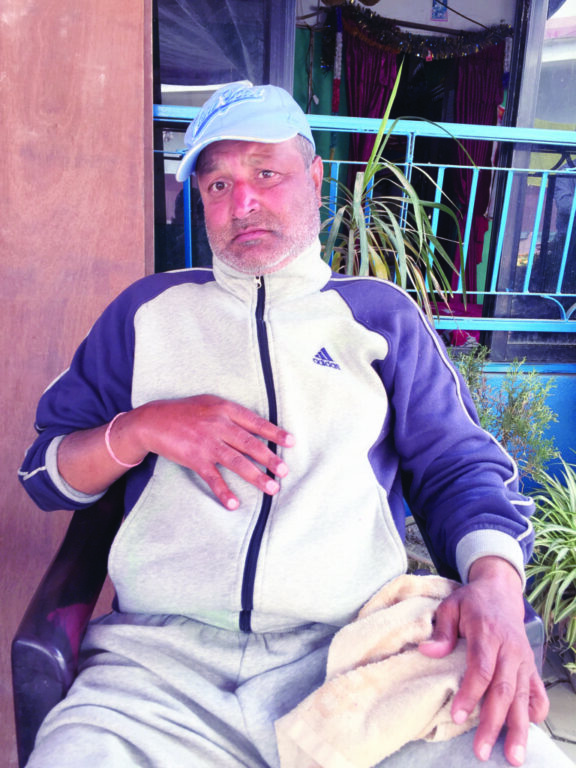
Pawan Mainali is a Nepali film actor best known for his powerful portrayals of villainous characters, earning recognition for his intense screen presence and commanding performance style. Active across commercial and social‑themed cinema, he has built a reputation for bringing depth, aggression, and emotional weight to negative roles, making him one of the memorable खलनायक figures in Nepali films. His ability to shift between fierce antagonists and character‑driven supporting roles has established him as a versatile and reliable performer within the industry.
Pawan Mainali
Film Maker/ Producer, Film Artists
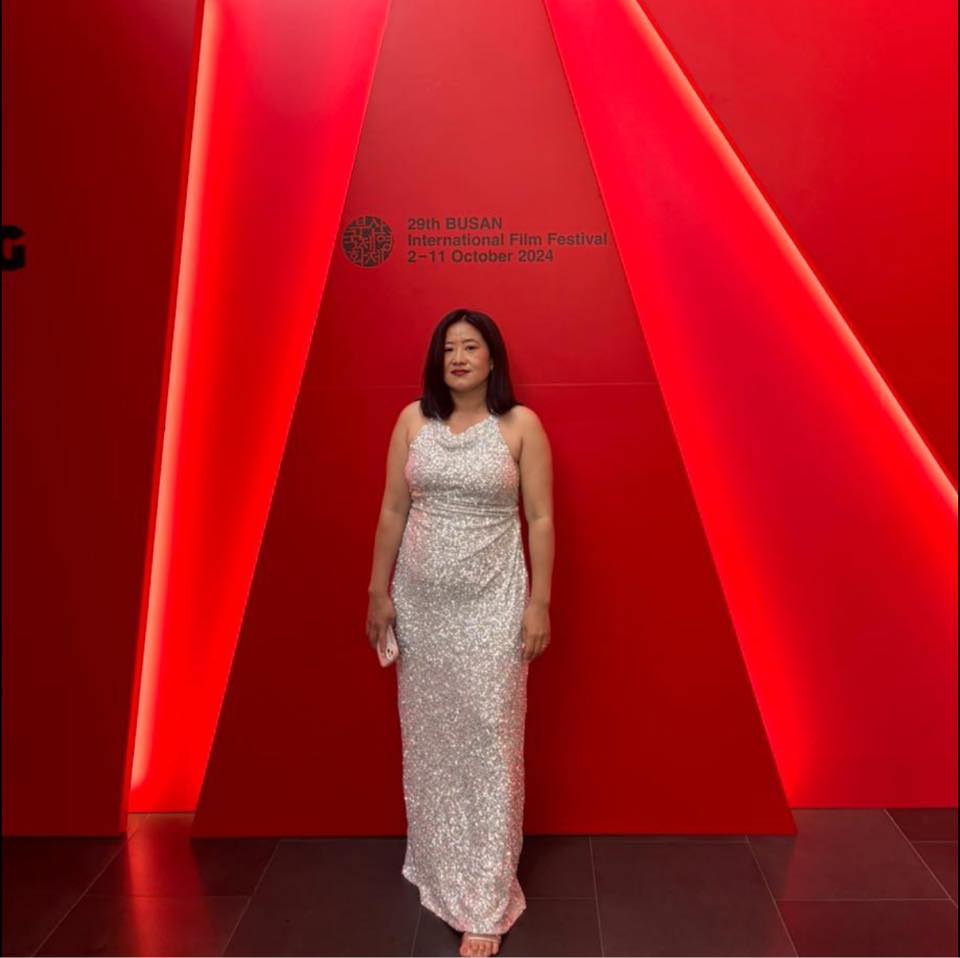
Pashupati Rai is a Nepali film artist known for his steady presence in supporting and character roles across commercial and social‑themed Nepali films. Active since the early 2010s, he has contributed to a range of projects that highlight everyday Nepali life, emotional storytelling, and ensemble‑driven narratives. Rai is recognized for his grounded acting style, natural dialogue delivery, and ability to portray relatable characters that connect with mainstream audiences.He continues to work across feature films, short films, and occasional music‑video appearances, maintaining a consistent presence in the evolving landscape of Nepali cinema.
Pashupati Rai
Character Artists, Film Artists
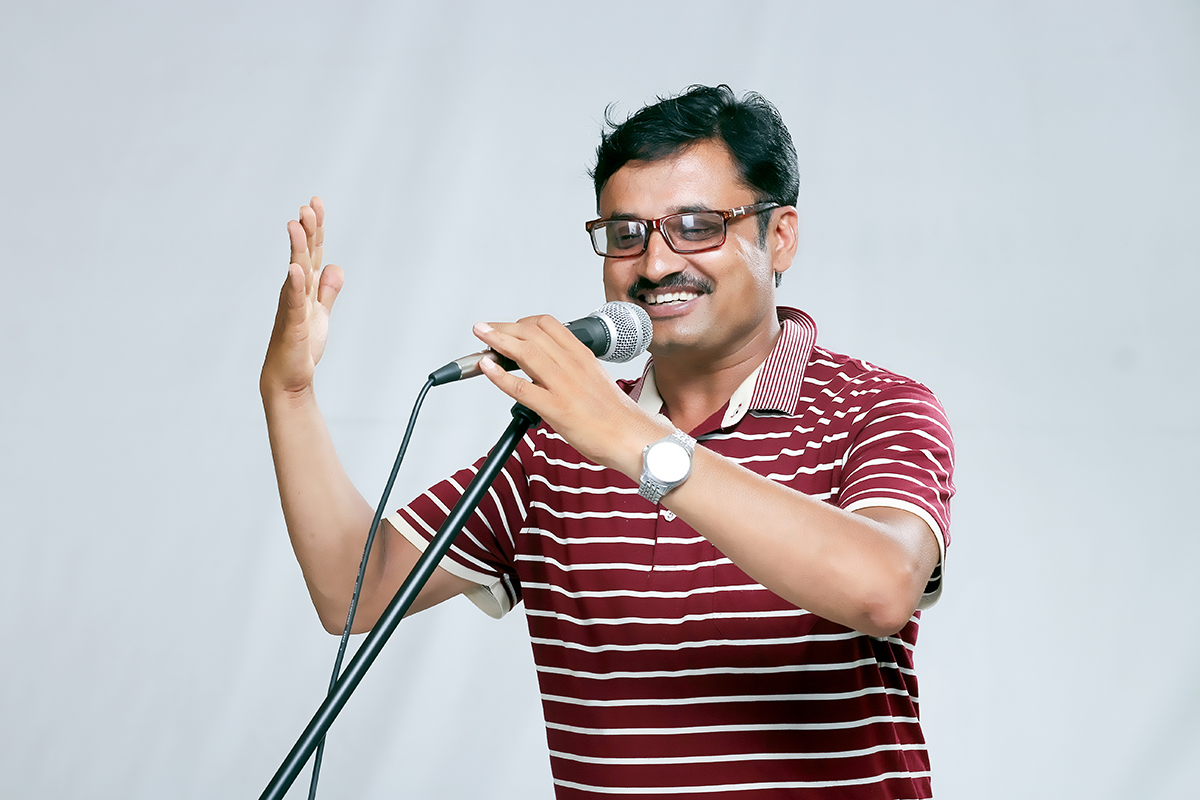
Krishna Devkota is a Nepali folk and dohori singer, songwriter, and composer known for his expressive vocal delivery and commitment to authentic lok‑dohori traditions. Active through his official YouTube channel, he has released popular songs such as “Jor Dharako Pani”—where he contributed both lyrics and music—and collaborative hits including “Ma Ta Lahure Gorkha Paltan Ko,” “Ramdi Jharera,” and “Kasko Dil Thulo.” His works often feature leading artists like Shanti Shree Pariyar, Laxmi Neupane, Khuman Adhikari, and Devi Gharti. Devkota’s catalog reflects a blend of heartfelt storytelling, melodic clarity, and dedication to preserving Nepal’s folk musical heritage.
Krishna Devkota
Folk Singer
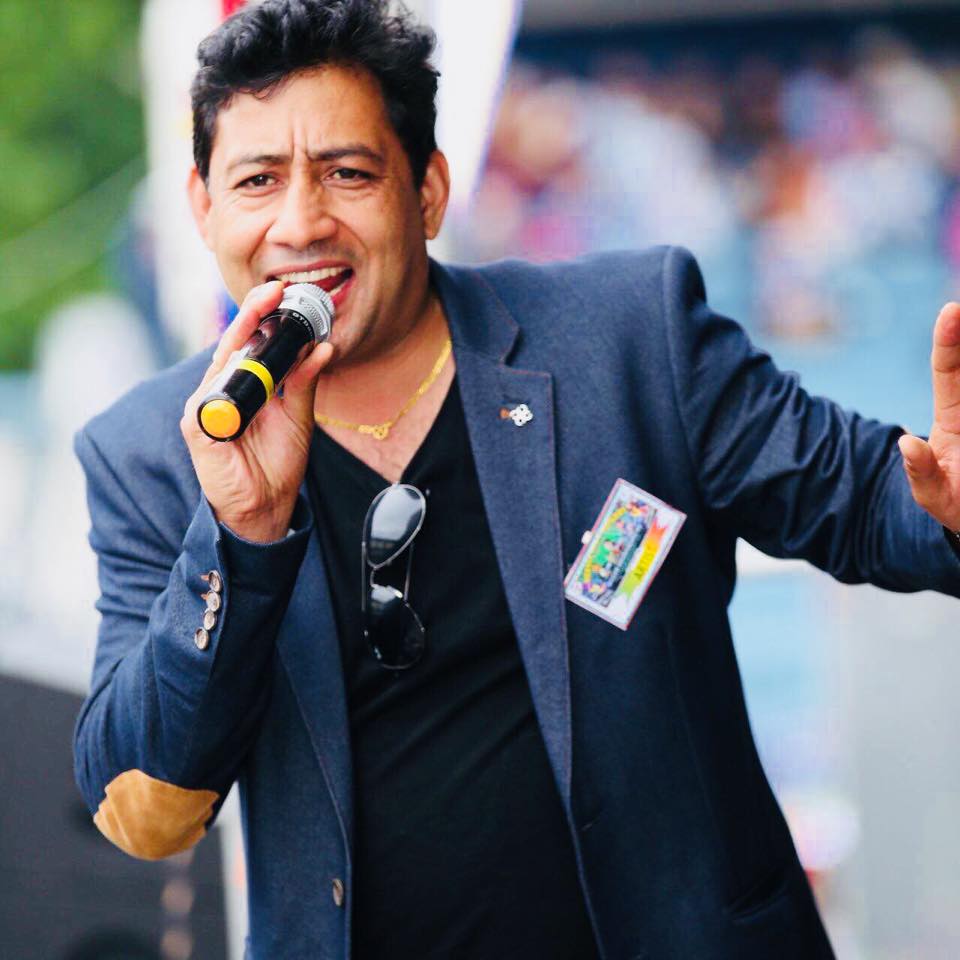
is a Nepali folk and dohori singer, lyricist, and composer known for his strong vocal presence and contribution to modern lok‑geet. Active since the early 2008s, he has delivered major hits such as “Himal Setai Chha,” “Butte Rumal,” “Dulchhu Ranaban,” “Rani Ghataima,” “Chhaldi Ra Panah,” and several lok‑bhajan releases. His albums include 108 Naam Shiva, Darke Paanile, Jhandi Langur Burja, and Gahun Khayo Ghunaile. Chhetri frequently collaborates with leading artists like Bishnu Majhi, Laxmi Neupane, Jhabindra Paudel, and Shanti Shree Pariyar, establishing himself as a consistent voice in contemporary Nepali folk and dohori music.
Bimal Raj Chhetri
Folk Singer
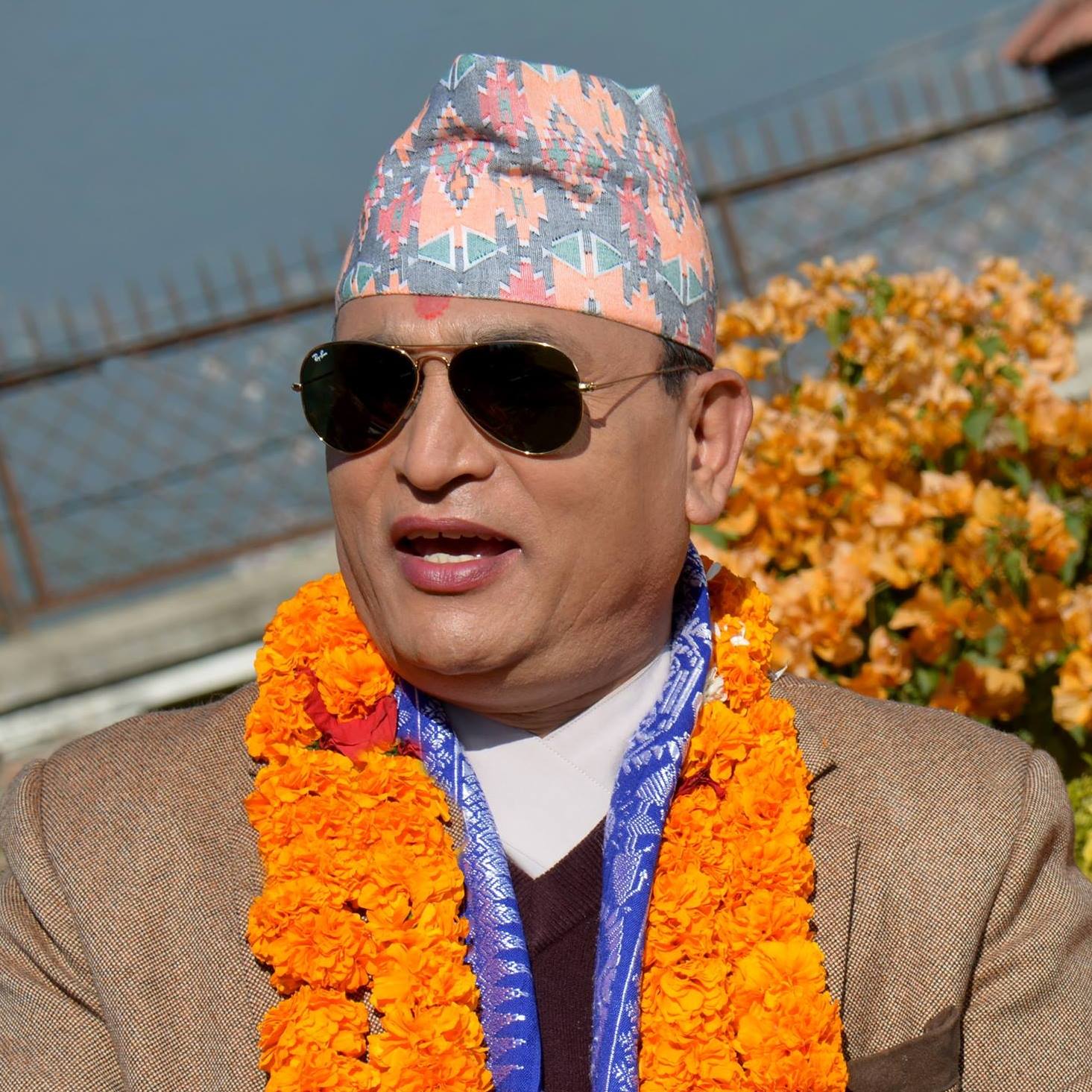
Nawin K. Khadka is a Nepali Purbeli folk singer, composer, and cultural documentarian known for preserving Eastern Nepal’s Jhyaure, Khyali, and traditional dance‑based musical heritage. Active through the Arun Valley Cultural Research Center, he has performed and composed major works such as “Chha Salam Kasari Bolau,” “Hou Bari Lai Lai,” “Hunna Ma Bhane Ram Saili,” and “Ama Jyu Ko Butte Ma Choli.” Khadka frequently serves as singer, music composer, videographer, editor, and director, making him one of the few multi‑disciplinary creators in Purbeli folk. His projects highlight authentic Sankhuwasabha–Arun Upatyaka rhythms, traditional dance forms, and community‑based cultural preservation.
Nawin K. Khadka
Folk Singer
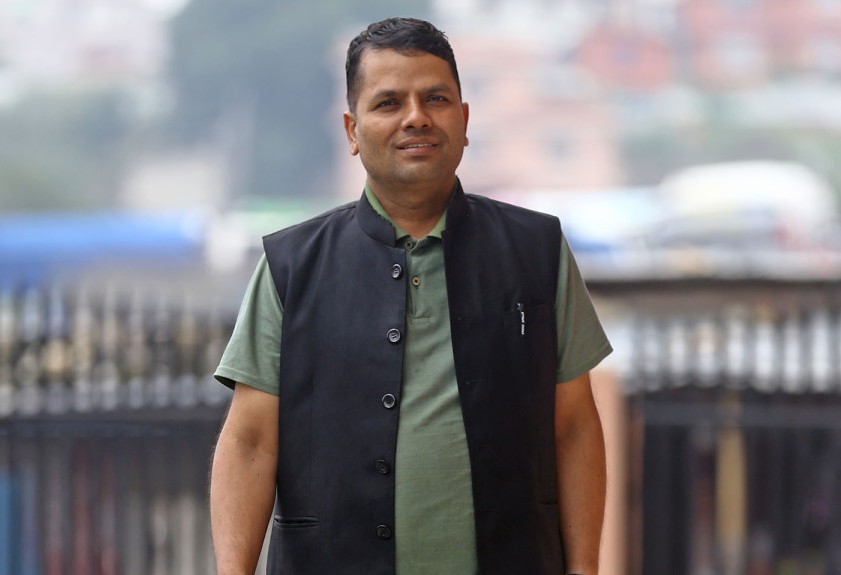
Kamali Kanta Bhetuwal is a renowned Nepali folk singer, lyricist, and composer celebrated for his evergreen contribution to lok‑geet and traditional village‑style melodies. Best known for the iconic classic “Jhamke Guleli”—which he wrote, composed, and performed—Bhetuwal has produced multiple acclaimed albums under the Jhamke Guleli series, including Parts 1, 2, 3, and 4, all released through Music Nepal. His catalog features long‑form narrative folk songs such as “Jhim Jhim Pareli,” “Khorunga Shirma,” “Himal Takuri,” and “Rani Rumalma.” His distinctive vocal texture and poetic writing have made him a defining figure in Nepal’s modern folk heritage.
Kamali Kanta Bhetuwal
Folk Singer
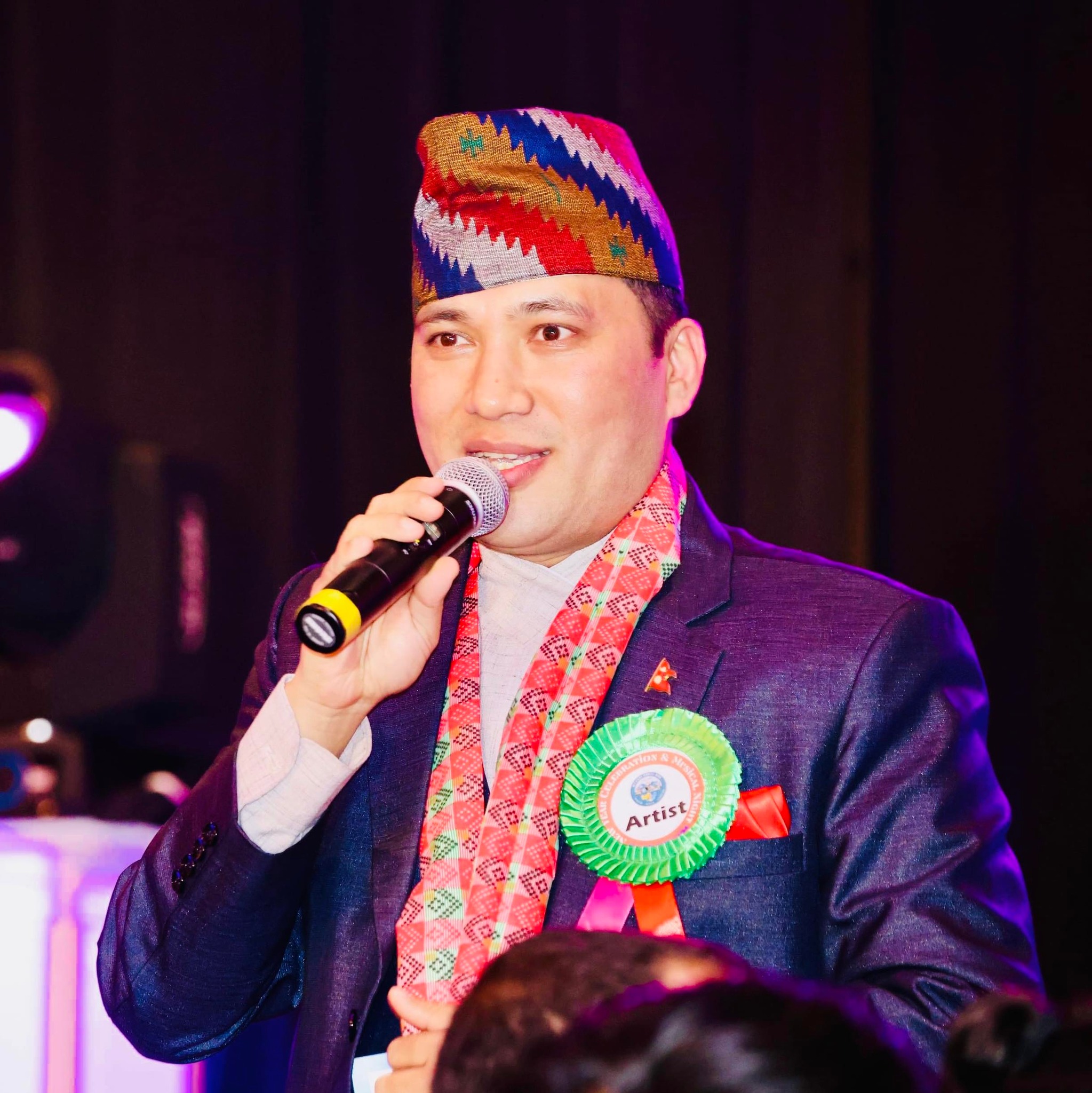
Rajan Thakuri is a Nepali folk and dohori singer, lyricist, and composer known for his expressive vocal style and long-standing contribution to lok‑geet and live dohori culture. Active since the late 2000s, he is recognized for popular songs such as “Sansar Ghati Chha,” “Eauta Chitthi Lekhna Manlachha,” “Timrai Jhalko Timrai,” “Simsim Pani,” and “Haatma Lagyo Sunya.” His work spans studio recordings, panchebaja performances, and extensive live dohori shows in Nepal and abroad. Thakuri frequently collaborates with leading artists including Bishnu Majhi, Sirjana Birahi Thapa, Laxmi Neupane, and Phanindra Thakuri, making him a consistent voice in modern Nepali folk music.
Rajan Thakuri
Folk Singer

Kulendra Bishwakarma is a celebrated Nepali folk and dohori singer from Parbat, known for his powerful vocal style and prolific contribution to modern lok‑geet. Born in 1985, he began his musical career in 2061 BS with Ke Chha Halchal, followed by the breakthrough song “Pashchim Purbako.” He has recorded over 2,000 songs, including major hits like “Salko Patko Tapari,” “Rumal Halai Halai,” “Dadai Phurke Sallo,” “Jimbal Ko Aganima,” “Ma Ni Ustai,” and “Phool Hau Timi.” Bishwakarma has earned top honors such as the Prabal Janasewashree and multiple National Music Awards, and has served as a judge on Nepal Lok Star and Dohori Icon.
Kulendra Bishwakarma
Folk Singer
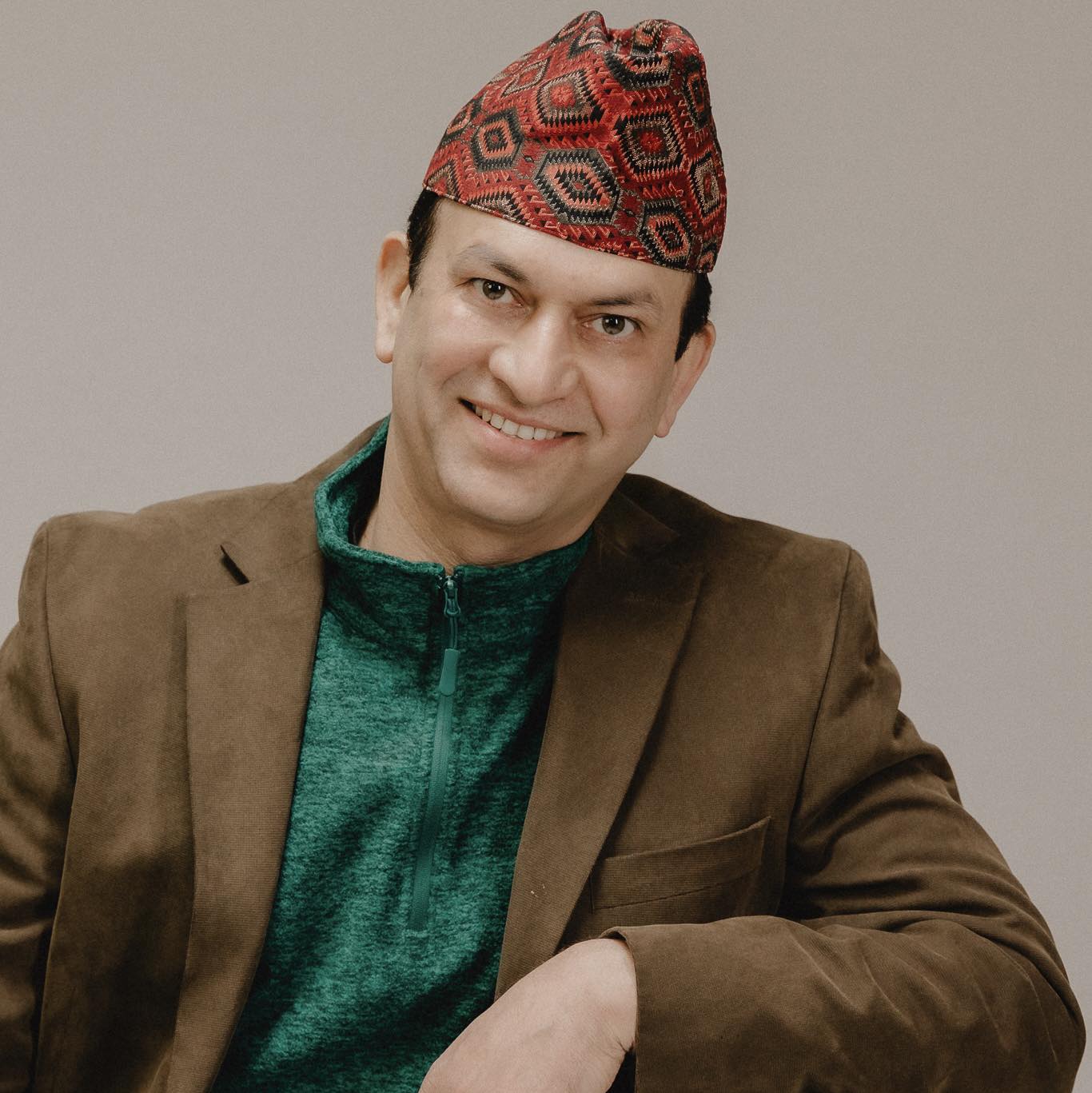
Bhagawan Bhandari is a Nepali lok‑dohori singer, lyricist, and composer known for his strong vocal tone, emotional delivery, and consistent presence in modern folk music. Active since the early 2008s, he has written and performed notable songs such as “Jhyalaima Aina,” “Aafnai Parama,” “Saili,” “Galbandi Khasyo,” “Jau Babu Nabhannu Aama,” and “Sakchhyau Ra Man Dina.” His works span lok‑dohori, teej songs, panchebaja, and modern folk collaborations with leading artists including Laxmi Khadka, Shanti Bhandari, Sita Lamichhane BK, and Krishna KC. Bhandari is also active as a lyricist, arranger, and producer, shaping contemporary Nepali folk sound.
Bhagawan Bhandari
Folk Singer
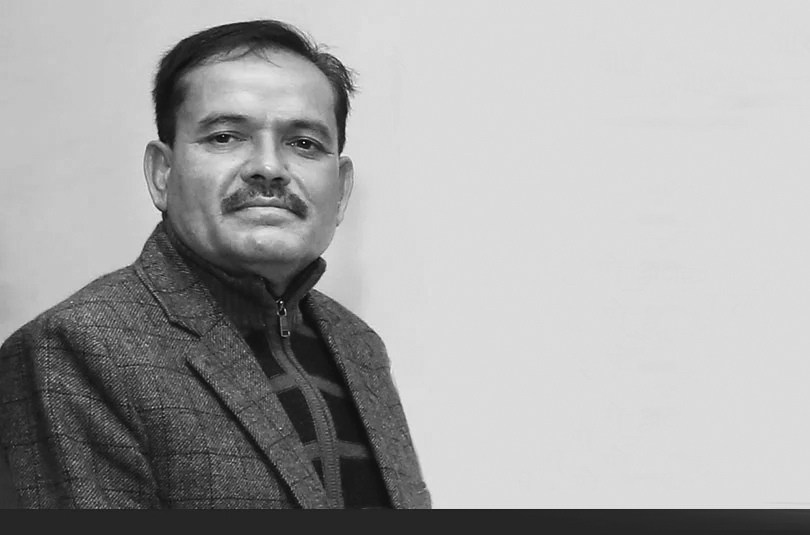
Ram Keshar Bogati was a Nepali film artist who began his acting career in the late 1990s and became known for his natural, grounded performance style. Active across social and dramatic cinema, he built a reputation for sincerity, discipline, and emotionally honest roles. Bogati passed away on October 9, 2018 (Tuesday) at the age of 58 after a tragic accident near his home in Tikathali. His contribution to Nepali cinema remains appreciated for its simplicity, authenticity, and dedication to the craft.
Ram Keshar Bogati
Film Artists

Shobita (Sovita) Simkhada is a Nepali actress known for her early 2000s–2010s film roles, later becoming an Osho sannyasin and re‑emerging as a spiritual content creator and performer. She began her film career with projects such as Sandesh (2009), Gangajal (2010), Timi Binako Jivan (2010), and a series of 2011 releases including Aafnai Manlai Sodhi Hera, Birtako Chino, Maryo Ni Mayale Maryo, and Kasam.After stepping away from mainstream cinema to pursue a deep spiritual path at Osho Tapoban, she returned to acting more than a decade later through the film Great, directed by Manoj Pandit—publicly announcing her comeback in 2026.Beyond films, Shobita is active as a meditator, author, devotional performer, and host of “The Jogini Show”, where she interviews spiritual figures and artists. Her digital presence includes devotional music, reflective content, and spiritual discourse.
Shobita Simkhada
Actress

Sarita Sah is a Nepali theatre artist and actor recognized for her expressive stage presence and her dedication to character‑driven performance. Active in contemporary Nepali theatre, she has contributed to productions that explore social issues, personal identity, and community narratives. Sah’s acting style is rooted in realism, emotional clarity, and disciplined craft, making her a dependable performer in both ensemble and lead roles. Expanding her work into screen acting, she continues to bring the depth and sensitivity of theatre to film and television projects
Sarita Sah
Theatre Artists, Film Artists
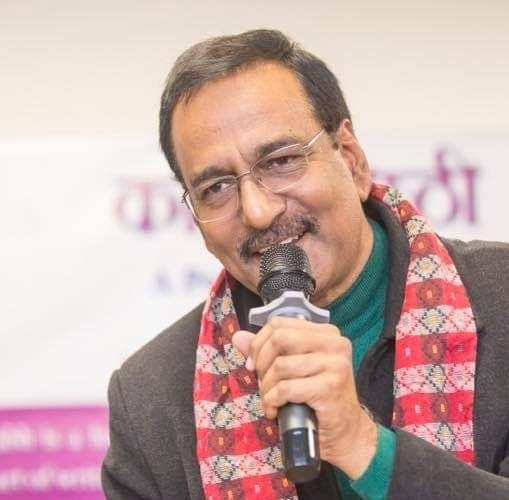
Rajendra Shalabh (also credited as Rajendra Salav) is a veteran Nepali filmmaker and lyricist whose career spans cinema, literature, media, and cultural programming. Active since 1990, he has directed notable Nepali films such as Bijaya Parajaya (1990), Bhauju (1993), and Paribhasha (1994), and contributed as a lyricist and writer across multiple projects.Beyond cinema, Shalabh is recognized as a poet, cultural organizer, and media professional. He has been involved in poetry recitation programs, literary events, and audiovisual poetry projects featuring major Nepali poets. His multidisciplinary work extends into television production, education, and entertainment management, including serving as Executive Director of CG Entertainment and working as a Law Associate at Tribhuvan University.
Rajendra Shalabh
Lyricist, Film Director
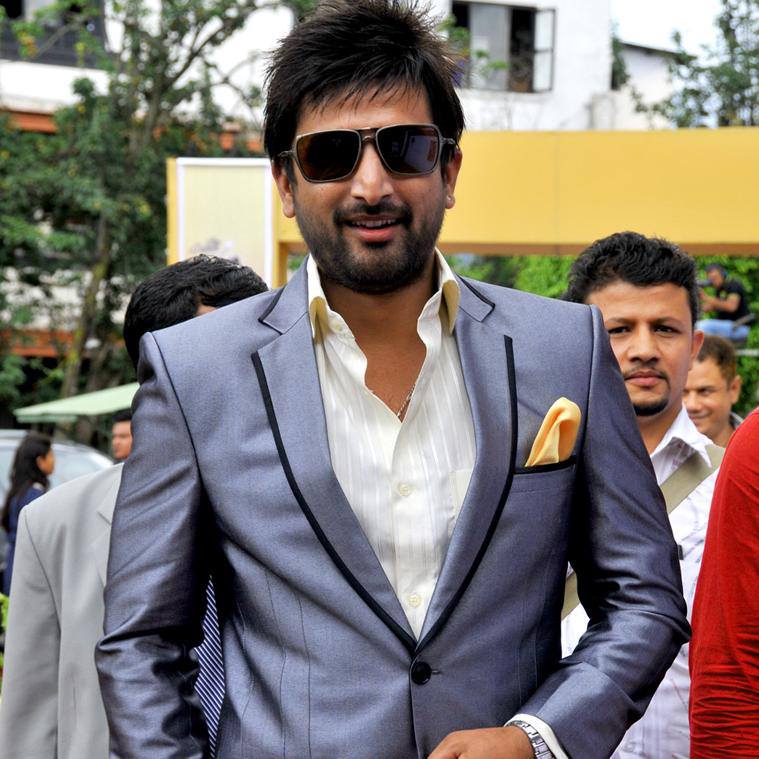
Jiwan Luitel (born 10 September 1981, Morang, Nepal) is a leading Nepali actor and former Mr. Nepal 2002, active in cinema since the early 2000s. He made his film debut with Tirkha (2008) and has since appeared in 65+ Nepali feature films, becoming one of Kollywood’s most prolific mainstream actors. Known for romantic and dramatic roles, Luitel earned the KTV Best Debutant Actor Award for Nasib Aafno (2010) and won Best Actor at the NFDC National Film Awards (2069) for Malati Ko Bhatti (2012). His career also includes modeling highlights such as the Sydney Fashion Show (2009) and a widely reported stunt injury the same year.
Jiwan Luitel
Actor
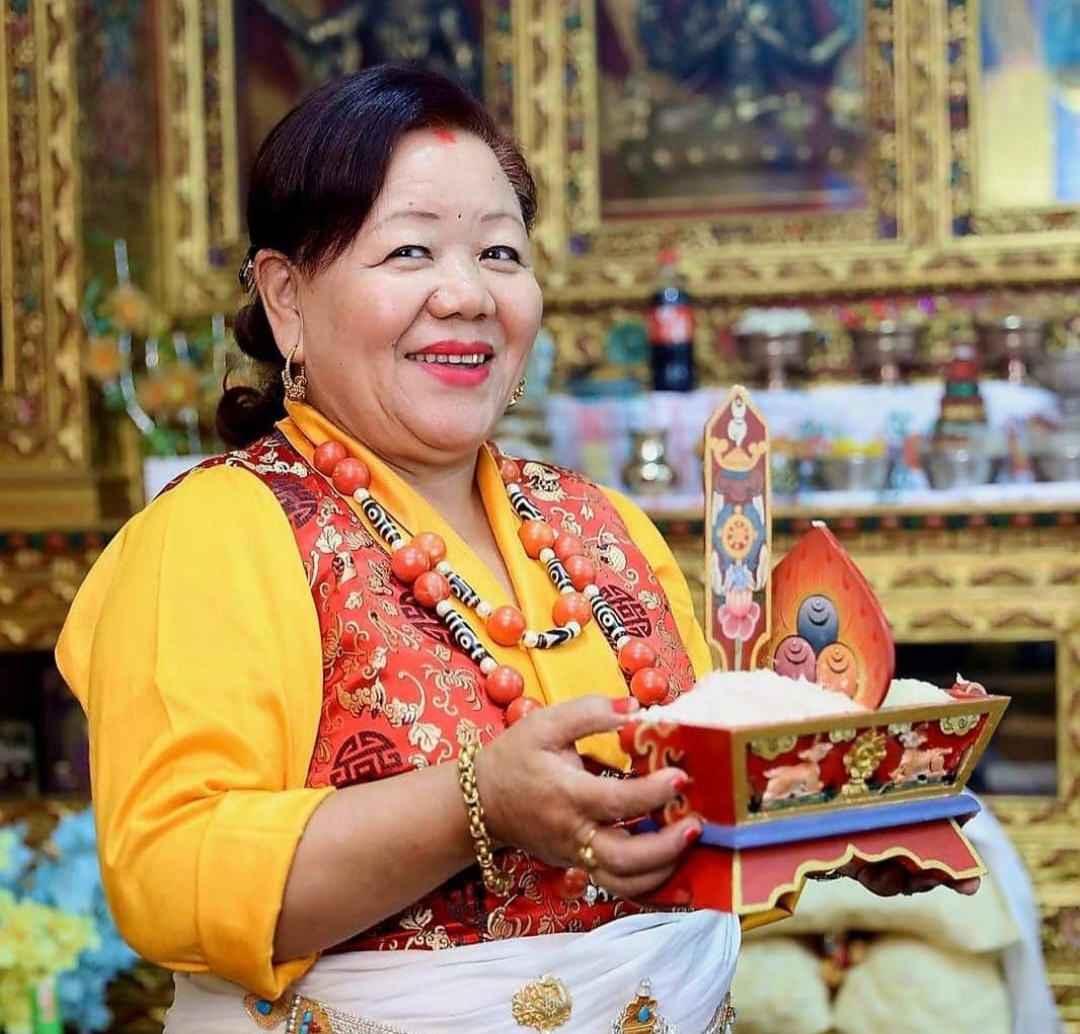
Doma Lama Hyalmo is a Nepali film artist and singer active since the early 1990s, known for her expressive screen presence and her warm, melodic vocal style. Beginning her artistic journey in the 1990s era of Nepali cinema, she has contributed through character‑driven performances while also recording songs that reflect both her Hyolmo cultural roots and contemporary musical sensibilities. Her dual work in film and music highlights a versatile creative identity, making her a steady and respected presence in Nepal’s entertainment field.
Doma Lama Hyalmo
Character Artists, Folk Singer, Film Artists

Amar Rasaili is a Nepali film director, production designer, and writer known for his multidisciplinary contribution to contemporary Nepali cinema, working across story, screenplay, and visual design to shape emotionally grounded and visually coherent films. Active in direction and art‑department leadership, he is recognized for blending narrative clarity with strong production aesthetics, often developing his own story concepts and screenplays while overseeing the film’s visual world. His work reflects a collaborative, detail‑driven approach that connects performance, design, and storytelling, positioning him among the new‑generation creators contributing to the evolving craft of Nepali filmmaking.
Amar Rasaili
Film Director
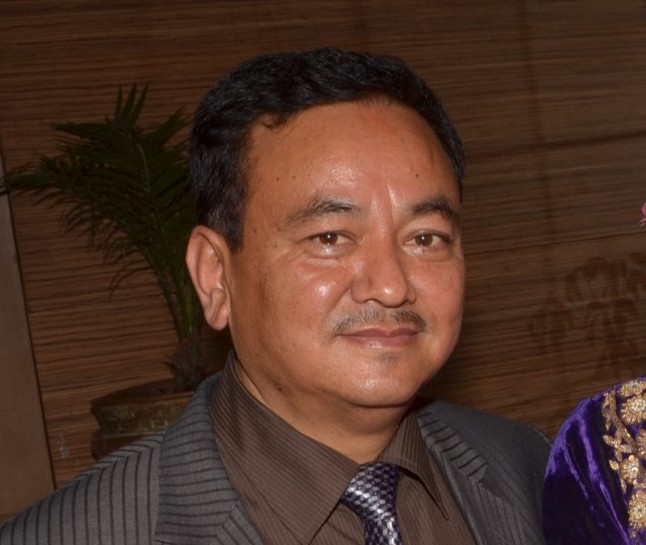
Dhanendra Bimal is a respected Nepali lyricist and cultural contributor known for his thoughtful, expressive songwriting rooted in Nepali poetic tradition. His work reflects emotional depth, social sensitivity, and a refined command of language, making him a recognized name in the field of Nepali music and literature.Alongside his creative career, he served in a significant administrative role as the Deputy Executive Director, where he contributed to institutional development, cultural promotion, and organizational leadership. After a long and dedicated tenure, he retired in 2074 BS, marking the completion of a distinguished public‑service career.
Dhanendra Bimal
Lyricist
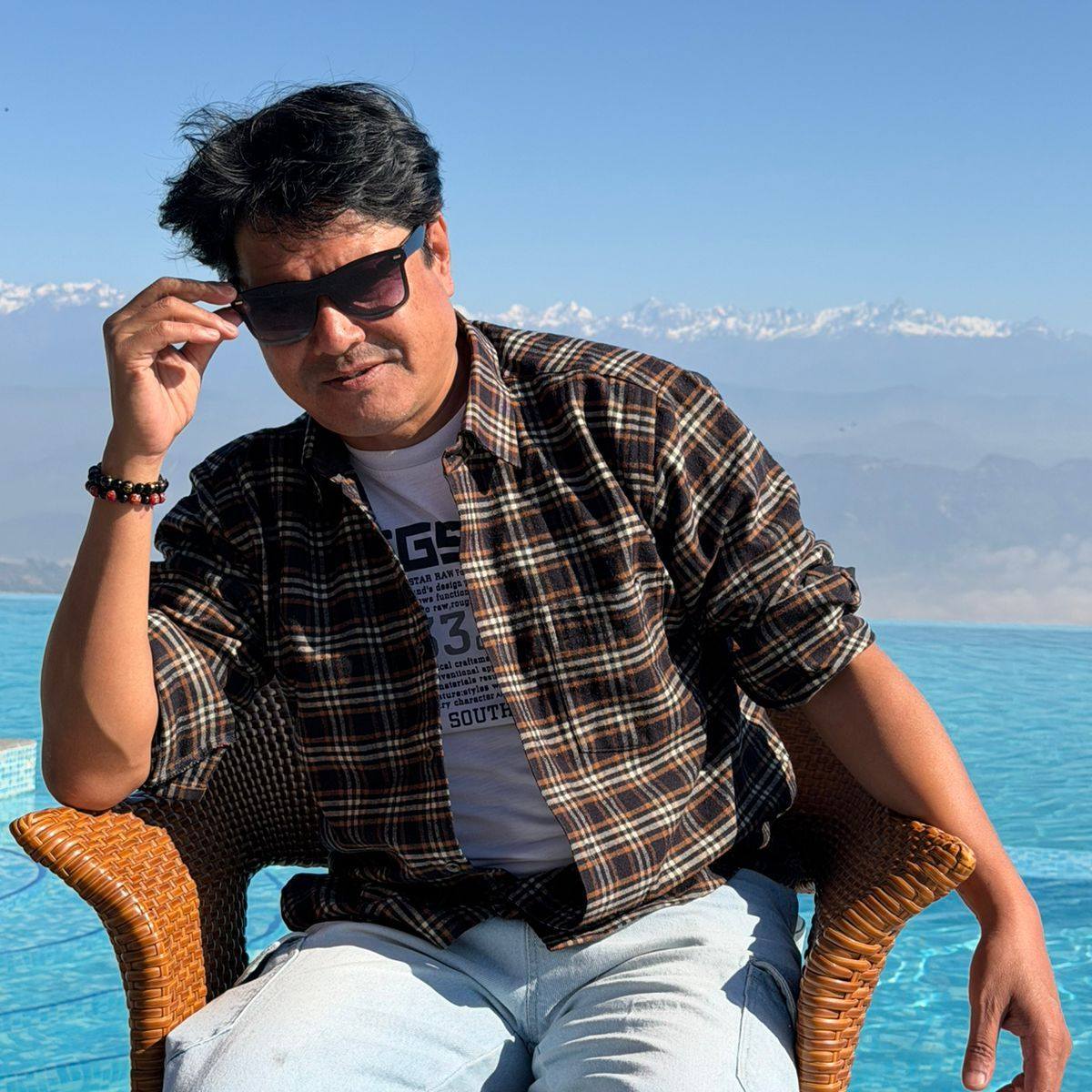
Maunata Shrestha is a prominent Nepali screenwriter and film producer known for his prolific contribution to mainstream Nepali cinema. With a career spanning decades, he has written the story, screenplay, and dialogue for more than 145 feature films, including major commercial hits such as Khalanayak, Dadagiri, Myanmar Dhadkan, and many others.Recognized for his strong command of emotional storytelling, action‑drama structure, and audience‑driven dialogue, Shrestha has become one of the most reliable and respected writers in the Nepali film industry. Alongside writing, he has also produced several films under his banner, further strengthening his creative footprint in Nepali cinema.
Maunata Shrestha
Screenwriter/Script Writer, Film Maker/ Producer
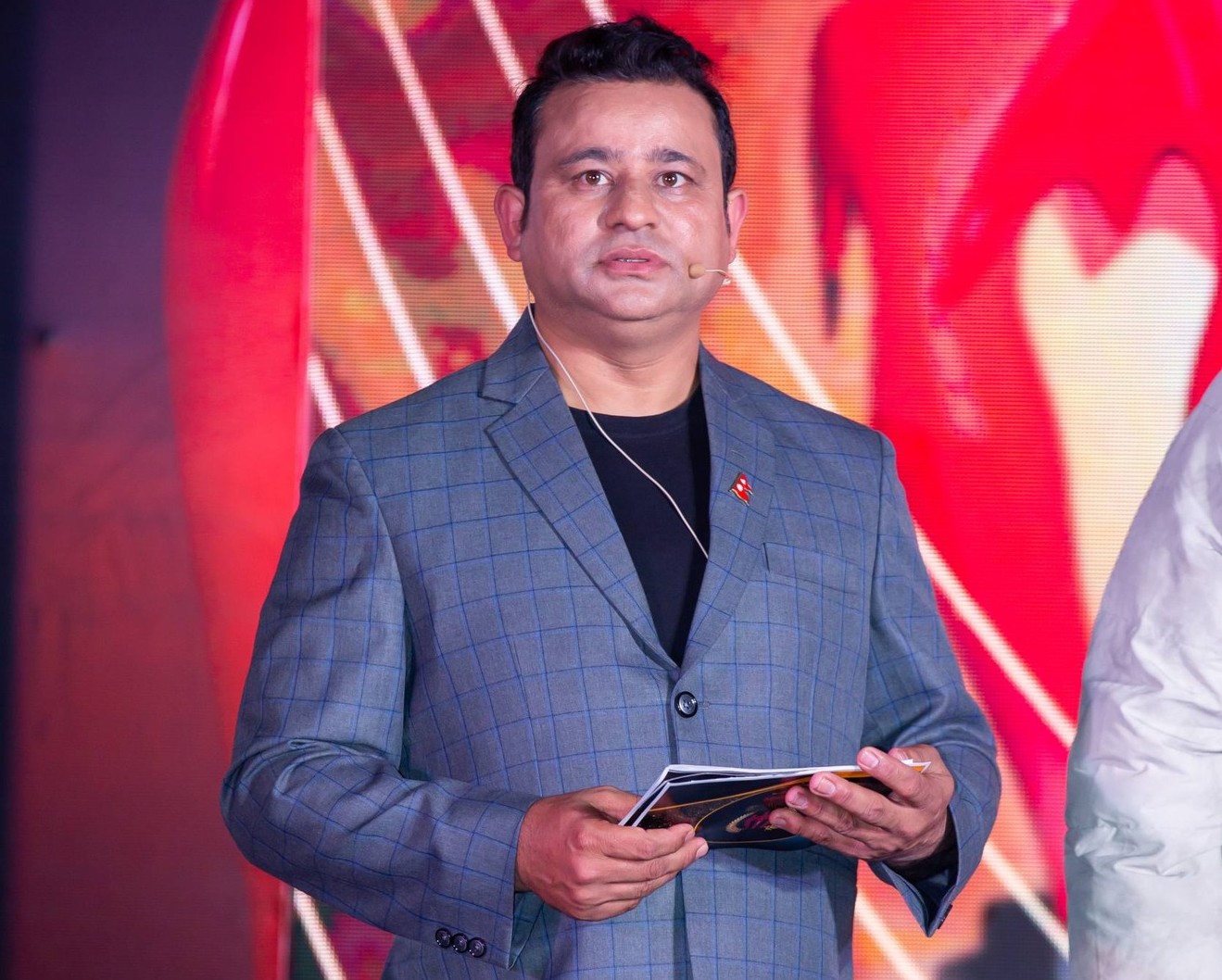
Gopal Dhakal, popularly known by his stage name “Chande,” is a Nepali comedian, character actor, and stage performer recognized for his energetic timing, expressive delivery, and humorous portrayals of everyday Nepali life. Active across stage, television, and digital comedy formats, he has built a reputation for creating instantly memorable characters that blend satire, social observation, and light‑hearted entertainment.Known for his signature comedic persona “Chande,” Dhakal has appeared in numerous comedy programs, live shows, and collaborative performances with leading Nepali comedians and actors. His work reflects a strong command of physical comedy, improvisation, and audience‑friendly humor, making him a familiar and beloved figure in contemporary Nepali entertainment.
Gopal Dhakal
Character Artists, Comedy Actor
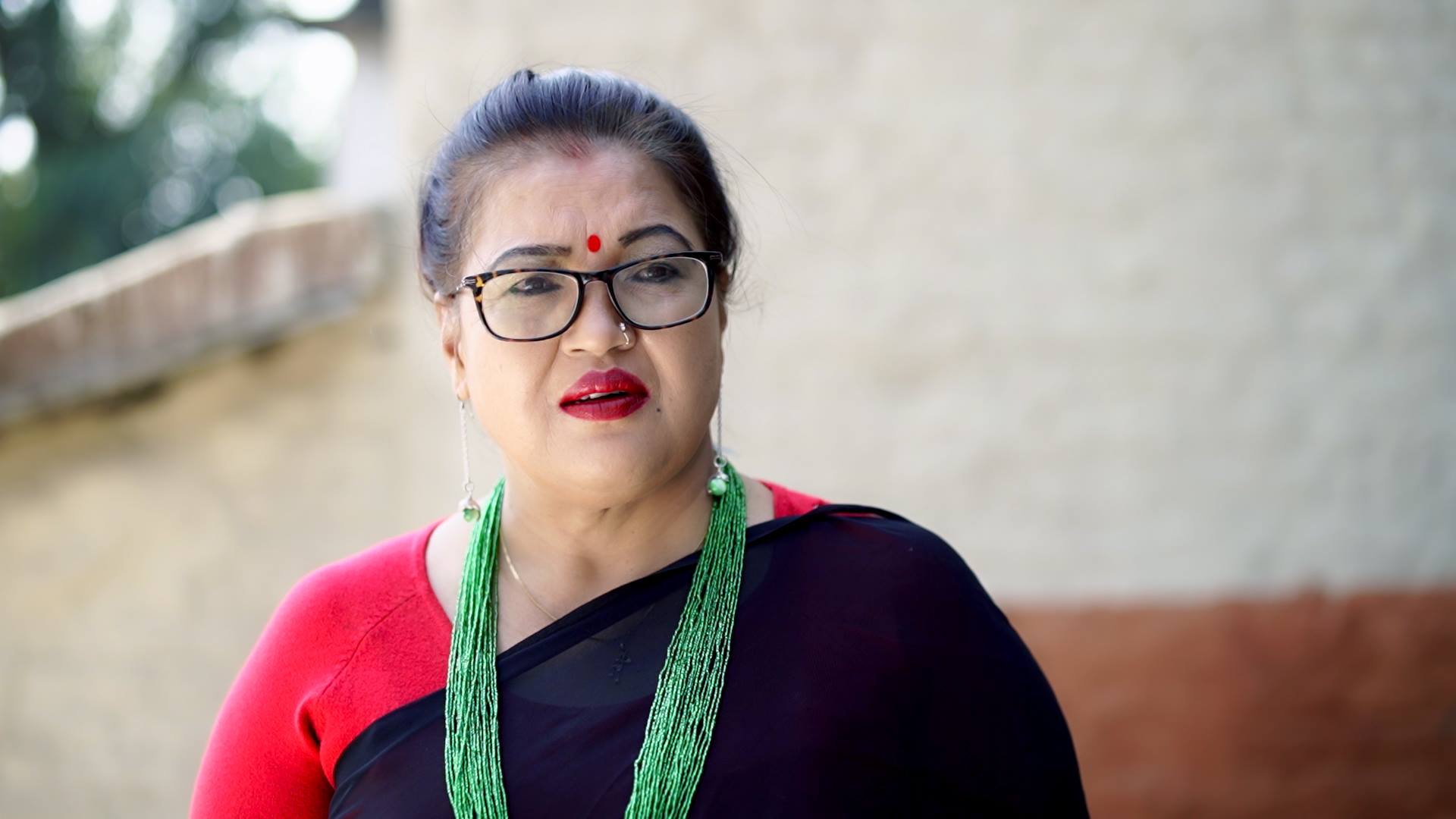
Manju Shrestha is a Nepali film and television artist best known for her memorable comic role as “Bijuli” in the hit Nepali comedy serial Tito Satya. Through this character, she became a familiar face in Nepali households, bringing sharp humor, expressive acting, and strong timing to one of the country’s most popular long‑running TV shows.Beyond television, Shrestha has also appeared in Nepali films, contributing supporting and character roles that highlight her versatility in both comedy and drama.
Manju Shrestha
Character Artists, Film Artists
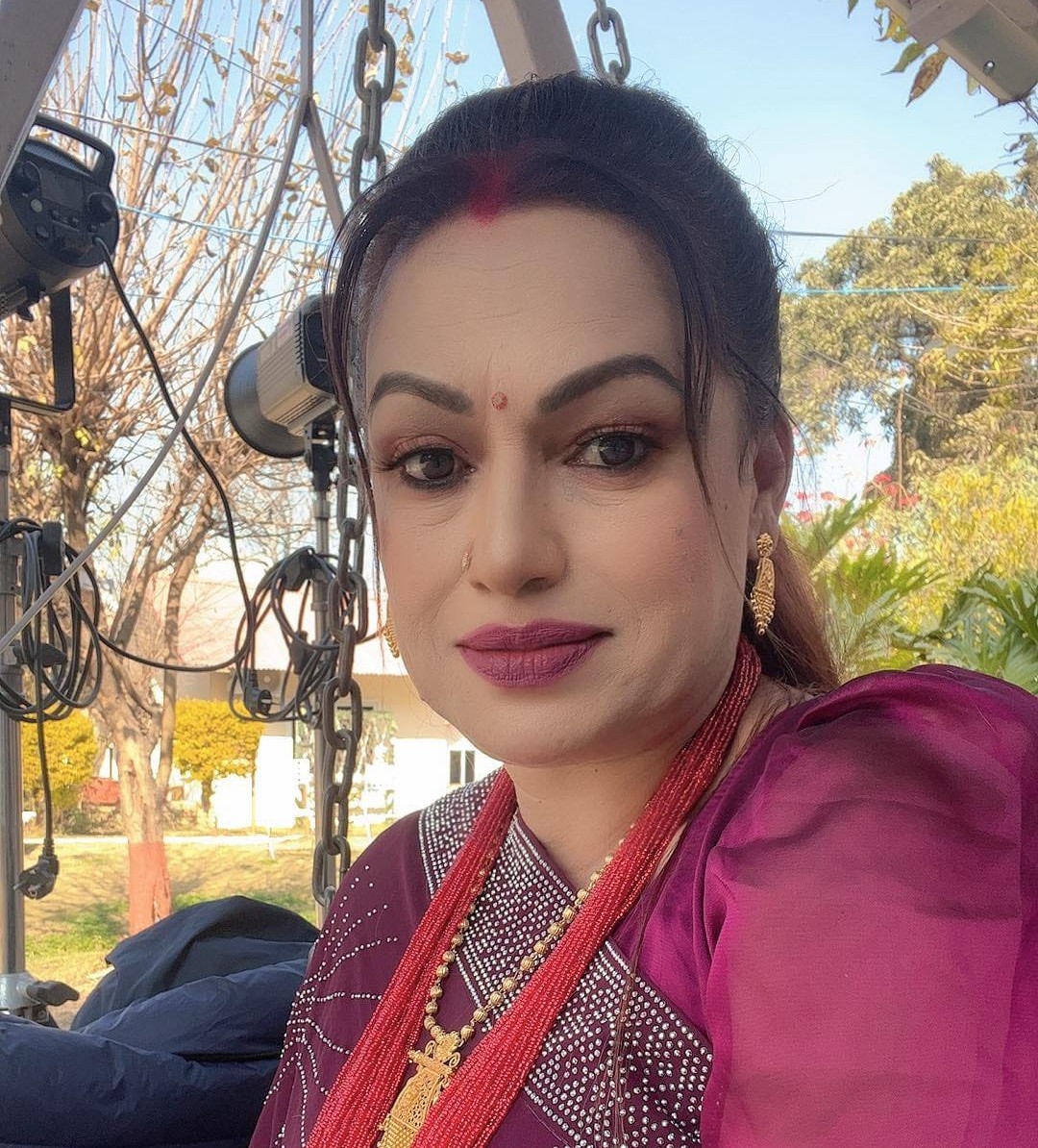
Pragya Joshi is a Nepali film actress and television serial artist known for her expressive performances and her steady presence in both mainstream cinema and episodic storytelling. Active across multiple formats, she has built a reputation for portraying relatable, emotionally grounded characters that reflect everyday Nepali life.Her work spans feature films, TV serials, and special appearances produced under Pragya Films, where she has contributed to projects that blend social themes, family drama, and character‑driven narratives. Joshi’s screen presence is marked by natural dialogue delivery, strong emotional timing, and a commitment to authentic storytelling—qualities that have made her a respected performer among directors and audiences alike.With continued involvement in film and television, she represents the generation of Nepali artists who bridge traditional screen acting with the evolving landscape of modern Nepali media.
Pragya Joshi
Character Artists, Film Artists
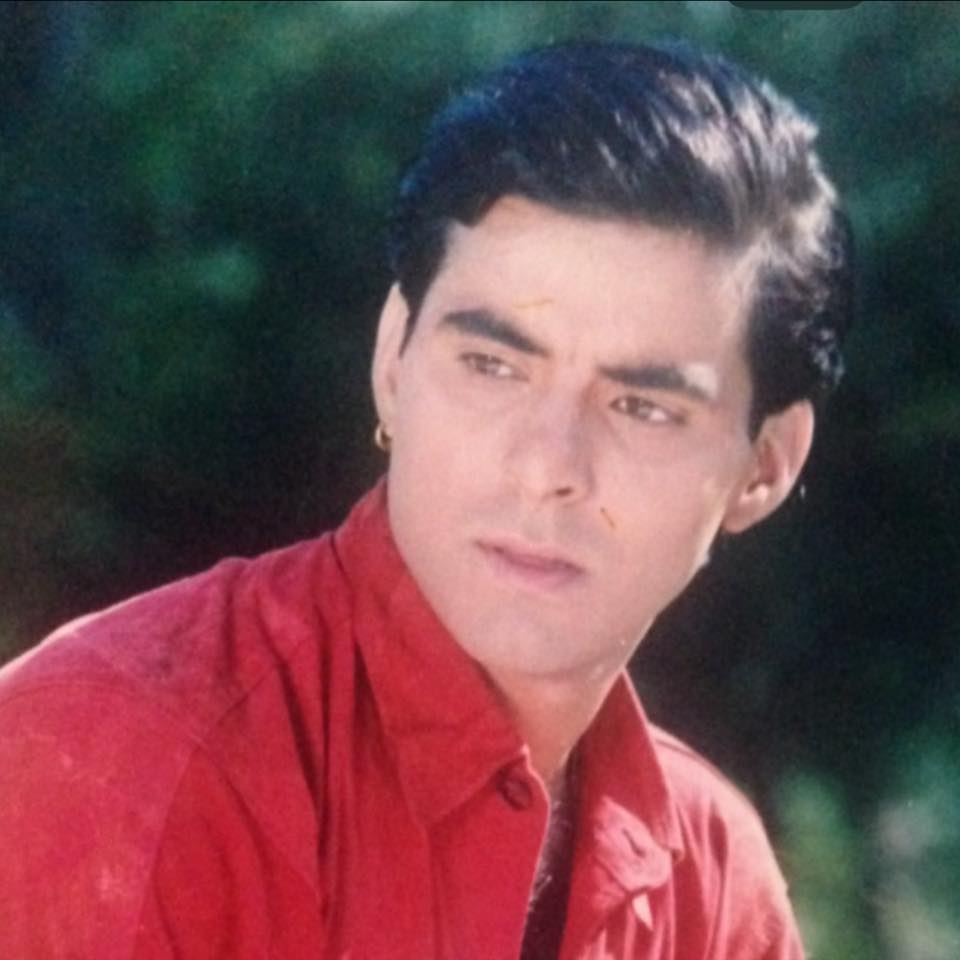
Bishnu Rijal is a Nepali television serial actor active since the early 2000s, known for his steady presence in social‑drama and comedy‑drama serials. Over the years, he has become a recognizable character actor in Nepal’s growing digital and YouTube‑based serial landscape.Rijal appears prominently in the Nepali web series “Parastree (परस्त्री)”, where he plays one of the central male characters alongside Josna Phuyal, Aayan Giri, and others. The series is produced under Bisnu Laxmidevi Production, and multiple episodes featuring him are available on YouTube, confirming his active involvement in the modern Nepali serial ecosystem.His performances are marked by natural dialogue delivery, socially grounded acting, and the ability to portray everyday Nepali characters with authenticity. Rijal’s long career—from early‑2000s television to current YouTube serials—reflects his adaptability and commitment to Nepali screen storytelling.He also maintains an active YouTube presence through “Bishnu Rijal Official”, where he uploads music, sarangi performances, and personal content, showing his creative range beyond acting.
Bishnu Rijal
Character Artists, Film Artists
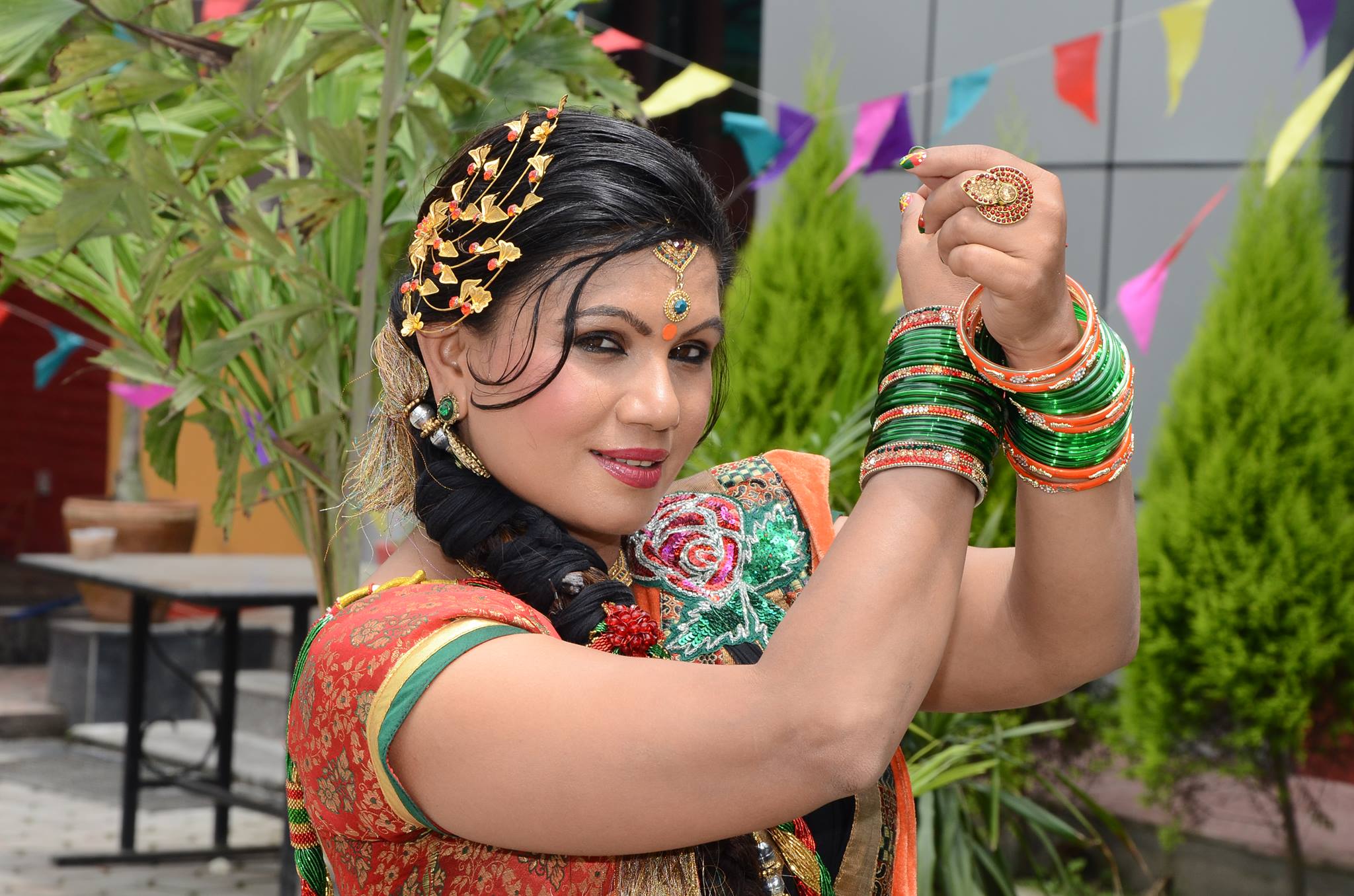
Kabita Gelal (Sharma) is a Nepali film actress, television artist, and versatile performer who has been contributing to the Nepali entertainment industry for more than two decades. Known for her expressive acting style and natural screen presence, she has worked across feature films, telefilms, TV serials, music videos, commercial advertisements, and numerous stage and public programs.Her career reflects a consistent dedication to portraying relatable Nepali characters—ranging from emotional family roles to socially grounded performances. Gelal’s ability to blend realism with strong dramatic timing has made her a respected and familiar face in both traditional cinema and modern digital storytelling.Beyond acting, she has also played an important role in the artistic community. She served as an Executive Member of the Nepal Film Artists Association, where she actively worked for the welfare, rights, and professional upliftment of Nepali artists. Her leadership, advocacy, and long-standing commitment to the industry highlight her influence beyond the screen.
Kabita Gelal Sharma
Character Artists, Film Artists
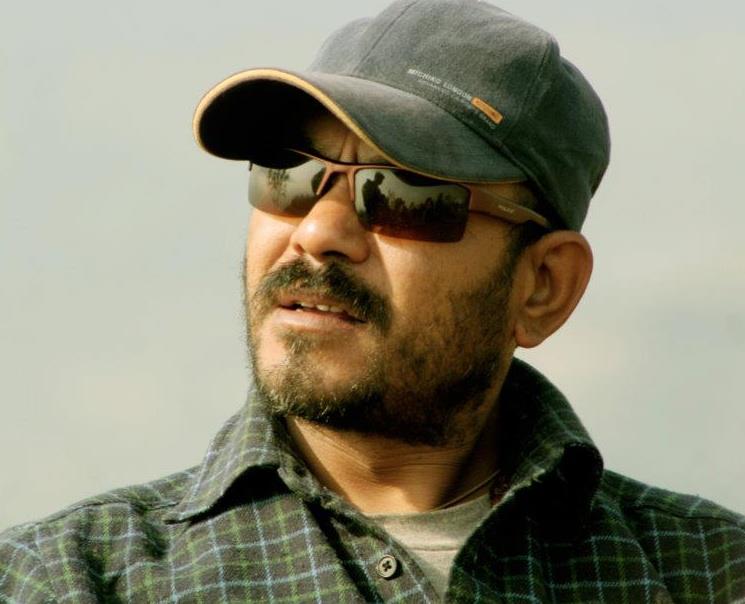
Pradip Shrestha is a Nepali film director known for his work in mainstream commercial and emotional, family‑oriented cinema. Over his career, he has directed a series of feature films that blend romance, social drama, suspense, and sentiment, building a solid reputation as a storyteller who understands the pulse of the Nepali audience.His directorial credits include films such as Dui Pal, Ajambari Nata, Dar, Jiban Rekha, Bhagawan Sabaiko, Sapana, Kabaj, Mero Man Ko Sathi, Black (and others), where he has worked with a range of established and rising actors. These films reflect his interest in emotional relationships, moral dilemmas, and socially rooted narratives presented in an accessible, entertaining style.
Pradip Shrestha
Film Director
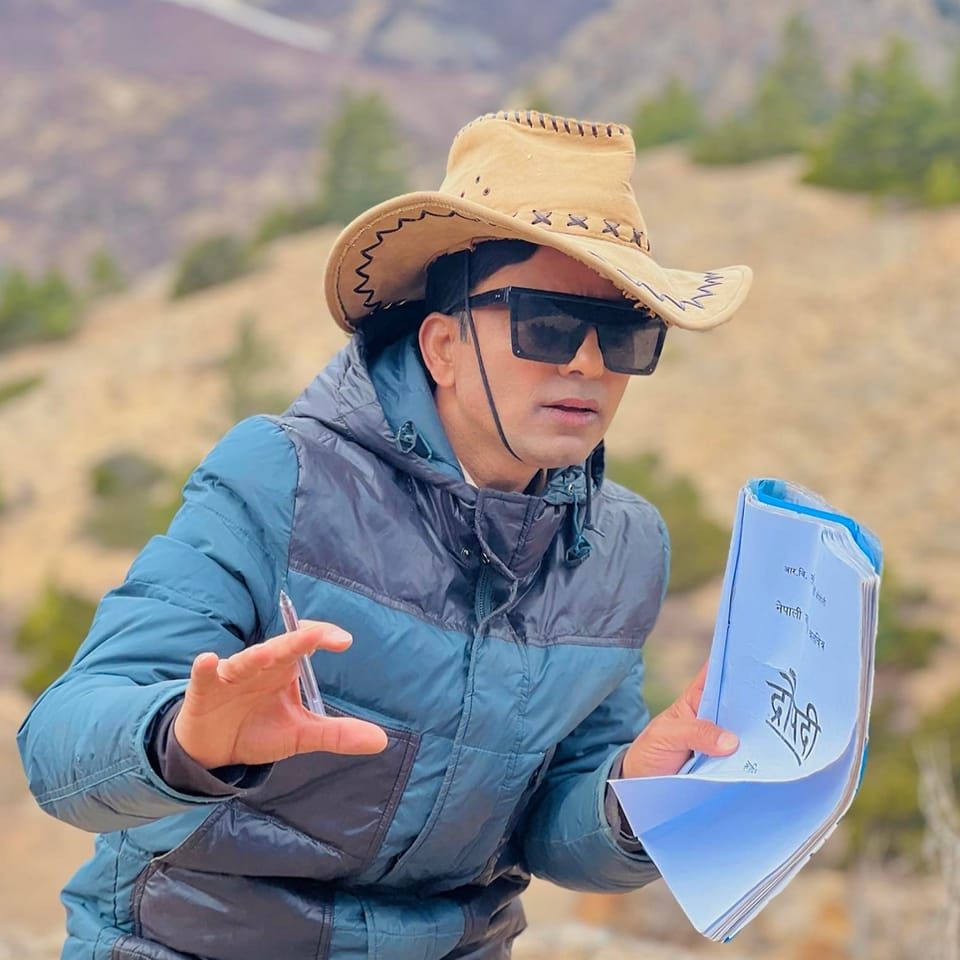
Rishi Raj Acharya is one of Nepal’s most respected film directors, known for blending social realism, cultural depth, and emotional storytelling in modern Nepali cinema. Born on September 14, 1978, in Tulsipur, Dang, he has shaped a distinct directorial identity by treating cinema not just as entertainment but as a medium of social awareness, cultural preservation, and personal expression.Acharya’s filmmaking journey is rooted in his academic background—he holds a Master’s degree in Sociology, which deeply influences his narrative style. His films often explore themes of migration, rural life, tradition, identity, and the changing social fabric of Nepal.He is also actively involved in the Nepali film community as a member of the Film Directors’ Guild of Nepal and the Film Artist Workers’ Organization of Nepal (FAWON).
Rishi Raj Acharya
Film Director
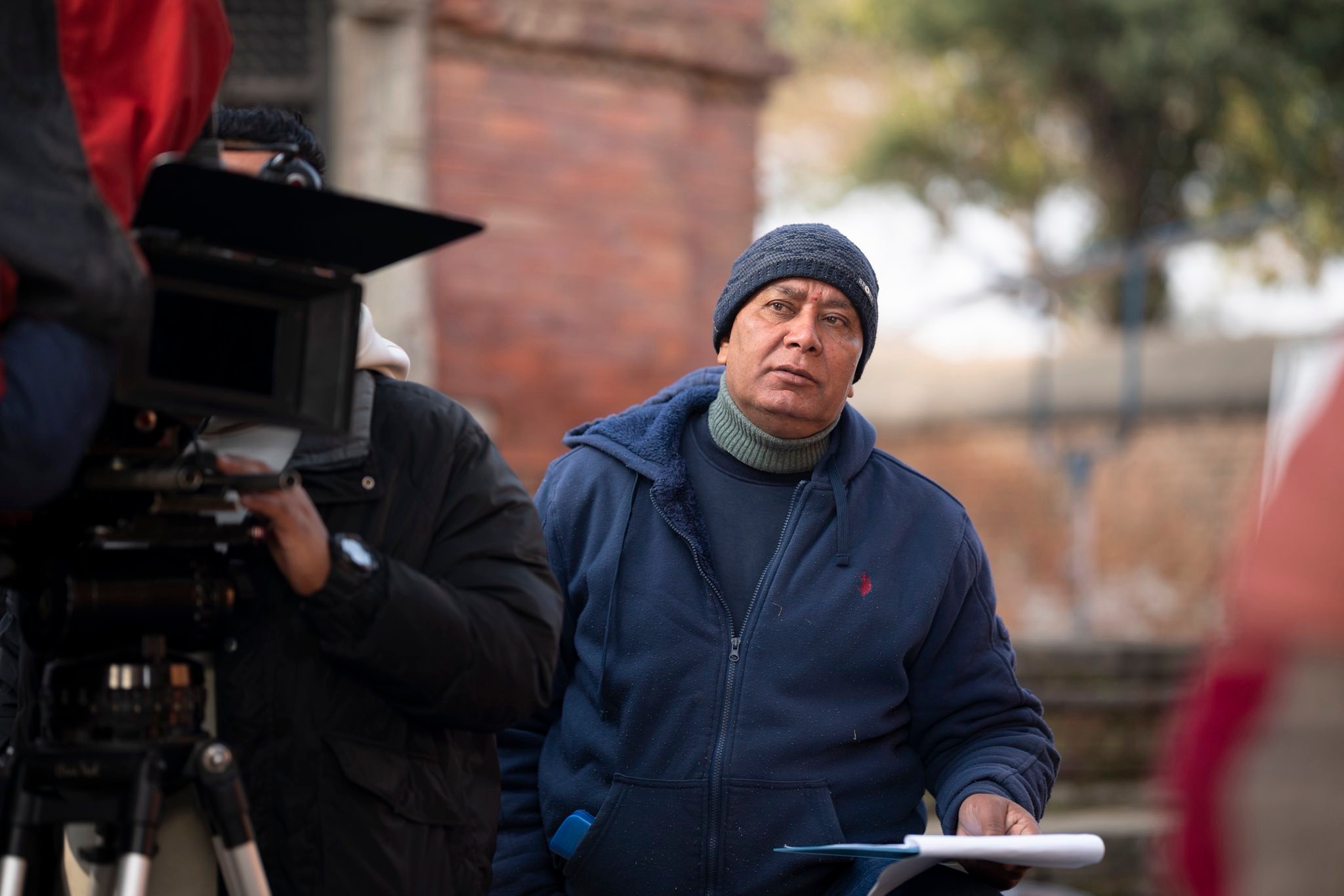
Gyanendra Bahadur Deuja is one of Nepal’s most influential film directors, screenwriters, and visual innovators, celebrated for introducing new cinematic techniques and for directing some of the most culturally significant films in Nepali cinema. Active since 1997, he is known for blending social issues, emotional storytelling, and technical experimentation in his films.Before entering cinema, Deuja served as a Deputy Director at Nepal Rastra Bank, balancing a parallel career in banking and filmmaking—an uncommon achievement in the industry. His artistic foundation began at Aarohan Theatre (now Gurukul), where he trained alongside respected Nepali actors and directors.His mentor, senior director Resh Raj Acharya, guided him through early work as chief assistant director in major tele-serials and films such as Sparsh, Dushman, Aama, Bandhan, and Tuhuro.
Gyanendra Bahadur Deuja
Film Director
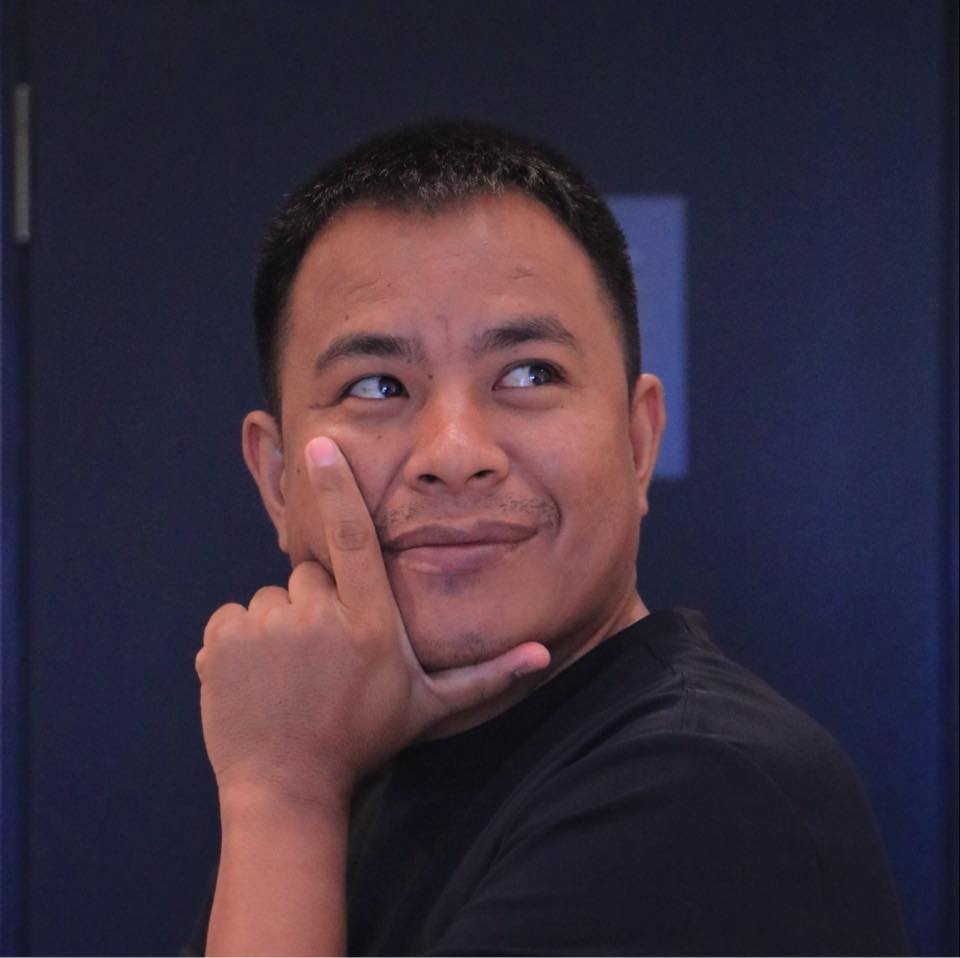
Anil Budha Magar is an award‑winning Nepali film director, writer, and independent filmmaker known for his powerful storytelling rooted in the socio‑cultural and political realities of Nepal’s remote regions. Born in Taksera, Eastern Rukum, he represents a new generation of filmmakers bringing authentic rural narratives to national and international audiences.Active since 2012, Magar began his career with the acclaimed short film Lomba (The Leadership), which won five awards and received nominations at seven international film festivals. His work is characterized by deep research, cultural sensitivity, and a commitment to telling stories of marginalized communities.
Anil Budha Magar
Film Director
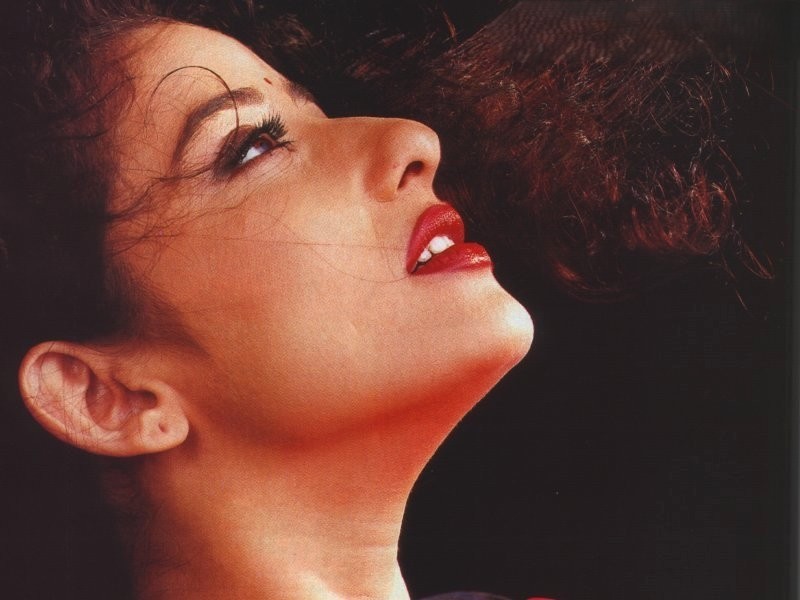
Manisha Koirala is a Nepal‑born, internationally acclaimed actress and social activist whose career spans Hindi, Tamil, Malayalam, Telugu, and Nepali cinema. Rising to prominence in the 1990s as one of Bollywood’s most celebrated leading actresses, she is known for her powerful performances in films such as 1942: A Love Story, Bombay, Khamoshi: The Musical, Dil Se.., Gupt, Akele Hum Akele Tum, Company, and Lajja. A recipient of multiple Filmfare Awards and national honors, she has also served as a UNFPA Goodwill Ambassador and is widely respected for her cancer‑survivor advocacy and humanitarian work.
Manisha Koirala
Actress

Sabina Karki is a Nepali actress and model known for her prolific presence in both films and music videos. She made her film debut with Dulahi Rani (2009), directed by Shovit Basnet, and went on to appear in projects such as ATM, Chhal (2016), The Famous (2016), Lati, Good Friend, One Side Love, and Surprise.She is also one of Nepal’s most active music‑video performers, having appeared in over 250 music videos, gaining popularity for her expressive screen presence and versatility. Her work spans folk, modern, and duet genres, collaborating with leading singers and directors.
Sabina Karki
Actress

Samir Acharya is a Nepali singer, songwriter, and music composer known for his modern–folk fusion style and a career spanning more than three decades. He released his debut album Jun in 2054 BS (1997 AD) under Music Nepal, featuring his first recorded song “Othma Lali Ae Kali Kali.”While living in Australia, Acharya released his second album Taraz in 2069 BS (2012 AD), expanding his musical reach to a new generation of listeners. His third album, Bada Gajabko in 2071 BS (2014 AD), further strengthened his identity as a versatile creator blending melodic pop with folk influences.Since 2014 AD (2071 BS onward), he has continued to release a steady stream of successful singles, many of which have become audience favorites across radio, television, and digital platforms. Residing in Australia, Acharya remains active in writing, composing, and producing music, maintaining a consistent presence in the Nepali music scene.
Samir Acharya
Singer/ Performer

Birahi Karki (born 21 November 1983, Gorkha, Nepal) is a nationally acclaimed Nepali folk and dohori singer, composer, lyricist, and social worker. Active since 1997, after passing his voice test at Radio Nepal, he has become one of Nepal’s most prolific folk artists. Karki has sung more than 300 songs and has written and composed over 600 songs, shaping the modern lok‑dohori landscape with his expressive vocal style and storytelling.His major hits include “Junkiri,” “Mayalu Hajara,” “Gurans Fulne Thau Tira,” “Aama,” “Sunkhanima Sun,” “Hola Mayalu,” and many others that remain staples of Nepali folk music. He has released multiple successful albums, including the Aama series, Junkiri, Mayalu Hajara, and Sunkhanima Sun.Karki has received numerous honors, including Music Khabar Music Awards, Tuborg Image Award, Yamaha Kalika Music Award, and multiple national recognitions for best folk and dohori performances.Beyond music, he is the founder of the Phoolmaya Karki Foundation, through which he supports orphaned children and continues active social service alongside his musical career.
Birahi Karki
Folk Singer
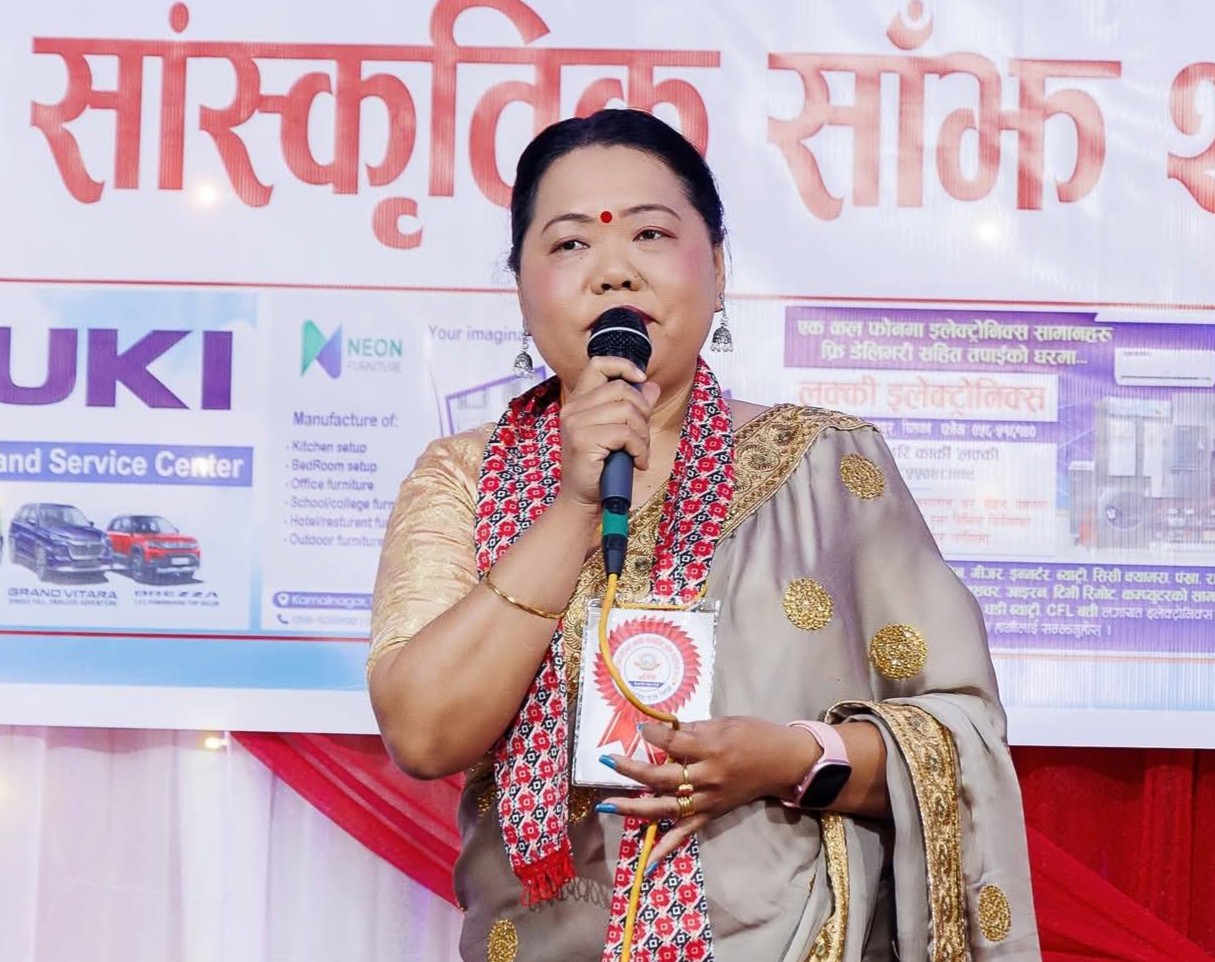
Sharmila Gurung is a senior Nepali folk and dohori singer known for her powerful, earthy vocal style and her mastery of traditional genres such as salaijo, kauda, roila, and lok‑dohori. Born in Syangja, Iladi, she began her musical journey after passing the Radio Nepal vocal test in 2056 BS, recording her first song “Nilo Pachauri”, which became a widely recognized hit of its time.Over the years, Sharmila has recorded over 1,000 folk songs, including enduring favorites such as “Ballai Bho Bheta,” “Kali Ganga Taren,” “Farka Muglani,” “Rani Ghataima,” and numerous salaijo and Gurung cultural songs. She has also released her solo album Gahana, showcasing her versatility across Nepali folk traditions.Sharmila is celebrated for her national and international stage presence, performing across the UK, Japan, Belgium, Singapore, Brunei, Hong Kong, Malaysia, Korea, Bahrain, Qatar, Portugal, and India.
Sharmila Gurung
Folk Singer
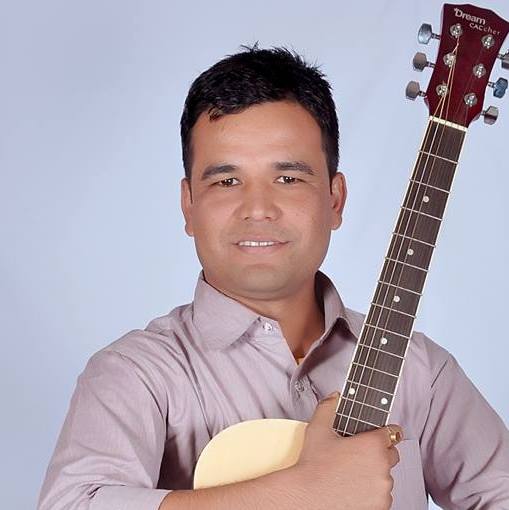
Santosh Shrestha (born February 3, 1981, Ghorahi, Dang) is a celebrated Nepali music director, composer, singer, and songwriter, widely recognized for his extraordinary linguistic versatility and prolific contribution to Nepali music. He is a Guinness World Record holder, honored for composing music in 12 world languages and later breaking his own record by writing music in 50 languages.Shrestha has composed over 700 film tunes and hundreds of folk songs, making him one of Nepal’s most recorded music directors. His works have been recorded in 14 languages, including Nepali, Hindi, Chinese, Japanese, English, Russian, Korean, French, Spanish, Italian, German, and Thai.His popular songs include “Timile Parai Thane Pachhi,” “Aauchhi Bhani Nisthuri Le,” “Timile Bhulna Sake Pani,” and “Timro Dilma Chot Lagda.”Shrestha has released numerous albums such as Chinaari (2062 BS), Sadhana (2066 BS), Sangam (2067 BS), Garima (2067 BS), Jhalak (2067 BS), Miteri (2068 BS), Gunjan (2070 BS), and Surakshya (2078 BS).
Santosh Shrestha
Music Artists, Music Director
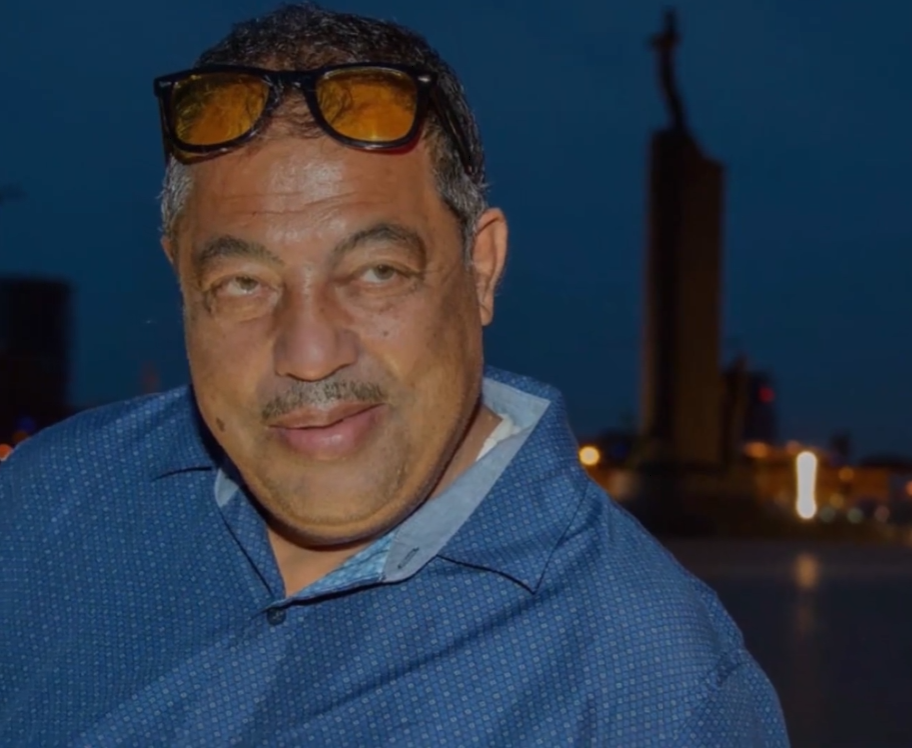
Narendra Thapa is a Nepali film actor best known for his villainous and character roles across more than three dozen feature films, making him one of the recognizable antagonistic faces of the 1990s Nepali cinema era. Active from the late 1980s onward, Thapa appeared in several major commercial and socially themed films, often portraying antagonists, corrupt officials, or powerful enforcers. His screen presence, sharp dialogue delivery, and intense expressions made him a frequent casting choice for negative roles.His filmography includes notable titles such as Yug Dekhi Yug Samma (1991), Kasam (1992), Prem Pinda (1993), Nata (1994), Balidan (1997), Aandolan (1997), Dautari (1998), Chhahaari (1998), Thuldai (1999), Hatya (1999), Namaste Nepal (2015), Destination Kathmandu (2018), and Chhakka Panja 5 (2024).In addition to acting, Thapa has also worked behind the camera as the director and story writer of the film Desh Dekhi Bidesh (2008).Across his career, he became known for portraying villains who were not just violent but layered—reflecting the political, social, and emotional tensions of the era. His roles in films like Balidan, Aandolan, and Prem Pinda placed him within some of the most culturally significant Nepali films of the 1990s.
Narendra Thapa
Character Artists, Film Artists

Bina Basnet (Budhathoki) is a Nepali film actress active since the mid‑1980s, known for her expressive performances across social dramas, romantic films, and character‑driven roles. With a career spanning more than two decades, she has appeared in over 20 feature films, including notable titles such as Basudev (1984), Deuki (1993), Kasam (1992), Aadhi Beri (1992), Saugat (1992), Jhuma (1991), Mohani (1994), Ragat (1997), and Sukumbasi (2000).
Bina Basnet (Budhathoki)
Actress
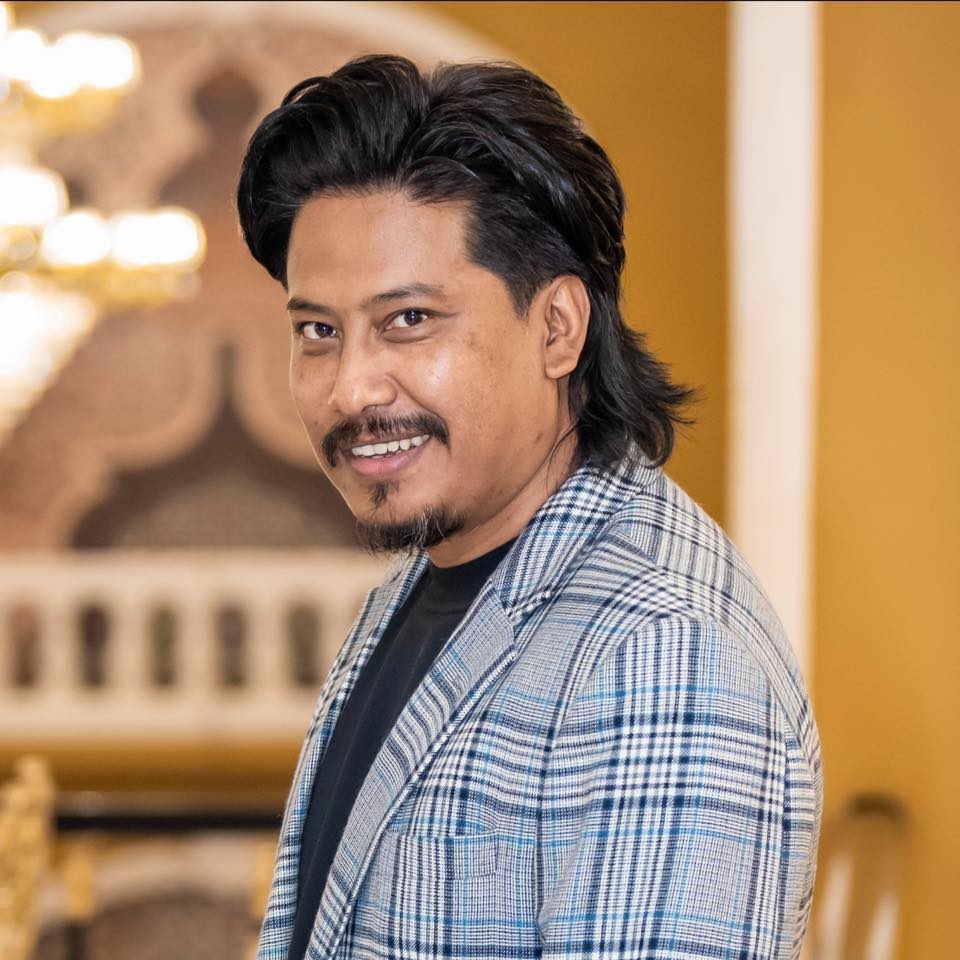
Nischal Basnet is a celebrated Nepali director, actor, writer, and playback singer known for revolutionizing modern Nepali cinema. Born on January 17, 1980, in Birtamod, Jhapa, he studied film at Oscar International College. His directorial debut Loot (2012) became a cult hit, followed by acclaimed films like Talakjung vs Tulke (2014) and Loot 2 (2017). As an actor, he starred in Kabaddi Kabaddi, Dui Rupaiyan, and Prasad. Known for blending realism, dark humor, and social commentary, Basnet is married to actress Swastima Khadka. His work continues to shape the narrative and technical evolution of Nepali cinema.
Nischal Basnet
Film Director, Film Artists

Sahara Sharma is an independent Nepali filmmaker, writer, producer, and media entrepreneur recognized for her socially grounded narratives and youth‑focused storytelling. After completing her Master’s of Science in Communication from Bangalore University, she founded Gauthali Entertainment in Kathmandu, where she began shaping her voice as a director and media creator.Starting her career as a journalist with Nepal Republic Media, Sahara transitioned into filmmaking with several short films before directing her first television film, Chasing Rainbows (2013) — a bold exploration of sexuality, migration, and depression among Nepali youth. The film opened the Kathmandu International Mountain Film Festival (KIMFF 2013), won the Nepal Panorama Award, and later received the Critics’ Award at the Toronto Nepali Film Festival (2014).She has since produced and directed two television series — Gauthali ka Kathaharu (2017–18) and Maya Bhanne Cheez Estai Ho (2018–19) — and hosts Gauthali Talks (2020–), a roundtable show on cinema and media. Her new feature‑length project, Ek Mutthi Badal, marks her return to narrative filmmaking.
Sahara Sharma
Film Director
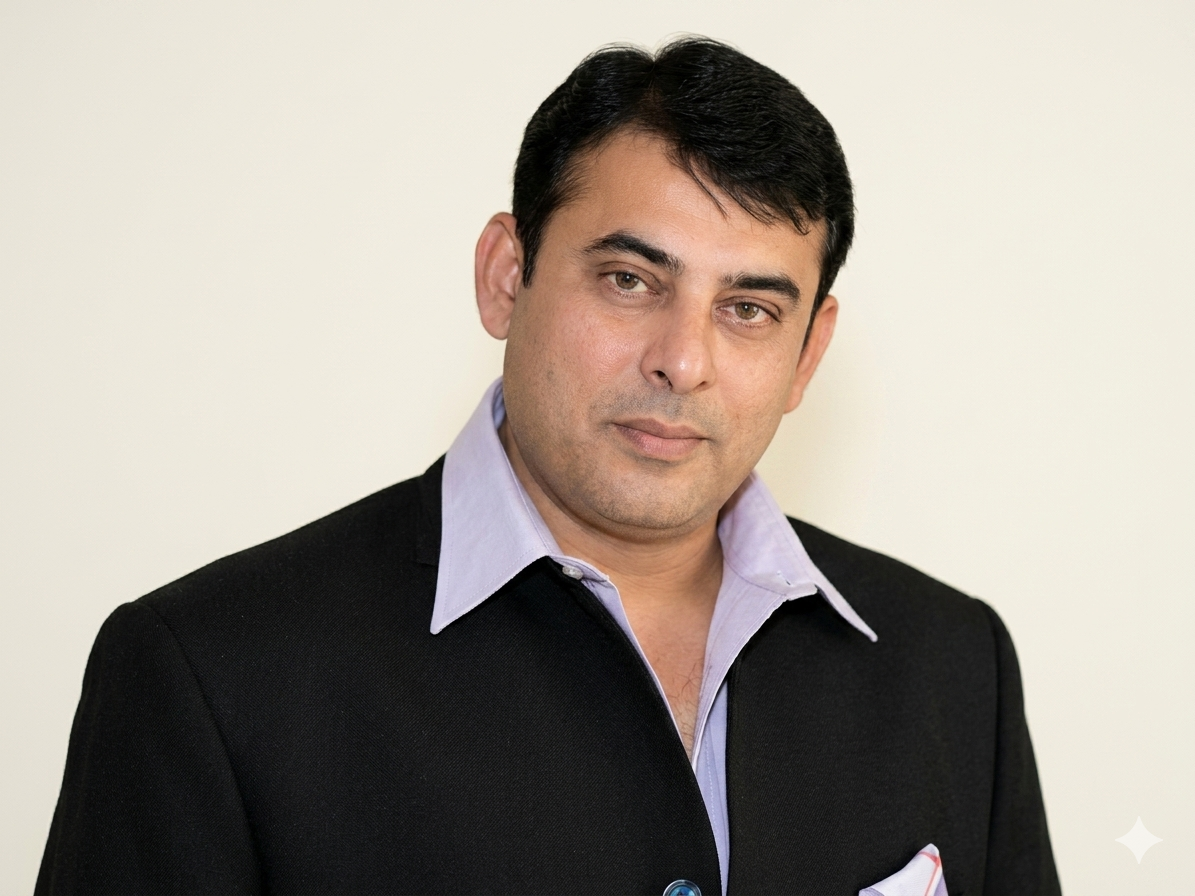
Dinesh Sharma is a Nepali film actor known for his presence in mainstream commercial cinema from the 1990s and early 2000s. He appeared in supporting, family‑centric, and character roles, often portraying responsible, emotional, or authoritative figures. His acting career aligns with the classic era of Kollywood, contributing to ensemble casts and story‑driven films during a period when Nepali cinema was transitioning into more modern storytelling styles.Although several public figures share the same name, this profile represents only the film actor active in Nepali movies.
Dinesh Sharma
Actor
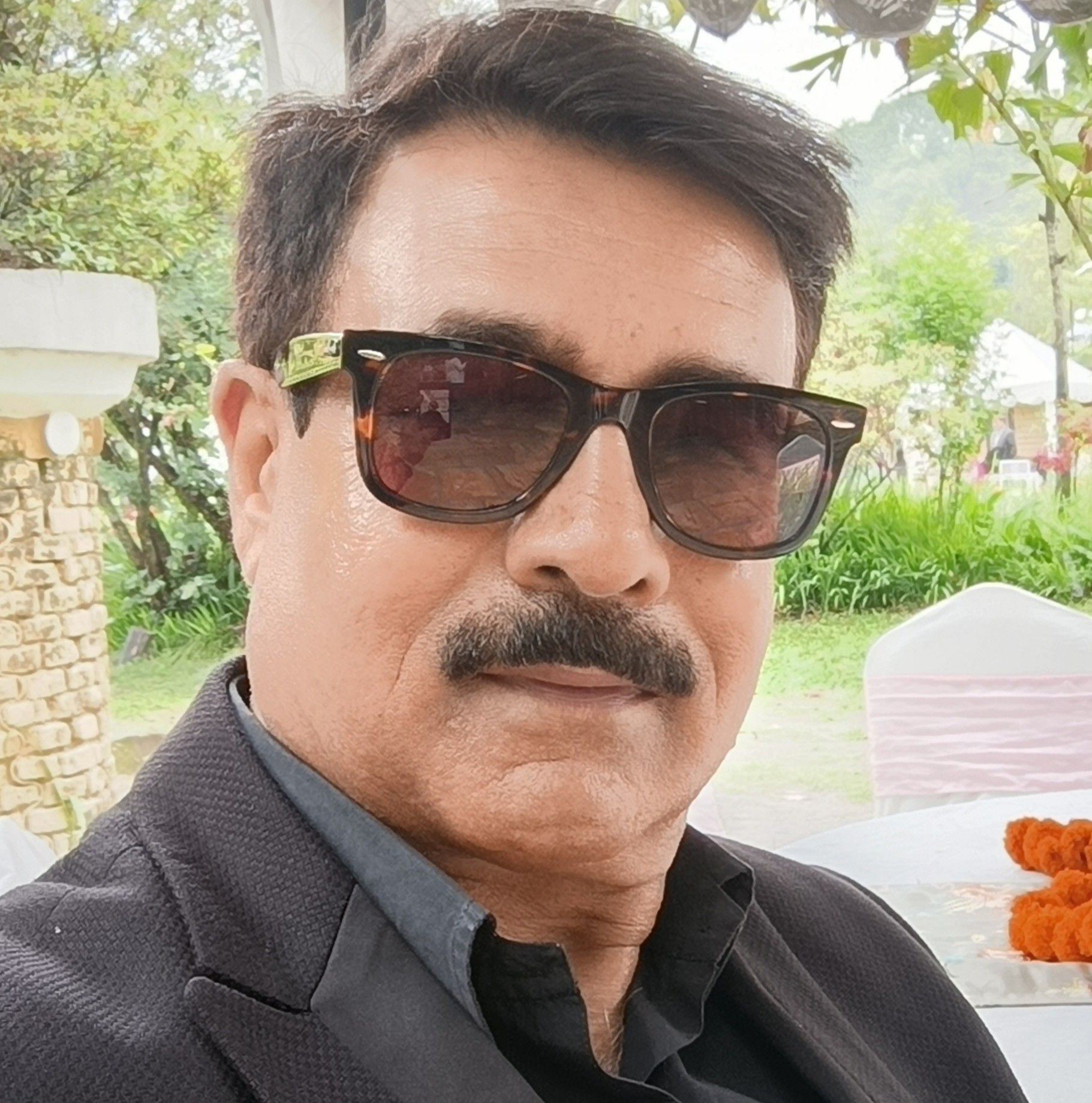
Shekhar Chapagain is a Nepali film artist recognized for his naturalistic acting style and his steady presence across contemporary Nepali cinema. He first gained attention through his supporting roles in critically noted films such as Soongava: Dance of the Orchids (2012), where he appeared as an inspector, and Maun (2013), portraying Barsha’s father.His recent work includes a featured role in Degree Maila M.A 3rd Class (2024), directed by Ram Babu Gurung, further establishing him among the reliable character actors of his generation. Chapagain has also appeared in short films like Late Night (2023) and the social short Pralobhan, expanding his range across digital and independent storytelling.
Shekhar Chapagain
Character Artists, Film Artists

Sumina Shrestha is a Nepali film actress active from 2002 to 2005, known for roles in Chakravyu, Indreni, Meri Aama, Pyari Bahini, and Kheladi. Her work reflects the family‑drama and social‑story tradition of early‑2000s Nepali cinema.
Sumina Shrestha
Actress
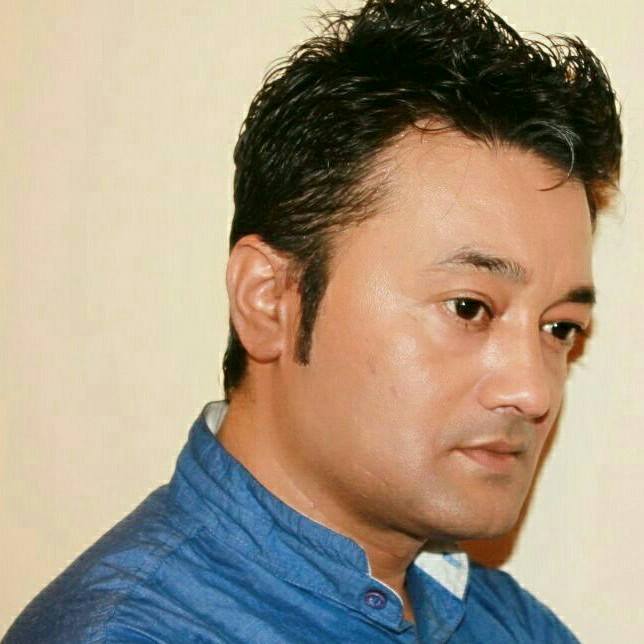
Uttam Pradhan is an Indian‑Nepali actor from Singtam, Sikkim, best known for his leading roles in Nepali cinema’s landmark films Darpan Chhaya, Pyari Bahini, Pareni Maya Jalaima, Basain, and Letter. A former model and television actor, he entered films after winning major modeling titles in the mid‑1990s and quickly became one of the most recognizable romantic and dramatic actors of the 2000s.Active since 2000, Pradhan has appeared in more than two dozen Nepali films and has been honored with multiple acting awards, including recognition from Nepal’s royal family and the Sikkim Kala Samman, the highest civilian honor of Sikkim. He also served as the Founder Chairman of the Sikkim Film Development Board, contributing significantly to cross‑border cultural exchange and the growth of Nepali‑language cinema.
Uttam Pradhan
Actor
Hari Ray
Cinematographer
Maya Pradhan
Film Artists
Harish Chaudhary
Video-film Editor, Colorist
Laxmi Shrestha
Film Artists

Sushanta Kumar Shrestha is a veteran Nepali film actor best known for his powerful portrayals of negative and villain characters in Nepali cinema. Active for decades, he has appeared in dozens of feature films, earning recognition for his intense expressions, strong dialogue delivery, and commanding on‑screen presence.Shrestha belongs to the generation of actors who helped shape the classic era of Nepali commercial films, where villain roles demanded physicality, emotional weight, and dramatic impact. His performances often brought depth to antagonistic characters, making him a memorable face in many action‑drama and social‑themed movies.
Sushanta Kumar Shrestha
Character Artists, Film Artists

Ramita Bhandari is a Nepali singer, model, and performer known for her expressive presence and versatile artistic journey. Once celebrated as a successful model, she worked across all major branches of modeling—music videos, television commercials, fashion shows, event hosting, and talent competitions—earning titles in more than a dozen talent shows. Her strong screen presence made her a familiar face on Nepali television, where she appeared in numerous music videos, advertisements, and programs.Ramita released her first solo album in 2058 BS (2001/2002 AD), marking her entry into the music industry. After a period away from the limelight, she made a notable comeback with the song “Black Handsome Boy”, written, composed, and sung by herself. Her ability to create music independently—writing lyrics, composing melodies, and performing—highlights her artistic depth and personal style.Throughout her career, Ramita has also been active in fashion shows, stage events, and media presentations, maintaining a strong connection with the entertainment field. Her return to music re‑established her identity as a singer with a unique voice and creative vision, reaffirming her place in the Nepali music and modeling industry.
Ramita Bhandari
Model, Singer/ Performer

Sonika Lama KC is a well‑known Nepali singer and model, recognized for her versatile voice, glamorous presence, and strong creative identity in the Nepali music industry. With dozens of recorded songs and appearances in more than two dozen music videos, she has established herself as one of the most active and admired artists of her generation. Gifted with the ability to write lyrics, compose melodies, and perform her own songs, Sonika has also appeared as a model in many of her musical projects, making her a multi‑talented figure in the industry. Many of her songs have gained notable attention in the Nepali music market.A popular name among the youth, Sonika is equally appreciated for her glamorous screen presence and her long‑standing dedication to music. She has already released four albums, including her latest one titled ‘Sonika’.Born in Bhimkhori, Kavre (Ward No. 3), she began her musical journey with her debut album ‘Beshahara’, followed by her second album ‘Yo Kasto Yo Jeevan’, which further strengthened her recognition. Building on this success, she released her third album ‘Sonikako Jawani’, which helped her gain even wider popularity in the Nepali music scene. Her fourth album, ‘Sonika’, continues to showcase her growth as a singer, songwriter, and performer.With her strong work ethic, expressive voice, and ability to connect with audiences, Sonika Lama KC remains a prominent and influential artist in contemporary Nepali music.
Sonika Lama KC
Singer/ Performer
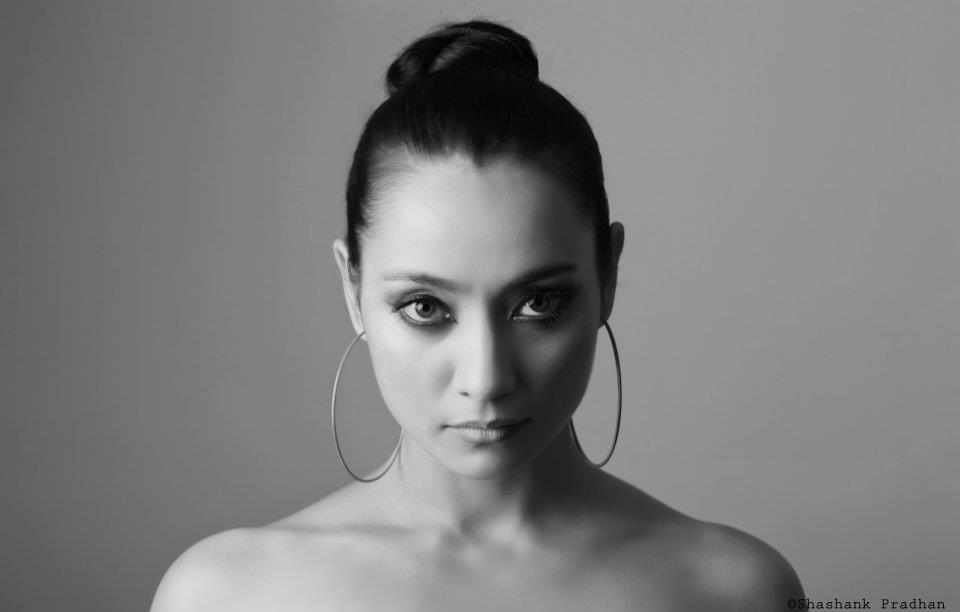
Born Jharana Bajracharya Rashid in Kathmandu, she grew up in a multicultural household with a Hindu mother, Lalana Bajracharya, and a Muslim father, Rashid. She completed her schooling at Siddhartha Vanasthali Institute and later earned a degree in Sociology, while also developing herself as a painter and potter.At 16, she was crowned Miss Nepal 1997, becoming Nepal’s representative at Miss World 1997 in Seychelles, marking a major milestone in Nepali pageantry.Her acting debut came with Hatiyar (1999) opposite Rajesh Hamal and Karishma Manandhar. She gained further recognition with Pareni Maya Jalaima (2004), which won Best Story at the Nepali Film Awards. Her career expanded into Bollywood, where she appeared in the Hindi film Love in Nepal (2004) and several commercial advertisements.Returning to Nepal, she continued acting in films and became a prominent face in music videos, including “Laija Re,” “Priye Timi,” “Dubna Deu,” and “Panchhi.” Her final Nepali film was Kohi Mero (2010). She also performed at the Fem Botanica KTV Film Awards in 2008.In 2003, she became the brand ambassador for Lux Nepal, further solidifying her status as a leading public figure.Jharana married Rahul Agrawal in 2015 and later settled in Kuala Lumpur, Malaysia, where they welcomed their son, Ishaan, in 2016.
Jharana Bajracharya
Actress

Jharana Thapa (born 28 March, Pyuthan) is a leading Nepali actress, producer, and director whose career has shaped mainstream Nepali cinema for more than two decades. Beginning her journey with the film Daijo in 1996, she quickly rose to prominence through her expressive screen presence and her acclaimed performance in Dharam Sankat, which established her as one of the defining actresses of the late 1990s and 2000s. Over the years she became a central figure in commercial Nepali films, appearing in more than seventy titles and becoming known for emotionally grounded roles in films such as Muglan, Jeevan Sathi, Purnima, Takdir, and the original A Mero Hajur. Her long career in front of the camera naturally evolved into filmmaking, and she transitioned into direction with A Mero Hajur 2 in 2017, later continuing the franchise with its third and fourth installments while introducing her daughter, Suhana Thapa, as a new-generation lead. She further expanded her directorial identity with Ek Bhagavad Ra Ek Geeta (2023), blending social themes with emotional storytelling. Married to producer Sunil Kumar Thapa since 1998, she has also been active behind the scenes as a producer, contributing to several successful films. Today, Jharana Thapa stands as one of the few Nepali women to achieve long-term stardom as an actress and then successfully transition into a commercially influential director, maintaining her position as a respected and enduring figure in Nepali cinema.
Jharana Thapa
Actress, Film Director
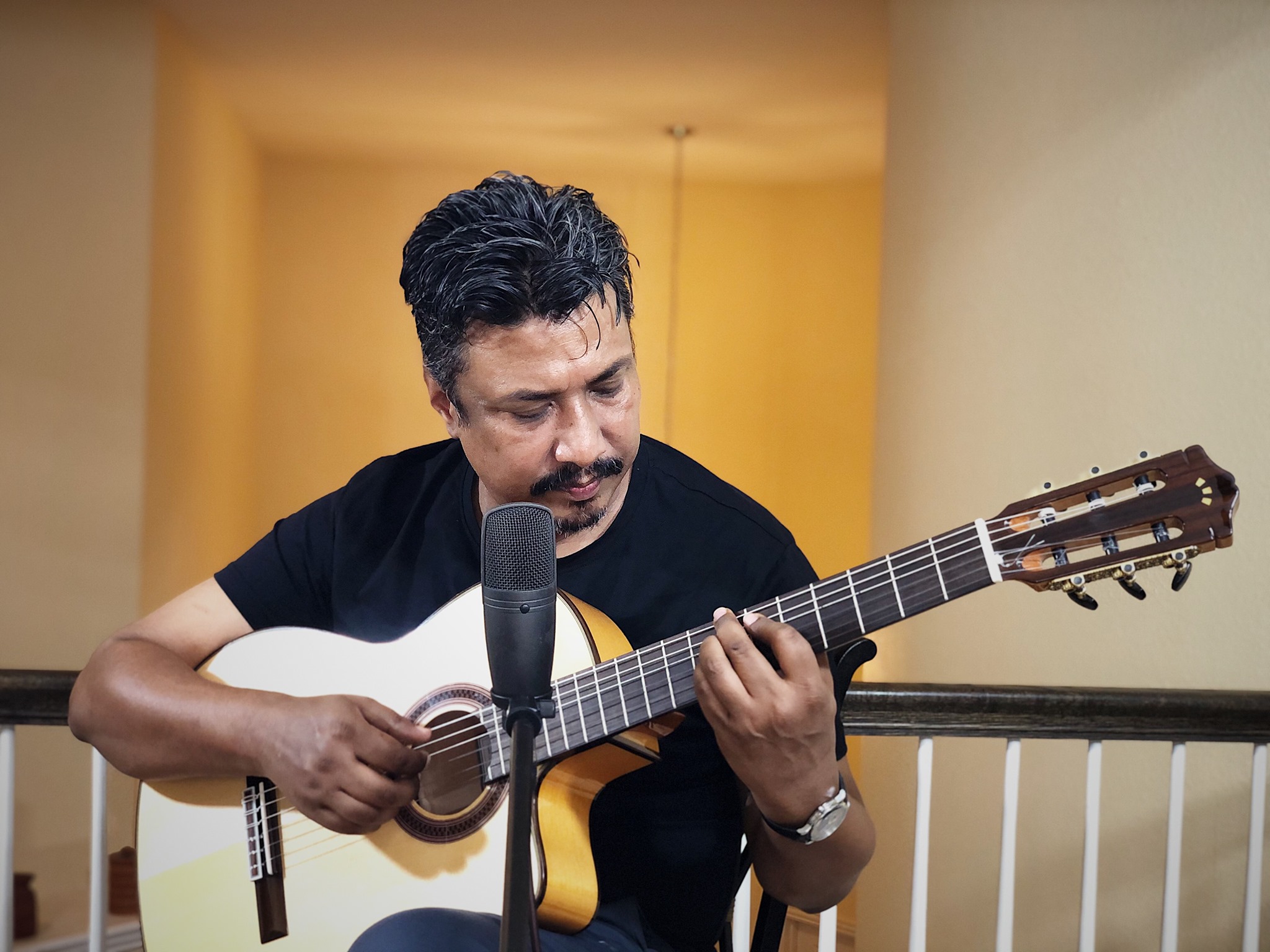
Nhyoo Bajracharya
Music Director
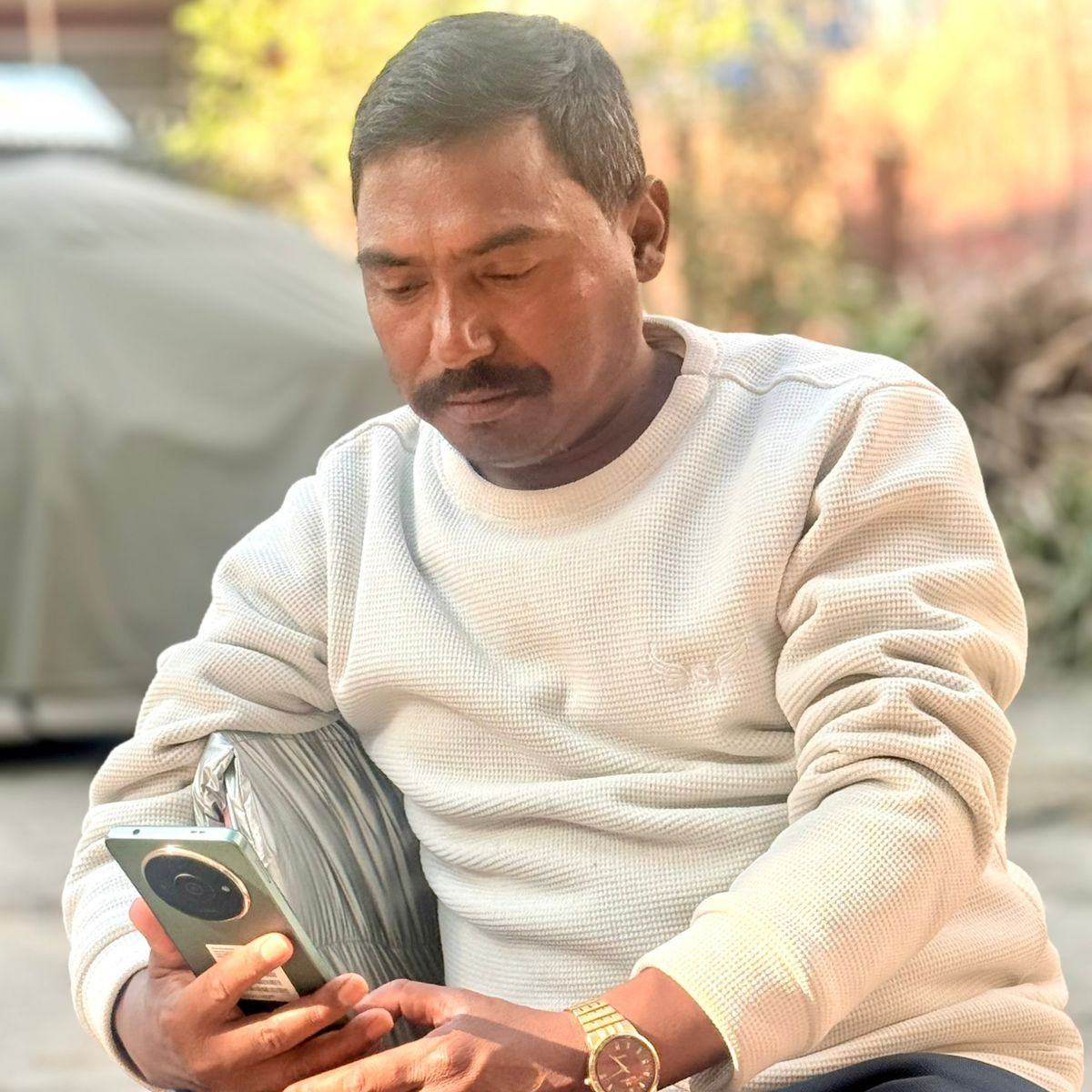
Raj Bahadur Sane, born on April 14 in Jumla, Nepal, is a Nepali writer and director known for his contribution to socially grounded and character‑driven cinema. Beginning his career in 2012, he has worked on films such as Pathshala, The Return Hero, Lati, Vrindavan, Birangana, Doli, Good Friend, Silly Pho, Bulaki, Juna, and Sitamol. Sane earned national recognition after winning the National Film Award for Best Screenplay for Bulaki, establishing himself as a distinct creative voice in contemporary Nepali filmmaking.
Raj Bahadur Sane
Film Director

Zenisha Moktan (born May 27, 1989, Kathmandu) is a Nepali model, actress, and social advocate who rose to national fame after winning Miss Tamang and later being crowned Miss Nepal 2009, representing Nepal at Miss World 2009. She holds an MBA from the UK and serves as the Director of DM Foundation, actively engaging in philanthropic and community‑oriented initiatives. Zenisha appeared in the popular Nepali film “Mero Euta Saathi Chha”, expanding her presence in the entertainment industry. She is married to businessman Dikesh Malhotra, and they have two children, Dia and Dravya Malhotra. Known for her poise, leadership, and advocacy, she remains an influential figure in Nepal’s fashion, media, and social sectors.
Zenisha Moktan
Model, Actress, TV Presenter/ Host

Suman Shrestha is a Nepali singer, live performer, music video director, event director, and former Managing Director at Reeyaz Music Pvt. Ltd., active in the Nepali music industry for more than two decades. Known for his versatile creative roles, he has contributed to Nepal’s modern music scene through vocals, visual direction, artist development, and event production.Beginning his career in the early 2000s, Suman became widely recognized for his work at Reeyaz Music, where he served as Managing Director from 2005 onward, helping shape the label’s catalog, artist roster, and music video output during a key era of Nepali pop and modern music. As a music video director, he has crafted visually engaging projects for emerging and established artists, while his work as an event director includes concerts, album launches, and cultural programs in Nepal and abroad.As a singer and performer, Suman continues to appear on stage, collaborate with musicians, and contribute to the creative ecosystem through production, direction, and mentorship.
Suman Shrestha
Music Artists, Singer/ Performer

Ryan Karki is a Nepali singer, music‑video director, and media host active since 2010, known for his work across modern Nepali music and digital entertainment. As a vocalist and creative director, he has contributed to numerous music videos and collaborated with a wide range of artists in Nepal’s pop and commercial music scene. Alongside his direction and musical projects, Ryan is also recognized for his presence as a host, engaging audiences through interviews, artist features, and entertainment programs. His consistent involvement in performance, direction, and hosting highlights his versatility and growing influence in Nepal’s contemporary music and media landscape.
Ryan Karki
Music Artists, Music Video TVC Director
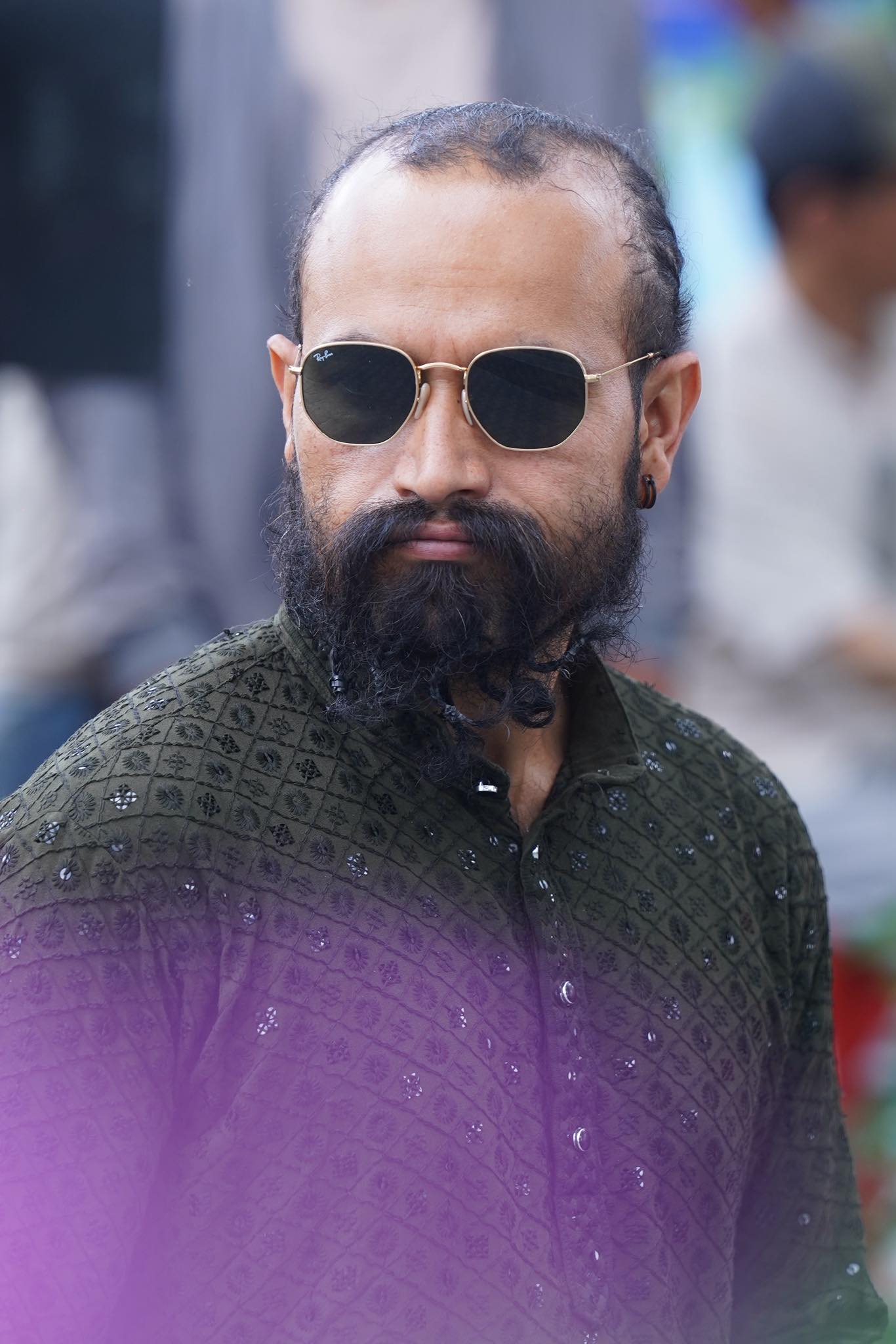
Samrat Thapa is a Nepali film actor active since 2001, known for his work across commercial and social‑drama cinema, appearing in more than three dozen films over two decades. His career includes notable roles in Sapoot (2007), Mister Don (2008), Dosti (2009), Swabhiman (2010), Phool (2012), Love in China Border (2013), Agni (2015), Refugee (2016), and the upcoming Sarang (2025). His filmography reflects a consistent presence in mainstream Nepali cinema, contributing as both an actor and occasional co‑producer.
Samrant Thapa
Film Artists, Film & Theatre
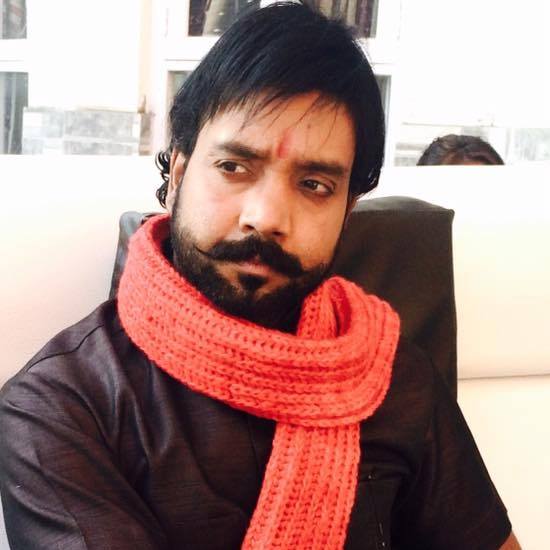
Pramod Agrahari is a prominent Nepali film artist known for his intense screen presence, grounded performances, and commitment to socially rooted storytelling. Emerging from theatre and independent cinema, he gained recognition through acclaimed films such as White Sun (Seto Surya), Kalo Pothi, Bulbul, Aama, and Gopi, where his naturalistic acting style brought emotional depth to complex characters. Agrahari has become a leading figure in Nepal’s new‑wave cinema, frequently collaborating with directors who explore political, cultural, and human‑centered narratives. His work reflects a blend of discipline, realism, and artistic integrity, establishing him as one of the most respected contemporary actors contributing to the evolution of modern Nepali filmmaking.
Pramod Agrahari
Character Artists, Film Artists
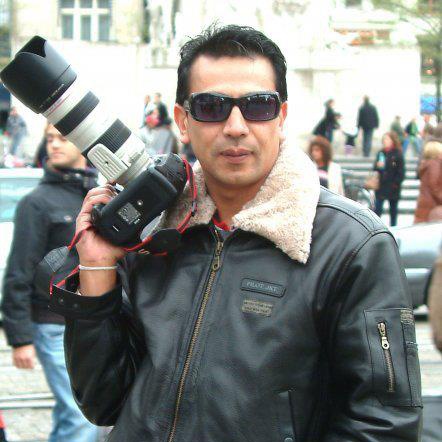
Anup Prakash (अनुप प्रकाश) is a legendary Nepali photographer celebrated for his timeless visual storytelling, masterful composition, and decades‑long contribution to documenting Nepal’s people, culture, and artistic heritage. Known for his signature ability to capture emotion with simplicity and precision, he remains one of the most respected names in Nepali photography, influencing generations of visual artists.
Anup Prakash
Photographer, Fashion Photographer
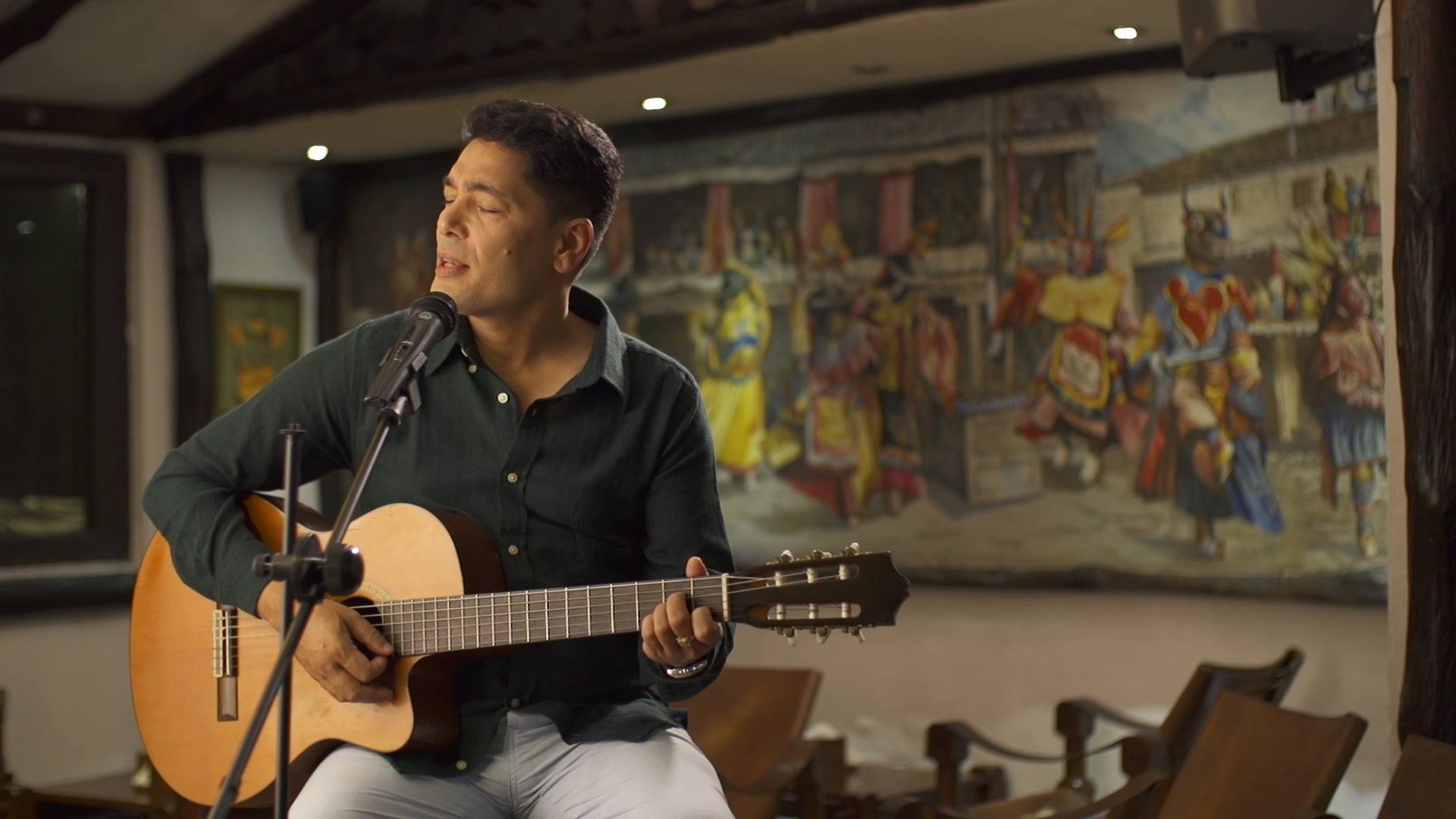
Bishwo Pradhan, known professionally as BL Pradhan, is a Nepali music artist and singer recognized for his contributions to modern Nepali music through studio recordings and digital releases. His work appears in Nepali music archives and streaming platforms, where he is credited for songs such as “Aakhako Maya,” “Natak Aba,” and “Timi Mai Suru Din Mero.” These credits are listed in Nepali music databases including TunesNepal, confirming his active presence as a recording artist.BL Pradhan’s musical style leans toward melodic modern Nepali compositions, often centered on emotional themes and expressive vocal delivery. His songs have been featured on Nepali digital music channels and lyric platforms, helping him reach listeners in Nepal and among the global Nepali diaspora. While detailed biographical data is not publicly available, his verified song credits establish him as a consistent contributor to Nepal’s contemporary music scene.
Bishwo Pradhan
Music Artists, Singer/ Performer