
Explore Artists
Browse through 2,037 talented actors, musicians, dancers, filmmakers and creative professionals from Nepal.
2,687
All Artists
197
Actor
224
Actress
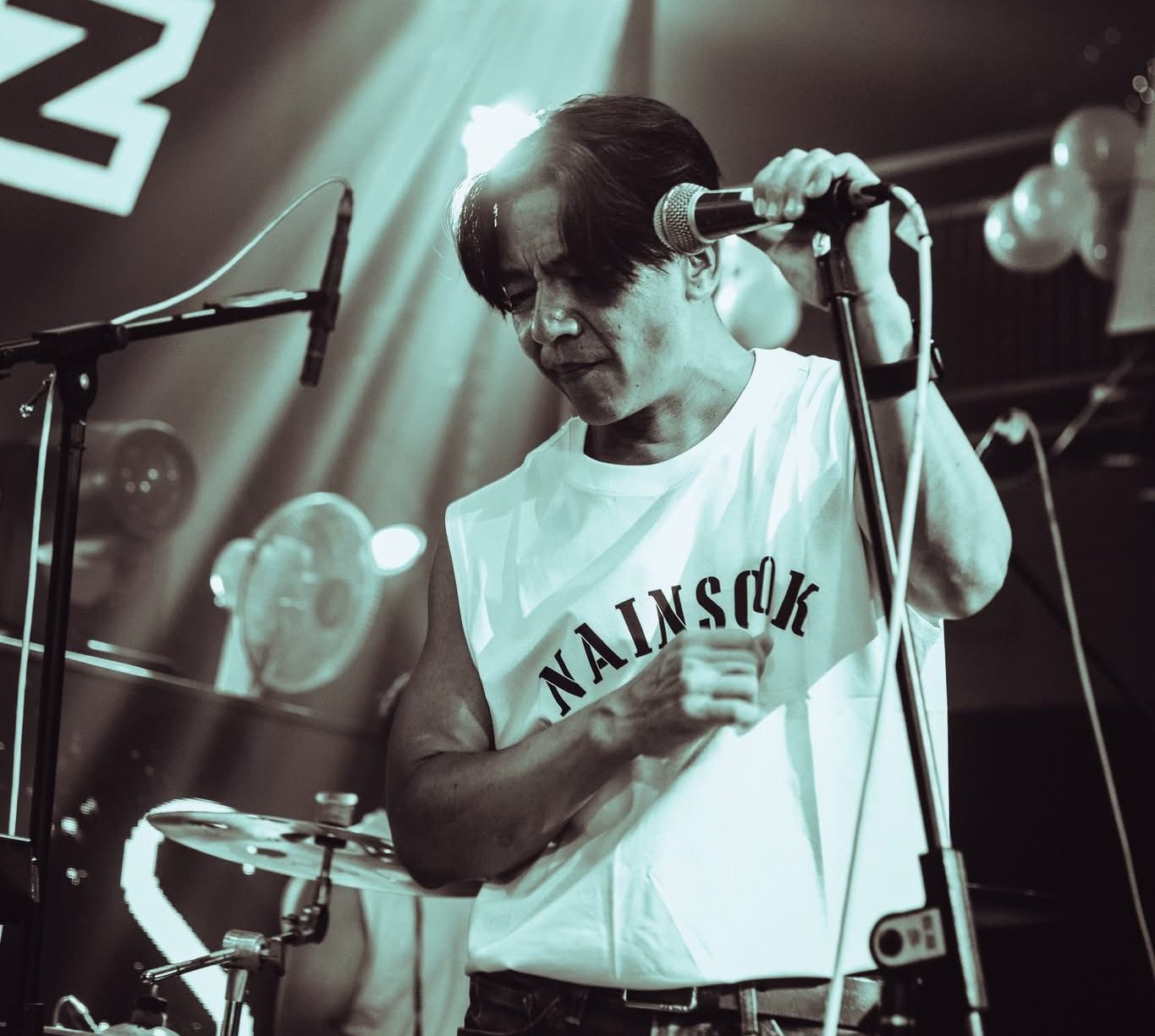
Mingma Sherpa (born 23 September 1980, Lukla, Khumbu) is a celebrated Nepali pop singer whose career began in 2000 with contributions to the compilation album Gundruk Kho Jol. He quickly rose to national popularity between 2000–2004, releasing a series of hit songs that helped define early‑2000s Nepali pop.He is known for his distinct soft‑melodic vocal style, emotional delivery, and collaborations with his brother Dawa Tsering Sherpa, who composed much of his early music. His songs became staples on Nepali radio and music television during the early digital era.
Mingma Sherpa
Singer/ Performer
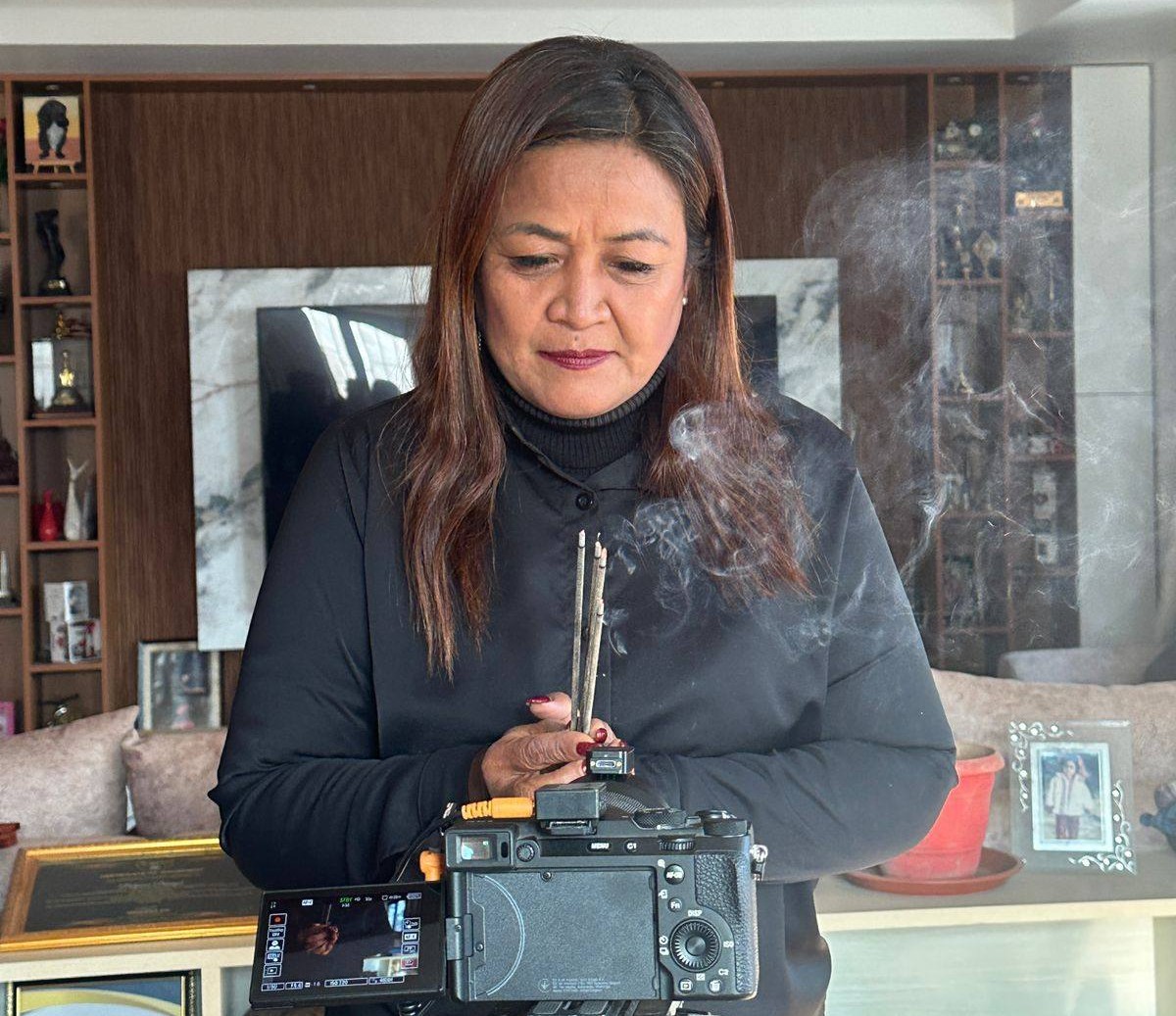
Palpasa Dangol, popularly known by her stage name “Chamsuri,” is one of Nepal’s most recognized comedy actresses. With a career spanning over 25 years, she has become a household name through her expressive acting, sharp comedic timing, and memorable portrayals of rural Nepali characters. Her breakthrough came from the legendary sitcom Meri Bassai, where her character Chamsuri became one of the most beloved comedic roles in Nepali television.Beyond Meri Bassai, Palpasa has appeared in multiple Nepali comedy serials and stage programs, contributing to the evolution of Nepali situational comedy. Her work reflects a blend of traditional humor, social commentary, and character‑driven storytelling. She remains active in the entertainment scene through serials, live events, and cultural performances.
Palpasa Dangol
Comedian Artists, Film Artists

Sahana Bajracharya (also known as Sahana Vajracharya) is a Nepali model, TV host, VJ, producer, and Miss Nepal Earth 2010 titleholder, recognized for her media presence, pageantry achievements, and hosting major Nepali television shows.
Sahana Bajracharya
Model, TV Presenter/ Host, Media Personality
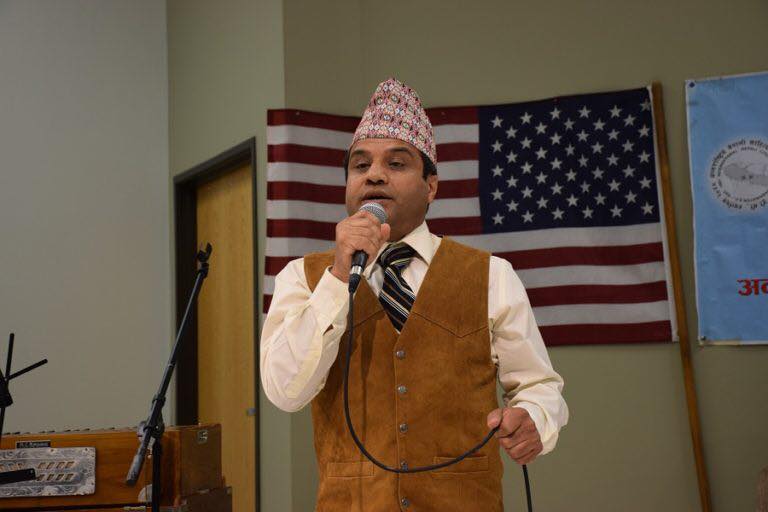
Krishna Murari Dhungel is a Nepali film artist known for his supporting roles in 1990s Nepali cinema, including his appearance in Bhisma Pratigya (1995). Active during the era of ensemble social‑action dramas, he contributed to films featuring leading actors such as Rajesh Hamal, Gauri Malla, Dhiren Shakya, and Neer Bikram Shah. Recognized for his steady presence in character roles, Dhungel remains part of the generation that shaped the classic period of Nepali commercial filmmaking.
Krishna Murari Dhungel
Film Artists
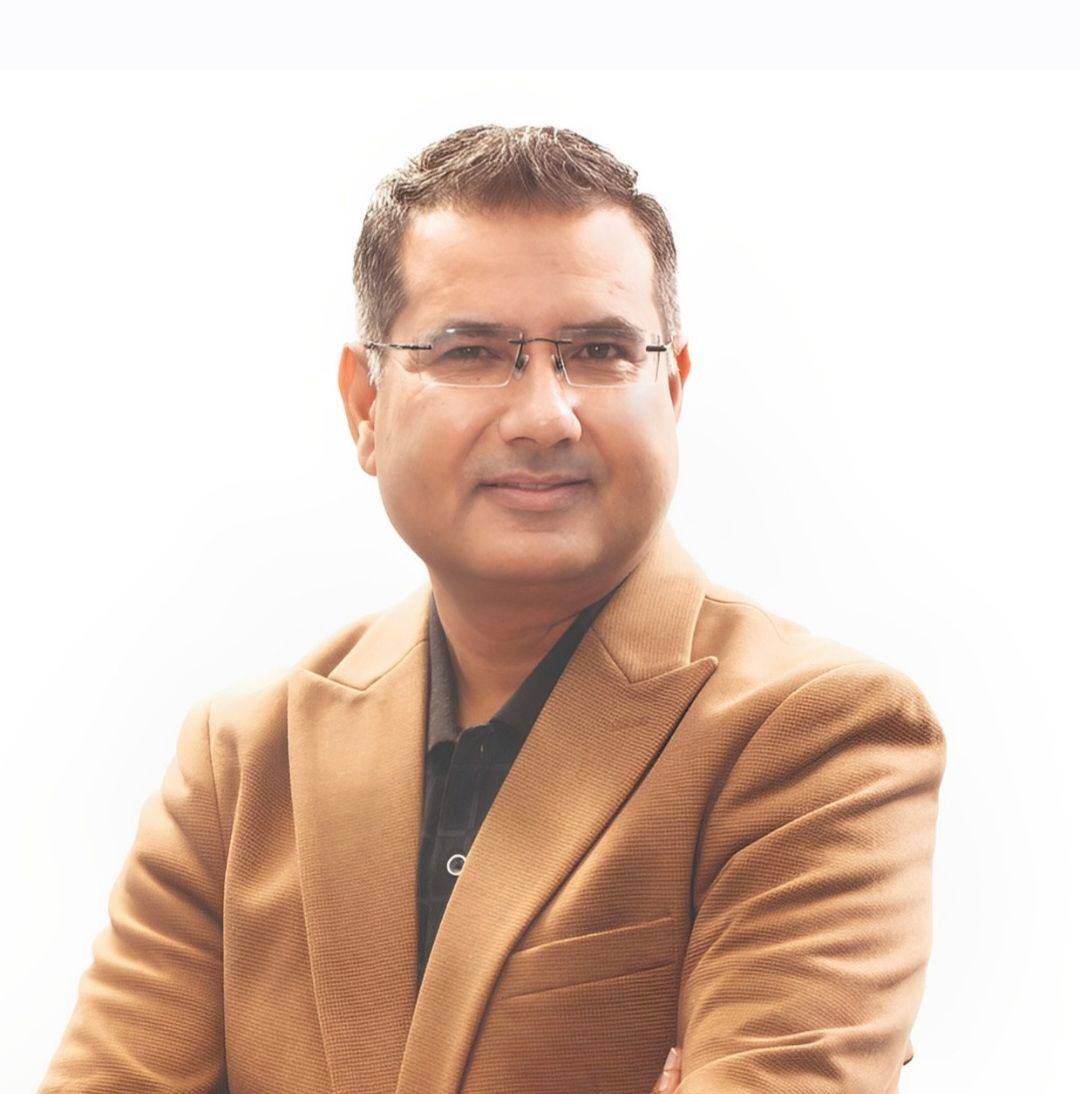
Janak Deep Parajuli is a veteran Nepali film director, media professional, lyricist, and festival director active since 1995, known for directing 100+ music videos, TV series, documentaries, corporate films, and feature films, and for his leadership roles in major Nepali and international film festivals.
Janak Deep Parajuli
Film Director

Zenisha Moktan (born May 27, 1989, Kathmandu) is a Nepali model, actress, and social advocate who rose to national fame after winning Miss Tamang and later being crowned Miss Nepal 2009, representing Nepal at Miss World 2009. She holds an MBA from the UK and serves as the Director of DM Foundation, actively engaging in philanthropic and community‑oriented initiatives. Zenisha appeared in the popular Nepali film “Mero Euta Saathi Chha”, expanding her presence in the entertainment industry. She is married to businessman Dikesh Malhotra, and they have two children, Dia and Dravya Malhotra. Known for her poise, leadership, and advocacy, she remains an influential figure in Nepal’s fashion, media, and social sectors.
Zenisha Moktan
Model, Actress, TV Presenter/ Host

Sonika Lama KC is a well‑known Nepali singer and model, recognized for her versatile voice, glamorous presence, and strong creative identity in the Nepali music industry. With dozens of recorded songs and appearances in more than two dozen music videos, she has established herself as one of the most active and admired artists of her generation. Gifted with the ability to write lyrics, compose melodies, and perform her own songs, Sonika has also appeared as a model in many of her musical projects, making her a multi‑talented figure in the industry. Many of her songs have gained notable attention in the Nepali music market.A popular name among the youth, Sonika is equally appreciated for her glamorous screen presence and her long‑standing dedication to music. She has already released four albums, including her latest one titled ‘Sonika’.Born in Bhimkhori, Kavre (Ward No. 3), she began her musical journey with her debut album ‘Beshahara’, followed by her second album ‘Yo Kasto Yo Jeevan’, which further strengthened her recognition. Building on this success, she released her third album ‘Sonikako Jawani’, which helped her gain even wider popularity in the Nepali music scene. Her fourth album, ‘Sonika’, continues to showcase her growth as a singer, songwriter, and performer.With her strong work ethic, expressive voice, and ability to connect with audiences, Sonika Lama KC remains a prominent and influential artist in contemporary Nepali music.
Sonika Lama KC
Singer/ Performer

Ramita Bhandari is a Nepali singer, model, and performer known for her expressive presence and versatile artistic journey. Once celebrated as a successful model, she worked across all major branches of modeling—music videos, television commercials, fashion shows, event hosting, and talent competitions—earning titles in more than a dozen talent shows. Her strong screen presence made her a familiar face on Nepali television, where she appeared in numerous music videos, advertisements, and programs.Ramita released her first solo album in 2058 BS (2001/2002 AD), marking her entry into the music industry. After a period away from the limelight, she made a notable comeback with the song “Black Handsome Boy”, written, composed, and sung by herself. Her ability to create music independently—writing lyrics, composing melodies, and performing—highlights her artistic depth and personal style.Throughout her career, Ramita has also been active in fashion shows, stage events, and media presentations, maintaining a strong connection with the entertainment field. Her return to music re‑established her identity as a singer with a unique voice and creative vision, reaffirming her place in the Nepali music and modeling industry.
Ramita Bhandari
Model, Singer/ Performer

Sushanta Kumar Shrestha is a veteran Nepali film actor best known for his powerful portrayals of negative and villain characters in Nepali cinema. Active for decades, he has appeared in dozens of feature films, earning recognition for his intense expressions, strong dialogue delivery, and commanding on‑screen presence.Shrestha belongs to the generation of actors who helped shape the classic era of Nepali commercial films, where villain roles demanded physicality, emotional weight, and dramatic impact. His performances often brought depth to antagonistic characters, making him a memorable face in many action‑drama and social‑themed movies.
Sushanta Kumar Shrestha
Character Artists, Film Artists

Laxmi Shrestha
Film Artists

Sangam Bhandari (born 1971) is a Nepali film actor active since 1991, recognized for his steady contribution to Nepali cinema. He began his career with Pariwar (1991) and Sampati (1991), later appearing in Chatyang (1994), Jay Baba Pashupati Nath (1995), and Surakshya (1999). His performance in Muna Madan (2003) strengthened his presence in literary‑adapted films, and he continued his work with Jhingedau (2022), marking over three decades of involvement in the industry.
Sangam Bhandari
Film Artists
Harish Chaudhary
Video-film Editor, Colorist
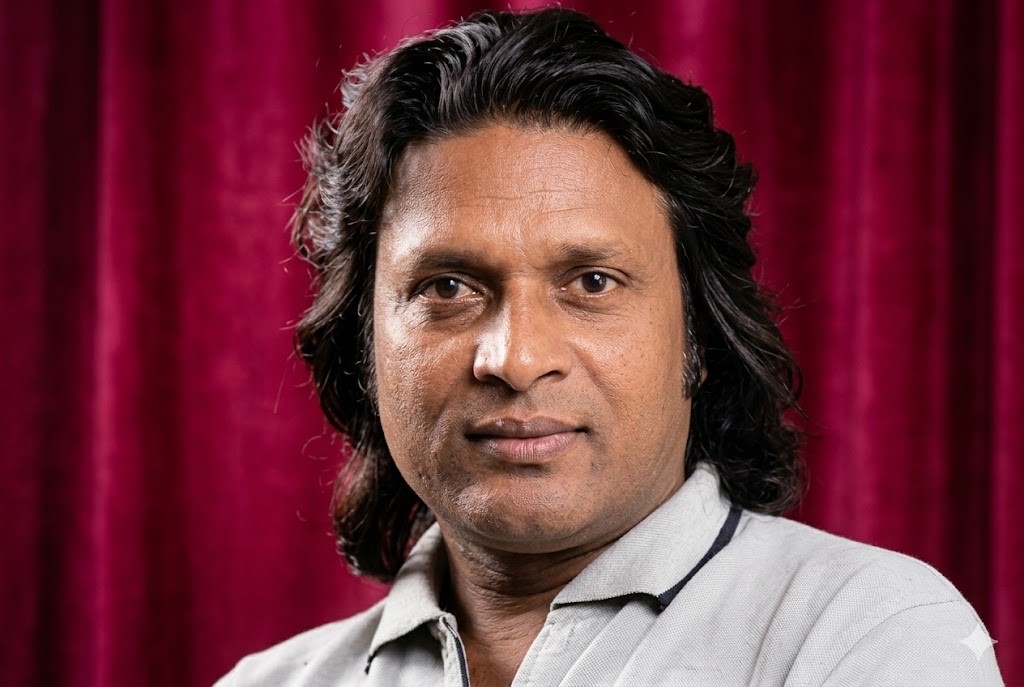
Rajkumar Shah is a veteran Nepali film artist active since 1993, known for his long career in commercial Nepali cinema and his appearance in the 1995 feature film Soltini, where he played a supporting negative character. His work spans more than three decades, with credits in 16+ feature films, including Rakshya (1993), Tuhuro (1994), Soltini (1995), Daijo (1996), Avatar (1997), Ghaite (1997), Sindur Pote (1998), Aafanta (1999), Santanko Maya (2002), and later titles such as Hasideu Ek Phera (2010) and Bindaas 3
Rajkumar Shah
Film Artists
Maya Pradhan
Film Artists
Hari Ray
Cinematographer
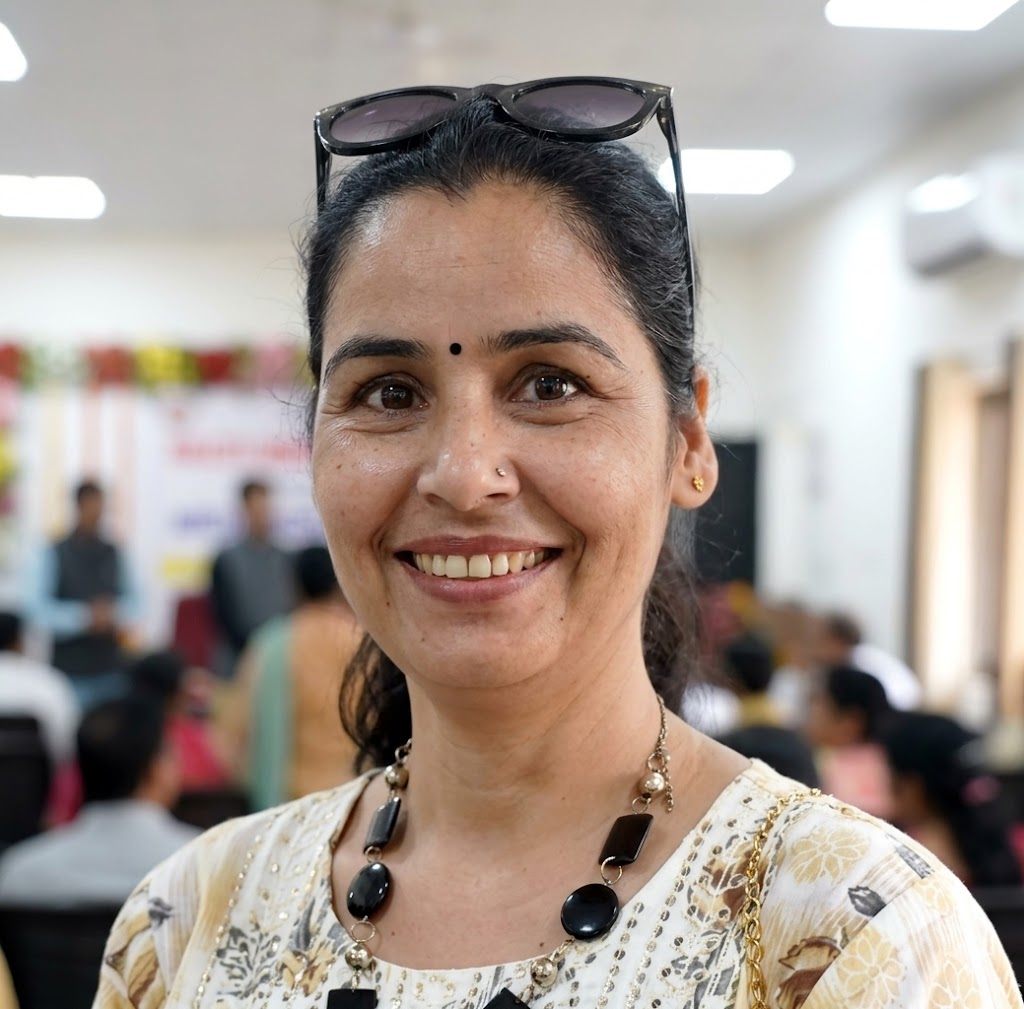
Megha Pokharel (मेघा पोखरेल) is a former Nepali film actress who was active in Nepali cinema during the mid-1990s. She is remembered for her appearances in social and romantic Nepali films and is considered one of the actresses associated with the 1990s generation of Nepali cinema. Although she remained active for a short period, her work in films like Soltini and Sannani helped her gain recognition among audiences of that era.Megha Pokharel appeared in the 1995 Nepali movie Soltini, directed by Arun Kumar Jha. The film featured actors including Lokendra Karki, Ravi Shah, Santosh Panta, Parvati Adhikari, and Chiranjibi Basnet. The movie became one of the notable social-romantic films of its time and introduced Megha Pokharel to mainstream Nepali film audiences.She later appeared in Sannani alongside Saroj Khanal, Hemanta Budhathoki, and Sunil Thapa.Megha Pokharel’s real name is believed to be Bimala Pokharel, while “Megha Pokharel” was used as her screen name during her film career. After the late 1990s, she gradually stayed away from the public film industry, her contribution remains part of the archival history of classic Nepali cinema.
Megha Pokharel
Actress
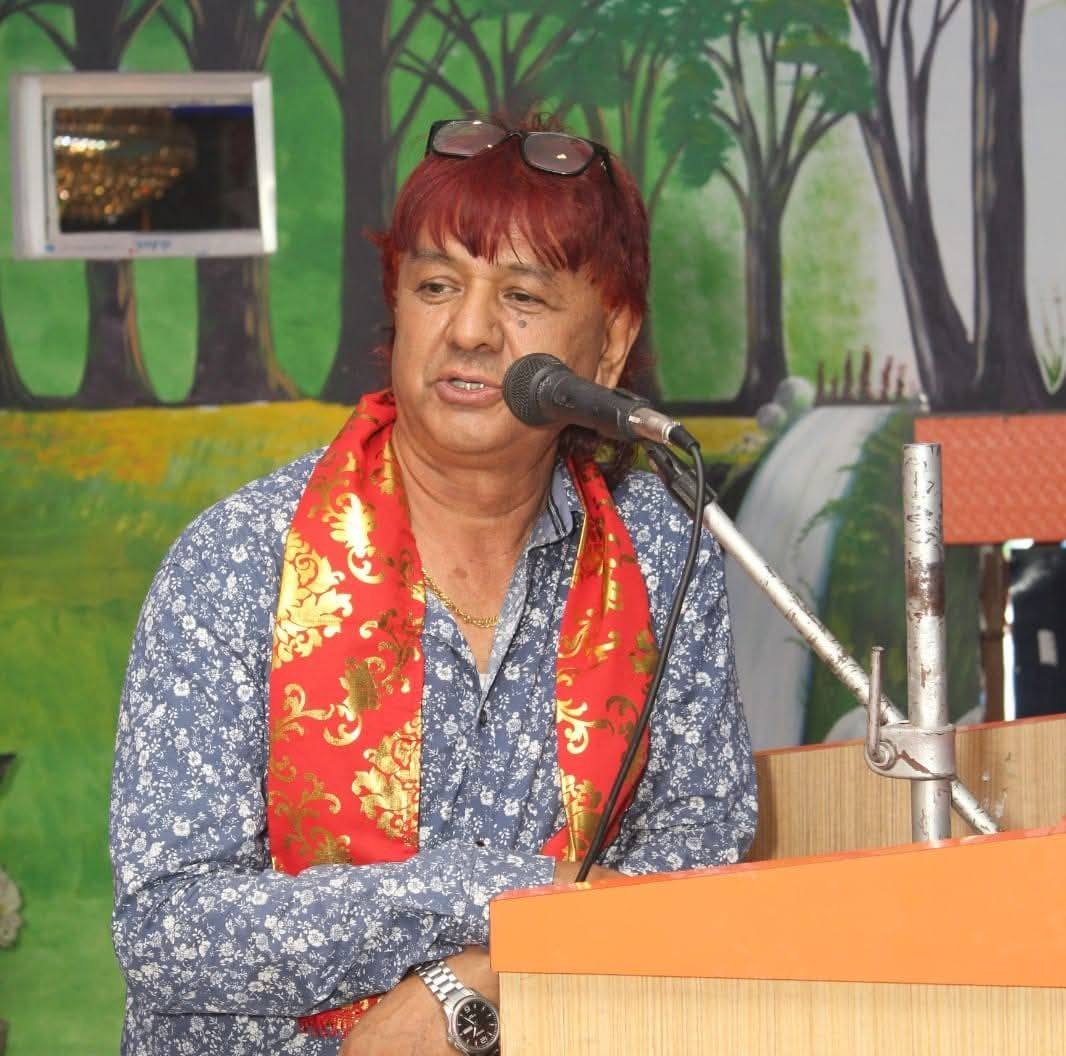
Chiranjibi Basnet is a Nepali film artist active since 1990, known for his wide-ranging contributions as an actor, producer, sound designer, music director, production manager, legal advisor, audiographer, story writer, and co‑cinematographer. He has worked in 26+ films across multiple departments, making him one of the most versatile behind‑the‑scenes contributors in Nepali cinema.
Chiranjibi Basnet
Film Maker/ Producer, Film Artists
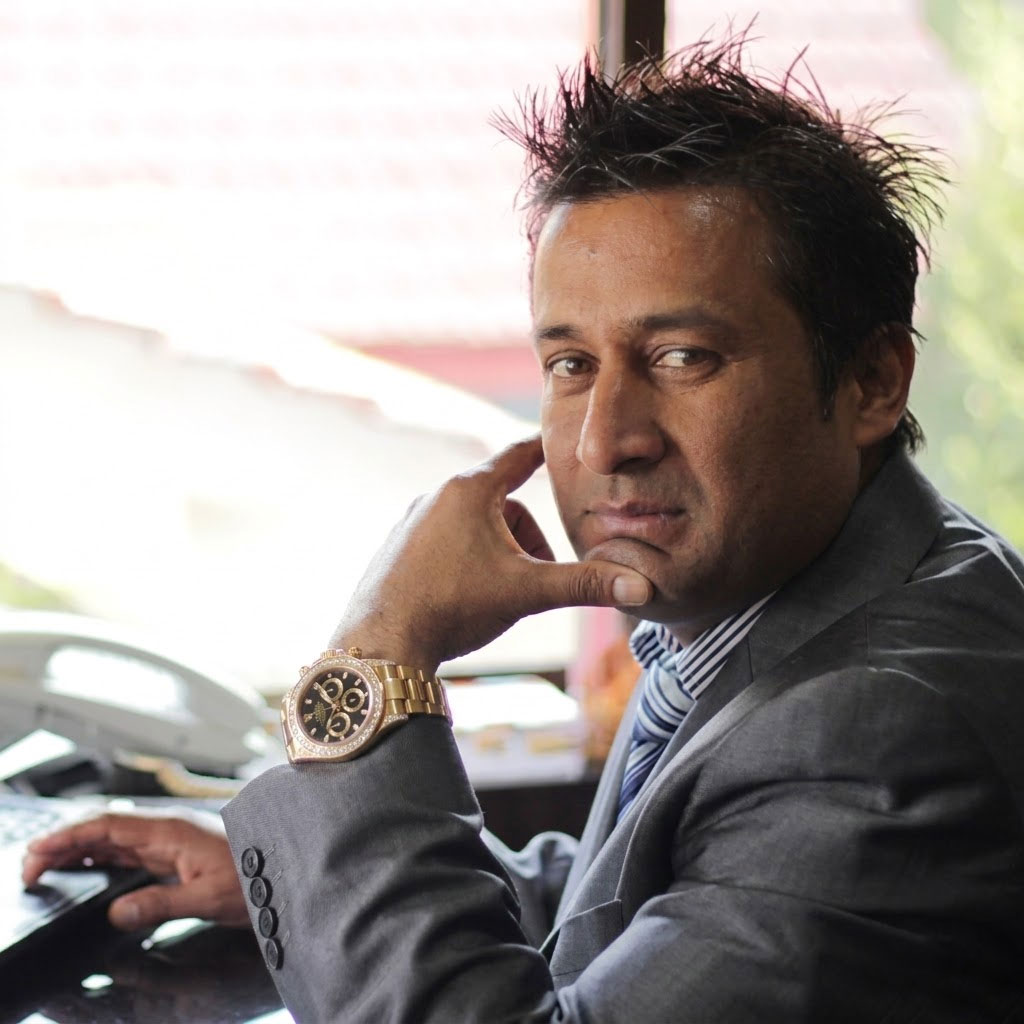
Lokendra Karki is a Nepali film actor and producer who became active in the Nepali film industry during the mid-1990s. He is recognized for his performances in action, drama, and social films that were popular during the late 1990s and early 2000s Nepali cinema era.Lokendra Karki started his acting career with the film Soltini in 1995 and later appeared in several Nepali movies including Deurali, Dulaha Raja Dulaha Rani, Hatiyar, Jange, Army, Sadyantra, Maan, and Shasan. His screen presence and supporting roles helped him establish a recognizable identity among audiences of that period.Apart from acting, Lokendra Karki has also been involved in film production. He worked as a producer for the movie Shasan (2011), expanding his contribution to the Nepali film industry beyond acting.
Lokendra Karki
Actor
Shailendra Babu Pradhan is a Nepali background score composer and music arranger known for his atmospheric sound design, emotional layering, and ability to elevate cinematic storytelling through music. Active in contemporary Nepali cinema, he specializes in crafting background scores that enhance tension, mood, and character psychology across action, drama, and thriller genres.His work blends traditional Nepali musical textures with modern orchestral and electronic elements, creating a signature sound that supports both narrative depth and visual rhythm. As a music arranger, he is recognized for his precision, clean arrangement style, and strong understanding of scene‑based musical dynamics.Shailendra Babu Pradhan continues to build his reputation as a reliable and creative force in Nepal’s film music industry, contributing background scores that add emotional weight and cinematic identity to every project he joins.
Shailendra Babu Pradhan
Music Arranger
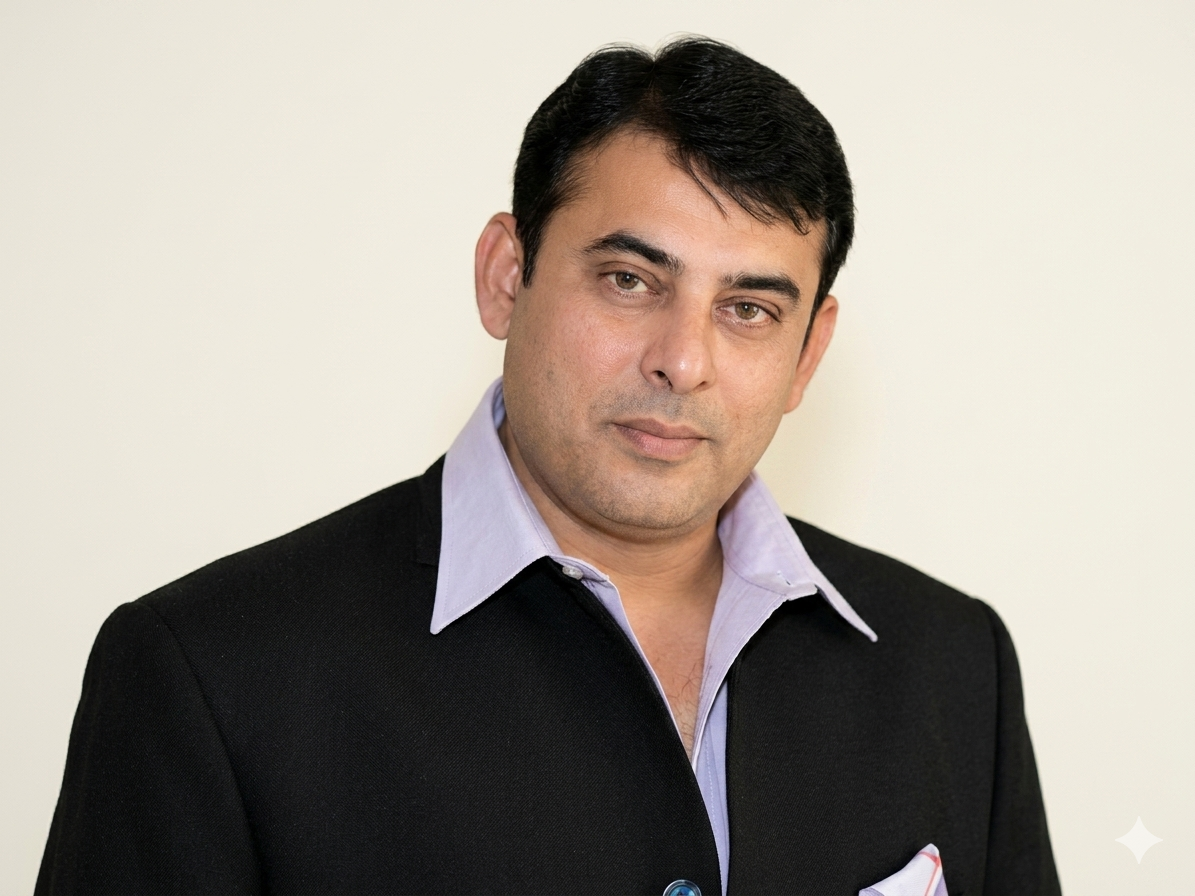
Dinesh Sharma is a Nepali film actor known for his presence in mainstream commercial cinema from the 1990s and early 2000s. He appeared in supporting, family‑centric, and character roles, often portraying responsible, emotional, or authoritative figures. His acting career aligns with the classic era of Kollywood, contributing to ensemble casts and story‑driven films during a period when Nepali cinema was transitioning into more modern storytelling styles.Although several public figures share the same name, this profile represents only the film actor active in Nepali movies.
Dinesh Sharma
Actor
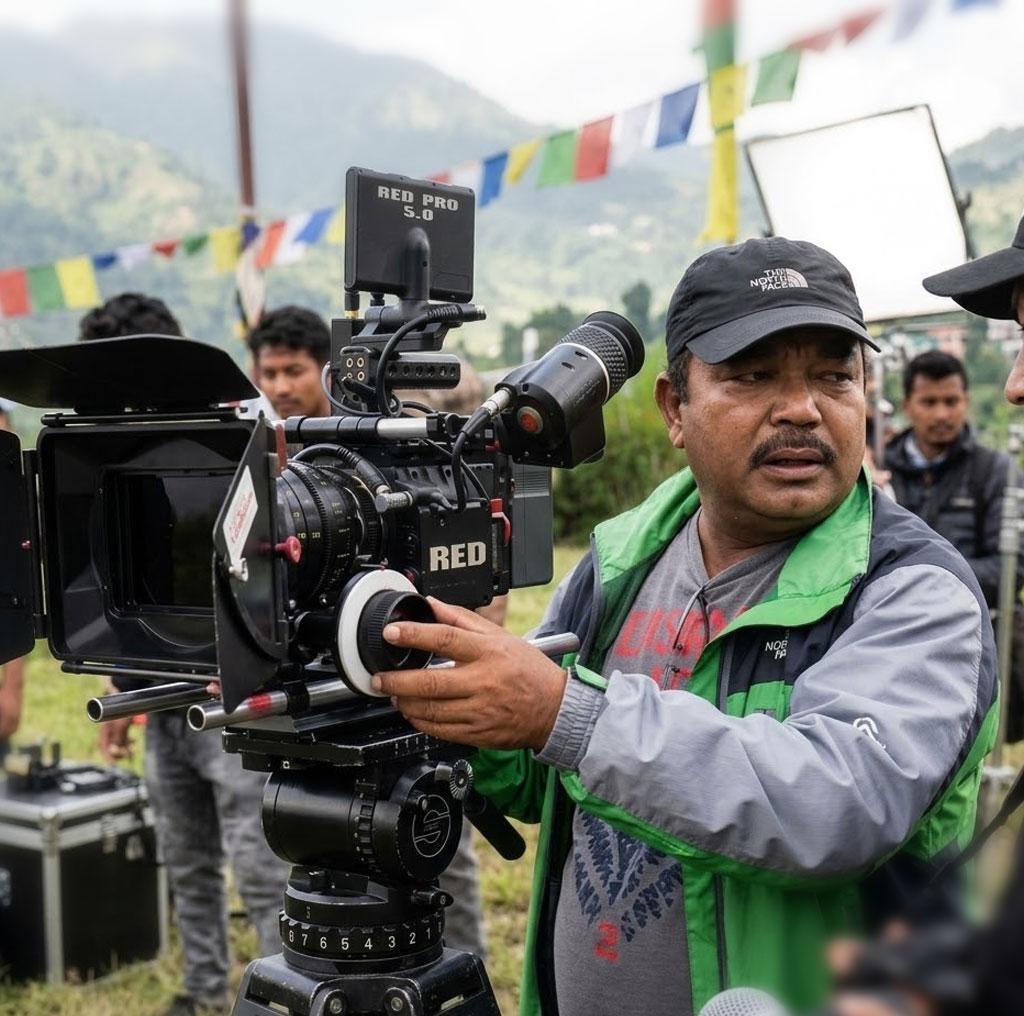
Krishna Shrestha is a Nepali cinematographer active since 2002, known for his versatile work across commercial, romantic, and action‑drama films in Kollywood. His career spans more than two decades, with credits in major productions such as Kranti (2002), Bhuttukai Bhaye Ni (2002), Pyari Bahini (2004), Kanoon (2007), Dhoom (2009), Dosti (2009), Man Manai Man Paraye (2011), Bodyguard (2012), Jodi No.1 (2014), Bhram (2015), Luv Sab (2015), Sakas (2017), Boyfriend (2018), and Eklavya (2019). His work is recognized for clean framing, commercial visual appeal, and consistent collaboration with mid‑2000s and 2010s Nepali film directors.
Krishna Shrestha
Cinematographer
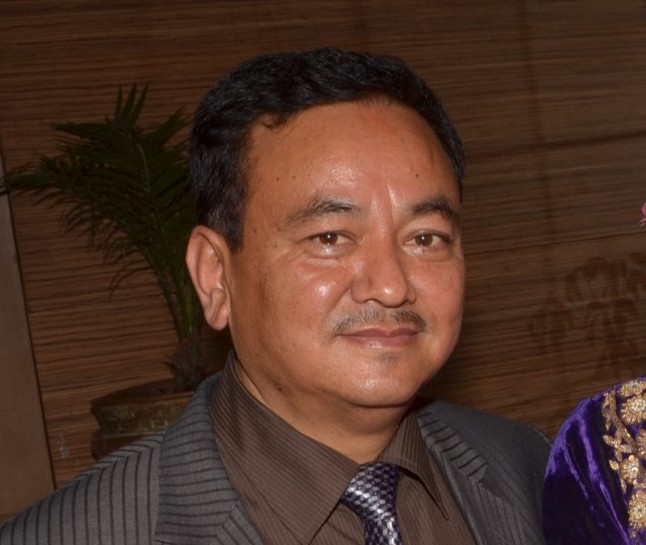
Dhanendra Bimal is a respected Nepali lyricist and cultural contributor known for his thoughtful, expressive songwriting rooted in Nepali poetic tradition. His work reflects emotional depth, social sensitivity, and a refined command of language, making him a recognized name in the field of Nepali music and literature.Alongside his creative career, he served in a significant administrative role as the Deputy Executive Director, where he contributed to institutional development, cultural promotion, and organizational leadership. After a long and dedicated tenure, he retired in 2074 BS, marking the completion of a distinguished public‑service career.
Dhanendra Bimal
Lyricist
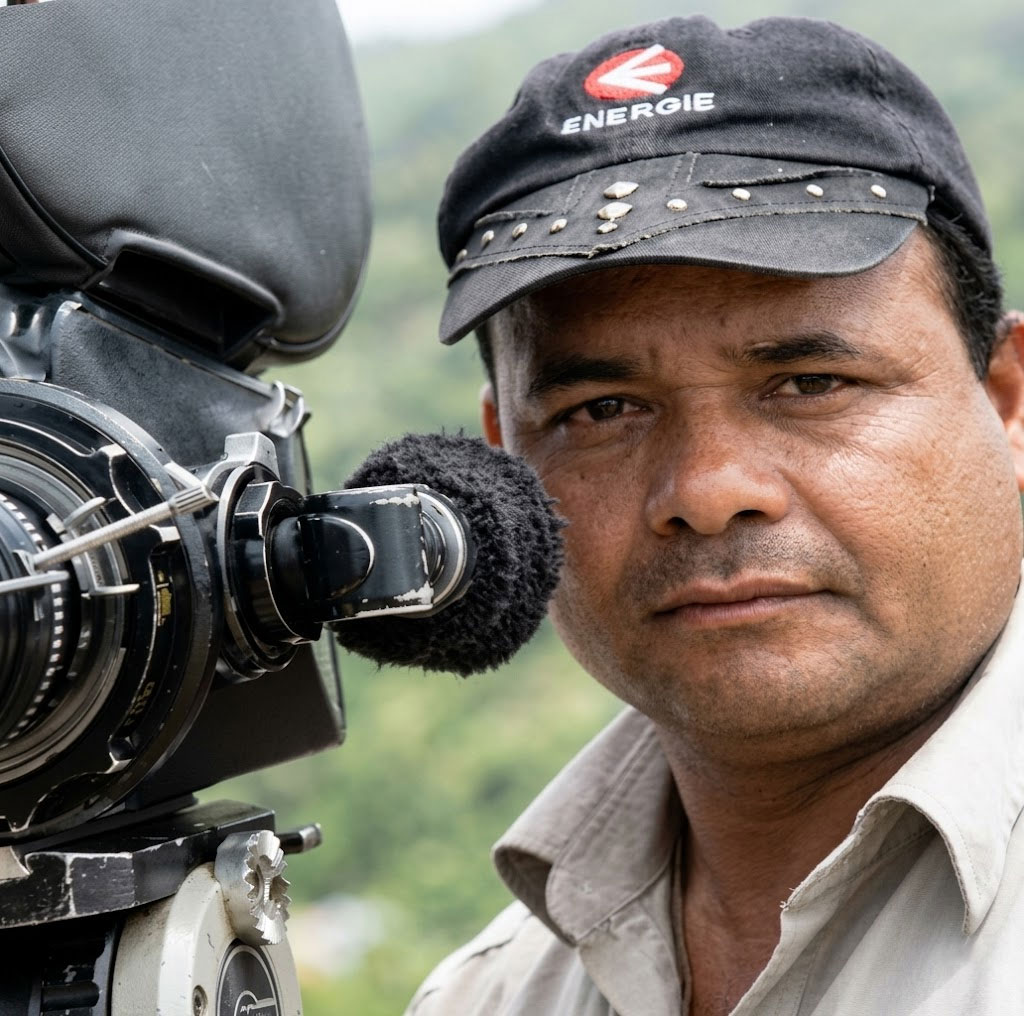
Shambhu Sapkota is a Nepali cinematographer from Panauti, active in Nepali cinema since 1994, known for his extensive body of work across commercial and dramatic films. He has shot more than 50 feature films, contributing to the visual style of late‑1990s and 2000s Kollywood. His early credit includes Sadak (1994), and he continued through major titles such as Thuldai (1999), A Mero Hajur (2002), Kismat (2007), Ma Timi Bina Marihalchu (2008), and Rhythm (2013). His career reflects consistency, technical reliability, and long‑term collaboration with leading directors of the era.
Shambhu Sapkota
Cinematographer
Amar Rasaili is a Nepali film director, production designer, and writer known for his multidisciplinary contribution to contemporary Nepali cinema, working across story, screenplay, and visual design to shape emotionally grounded and visually coherent films. Active in direction and art‑department leadership, he is recognized for blending narrative clarity with strong production aesthetics, often developing his own story concepts and screenplays while overseeing the film’s visual world. His work reflects a collaborative, detail‑driven approach that connects performance, design, and storytelling, positioning him among the new‑generation creators contributing to the evolving craft of Nepali filmmaking.
Amar Rasaili
Film Director
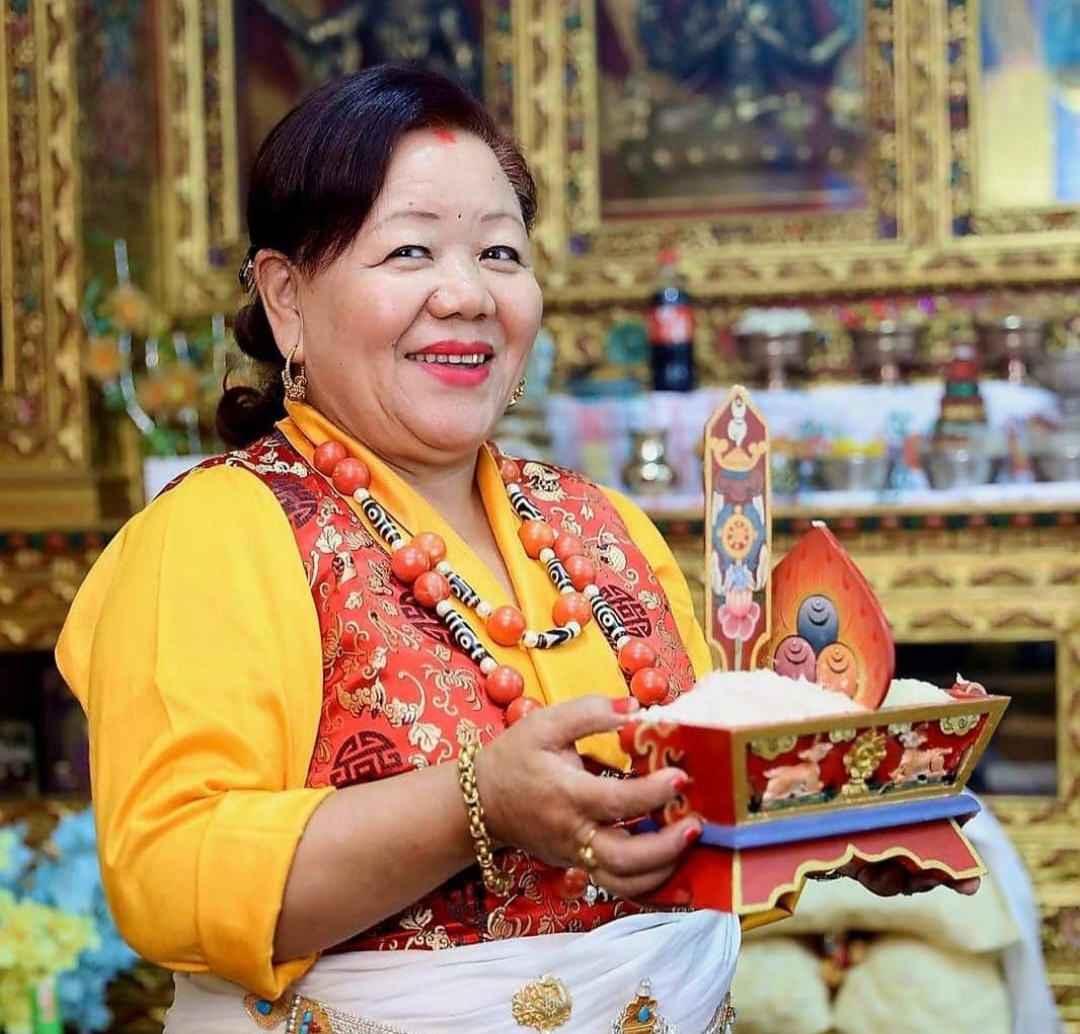
Doma Lama Hyalmo is a Nepali film artist and singer active since the early 1990s, known for her expressive screen presence and her warm, melodic vocal style. Beginning her artistic journey in the 1990s era of Nepali cinema, she has contributed through character‑driven performances while also recording songs that reflect both her Hyolmo cultural roots and contemporary musical sensibilities. Her dual work in film and music highlights a versatile creative identity, making her a steady and respected presence in Nepal’s entertainment field.
Doma Lama Hyalmo
Character Artists, Folk Singer, Film Artists
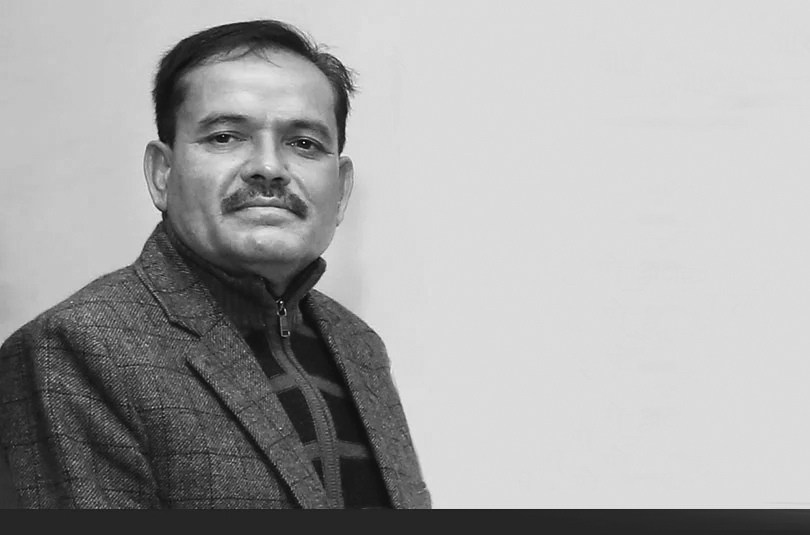
Ram Keshar Bogati was a Nepali film artist who began his acting career in the late 1990s and became known for his natural, grounded performance style. Active across social and dramatic cinema, he built a reputation for sincerity, discipline, and emotionally honest roles. Bogati passed away on October 9, 2018 (Tuesday) at the age of 58 after a tragic accident near his home in Tikathali. His contribution to Nepali cinema remains appreciated for its simplicity, authenticity, and dedication to the craft.
Ram Keshar Bogati
Film Artists
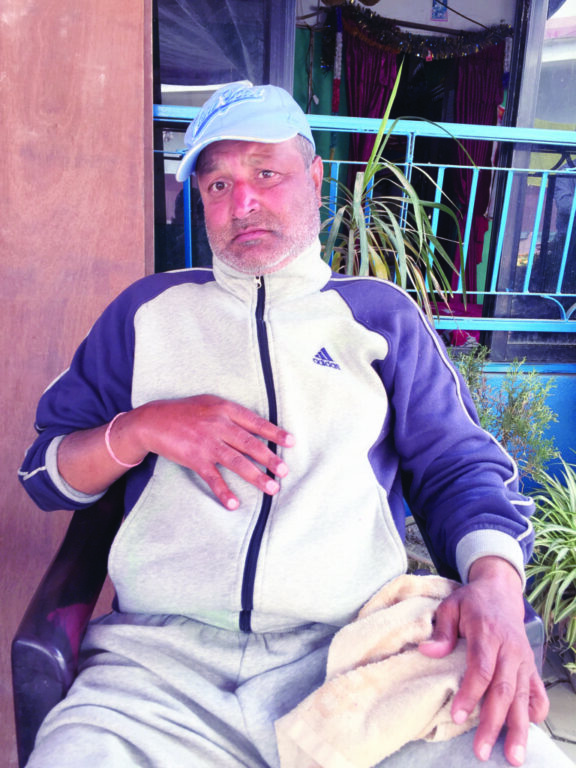
Pawan Mainali is a Nepali film actor best known for his powerful portrayals of villainous characters, earning recognition for his intense screen presence and commanding performance style. Active across commercial and social‑themed cinema, he has built a reputation for bringing depth, aggression, and emotional weight to negative roles, making him one of the memorable खलनायक figures in Nepali films. His ability to shift between fierce antagonists and character‑driven supporting roles has established him as a versatile and reliable performer within the industry.
Pawan Mainali
Film Maker/ Producer, Film Artists

Aaradhana Chhetri is a Nepali film actress best known for her role in the 1995 feature film Jeevan Sangharsha, where she appeared as Sanju. She was active during the mid‑1990s and is credited in two Nepali films: Jeevan Sangharsha (1995) and Hatya (1999). Though her public biography is limited, her work places her among the actresses who contributed to the transitional era of 1990s Nepali cinema, marked by emotional storytelling and emerging commercial filmmaking.
Aaradhana Chhetri
Actress
Bishwo Hingmang
Film Artists
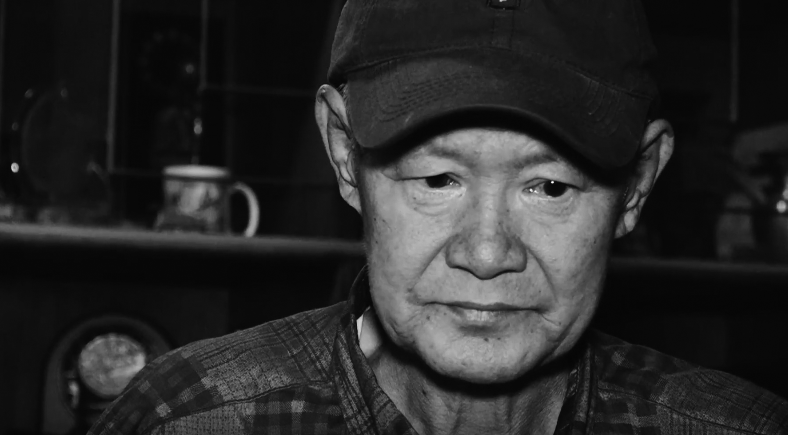
Kishor Rana was a veteran Nepali film director active from 1994 until his passing in 2019, known for shaping the visual and narrative style of several influential Nepali films. Beginning his directorial career with Karja (1994), he went on to direct notable works such as Raanko (1995), Karodpati (1997), Sima Rekha (1997), Gham Chaya (1998), and Ek Number Ko Pakhe (1999). His film Raanko is recognized as Nepal’s first cinemascope movie, and Sima Rekha is regarded as a historically significant film in Nepali cinema. Rana passed away on August 21, 2019, at Nidan Hospital, Lalitpur, at the age of 64, following long‑term kidney complications. His disciplined direction, technical innovation, and contribution to Nepali storytelling remain respected within the industry.
Kishor Rana
Film Director
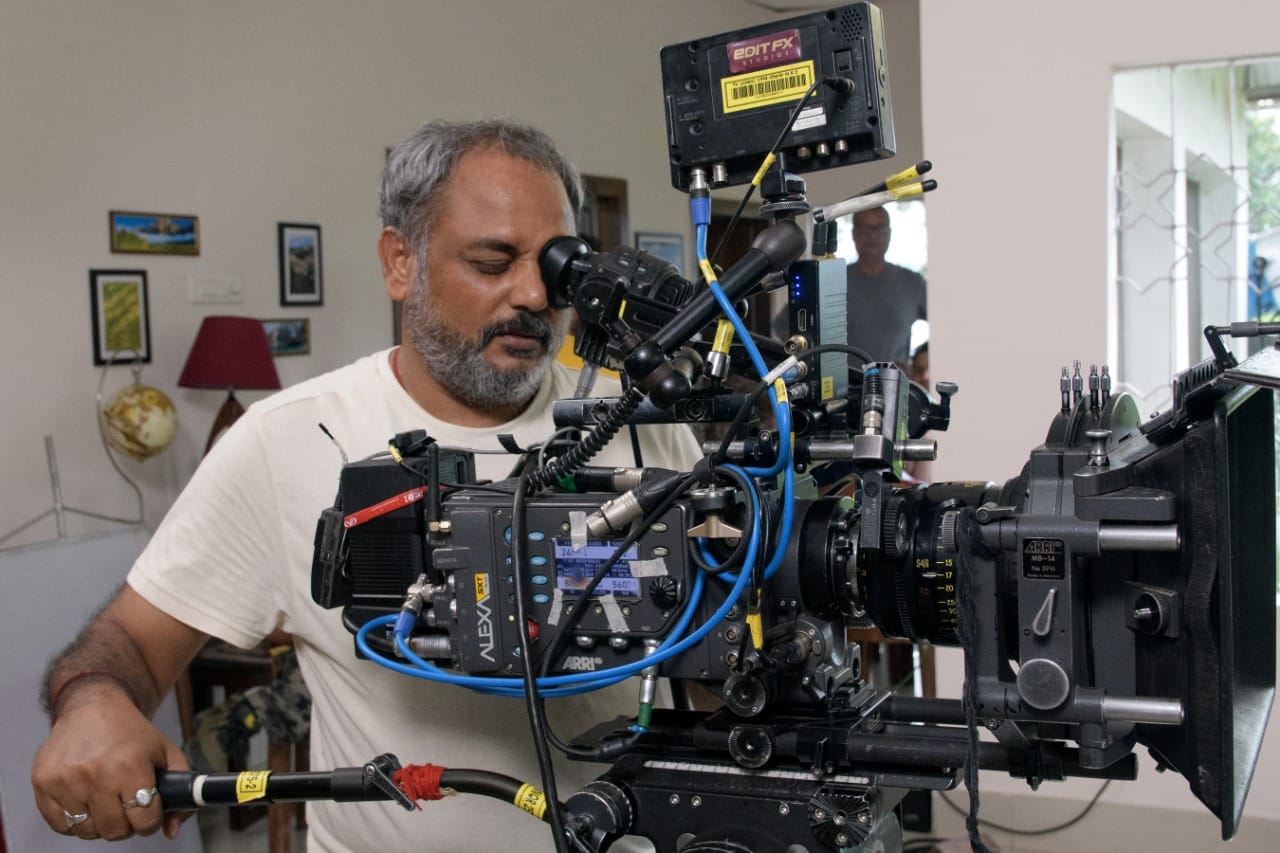
Suvendu Raj Ghosh is a Nepali film director and storyteller known for his clean visual style, emotional narratives, and character‑driven filmmaking. Active in contemporary Nepali cinema, he focuses on stories rooted in aspiration, personal struggle, and social realism, bringing a grounded and heartfelt approach to his direction.He is the director of the upcoming feature film I Am Jit Bahadur, a drama that follows the journey of a village boy chasing his dream of becoming an actor. Suvendu’s direction highlights human emotion, cultural nuance, and the bittersweet reality of ambition — blending humor, heart, and authenticity.With a growing body of work across films and visual projects, Suvendu Raj Ghosh continues to establish himself as a filmmaker committed to meaningful storytelling and relatable Nepali characters.
Suvendu Raj Ghosh
Film Director
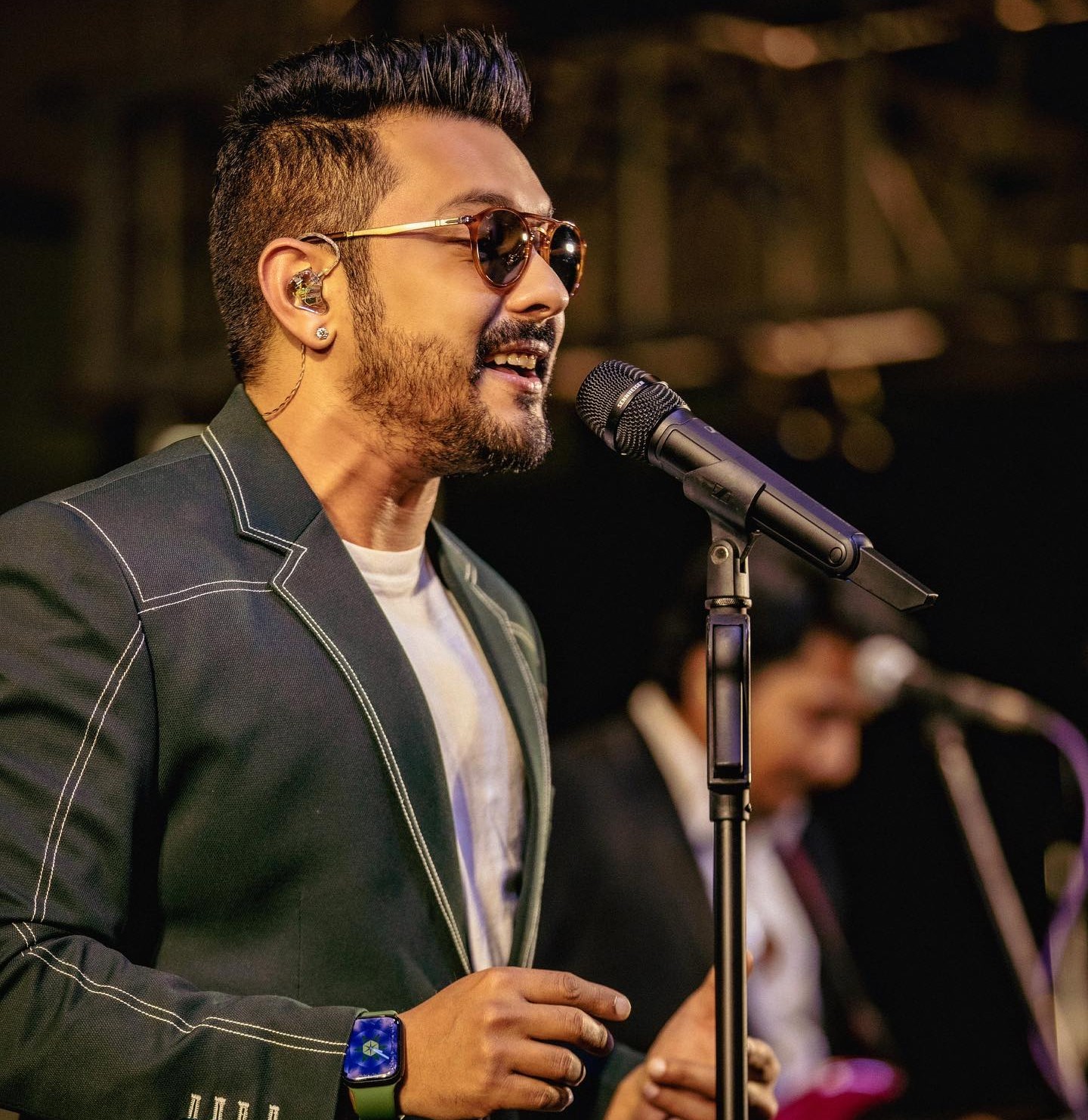
Aditya Narayan Jha is an Indian playback singer, actor, and television host known for his work in Hindi cinema and music reality shows. Although he comes from a Nepali‑origin musical family and is the son of legendary Nepali‑Indian playback singer Udit Narayan Jha, Aditya himself has not been documented as a playback singer in Nepali films. His musical presence is primarily in Bollywood, independent Hindi music, and television performances.As a child artist, he gained recognition with songs like “Chhota Baccha Jaan Ke” (Masoom, 1996) and later became widely known as the long‑time host of Indian Idol. While he has performed Nepali lines informally on stage and in cultural events, no verified Nepali film playback songs are listed in official music archives or Nepali film databases.
Aditya NarayanJha
Playback Singer
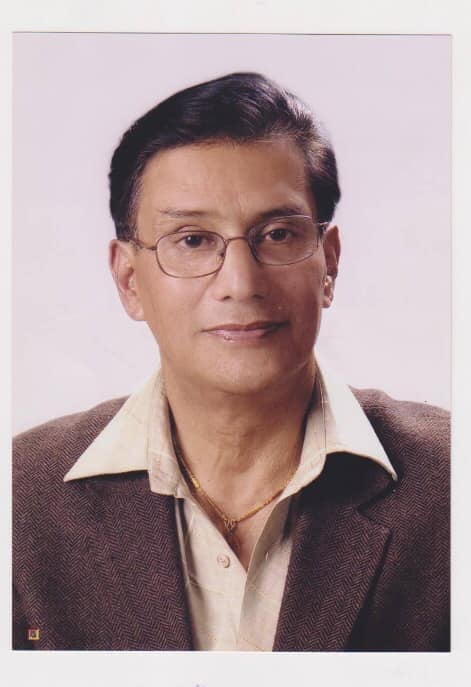
Dhruba KC (2003–2077 BS) was a pioneering Nepali modern singer, composer, and radio personality whose soulful voice left an indelible mark on the golden era of Nepali music. Born in Kathmandu to Yagya Bahadur KC and Padam Kumari KC, he began singing at Radio Nepal as a child in 2010 BS and quickly rose to fame with evergreen hits like “Mayalu Hazur Hunchan,” “Narou Narou Saili,” “Timro Maya Kagajko,” and “Aru Kalo Rail Ko Dhuwale.” He was also a music composer, lyricist, and one of Nepal’s first jingle creators, and even performed for King Mahendra, who awarded him a gold medal. Dhruba KC was the uncle of actor Bhuwan KC and remained a respected figure in the industry until his passing in 2021 due to Parkinson’s disease. His legacy lives on through his timeless melodies and his pioneering role in shaping modern Nepali music.
Dhruba KC
Music Artists, Folk Singer
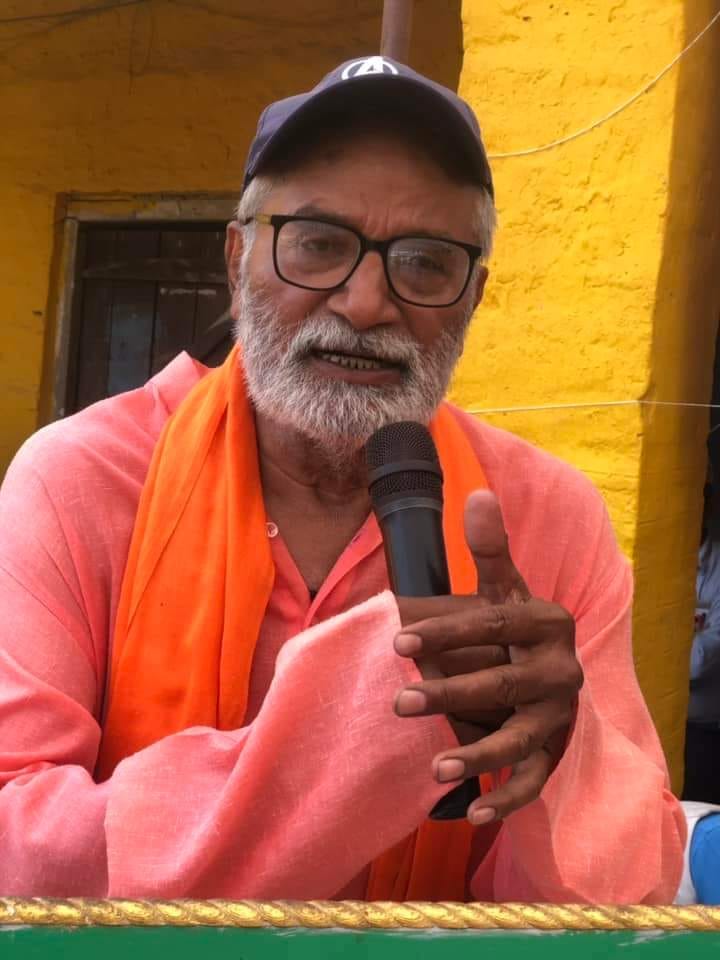
Tika Pahari is a respected veteran actor in Nepali cinema, known for his powerful supporting roles across several decades. He gained widespread recognition for his portrayal of Raj’s father in the beloved film Darpan Chhaya (2001), and has since appeared in numerous acclaimed films such as Jeevan Sangharsha (1995), Prithvi (1994), Manjari (2013), and Dui Rupaiyan (2017), where he played the role of a smuggling boss. His performances often bring emotional depth and gravitas, making him a familiar and admired figure in both classic and contemporary Nepali films. He is also the father of actor Gaurav Pahari, continuing a legacy of artistic contribution to Nepali cinema.
Tika Pahari
Actor, Character Artists, Film Maker/ Producer
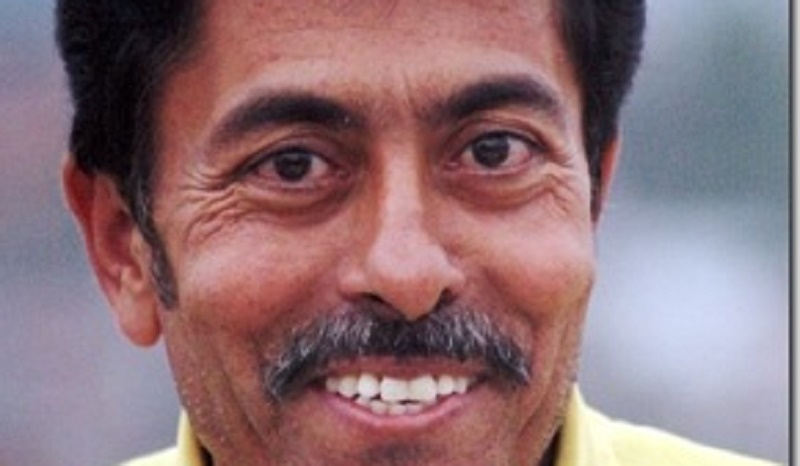
Kumar Kanchha is a legendary Nepali playback singer, composer, and actor, known for his soulful voice and contributions to both music and cinema. Born on 28th Mangsir 2014 B.S. in Kolkata, India, he rose to fame with timeless hits like “Jindagi Ko Ke Bhara Cha Ra,” “Amaile Bhanthin,” and “Batasale Udai Lyayo.” His album Goreto and songs like “Naina Resham” remain Nepali folk-pop classics. In addition to his musical legacy, Kumar Kanchha also made a mark as an actor. He appeared in the iconic film Saino (directed by Ugyen Chopel), where his song “Kalko Pani Rakshi Ganayo” became a cultural phenomenon. He also acted in films like Lahure and Koshili, contributing both as a performer and playback singer. Kumar Kanchha’s dual legacy in music and film has made him one of the most cherished and versatile artists in the history of Nepali entertainment.
Kumar Kanchha
Music Artists, Actor
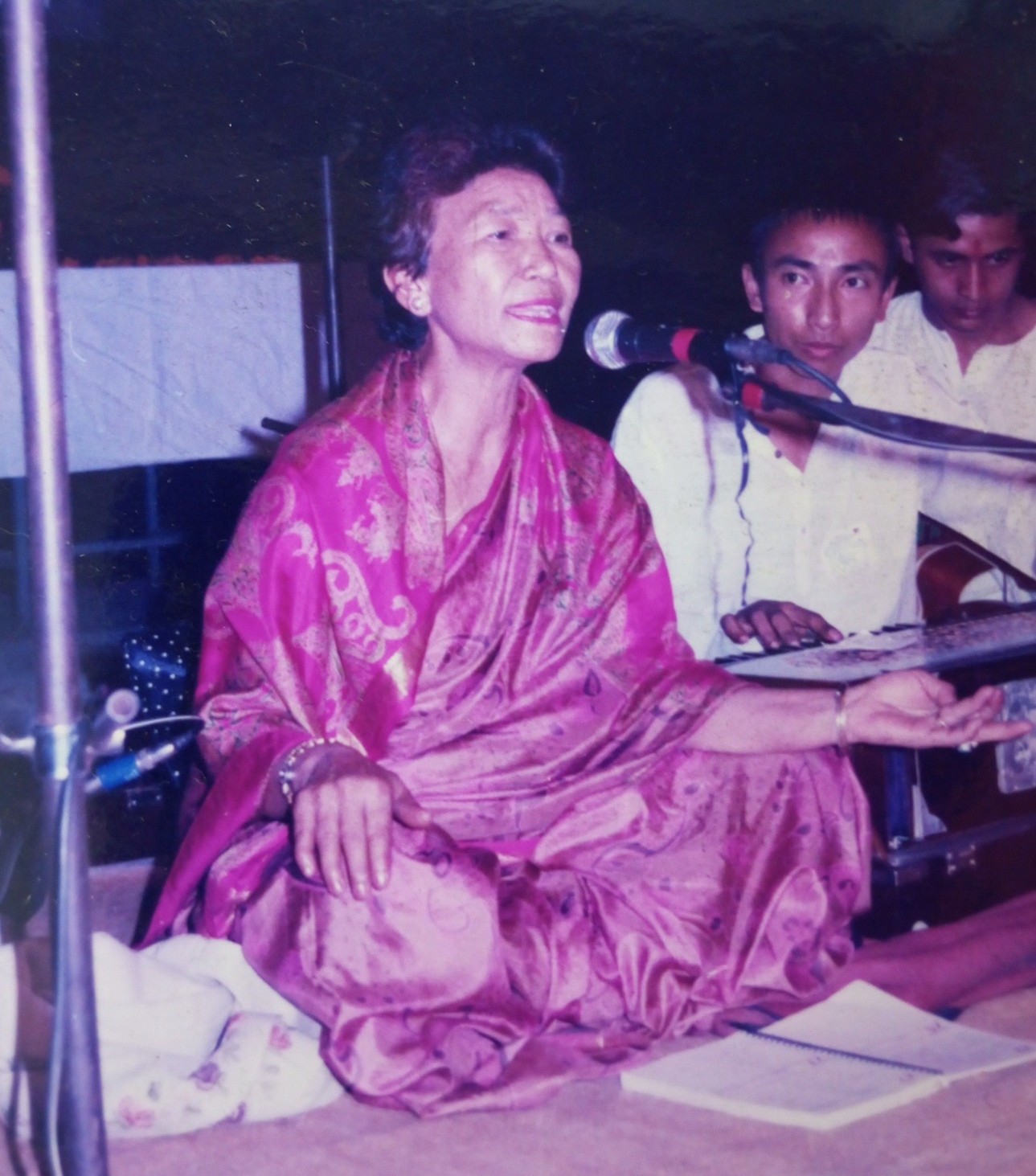
Hira Devi Waiba (1940–2011) was a pioneering Nepali folk singer whose voice became the soul of traditional Nepali music. Born in Ambootia, Darjeeling, she was the first artist to professionally record Nepali folk songs, including the first-ever Tamang Selo track “Chura ta Hoina Astura.” Her career spanned over four decades, during which she recorded more than 300 songs and worked with prestigious platforms like All India Radio, BBC, and His Master’s Voice. She was the first Nepali folk artist to be signed by Music Nepal and remains the only Grade A folk singer with All India Radio. Her timeless songs like “Phariya Lyaaidiyechan” and “Ramri Ta Ramri” continue to resonate across generations. After her passing in 2011, her children Navneet and Satya Aditya Waiba revived her legacy through the tribute project Ama Lai Shraddhanjali. Hira Devi Waiba remains a cultural icon and guardian of Nepali folk heritage.
Hira Devi Waiba
Music Artists, Folk Singer
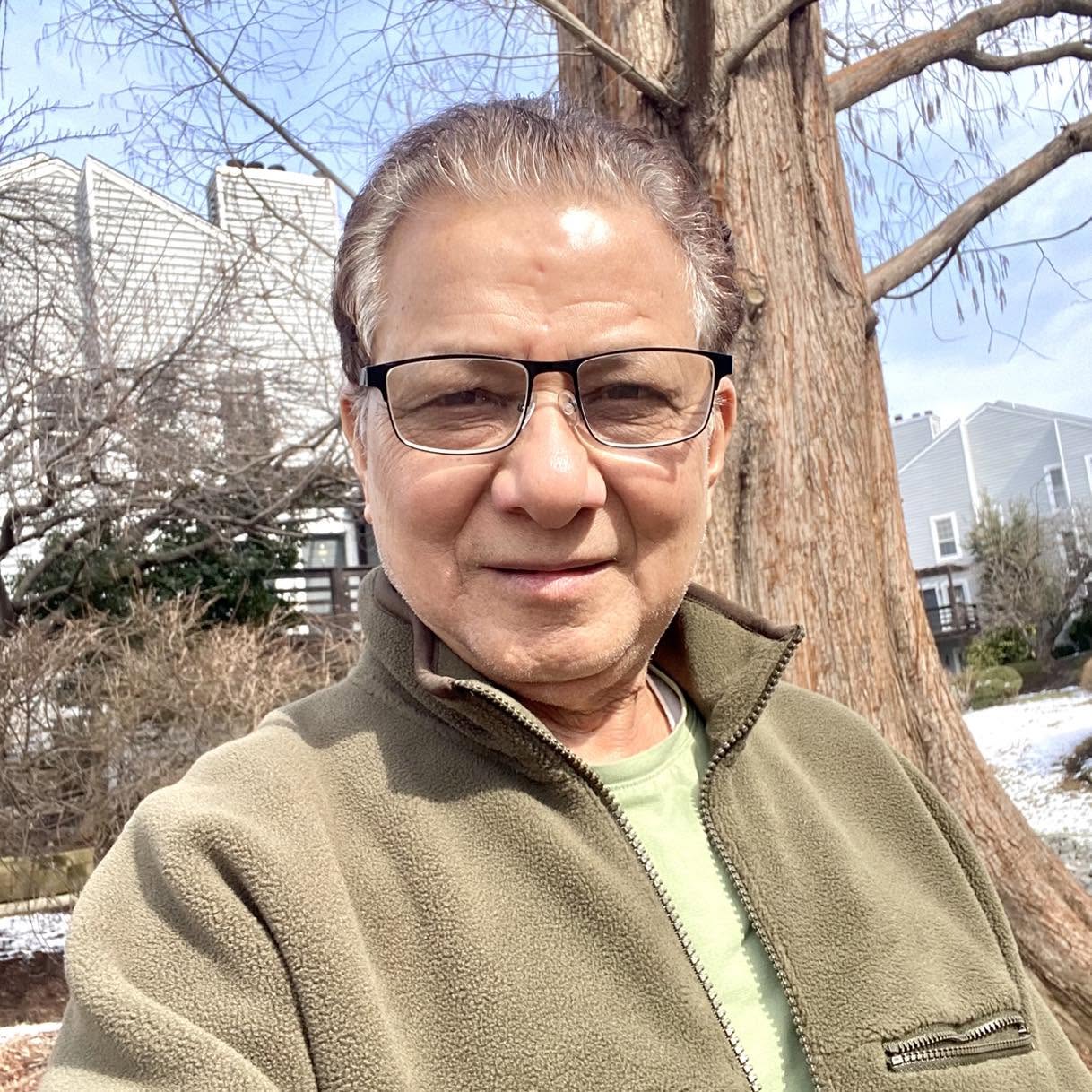
Madhu Chhetri is a legendary Nepali singer known for evergreen hits like Saili ra Maili Poila Gaechan, Phoolai Phoola Matra Pani, and Hurile Udauna Sakena, with a musical career spanning over four decades.
Madhu Chhetri
Folk Singer, Singer/ Performer
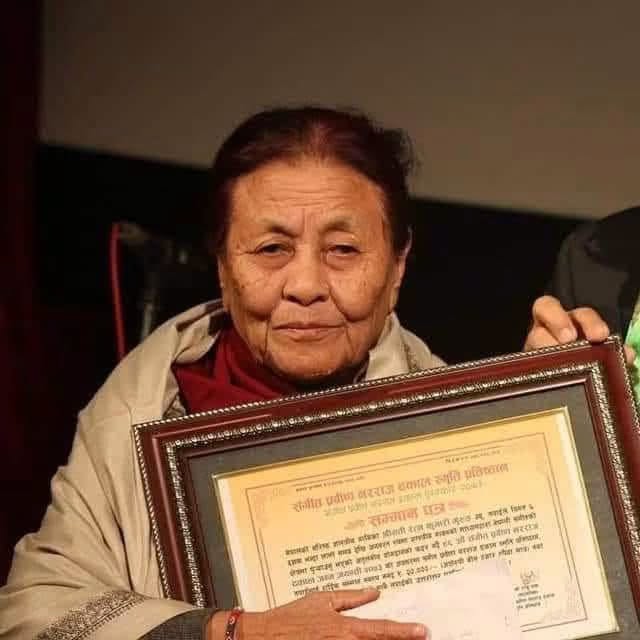
Ratna Kumari Gurung is a Nepali classical and folk‑classical singer known for her contribution to traditional vocal music and her presence in Nepali cultural performance circuits, she is recognized in Nepali music listings as a classical‑leaning vocalist with appearances in cultural programs and traditional music platforms. Within the classical domain, Ratna Kumari Gurung is associated with semi‑classical and classical vocal styles, often performed in cultural events, traditional gatherings, and Nepali folk‑classical platforms.
Ratna Kumari Gurung
Music Artists
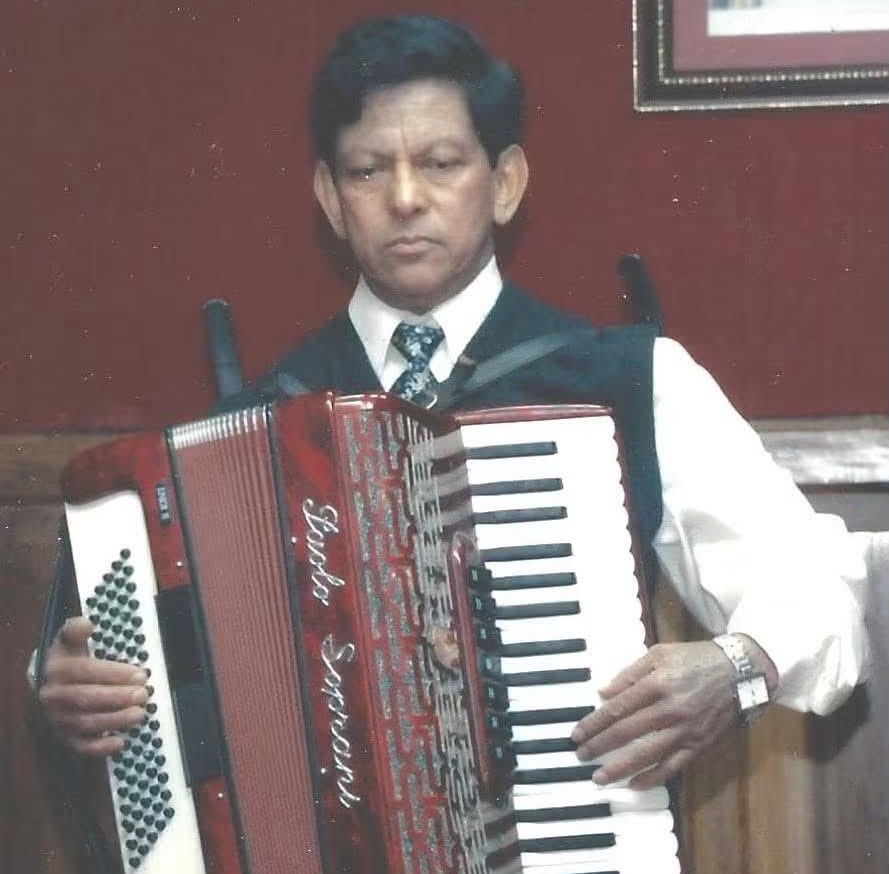
Kiran Rasaily (born 24 March 1947, Kolkata) was one of Sikkim’s most versatile and influential artists—an accomplished composer, multi‑instrumentalist, photographer, painter, architect, and cultural mentor. He gave his first public musical performance in 1953 in Gangtok and rose to prominence in 1964 after composing the patriotic song “Sikkim Dhara Hara Bhara…” written by Jaybir Subba. Gifted with mastery over harmonium, banjo, mouth‑organ, violin and the iconic piano‑accordion presented to him by the Chogyal, Rasaily became a central figure in Sikkim’s musical ceremonies and later co‑founded the Denzong Musical Society. Parallel to his artistic journey, he built a distinguished career as an architect, designing landmark structures across Gangtok, Namchi, and beyond. His passing at 79 marked the loss of a rare multi‑talented cultural treasure whose contributions continue to shape Sikkim’s artistic and architectural identity.
Kiran Rasaily
Music Artists
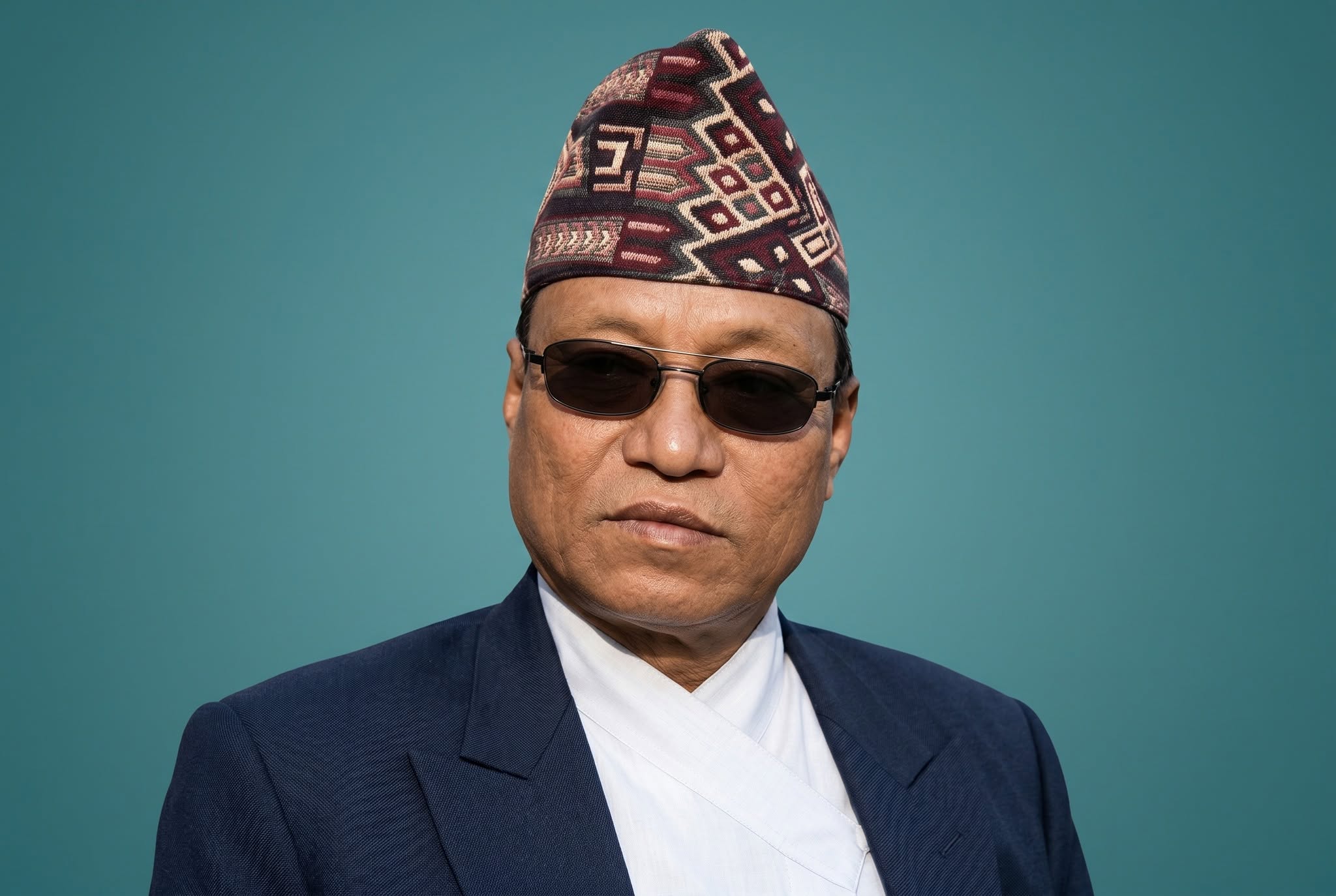
Pandav Sunuwar (पाण्डव सुनुवार) was a celebrated Nepali folk singer and pioneering Radio Nepal RJ, admired for his soulful voice, natural humor, and radio programs that transformed Nepal’s broadcasting culture. Born on 2009 BS Poush 9 in Ragani, Okhaldhunga, he rose from the eastern hills to become one of Nepal’s most beloved musical voices.He entered the music field around 2030 BS with the song “Sapanabhari Hansirahunshu”, and went on to record dozens of evergreen folk hits including “Ainseluko Paat,” “Sakyo Nani,” “Shahrai Jaula Ni,” “Bhijyo Timro Rato Pachhyauri,” “Babari Phoolko Bot,” and many more that remain cultural staples across generations.His duet partnership with Vasudev Munal produced nearly five dozen songs, making them one of the most iconic duos in Nepali folk music history.As a Radio Nepal RJ, Pandab Sunuwar became a household name through programs like Phone‑In, Chautari, Jharna ra Jhankar, Sungabha, Indreni, and others. He is widely credited with introducing Nepal’s first Phone‑In program, a format later adopted by FM and TV stations nationwide. His warm, witty, and emotionally resonant voice made him a national favorite.He authored the book “Aaroh‑Avaroh”, documenting the evolution of Radio Nepal and Nepali broadcasting.Pandab Sunuwar passed away on 2063 BS Asoj 21 at King’s College Hospital, London, while undergoing treatment for liver cirrhosis. His artistic legacy continues through his children, including his son Simosh Sunuwar, a well‑known music video and advertising film director active in Nepal’s contemporary visual and commercial media industry.
Pandav Sunuwar
Radio Jockey [RJ], Folk Singer
Ganga Rana was one of Nepal’s most influential voices in adhunik (modern) music, celebrated for her effortless singing style and her rare ability to perform both modern and folk songs with equal mastery. Her patriotic songs, emotional depth, and artistic versatility made her a defining figure in Nepal’s musical history. She was not only a singer but also a composer and lyricist, contributing significantly to the creative evolution of Nepali music.Born on Poush 9, 1996 BS in Rumjatar, Okhaldhunga, to Champa Singh Gurung and Chandra Devi Gurung Rana, she moved to Kathmandu at a young age with her elder sister and brother‑in‑law to pursue her education. However, her passion for music soon took precedence. While studying at Gaushala Adhar School, Chabahil, she actively participated in singing, dancing, and acting—laying the foundation for her artistic journey.Ganga Rana recorded her first song at Radio Nepal at age 14, and by 2010 BS, she was working there professionally. Her breakthrough moment came during the coronation of King Mahendra, where her performance captivated the entire audience. In 2011 BS, she gained national and international attention after singing a patriotic song to welcome Chinese Prime Minister Chou En‑lai during his visit to Nepal.She married Nur Pratap Rana in 2018 BS, and they had three children—sons Kundan Pratap and Amir Pratap, and daughter Rakshya Rana, who later became Nepal’s first female pilot.Throughout her career, Ganga Rana earned numerous honors:Gold Medal for acting from Nepal Rastriya Pustakalaya (2016 BS)2nd place in Radio Nepal’s Adhunik Singing Competition (2019 BS)1st place in the same competition (2020 BS)Awarded by King Mahendra for winning again in 2023 BSHonored for acting by the Cultural Association (2030 BS)Shree Panch Birendra Subharajyabhishek Padak (2031 BS)In 2049 BS, her husband established the Nurganga Puraskar Guthi in her memory, honoring artists from Lumbini every year.
Ganga Rana
Folk Singer, Singers & Vocalists
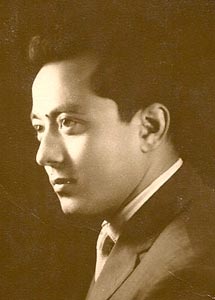
Pushpa Nepali (Born: 3 January 1932 AD – Died: 13 November 2001 AD) was a legendary Nepali singer, lyricist, and composer, celebrated for his powerful voice, disciplined artistry, and extraordinary contribution to the golden era of Radio Nepal. Born on Poush 19, 1988 BS in Kathmandu, he emerged as one of the most influential musical figures of his generation.He entered Radio Nepal in 2008 BS with a monthly salary of fifty rupees, marking the beginning of a remarkable musical journey. After serving for eight years, he briefly left the station, but his exceptional voice soon reached the ears of King Mahendra, who personally requested his return. Rejoining Radio Nepal, Pushpa Nepali resumed recording with renewed energy, and his voice quickly became one of the most admired in the country.By 2036 BS, he had recorded over 500 songs, establishing himself as one of the most prolific singers of his era. Alongside his vocal achievements, he also contributed around 25 lyrics and 25 musical compositions, all preserved as part of Nepal’s musical heritage.Pushpa Nepali’s artistry combined emotional depth, classical grounding, and cultural authenticity. His songs remain beloved across generations, and his influence continues to shape Nepali music long after his passing on Kartik 27, 2058 BS.
Pushpa Nepali
Singer/ Performer
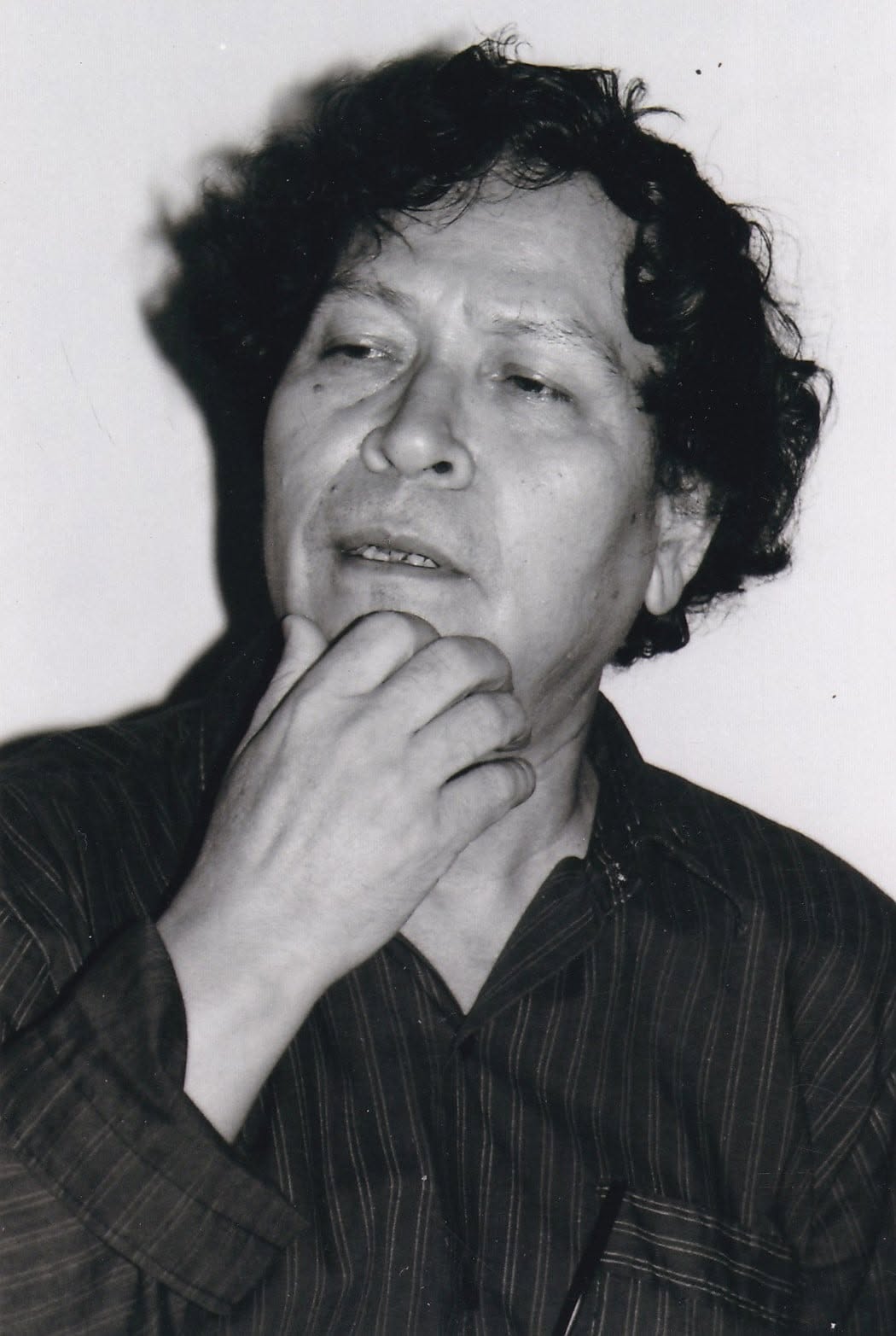
Manik Ratna Sthapit is a legendary Nepali singer and composer, widely admired for his expressive voice, refined musical discipline, and contribution to the development of Nepal’s modern musical era. Known for his smooth vocal delivery and deep melodic understanding, Sthapit became one of the respected voices who helped shape the sound of Nepali music during a transformative period.Emerging from a generation that valued classical grounding and cultural authenticity, Sthapit built his reputation through emotionally rich performances and compositions rooted in Nepali identity. His songs reflect clarity, balance, and a timeless melodic structure that continues to resonate with listeners and musicians.As a composer, he created works that blend traditional sensibility with modern musical expression. His compositions are known for their lyrical depth, elegant phrasing, and musical purity — qualities that earned him recognition among senior musicians, broadcasters, and cultural institutions.Throughout his career, Sthapit remained committed to artistic integrity. His influence extends across generations, inspiring singers, composers, and students who look to his work as a model of discipline, taste, and musical excellence.
Manik Ratna Sthapit
Music Director, Singer/ Performer
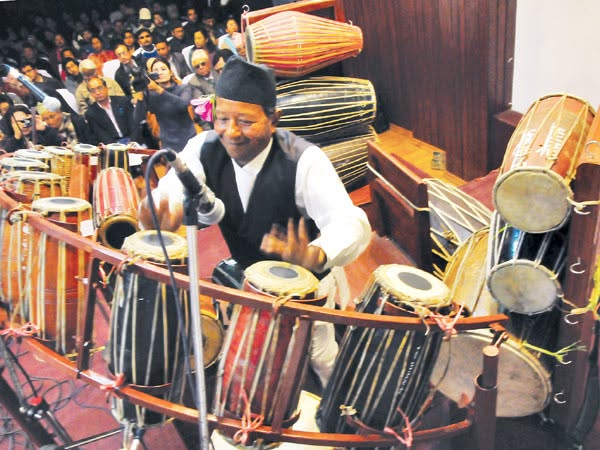
Nhuche Bahadur Dangol is a distinguished Nepali folk music educator, researcher, and multi‑instrumentalist, widely respected for his lifelong contribution to preserving and teaching Nepal’s traditional musical heritage. As an Associate Professor at Tribhuvan University, he has dedicated more than 36 years to teaching Nepali folk music, folk musical instruments, and traditional folk tunes to new generations of Nepali students.His career reflects a rare combination of academic depth, practical musicianship, and cultural stewardship. Dangol has played a central role in documenting, teaching, and transmitting the musical traditions of Nepal’s diverse ethnic communities. His classroom work, field knowledge, and performance experience have shaped thousands of young musicians, many of whom now serve as performers, teachers, and cultural ambassadors.Known for his mastery of multiple Nepali folk instruments, Dangol emphasizes authentic technique, historical context, and cultural meaning in his teaching. His approach blends scholarship, performance, and preservation, making him one of the most influential figures in Nepali folk music education.Through decades of service at Tribhuvan University, he has contributed to curriculum development, academic research, and the institutional recognition of Nepali folk music as a formal discipline. His work continues to strengthen the identity, continuity, and global appreciation of Nepal’s musical heritage.
Nhuche Bahadur Dangol
Musicians & Instrumentalists, Music Instructor, Madal - Dholak Player
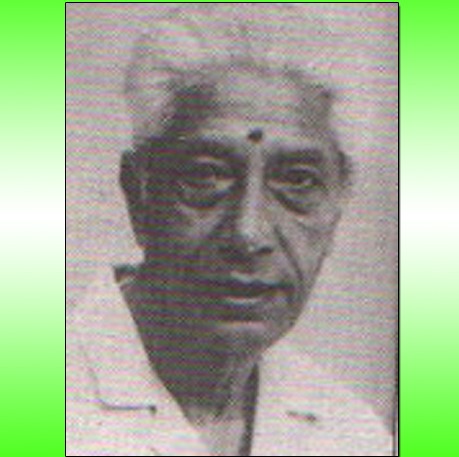
Laxman Lohani is a Nepali lyricist, poet, satirist, and playwright known for his patriotic songs, socially conscious poetry, and sharp political commentary. His writing blends folk emotion, national identity, and cultural storytelling, giving his work a distinctive voice in modern Nepali literature and music.As a lyricist, Lohani has written memorable songs rooted in Nepali life, rural sentiment, and emotional depth. His patriotic and social‑themed lyrics are recognized for their sincerity, clarity, and cultural resonance.As a poet, he creates lyrical and symbolic works that explore themes of nation, society, human emotion, and moral reflection. His poetry often highlights the struggles and aspirations of ordinary people.As a satirist, Lohani is known for bold and humorous critiques of political behavior, social hypocrisy, and leadership culture. His satire carries both wit and truth, making it powerful and memorable.
Laxman Lohani
Lyricist, Poet
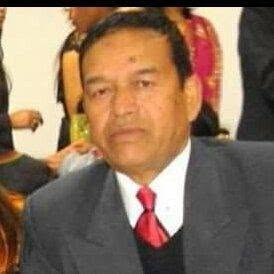
Ganesh Pariyar (1945 – 18 January 2021) was Nepal’s first music arranger, a pioneering composer, singer, and multi‑instrumentalist whose work laid the foundation of modern Nepali studio music. Beginning as a contractual instrumentalist at Radio Nepal in 2019 BS, he became a permanent musician in 2024 BS, introducing structured music arrangement to Nepali broadcasting for the first time.Before entering full‑time music, Pariyar served in the Nepal Army, rising to the rank of Havildar before resigning to pursue music professionally. A skilled violinist, saxophonist, guitarist, and folk instrumentalist, he played a central role in shaping the orchestral sound of early Nepali recordings.Across more than two decades at Radio Nepal, he contributed as an arranger, composer, vocalist, instrumentalist, and collector of lyrics and melodies. His disciplined musicianship and technical mastery helped elevate the quality of Nepali studio productions during a formative era.In 2050 BS, he joined Music Nepal as a Music Director and Arranger, influencing commercial music production and supporting countless singers and composers. His legacy remains foundational in the evolution of Nepali music arrangement.
Ganesh Pariyar
Music Arranger, Musicians & Instrumentalists, Folk Singer
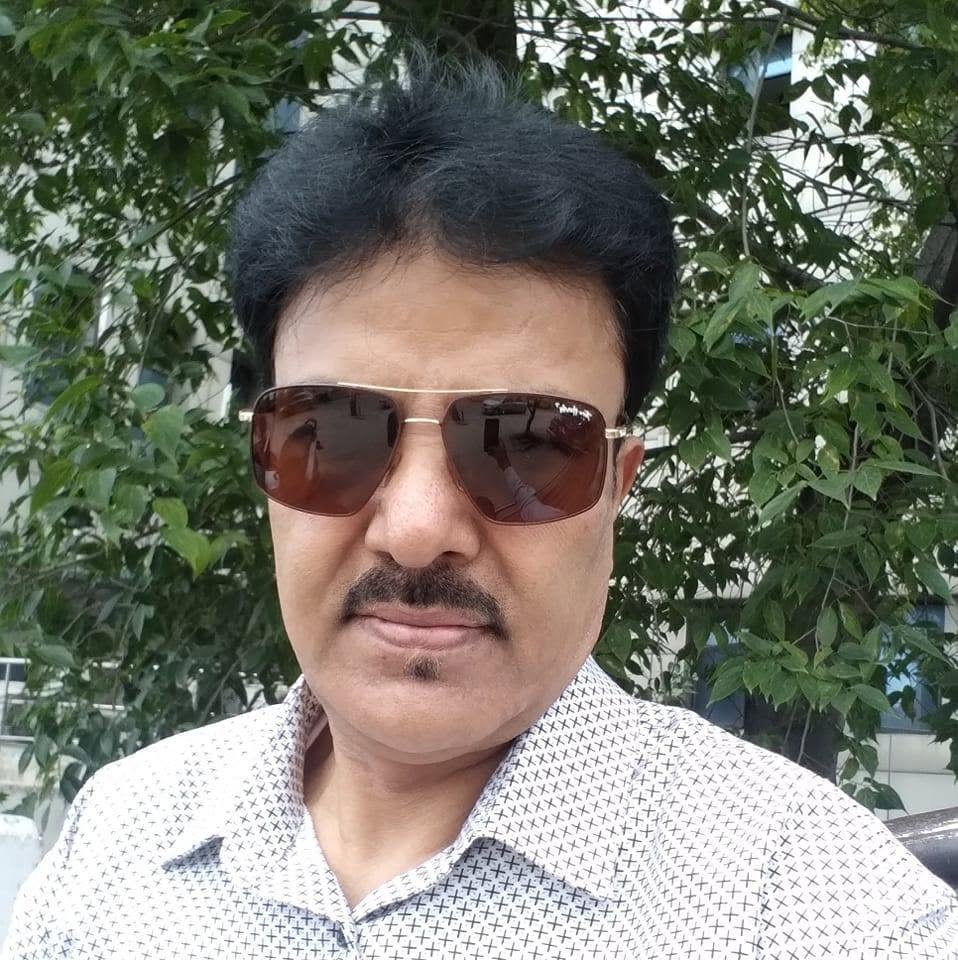
Pradeep Raj Pandey is a Nepali modern‑song vocalist known for his expressive singing style and recordings featured across Nepali audio labels and digital platforms. His notable songs include “Kina Aauchha Yaad,” “Kamjor Nasamjha,” and “Pathar Ko Mutu Banai,” which continue to circulate among Nepali listeners through radio, albums, and online music channels. His discography is also catalogued on AllMusic, reflecting his presence in the contemporary Nepali music scene. Although he maintains a low public profile, his recorded works have earned him recognition among modern Nepali music audiences.
Pradeep Raj Pandey
Singer/ Performer, Singers & Vocalists
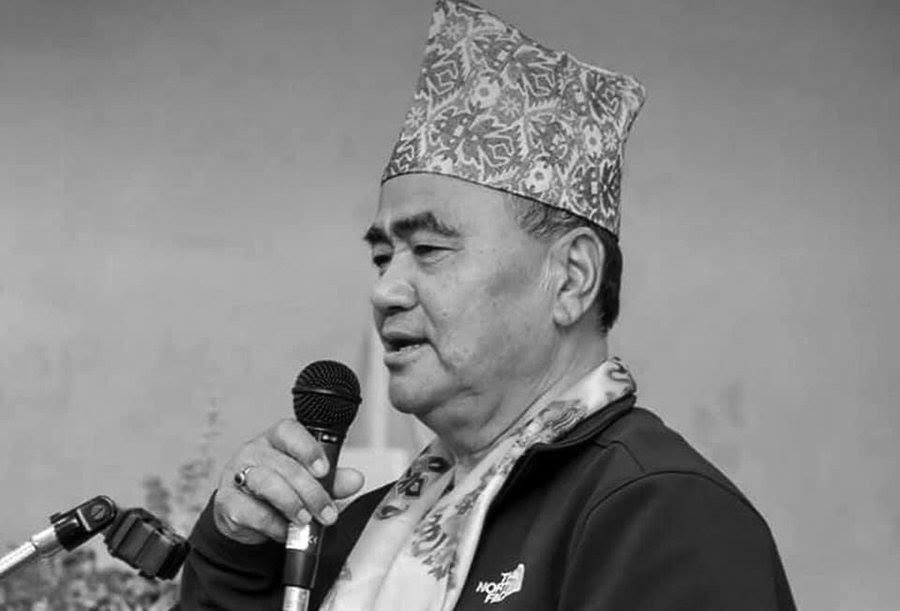
Madan Dipbim was a respected Nepali music composer, arranger, and singer, known for shaping the sound of modern Nepali music through his melodic, emotionally rich compositions. Born in Ilam, he built a long career creating songs that became staples of Nepali radio and cassette‑era music. He worked with Radio Nepal for several years, where many of his most popular works were recorded and broadcast nationwide.Across his career, Dipbim composed dozens of beloved songs, including “Surilo Rukh Sallai Ho,” “Timrai Yadma Kalpi Kalpi,” “Jhaskera Dukhchha Yo Mutu Mero,” and “Ke Bhul Bhayo Priya.” These songs remain widely recognized for their lyrical simplicity and heartfelt musical phrasing.In his later years, he lived in the United States with his daughter Mamata Dipbim, herself a singer, while continuing to remain connected to Nepali music and audiences abroad.Madan Dipbim passed away on April 22, 2019, in the United States due to a heart attack. His death was widely mourned as the loss of a gentle, influential, and melodically gifted figure in Nepali music.
Madan Dipbim
Music Director, Music Arranger
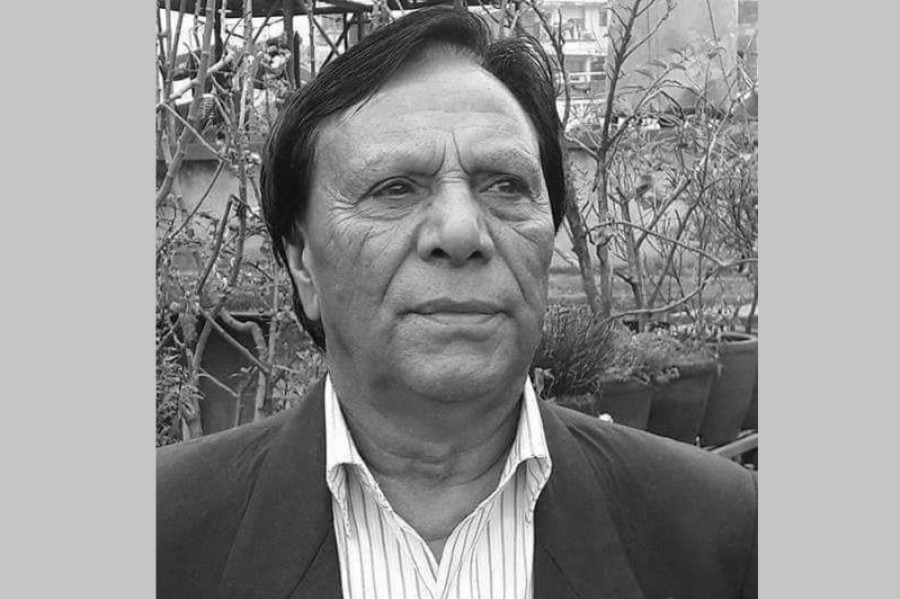
Bishwa Ballabh (born Ashoj 29, 2002 BS – died October 9, 2024) was a celebrated Nepali lyricist, poet, and Radio Nepal creator, known for writing more than 250 recorded songs that shaped modern Nepali music. Beginning his career as a teacher in Nuwakot, he later joined Radio Nepal, where he wrote and recorded iconic songs such as Bhagyale Khushi Khosera Lagyo, Shubhakamana, and Dherai Din Bho Timro Jhajhalko. He also hosted the popular program “Phulbari” and contributed to drama writing and direction. The younger brother of renowned writer Ishwar Ballabh, he remained an influential literary figure throughout his life. His passing at age 80 marked a significant loss to Nepali music and literature.
Bishwa Ballabh
Lyricist
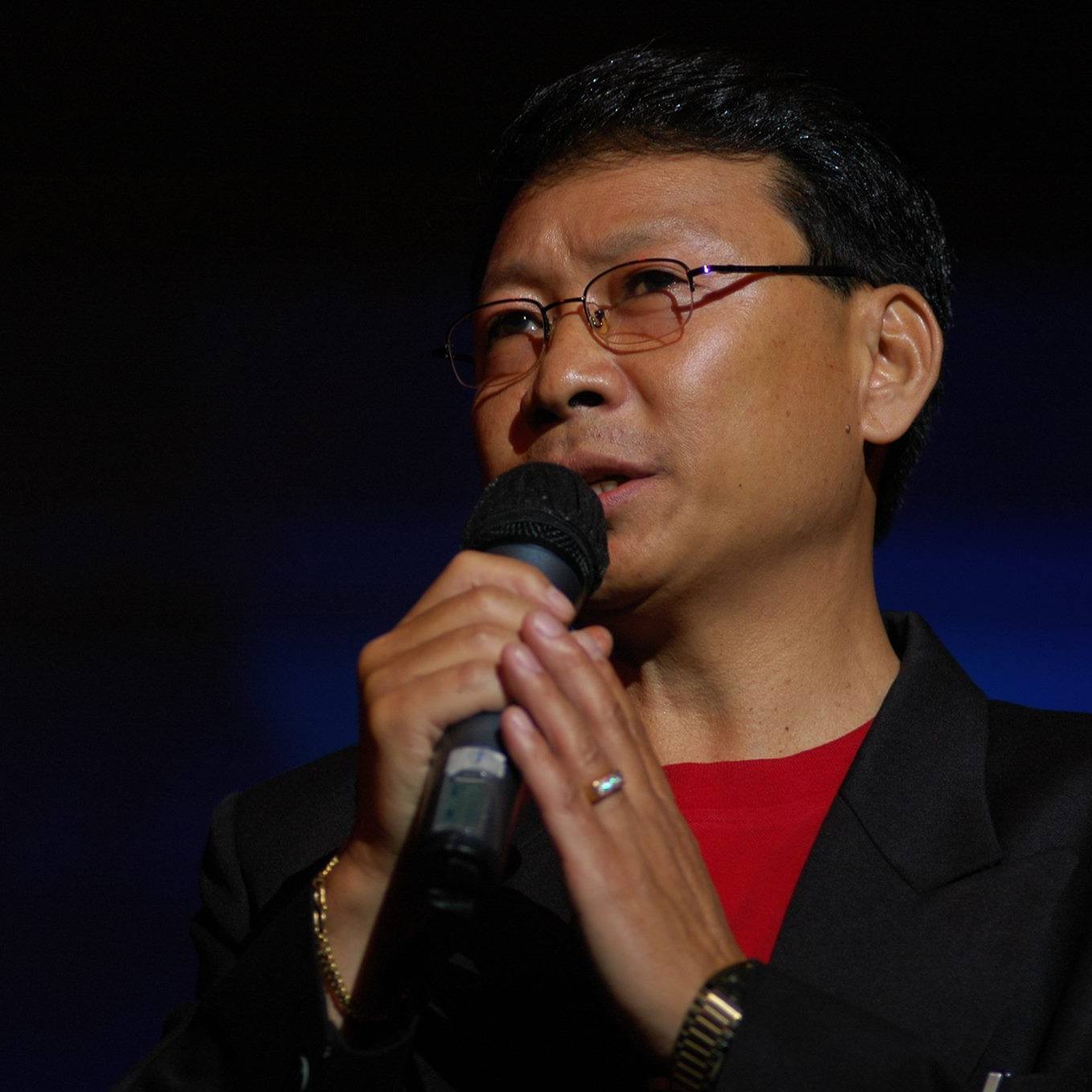
Shambhu Rai (शम्भु राई) is a legendary figure in Nepali music—a singer, songwriter, composer, and sarangi player whose work bridges traditional folk and modern styles. Born in Chungmang, Dhankuta, he rose to prominence in the 1980s and 1990s with his heartfelt lyrics and distinctive voice. Some of his most iconic songs include: “Chitthi Timilai Lekhu Bhanchu” “Yo Man Bhanchha Kaha Jau” “Chalechha Batas Sustari” “Aalu Dam Chana” He is also known for his mastery of the sarangi, a traditional Nepali string instrument, which adds a soulful texture to his compositions. Beyond performance, Shambhu Rai has contributed to the institutional development of Nepali music—he currently serves as the Vice Chancellor of the Nepal Academy of Music and Drama.
Shambhu Rai
Music Artists, Singer/ Performer
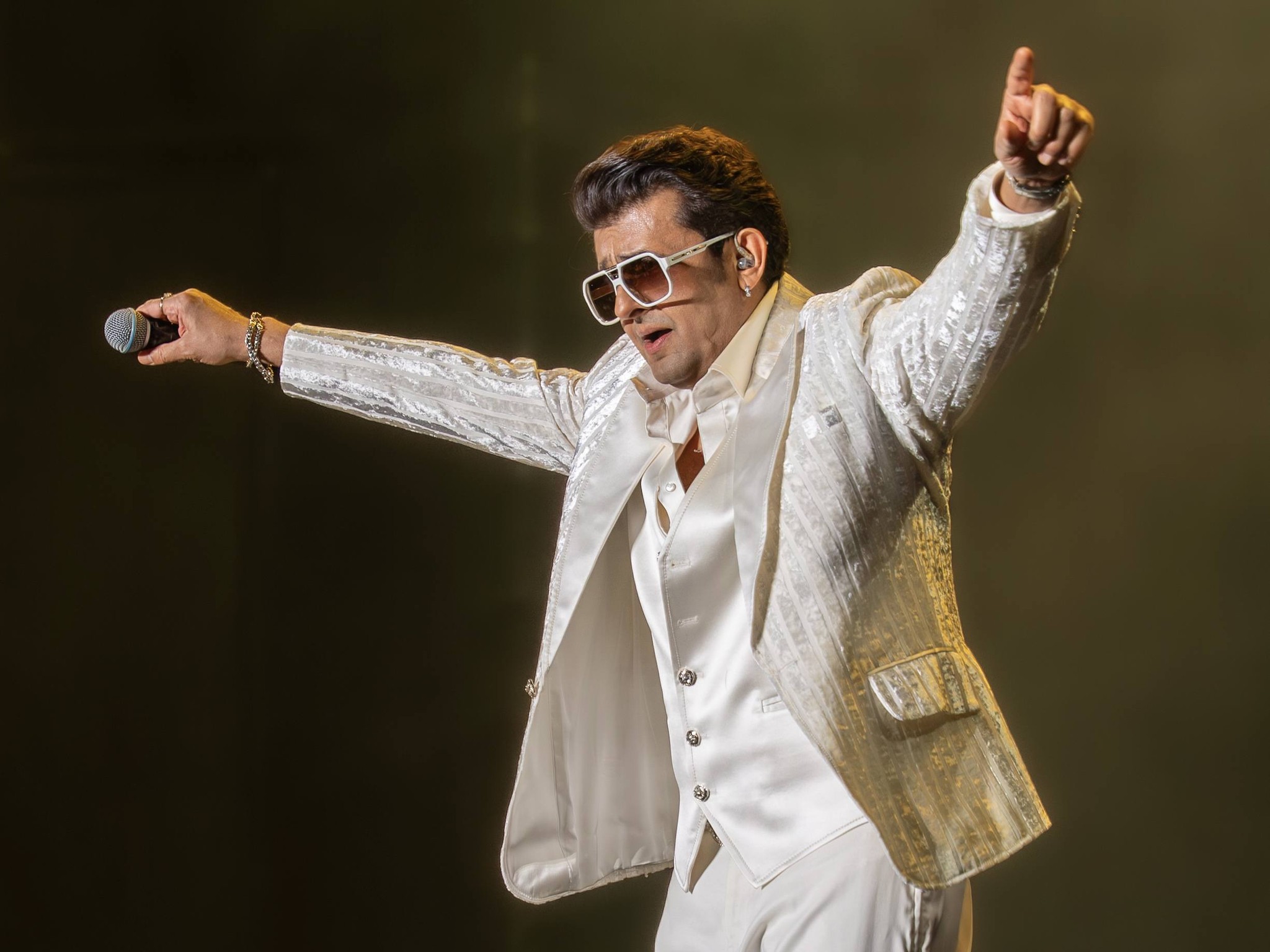
Sonu Nigam is an acclaimed Indian playback singer who has also contributed to Nepali cinema through a select number of modern and filmy songs. Known for his smooth vocal texture and emotional delivery, he became one of the few top‑tier Indian singers to record Nepali tracks during the 1990s and early 2000s, adding cross‑border appeal to Nepali film music. His Nepali songs, composed by leading Nepali music directors of the era, remain popular for their melodic richness and expressive vocal style.
Sonu Nigam
Playback Singer
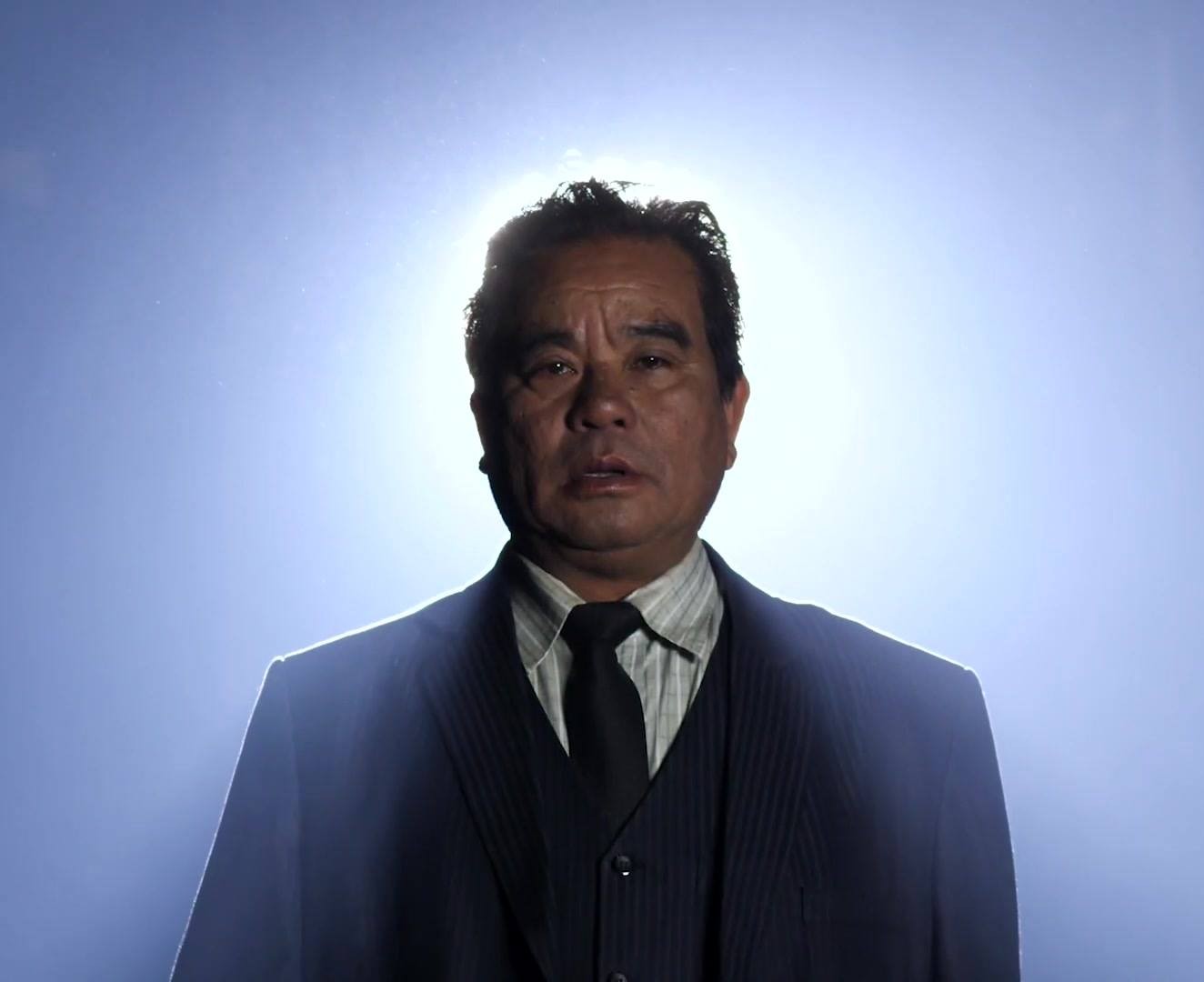
Jayananda Lama (1956–2020) was a respected Nepali singer, actor, and cultural contributor known for his powerful folk‑based vocal style and memorable performances in Nepali cinema. A graduate of Lalit Kala Campus and an advocate of Nepali folk heritage, he recorded numerous hit songs and appeared in several films, earning recognition for his natural acting and deep musical understanding. His work blended authenticity, humor, and cultural storytelling, making him one of the beloved figures in Nepali performing arts.
Jayananda Lama
Folk Singer, Film Artists
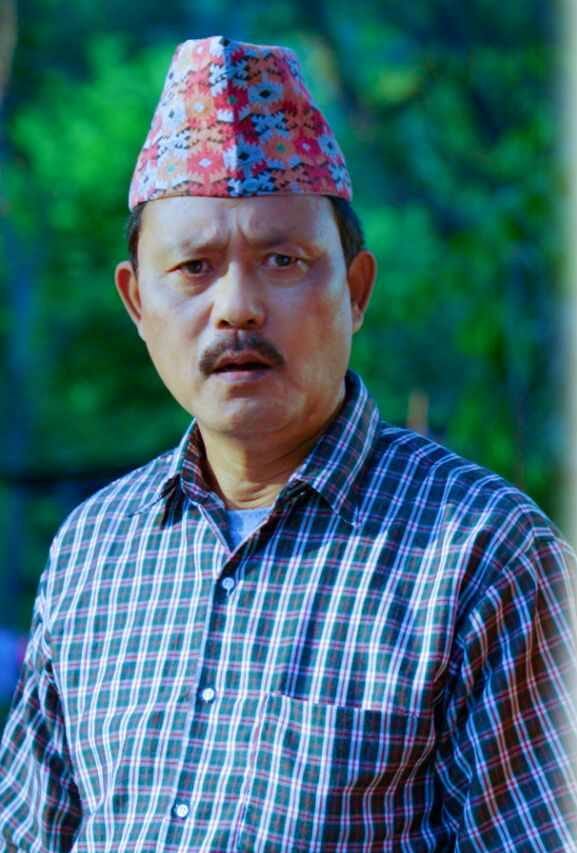
Purna Thapa is a renowned comedian, playwright, and radio program presenter and producer. He was born in Jhamshikhel in the year 2020 B.S. (1963/64 A.D.) to father Haribahadur Thapa and mother Subhalakshmi Thapa. Around 2031/32 B.S. (1974/75 A.D.), satirical performances like “Khirchor” and “Pagal Dance” were being staged in and around Jhamshikhel, Lalitpur. These performances gained significant popularity at the time. The artists behind them were Purna Thapa Magar and his friend Shri Om Shrestha. Among them, Purna Thapa remains a well-known figure in the arts even today. His artistic journey, which began during that period, continues to this day. Purna studied up to Grade 10 at Tika Vidyashram School in Lalitpur and completed his Bachelor's degree in Arts from Patan Campus. Alongside acting, he has also worked in writing and directing. In 2041 B.S. (1984/85 A.D.), he got the opportunity to act in his first radio drama.
Purna Thapa
Actor, Character Artists, Performing Artists
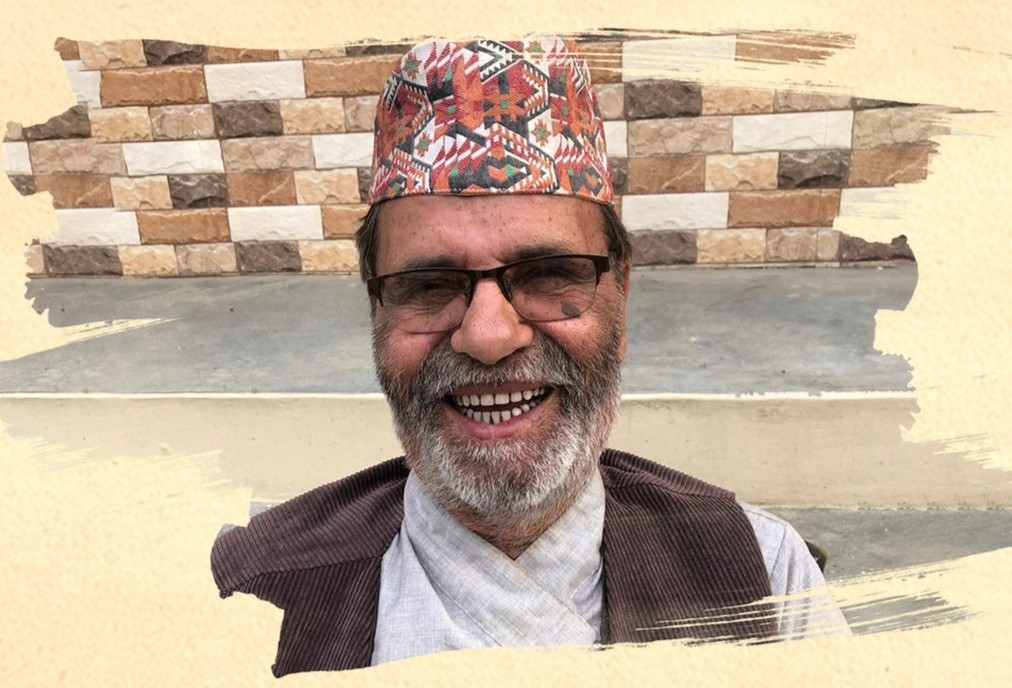
Lokmani Sapkota is a Nepali actor, director, and audio‑drama specialist whose career spans radio, theatre, television, and cinema. He began his artistic journey through Radio Nepal, where he directed and performed in numerous acclaimed radio dramas such as Aadambar and Ani Bajchha Sahanai, establishing himself as a prominent voice‑actor and drama director.Transitioning from radio to stage, Sapkota expanded his craft into theatre performance and direction, later moving into television series and eventually feature films. His screen credits include roles in Gaunthali (2001) and The Puppet (2021), reflecting his shift from audio‑based storytelling to on‑screen acting.With a career rooted in classical Nepali radio drama and strengthened by decades of multi‑platform performance, Sapkota remains recognized for his versatility across voice acting, stagecraft, and film.
Lokmani Sapkota
Theatre Artists, Film Artists
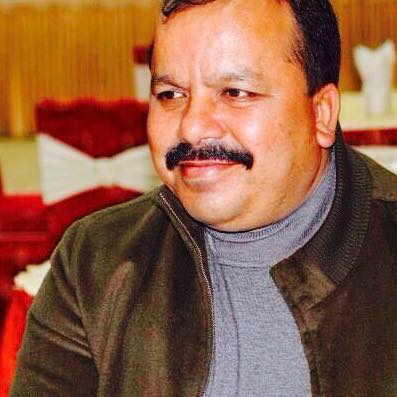
Umesh Pandey is a Nepali playback singer whose voice defined the popular film songs of the 2050s era, a time when audiences often went to cinema halls because of hit songs. Known for delivering melodies that instantly connected with listeners, Pandey rose to prominence with evergreen numbers such as “Rato Tika Nidharma Talkyo…”, which remain widely loved across generations.Pandey began his musical journey while studying at RR Campus in 2034 BS, where his close circle included singer Rabin Sharma and actor Bhuwan KC. Later, during his studies at Tri‑Chandra Campus, he became associated with noted musicians Shakti Ballav, lyricist Rajendra Paudel, and Prakash Shrestha. After passing the Radio Nepal test, he recorded his first song on 24 Poush 2036 BS, “Nai Bhanchhau Bhan…”, written by Vishwambhar Byakul and composed by Sambhujeet Baskota, at the age of 19.In 2039 BS, Pandey secured third place in the nationwide talent hunt “Pratibhāko Khoji,” organized by Ratna Recording Sansthan, earning him the opportunity to record professionally at a time when gramophone recording was considered a major achievement.His breakthrough came in the 2050s with Sambhujeet Baskota and director Ashok Sharma, who introduced him to film music through Nirmaya, where he sang “Meri Maya Saanchen Hai Ropi…” with Ramana Shrestha and Devika Pradhan. The massive success of “Rato Tika Nidharma Talkyo…” from Sharma’s film Allare established him as a leading playback voice. This success led to further hits, including “Goli Sisako…” (Gaunle), “Ma Bharma…” (Mr. Ramkrishna), and popular songs from films such as Aadhar, Naulothau Pari, Dharmaputra, Khatabah, Mitini, Jwalamukhi, and Saiyanji.Over his career, Umesh Pandey recorded songs for more than 25 films, with most becoming audience favorites. His expressive, melodic singing style made him one of the defining voices of Nepali cinema’s golden musical era.
Umesh Pandey
Singer/ Performer
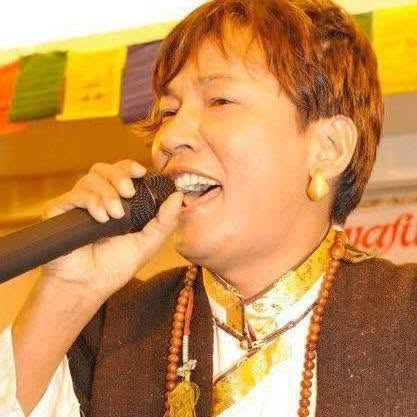
Prem Lopchan is a respected Nepali folk and Tamang Selo singer, composer, dancer, and cultural artist from Bhuvagaun, Chautara Sangachokgadhi‑3, Sindhupalchok. Active for more than four decades, he is known for preserving and promoting Tamang musical heritage through soulful vocals, traditional rhythms, and dynamic stage performances. Born into a musically gifted family, he developed his craft from an early age and later gained national recognition through cultural programs during his service in Nepal Police. He continues to represent Tamang identity in Nepal and abroad, contributing significantly to folk music, dance direction, and cultural documentation.
Prem Lopchan
Folk Singer
Gitanjali Sunwar is a Nepali film artist/actress active in the late 1980s and 1990s, known for her roles in three notable Nepali feature films.
Gitanjali Sunwar
Film Artists
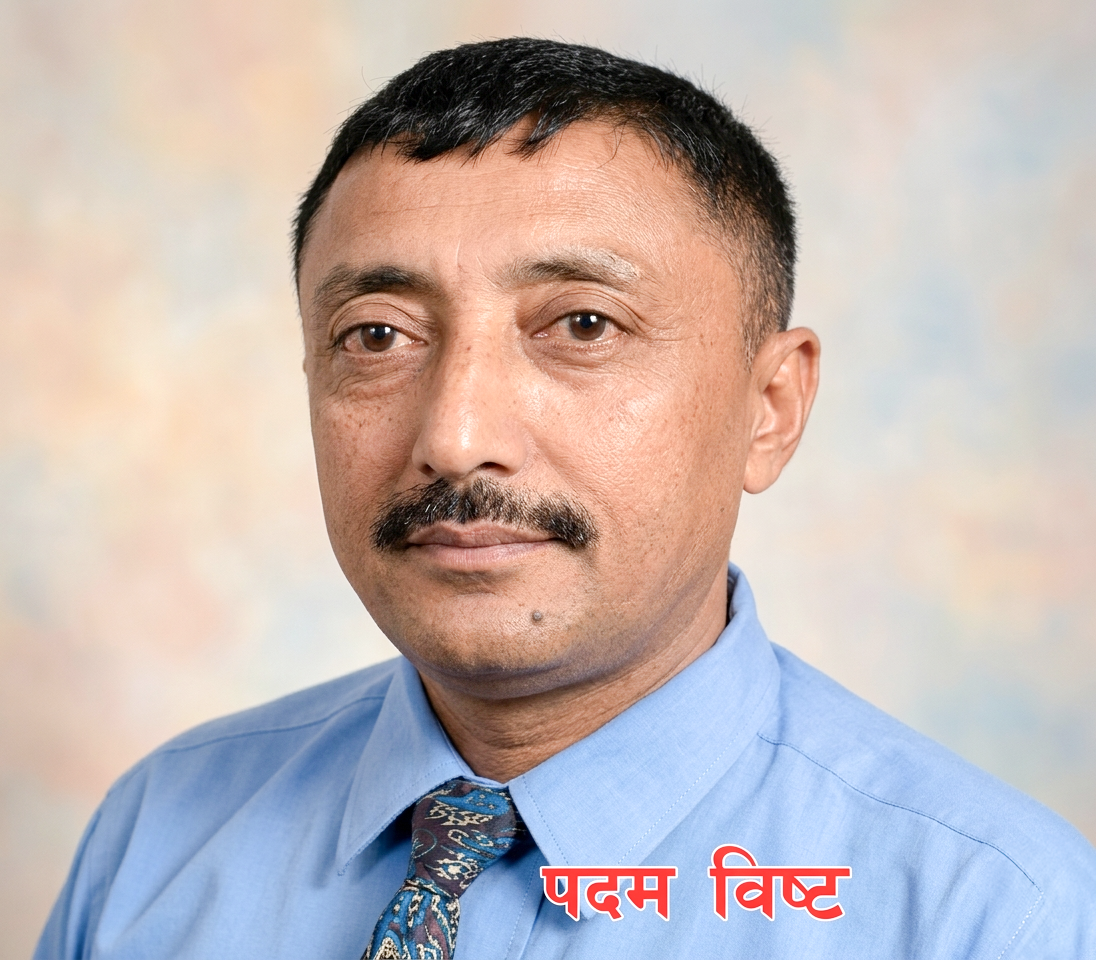
Padam Bista was a respected Nepali folk singer and a Nepal Police officer known for his dedication to preserving Nepal’s diverse musical heritage. A prominent figure of the cassette and Radio Nepal era, he traveled across regions, learning, collecting, and performing traditional melodies. He collected songs from Eastern Nepal to Western Nepal and helped preserve them in the treasury of Nepali folk music. His voice carried everything from eastern melodies to Tamang selo and western jhyaure songs. His powerful, earthy vocal tone and his ability to represent multiple regional styles made him a beloved figure among folk‑song listeners. Through stage performances, police cultural programs, and analog recordings, he brought rural stories and musical traditions to a national audience. Although digital records of his work are limited today, his songs continue to be remembered with respect and nostalgia by those who grew up listening to him.
Padam Bista
Folk Singer

Parvati Adhikari is a former Nepali film actress who was active in Nepali cinema during the late 1988s and 2000s. She is remembered for her appearances in several notable Nepali films of that era, including Bhumari, Pheri Bhetaula, Kasturi, Soltini, Garib, Dautari, and Bahadur.During her active years in the Nepali film industry, Parvati Adhikari worked alongside many popular actors and filmmakers of the time. Her performances in social and family-oriented films helped her gain recognition among audiences during the golden period of 1990s Nepali cinema. Although she was not frequently seen in mainstream media after the late 1990s, her contribution to Nepali films remains part of the industry's archival history.Apart from cinema, Parvati Adhikari has also been associated with the Nepali artistic community abroad. She has been linked with the Belgium-based organization “Euro Nepal Kalakar Sangh,” where she served in a leadership role supporting Nepali artists and cultural activities within the Nepali diaspora community.
Parvati Adhikari
Actress
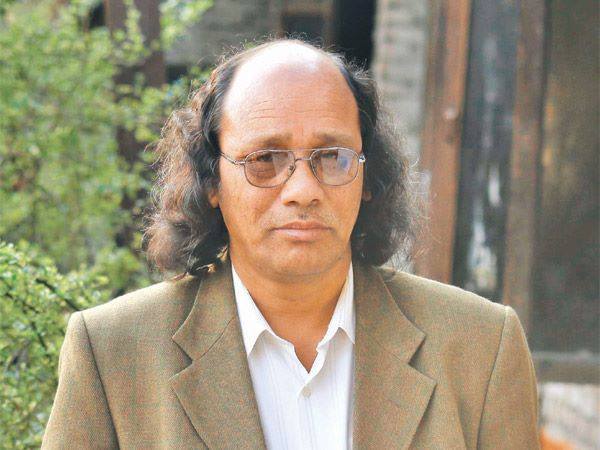
Saru Bhakta (born 1955), pen name of Bhakta Raj Shrestha, is a celebrated Nepali novelist, playwright, poet, and songwriter, honored with the Madan Puraskar for his landmark novel Pagal Basti, widely regarded as a classic of Nepali literature. A leading figure in post‑1970s Nepali writing, he introduced psychological depth, postmodern narrative techniques, and experimental dramatic forms. He has also contributed significantly to Nepal’s cultural institutions, serving in the Nepal Academy and as Chancellor of the Nepal Music and Drama Academy, while founding multiple literary and theatre organizations in Pokhara.
Saru Bhakta
Poet, Novelist, Playwright, Songwriter