

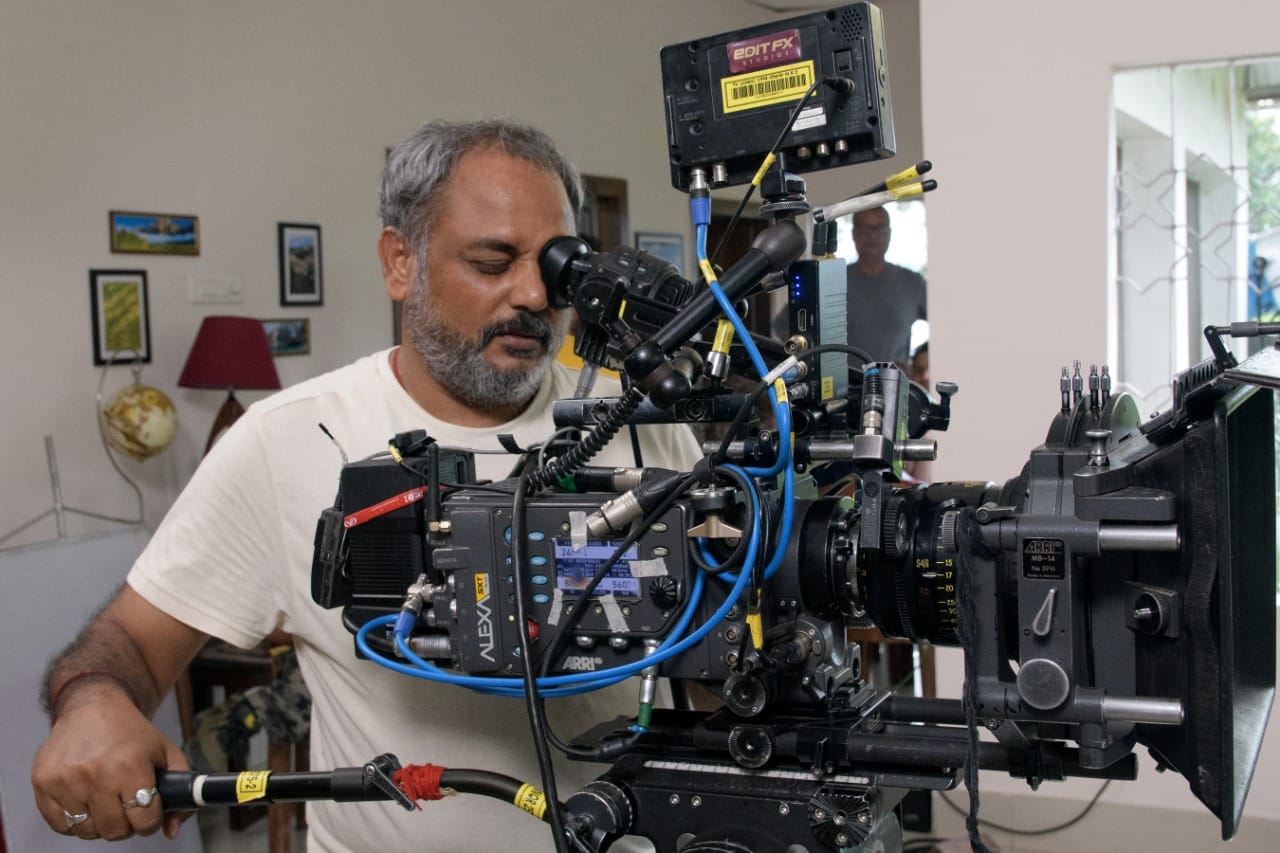
Suvendu Raj Ghosh
@suvendu-raj-ghosh · Film Director
Suvendu Raj Ghosh is a Nepali film director and storyteller known for his clean visual style, emotional narratives, and character‑driven filmmaking. Active in contemporary Nepali cinema, he focuses on stories rooted in aspiration, personal struggle, ...
Biography
Suvendu Raj Ghosh is a Nepali film director and storyteller known for his clean visual style, emotional narratives, and character‑driven filmmaking. Active in contemporary Nepali cinema, he focuses on...
Personal Info
Career Highlights
1
Films
—
Awards
19 yrs
Experience
—
Rating
Similar Artists
Artists you might also like

Yam Thapa is a Nepali film writer and director known for his work across story, screenplay, dialogue, and direction in modern Nepali cinema. Active since 2014, he has contributed to several notable films, including Kohinoor (screenplay, dialogue), K Ma Timro Haina Ra (screenplay), and the acclaimed Blind Rocks (story). His breakthrough as a director came with Hurray (2018) and Rajja Rani (2018), followed by the emotional drama Meri Mamu, where he served as both writer and director.Thapa’s recent works include writing and directing the upcoming film Lalibazar (2026), and contributing story, screenplay, and dialogue to titles such as Paraan (2025) and Anjila (2025). His storytelling blends social realism with emotional depth, making him one of the consistently active multi‑disciplinary creators shaping contemporary Nepali cinema.
Yam Thapa
Screenwriter/Script Writer, Film Director
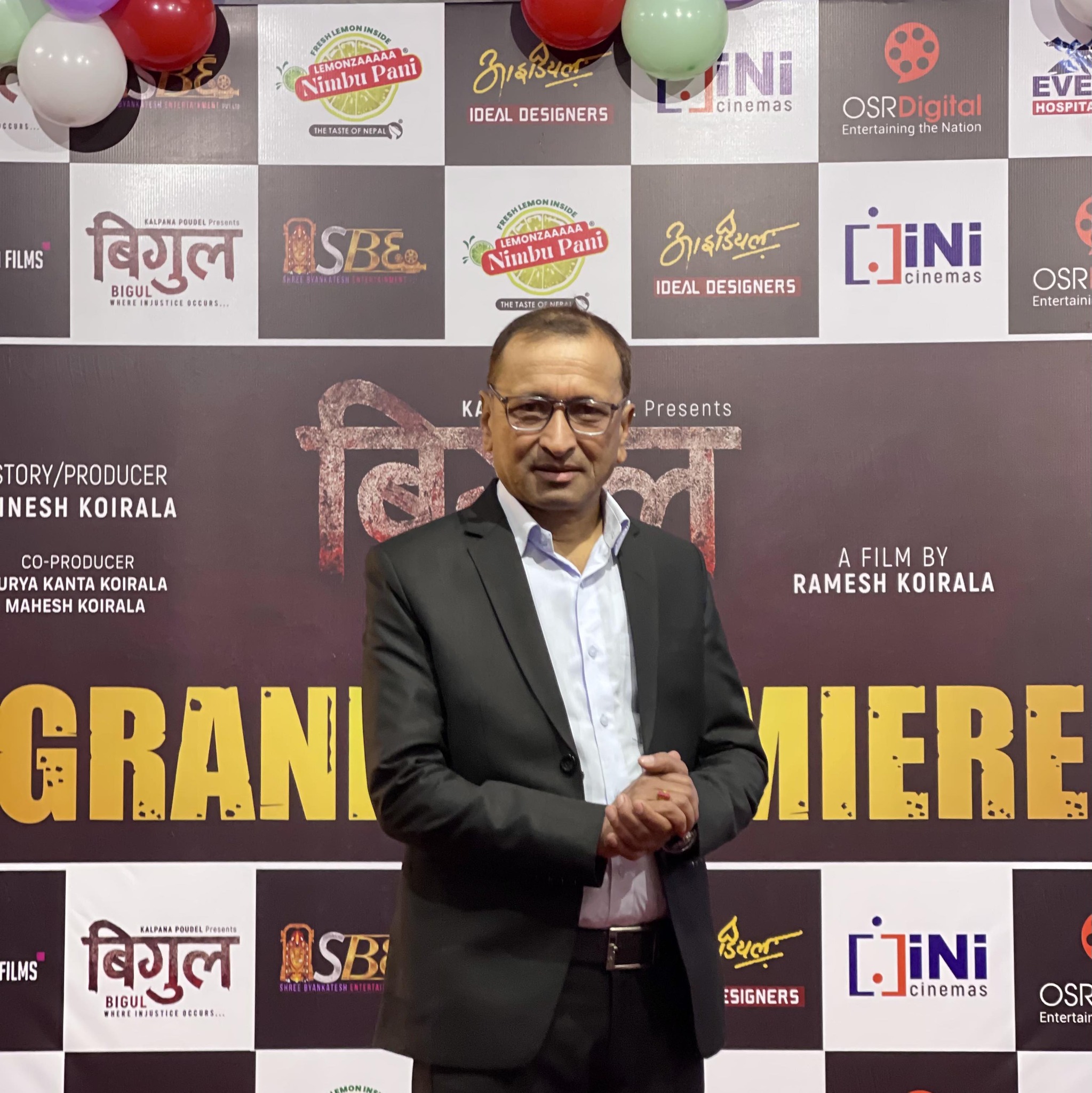
Ramesh Koirala is a Nepali film director recognized for his grounded approach to storytelling and his focus on emotional realism. Active in Nepal’s evolving film landscape, he has contributed to projects that highlight social themes, personal journeys, and relatable Nepali experiences. Koirala’s direction emphasizes clarity, performance‑driven scenes, and strong narrative structure, establishing him as a thoughtful voice in modern Nepali filmmaking.
Ramesh Koirala
Film Director
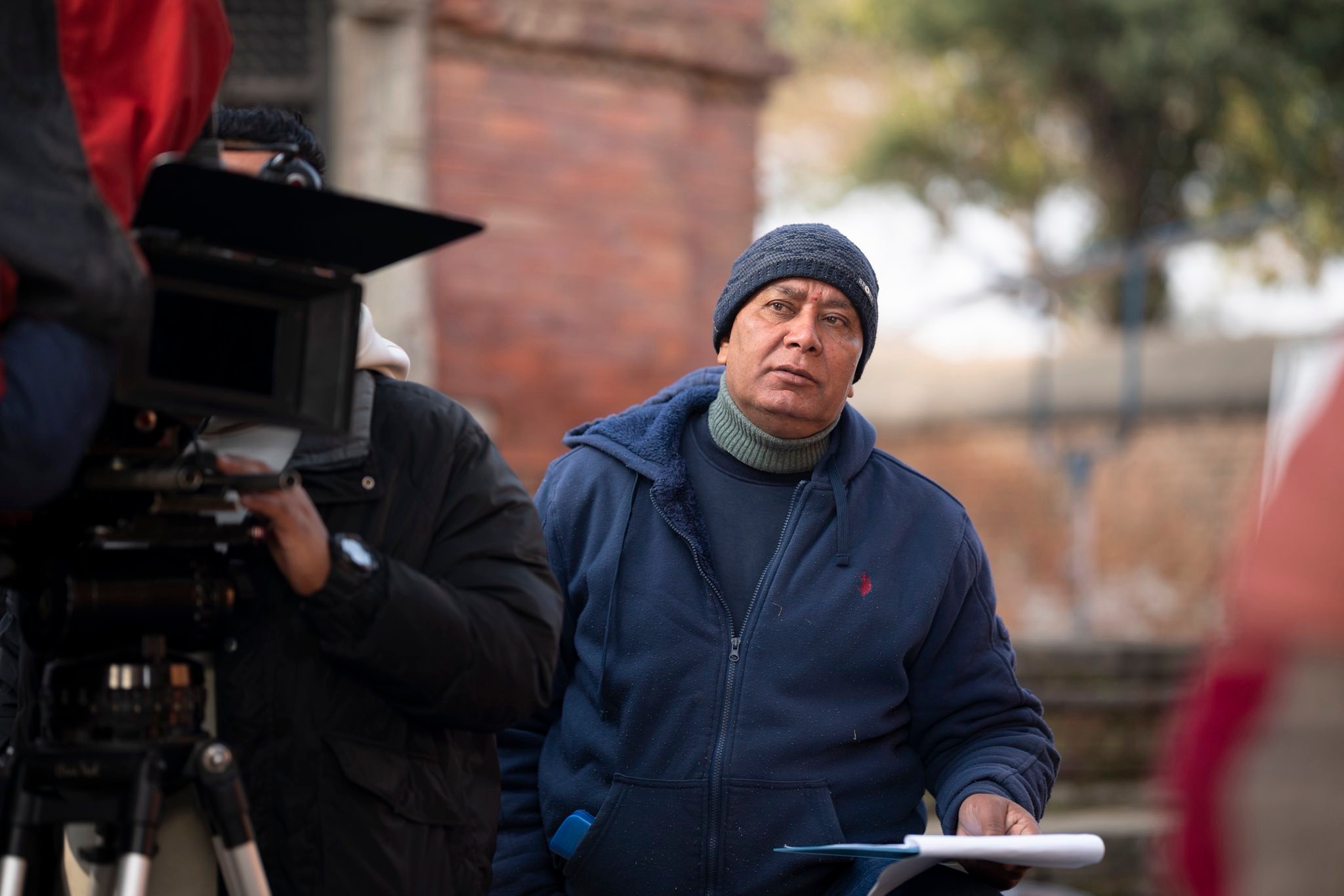
Gyanendra Bahadur Deuja is one of Nepal’s most influential film directors, screenwriters, and visual innovators, celebrated for introducing new cinematic techniques and for directing some of the most culturally significant films in Nepali cinema. Active since 1997, he is known for blending social issues, emotional storytelling, and technical experimentation in his films.Before entering cinema, Deuja served as a Deputy Director at Nepal Rastra Bank, balancing a parallel career in banking and filmmaking—an uncommon achievement in the industry. His artistic foundation began at Aarohan Theatre (now Gurukul), where he trained alongside respected Nepali actors and directors.His mentor, senior director Resh Raj Acharya, guided him through early work as chief assistant director in major tele-serials and films such as Sparsh, Dushman, Aama, Bandhan, and Tuhuro.
Gyanendra Bahadur Deuja
Film Director

Samundra Bhatta is a Nepali filmmaker, director, and writer known for her bold storytelling and cultural depth. A graduate of Toronto Film School, she made her directorial debut with Aadha Page (2016), a romantic drama. Her breakthrough came with Gunyo Cholo: The Dress (2024), a powerful film exploring gender identity and social stigma, starring Najir Husen. The film was selected for the prestigious Photo Film Market in Seattle, USA, gaining international attention. Bhatta’s work blends traditional Nepali themes with contemporary narratives, reflecting her commitment to inclusive cinema. As a rising voice in South Asian film, she continues to challenge norms through visual storytelling.
Samundra Bhatta
Film Director, Film Artists