
Explore Artists
Browse through 2,037 talented actors, musicians, dancers, filmmakers and creative professionals from Nepal.
2,687
All Artists
197
Actor
224
Actress
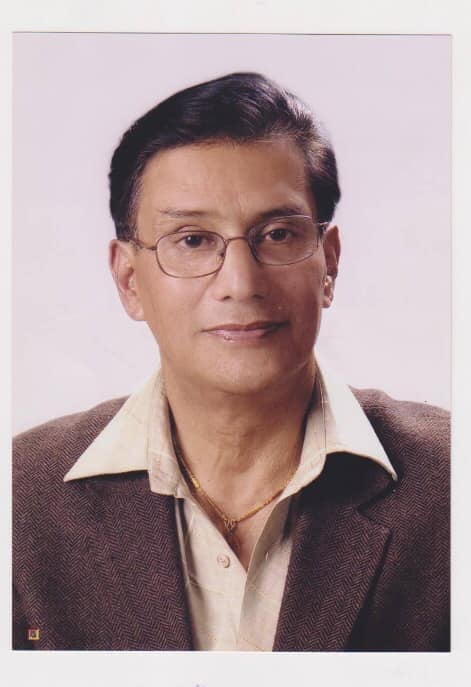
Dhruba KC (2003–2077 BS) was a pioneering Nepali modern singer, composer, and radio personality whose soulful voice left an indelible mark on the golden era of Nepali music. Born in Kathmandu to Yagya Bahadur KC and Padam Kumari KC, he began singing at Radio Nepal as a child in 2010 BS and quickly rose to fame with evergreen hits like “Mayalu Hazur Hunchan,” “Narou Narou Saili,” “Timro Maya Kagajko,” and “Aru Kalo Rail Ko Dhuwale.” He was also a music composer, lyricist, and one of Nepal’s first jingle creators, and even performed for King Mahendra, who awarded him a gold medal. Dhruba KC was the uncle of actor Bhuwan KC and remained a respected figure in the industry until his passing in 2021 due to Parkinson’s disease. His legacy lives on through his timeless melodies and his pioneering role in shaping modern Nepali music.
Dhruba KC
Music Artists, Folk Singer
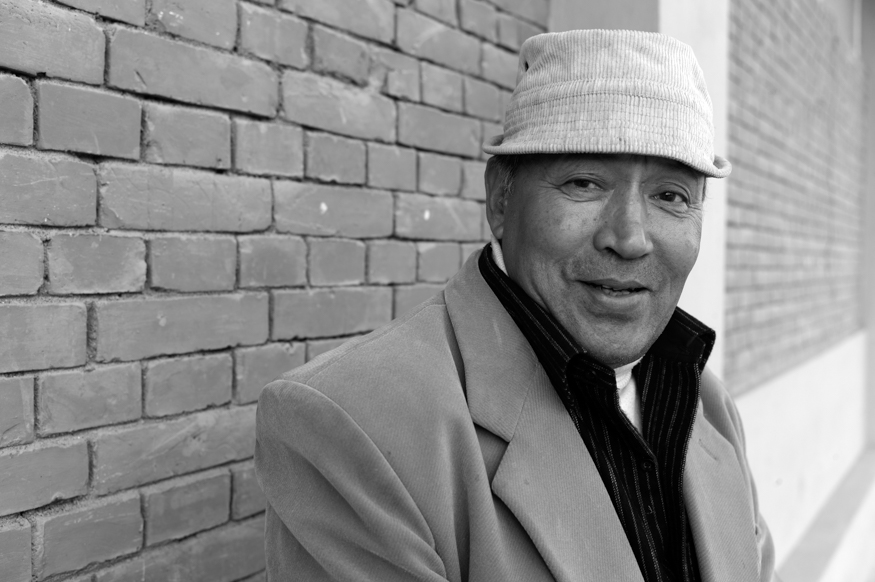
Gautam Ratna Tuladhar is a respected Nepali visual artist and veteran film actor, widely recognized as the first color‑film villain of Nepali cinema for his memorable performance in Nepal’s first color feature film Kumari (1977). A multi‑talented figure, Tuladhar built a parallel career as a वरिष्ठ चित्रकार (senior painter) while establishing himself as a powerful screen presence across dozens of Nepali films.Emerging from Kathmandu’s artistic community, Tuladhar became known for his expressive face, controlled intensity, and ability to portray layered antagonists with dignity and emotional depth. His role in Kumari marked a turning point in Nepali film history, introducing a new visual era and giving him a lasting place in the industry’s foundational narrative.Beyond cinema, Tuladhar was deeply active in Nepal’s theatre movement. During the early BS 2040s, he performed in numerous stage productions under the Sanskriti Sansthan, contributing to a generation of socially conscious, performance‑driven Nepali theatre. His stage work strengthened his craft and shaped his reputation as a disciplined, versatile performer.Across film, theatre, and visual art, Gautam Ratna Tuladhar is remembered as a multi‑disciplinary artist whose contributions helped define the early aesthetic and emotional language of modern Nepali storytelling.
Gautam Ratna Tuladhar
Professional Painter, Film Artists, Film & Theatre, Traditional Artist
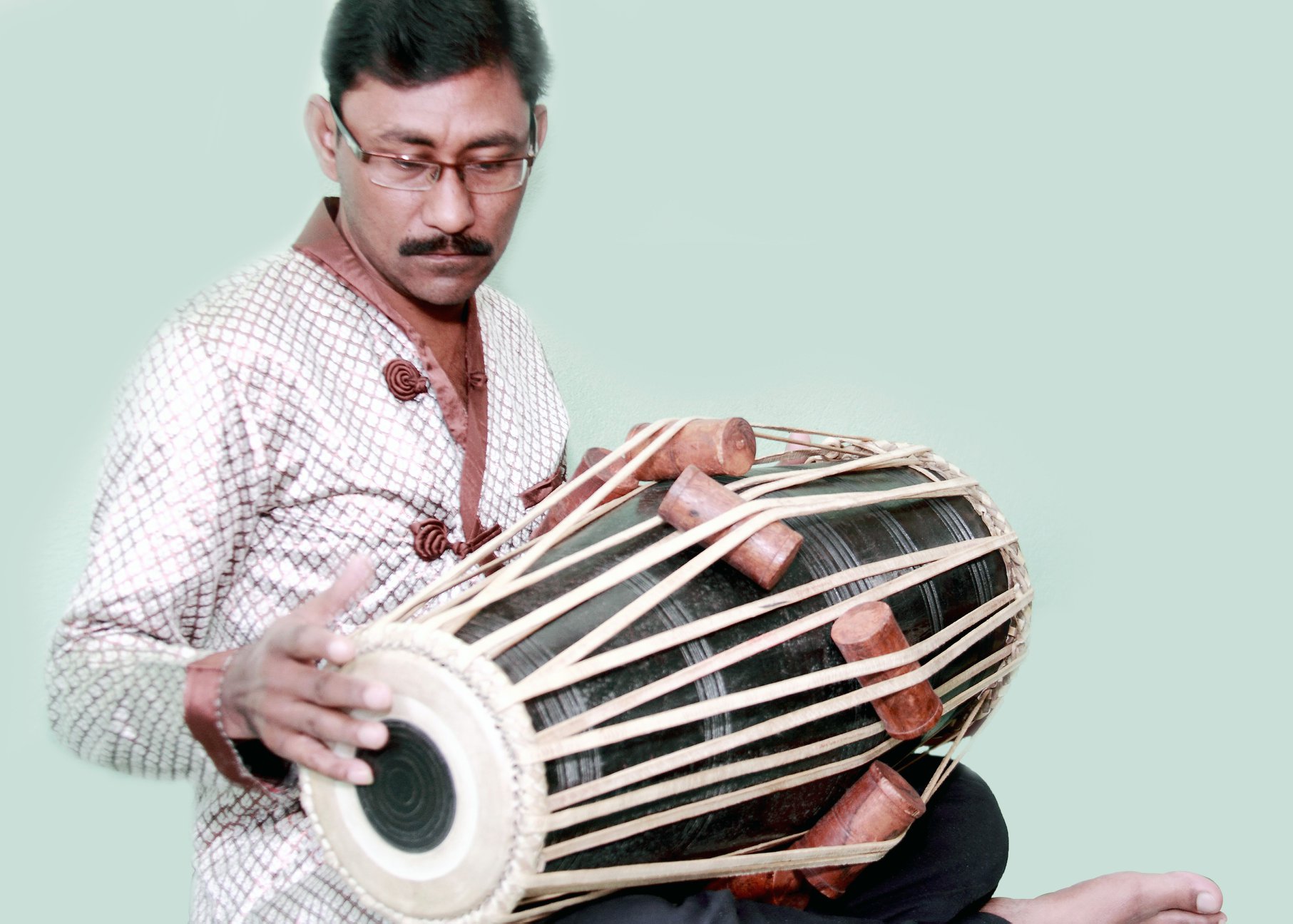
Rabin Lal Shrestha is a Nepali tabla virtuoso and music educator known for his contributions to classical and devotional music in Nepal. Born in Kathmandu, he has been a leading figure in preserving and teaching the tabla tradition for several decades, both as a performer and as a mentor to young musicians. Key facts Birthplace: Kathmandu, Nepal Primary Instrument: Tabla Teaching Position: Lalit Kala Campus, Bhotahiti (since 1989) Notable Albums: Tabla Solo, Grand Rehearsal Collaborations: Suresh Raj Bajracharya (sarod), Prabhu Raj Dhakal (vocals) Musical training and influences Shrestha began studying tabla at the age of ten, inspired by bhajans sung by his father. His early training was under Sadhuram Manandhar, followed by advanced tutelage from Ganesh Raj Wonta, Nara Raj Dhakal, Homnath Upadhyaya, and Sambhu Prasad Misra. This diverse lineage grounded him in the North Indian classical tradition while connecting it to Nepal’s own devotional music culture. Teaching and mentorship Since joining Lalit Kala Campus in 1989 after three years at Holy Garden School, Shrestha has educated generations of students through structured intermediate and diploma programs. His classes maintain a rigorous schedule, emphasizing rhythm discipline and improvisational skill. He is regarded as a key figure in institutionalizing tabla education in Nepal. Performances and recordings Beyond teaching, Shrestha regularly performs at Kathmandu’s Hotel Vajra in a long-running program titled Dafa. He has toured internationally—including performances in Europe with sitarists Tarabir and Bijaya Vaidya—and released two albums: Tabla Solo, accompanied by his instructional book Dafa, and Grand Rehearsal. His work bridges traditional and contemporary interpretations of tabla music. Legacy Rabin Lal Shrestha continues to inspire Nepal’s younger generation of classical musicians. His dual role as performer and educator has made him a cornerstone of the country’s evolving Hindustani percussion scene, ensuring the tabla’s rhythmic heritage remains vibrant in modern Nepal.
Rabin Lal Shrestha
Musicians & Instrumentalists, Tabla Players
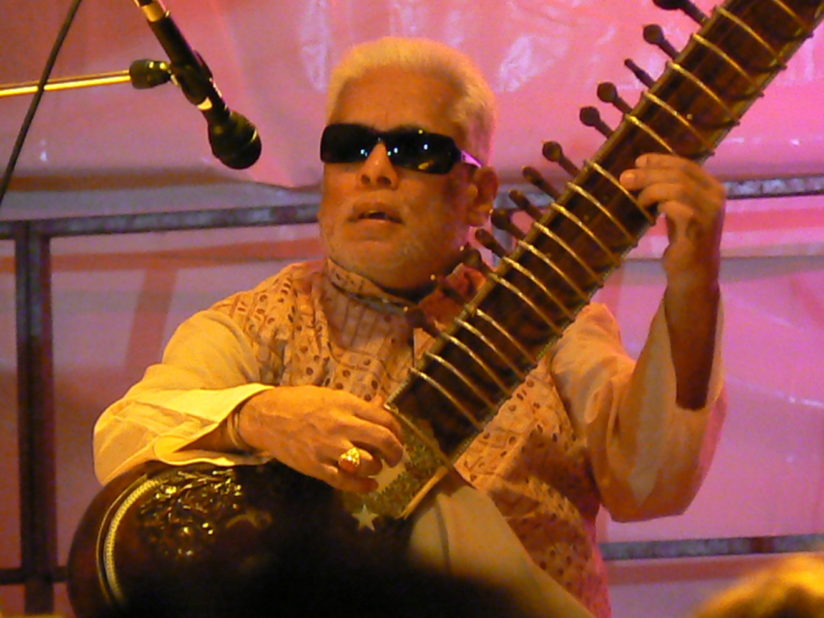
Narendra Bataju Narendra Bataju (died 2018) was a Nepali-born sitar and surbahar virtuoso renowned for his mastery of Hindustani classical music. A disciple of Ravi Shankar, he became an influential cultural bridge between South Asia and Europe through performance and teaching. Key facts Born: Kathmandu, Nepal (year not publicly documented) Died: September 2018, Paris, France Discipline: Hindustani classical (Maihar gharana) Instruments: Sitar, surbahar Based in: Paris since 1972 Early life and training Blind from birth, Bataju began learning sitar at age eight. He pursued formal training for a decade at the Conservatory of Music in Lucknow, India, earning a master’s diploma and two Grand Prizes. His prodigious skill earned recognition from Ravi Shankar, who praised his natural musicality and emotional sensitivity. Career and recordings Settling in Paris in 1972, Bataju performed for the Nepalese royal family and later across European concert halls and festivals, including the Centre Mandapa, the Musée du Quai Branly, and the Festival du Tibet et des Peuples de l’Himalaya. His recordings include Sitar: Râga Kirvani / Surbahar: Râga Gunkali (1975), Les Sitar et Surbahar de Narendra Bataju (1980), and Jog Kauns / Misra Pilu (2006). Collaborations and performances Bataju collaborated internationally, performing alongside the Egyptian oud player Hussein El Masry at Paris’s Cité de la Musique (1996) and appearing at cultural events such as France’s Festival de l’Inde. His cross-cultural work extended to Western artists, including contributions to Symphonie celtique (Tír na nÓg) by Alan Stivell. Legacy Celebrated as a pioneer of Indian classical music in France, Narendra Bataju inspired new generations of European and Nepali musicians through his teaching and emotive performance style. His artistry remains documented in a modest but significant body of recordings and archival radio broadcasts.
Narendra Bataju
Musicians & Instrumentalists
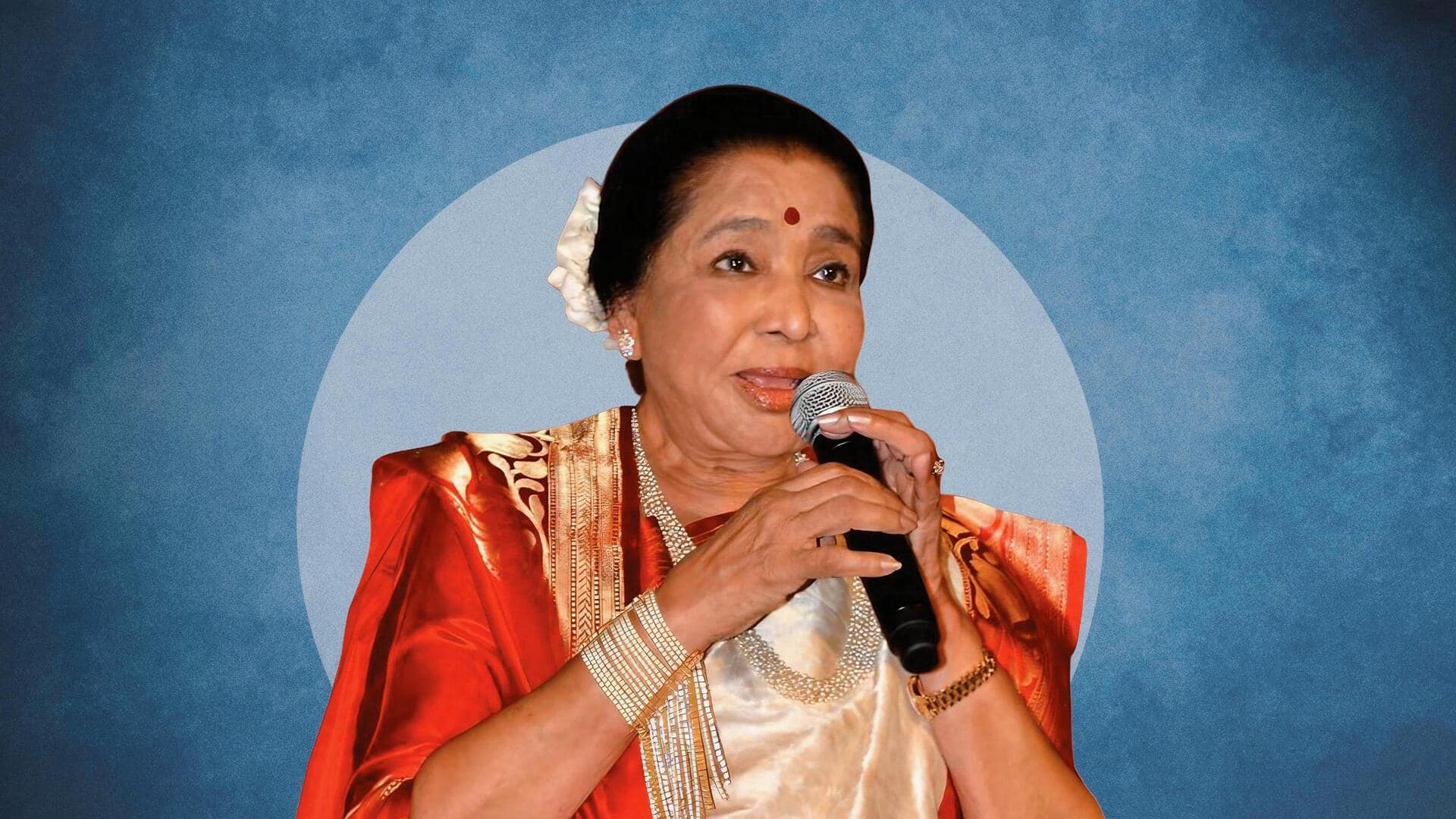
Asha Bhosle (born 8 September 1933) is one of South Asia’s most celebrated playback singers, renowned for her versatility across filmi, classical, ghazal, folk, and pop genres. Her connection to Nepal is rooted in her collaborations with legendary Nepali composer Ranjit Gazmer (Kancha Da), through whom she recorded several Nepali film songs. Her most iconic Nepali hits include “Mohani Lagla Hai” and “To Bachunjeli Lai” from the film Badalindo Aakash (1982), songs that remain evergreen in Nepal. With a Guinness World Record for most studio recordings and honors like the Dadasaheb Phalke Award and Padma Vibhushan, she holds a revered place in Nepali musical memory.
Asha Bhosle
Playback Singer
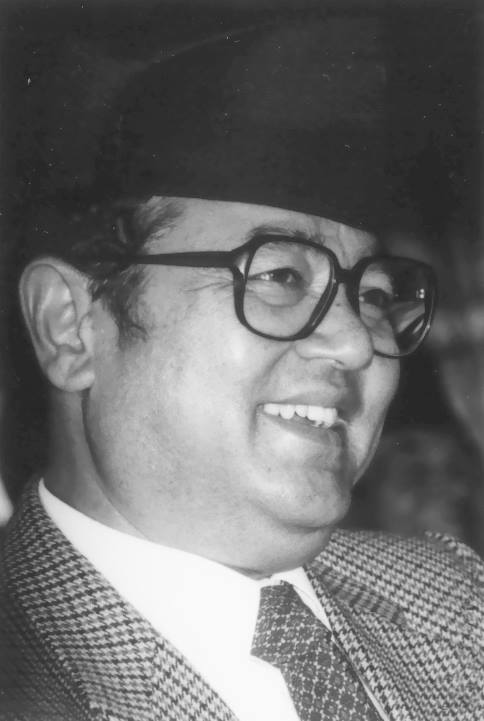
Bachchu Kailash is a celebrated Nepali singer, composer, and lyricist known for shaping the golden era of modern Nepali music. Rising to prominence in the 1960s and 70s, he introduced a poetic, introspective style that blended classical nuance with contemporary melody. His timeless songs like Timi Nai Hau, Jati Chot Dinchhau, Timro Tyo Hasilo Ankhama, and Mero Pyaro Okhaldhunga remain cultural landmarks. Revered for his soft vocal texture, literary depth, and emotional clarity, Bachchu Kailash is remembered as one of Nepal’s most original and influential musical creators, leaving a legacy that continues to inspire generations.
Bachchu Kailash
Music Artists, Singer/ Performer
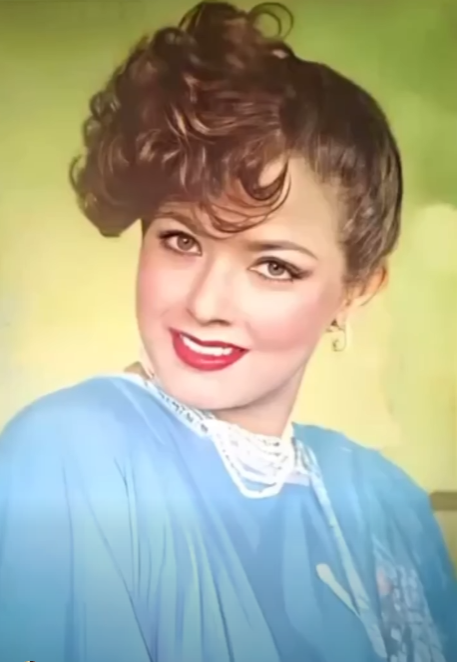
Sushma Shahi is a talented actress known for her roles in various Nepali films. She has appeared in notable films such as Bhabhi Dian Choorian (1986), Man ko bandh (1973), and Manila Ki Bijlian (1987). Her performances have garnered attention and appreciation, making her a prominent figure in the Nepali film industry. For those interested in exploring her work further, there are numerous videos and biographical insights available online, providing a comprehensive look at her career and contributions to cinema.
Sushma Shahi
Actress
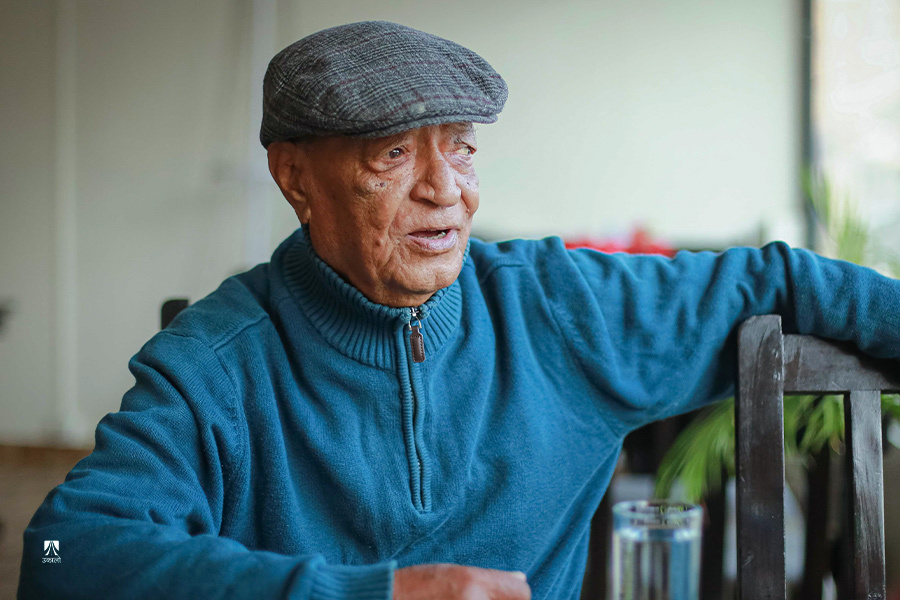
Prem Bahadur Basnet is a Nepali film director known for his contribution to the early development of Nepali cinema and for directing the culturally important film Kumari.After completing his B.Ed., Basnet received scholarships to study abroad, including one from a university in Hawaii, USA, and another to study scriptwriting at the Film and Television Institute of India in Pune, India. While many students at the time were going to the United States for higher education, Basnet chose to pursue film studies in Pune because of his strong interest in cinema.He studied there for two years, going to Pune in 1962 and returning to Nepal in 1964. After returning, he worked at Nepal’s Information Department, where he became involved in cultural and media-related activities.Having studied filmmaking, Basnet was more interested in creating original and artistic films rather than purely commercial cinema. During this period, when Nepal was invited to represent the country in international film festivals, he decided to make a film based on the living goddess Kumari tradition of the Newar community in Kathmandu.This idea eventually led to the creation of Kumari, which became an important cultural film portraying Nepal’s traditions and social life. Through his work, Prem Bahadur Basnet helped introduce culturally rooted and artistic storytelling to Nepali cinema.
Prem Bahadur Basnet
Film Director, Film Maker/ Producer
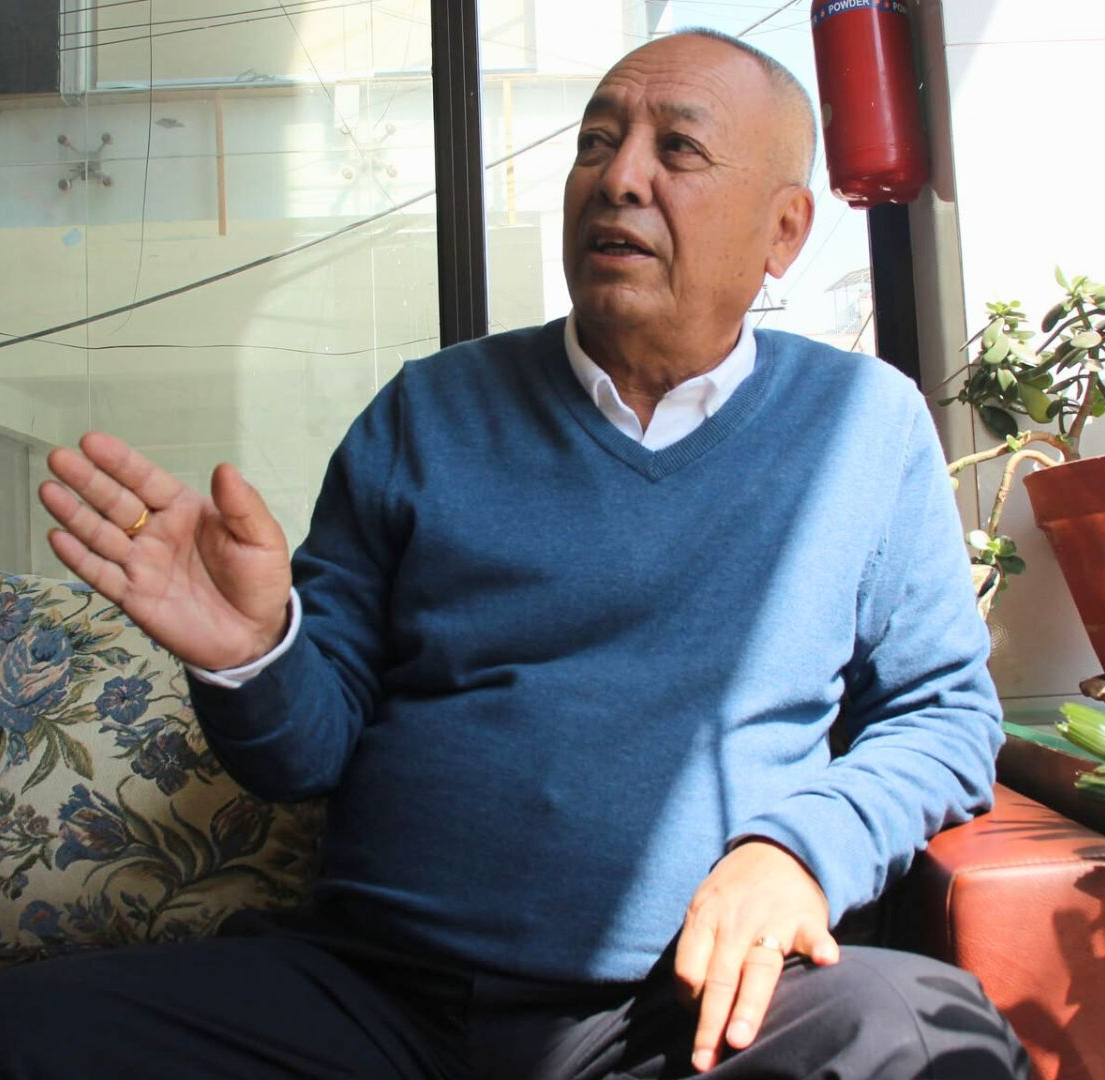
Manju Kumar Shrestha is a Nepali cinematographer who played an important role in the early technical development of Nepal’s film industry. In 2029 B.S., he joined the Royal Nepal Film Corporation (then known as Shahi Nepali Chalchitra Sansthan).In 2030 B.S., he worked as a film photographer for the corporation’s first production, Man Ko Bandh. At that time, most technical experts in Nepali filmmaking—such as directors, cameramen, and lighting technicians—had to be brought from India due to the lack of local professionals.During the shooting of Man Ko Bandh, the Indian cinematographer fell ill, and Shrestha stepped in to operate the camera himself. Although he carried out much of the filming, he was credited only as an assistant cameraman when the film was released. This experience marked the beginning of his career as a cinematographer.He later went on to shoot many Nepali films, including Kumari, recognized as Nepal’s first color film, and Jeevan Rekha. Over the course of his career, Manju Kumar Shrestha has worked as a cinematographer on more than 70 films, making a significant contribution to the growth and technical progress of Nepali cinema.
Manju Kumar Shrestha
Cinematographer
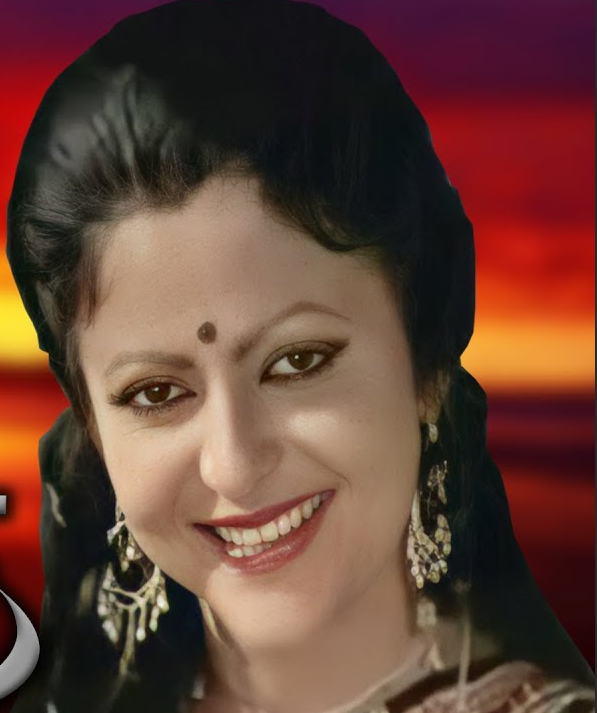
Menakshi Anand is an actress and performing artist known for her work in Nepali cinema as well as in select Indian films. She gained recognition for her lead role in the classic Nepali film Sindoor and appeared in other Nepali films such as Jeevan Rekha. Beyond Nepali cinema, she contributed to Indian films through singing, dancing, and supporting roles, demonstrating her versatility as a performer. Anand’s work in the late 1970s and 1980s helped shape early Nepali film narratives while bridging connections with broader South Asian cinema, making her a memorable figure in the region’s performing arts.
Menakshi Anand
Actress
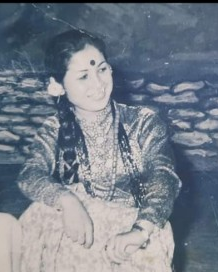
Menuka Pradhan (born 21 January 1953) is a luminous figure in the Indian Nepali theatre world, admired for her mastery of acting, singing, dancing, and literary expression. She co‑directed a major revival of the record‑setting Nepali play Ani Deorali Runchha alongside veteran playwright Kiran Thakuri. As a film actress, she has performed in more than a dozen Nepali and regional films, including Paralko Aago, Bachhna Chahaneharu, Devata, Jeevan Kanda Ki Phool, Chetana, Bhagya, Disha, Hamrai Santaan, Prashant Manko Aunthi, Shayad, Bandh, Prayashchit, Samarpan, and Spectre and Sibling.In 1971, she won first place singing a duet with Durga Kharel at the Gorkha Dukha Nivarak Sammelan competition. An All India Radio “A+”–graded drama artist, she has voiced over a thousand radio plays, documentaries, dance‑dramas, and animations. Known for her engaging stage presence, she has also hosted numerous major cultural events. In 1979, she received the Critic Circle of India Award for Best Nepali Actress for Paralko Aago.
Menuka Pradhan
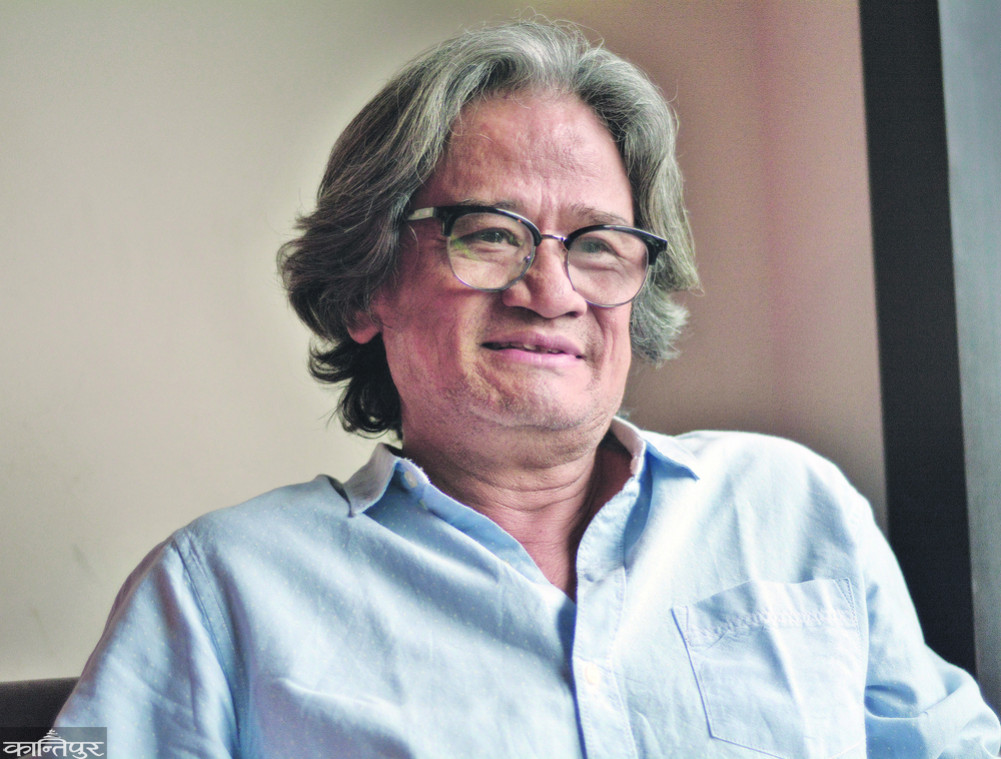
Pramod Pradhan is a versatile Nepali cinematographer whose career bridges Nepali cinema and major Bollywood productions. Early in his journey, he assisted his brother, acclaimed cinematographer Vinod Pradhan, on celebrated Hindi films such as Bhag Milkha Bhag, Rang De Basanti, Devdas, and Parinda, gaining exposure to world‑class visual craft. In Nepal, he established his own identity through hit films like Anyaya, Koseli, Chino, and Dakshina, earning recognition for dynamic camera work and emotional visual storytelling. Pramod later served as the lead cinematographer for films including Chain Khuli Ki Main Khuli and several television series, further expanding his creative range. His work reflects technical precision, narrative sensitivity, and a deep commitment to elevating Nepali visual cinema.
Pramod Pradhan
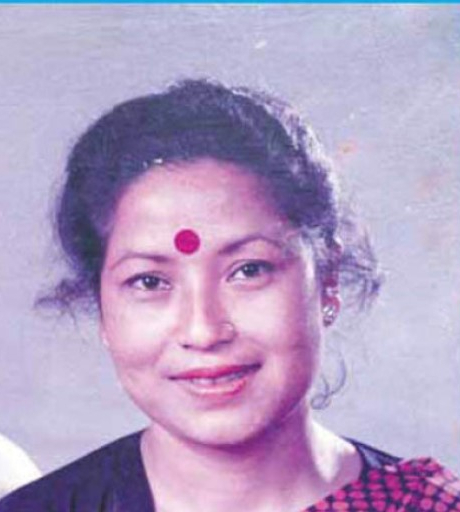
Sakuntala Sharma is a renowned Nepali actress and theatre director, celebrated for her powerful performances on stage, radio, and film. Born in 2008 B.S. in Lazimpat, Kathmandu, she began acting at the age of ten with a memorable role in the play Palansko Phool. In 2033 B.S., she entered an inter‑caste arranged marriage with actor and theatre artist Harihar Sharma. Over the years, she performed in acclaimed plays such as Kosanga Judhaun, Manis ra Mukundo, Pahad Chichyairahechha, Farkera Herdā, Kankal, Chyatitako Parda, and Parkhalbhitra, establishing herself as a leading stage performer. In the 1970s, she gained wide recognition through films like Hijo, Aaja ra Bholi and Badlindo Aakash, followed by strong roles in Vasudev, Mayapriti, Chokho Maya, Chelibeti, Sindoor, and Santaan Tharitharika. She also contributed significantly to Radio Nepal through numerous radio dramas.
Sakuntala Sharma
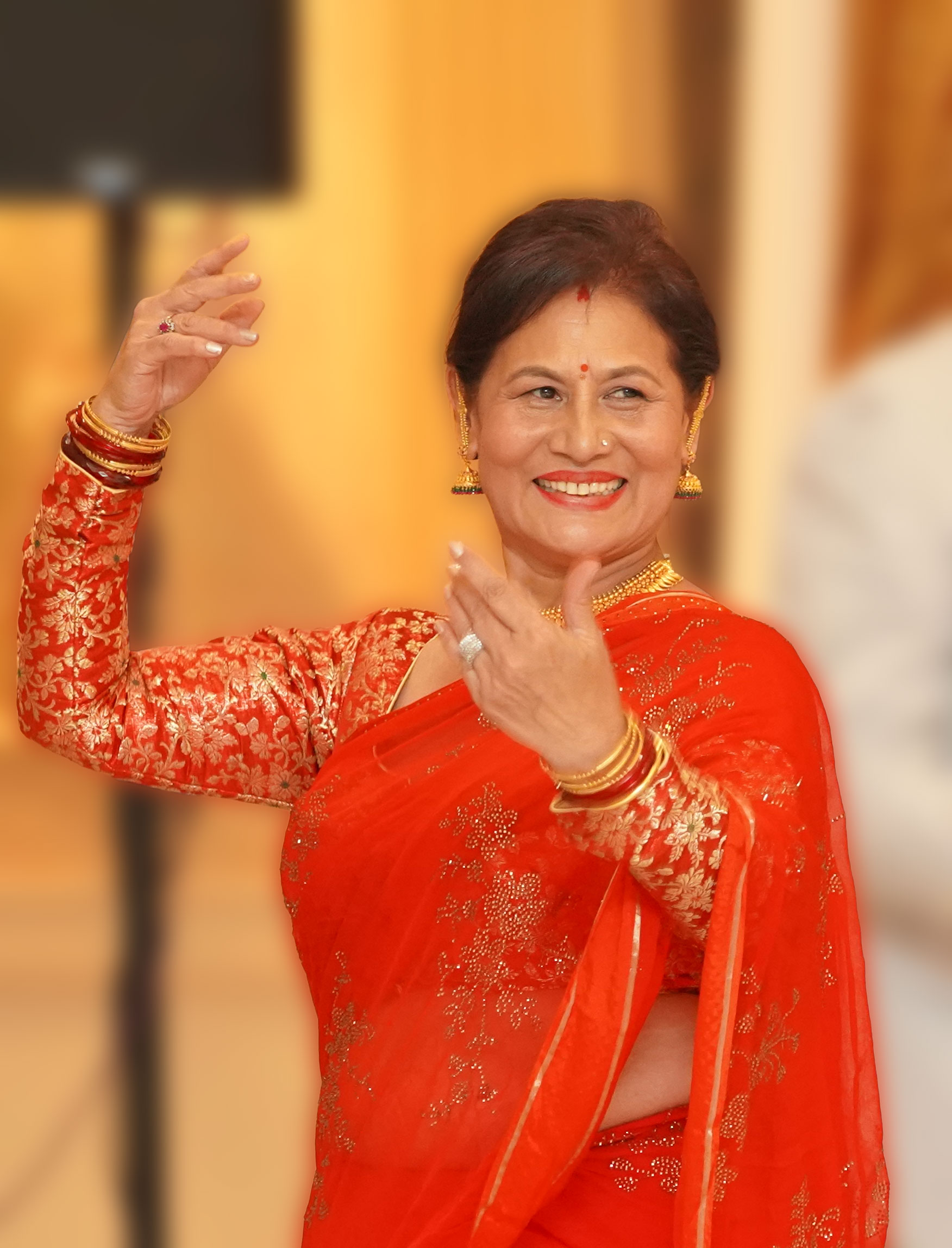
Subarna Chhetri is a respected Nepali film and stage artist known for her expressive performances and long association with Mahajodi’s Maha Sanchar team. She gained wide popularity through the comedy serial Hetterika, where her natural timing and character work made her a household name. Alongside television and stage shows, she appeared in notable films including Badlido Aakash (1983). Her contributions have left a lasting impact on Nepali comedy, performance culture, and mainstream entertainment.
Subarna Chhetri
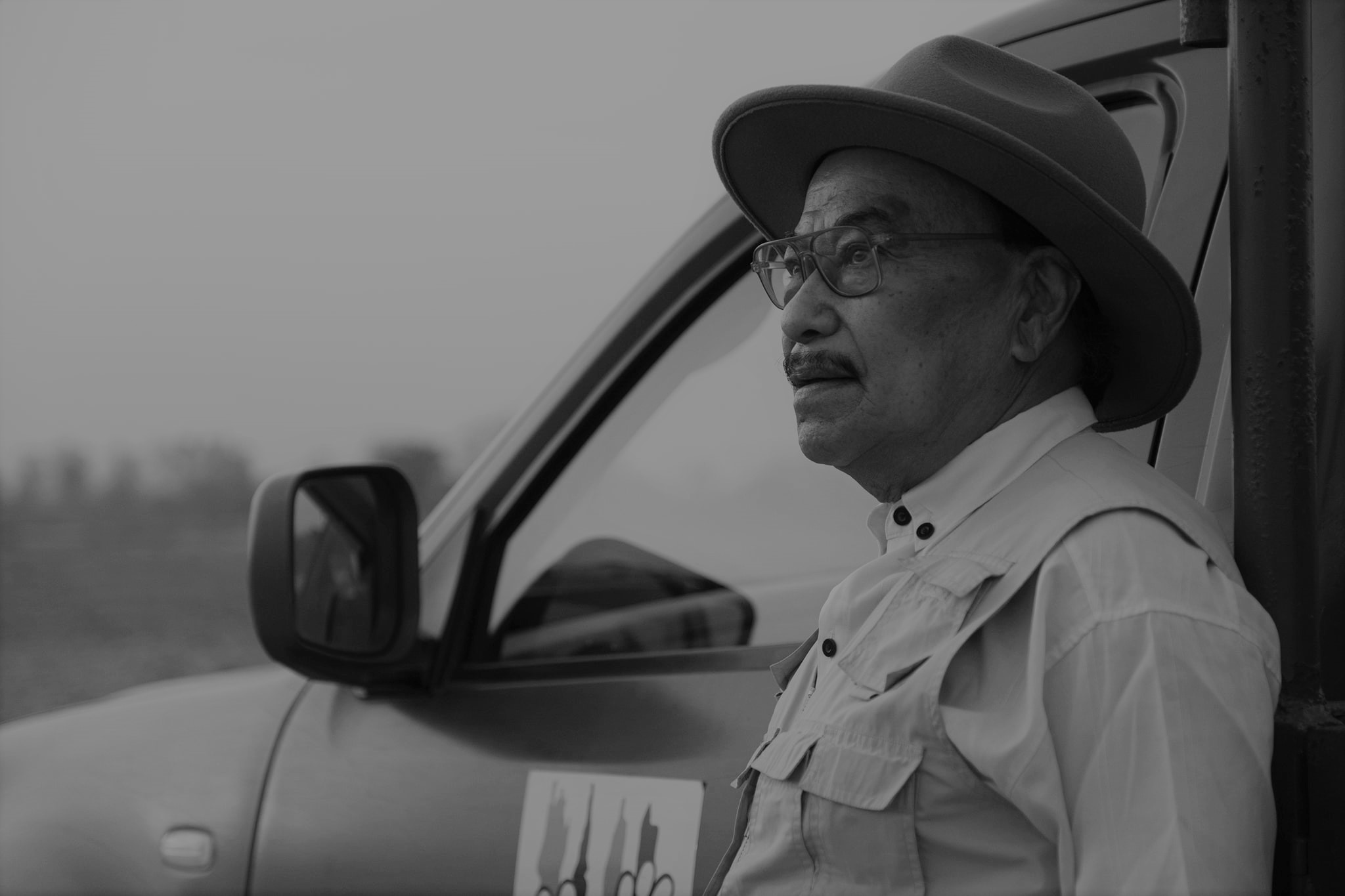
Sanu Tamrakar is a respected senior Nepali actor known for his natural performances, disciplined craft, and long-standing contribution to stage and screen. Active for several decades, he has portrayed diverse characters with emotional clarity and cultural authenticity, earning admiration from audiences and colleagues alike. His work spans theatre, television, and film, where his grounded acting style and commitment to storytelling have made him a trusted and enduring presence in Nepali performing arts.
Sanu Tamrakar
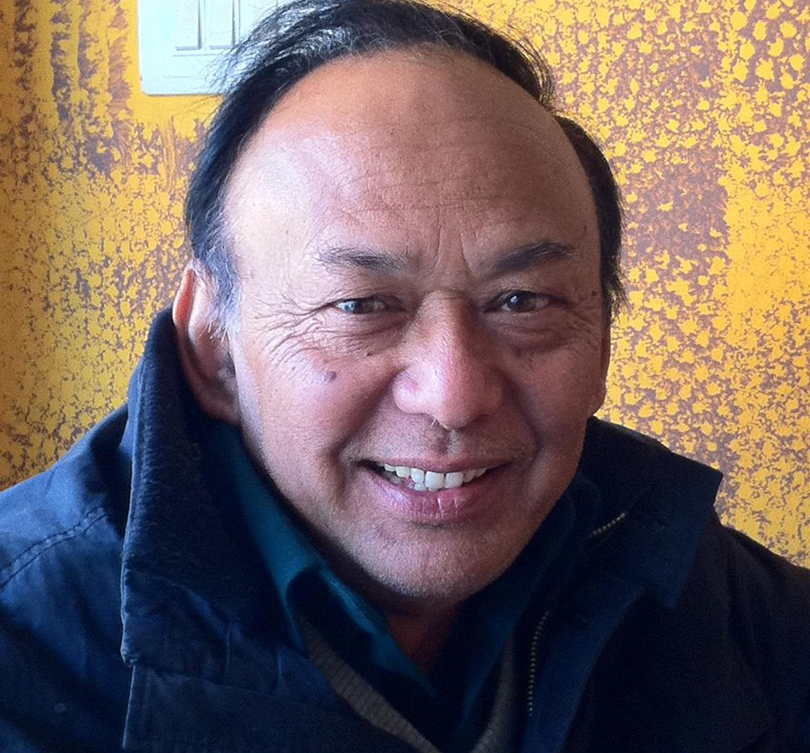
Sambhu Pradhan is a respected Nepali film director, editor, and actor whose work helped define the commercial era of Nepali cinema in the 1980s and 1990s. Emerging as a versatile creative figure, he built his career through disciplined craft in editing and gradually transitioned into directing films known for emotional storytelling, strong musical structure, and audience‑centered narratives. His directorial contributions include memorable Nepali classics such as Samjhana, Behuli, Sapana, Bishwas, and Santaan, works that established him as one of the influential filmmakers of his generation. Active across multiple disciplines—direction, editing, and acting—Pradhan’s career reflects a multi‑layered creative presence that shaped the visual and narrative style of mainstream Nepali cinema during its formative decades.
Sambhu Pradhan
Film Director, Video-film Editor, Colorist
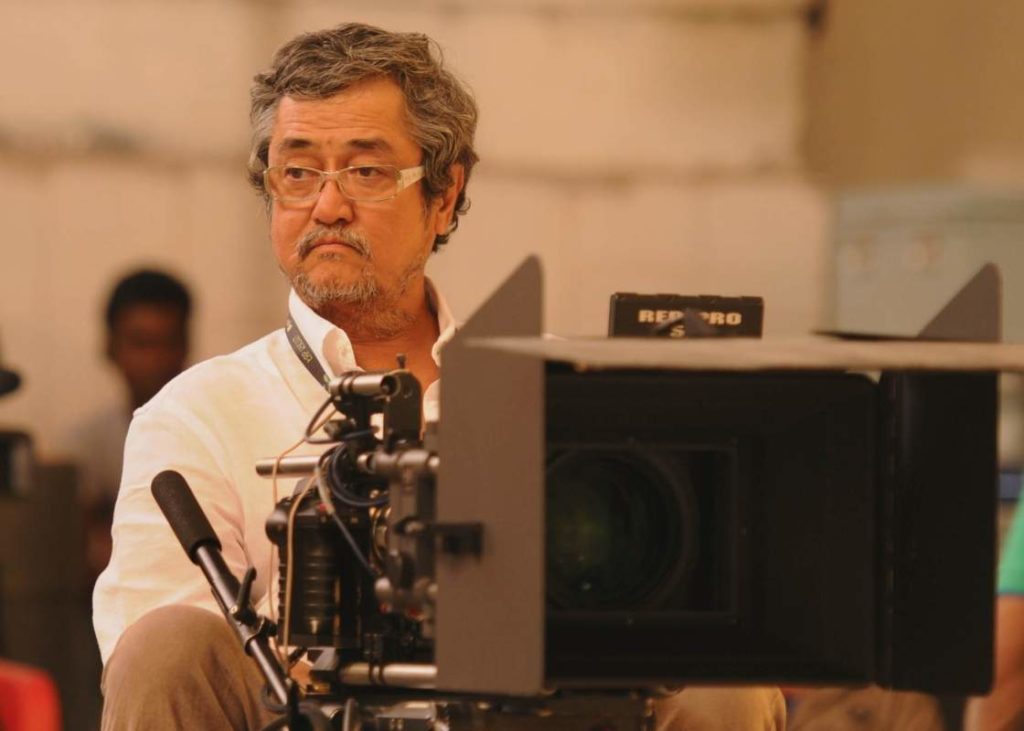
Binod Pradhan is an acclaimed Nepali cinematographer whose visual mastery spans both Nepali and Indian cinema. He began his career in Nepal with films such as Saino, Basudev, and other early Nepali classics, where his naturalistic lighting and emotional framing first gained attention. Pradhan later became one of Bollywood’s most celebrated cinematographers, shaping landmark films including Rang De Basanti, Devdas, Parinda, Mission Kashmir, 1942: A Love Story, and Bhag Milkha Bhag. His poetic realism, technical precision, and storytelling depth have made him one of South Asia’s most influential visual artists.
Binod Pradhan
Cinematographer
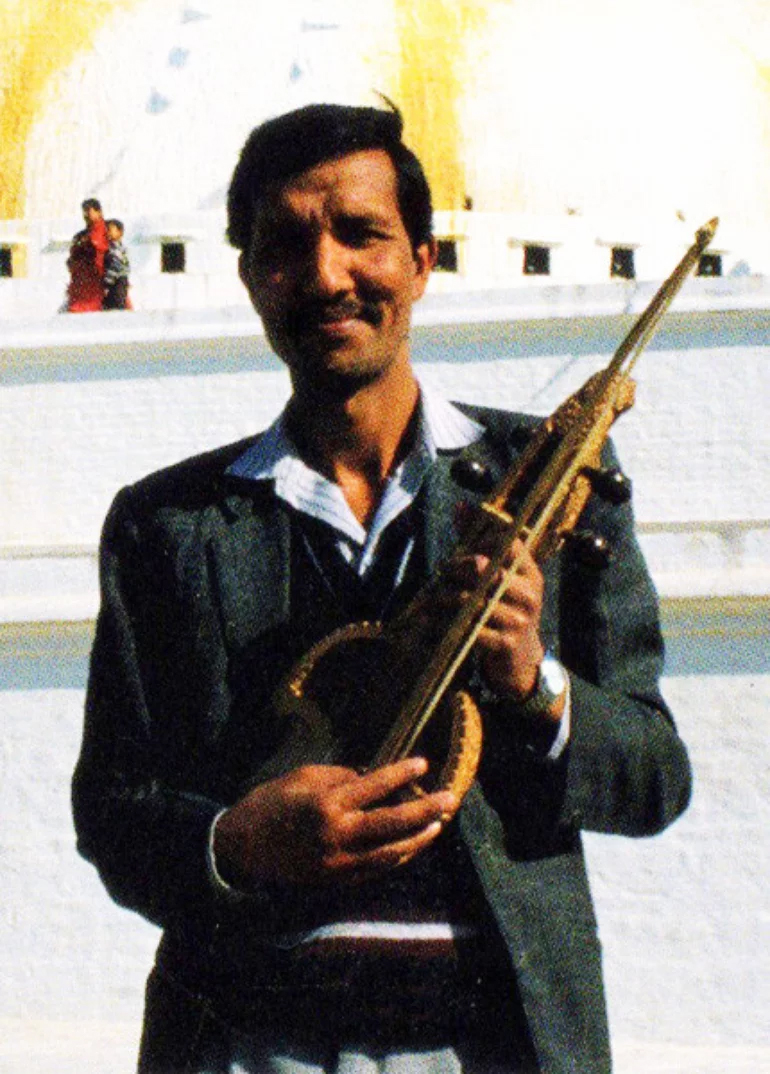
Ram Sharan Nepali was a prominent Nepali folk singer and Sarangi player whose work helped preserve Nepal’s traditional lok‑geet and instrumental heritage. Active from the 1980s onward, he recorded influential albums such as Folk Tunes in Sarangi (1987) and Folk Tunes in Sarangi, Vol. 2 (1988), establishing himself as a leading figure in instrumental folk music. His repertoire includes widely circulated tracks like “Sorathi,” “Sebru Dhun,” “Sanguri Bari Ni,” “Ke Ko Rang Lagyo,” and “Jina Chhake”, many of which remain available on Apple Music and Spotify. His collaborations with artists such as Tika Nepali and Geeta Devi further expanded his impact. Even after his passing, tribute releases like “Yo Keti Kaha Ko” (2025) continue to honor his legacy.
Ram Sharan Nepali

Ram Bahadur Jimba, born on 7th Saun 2023 BS in Sarlahi, was a renowned Nepali folk singer, flutist, and multi‑instrumentalist known for his contribution to traditional Nepali music. Skilled in instruments such as madal, damphu, dholak, and accordion, he served as an officer‑level employee at Radio Nepal. His professional journey began in 2040 BS as a tech‑basis worker and became permanent in 2049 BS. Jimba recorded over 40 folk songs at Radio Nepal, including popular titles like Churimai Kasam Khayera Maile, Gai Bhainsilai Bandheko Kila, and Maya Laun Milla Ki Namilla. He also contributed to the collection and preservation of traditional folk songs.
Ram Bahadur Jimba
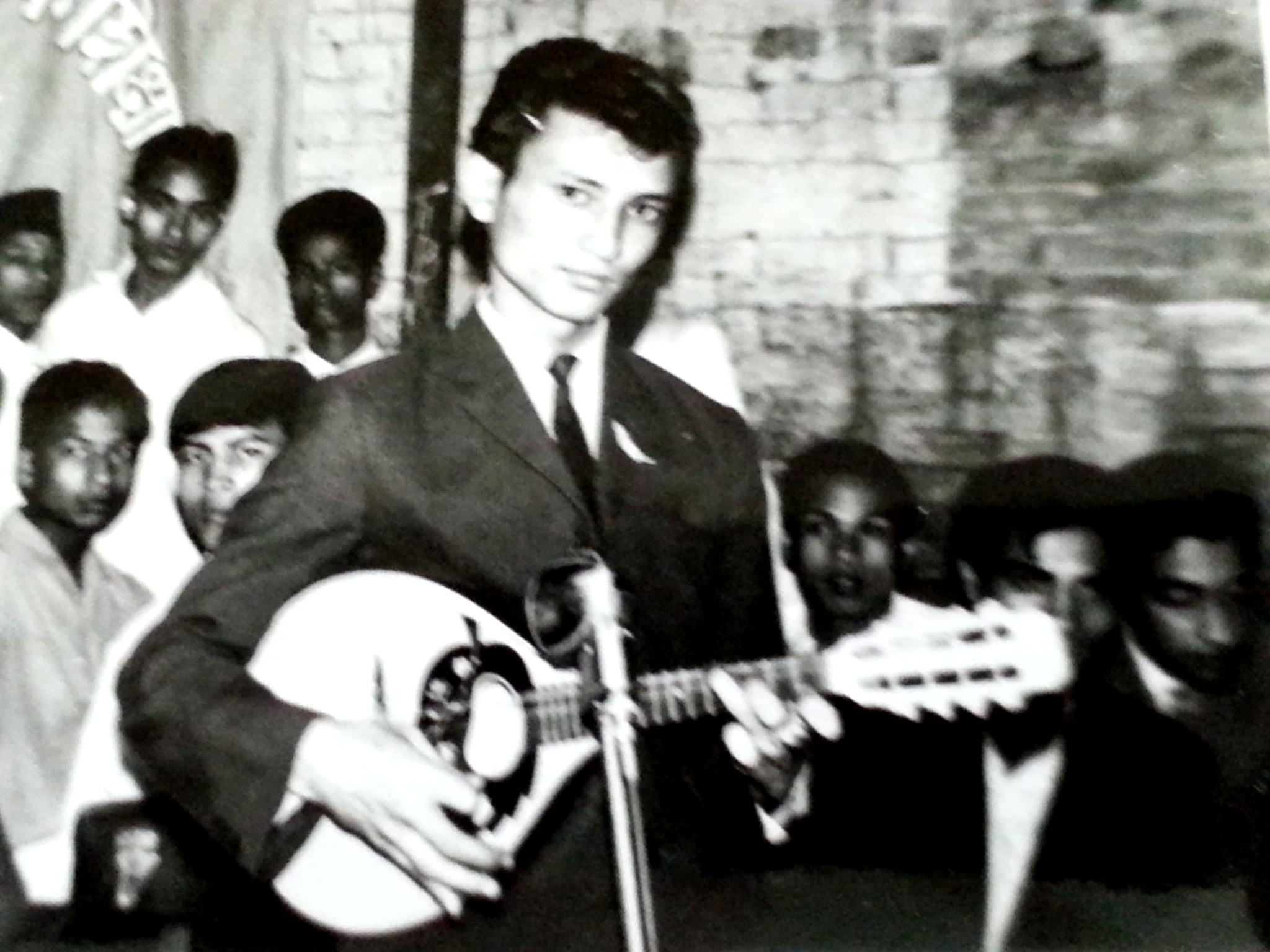
Sharan Pradhan (born May 3, 1943, Darjeeling) was one of the most influential lyricists and music composers in the history of Nepali modern music, emerging as a defining creative force from 2020 BS onward. By the age of 21, he was already an established name, shaping the rise of adhunik geet alongside contemporaries like Aruna Lama and Ranjeet Gajmer. A gifted multi‑instrumentalist, Pradhan mastered banjo, mandolin, and several traditional instruments from a young age — the banjo being his earliest and most beloved. His compositions are known for their emotional depth, poetic clarity, and melodic sophistication, many of which became timeless classics recorded by Nepal’s greatest voices. His lyrical works such as “Ma Aankhama Rakhine” and “Ma Aankhaima” remain widely referenced and studied today. Sharan Pradhan’s legacy endures as a cornerstone of Nepali musical identity — a creator whose artistry elevated the emotional and musical vocabulary of an entire generation.
Sharan Pradhan
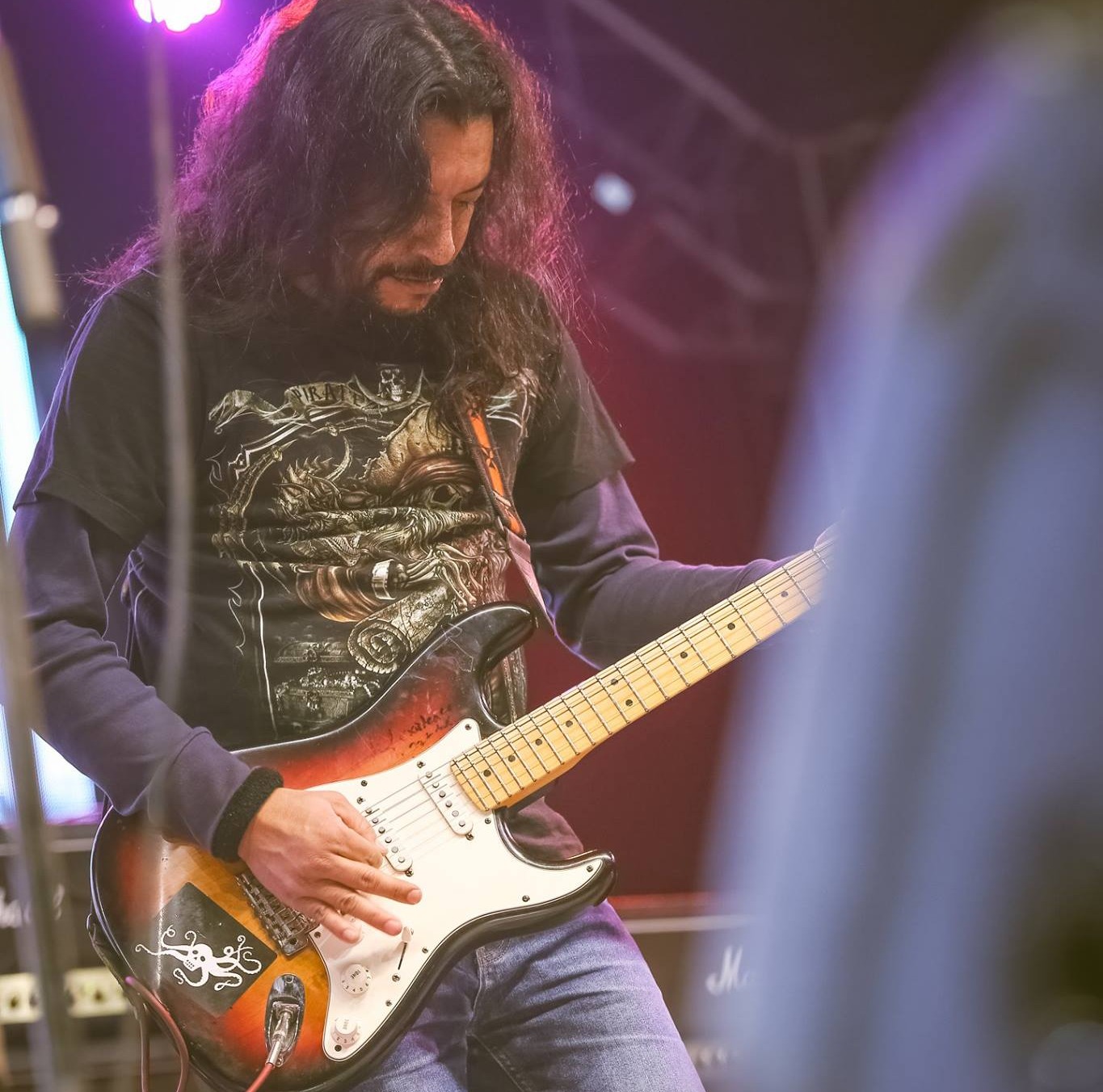
Sarad Shrestha is one of Nepal’s most influential guitarists and genre‑shifting musicians, active for over three decades in the Nepali music scene. Beginning his journey after SLC, he formed his first band Black Band and later became widely known as the guitarist of The Axe Band, contributing 12 years and four albums. A versatile performer, he has worked across rock, stoner metal, ska‑punk, rap‑rock, and grunge, performing with bands such as Black Wizard, The Sound Mill, Kathmandu Mayhem, Intellectual Morons, Tumbleweed Inc., Project One, and Shree 3, where he also sings. Respected for his emotional playing and fearless experimentation, Shrestha remains a defining figure in modern Nepali rock.
Sarad Shrestha
Guitarist, Singer/ Performer
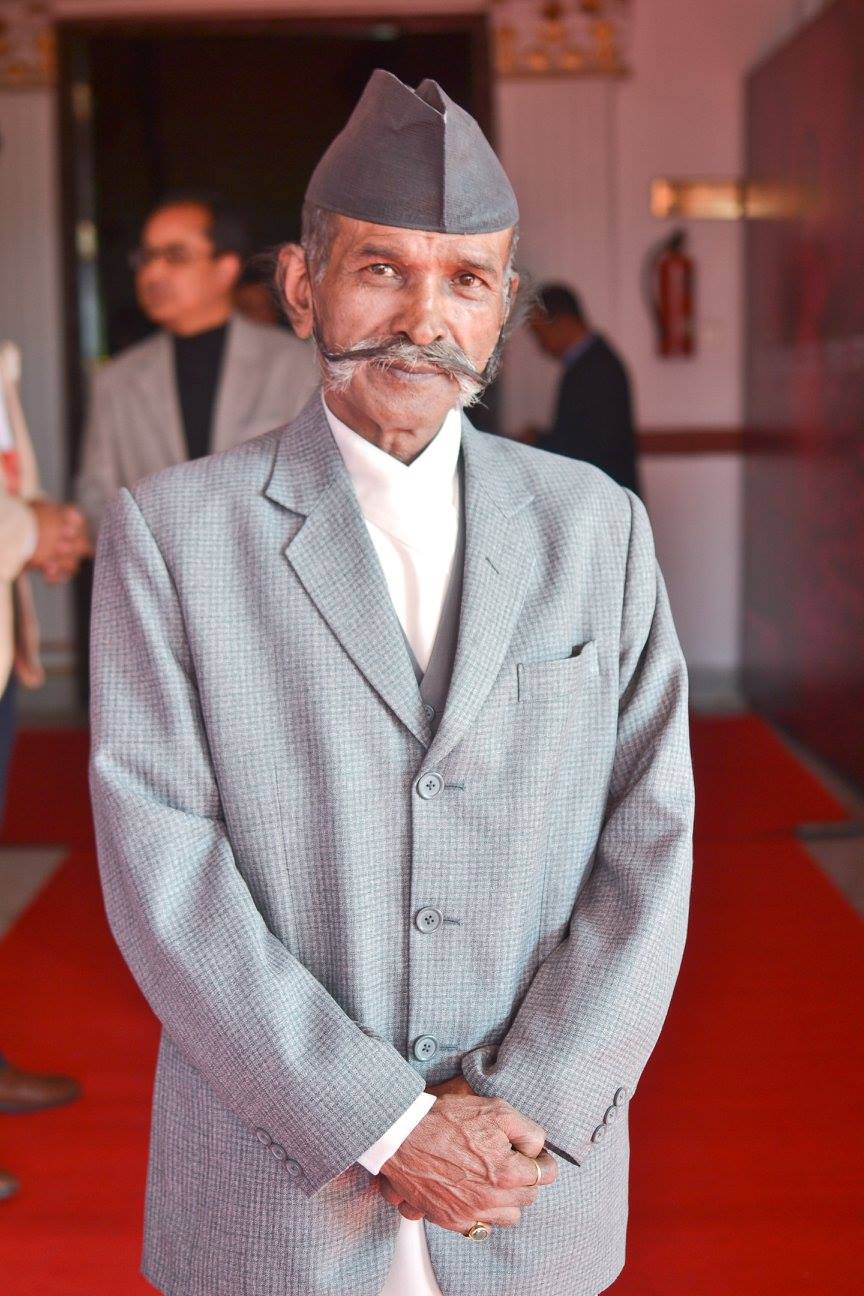
Junge Bhattarai, known professionally as Uddab Raj Bhattarai, is a Nepali actor and comedian recognized for his natural humor, expressive character work, and strong presence in contemporary Nepali entertainment. Active since the early 2010s, he has appeared in feature films such as Pahilo Pahilo Maya (2010), Hamro Maya Juni Junilai (2011), and the cult‑favorite Gaja Baja (2018), where his character performance earned him praise for authenticity and timing. Beyond films, Bhattarai is widely known for his roles in popular comedy series and digital sketches, including Hou Guji, Dera, and other situational comedy formats that highlight everyday Nepali life. His ability to portray relatable, humorous, and emotionally grounded characters has made him a familiar face among Nepali audiences. He continues to work across film, stage, and digital media, contributing to Nepal’s evolving comedic landscape.
Uddab Raj Bhattarai (Junge Bhattarai)
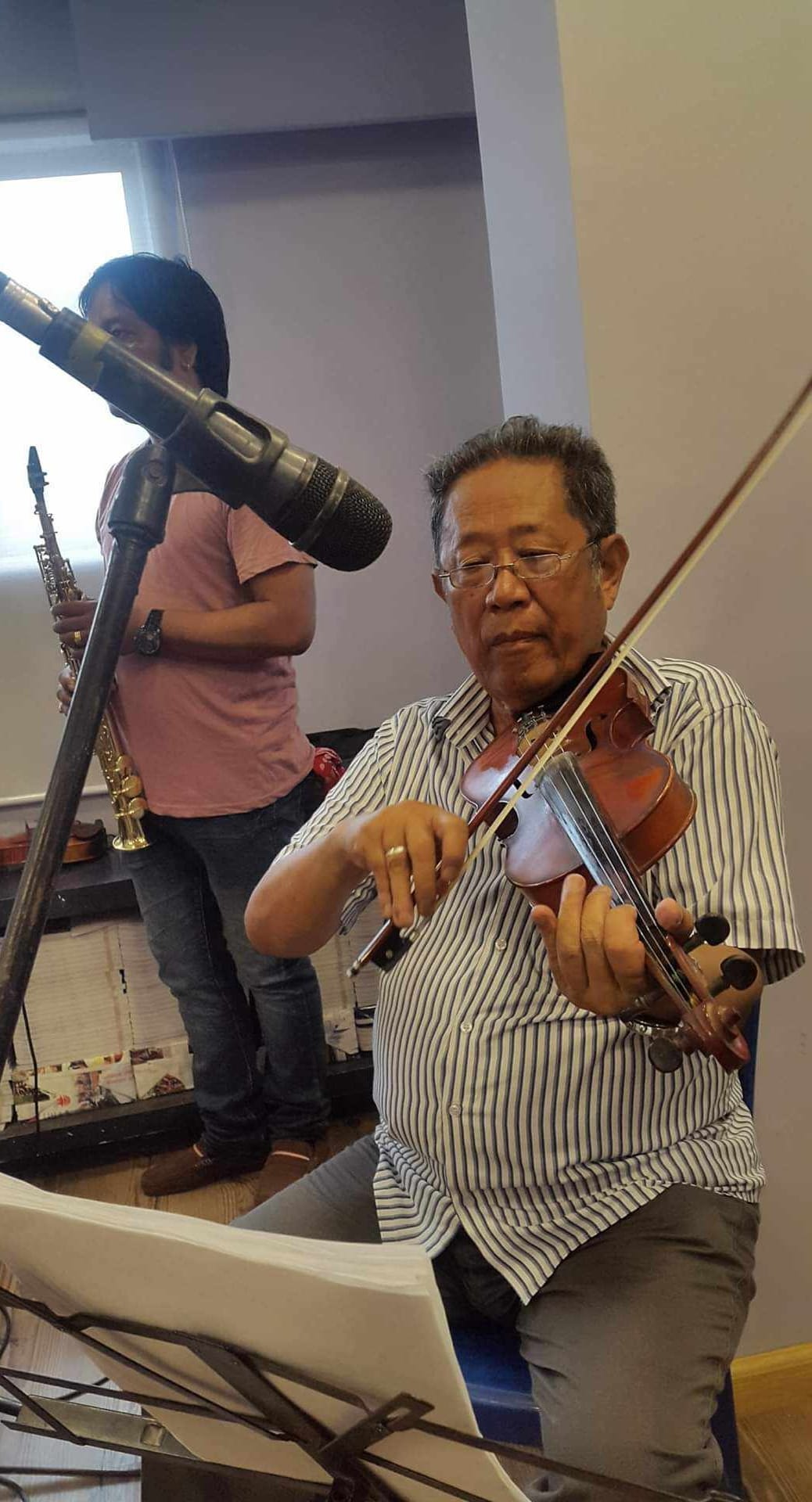
Norbu Tshering is a respected Nepali music director and arranger known for his refined melodic craft and long contribution to modern Nepali music. He began his professional journey as an arranger in 2051 BS, working for many years at the well‑known San Studio, Kupondole, where he shaped the sound of countless recordings. Tshering arranged and composed several celebrated songs, including “Jeevan Bhanũ Ta Ghaat Chha” and “Kina Feri Maya Samjhi Taadpinchha Man,” both of which became widely admired for their emotional depth and clean musical structure. Throughout his career, he collaborated with legendary artists such as Narayan Gopal, Nati Kaji, and Bhakta Raj Acharya, contributing to recordings that helped define the era. His disciplined arrangements, warm instrumentation, and sensitive musical judgment continue to be valued as part of Nepal’s modern musical heritage.
Norbu Tshering

Basant Chaudhary is a celebrated Nepali poet, lyricist, writer, and cultural patron whose work spans poetry, songs, essays, and social commentary. His literary journey began with the poem Tusharolai Piundai (1983), written under the pseudonym Simool, and later expanded into acclaimed collections such as Rashtriyata Nadukhos (2006), Samvad (2008), and the poetry compilation Megha (2011). A prolific lyricist, he has penned widely loved songs including the patriotic Shanti Lukau Kahan, along with numerous musical collaborations across Nepal and India. Known for blending emotional depth with contemporary themes, Chaudhary is also active in promoting art, literature, and heritage conservation, making him one of Nepal’s most influential modern literary voices.
Basant Chaudhary
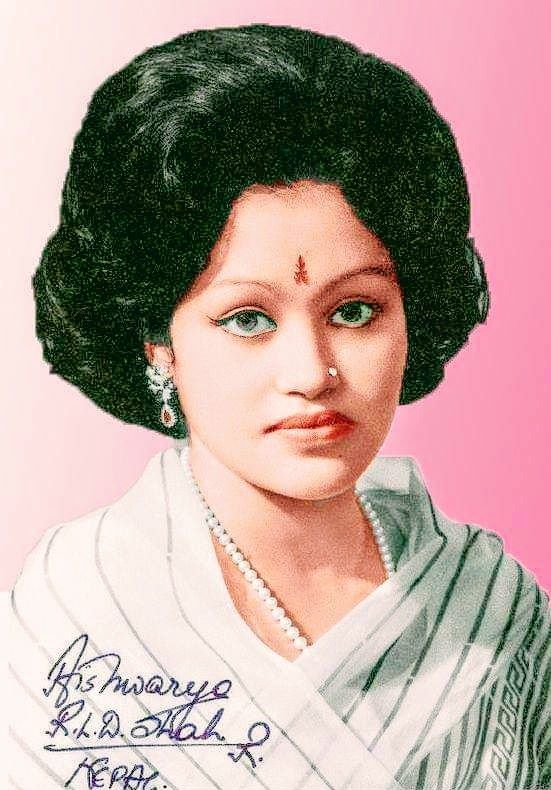
Chandni Shah, known formally as Queen Aishwarya Rajya Lakshmi Devi Shah, was the Queen of Nepal and one of the most admired figures in modern Nepali history. Revered for her grace, intellect, and deep cultural presence, she became a beloved symbol of national pride. Beyond her royal duties, she expressed her artistic spirit through writing — composing heartfelt Nepali songs, poems, and reflective pieces that revealed her emotional depth and patriotic devotion. Her creative works, often shared under the name Chandni Shah, highlight themes of love, humanity, and the Nepali identity. Remembered as the “heart of the Nepali people,” she remains an enduring cultural and emotional icon.
Chandni Shah
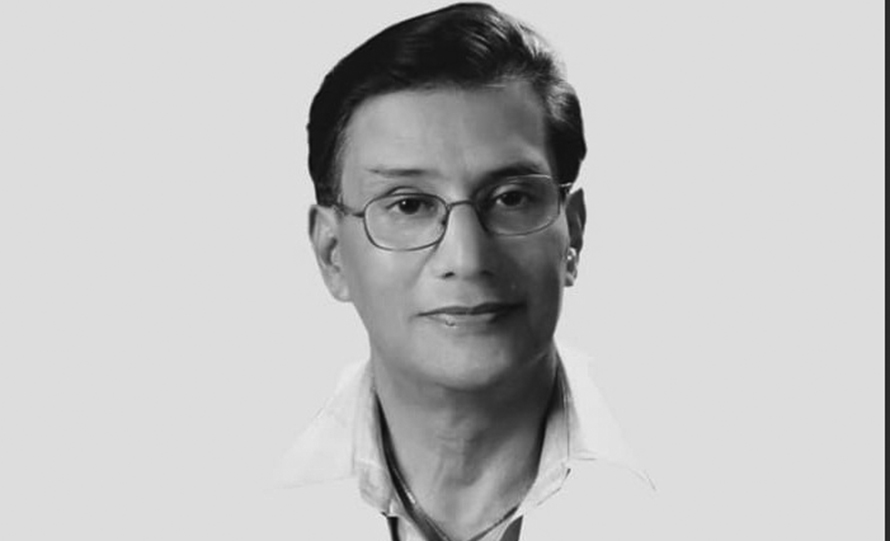
Dhurba KC was a prominent modern Nepali singer whose expressive voice helped shape some of the finest songs of the 2030s era. He reached the peak of national recognition with the evergreen hit “Mayalu Hajar Hunchan,” a song that firmly established him among Nepal’s beloved modern vocalists. He voiced several memorable songs including “Naraunu Naraunu Saili,” “Aru Kalo Relko Dhuwale,” and “Timro Maya Kagajko,” all of which remain timeless among Nepali music listeners. Born on Mangsir 3, 2002 BS to Yagyabahadur KC and Padmakumari KC, he was the eldest son in the family and the uncle of actor Bhuwan KC. Dhurba KC passed away on Magh 8, 2077 (Thursday) at 4:45 PM at Orchid Care Center, Bhaisepati, leaving behind a legacy of soulful modern songs that continue to resonate across generations.
Dhurba KC
Singer/ Performer
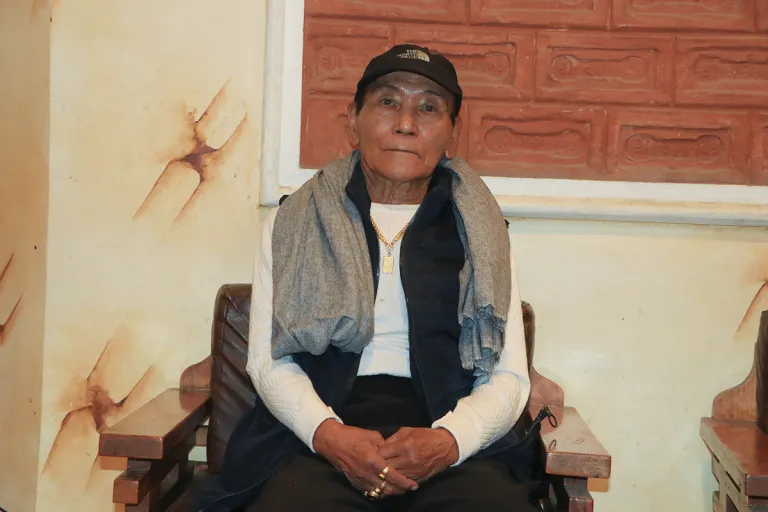
Nabin Kishor Rai is a Nepali folk singer recognized for his contributions to Rai cultural music, including Sakela, Palam, and Eastern Nepali lok‑geet traditions. His works such as “Soi Dhole Soi,” “Hirkauna Lourile Tyak Tyak,” and collaborations with artists like Karna Rai, Shreya Rai, and Manoj Sangson Rai highlight his role in documenting and modernizing indigenous melodies. Rai’s recordings—featured across YouTube, Spotify, and cultural archives—continue to strengthen the preservation of Kirati musical heritage.
Nabin Kishor Rai
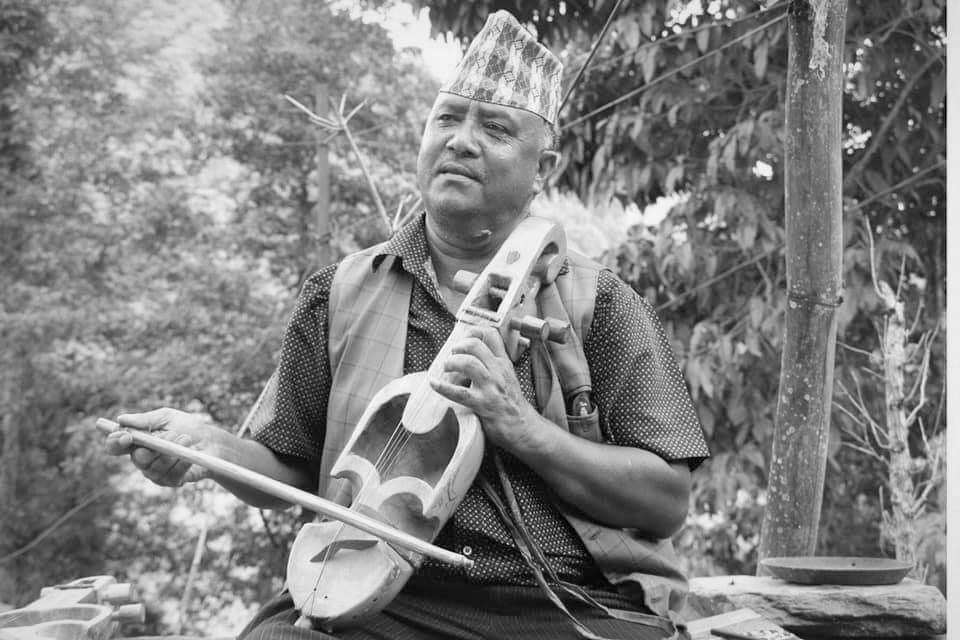
Dhana Bahadur was a leading advocate for sarangi preservation, a respected singer, and a dedicated lyric collector from Batulechaur, Pokhara. He is widely remembered as the creator of the evergreen songs “Naraunu Mayalu” and “Beli ra Chameli,” beautifully performed by singer Prabin Gurung. Committed to safeguarding Nepal’s folk heritage, he operated a Sarangi Pathshala, teaching children and youth and nurturing a new generation of sarangi players. He passed away on Magh 11, 2077, leaving behind a legacy that continues to inspire Nepali folk music and sarangi culture.
Dhana Bahadur
Sarangi Player, Folk Singer
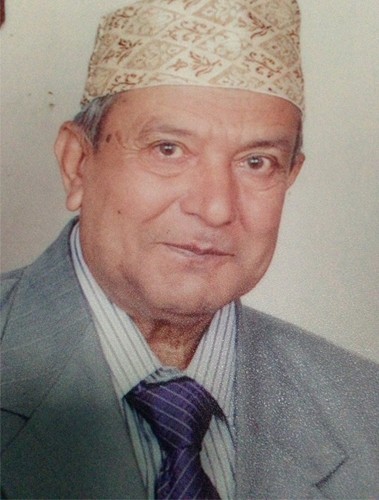
Radio Nepal Icon • Children’s Program Pioneer • Singer • Cultural Broadcaster Basudev Munal (1949–2025) was a beloved Nepali radio presenter, singer, and cultural voice best known for shaping generations of Nepali children through his iconic Radio Nepal program “Pyaara Bhaai Bahini Ho”. Born in Biratnagar, he joined Radio Nepal early in his career and went on to serve for nearly four decades, becoming one of the most recognizable and affectionate voices in Nepali broadcasting. His warm tone, storytelling skill, and musical contributions made him a household name across Nepal. Munal passed away at age 68 while undergoing treatment for throat cancer, leaving behind a legacy deeply rooted in Nepali radio culture.
Basudev Munal
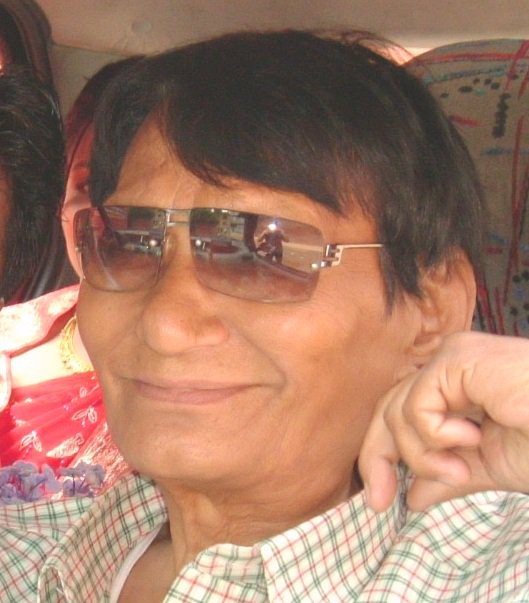
(Lyricist • Poet • Writer • Editor • Adhunik Sangeet Contributor) Bhim Birag (Bhim Bahadur Maharjan) (1991 BS – 2068 BS) was one of Nepal’s most respected lyricists, poets, and literary voices, celebrated for his emotionally rich songs and contributions to Nepali Adhunik Sangeet. Born in Maisthan, Birgunj on Magh 15, 1991 BS, he overcame severe childhood illness and economic hardship to become a defining figure in Nepali music and literature. His lyrics—recorded by legends like Narayan Gopal and Prem Dhoj Pradhan—remain timeless, blending philosophy, pain, romance, and human depth.
Bhim Birag

(Legendary Folk Singer • Composer • Lyricist • Cultural Voice of Nepal) Buddhi Krishna Lamichhane (1955–2021) was a revered Nepali folk singer, composer, and lyricist whose earthy voice and authentic storytelling made him one of the most beloved figures in Nepal’s lok‑geet tradition. Born in Bhaktapur, he rose to national recognition through songs that captured rural life, emotional simplicity, and the cultural soul of Nepal. His classics—especially “Pidi Ma Basera” and “Ghas Katne Khurkera”—remain evergreen staples, widely performed, remixed, and taught across generations. Lamichhane passed away at age 66 after long‑term illness (paralysis and pneumonia), leaving behind a legacy that continues to define Nepali folk identity.
Buddhi Krishna Lamichhane
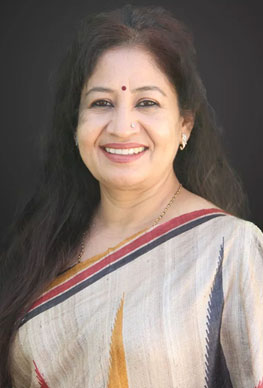
(Senior Actress • Theatre Artist • Acting Educator • Chairperson, Mala Arts Academy) Chandramala Sharma is a respected senior Nepali actress and theatre artist best known for her long-standing contribution to Nepali stage performance, acting education, and cultural development. Active since the 1980s, she has appeared in Nepali films—including the 1984 feature Basudev—and has been a prominent figure in Kathmandu’s theatre community. Her leadership role as Chairperson of Mala Arts Academy positions her among the key mentors shaping Nepal’s next generation of actors.
Chandramala Sharma
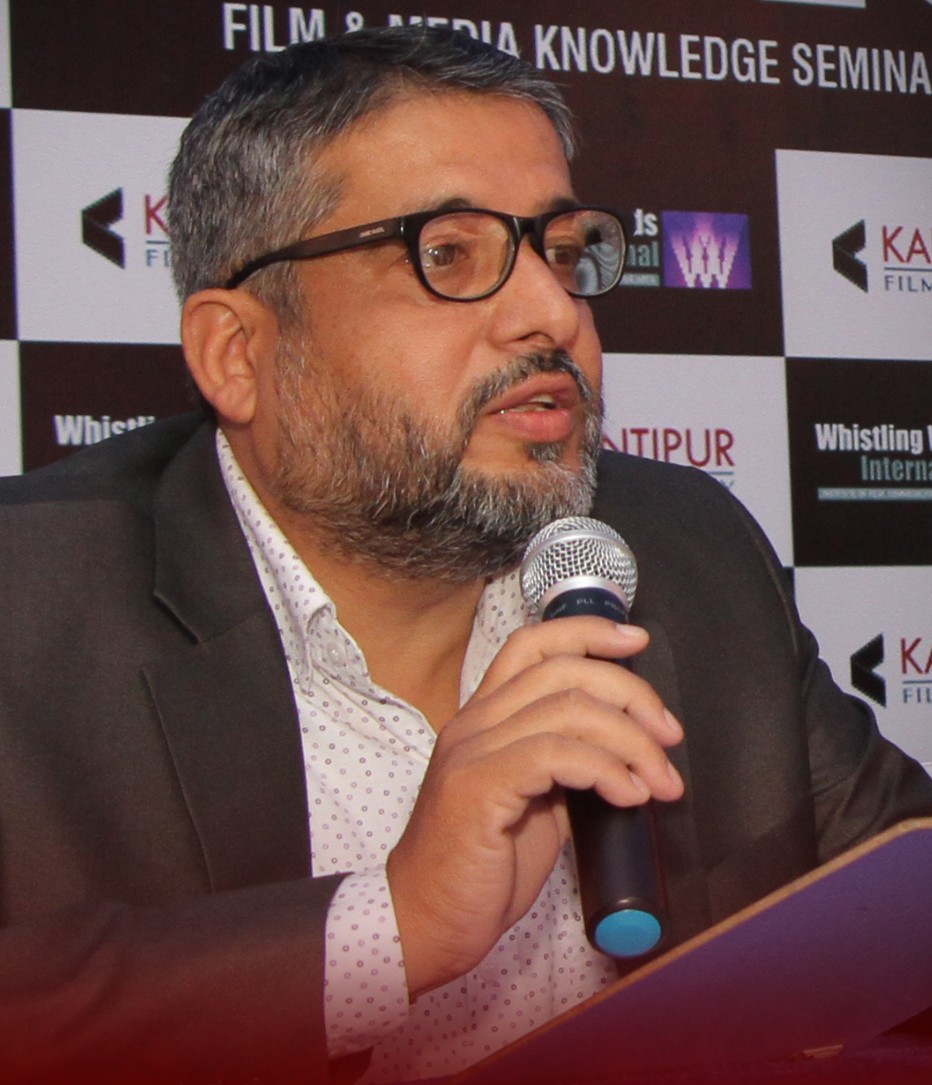
(Producer • Distributor • Exhibitor • Franchise Builder • Star‑Maker) Chhabi Raj Ojha is one of the most influential and commercially successful film producers in Nepali cinema, known for shaping mainstream commercial filmmaking from the late 1980s onward. Beginning his career as a film distributor in 1988, he quickly rose to prominence by producing blockbuster hits that launched and sustained the careers of some of Nepal’s biggest stars. He is the founder of Chhabiraj Films, a banner associated with major commercial successes and long‑running franchises. His first production, Yug Dekhi Yug Samma, was a massive box‑office hit and marked the debut of superstar Rajesh Hamal, setting the tone for Ojha’s reputation as a star‑maker. Over the next three decades, he produced more than 20+ major films, including Nata, Hero, Himmat, Kismat, Kasle Choryo Mero Maan, Andaaz, and Mangalam.
Chhabi Raj Ojha

Honey Rauniar was an actress associated with the Nepali film Aadarsha Nari (1984), where she appeared as part of the film’s cast. Detailed information about her life and acting career is not widely available in public records. However, her involvement in Aadarsha Nari reflects the participation of emerging artists in the early phase of Nepal’s film industry. Even with limited documentation, Honey Rauniar’s contribution remains a small but meaningful part of the history of early Nepali cinema.
Honey Rauniar
Actor
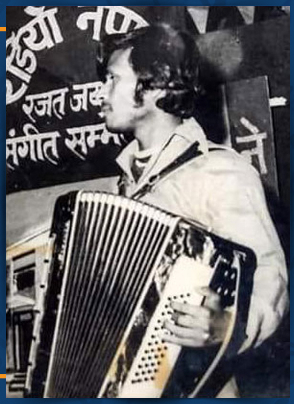
Madan Pariyar was a renowned Nepali music composer, arranger, instrumentalist, and singer who made significant contributions to Nepali music and film. He is widely recognized as Nepal’s first music arranger, known for his exceptional skill as an accordion player and for his innovative musical arrangements. Throughout his career, he composed music for numerous songs recorded at Radio Nepal, arranged music for many popular tracks, and performed as a talented instrumentalist in various recordings.Pariyar also worked as the music director for the film Aadarsha Nari (1984). His daughter, Sapana Shree, is also a well-known Nepali singer. Through his work as a composer, arranger, and musician, Madan Pariyar remains remembered as one of the respected pioneers who helped shape modern Nepali music.
Madan Pariyar
Music Director, Music Arranger, Singer/ Performer
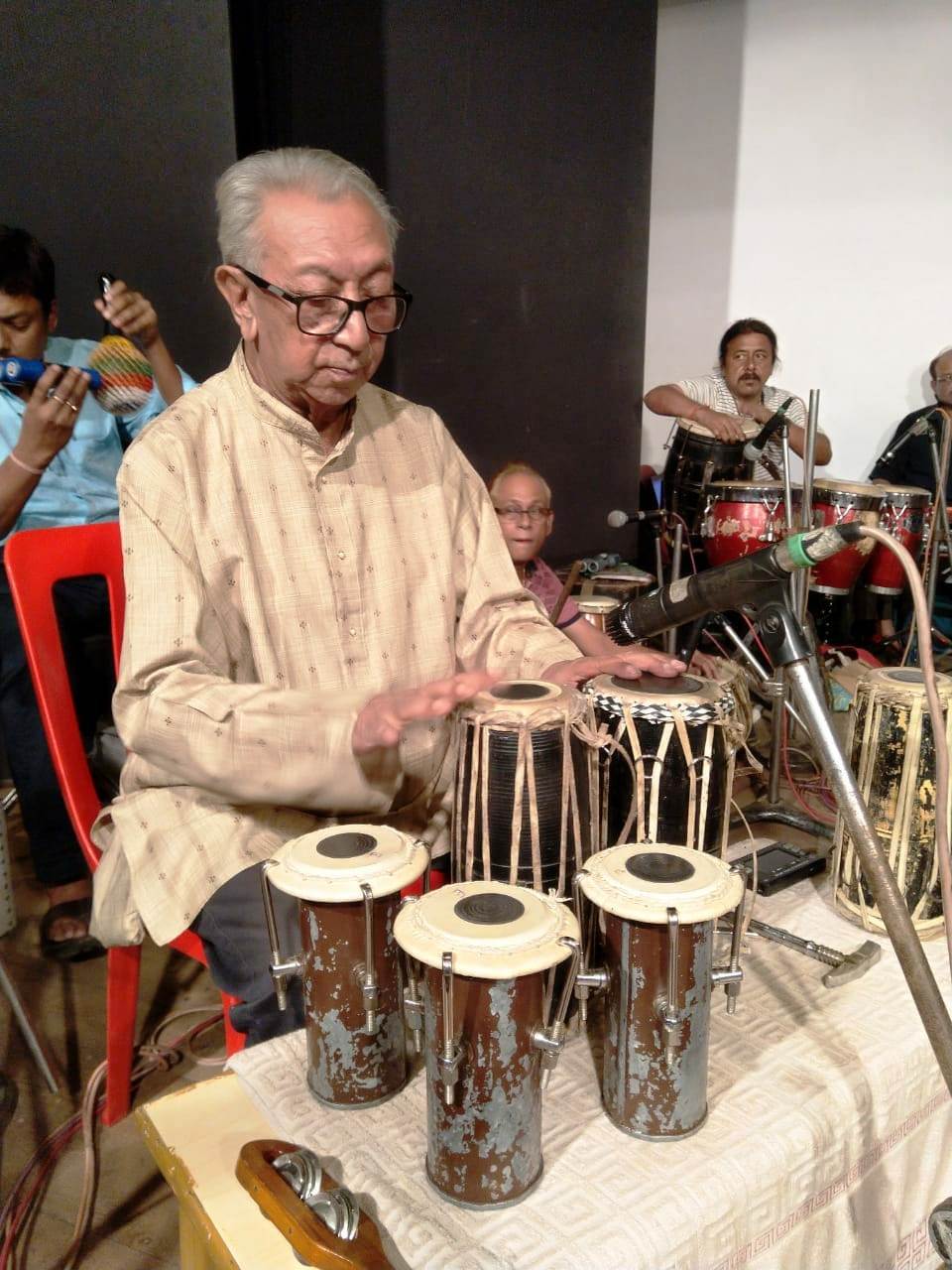
Ranjit Gazmer (also spelled Ranjit Gajmer) is a renowned Nepali film music composer, arranger, and instrumentalist known for his major contributions to Nepali cinema and South Asian music. Born on October 3, 1941, in Darjeeling, India, he developed an early passion for music and studied under legendary composer Amber Gurung at the Art Academy of Music in Darjeeling.Gazmer began his professional journey as a studio musician at Radio Nepal in the late 1960s before moving to Mumbai in 1971, where he worked closely with the legendary Bollywood composer R. D. Burman. As a skilled percussionist—particularly known for playing the Nepali madal—he contributed to numerous Hindi film recordings and became part of Burman’s core musical team for many years.He later established himself as one of the most influential music directors in Nepali cinema, composing music for many classic films such as Samjhana, Kusume Rumal, Saino, Lahure, and Darpan Chhaya. His music played a significant role in shaping the sound and popularity of modern Nepali film songs.Gazmer is also credited with arranging one of the early Nepali songs sung by Asha Bhosle, helping bridge Nepali and Indian film music cultures. Over decades of work as a composer, arranger, and instrumentalist, Ranjit Gazmer has remained one of the most respected figures in Nepali film music history.
Ranjit Gazmer
Music Director

Udit Narayan Jha is a renowned Nepali-Indian playback singer widely celebrated for his melodious voice and major contributions to South Asian film music. He was born on December 1, 1955, in Baisi, Saptari, Nepal. Udit Narayan began his musical journey by singing for Radio Nepal before moving to India to pursue a professional career in playback singing.He gained international recognition after singing the hit song “Papa Kehte Hain” in the 1988 Hindi film Qayamat Se Qayamat Tak, which established him as one of Bollywood’s leading singers. Over the decades, he has recorded thousands of songs in Hindi, Nepali, and many other languages.Throughout his long and successful career, Udit Narayan has received numerous honors, including multiple Filmfare Awards as well as India’s prestigious civilian awards, the Padma Shri and Padma Bhushan. He remains one of the most respected and influential voices in Nepali and Indian film music.
Udit Narayan Jha
Playback Singer

(Playback Singer • Actress • Choreographer • Chief Assistant Director • Golden‑Era Voice of Nepali Cinema)Bharati Ghimire (also credited as Bharati Gajmer) is one of the most prolific and respected female playback singers of Nepali cinema’s golden era (1980s–1990s). Active since 1981, she has contributed vocals to more than 20+ classic Nepali films, including Basudev, Kusume Rumal, Lahure, Deuta, Dakshina, Chino, Rahar, and Dui Thopa Aansu. Her voice—soft, expressive, and emotionally rich—became a defining sound of Nepali film music for two decades.Beyond singing, Bharati Ghimire also worked as an actress, choreographer, and chief assistant director, making her one of the few multi‑disciplinary female artists of her generation.
Bharati Ghimire (Gajmer)
Playback Singer, Assistant Director
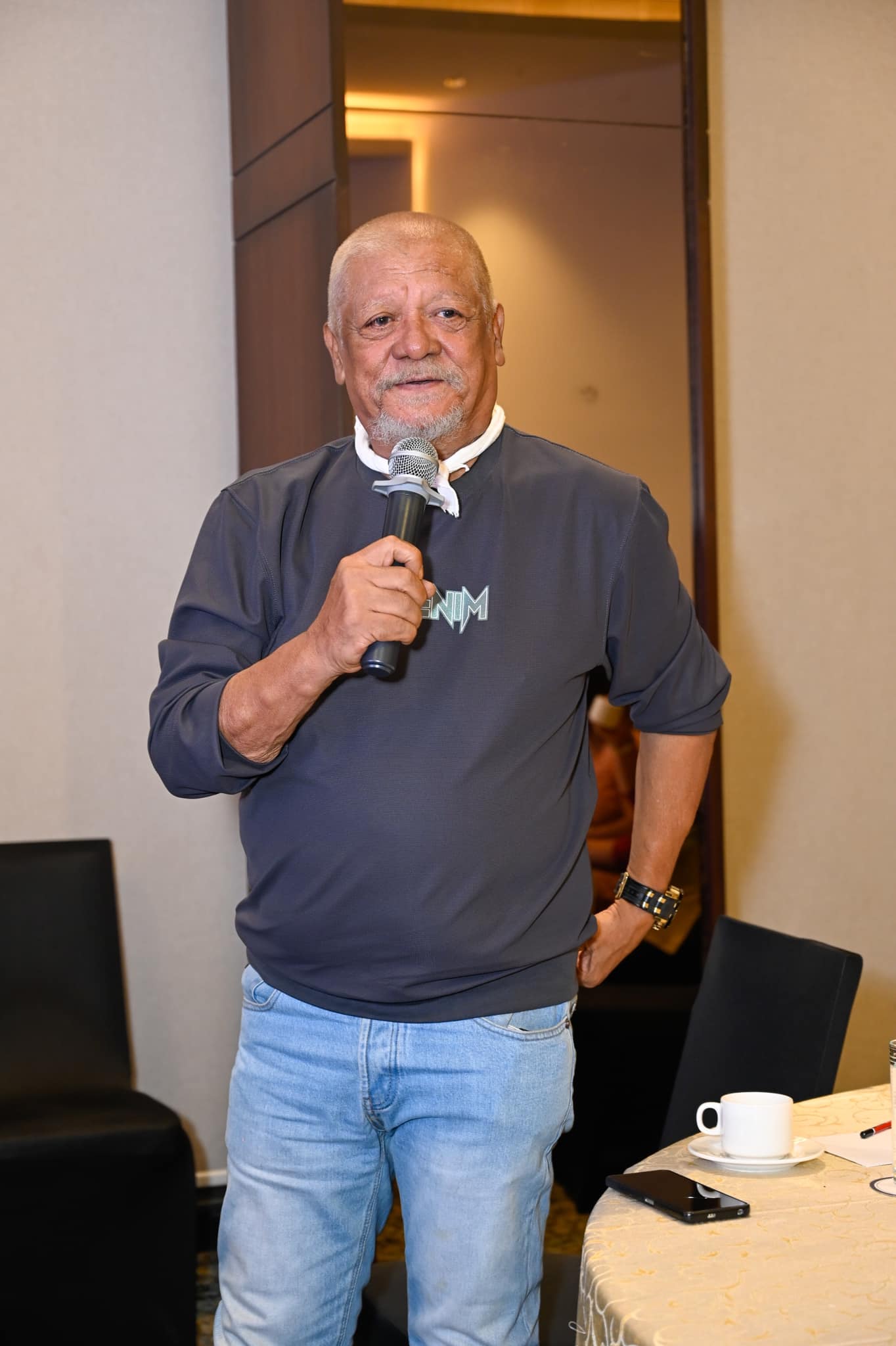
(Legendary Actor • Iconic Villain • Nepali, Bollywood & Bhojpuri Star)Sunil Thapa (19 May 1957 – 7 February 2026) was one of the most influential actors in Nepali cinema, celebrated for redefining villainy and character acting across Nepali, Bollywood, and Bhojpuri films. Born in Dang, Nepal, he began his acting career in Bollywood with Ek Duuje Ke Liye and went on to become a household name in Nepal through unforgettable roles—most famously “Rate Kaila” in the cult classic Chino (1989).His career spanned 1974–2025, with more than 150+ films, making him one of the most prolific actors in Nepali film history.He passed away on 7 February 2026 in Kathmandu, leaving behind a monumental legacy in South Asian cinema.
Sunil Thapa
Character Artists, Film Artists
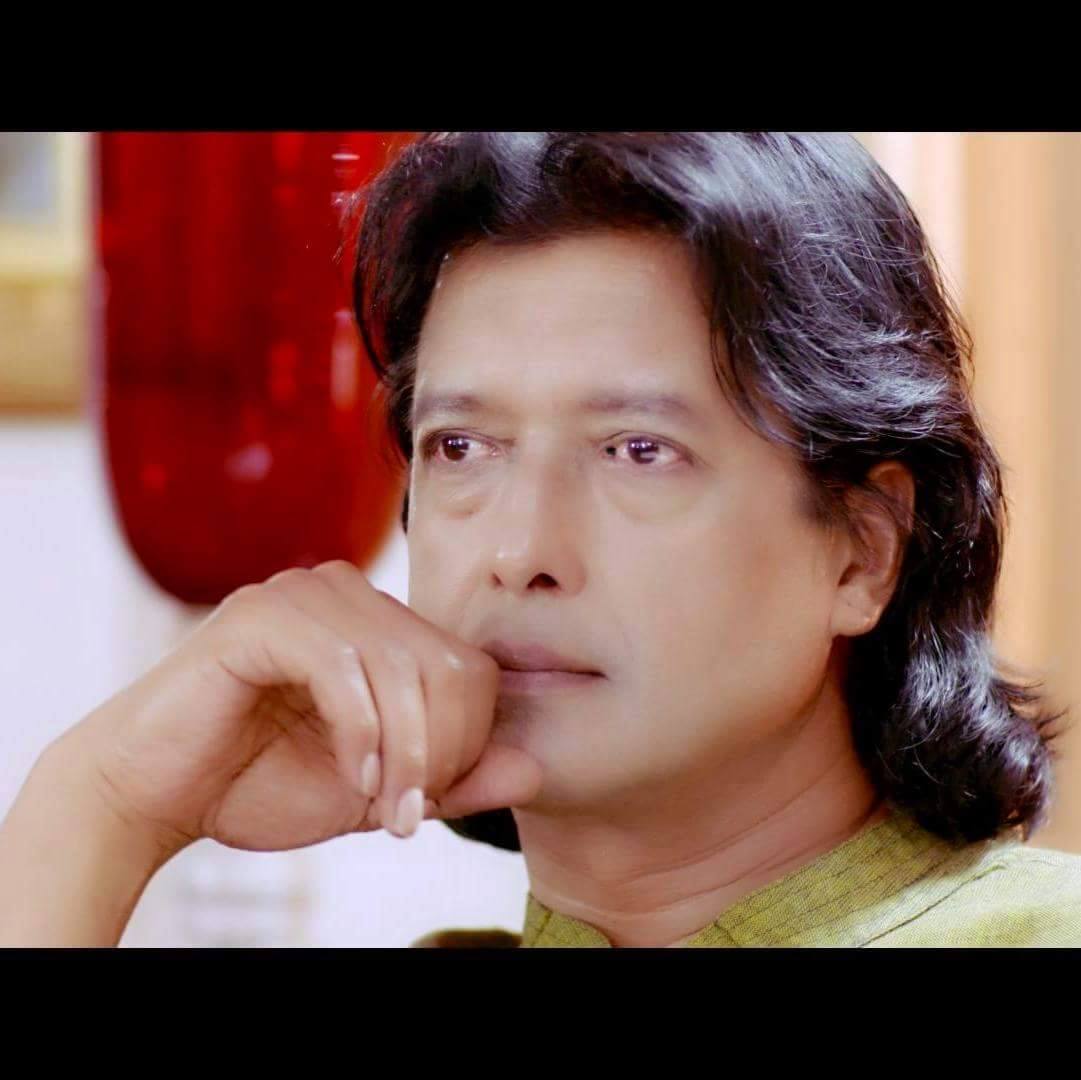
Rajesh Hamal is a legendary Nepali actor and television presenter whose career has shaped the identity of modern Nepali cinema. Born on June 9, 1964 in Tansen, Palpa, he is celebrated as one of the most influential performers in the history of Nepali films. He began his acting journey in the early 1990s, rising to national stardom with films like Deuta (1992), which earned him his first National Film Award for Best Actor. Known for his commanding screen presence, versatility, and charismatic persona, Hamal has acted in 250+ films, spanning romance, action, drama, and social narratives. A scholar with a Master’s degree in English Literature, he is also recognized for his humanitarian work and public influence.
Rajesh Hamal
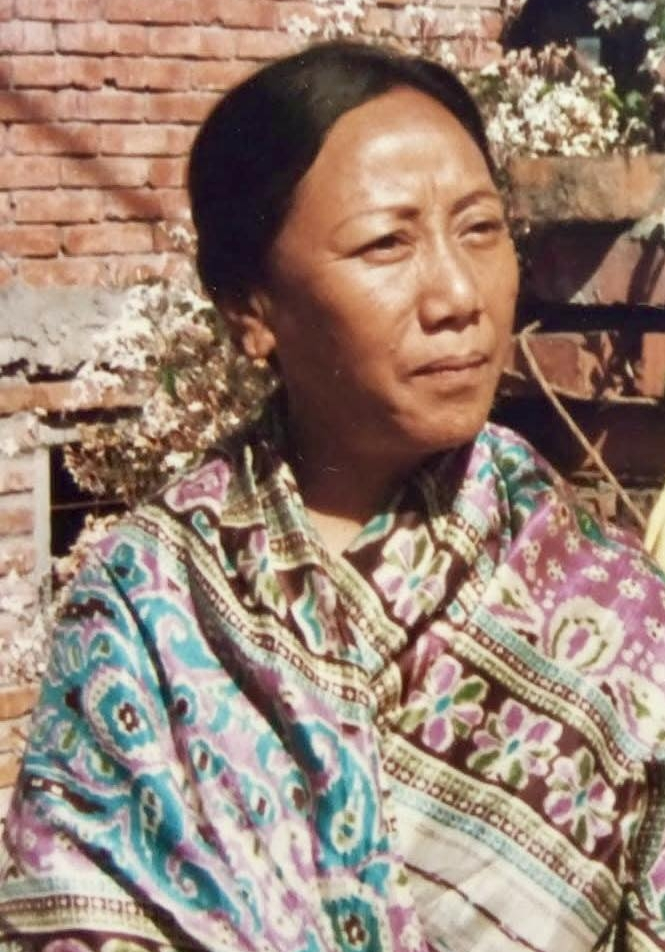
Aruna Lama, born on 9 September 1945 in Ghoom Pahar, Darjeeling, was an Indian‑born Nepali‑language singer widely honored as the “Nightingale of the Hills.” Her musical journey began at age seven under the encouragement of her uncle C.B. Lama, and she went on to become one of the most influential voices in Nepali modern music. Known for her expressive, melancholic tone and lyrical depth, she recorded hundreds of songs, including major film numbers that shaped the emotional landscape of Nepali cinema. Her signature hits include “Pohor Saal Khusi,” “Eh Kancha Malai Sunko Tara,” and many enduring modern classics. She received the Prabala Gorkha Dakshina Bahu in 1996 for her contribution to Nepali music. Lama passed away on 4 February 1998 in Kathmandu, leaving behind a timeless legacy cherished across the Nepali‑speaking world.
Aruna Lama
Singer/ Performer

Rani Dixit is a Nepali choreographer known for her expressive movement style, graceful formations, and strong contribution to Nepali film and stage choreography.
Rani Dixit
Dance Choreographer
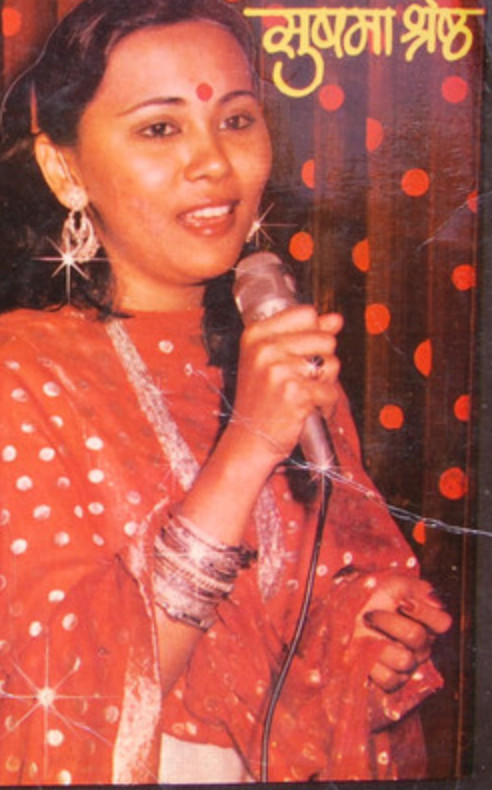
Sushma Shrestha, later known as Poornima, is a distinguished playback singer of Nepali Newar heritage whose voice became a defining presence in South Asian cinema. Rising to fame as a child singer in the 1970s, she delivered several timeless hits marked by clarity, emotional purity, and effortless melodic control. Alongside her celebrated Bollywood career, she contributed memorable songs to Nepali music, earning admiration across generations. With a career spanning decades, Shrestha remains recognized for her versatility, youthful vocal texture, and enduring influence on film playback singing.
Sushma Shrestha
Playback Singer
Nabina Shrestha is a Nepali actress best known for her leading role in the landmark Newar‑language film Silu (1987). Portraying Tuyu Maicha in the first feature film made in Nepal Bhasa, she became part of a historic moment in Nepali cinema, helping bring Newar culture, language, and emotional storytelling to the screen. Her performance in Silu is remembered for its natural expression and cultural authenticity, securing her a respected place in the cinematic memory of the late 1980s.
Nabina Shrestha
Actress

Juju Kaji Ranjit (born October 2, 1955) is a legendary Nepal Bhasa and Nepali singer whose six‑decade career has made him one of the most respected voices in Newar music and cultural preservation. He began singing at age ten during the 1965 language movement, using music as a medium of identity and expression. Over the years, he has recorded 44 songs, including contributions to Nepal’s first indigenous‑language feature film Silu, and has remained active through albums, live concerts, and cultural projects. His voice, lyrical sensitivity, and dedication to Nepal Bhasa music have earned him enduring recognition and numerous honors.
Juju Kaji Ranjit
Singer/ Performer
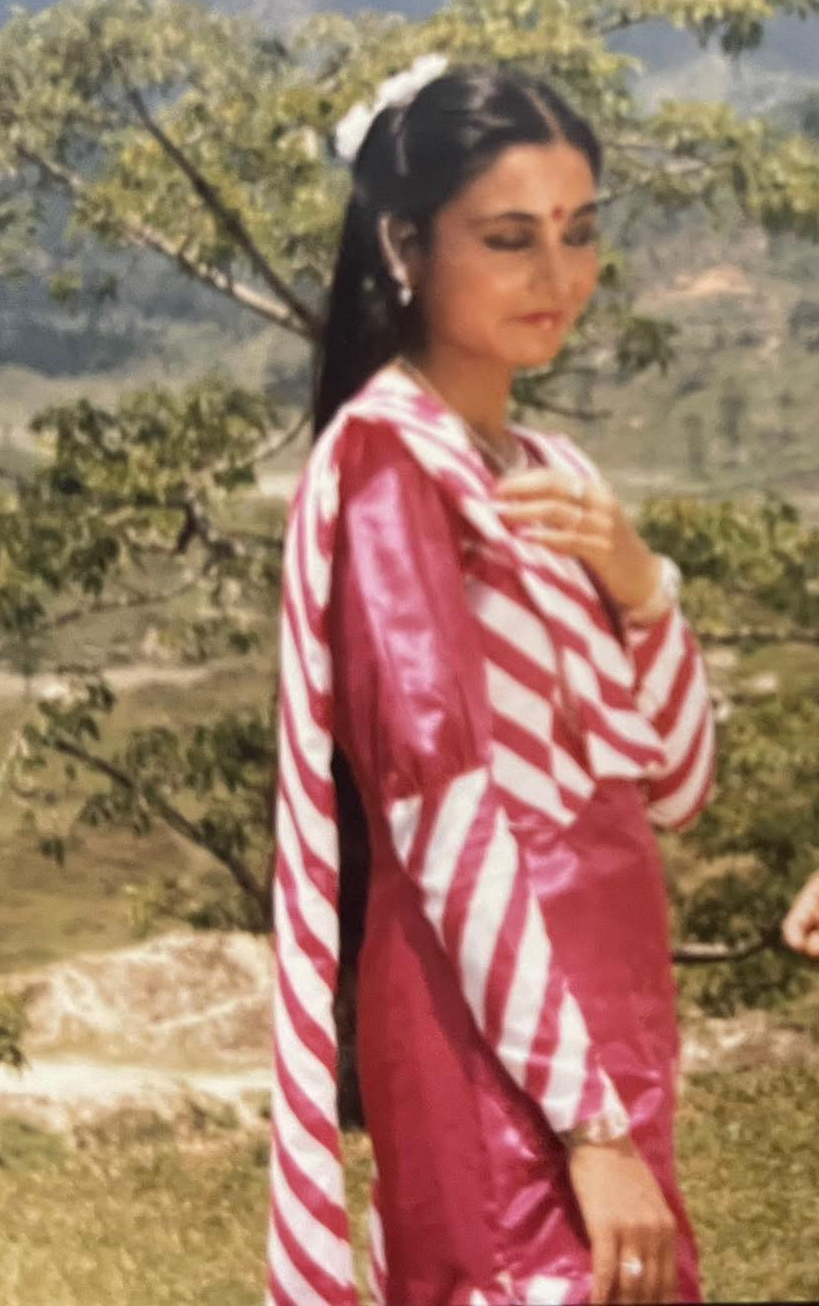
Rajashree Chettri is a Nepali actress active in the mid‑1980s, known for her graceful screen presence and roles in social and family‑drama films of the period. Her performances reflected the emotional clarity and natural acting style characteristic of the era, contributing to the evolving visual identity of Nepali cinema during the late 1980s. Though her filmography remains limited in public archives, Chettri is remembered for her expressive roles, cultural authenticity, and participation in a formative chapter of Nepali film history
Rajashree Chettri
Actress
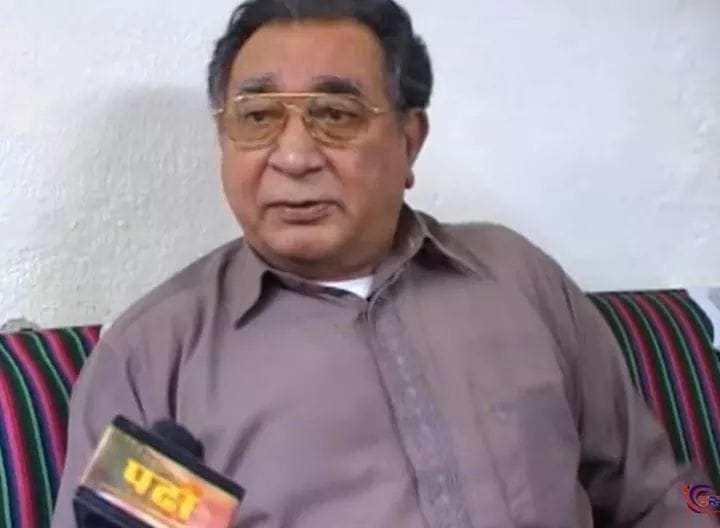
Jayanendra Chand Thakuri (1942–2020) was a prolific Nepali film actor whose career helped shape the foundation of modern Nepali cinema. A former Indian Army serviceman and Jawalakhel Youth Club cricketer, he entered films with Jeevan Rekha (1982) and went on to appear in over 100 films, becoming one of the most recognizable character actors of his era. Known for his grounded performances in social dramas, romantic stories, and action narratives, he brought emotional weight and authenticity to every role. His notable works include Kanchhi, Bishwas, Maya Preeti, Pheri Bhetaula, Angarakshyak, and Parkhi Base. He remained active until 2011 and is remembered as a respected, steady pillar of Nepali cinema.
Jayanendra Chand Thakuri
Film Artists
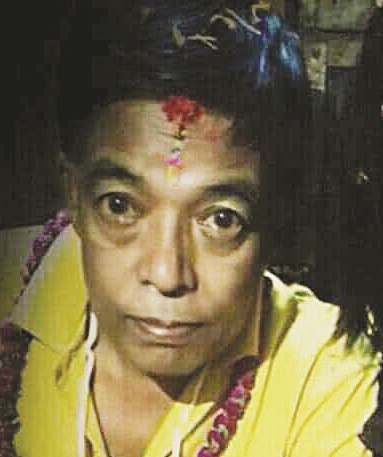
Ram Shanker Pradhan is a highly respected Nepali cinematographer who contributed to the film industry for several decades with his refined visual style and technical mastery. He began his career at the former Royal Nepal Film Corporation and later traveled to Pune, India, where he completed a three‑year cinematography course. After returning to Nepal, he worked on documentaries before moving into feature films, quickly becoming known for his sensitive use of natural light, expressive framing, and storytelling‑driven camera movement.Pradhan enriched Nepali cinema through his cinematography in Chot, Manakamana, Tapasya, Milan, Sauta, Mahadevi, Naata, Shree Swasthani, Sannani, Cheli, Ragat, Chhoro, Pheri Timro Yaad Aayo, Lagan Gatho, Chakrabyuha, Pooja, Anmol, Karnaveer, Ajambari Naata, Parkhi Base, Jeevan‑Mrityu, Sundar Mero Naam, Man‑Mutu Ra Maya, Khushi, Preetiko Phool, Jyan Hajir Chha, Angalo Angaloma, Damini and many other films.He also shot over half a dozen Bhojpuri films, expanding his influence beyond Nepali cinema. His work remains admired for elevating the visual language of Nepali filmmaking and inspiring a new generation of cinematographers.
Ram Shanker Pradhan
Cinematographer
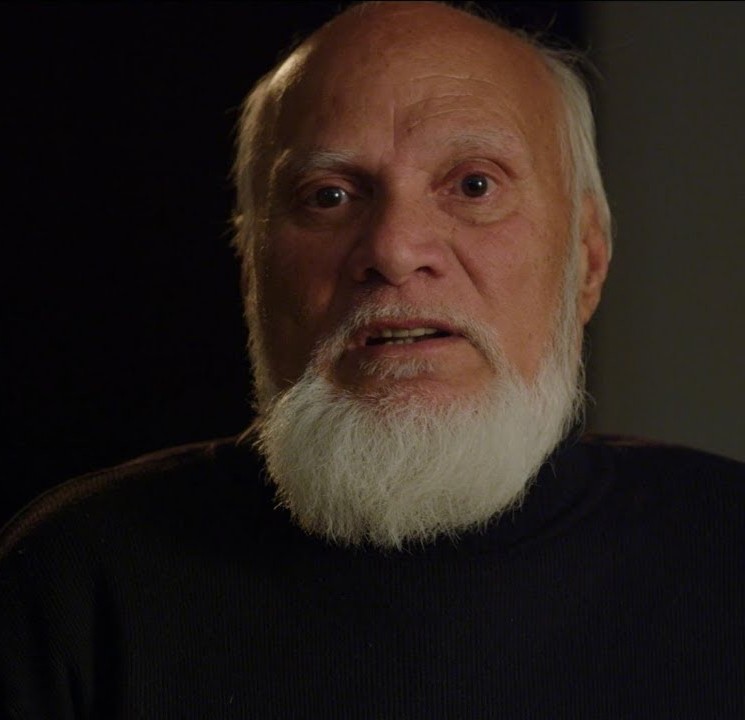
Javed Shah is one of the foundational cinematographers of Nepali cinema’s classic era (1989–2004), known for shaping the visual language of action‑drama films through his signature gritty lighting, bold framing, and dynamic camera movement. His work spans more than 15 major feature films, making him one of the most respected technicians of his generation.
Javed Shah
Cinematographer

(Senior Photographer • Commercial Visual Artist • Founder, Creative D Studio)Raj Bhai Suwal is one of Nepal’s leading commercial photographers, known for his versatile visual storytelling and decades‑long contribution to modern Nepali photography. Beginning his creative journey in the late 1970s, he first worked as a photojournalist for publications such as Nepal Samacharpatra, Mahanagar, and Sadhana, where his dynamic field photography established his early reputation.A multi‑skilled artist with a background in tailoring, crafts, music, and classical dance, Suwal eventually transitioned fully into still photography and visual production. He founded Creative D Studio in 2006, a Kathmandu‑based agency recognized for commercial, fashion, advertising, and portrait photography.Over the years, Suwal has become a respected mentor and industry figure, serving as Past President of the National Photojournalists Association (NPPA) and continuing to influence Nepal’s visual media landscape through studio work, training, and creative leadership.
Raj Bhai Suwal
Photographer, Fashion Photographer
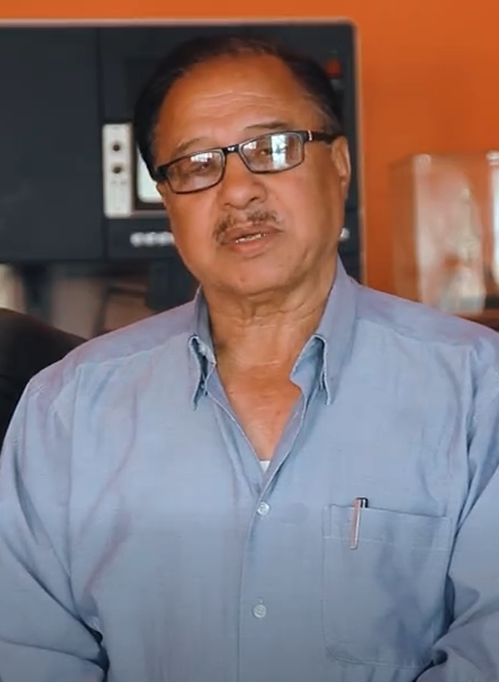
Starting from the foundational years of modern Nepali cinema, Narendra Khadka has built a distinguished career as one of Nepal’s most prolific and respected film editors. Active since 1989, he has edited more than 36 feature films, shaping the narrative rhythm and visual language of Nepali commercial and social‑themed cinema. His editorial work spans classics such as Rajamati (1995), Seemana (1996), Zameen (1998), Basanti (2000), and Prem Yuddha (2005), establishing him as a key technical figure in the industry.Beyond editing, Khadka has contributed as a story writer and chief assistant director, demonstrating a deep understanding of cinematic structure and storytelling. His long service to Nepali cinema was formally honored when he received a Lifetime Achievement Award at the 7th LG Cine Circle Awards, recognizing his decades of dedication and his role as the founding principal of the College of Film Studies.With a career spanning over three decades, Narendra Khadka remains a senior figure whose disciplined craft, technical precision, and editorial leadership continue to influence new generations of Nepali filmmakers.
Narendra Khadka
Video-film Editor, Colorist
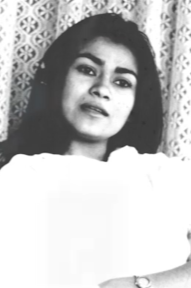
Anshumala Shahi is a Nepali film actress best known for her appearance in the 1989 feature film Pachhis Basanta, the earliest and only verified credit currently documented in Nepali film archives. Her career is listed as active 1989 , though public records show limited available documentation of her later works.
Anshumala Shahi
Actress
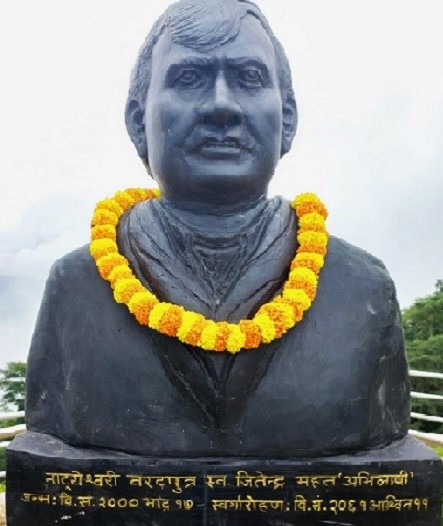
Jitendra Mahat Abhilasi (1956–2004) was a pioneering Nepali stage, radio, television, and film actor known for his powerful voice, disciplined craft, and exceptional contribution to Nepali performing arts. Born on 11 September 1956 in Kabilas, Nuwakot, he began his artistic journey as a student with a deep interest in theatre and literature. Abhilasi wrote, directed, and acted in his first historical play “Shree 5 Ranabahadur Shah” (1969) and went on to perform in over 482 radio dramas, 460 radio scripts, and more than 60 stage plays. He appeared in around 40 telefilms and over three dozen feature films including Manko Baadh, Basudev, Anyaya, Koseli, Chino, Basanti, Lagangatho, and Simarekha. Renowned for his radio drama legacy and versatile screen presence, Abhilasi remained one of Nepal’s most respected multi‑disciplinary artists until his passing on 27 September 2004.
Jitendra Mahat Abhilasi
Theatre Artists, Film Artists, Playwright
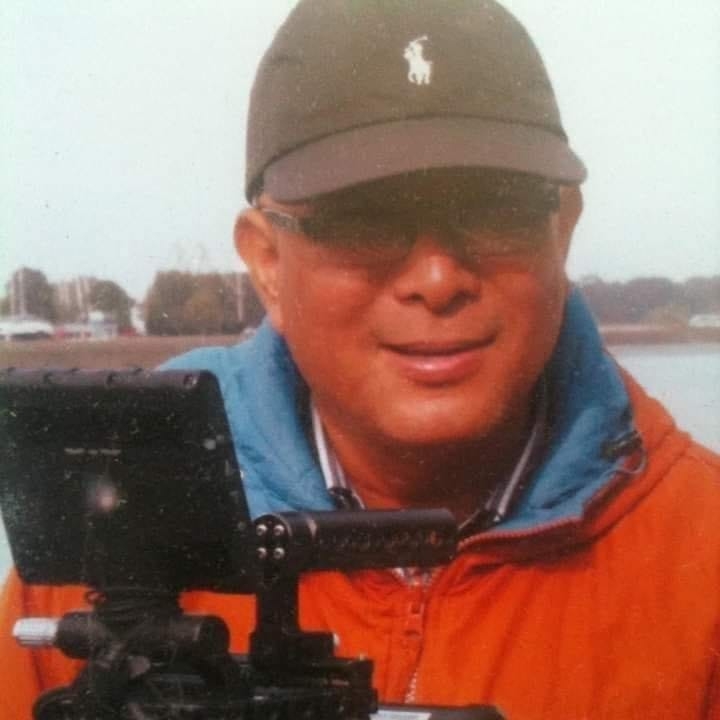
Raju Shah (born 26 February 1965) is one of Nepal’s most influential dance choreographers, with a career spanning over three decades and more than 200 films. Beginning as a dancer in Badalindo Aakash (1982), he became a leading choreographer from Dui Thopa Aansu (1993) and later expanded into film direction and production. He has directed feature films including Sapana Ko Naulo Sansar and Namaste Nepal—one of the first Nepali films shot entirely in Europe. Shah is also the founder chairman of the Nepal Film Dance Association and remains a defining figure in Nepali film choreography and visual storytelling.
Raju Shah
Dance Choreographer
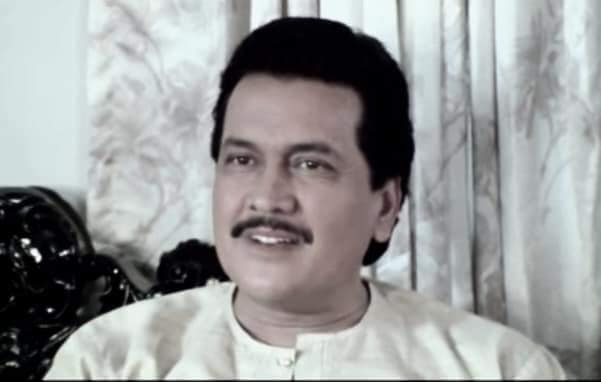
Starting from his early life in Biratnagar, Prakash Pathak was born in 2001 B.S. (1944 AD) and later became a familiar face in Nepali cinema. He entered the Nepali film industry in the early 2040s B.S. (1980s AD), gradually establishing himself through steady, heartfelt performances in social and family‑oriented films.Over the course of nearly three decades, Pathak contributed to a wide range of Nepali feature films and telefilms. He appeared in several well‑known titles, including Mayalu, Tilahari, Gopikrishna, Tuhuro, and Bandhan, along with numerous other productions across the 1980s, 1990s, and early 2000s.Prakash Pathak was known for portraying grounded, relatable characters — often fathers, uncles, community figures, or emotionally layered supporting roles. His natural acting style, calm presence, and ability to reflect everyday Nepali life made him a respected contributor to the golden and transitional eras of Nepali cinema.
Prakash Pathak
Film Artists
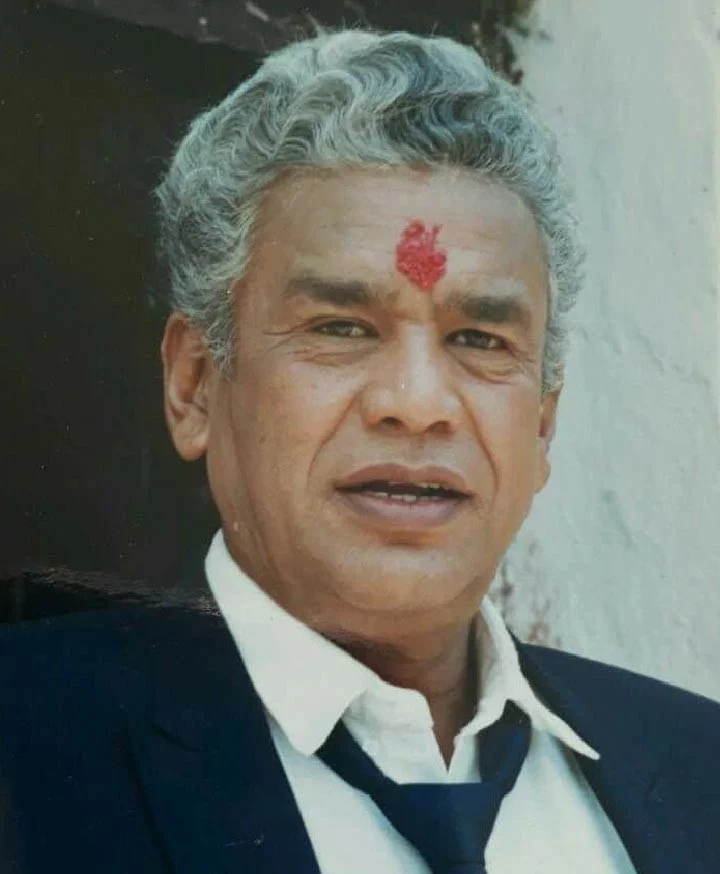
Starting from his early years in Nepali commercial cinema, Ravi Shah established himself as a dependable character actor known for his calm screen presence, expressive delivery, and versatility across drama, family, and social‑themed films. Active since 1985, he has contributed to more than 50 Nepali feature films, often portraying father figures, community elders, and emotionally grounded supporting roles.Shah’s career spans the golden era of 1990s Nepali cinema through the transitional 2000s, with memorable performances in films such as Kanyadaan (1991), Maya Preeti (1989), Pachhis Basanta (1989), Badal Paree (2001), Manmandir (2002), Pahuna (2003), Aankha Lobhi Man Papi (2003), and Godhuli (2003). His long filmography reflects steady, respected participation in mainstream Nepali filmmaking, and he is also credited as a legal advisor in the industry.
Ravi Shah
Film Artists
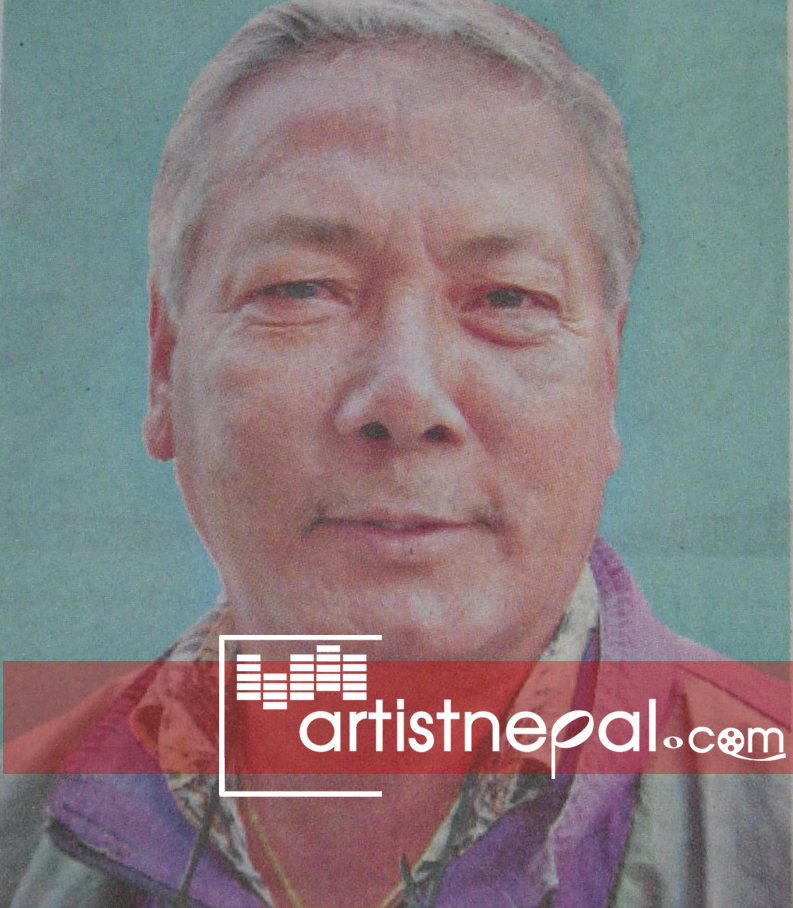
Kalyan Sherchan was a Nepali folk singer and composer known for his contribution to lok‑geet and traditional Nepali music. His works, many of which were broadcast through Radio Nepal, reflect the emotional storytelling and melodic simplicity that define classic Nepali folk traditions. Sherchan wrote and composed songs such as “Mai Dukhilai Ja Basyo Ui Ramro” and contributed to several lok‑geet recordings that remain popular in rural and urban Nepali communities. His music continues to be covered by contemporary artists, preserving his legacy as a respected figure in Nepal’s folk music heritage. Sherchan passed away on 7 February 2011.
Kalyan Sherchan
Folk Singer
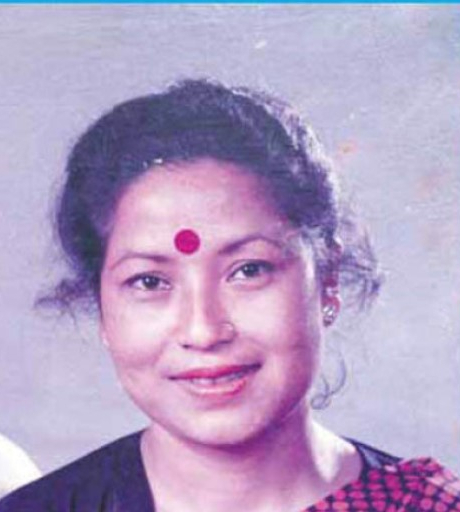
Starting from her early childhood in Lazimpat, Kathmandu, Sakuntala Sharma (born 2008 B.S.) grew into one of Nepal’s most respected theatre artists and actresses, known for her expressive performances and deep commitment to stagecraft. She began acting at the age of ten with the play Palansko Phool, marking the start of a lifelong dedication to Nepali theatre. In 2033 B.S., she entered an inter‑caste arranged marriage with actor and theatre director Harihar Sharma, forming one of Nepal’s most influential artistic partnerships.Sakuntala became widely recognized for her powerful roles in acclaimed plays such as Kosanga Judhaun, Manis ra Mukundo, Pahad Chichyairahechha, Farkera Herdā, Kankal, Chyatitako Parda, and Parkhalbhitra. Her transition to cinema in the 1970s brought memorable performances in Hijo, Aaja ra Bholi, Badlindo Aakash, Vasudev, Mayapriti, Chokho Maya, Chelibeti, Sindoor, and Santaan Tharitharika. She also contributed significantly to Radio Nepal through numerous radio dramas, strengthening her legacy as a versatile and enduring performer in Nepali performing arts.
Sakuntala Sharma
Theatre Artists
Ranjan Pandey is a Nepali sound designer active during 1985–1990, known for bringing clarity, texture, and emotional depth to the soundscape of Nepali cinema. Working in an era of limited technology, he became recognized for his disciplined recording style, balanced dialogue mixing, and ability to enhance dramatic storytelling through subtle yet effective sound design.
Ranjan Pandey
Sound Engineer
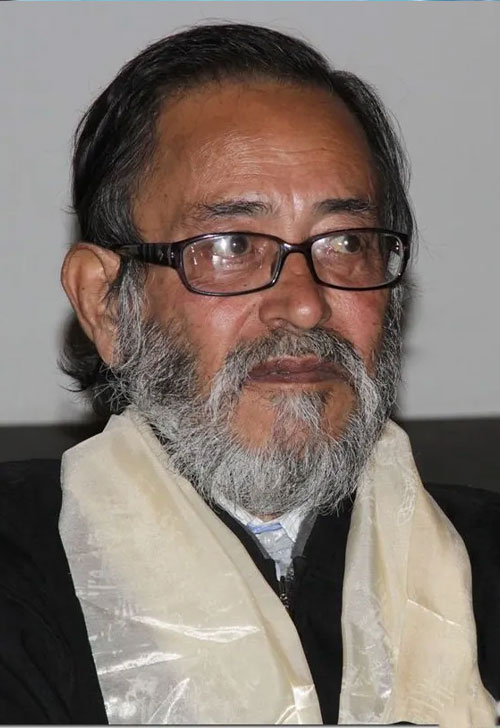
Starting from his early career in the late 1980s, Deepak Dhakal emerged as a dedicated Nepali cinematographer known for his steady contribution to commercial and social‑themed Nepali cinema. He made his debut as a cinematographer with Sindoor and went on to work in more than 20 feature films, shaping the visual tone of 1990s and early‑2000s Nepali filmmaking.Dhakal’s filmography includes notable titles such as Shanti Deep (1989), Cheli Beti (1990), Pheri Bhetaula (1990), Didi (1992), Chokho Maya (1993), Chatyang (1994), Chahana (1994), Sarangi (1994), and Pahilo Prem (1997). His work is remembered for its grounded visual style, clarity in storytelling, and commitment to traditional Nepali cinematographic techniques.Beyond filmmaking, Dhakal served as a professor at Oscar International College, Nepal’s only dedicated film‑teaching institute, and was an active member of NEFTA, contributing to the professional development of the industry. He passed away on 3 December 2015 due to a brain hemorrhage, leaving behind a respected legacy in Nepali cinema.
Deepak Dhakal
Cinematographer