
Explore Artists
Browse through 2,037 talented actors, musicians, dancers, filmmakers and creative professionals from Nepal.
2,687
All Artists
197
Actor
224
Actress
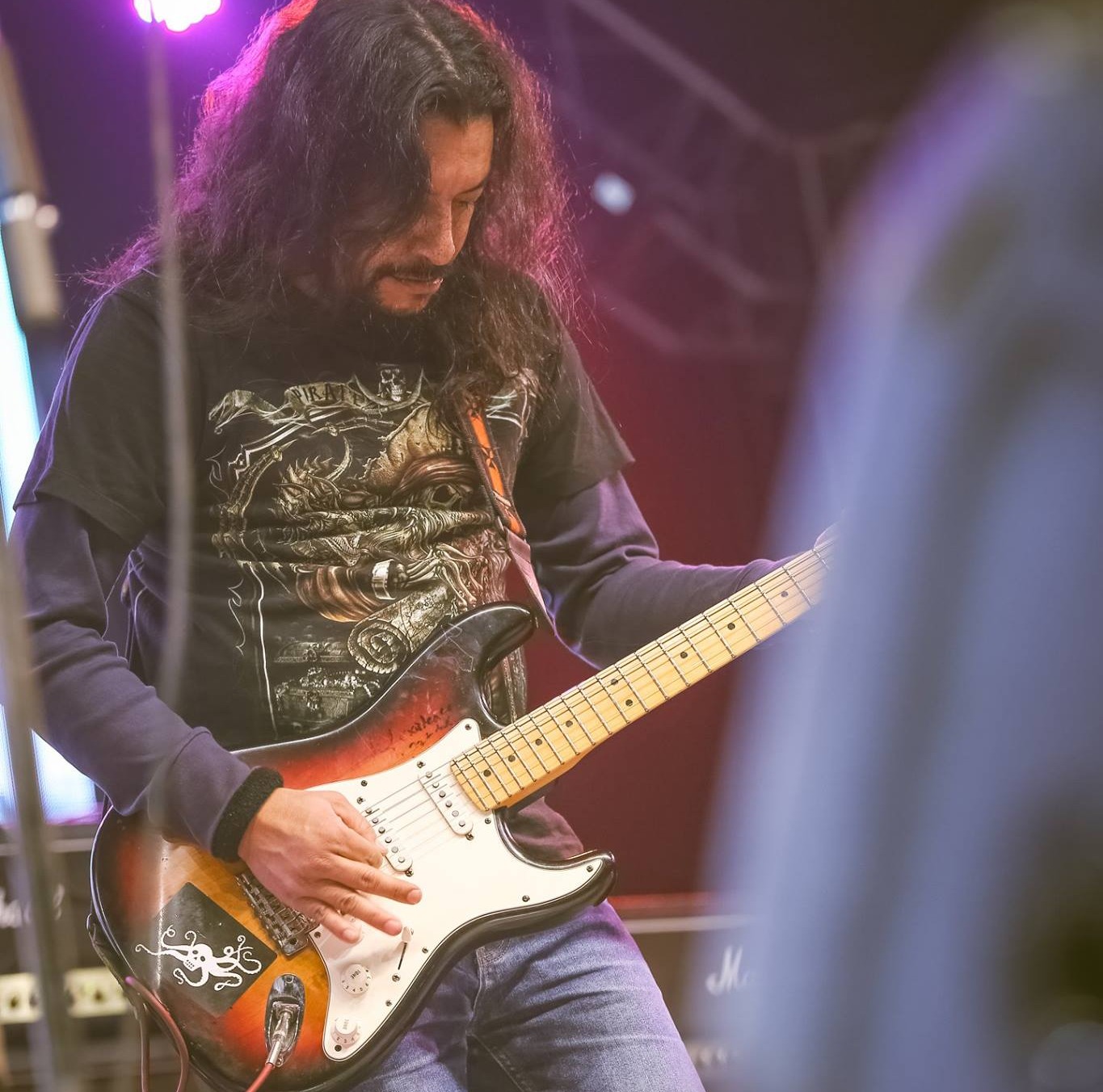
Sarad Shrestha is one of Nepal’s most influential guitarists and genre‑shifting musicians, active for over three decades in the Nepali music scene. Beginning his journey after SLC, he formed his first band Black Band and later became widely known as the guitarist of The Axe Band, contributing 12 years and four albums. A versatile performer, he has worked across rock, stoner metal, ska‑punk, rap‑rock, and grunge, performing with bands such as Black Wizard, The Sound Mill, Kathmandu Mayhem, Intellectual Morons, Tumbleweed Inc., Project One, and Shree 3, where he also sings. Respected for his emotional playing and fearless experimentation, Shrestha remains a defining figure in modern Nepali rock.
Sarad Shrestha
Guitarist, Singer/ Performer
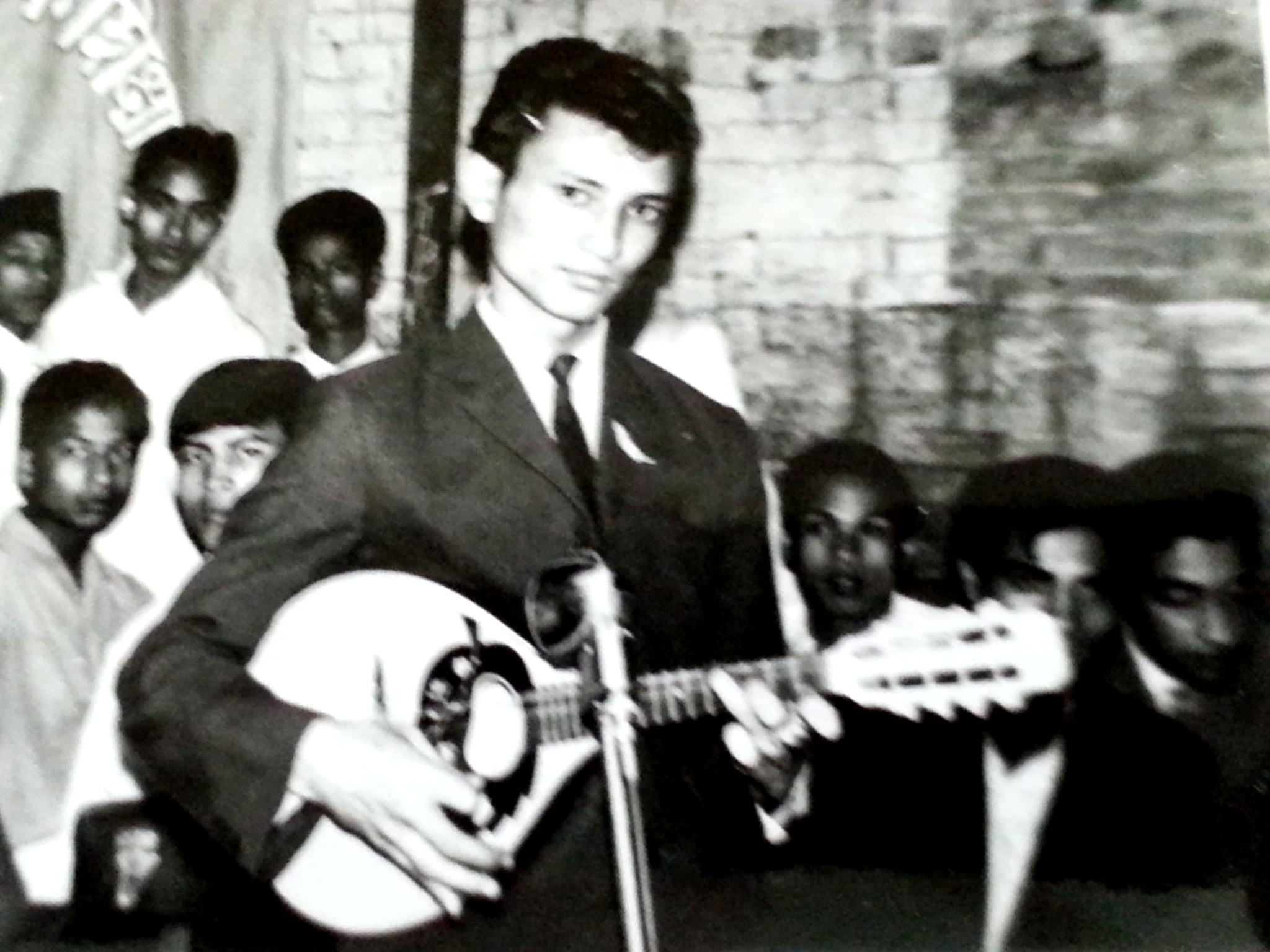
Sharan Pradhan (born May 3, 1943, Darjeeling) was one of the most influential lyricists and music composers in the history of Nepali modern music, emerging as a defining creative force from 2020 BS onward. By the age of 21, he was already an established name, shaping the rise of adhunik geet alongside contemporaries like Aruna Lama and Ranjeet Gajmer. A gifted multi‑instrumentalist, Pradhan mastered banjo, mandolin, and several traditional instruments from a young age — the banjo being his earliest and most beloved. His compositions are known for their emotional depth, poetic clarity, and melodic sophistication, many of which became timeless classics recorded by Nepal’s greatest voices. His lyrical works such as “Ma Aankhama Rakhine” and “Ma Aankhaima” remain widely referenced and studied today. Sharan Pradhan’s legacy endures as a cornerstone of Nepali musical identity — a creator whose artistry elevated the emotional and musical vocabulary of an entire generation.
Sharan Pradhan

Ram Bahadur Jimba, born on 7th Saun 2023 BS in Sarlahi, was a renowned Nepali folk singer, flutist, and multi‑instrumentalist known for his contribution to traditional Nepali music. Skilled in instruments such as madal, damphu, dholak, and accordion, he served as an officer‑level employee at Radio Nepal. His professional journey began in 2040 BS as a tech‑basis worker and became permanent in 2049 BS. Jimba recorded over 40 folk songs at Radio Nepal, including popular titles like Churimai Kasam Khayera Maile, Gai Bhainsilai Bandheko Kila, and Maya Laun Milla Ki Namilla. He also contributed to the collection and preservation of traditional folk songs.
Ram Bahadur Jimba
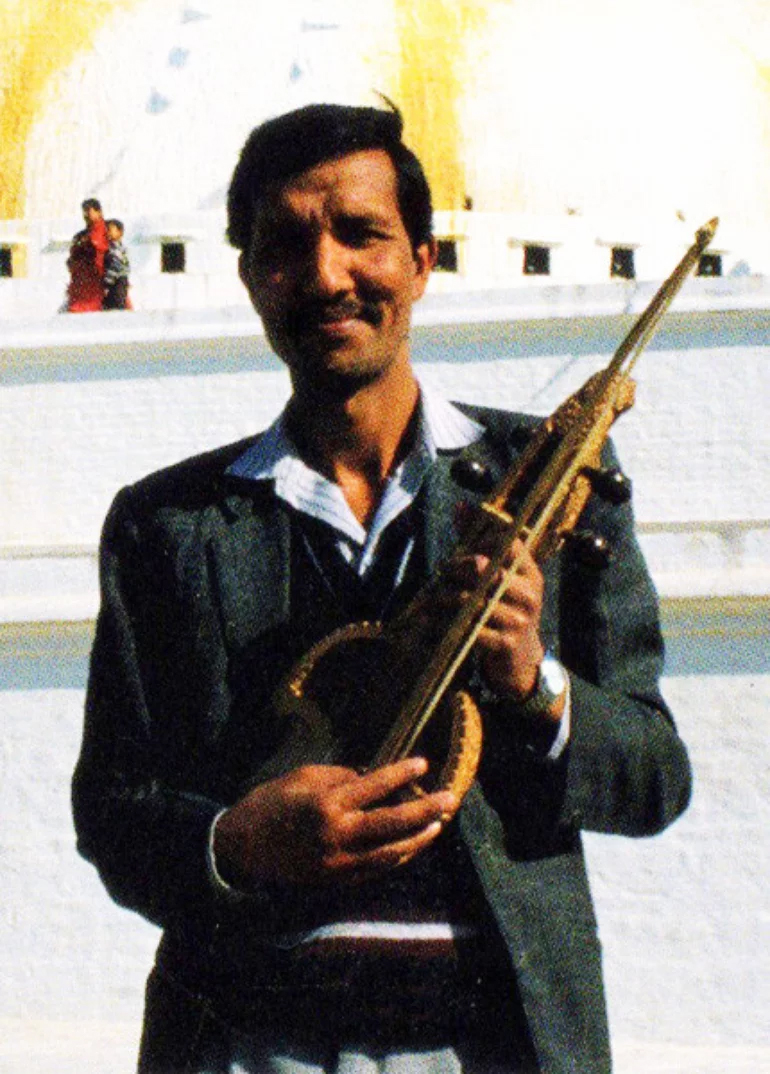
Ram Sharan Nepali was a prominent Nepali folk singer and Sarangi player whose work helped preserve Nepal’s traditional lok‑geet and instrumental heritage. Active from the 1980s onward, he recorded influential albums such as Folk Tunes in Sarangi (1987) and Folk Tunes in Sarangi, Vol. 2 (1988), establishing himself as a leading figure in instrumental folk music. His repertoire includes widely circulated tracks like “Sorathi,” “Sebru Dhun,” “Sanguri Bari Ni,” “Ke Ko Rang Lagyo,” and “Jina Chhake”, many of which remain available on Apple Music and Spotify. His collaborations with artists such as Tika Nepali and Geeta Devi further expanded his impact. Even after his passing, tribute releases like “Yo Keti Kaha Ko” (2025) continue to honor his legacy.
Ram Sharan Nepali
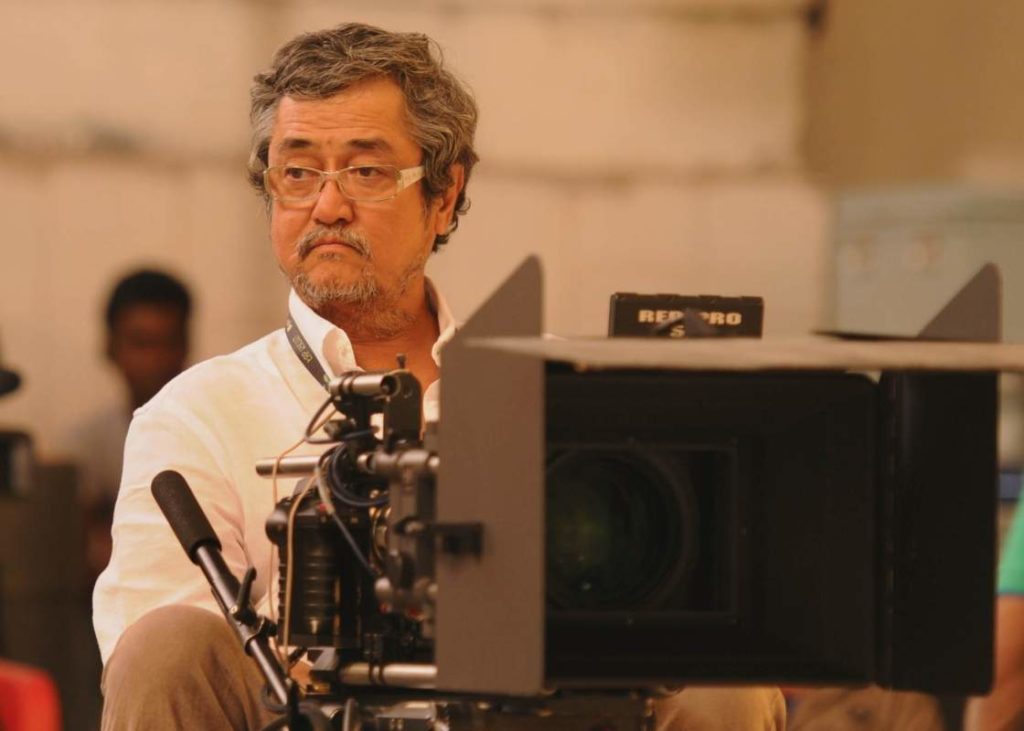
Binod Pradhan is an acclaimed Nepali cinematographer whose visual mastery spans both Nepali and Indian cinema. He began his career in Nepal with films such as Saino, Basudev, and other early Nepali classics, where his naturalistic lighting and emotional framing first gained attention. Pradhan later became one of Bollywood’s most celebrated cinematographers, shaping landmark films including Rang De Basanti, Devdas, Parinda, Mission Kashmir, 1942: A Love Story, and Bhag Milkha Bhag. His poetic realism, technical precision, and storytelling depth have made him one of South Asia’s most influential visual artists.
Binod Pradhan
Cinematographer
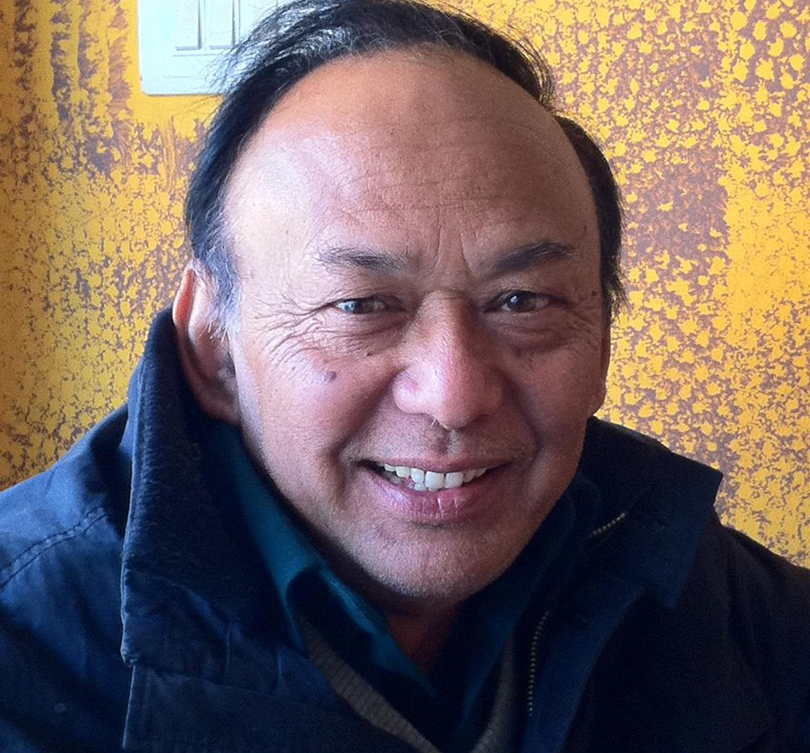
Sambhu Pradhan is a respected Nepali film director, editor, and actor whose work helped define the commercial era of Nepali cinema in the 1980s and 1990s. Emerging as a versatile creative figure, he built his career through disciplined craft in editing and gradually transitioned into directing films known for emotional storytelling, strong musical structure, and audience‑centered narratives. His directorial contributions include memorable Nepali classics such as Samjhana, Behuli, Sapana, Bishwas, and Santaan, works that established him as one of the influential filmmakers of his generation. Active across multiple disciplines—direction, editing, and acting—Pradhan’s career reflects a multi‑layered creative presence that shaped the visual and narrative style of mainstream Nepali cinema during its formative decades.
Sambhu Pradhan
Film Director, Video-film Editor, Colorist
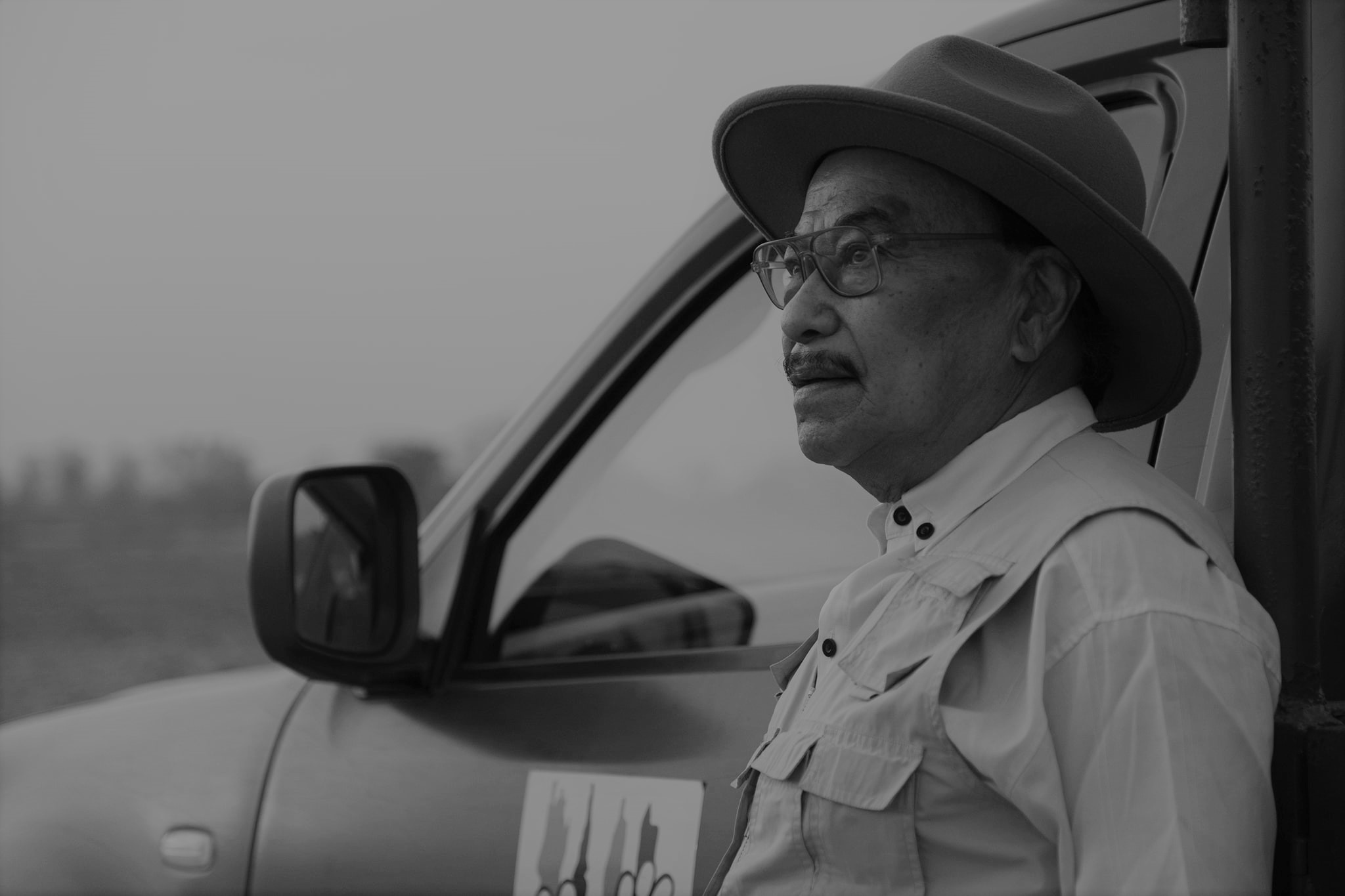
Sanu Tamrakar is a respected senior Nepali actor known for his natural performances, disciplined craft, and long-standing contribution to stage and screen. Active for several decades, he has portrayed diverse characters with emotional clarity and cultural authenticity, earning admiration from audiences and colleagues alike. His work spans theatre, television, and film, where his grounded acting style and commitment to storytelling have made him a trusted and enduring presence in Nepali performing arts.
Sanu Tamrakar
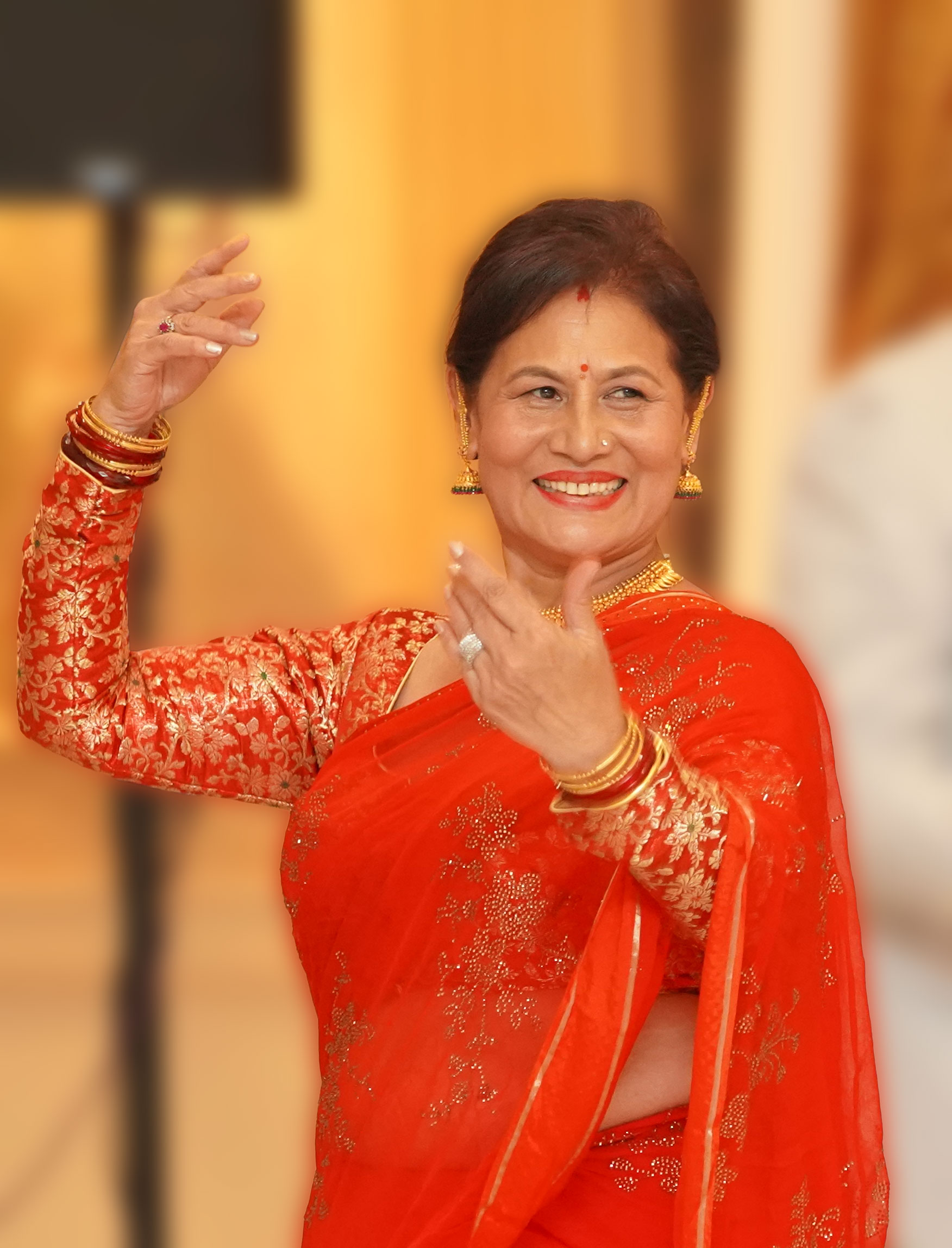
Subarna Chhetri is a respected Nepali film and stage artist known for her expressive performances and long association with Mahajodi’s Maha Sanchar team. She gained wide popularity through the comedy serial Hetterika, where her natural timing and character work made her a household name. Alongside television and stage shows, she appeared in notable films including Badlido Aakash (1983). Her contributions have left a lasting impact on Nepali comedy, performance culture, and mainstream entertainment.
Subarna Chhetri
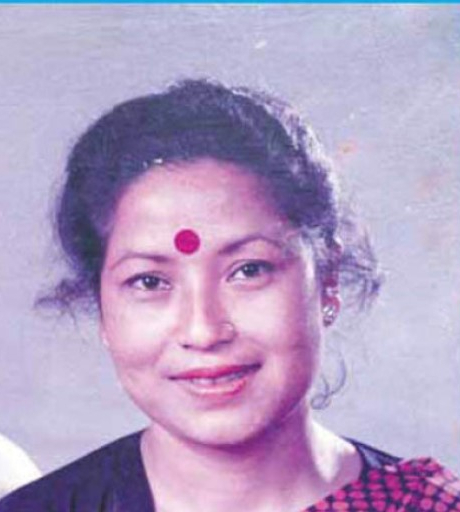
Sakuntala Sharma is a renowned Nepali actress and theatre director, celebrated for her powerful performances on stage, radio, and film. Born in 2008 B.S. in Lazimpat, Kathmandu, she began acting at the age of ten with a memorable role in the play Palansko Phool. In 2033 B.S., she entered an inter‑caste arranged marriage with actor and theatre artist Harihar Sharma. Over the years, she performed in acclaimed plays such as Kosanga Judhaun, Manis ra Mukundo, Pahad Chichyairahechha, Farkera Herdā, Kankal, Chyatitako Parda, and Parkhalbhitra, establishing herself as a leading stage performer. In the 1970s, she gained wide recognition through films like Hijo, Aaja ra Bholi and Badlindo Aakash, followed by strong roles in Vasudev, Mayapriti, Chokho Maya, Chelibeti, Sindoor, and Santaan Tharitharika. She also contributed significantly to Radio Nepal through numerous radio dramas.
Sakuntala Sharma
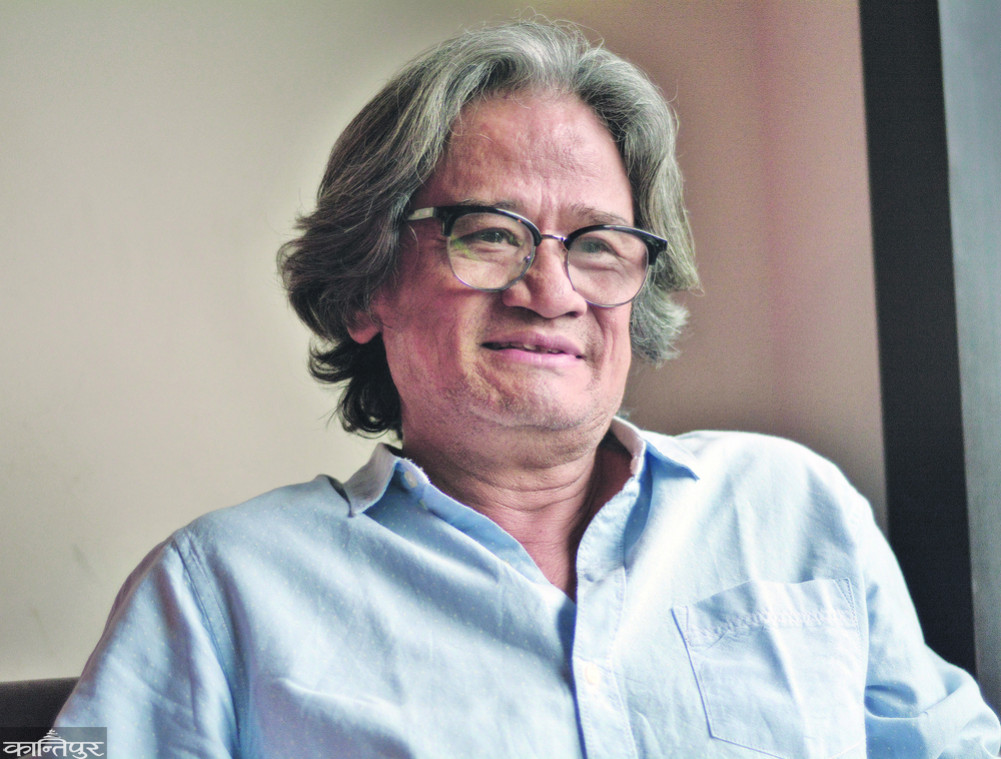
Pramod Pradhan is a versatile Nepali cinematographer whose career bridges Nepali cinema and major Bollywood productions. Early in his journey, he assisted his brother, acclaimed cinematographer Vinod Pradhan, on celebrated Hindi films such as Bhag Milkha Bhag, Rang De Basanti, Devdas, and Parinda, gaining exposure to world‑class visual craft. In Nepal, he established his own identity through hit films like Anyaya, Koseli, Chino, and Dakshina, earning recognition for dynamic camera work and emotional visual storytelling. Pramod later served as the lead cinematographer for films including Chain Khuli Ki Main Khuli and several television series, further expanding his creative range. His work reflects technical precision, narrative sensitivity, and a deep commitment to elevating Nepali visual cinema.
Pramod Pradhan
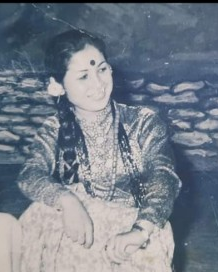
Menuka Pradhan (born 21 January 1953) is a luminous figure in the Indian Nepali theatre world, admired for her mastery of acting, singing, dancing, and literary expression. She co‑directed a major revival of the record‑setting Nepali play Ani Deorali Runchha alongside veteran playwright Kiran Thakuri. As a film actress, she has performed in more than a dozen Nepali and regional films, including Paralko Aago, Bachhna Chahaneharu, Devata, Jeevan Kanda Ki Phool, Chetana, Bhagya, Disha, Hamrai Santaan, Prashant Manko Aunthi, Shayad, Bandh, Prayashchit, Samarpan, and Spectre and Sibling.In 1971, she won first place singing a duet with Durga Kharel at the Gorkha Dukha Nivarak Sammelan competition. An All India Radio “A+”–graded drama artist, she has voiced over a thousand radio plays, documentaries, dance‑dramas, and animations. Known for her engaging stage presence, she has also hosted numerous major cultural events. In 1979, she received the Critic Circle of India Award for Best Nepali Actress for Paralko Aago.
Menuka Pradhan
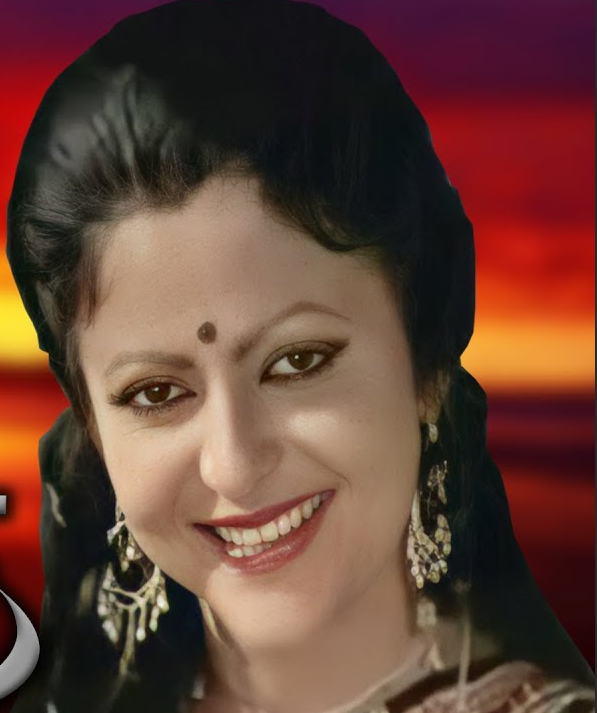
Menakshi Anand is an actress and performing artist known for her work in Nepali cinema as well as in select Indian films. She gained recognition for her lead role in the classic Nepali film Sindoor and appeared in other Nepali films such as Jeevan Rekha. Beyond Nepali cinema, she contributed to Indian films through singing, dancing, and supporting roles, demonstrating her versatility as a performer. Anand’s work in the late 1970s and 1980s helped shape early Nepali film narratives while bridging connections with broader South Asian cinema, making her a memorable figure in the region’s performing arts.
Menakshi Anand
Actress
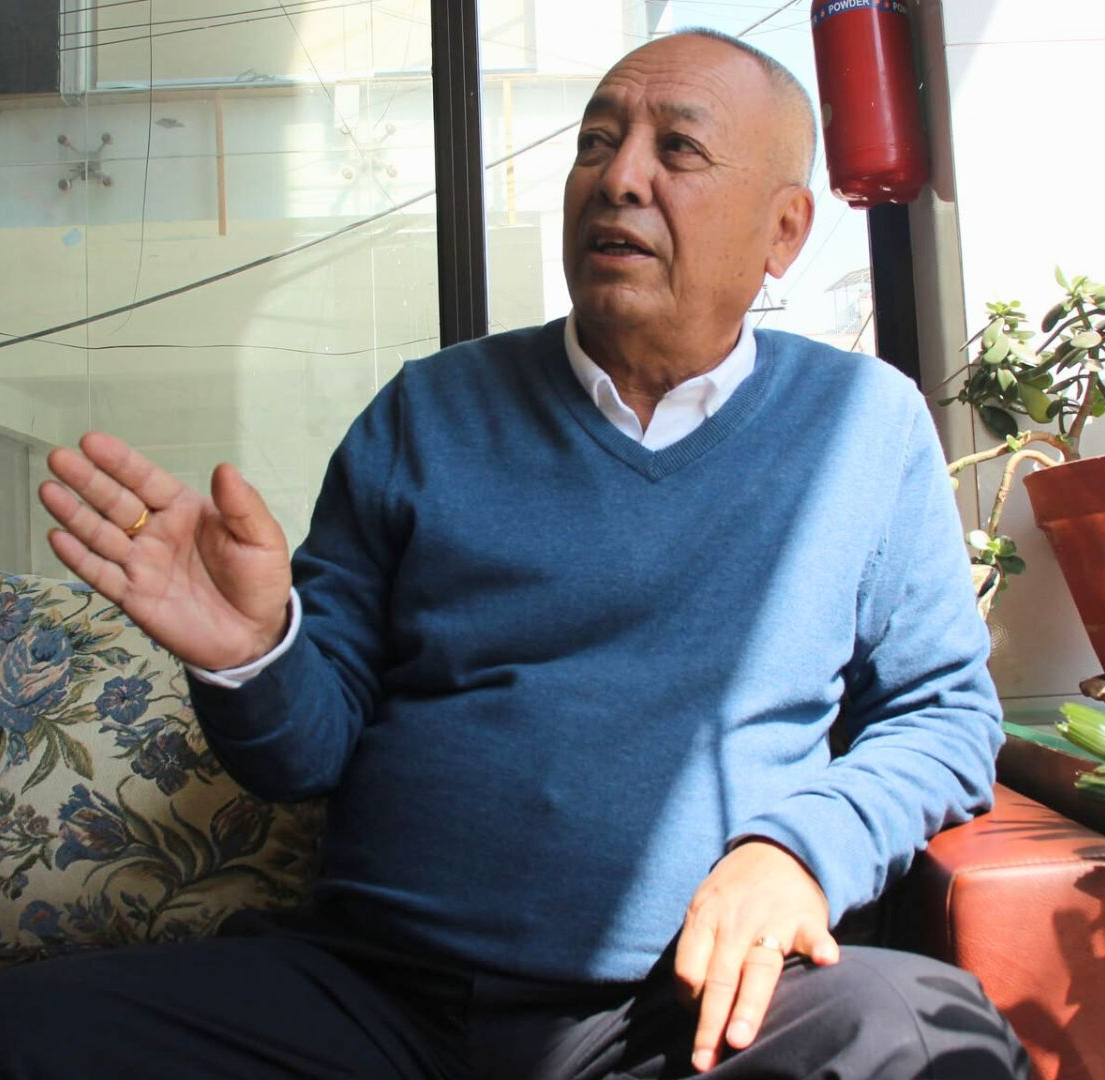
Manju Kumar Shrestha is a Nepali cinematographer who played an important role in the early technical development of Nepal’s film industry. In 2029 B.S., he joined the Royal Nepal Film Corporation (then known as Shahi Nepali Chalchitra Sansthan).In 2030 B.S., he worked as a film photographer for the corporation’s first production, Man Ko Bandh. At that time, most technical experts in Nepali filmmaking—such as directors, cameramen, and lighting technicians—had to be brought from India due to the lack of local professionals.During the shooting of Man Ko Bandh, the Indian cinematographer fell ill, and Shrestha stepped in to operate the camera himself. Although he carried out much of the filming, he was credited only as an assistant cameraman when the film was released. This experience marked the beginning of his career as a cinematographer.He later went on to shoot many Nepali films, including Kumari, recognized as Nepal’s first color film, and Jeevan Rekha. Over the course of his career, Manju Kumar Shrestha has worked as a cinematographer on more than 70 films, making a significant contribution to the growth and technical progress of Nepali cinema.
Manju Kumar Shrestha
Cinematographer
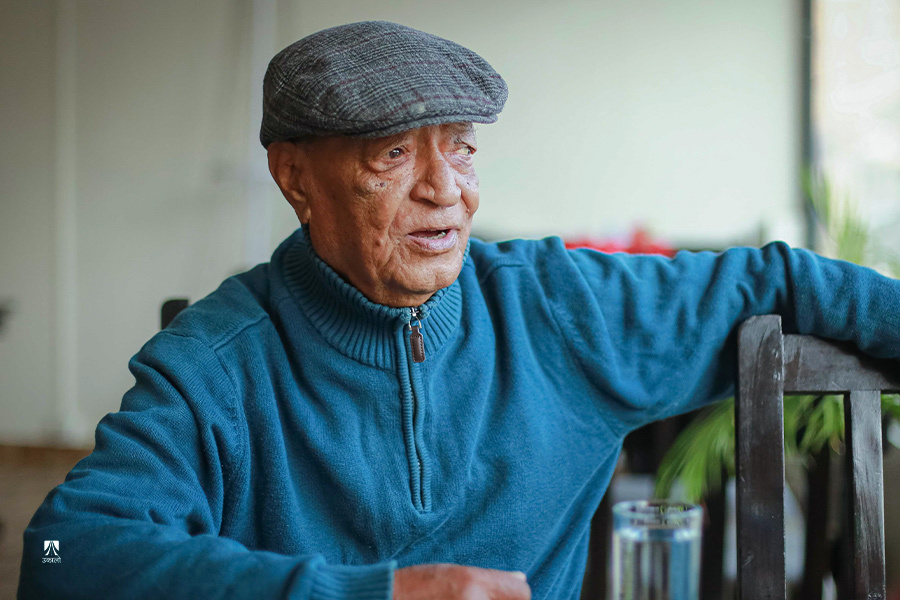
Prem Bahadur Basnet is a Nepali film director known for his contribution to the early development of Nepali cinema and for directing the culturally important film Kumari.After completing his B.Ed., Basnet received scholarships to study abroad, including one from a university in Hawaii, USA, and another to study scriptwriting at the Film and Television Institute of India in Pune, India. While many students at the time were going to the United States for higher education, Basnet chose to pursue film studies in Pune because of his strong interest in cinema.He studied there for two years, going to Pune in 1962 and returning to Nepal in 1964. After returning, he worked at Nepal’s Information Department, where he became involved in cultural and media-related activities.Having studied filmmaking, Basnet was more interested in creating original and artistic films rather than purely commercial cinema. During this period, when Nepal was invited to represent the country in international film festivals, he decided to make a film based on the living goddess Kumari tradition of the Newar community in Kathmandu.This idea eventually led to the creation of Kumari, which became an important cultural film portraying Nepal’s traditions and social life. Through his work, Prem Bahadur Basnet helped introduce culturally rooted and artistic storytelling to Nepali cinema.
Prem Bahadur Basnet
Film Director, Film Maker/ Producer
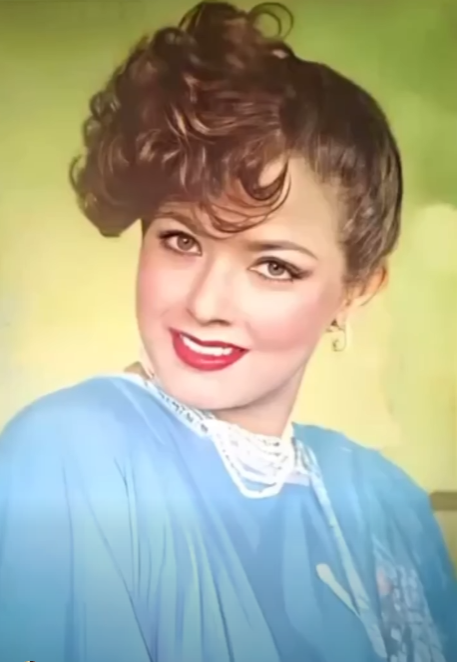
Sushma Shahi is a talented actress known for her roles in various Nepali films. She has appeared in notable films such as Bhabhi Dian Choorian (1986), Man ko bandh (1973), and Manila Ki Bijlian (1987). Her performances have garnered attention and appreciation, making her a prominent figure in the Nepali film industry. For those interested in exploring her work further, there are numerous videos and biographical insights available online, providing a comprehensive look at her career and contributions to cinema.
Sushma Shahi
Actress
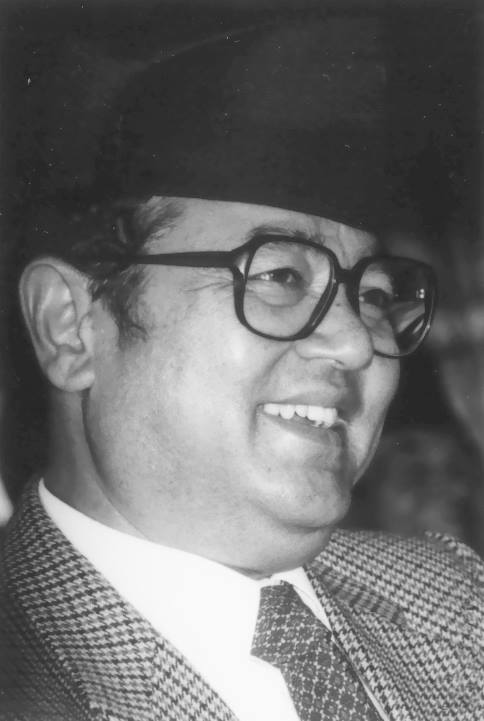
Bachchu Kailash is a celebrated Nepali singer, composer, and lyricist known for shaping the golden era of modern Nepali music. Rising to prominence in the 1960s and 70s, he introduced a poetic, introspective style that blended classical nuance with contemporary melody. His timeless songs like Timi Nai Hau, Jati Chot Dinchhau, Timro Tyo Hasilo Ankhama, and Mero Pyaro Okhaldhunga remain cultural landmarks. Revered for his soft vocal texture, literary depth, and emotional clarity, Bachchu Kailash is remembered as one of Nepal’s most original and influential musical creators, leaving a legacy that continues to inspire generations.
Bachchu Kailash
Music Artists, Singer/ Performer
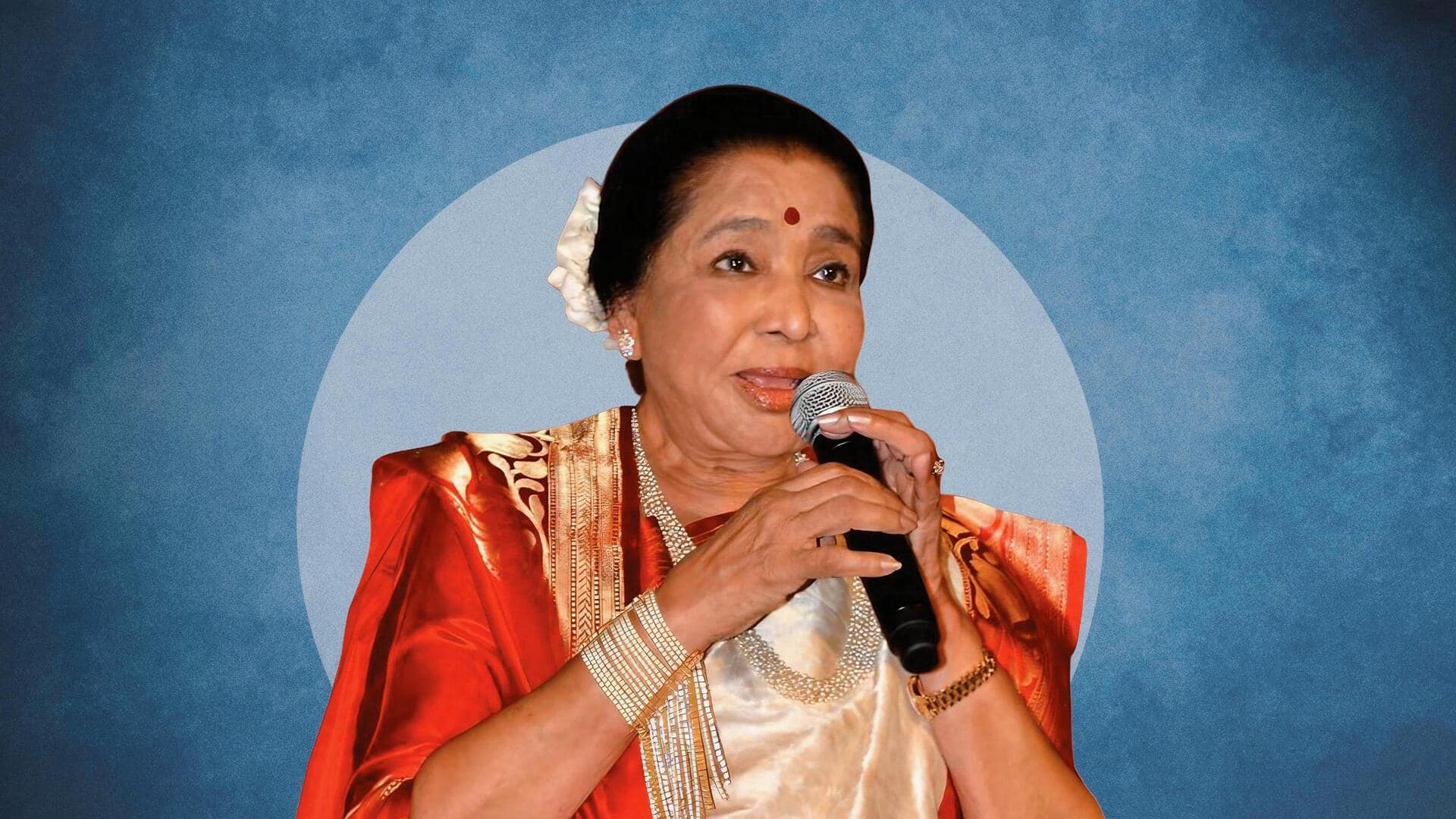
Asha Bhosle (born 8 September 1933) is one of South Asia’s most celebrated playback singers, renowned for her versatility across filmi, classical, ghazal, folk, and pop genres. Her connection to Nepal is rooted in her collaborations with legendary Nepali composer Ranjit Gazmer (Kancha Da), through whom she recorded several Nepali film songs. Her most iconic Nepali hits include “Mohani Lagla Hai” and “To Bachunjeli Lai” from the film Badalindo Aakash (1982), songs that remain evergreen in Nepal. With a Guinness World Record for most studio recordings and honors like the Dadasaheb Phalke Award and Padma Vibhushan, she holds a revered place in Nepali musical memory.
Asha Bhosle
Playback Singer
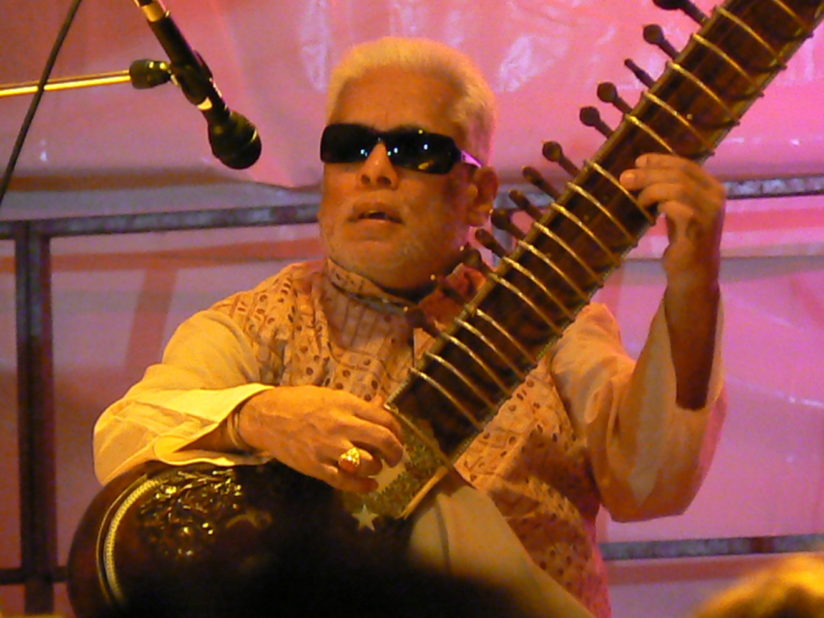
Narendra Bataju Narendra Bataju (died 2018) was a Nepali-born sitar and surbahar virtuoso renowned for his mastery of Hindustani classical music. A disciple of Ravi Shankar, he became an influential cultural bridge between South Asia and Europe through performance and teaching. Key facts Born: Kathmandu, Nepal (year not publicly documented) Died: September 2018, Paris, France Discipline: Hindustani classical (Maihar gharana) Instruments: Sitar, surbahar Based in: Paris since 1972 Early life and training Blind from birth, Bataju began learning sitar at age eight. He pursued formal training for a decade at the Conservatory of Music in Lucknow, India, earning a master’s diploma and two Grand Prizes. His prodigious skill earned recognition from Ravi Shankar, who praised his natural musicality and emotional sensitivity. Career and recordings Settling in Paris in 1972, Bataju performed for the Nepalese royal family and later across European concert halls and festivals, including the Centre Mandapa, the Musée du Quai Branly, and the Festival du Tibet et des Peuples de l’Himalaya. His recordings include Sitar: Râga Kirvani / Surbahar: Râga Gunkali (1975), Les Sitar et Surbahar de Narendra Bataju (1980), and Jog Kauns / Misra Pilu (2006). Collaborations and performances Bataju collaborated internationally, performing alongside the Egyptian oud player Hussein El Masry at Paris’s Cité de la Musique (1996) and appearing at cultural events such as France’s Festival de l’Inde. His cross-cultural work extended to Western artists, including contributions to Symphonie celtique (Tír na nÓg) by Alan Stivell. Legacy Celebrated as a pioneer of Indian classical music in France, Narendra Bataju inspired new generations of European and Nepali musicians through his teaching and emotive performance style. His artistry remains documented in a modest but significant body of recordings and archival radio broadcasts.
Narendra Bataju
Musicians & Instrumentalists
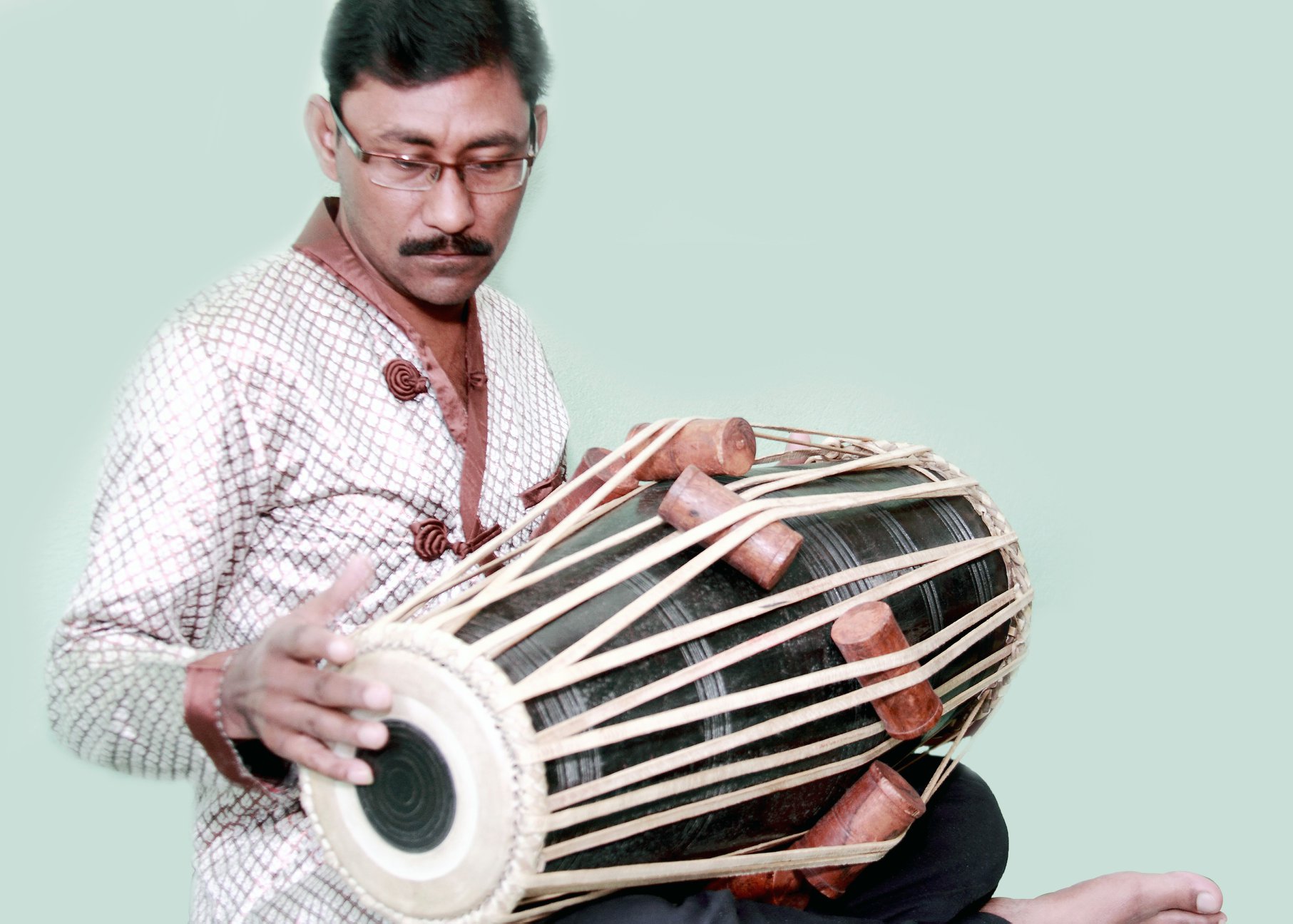
Rabin Lal Shrestha is a Nepali tabla virtuoso and music educator known for his contributions to classical and devotional music in Nepal. Born in Kathmandu, he has been a leading figure in preserving and teaching the tabla tradition for several decades, both as a performer and as a mentor to young musicians. Key facts Birthplace: Kathmandu, Nepal Primary Instrument: Tabla Teaching Position: Lalit Kala Campus, Bhotahiti (since 1989) Notable Albums: Tabla Solo, Grand Rehearsal Collaborations: Suresh Raj Bajracharya (sarod), Prabhu Raj Dhakal (vocals) Musical training and influences Shrestha began studying tabla at the age of ten, inspired by bhajans sung by his father. His early training was under Sadhuram Manandhar, followed by advanced tutelage from Ganesh Raj Wonta, Nara Raj Dhakal, Homnath Upadhyaya, and Sambhu Prasad Misra. This diverse lineage grounded him in the North Indian classical tradition while connecting it to Nepal’s own devotional music culture. Teaching and mentorship Since joining Lalit Kala Campus in 1989 after three years at Holy Garden School, Shrestha has educated generations of students through structured intermediate and diploma programs. His classes maintain a rigorous schedule, emphasizing rhythm discipline and improvisational skill. He is regarded as a key figure in institutionalizing tabla education in Nepal. Performances and recordings Beyond teaching, Shrestha regularly performs at Kathmandu’s Hotel Vajra in a long-running program titled Dafa. He has toured internationally—including performances in Europe with sitarists Tarabir and Bijaya Vaidya—and released two albums: Tabla Solo, accompanied by his instructional book Dafa, and Grand Rehearsal. His work bridges traditional and contemporary interpretations of tabla music. Legacy Rabin Lal Shrestha continues to inspire Nepal’s younger generation of classical musicians. His dual role as performer and educator has made him a cornerstone of the country’s evolving Hindustani percussion scene, ensuring the tabla’s rhythmic heritage remains vibrant in modern Nepal.
Rabin Lal Shrestha
Musicians & Instrumentalists, Tabla Players
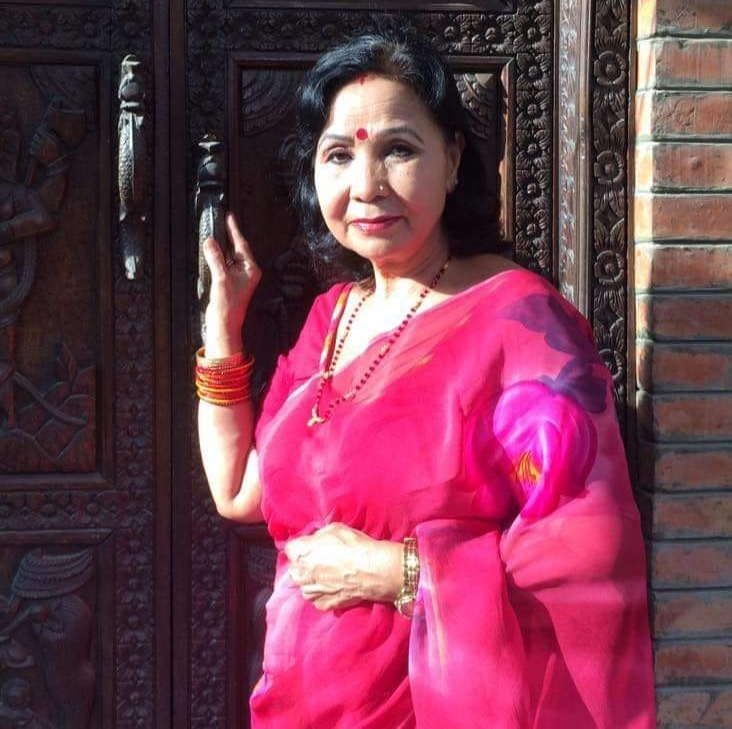
Basundhara Bhusal is a celebrated Nepali actress whose career spans more than five decades, making her one of the most enduring figures in Nepali cinema. She began acting as a child artist and gained national recognition with her performance in Aama (1964), the first Nepali feature film produced in Nepal. Bhusal went on to appear in over 135 films, including notable works such as Manko Baadh, Sindoor, Ke Ghar Ke Dera, and Basudev. Known for her expressive acting and strong screen presence, she became a defining face of early Nepali cinema. Her contributions earned her multiple honors, including lifetime achievement awards recognizing her influence on film, theatre, and the cultural development of Nepal’s performing arts.
Basundhara Bhusal
Actress, Character Artists, Comedian Artists
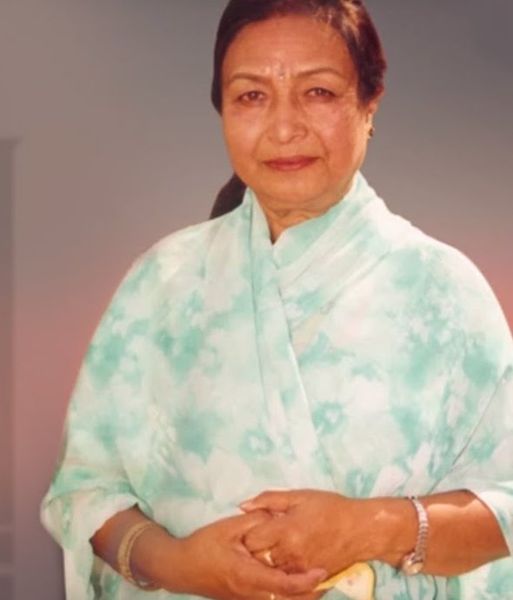
Dil Maya Khati was a beloved Nepali singer known as the “Melody Moon” of the Himalayas. Born in 1999 BS in Ghumpahad, Darjeeling, she began singing at age five and quickly captivated audiences across Nepal, Sikkim, and Bhutan. Her golden voice earned admiration from legends like Raj Kapoor and Narayan Gopal. In 2018 BS, she debuted on Radio Nepal and won a gold medal in a national music competition. Though she recorded only 12 songs between 2018 and 2030 BS, her impact was profound. After a long hiatus, she made a triumphant return in 2056 BS with the album Shikha. Honored with numerous awards, including the Devkota Samman and Bhupal Sangeet Puraskar, she was celebrated for her emotional depth and vocal purity. Her legacy continues to inspire generations of Nepali music lovers.
Dil Maya Khati
Music Artists, Folk Singer
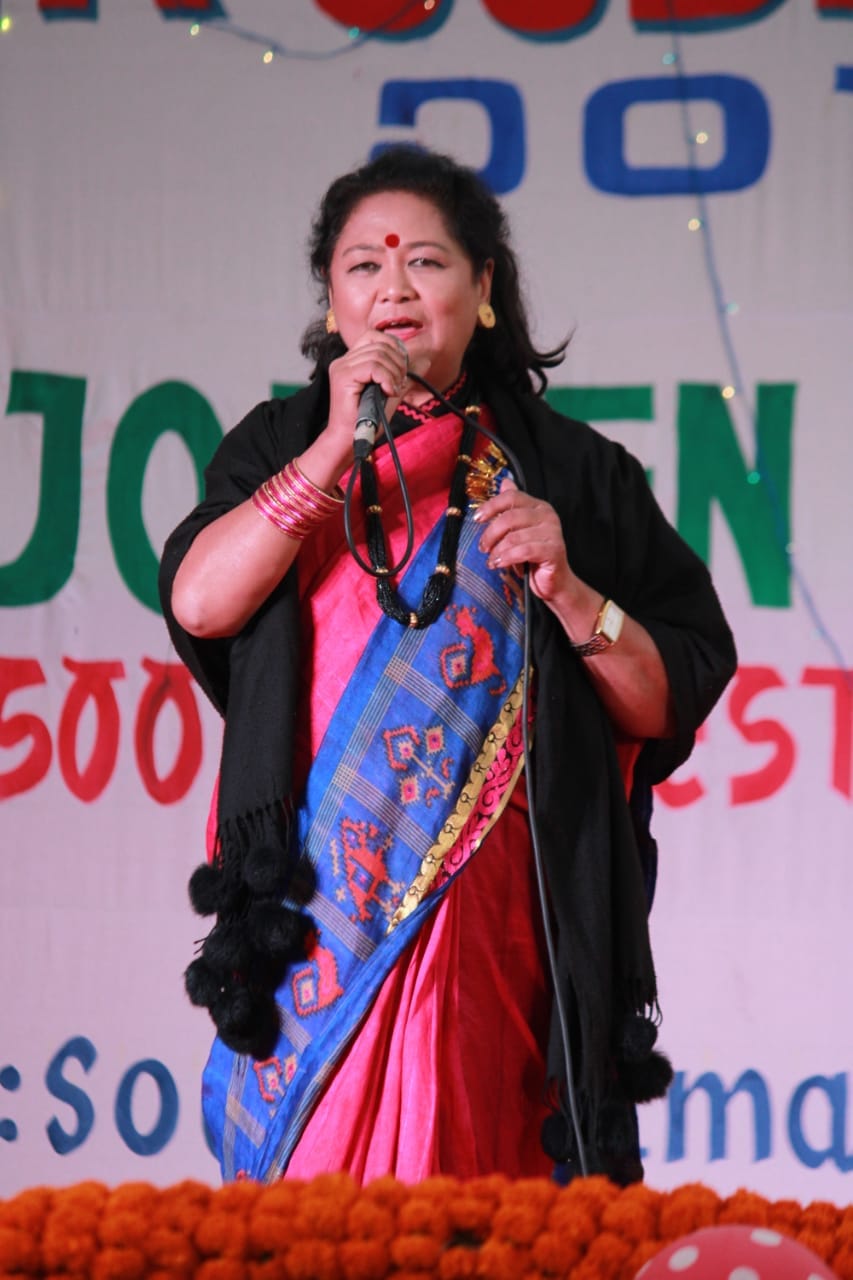
Daisy Baraili is a cherished figure in Nepali music, known for her emotive voice and poetic depth. Originally from Darjeeling, she rose to fame with her soulful performance of “Bhaisi Ladyo Hai Maya Bhirbata Hera”, a song that became an instant classic after airing on Radio Nepal. Her repertoire spans heartfelt ballads like “Euta Khulla Kitab”, “Bhikhari Hoon Ma”, and “Bandhan Ra Badhyatama”, many of which were featured in the beloved Paleti music series. She often collaborated with her husband, composer Chandan Lamjel, and their daughter Vimochana Lamjel has followed in her footsteps as a singer. Daisy’s music blends traditional Nepali sentiment with modern lyrical storytelling, earning her a devoted following across generations.
Daisy Baraili
Music Artists, Singer/ Performer
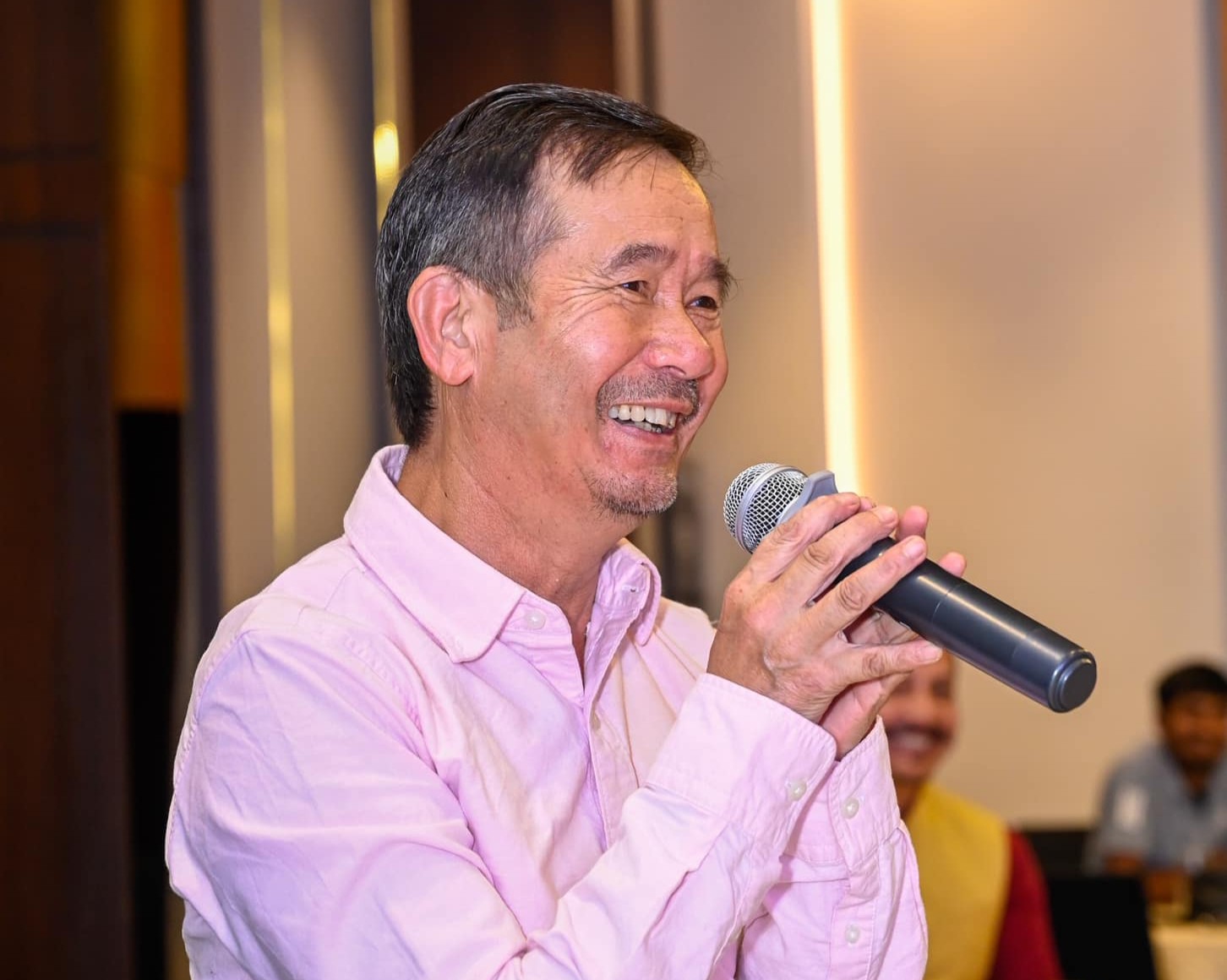
Shila Bahadur Moktan is a veteran Nepali music director, arranger, composer, and multi‑instrumentalist, celebrated for more than five decades of contribution to Nepali music. He is regarded as one of the most respected figures in modern and folk‑influenced Nepali music, known for his refined arrangements, melodic sensibility, and mastery of multiple instruments.Born and raised in Darjeeling, he received formal classical training under J.C. Rai, which shaped his foundation as a composer and instrumentalist. His first recorded song, “Aakha Kahile Najudos,” was broadcast on All India Radio, Kurseong, in the 1980s .Shila Bahadur Moktan has contributed to over 1,200 songs, working as a composer, arranger, and instrumentalist across genres ranging from folk to adhunik Nepali music. His notable early works include folk songs such as “Hoina Maile Dhakeko Badulki Lageko” and “Topi Hataile Bunera,” and the modern classic “Kahile Kahi Malai Pani Herideuna Pharkera,” a song that introduced both Kunti Moktan (vocals) and Shila Bahadur (music) to the Nepali music scene .He is married to legendary singer Kunti Moktan, and together they are considered pillars of Nepali music. Their daughters Subani Moktan and Shital Moktan are also successful musicians, continuing the family’s artistic legacy .After retiring from Music Nepal, Shila Bahadur initially planned to step back from active work, but his passion for music kept him fully engaged in composing, arranging, and performing. He continues to appear in concerts, including the Paleti Series, where he performs his own compositions and vocals .With nearly 50 years in music, he remains an influential figure whose arrangements, compositions, and instrumental work have shaped generations of Nepali music lovers.
Shila Bahadur Moktan
Music Director, Music Arranger, Musicians & Instrumentalists

Karma Yonjan is a respected figure in Nepali Adhunik (modern) music, known for his lyrical depth and evocative compositions. Originally from Darjeeling, he gained recognition through his performances in the Paleti music series, where his collaborations with artists like Kumar Subba and Daisy Baraili stood out for their emotional resonance and poetic storytelling. Some of his most beloved works include: “Kati Bujhaaun” — a poignant reflection on emotional endurance, written and composed by Yonjan himself. “Samjhera Bujhera” — a duet with Dil Maya Khati that showcases his melodic sensitivity. “Mechiko Wari Basera” — a nostalgic piece performed with Kumar Subba.
Karma Yonjan
Music Artists, Singer/ Performer
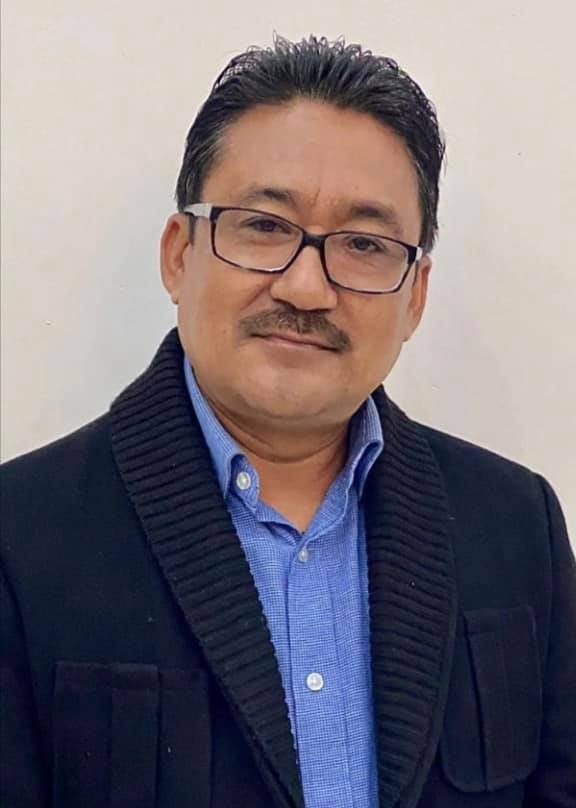
Sunil Maskey is a revered Nepali music director, flutist, and composer, born on March 24, 1967 in Gorkha, Nepal. He began playing the flute in grade 7 and is entirely self-taught. His musical journey took off in the 1980s, and he formally entered the industry around 1988. Maskey’s signature lies in his soulful flute melodies and emotionally resonant compositions. After a 13-year hiatus to pursue business, he made a powerful comeback in 2010 with the song “Sunibha”. Over the years, he has released multiple solo albums like “Shubh”, “Madhur Milan”, and “Shravani”, each showcasing his unique musical identity.
Sunil Maskey
Music Artists, Music Director
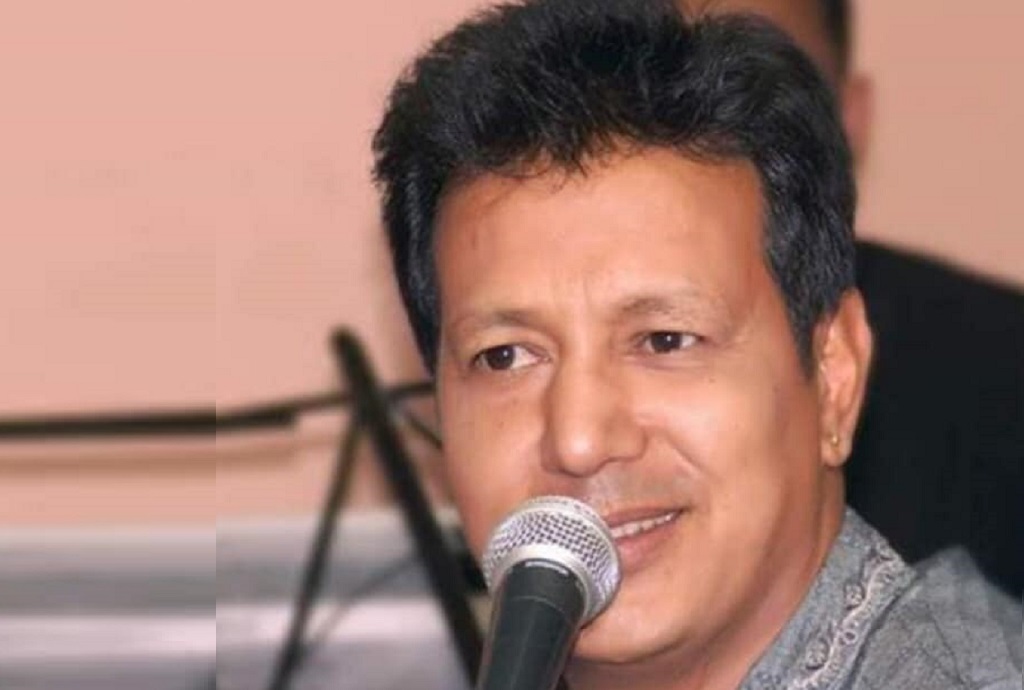
Nishan Bhattarai was a senior Nepali ghazal singer who emerged in the late 2040s BS, known for his soulful voice, emotional depth, and long dedication to stage and restaurant ghazal performances. He was the younger brother of renowned singer Lochan Bhattarai, and was respected for his gentle personality and commitment to the art of ghazal singing.He spent part of his career working at Radio Nepal, where he recorded several memorable songs. Among his notable works are “Yo mutubhitra timro tasbir…” composed by Milan Moktan, and “Kamanale bharieko…” written by Dirgha Singh Bam. Another well‑known song, “Maya gar maya gar…”, featured female vocals by Sukmit Gurung.Through decades of performances and recordings, he contributed significantly to the growth and preservation of Nepali ghazal music, earning admiration from audiences and fellow musicians alike.Nishan Bhattarai passed away in a road accident at Tinkune, Kathmandu, on Monday night, 28 Poush 2076 (13 January 2020 AD).
Nishan Bhattarai
Playback Singer
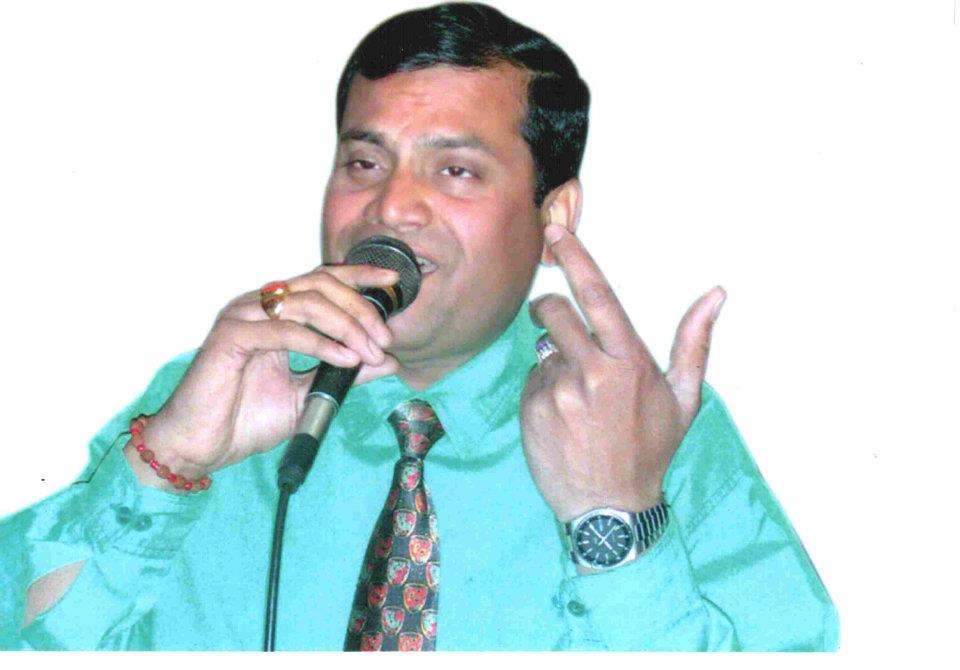
Rama Mandal is a veteran Nepali singer active since 2038 BS (1981 AD), known for his powerful folk and modern vocal style and for contributing more than 700 songs across Nepali, Maithili, Bhojpuri, Hindi, Tharu, and Awadhi languages.His formal musical journey began in 2038 BS (1981 AD) when he won the Koshi Anchal Modern Singing Competition. In 2039 BS (1982 AD), he secured second place in the Nationwide Lokgeet Competition at Birendra Sabhagriha, Biratnagar, receiving a Rs. 700 cash prize from Queen Aishwarya, which further motivated him.He later joined Tyros, the musical group led by Bhupendra Rayamajhi, becoming active in various musical programs. Around 2041 BS (1984 AD), he passed the Radio Nepal voice test with the song “Chahana ra ichchhāharu sabai phool jastai oiligae”. After completing Sangeet Prabhakar from Allahabad Music School, he joined Radio Nepal in 2045 BS (1988 AD).His playback journey began with the film Manakamana, singing “Jai Jai Aama Manakamana” and “Bujhdai nabujhne yo manlai bujhauna sakinina maile”. His fame rose sharply after “Kaha chhau kaha” from Gopikrishna (2048 BS / 1991 AD).Across his career, he has recorded 700+ songs, including 150+ film songs, with popular hits such as Yo ketiko thik chaina chala, Nyurod ma euti keti palis launa aaki, Jodi milne bho panchebaja thokne bho, Swargbhanda sundar chha hamro sano ghar.His multi‑language mastery and decades of contribution make him one of the most respected and prolific singers in Nepali music.
Rama Mandal
Playback Singer
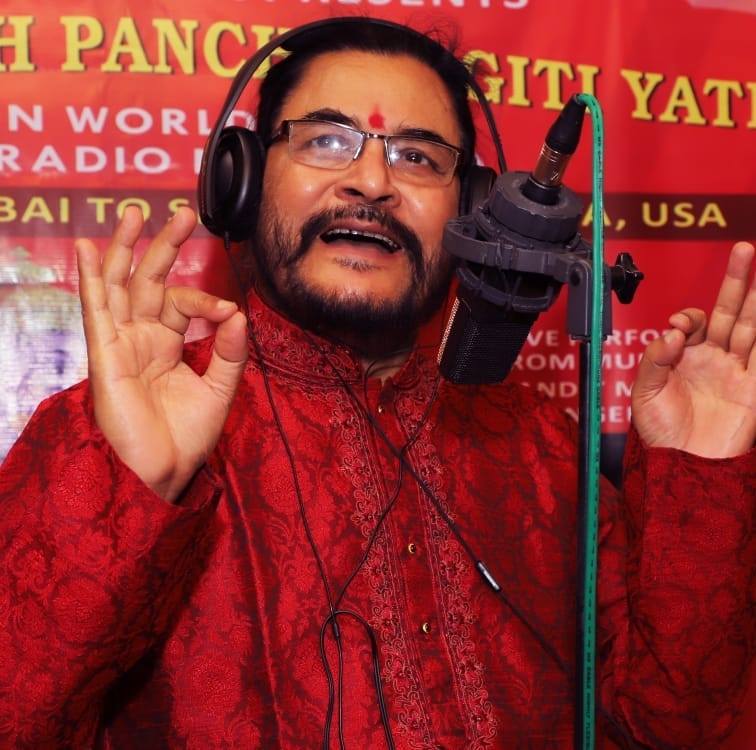
Murali Dhar is a veteran singer, composer, and lyricist from Radio Nepal’s golden era. He has sung over 100 Nepali songs, along with numerous tracks in Hindi, Maithili, and Bhojpuri. Some of his most beloved songs include: "Uḍāyo Sapana Sabai Hurīle" (“The storm blew away all dreams”) "Niṣṭhurīle Māyā Garī Āphainlāī Rogī Banāyo" (“The cruel one loved and made me sick”) "Pahāḍko Pallō Ḍāḍāmā Cha Sānō Gāũ" (“There’s a small village on the far hill”) He also collaborated with Udit Narayan Jha, lending his voice to folk-style songs like "Āmāile Bhanthē Dhārāko Pānī" (“Mother used to say, water from the spout…”), which became iconic in Nepali households. Murali Dhar is not only a singer but also a popular actor, known for playing villainous and negative roles in many Nepali films. He has acted in several Hindi movies as well. His film credits include: Hindi film: Mr. India Nepali films: Samjhana, Saino, Kanyadaan, Pirati, among others He has also been involved in producing Bhojpuri and Maithili films His songs "Uḍāyo Sapana Sabai Hurīle…" and "Āmāile Bhanthē Dhārāko Pānī…" are considered timeless classics, instantly recognizable to most Nepalis.
Murali Dhar
Music Artists, Actor, Playback Singer, Film Artists
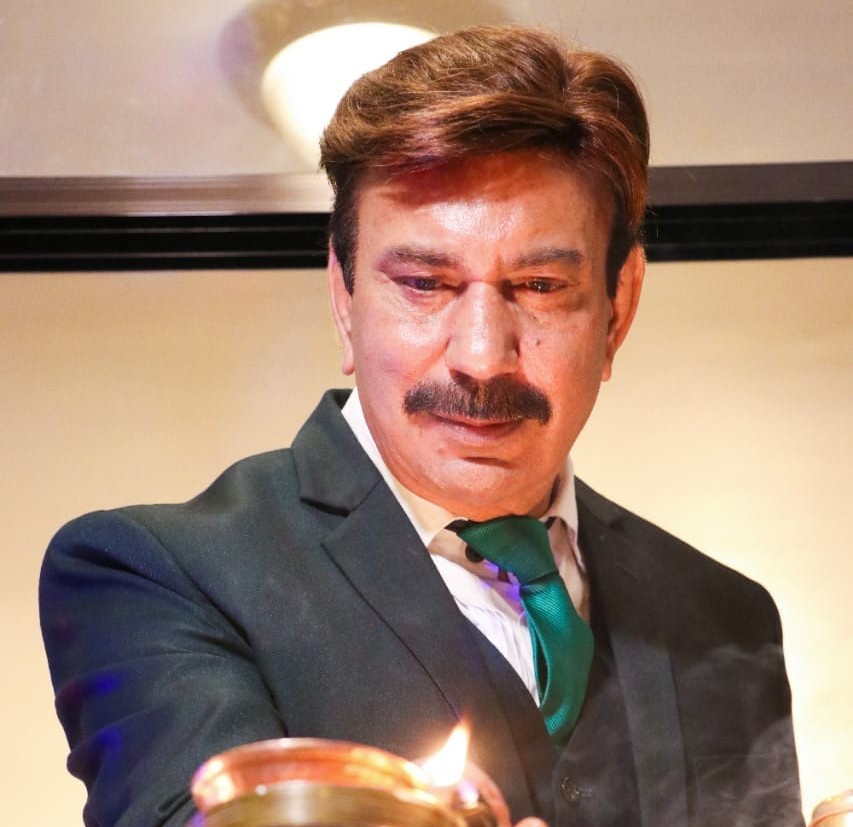
Bhuwan KC (born 23 August 1957) is a leading figure in Nepali cinema whose career spans singing, acting, film production, and direction. He began his artistic journey as a singer in the late 1970s, recording modern Nepali songs before transitioning to acting. His breakthrough as an actor came with the blockbuster film Samjhana (1983), establishing him as one of the most popular romantic heroes of the 1980s and 1990s.In the early 1990s, KC expanded into film production, producing several commercially successful films that strengthened his position in the industry. He later moved into direction, making his directorial debut with Dreams (2016), starring his son Anmol KC.Across four decades, Bhuwan KC has remained a central figure in Nepali cinema, contributing to its evolution through performance, production, and direction.
Bhuwan KC
Actor, Film Director, Film Maker/ Producer
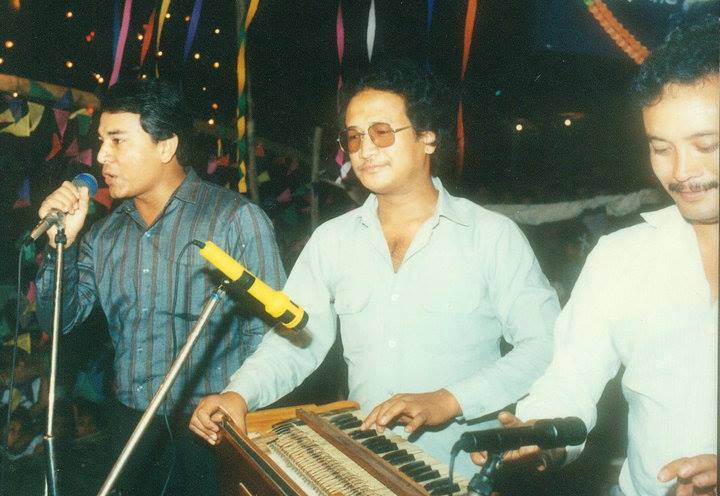
Dibya Khaling (March 28, 1952 (15 Jestha 2009 BS)) is a famous Nepali musician, composer and lyricist. Dibya Khaaling has rendered music for about 1000 songs, including the famous “Mero geet sabai timi laai..” sung by Arun Thapa , Ma Ta Laligurans Bhayechhu, Hey Bir Hinda Aghi Sari, Preyasika Yaadharu, Mayako Aadharma, and Bipana Babhaye Bachidine, and music for plays and films (Nepali film Didi by Pratap Subba). Khaling moved to Nepal from Darjeeling in the 1960s and worked with Radio Nepal. He composed music for singers like Narayan Gopal, Arun Thapa, Gyanu Rana, Mira Rana etc. A book “Dibya Sangeetkaar, Dibya Khaaling” has been written by his friends and family members, such as poet Madhav Prasad Ghimire and musicians Kiran Pradhan and Bulu Mukarung in his memory. He was married to Grace Khaaling. He is survived by three sons (Prajaya, Pradesh, Pratibimba), one daughter (Pratigya), two granddaughters (Divyanah Grace and Aanyata Parisa) and two grandsons (Noah and Deedan Daniel). Dibya was suffering from heart problems and died on 25 June 2006.
Dibya Khaling
Music Artists, Music Director
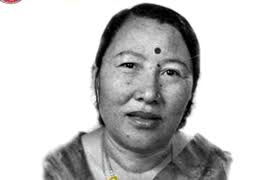
Tara Devi, revered as “The Nightingale of Nepal,” was one of the most influential and beloved voices in Nepali music. Born on 15 January 1945 in Indrachowk, Kathmandu, she began singing at Radio Nepal as a young teenager and soon emerged as the defining female voice of modern Nepali music. Over a career spanning four decades, she recorded more than 4,000 songs, ranging from modern melodies and patriotic anthems to devotional and folk compositions, shaping the emotional and cultural soundscape of an entire nation.Her voice—soft, expressive, and deeply emotive—became synonymous with Nepali identity. Songs like “Phool Ko Thunga,” “Udi Jaun Bhanne,” “Mann Ko Bandh,” “Bhimsen Thapa,” and countless others remain timeless classics, cherished across generations and the global Nepali diaspora. Tara Devi’s artistry elevated Nepali music to new heights, bringing refinement, dignity, and lyrical depth to the modern genre.In recognition of her extraordinary contribution, she received some of Nepal’s highest national honors, including the Jagadamba Shree Award (2050 B.S. / 1993 A.D.), the Indra Rajyalaxmi Pragya Puraskar, the Chhinnalata Puraskar, the Maina Puraskar, and the Nai Sur Samman. She was also decorated with the Prabal Gorkha Dakshin Bahu (First Class), the Mahendra Ratna Abhushan, the Gaddi Arohan Rajat Padak, and the Birendra Aishwarya Sewa Padak, along with numerous other national and international recognitions.Despite personal tragedies later in life, Tara Devi continued to embody grace, devotion, and artistic integrity. She passed away on 23 January 2006, leaving behind a monumental legacy that continues to inspire singers, musicians, and music lovers across the world. Her voice remains a cultural treasure—an enduring symbol of Nepal’s musical soul.
Tara Devi
Music Artists, Singer/ Performer
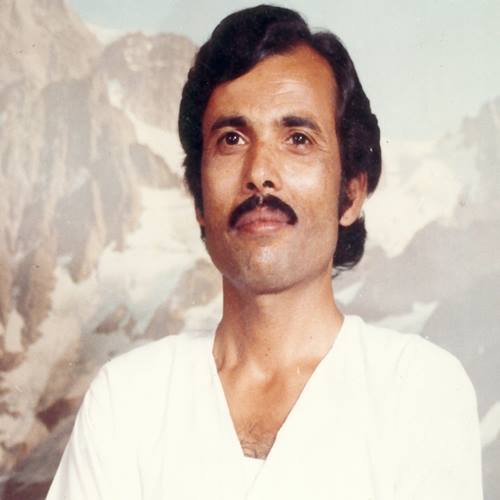
Bhakta Raj Acharya commonly referred to as Bhajan Shiromani, is a Nepali singer and music-composer. He is one of the best known singer of Nepal. He was born in Dhankuta ,Nepal and raised in Kalimpong, India. He moved to Nepal in 1970’s during the flock on Darjeeling singers to Nepal. Bhakta Raj Acharya has very beautiful Hymns or Bhajans sung in Nepali language and is entitled as the Bhajan Shiromani of Nepal. Acharya’s career started in 2030 B.S after he won a gold medal in an All Nepal Song Competition . His career spanned until 2046 B.S. He has about 450 recorded songs and has composed about 25-30 songs. Now his sons, Satya Raj Acharya and Sworup Raj Acharya have followed their father’s footsteps with them and have established themselves as promising singers are geared up to bring the real-life story of their father into reel-life.
Bhakta Raj Acharya
Music Artists, Music Director, Singer/ Performer
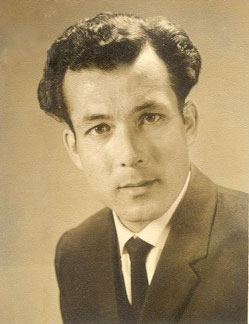
Shiva Shankar Manandhar (1932–2004) was a legendary figure in Nepali music and cinema, celebrated for his versatility as a singer, composer, and actor. Born in Newroad, Kathmandu, to a musically inclined Newar family, his early exposure to classical Newari songs through his father, Man Bahadur, laid the foundation for his lifelong devotion to music. He joined Radio Nepal in 1951, where he collaborated with Nati Kaji to shape the golden era of Nepali music. Over his prolific career, he composed around 1,200 songs and sang nearly 300, spanning genres like love ballads, bhajans, patriotic anthems, and tragic melodies. His compositions for artists such as Narayan Gopal, Tara Devi, and Aruna Lama remain timeless. 🎬 In cinema, Shiva Shankar played the lead role of Lahure Dai in Aama (1964), Nepal’s first feature film. Though he didn’t pursue acting further, he composed music for several early Nepali films, contributing to the industry's formative sound. 🎶 Sadabahar (Evergreen) Songs: Aama ko sapana – a heartfelt tribute to motherhood Yo Nepali shir uchali – a patriotic anthem Timro lagi ma birsine – a romantic classic His music blended folk traditions with orchestral arrangements, pioneering modern Nepali pop while preserving cultural authenticity. Shiva Shankar received numerous national honors and served as Executive Director of Ratna Recording Corporation (1987–1991). Even post-retirement, he remained a guardian of Nepal’s musical soul.
Shiva Shankar Manandhar
Music Artists, Actor, Playback Singer, Film Artists

Arun Thapa (1952–1999) was a beloved Nepali singer-songwriter known for his soulful voice and emotionally resonant lyrics. Born in Calcutta, India, he moved to Kathmandu as an infant and later studied in Darjeeling before returning to Nepal to pursue music. His career began in the early 1970s, with his first major hit Jati Maya Laye Pani launching him into national fame. Thapa’s music often reflected themes of love, longing, and introspection, inspired by a personal heartbreak during his college years. His compositions blended poetic depth with melodic simplicity, earning him a devoted following. He worked briefly at Nepal Bank Limited before dedicating himself fully to music, recording for Radio Nepal and releasing two acclaimed albums: Arun and The Best of Arun. Despite battling lung and liver ailments, he continued to sing until his passing in 1999. His legacy lives on through his timeless songs, many of which are considered sadabahar (evergreen) classics.
Arun Thapa
Music Artists, Singer/ Performer
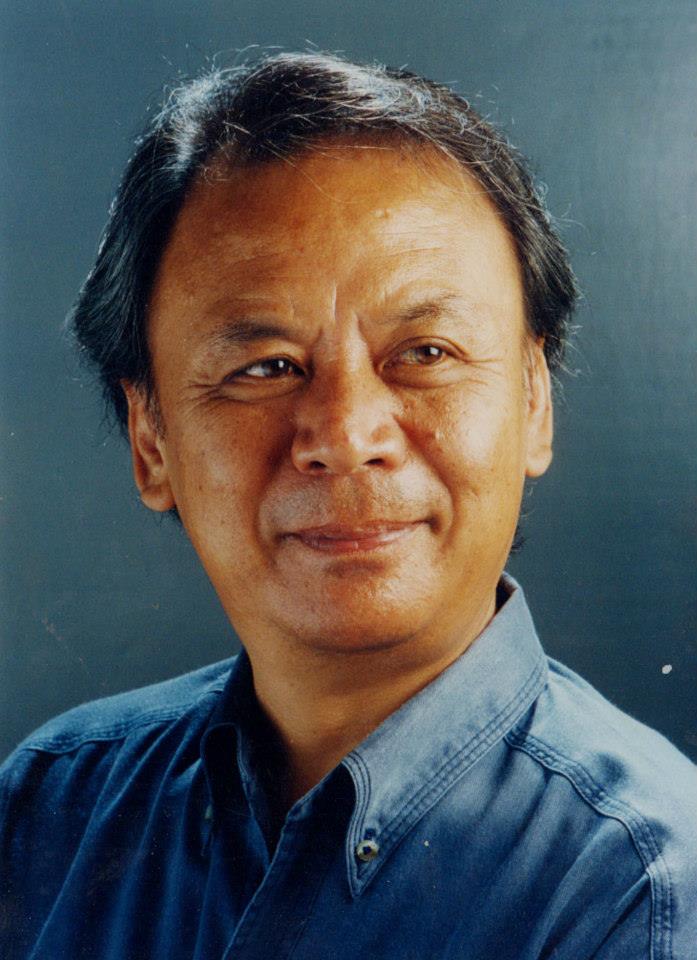
Gopal Yonjan (1943–1997) was a towering figure in Nepali music—an accomplished singer, lyricist, music director, arranger, flutist, and multi-instrumentalist. Born in Darjeeling, India, he began his musical journey with the flute, winning accolades as a young performer. His deep study of Nepali folk, Rabindra Sangeet, and classical traditions shaped a career that spanned over three decades and more than 2,000 compositions. Yonjan moved to Kathmandu in 1967 to pursue his MA in Nepali and taught music at prestigious schools while composing for Radio Nepal, Nepal Police Club, and films. His partnership with Narayan Gopal is considered the golden era of Nepali modern music. He was known for blending poetic depth with rich orchestration, often writing, composing, and arranging his own songs. His works spanned genres—patriotic, romantic, philosophical, spiritual, and children's music. He was honored with the Gorkha Dakshin Bahu, Chinnalata Song Award, and multiple Best Music Director titles. His legacy continues to inspire generations of musicians and listeners.
Gopal Yonjan
Music Artists, Music Director, Music Arranger, Singer/ Performer
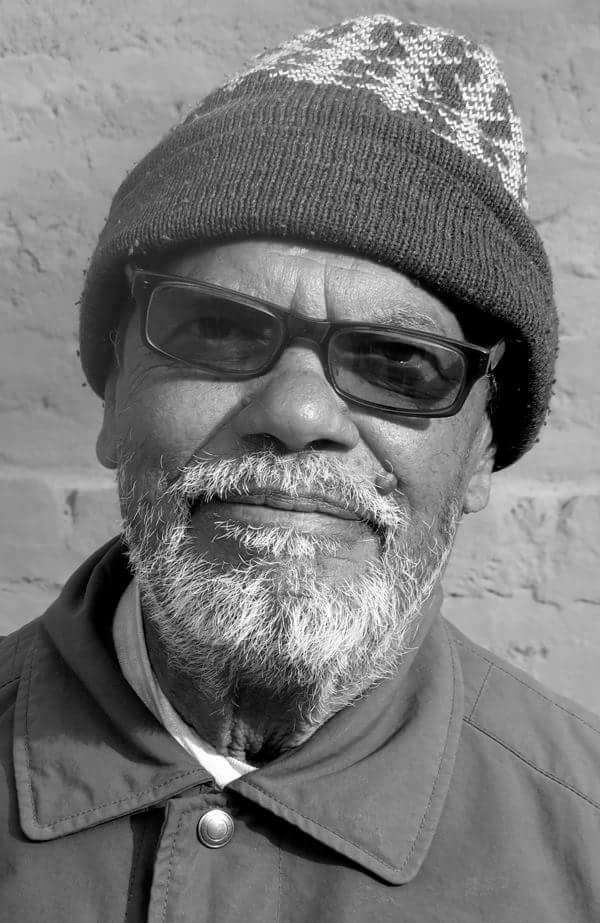
Bishnu Bhakta Phuyal was an artist and theater actor. He had been active in Nepali cinema for a long time. Phuyal passed away on the 19th of Poush, 2073 B.S. (January 3, 2017), while performing on stage at the Rastriya Nachghar in Kathmandu. He collapsed while portraying King Janak in the play Maharshi Yagya Valkya, directed by Badri Adhikari. Despite immediate attention, he could not be revived. Phuyal was also seen in the popular comedy series Tito Satya, where he played the role of actress Deepashree Niraula’s father. In addition to television, he acted in numerous Nepali films. He had once expressed a wish to die while working in the theater—and ultimately, he departed while performing on stage. His catchphrase “Youre my love” with hip-hop style from Tito Satya made him widely recognized and beloved by audiences.
Bishnu Bhakta Phuyal
Character Artists, Theatre Artists, Film Artists
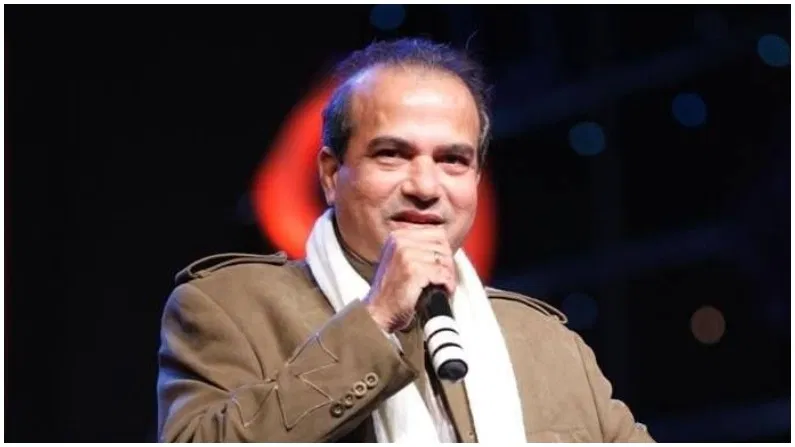
Suresh Wadkar has sung several Nepali playback songs, especially during the 1988s–1998s, and remains one of the few major Indian playback singers with a recognized presence in Nepali cinema. His Nepali songs are not widely documented in mainstream Indian sources, but his contribution is acknowledged in Nepali music circles.
Suresh Wadkar
Playback Singer
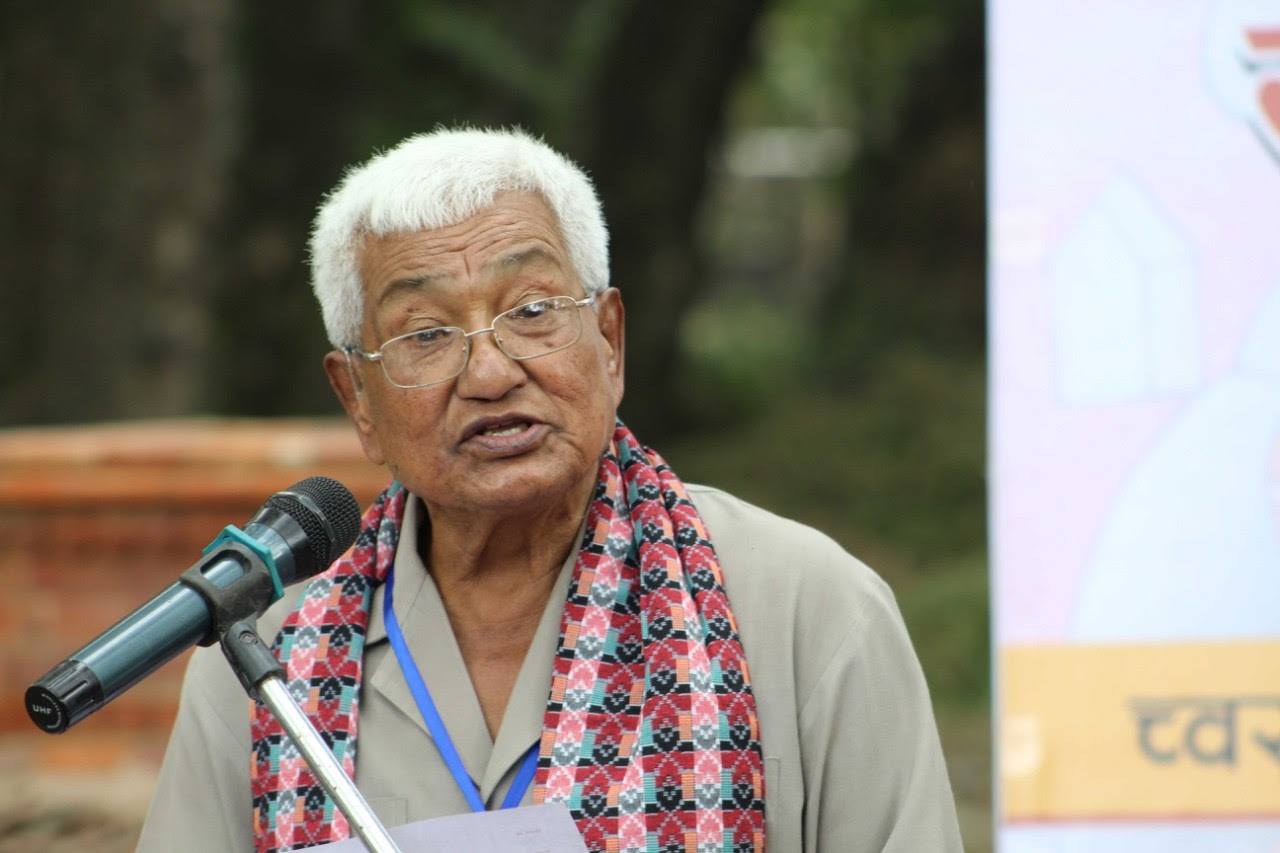
Durga Lal Shrestha is a celebrated Nepali lyricist and poet known for his powerful, socially conscious writing and his deep contribution to modern Nepali literature and music. Active since the 1960s, he has written some of Nepal’s most memorable and emotionally resonant lyrics, blending poetic sensitivity with themes of identity, struggle, love, and social justice. His works—often rooted in the lived experiences of ordinary people—have been performed by leading singers across generations, making him one of the most influential literary voices in Nepali songwriting. Shrestha’s poetry is recognized for its clarity, cultural depth, and humanistic spirit, securing his place as a respected figure in Nepal’s literary and musical heritage.
Durga Lal Shrestha
Lyricist, Poet

Prakash Gurung is a respected Nepalese musician and singer from Darjeeling, celebrated for his emotive vocal style and enduring contribution to Nepali adhunik and folk music. Inspired in childhood, he trained under iconic figures such as Amber Gurung, Gopal Yonzon, Karma Yonzon, and Nati Kazi, and even assisted Narayan Gopal during performances in Darjeeling.Active since the 1970s, he is known for timeless songs like Binti Chha Hai, Othma Aljhiyeko Bachan Deu, and Ma Bhani Bacheko Priya, blending traditional melodies with emotional depth. His career spans playback singing, composition, and music direction, including collaborations with leading artists and performances such as his 2014 Paleti duet with his daughter Reema Hoda Gurung. He has also served as a judge on Nepali Tara and continues contributing to Nepali film music into the 2020s.
Prakash Gurung
Music Director, Music Instructor, Singer/ Performer
Narendra Khadka is a senior Nepali film editor with a career spanning more than three decades. Active since the late 1980s, he has edited over 36 feature films, shaping the narrative rhythm and visual language of modern Nepali cinema. Known for his disciplined, story‑driven editing style, he has contributed to notable films such as Rajamati, Seemana, Zameen, Basanti, and Prem Yuddha.Beyond editing, Khadka has also worked in story writing and served as a Chief Assistant Director, expanding his creative influence within the industry. He is also recognized for his contribution to film education as the Founding Principal of the College of Film Studies, helping train a new generation of Nepali filmmakers.He is an honoree of the 7th LG Cine Circle Awards, receiving the Lifetime Achievement Award for his long-standing contribution to Nepali cinema.
Narendra Khadka
Video-film Editor, Colorist

Murari Thakur is a veteran Nepali cinematographer whose career spans more than three decades, contributing to some of the most formative eras of Nepali cinema. His work begins as early as 1982 and continues through the late 2000s, covering major commercial, romantic, and social‑drama films. He is known for his consistent visual craftsmanship across both black‑and‑white and early color Nepali films.His filmography includes landmark titles such as Jivan Rekha (1982), Silu (1987), Jhuma (1991), Rakshya (1993), Daijo (1996), Chori Buhari (1996), Chamatkar (1999), Apsara (2000), and Ajambari Maya (2002).
Murari Thakur
Cinematographer
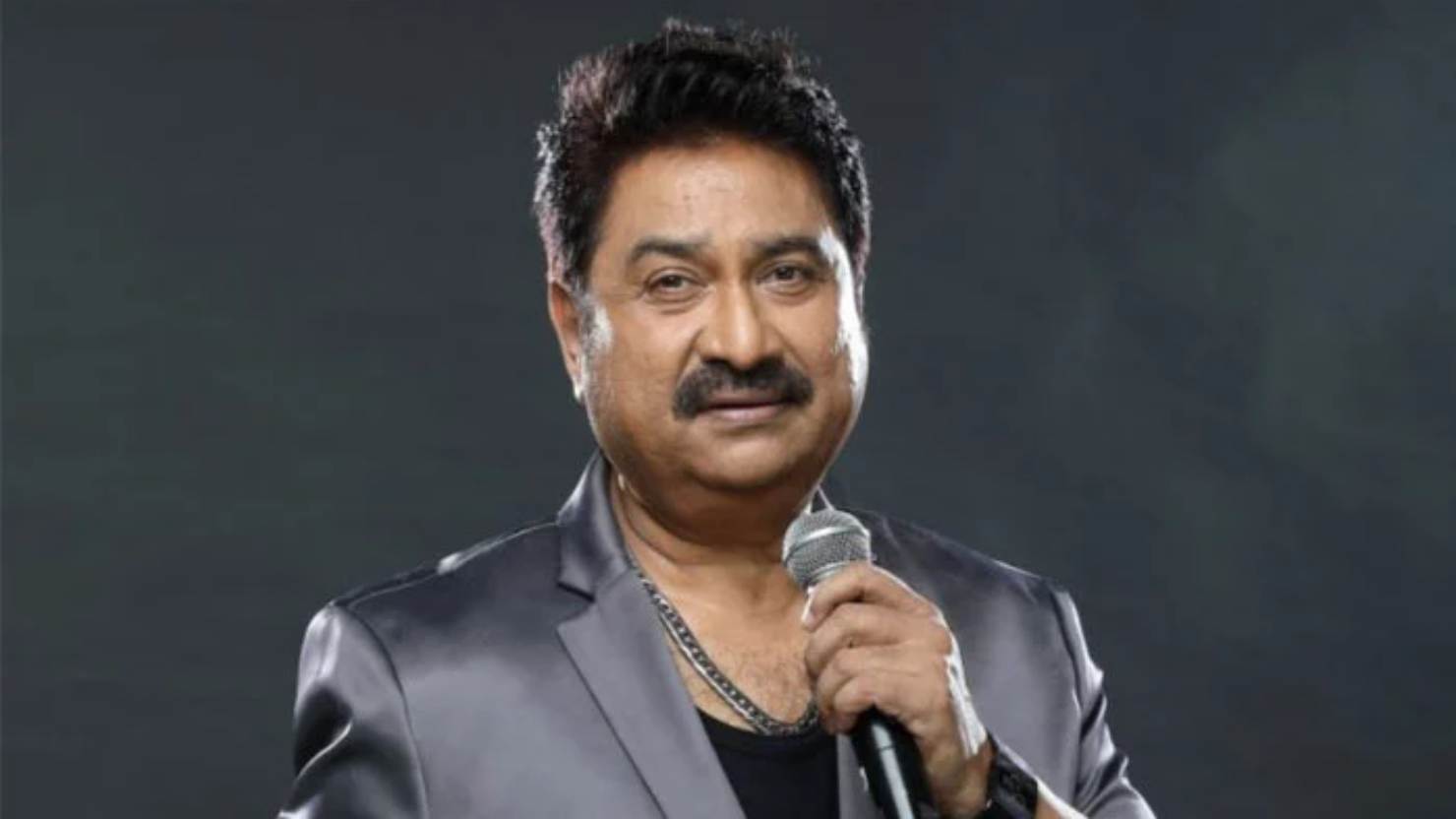
Kumar Sanu (born 1957) is a celebrated Indian playback singer whose smooth romantic voice shaped an entire era of South Asian music. Alongside his legendary Bollywood career, Sanu made a meaningful contribution to Nepali aadhunik and filmy music, recording a select but influential set of Nepali songs that remain popular decades later. Beginning his Nepali collaborations in the 1990s, he lent his signature melodic style to songs such as “Janam Janamko Chahana,” “Manko Yo Katha Ho,” “Trishna,” “Aankha Jhimkaudai,” “Himal Bata Bilera,” and “Ma Ta Aba Risauchhu,” all of which showcase his ability to blend Nepali lyrical emotion with his refined playback technique. His Nepali tracks — including fan favorites like “Purano Hudaina Maya,” “Timi Bina,” and “Sachi Rakhu” — continue to resonate with listeners, making Kumar Sanu one of the most respected Indian voices to contribute to Nepal’s modern and film‑song tradition.
Kumar Sanu
Playback Singer
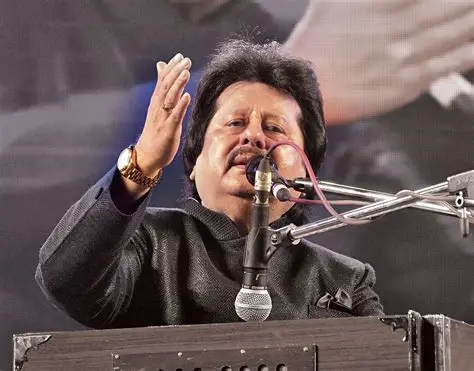
Pankaj Udhas (born 1951) is a celebrated Indian ghazal and playback singer whose refined vocal style and emotional depth earned him a devoted following across Nepal. Beginning his musical career in the late 1970s, Udhas became admired for bringing the softness of ghazal expression into Nepali melodies through selective but unforgettable recordings. His Nepali contributions include the classic “Malai Bhulna Sajilo Cha”, the melodious “Chandi Jasto Ramro Mero Maya”, and his 2024 Nepali release “Sukha Dukha Ho Ghamchhaya”, which reintroduced his signature warmth to a new generation of listeners.Udhas’s influence also extends to Nepali cinema culture, where his ghazal sensibility resonates with emotional songs such as “Adhuro Lagyo Apuro Lagyo” from the film Sankalpa, a track that aligns with the expressive musical tradition he helped popularize. Though his Nepali discography is limited, every song he recorded or inspired remains cherished for its elegance, clarity, and timeless musical grace, securing his place as one of the most respected cross‑border voices in Nepali music.
Pankaj Udhas
Playback Singer
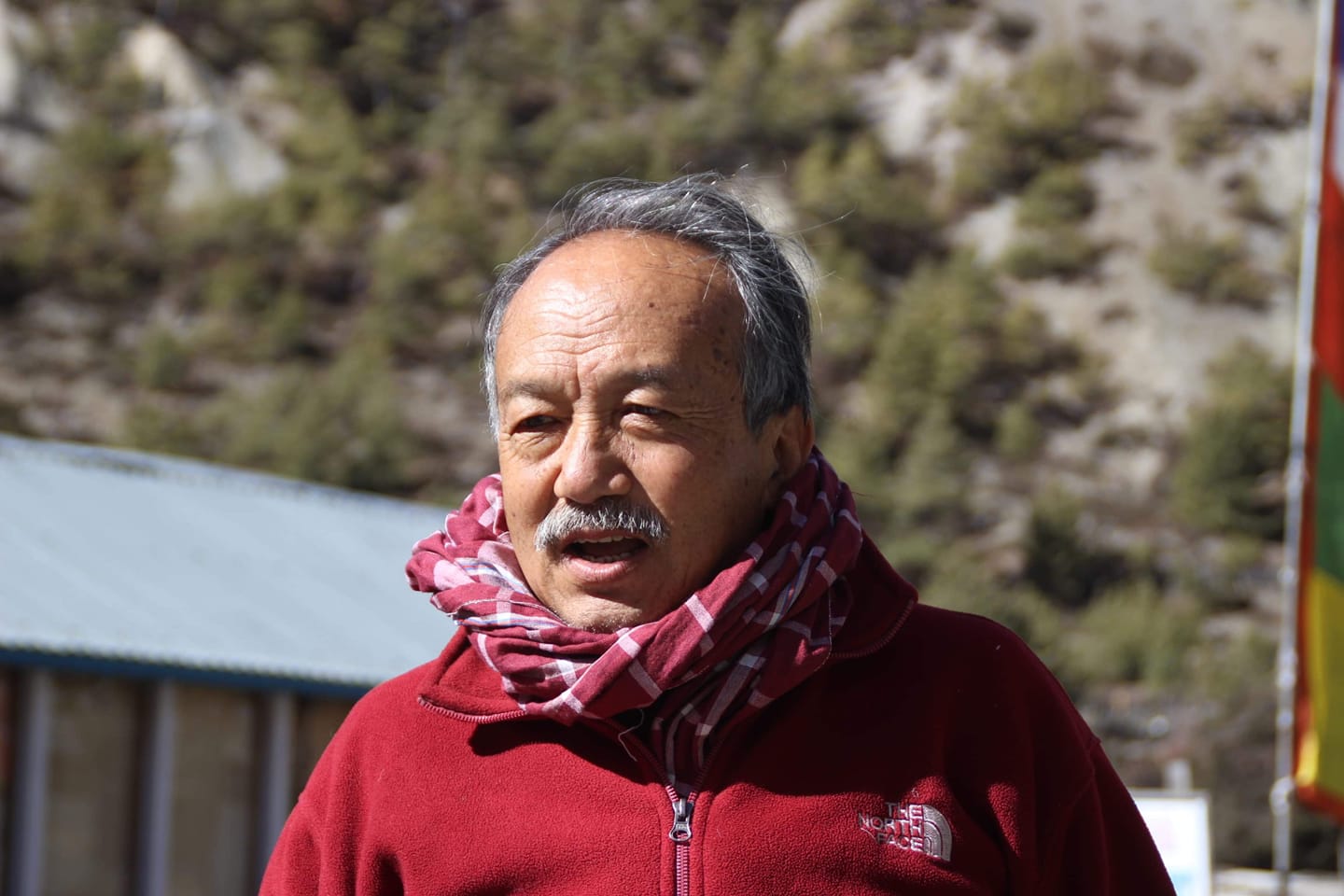
Bulu Mukarung (born 1962) is a respected Nepali musician, composer, and vocalist known for his contribution to modern Nepali music and his distinctive blend of folk‑rooted melodies with contemporary arrangements. Beginning his musical journey in the early 1980s, he gained recognition for his refined compositions, emotive vocal delivery, and his ability to elevate lyrical depth through thoughtful musical interpretation. Mukarung’s work spans studio recordings, live performances, and collaborations with leading Nepali artists, and he is noted for maintaining musical authenticity while adapting to evolving trends. Honored with the Best Musician Award at Radio Nepal’s 2041 Annual Event, he remains an influential figure whose disciplined artistry continues to inspire emerging musicians across Nepal’s modern music landscape.
Bulu Mukarung
writer-author, Folk Singer
Mukhtar Ahmad
Video-film Editor, Colorist
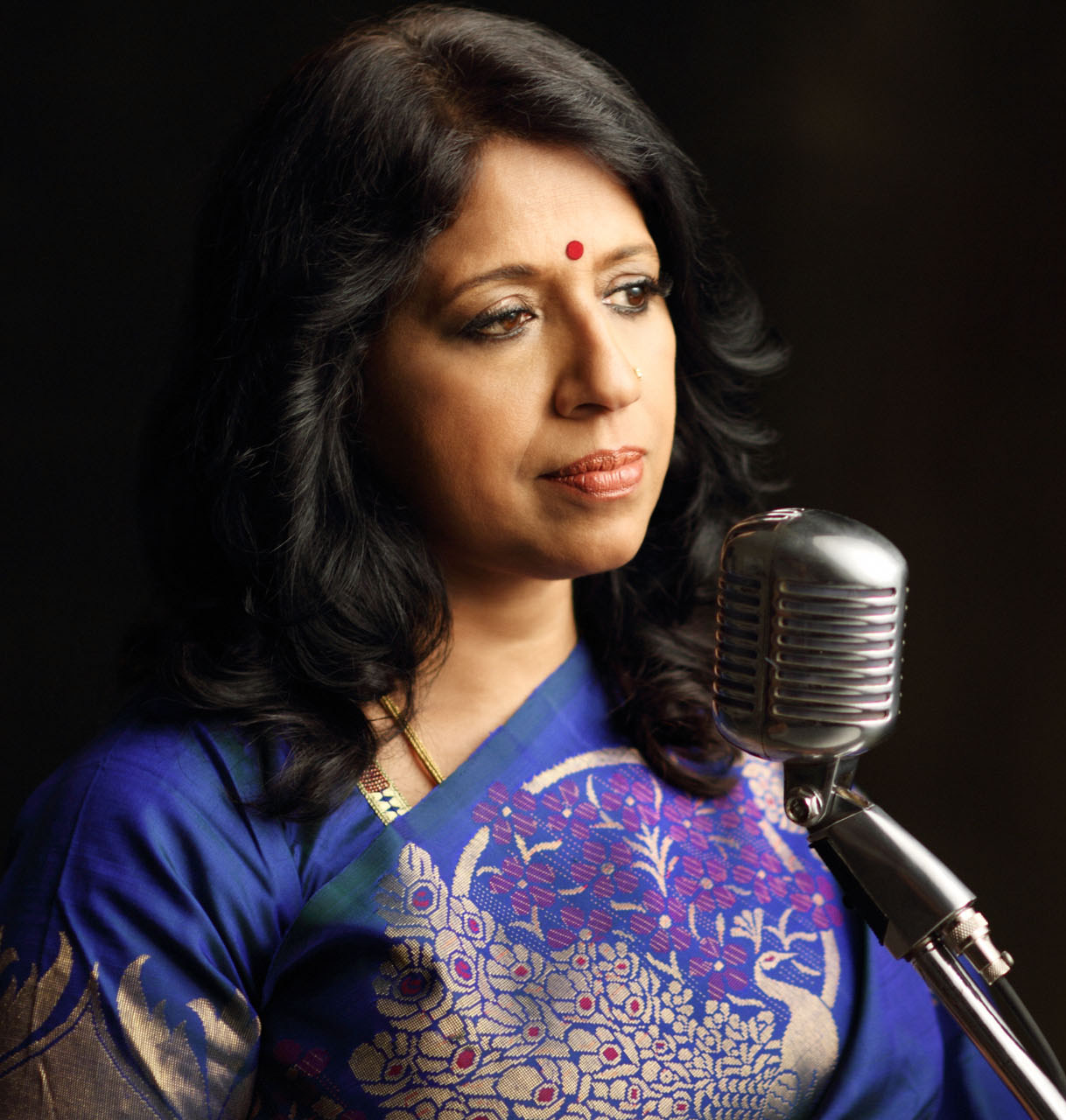
Kavita Krishnamurti
Playback Singer
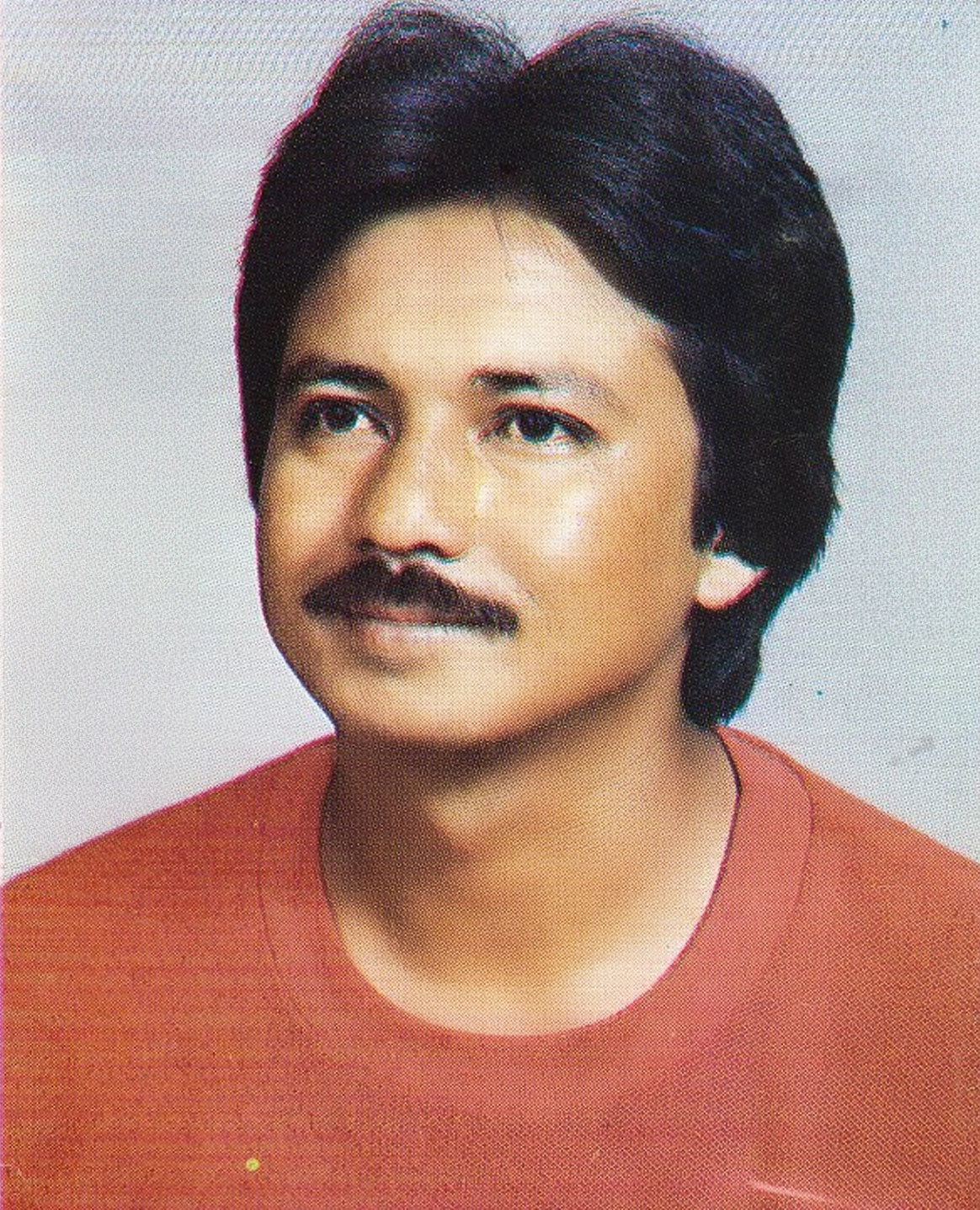
Ram Thapa (1958–2008) was a pioneering Nepali folk singer, music director, and Radio Nepal presenter known for his humorous and socially conscious songs. Born in Kamalpokhari, Kathmandu, he began his musical career in 1974 and became a 7th Grade Music Director at Radio Nepal. He sang over 150 folk songs and directed music for more than 200, with hits like Thok Na Madal Thok, Timi Yesai Lajayau, and Ritu Haruma Timi, which was ranked 7th by BBC in 2003. He was the first to publish Nepali music books with lyrics and chords, contributing to music education. Ram Thapa also served as a judge on Nepali Tara I & II, mentoring young talent. He passed away in 2008 due to liver disease.
Ram Thapa
Music Artists, Musicians & Instrumentalists, Radio Jockey [RJ], Folk Singer, Guitarist, Performing Artists
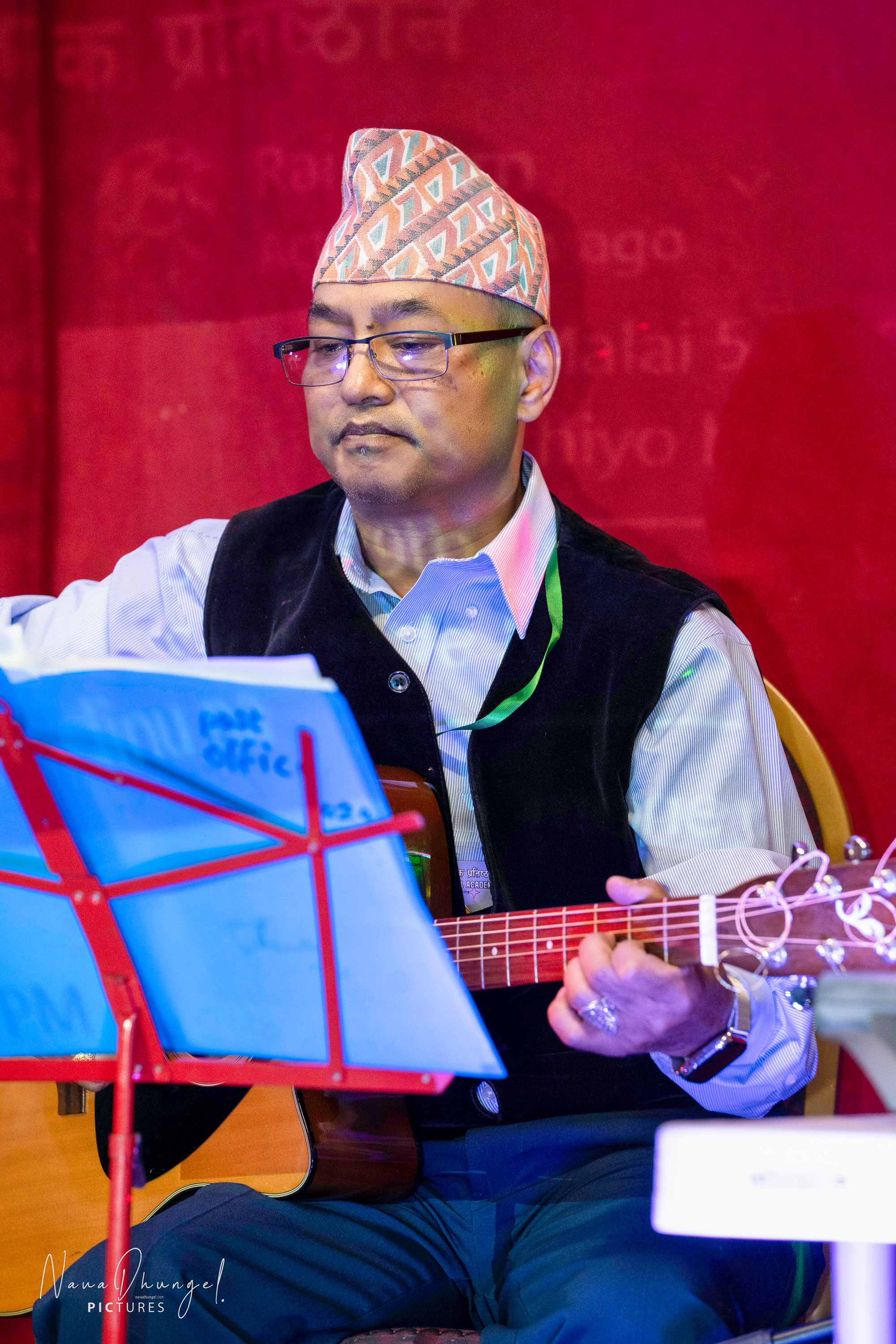
Shisir Shrestha is a respected Nepali guitarist and music educator who trained under the legendary composer Ambar Gurung. Known for his refined technique and deep understanding of both Eastern and Western musical traditions, Shrestha contributed to numerous compositions and recordings during his time with Gurung’s team. He has performed in classical and contemporary ensembles, supporting the evolution of Nepali modern music. Beyond performance, Shrestha has mentored young musicians and promoted structured music education in Nepal. His work reflects the legacy of Ambar Gurung’s vision — blending tradition with innovation in Nepali music’s instrumental landscape.
Shisir Shrestha
Music Artists, Musicians & Instrumentalists, Guitarist
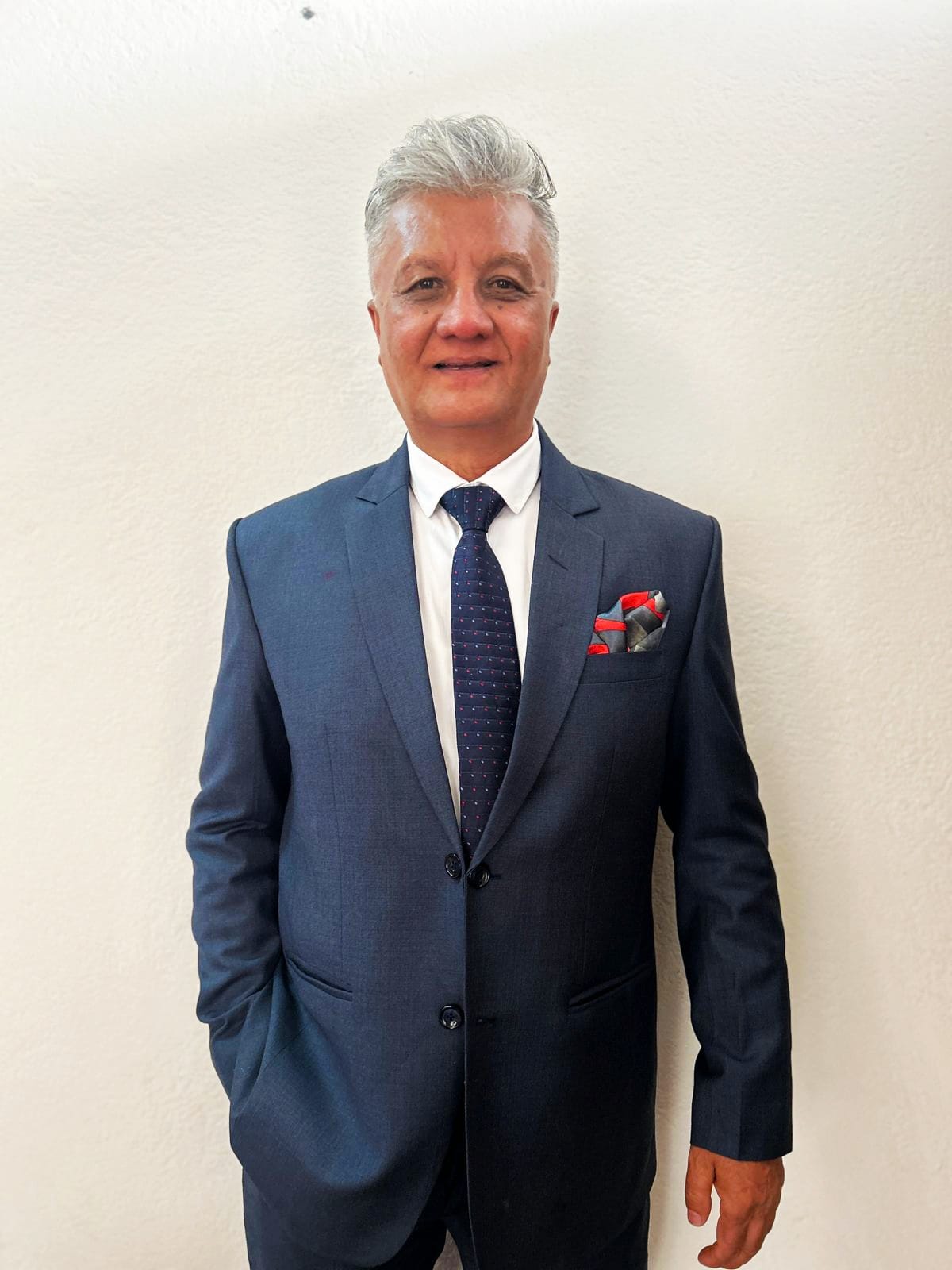
Prakash Kumar Adhikari is a veteran Nepali actor and legal advisor active in the film industry since 1989. He debuted with Anyay and gained recognition through films like Pheri Bhetaula (alongside Manisha Koirala), Behuli, Ghar Aangan, Ishwor, Aago, Khelauna, Ladain, Captain, and Yatra. With over a dozen films to his credit, Adhikari is known for portraying emotionally resonant and socially aware characters. He has also served as a legal advisor for films such as Rang Baijani and Aafanta. His contributions span acting, legal guidance, and advocacy for ethical practices in Nepali cinema.
Prakash Kumar Adhikari
Actor, Performing Artists, Film Artists
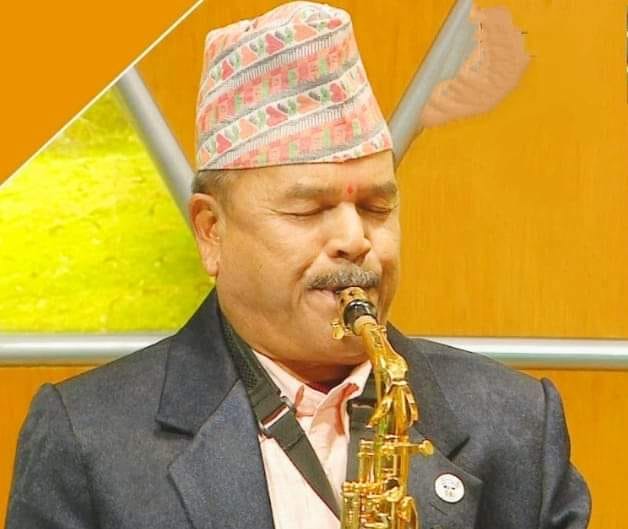
Subha Bahadur Sunam was a legendary Nepali music composer, saxophonist, and retired Brigadier General of the Nepal Army, celebrated for shaping modern Nepali music. Active for over five decades, he began composing at age 20 and became known for blending classical and contemporary styles. He co-composed the iconic song Parkhi Basey Aula Bhani with Sambhujeet Baskota under the name ShubhaSambhujeet. As a saxophone virtuoso, he was also the music mentor to Prince Dipendra. His contributions enriched Radio Nepal’s golden era and inspired generations of musicians. Sunam passed away in 2022 at age 74, leaving behind a profound musical legacy.
Subha Bahadur Sunam
Music Artists, Musicians & Instrumentalists, Saxophonist
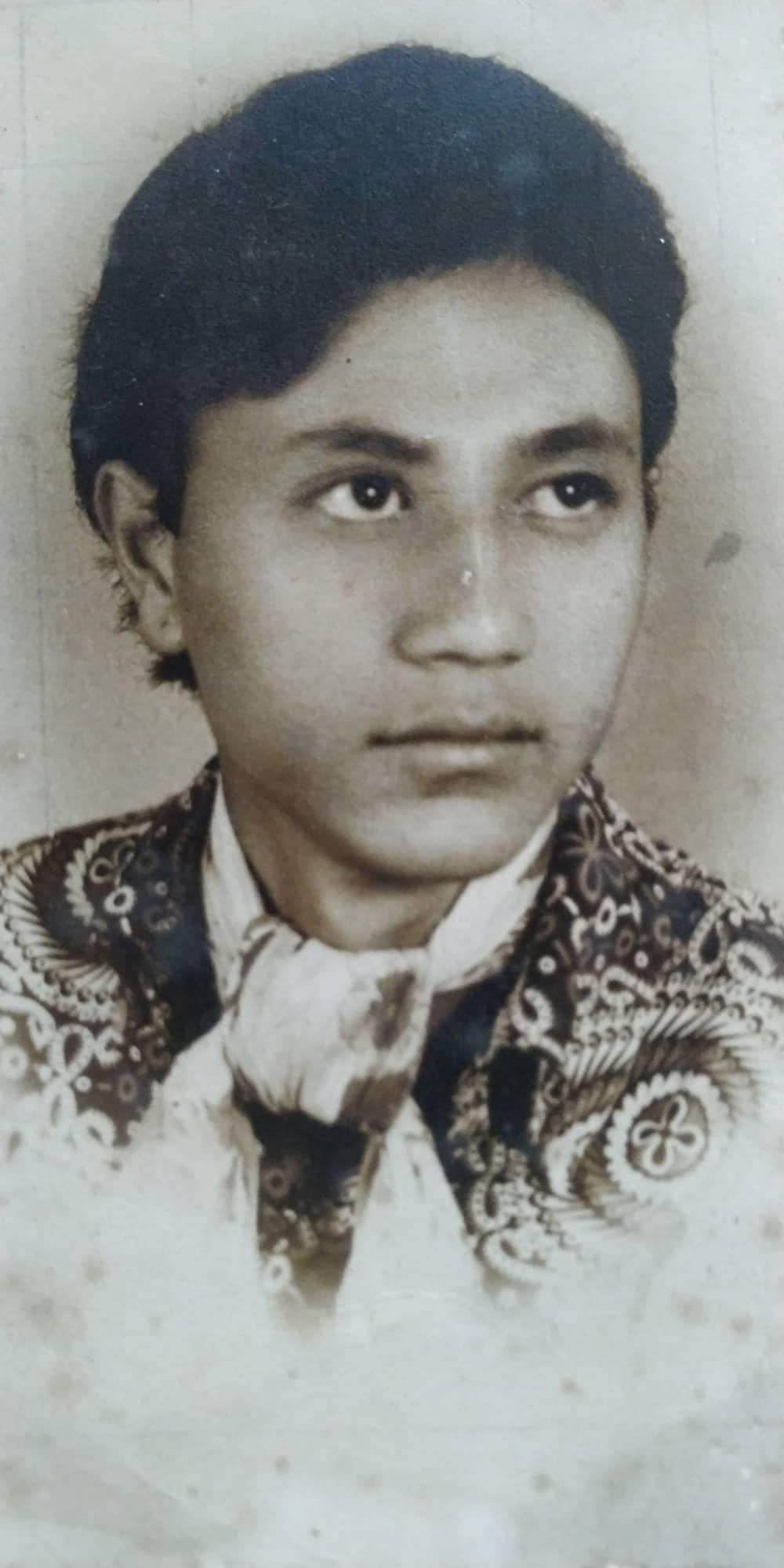
Sundar Shrestha is a veteran Nepali folk singer and lyricist best known for co-performing the iconic song “Resham Firiri” in 1969. Alongside Dwarika Lal Joshi, his rendition helped popularize the song across Nepal, making it a staple of street music and cultural gatherings. Active since the 1970s, Shrestha contributed to numerous folk recordings and live performances, preserving traditional melodies and rhythms. He also collaborated on songs like Chautariko Majhaima and worked with artists such as Chandra Kumar Moktan and Hira Devi Rai. His legacy lies in promoting Nepali folk music through Radio Nepal and live platforms for over four decades.
Sundar Shrestha
Music Artists, Folk Singer
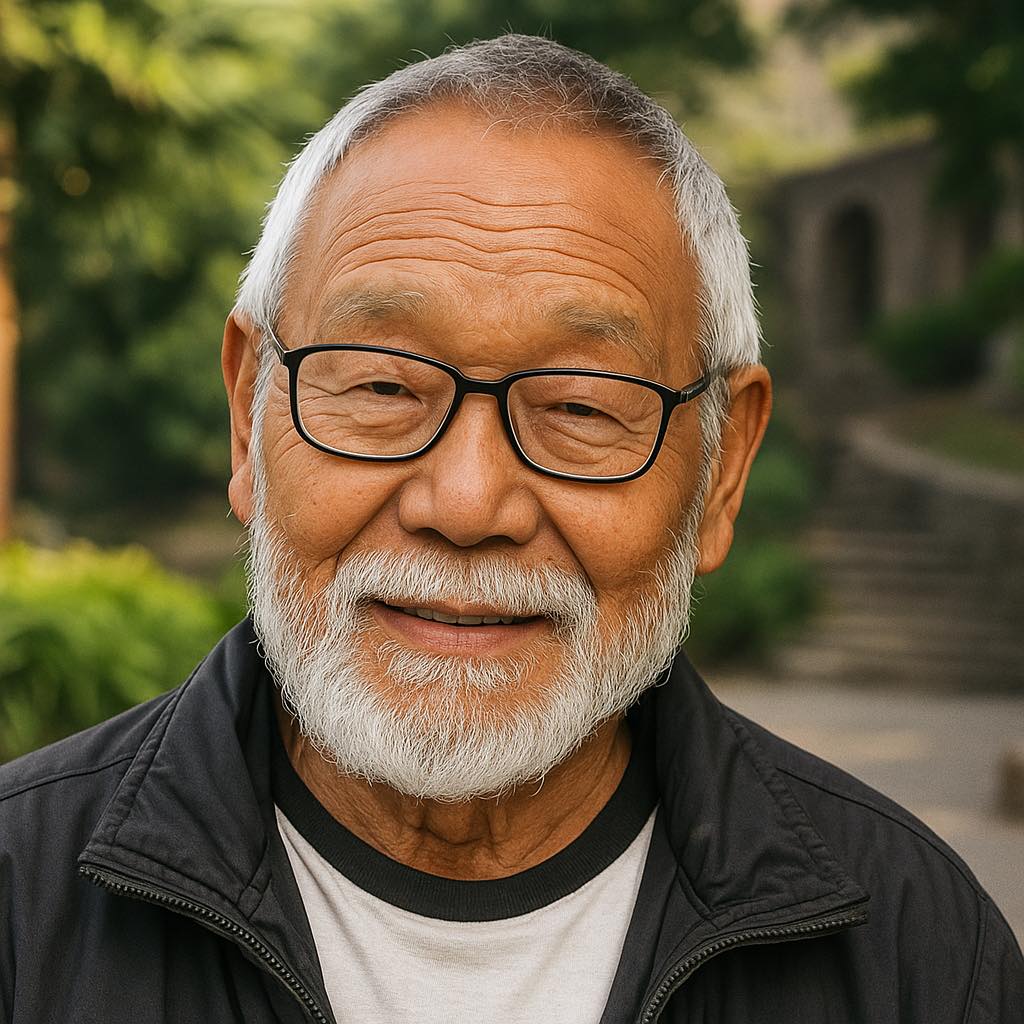
Gopal Bhutani (born Gopal Tamang, 1932 – November 23, 2010) was a pioneering Nepali art director, actor, and action choreographer who shaped the visual language of Nepali cinema. Born in Fikkal, Ilam, he began his film journey in Bollywood in the 1940s before returning to Nepal, where he introduced action direction to a melodrama-dominated industry. Despite his immense contributions, he struggled to obtain Nepali citizenship due to the “Bhutani” surname. Bhutani worked on over 70 films, including Balidaan, Aago, Shankar, Mamaghar, Shiris Ko Phool, and Jeevan Sangharsha. He passed away at age 78 from stomach cancer. His legacy remains foundational in Nepali film aesthetics and action choreography.
Gopal Bhutani
Art Director, Actor, Performing Artists, Film Artists
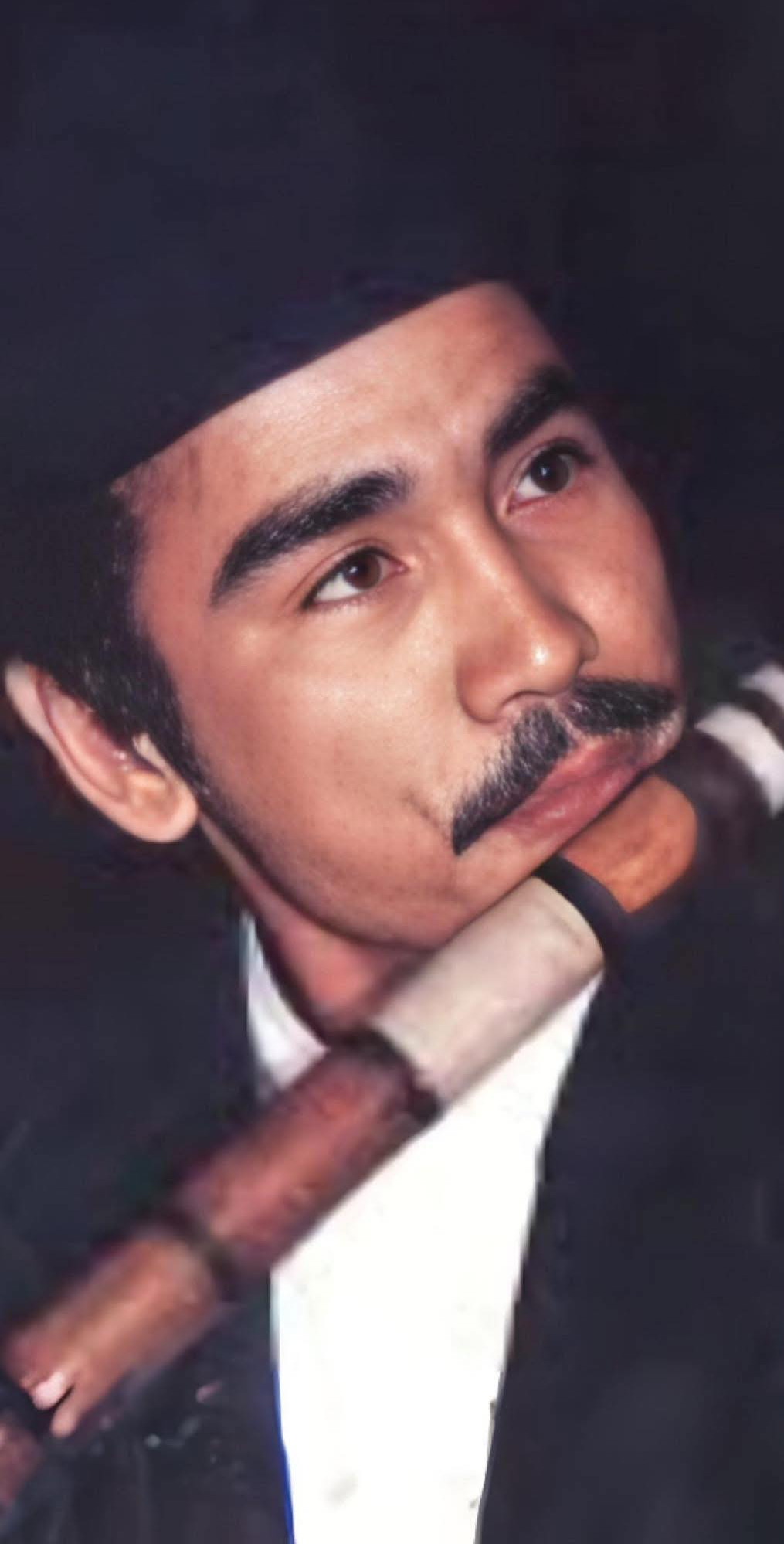
Prem Rana Autari is a renowned Nepali flutist celebrated for his classical foundation, global performances, and lifelong dedication to Nepali music. Born with a natural affinity for melody, he began exploring musical scales at the age of ten and traveled to India at twelve to study classical flute under world‑famous maestro Pandit Hari Prasad Chaurasia. His six years of rigorous training shaped the technical mastery and expressive depth that later defined his signature sound.Autari made his professional debut at fifteen with an orchestral ensemble in Bombay, performing in the vibrant center of Indian film music. He went on to work with All India Radio, gaining recognition for his refined tone and versatility. Returning to Nepal at twenty, he devoted himself to elevating Nepali music, serving nine years at Radio Nepal and ten years at the Royal Nepal Academy, where he became a leading figure in instrumental performance and musical education.He later performed worldwide with the classical ensemble Sursudha, representing Nepal on international stages, including as a soloist at the World Expo in Australia (2000). His artistry blends classical discipline with Nepali melodic sensibility, making him one of the most respected flutists of his generation.
Prem Rana Autai
Musicians & Instrumentalists, Flautist
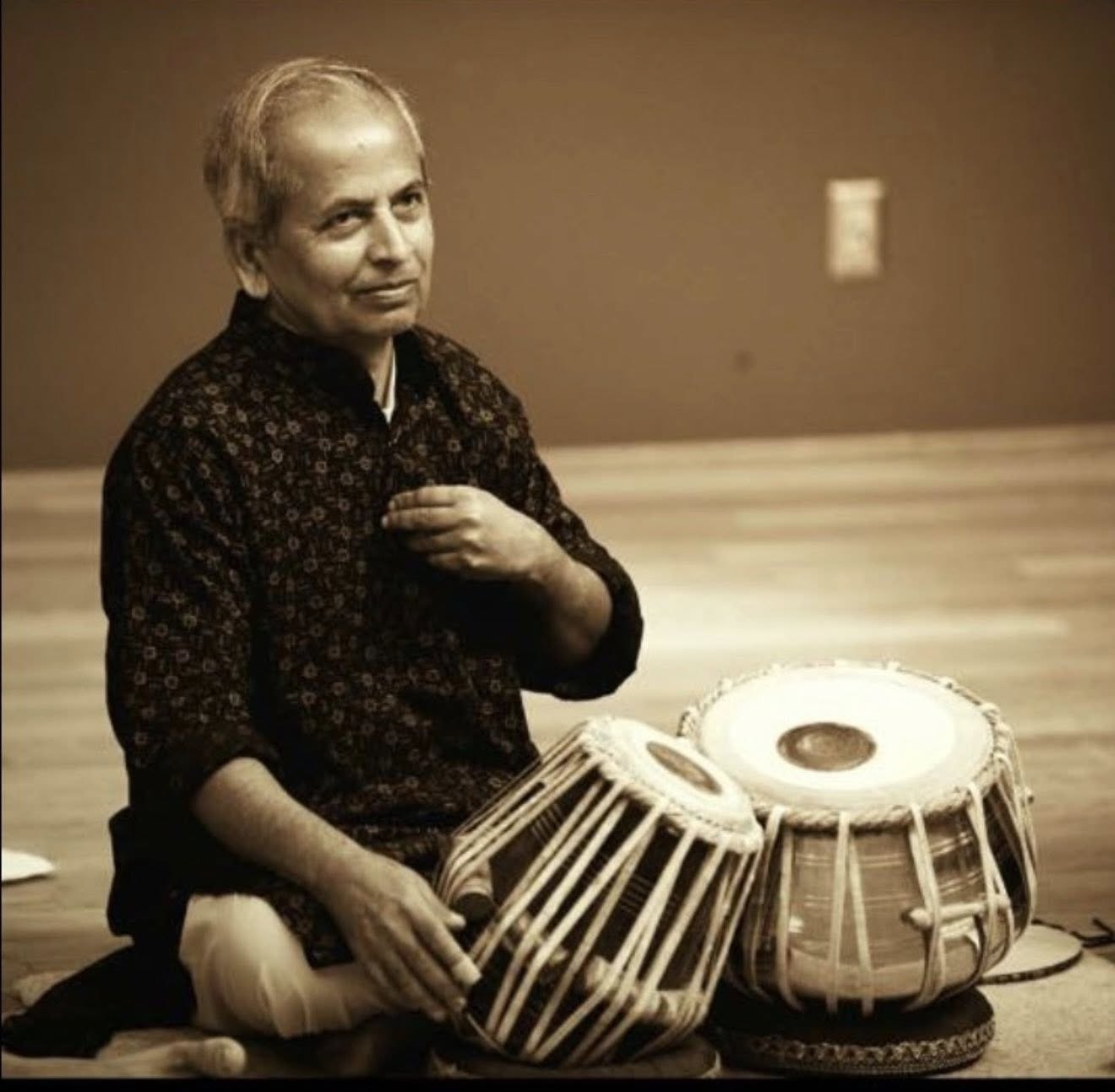
Hom Nath Upadhyaya is a renowned Nepali tabla maestro celebrated for his mastery of classical, semi‑classical, and folk rhythms. Trained in the rich traditions of Hindustani classical music, he became one of Nepal’s most influential percussionists, performing internationally and collaborating with leading artists. His contributions include teaching at Tribhuvan University, mentoring new generations of musicians, and representing Nepal on global stages. Known for his precision, melodic clarity, and deep understanding of rhythmic cycles, Upadhyaya has played a vital role in preserving and promoting Nepali classical music. His performances and compositions continue to inspire students, audiences, and cultural institutions across Nepal and the diaspora.
Hom Nath Upadhyaya
Musicians & Instrumentalists, Tabla Players

Komal Oli is a Nepali folk singer and former Radio Nepal news anchor known for her powerful lok‑geet vocals and her long career in national broadcasting. She rose to prominence with hit folk numbers that blended traditional melodies with her distinct vocal style, making her one of the most recognizable female voices in Nepali folk music.As a news anchor and program presenter at Radio Nepal, she became a trusted national voice, contributing to Nepali media for many years before transitioning fully into music and public life. Her songs, stage performances, and cultural presence have made her a prominent figure in modern Nepali lok‑sangeet.
Komal Oli
Media Personality, Folk Singer

Shyam Rai is a veteran Nepali film artist who has remained active in the industry for more than four decades. He began his cinematic journey in 1984 with the film “Basudev,” marking the start of a long and diverse career. Rai is known not only as an actor but also as a director, executive producer, legal advisor, assistant director, clap coordinator, and special appearance artist, reflecting his wide creative range. He has acted in over 37 films, including notable titles such as “Seto Bagh” (2015), “Rato Ghar” (2017), and “Bihe Pass” (2023). His recent works include “Hostel 3” (2025) and “Magne Raja” (2025). As a director, Shyam Rai has left a strong mark with films like “Chot” (1990), “Sankalpa” (1993), “Abala” (1996), “Guru Chela” (1998), “Aankha Lobhi Man Papi” (2003), and “Samarpan” (2004). Respected for his dedication, versatility, and long-standing contribution, Shyam Rai remains one of the most experienced and multifaceted figures in Nepali cinema
Shyam Rai
Actor, Film Director
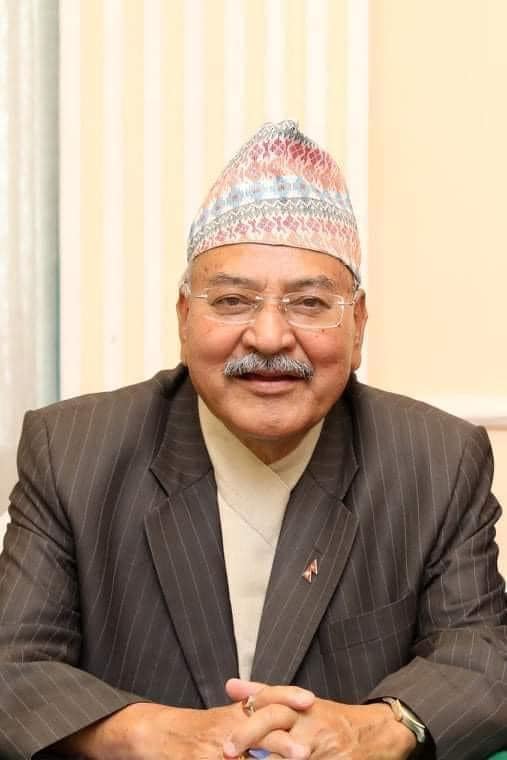
Madan Das Shrestha is a versatile Nepali artist whose career spans nearly four decades across film, theatre, radio, and television. He began his journey in 1985 with Ke Ghar Ke Dera and has since acted in 23+ feature films, including Tilahari, Kanyadan, Yug Dekhi Yug Samma, Manakamana, Raanko, Teen Ghumti, and Kirtipur: The Legend of Kirti Laxmi. Beyond acting, Shrestha is also known as a radio host, stage performer, and voice‑over artist, earning recognition for his expressive delivery and grounded character portrayals. His contributions extend to theatre and television, where he has played influential roles that connect deeply with Nepali audiences. As a director, he has helmed films such as Aghosit Yuddha (2003), further showcasing his creative range. Respected for his consistency and multi‑disciplinary talent, Madan Das Shrestha remains an enduring figure in Nepali performing arts
Madan Das Shrestha
Actor, Theatre Artists, Voiceover Artist
Hira Singh Khatri is regarded as one of the earliest architects of Nepali cinema, best known for directing Aama (1964), the first Nepali feature film produced in Nepal under the Royal Nepal Film Corporation. His work marked the formal beginning of Nepal’s national film industry, establishing narrative, technical, and production standards for future filmmakers. Khatri later directed Hijo Aaja Bholi (1967), further strengthening the foundation of Nepali storytelling on screen. His films emphasized patriotism, social values, and emotional realism, influencing a generation of emerging directors. As a pioneering figure who helped transition Nepal from stage and radio culture into cinematic expression, Hira Singh Khatri’s contribution remains a defining milestone in the history of Nepali filmmaking.
Hira Singh Khatri
Film Director
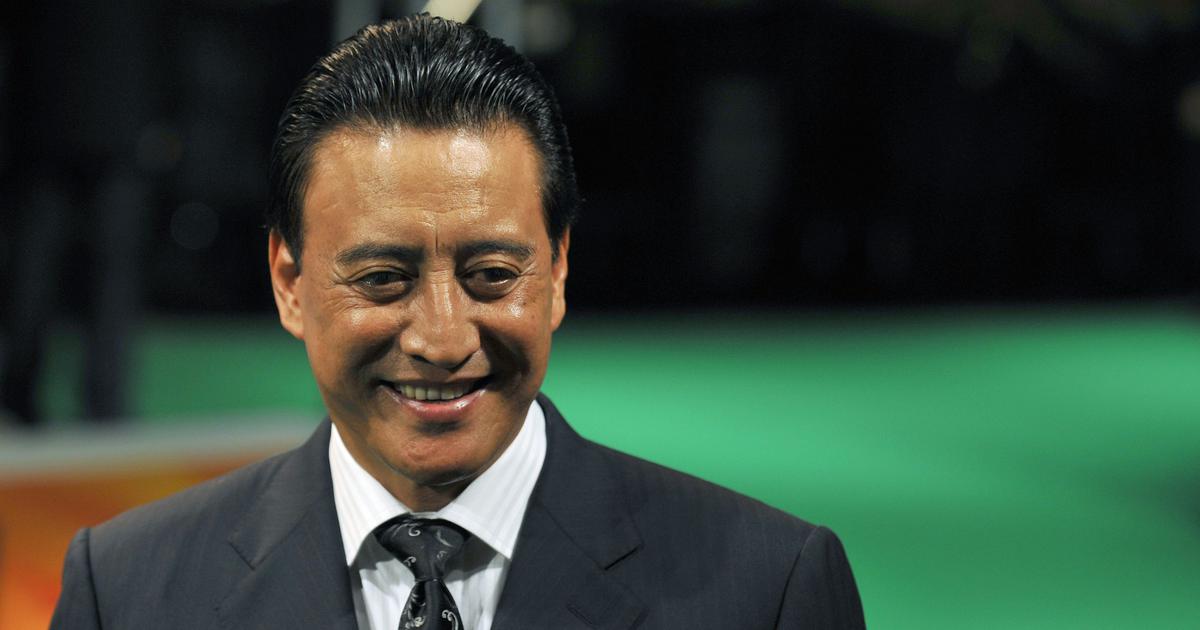
Danny Denzongpa is a legendary Nepali‑origin Indian actor, singer, and filmmaker whose career spans more than five decades, with over 190 films since his debut in 1971.. Born in Yuksom, Sikkim, he rose to prominence in Hindi films through memorable roles in Khuda Gawah, Agneepath, Ghatak, Hum, Andhi Gali, and many others, becoming one of the most respected character actors of his generation. As a singer, he recorded several Nepali hits, including the evergreen “Musu Musu Hasi Deu”,Rato Rani Phulejhai and “Chiso Chiso Hawama”, which remain beloved across Nepal. Danny also acted in the Nepali film Saino, a classic of Nepali cinema.
Danny Denzongpa
Actor, Singer/ Performer
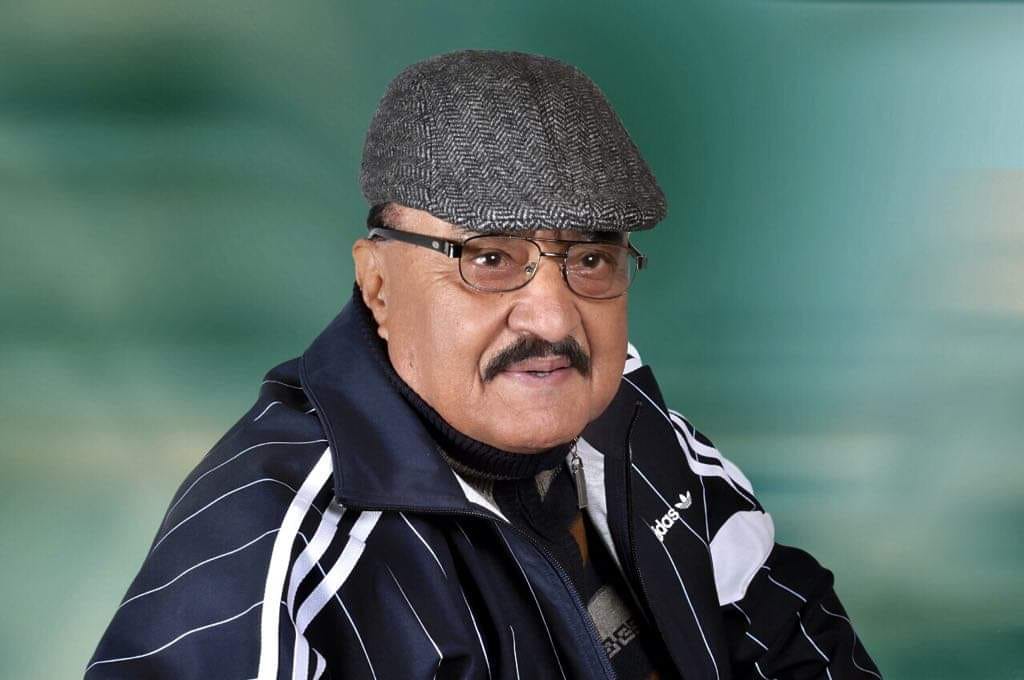
Mukunda Kishor Bhattarai is a veteran Nepali film artist known for his multi‑disciplinary contributions as an actor, writer, screenplay/dialogue creator, and story writer, active since 1989. His work spans some of the most influential films of the 1990s, especially Bhariya, Anartha, and Daju Bhai. As Actor Tilahari (1989) Kanyadan (1990) Pariwar (1991) Deuki (1993) Daju Bhai (1995) Anartha (1996) Bhariya (1996) Pachheuri (1997) Gham Chaya (1998) Timi Nai Baseu Mero Manma (2000) Ko Hola Mero Mayalu (2008) Mero Manko Sathi (2013) Timro Kasam (2013) Euta Mancheko Maya (2014)
Mukunda Kishor Bhattarai
Music Artists, Film Artists