
Explore Artists
Browse through 1,978 talented actors, musicians, dancers, filmmakers and creative professionals from Nepal.
2,586
All Artists
191
Actor
220
Actress
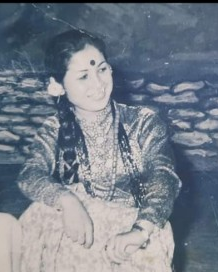
Menuka Pradhan (born 21 January 1953) is a luminous figure in the Indian Nepali theatre world, admired for her mastery of acting, singing, dancing, and literary expression. She co‑directed a major revival of the record‑setting Nepali play Ani Deorali Runchha alongside veteran playwright Kiran Thakuri. As a film actress, she has performed in more than a dozen Nepali and regional films, including Paralko Aago, Bachhna Chahaneharu, Devata, Jeevan Kanda Ki Phool, Chetana, Bhagya, Disha, Hamrai Santaan, Prashant Manko Aunthi, Shayad, Bandh, Prayashchit, Samarpan, and Spectre and Sibling.In 1971, she won first place singing a duet with Durga Kharel at the Gorkha Dukha Nivarak Sammelan competition. An All India Radio “A+”–graded drama artist, she has voiced over a thousand radio plays, documentaries, dance‑dramas, and animations. Known for her engaging stage presence, she has also hosted numerous major cultural events. In 1979, she received the Critic Circle of India Award for Best Nepali Actress for Paralko Aago.
Menuka Pradhan

Gita Bhitrikothi is a Nepali film actress best known for her role in the classic Nepali movie Bachna Chahaneharu (1982). As one of the primary cast members of this landmark social drama, she contributed to a film remembered for its emotional depth, strong ensemble performances, and portrayal of everyday Nepali life. Though Bachna Chahaneharu remains her only officially documented screen credit, her presence in the film reflects the era’s emerging talent and the collaborative spirit of early Nepali cinema. Gita Bhitrikothi is recognized today as part of the cast that helped shape one of the memorable works of Nepal’s old film tradition.
Gita Bhitrikothi
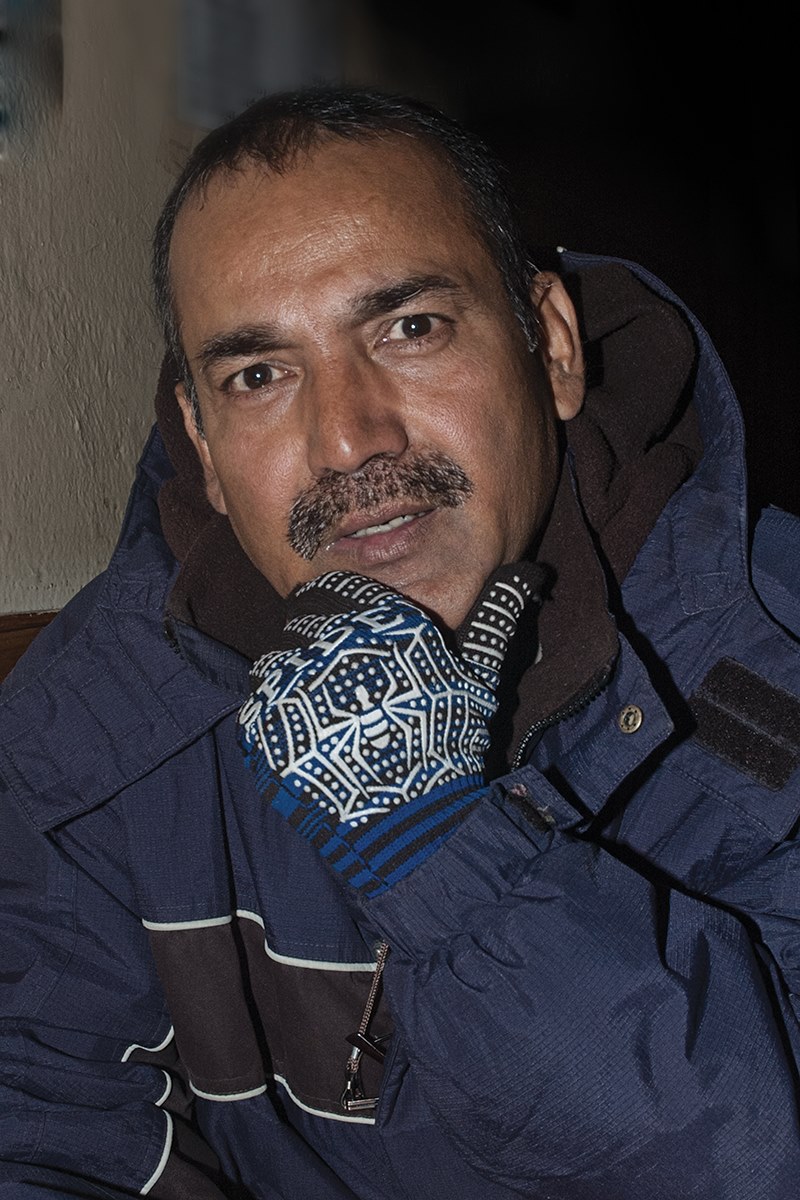
Badri Adhikari is a senior Nepali theatre artist and film–television director known for his disciplined craft, social sensitivity, and long‑standing contribution to Nepal’s performing arts. Beginning his creative journey in theatre, he later became widely recognized for directing influential Nepali television serials such as Viral Bagdacha Indrawati, Maun Aakash, Sahayatri, and Koras. These works earned him a reputation for blending emotional realism with strong social themes, portraying the struggles, relationships, and cultural nuances of everyday Nepali life.As a filmmaker, Adhikari is respected for his ability to guide actors toward natural, grounded performances and for maintaining a thoughtful, character‑driven visual style. His career reflects a deep commitment to storytelling rooted in community, culture, and human experience. Beyond his own achievements, he is also known as the father of acclaimed Nepali actress Keki Adhikari, whose artistic discipline and sensibility are often attributed to his influence
Badri Adhikari
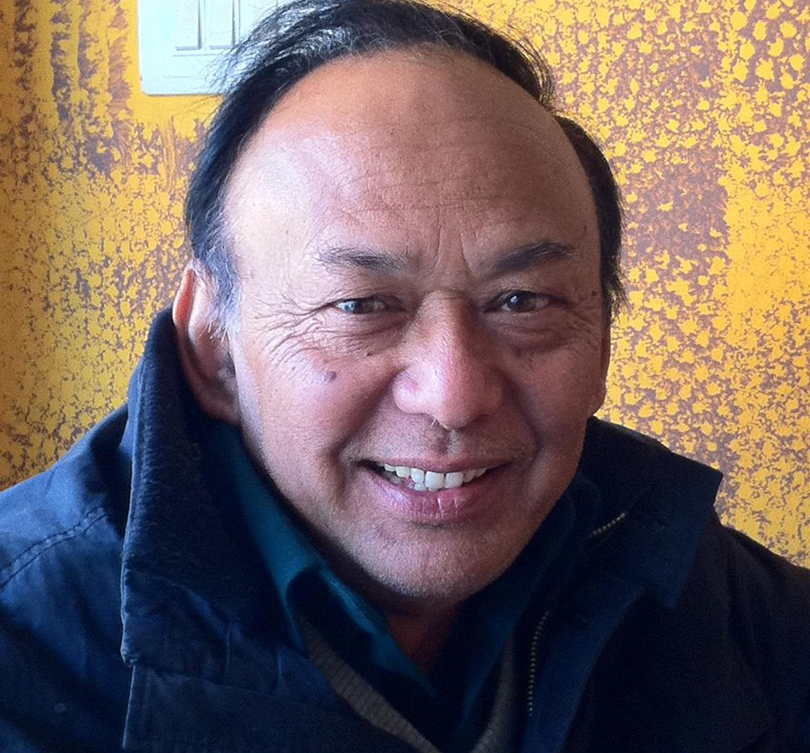
Sambhu Pradhan is a respected Nepali film director, editor, and actor whose work helped shape the commercial era of 1980s–1990s Nepali cinema. Known for his emotional storytelling and strong musical‑dramatic structure, he directed memorable films such as Samjhana, Behuli, Sapana, Bishwas, and Santaan. His multi‑disciplinary contributions across directing, editing, and acting established him as one of the versatile creative figures of his generation.
Sambhu Pradhan
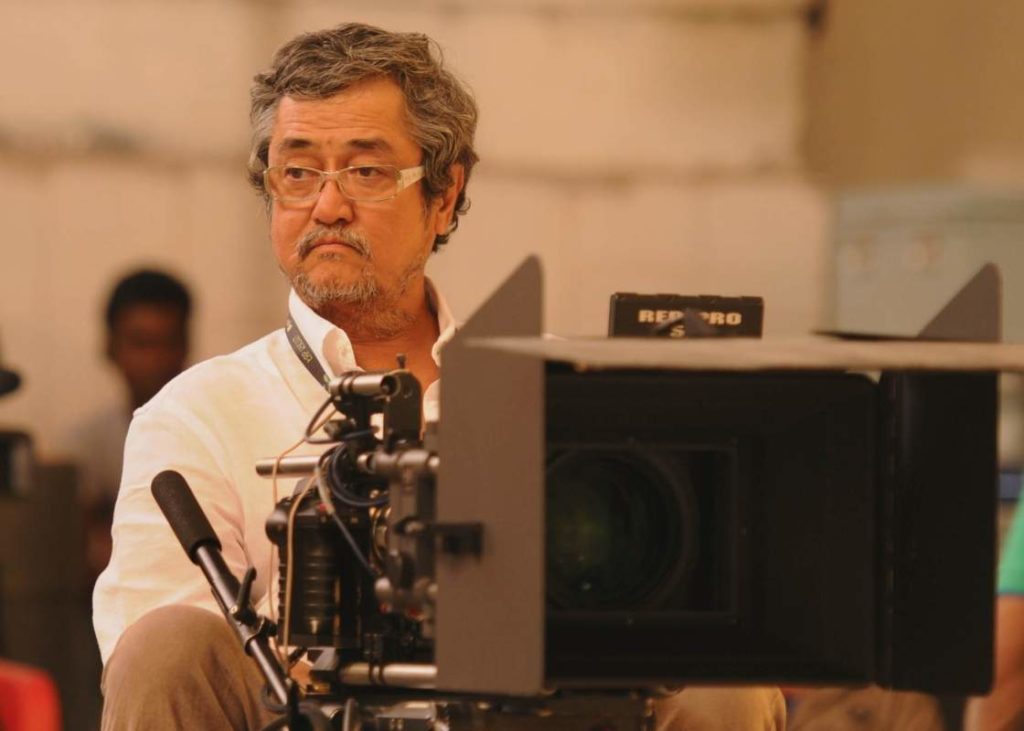
Binod Pradhan is an acclaimed Nepali cinematographer whose visual mastery spans both Nepali and Indian cinema. He began his career in Nepal with films such as Saino, Basudev, and other early Nepali classics, where his naturalistic lighting and emotional framing first gained attention. Pradhan later became one of Bollywood’s most celebrated cinematographers, shaping landmark films including Rang De Basanti, Devdas, Parinda, Mission Kashmir, 1942: A Love Story, and Bhag Milkha Bhag. His poetic realism, technical precision, and storytelling depth have made him one of South Asia’s most influential visual artists.
Binod Pradhan
Hem Lama was a Nepali film producer and director known for his involvement in the film Aadarsha Nari (1984). Originally a Nepali from Burma (Myanmar), he later moved to Nepal and established a business called Universal Packers Movers, a packing and moving company. Alongside his entrepreneurial work, Lama developed a strong interest in filmmaking. With the support of his brothers Manoj Pakhrin and B.P. Pakhrin, he wrote the story, screenplay, and dialogues for Aadarsha Nari and produced the film through Hem’s Experimental Movies Production. His work represents one of the independent filmmaking efforts in Nepal during the 1980s.
Hem Lama
Punam Lamawas associated as an associate artist in the Nepali film Aadarsha Nari (1984). Although detailed information about her life and career is not widely available, her participation reflects the involvement of emerging performers in the early years of Nepal’s film industry. Despite the limited records, Punam Lama’s contribution to Aadarsha Nari remains a part of the history of early Nepali cinema and is remembered with respect for her role in that period.
Punam Lama
Ramsharan Basnet was associated as an associate artist in the Nepali film Aadarsha Nari (1984). Although detailed information about his life and career is not widely available, his participation reflects the involvement of emerging performers in the early years of Nepal’s film industry. Despite the limited records, Ramsharan Basnet’s contribution to Aadarsha Nari remains a part of the history of early Nepali cinema and is remembered with respect for her role in that period.
Ramsharan Basnet
Manohar Bhandari was associated as an associate artist in the Nepali film Aadarsha Nari (1984). Although detailed information about his life and career is not widely available, his participation reflects the involvement of emerging performers in the early years of Nepal’s film industry. Despite the limited records, Bhandari’s contribution to Aadarsha Nari remains a part of the history of early Nepali cinema and is remembered with respect for her role in that period.
Manohar Bhandari

Honey Rauniar was an actress associated with the Nepali film Aadarsha Nari (1984), where she appeared as part of the film’s cast. Detailed information about her life and acting career is not widely available in public records. However, her involvement in Aadarsha Nari reflects the participation of emerging artists in the early phase of Nepal’s film industry. Even with limited documentation, Honey Rauniar’s contribution remains a small but meaningful part of the history of early Nepali cinema.
Honey Rauniar
Sarad Thapaliya was associated as an associate actor in the Nepali film Aadarsha Nari (1984). Although detailed information about his life and acting career is not widely available, his participation represents the contribution of supporting artists in the early years of Nepal’s film industry. Despite the limited historical records, Sarad Thapaliya’s involvement in Aadarsha Nari remains part of the legacy of early Nepali cinema and is remembered with respect.
Sarad Thapaliya
Rara Karki was associated with the Nepali film Aadarsha Nari (1984) as an associate artist. Very little documented information about his life and career is publicly available. However, his participation in the film reflects the involvement of supporting performers who contributed to the growth of Nepal’s film industry during its early years. Despite limited records, Rara Karki’s role in Aadarsha Nari remains part of the history of early Nepali cinema and is remembered with appreciation.
Rara Karki
Manoj Lama was a lyricist associated with the Nepali film Aadarsha Nari (1984), for which he contributed song lyrics. Detailed information about his life and broader musical career is not widely documented. However, his lyrical contribution to the film reflects the creative efforts of writers who supported the development of Nepali cinema during its early years. Despite limited records, Manoj Lama’s work in Aadarsha Nari remains a valued part of the film’s musical and cultural legacy.
Manoj Lama
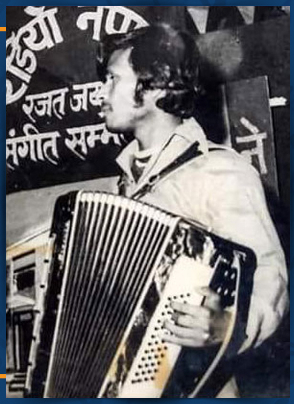
Madan Pariyar was a renowned Nepali music composer, arranger, instrumentalist, and singer who made significant contributions to Nepali music and film. He is widely recognized as Nepal’s first music arranger, known for his exceptional skill as an accordion player and for his innovative musical arrangements. Throughout his career, he composed music for numerous songs recorded at Radio Nepal, arranged music for many popular tracks, and performed as a talented instrumentalist in various recordings.Pariyar also worked as the music director for the film Aadarsha Nari (1984). His daughter, Sapana Shree, is also a well-known Nepali singer. Through his work as a composer, arranger, and musician, Madan Pariyar remains remembered as one of the respected pioneers who helped shape modern Nepali music.
Madan Pariyar
Suresh Mishra
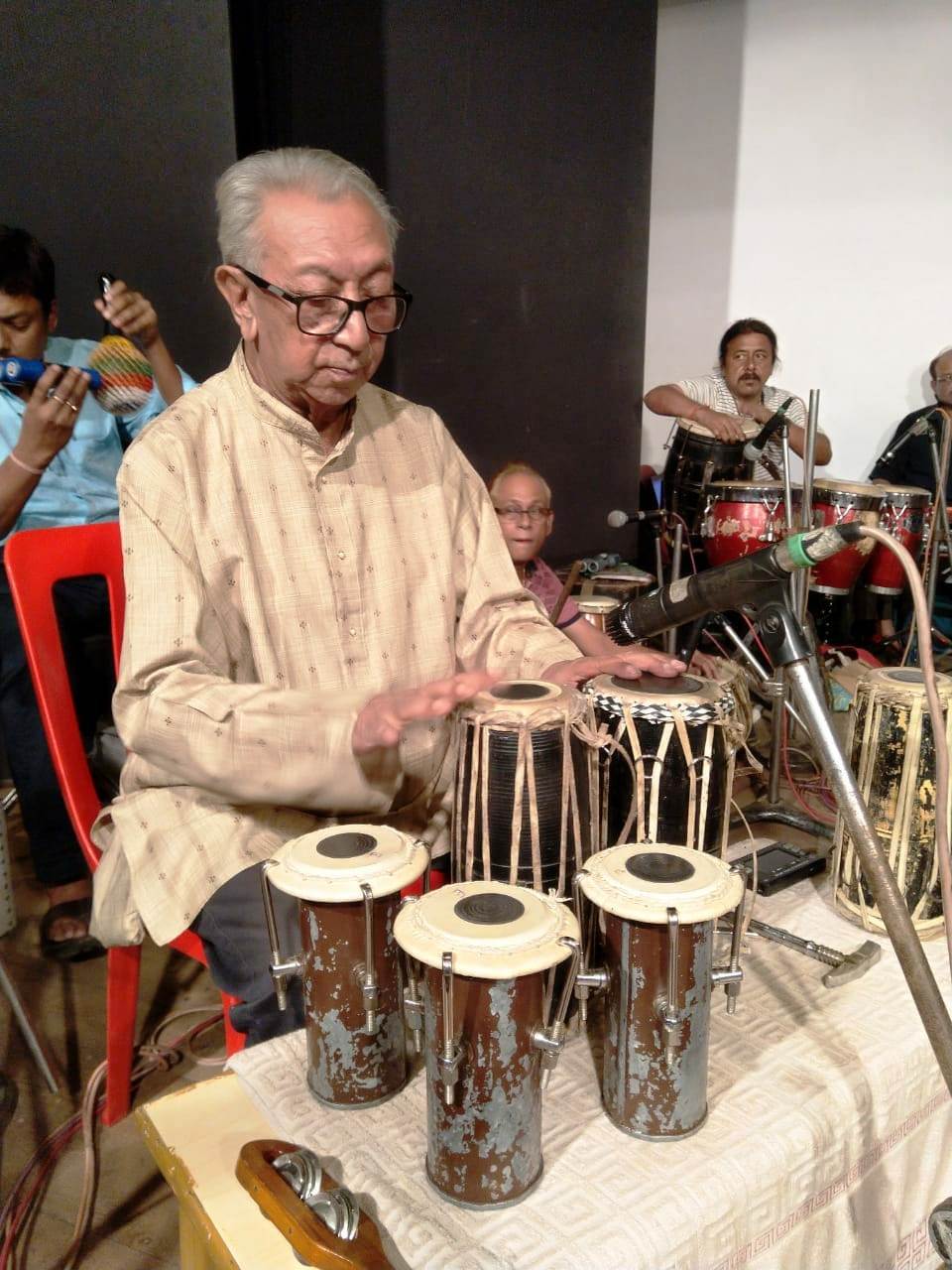
Ranjit Gazmer (also spelled Ranjit Gajmer) is a renowned Nepali film music composer, arranger, and instrumentalist known for his major contributions to Nepali cinema and South Asian music. Born on October 3, 1941, in Darjeeling, India, he developed an early passion for music and studied under legendary composer Amber Gurung at the Art Academy of Music in Darjeeling.Gazmer began his professional journey as a studio musician at Radio Nepal in the late 1960s before moving to Mumbai in 1971, where he worked closely with the legendary Bollywood composer R. D. Burman. As a skilled percussionist—particularly known for playing the Nepali madal—he contributed to numerous Hindi film recordings and became part of Burman’s core musical team for many years.He later established himself as one of the most influential music directors in Nepali cinema, composing music for many classic films such as Samjhana, Kusume Rumal, Saino, Lahure, and Darpan Chhaya. His music played a significant role in shaping the sound and popularity of modern Nepali film songs.Gazmer is also credited with arranging one of the early Nepali songs sung by Asha Bhosle, helping bridge Nepali and Indian film music cultures. Over decades of work as a composer, arranger, and instrumentalist, Ranjit Gazmer has remained one of the most respected figures in Nepali film music history.
Ranjit Gazmer
Deepak Das is a cinematographer who worked in Nepali cinema during the 1980s. He is best known for his work as the director of photography for the Nepali film Masaal (1985), directed by Pratap Subba.Although detailed biographical information about his life and career remains limited in public records, Deepak Das contributed to the visual storytelling of early Nepali films through his work behind the camera. His cinematography in Masaal reflects the technical efforts of filmmakers who helped shape the visual style of Nepali cinema during its developing years in the 1980s. Despite scarce documentation, his work remains part of the historical record of Nepali film production.
Deepak Das
Gangadhar Naskar is a Editor who worked in Nepali cinema during the 1980s. He is best known for his work as the film Editor for the Nepali film Masaal (1985), directed by Pratap Subba.
Gangadhar Naskar
Gangadhar Naskar is a Sound Designer who worked in Nepali cinema during the 1980s. He is best known for his work as the film Sound Designer for the Nepali film Masaal (1985), directed by Pratap Subba.
Gangadhar Naskar
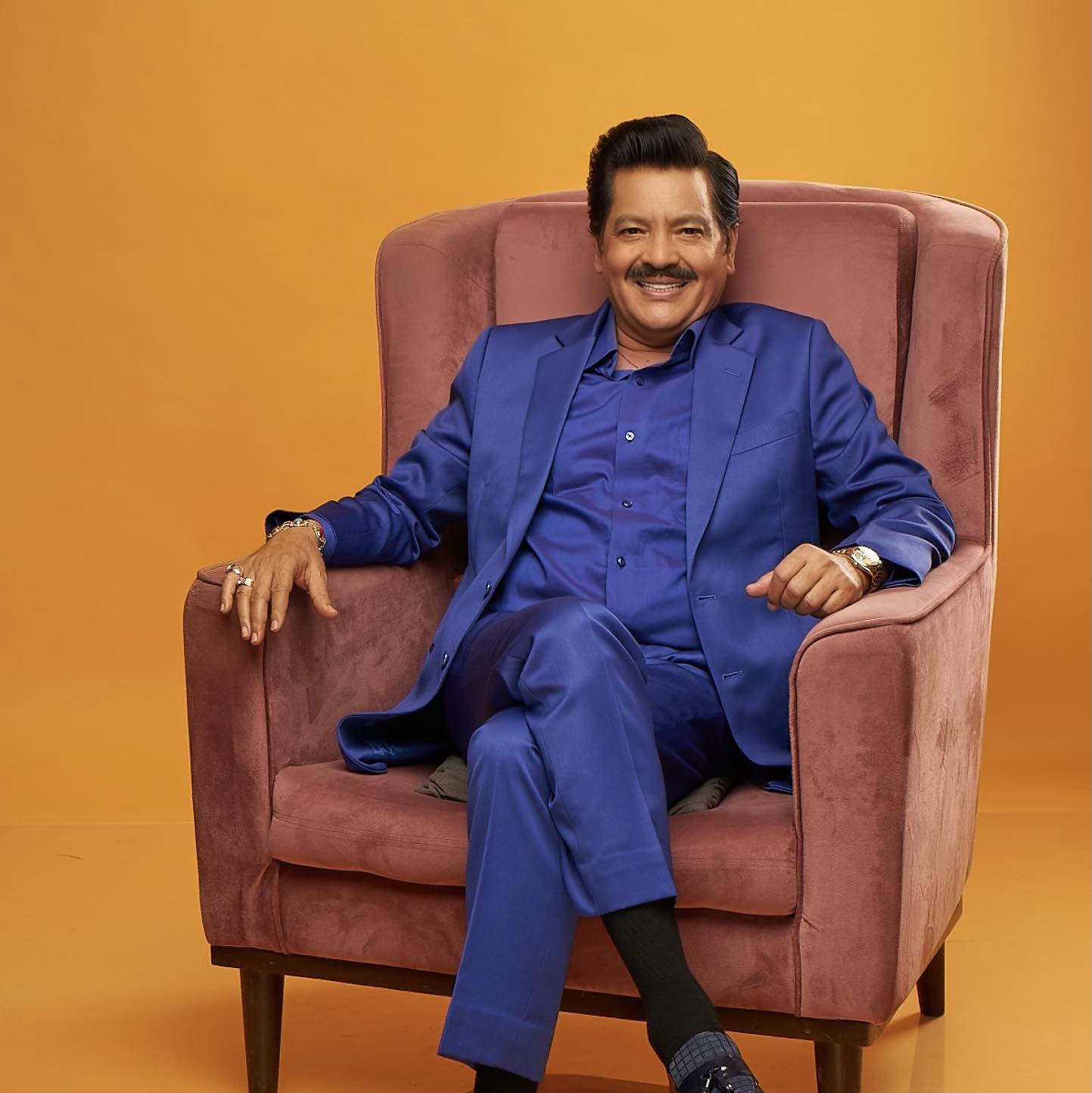
Udit Narayan Jha is a renowned Nepali-Indian playback singer widely celebrated for his melodious voice and major contributions to South Asian film music. He was born on December 1, 1955, in Baisi, Saptari, Nepal. Udit Narayan began his musical journey by singing for Radio Nepal before moving to India to pursue a professional career in playback singing.He gained international recognition after singing the hit song “Papa Kehte Hain” in the 1988 Hindi film Qayamat Se Qayamat Tak, which established him as one of Bollywood’s leading singers. Over the decades, he has recorded thousands of songs in Hindi, Nepali, and many other languages.Throughout his long and successful career, Udit Narayan has received numerous honors, including multiple Filmfare Awards as well as India’s prestigious civilian awards, the Padma Shri and Padma Bhushan. He remains one of the most respected and influential voices in Nepali and Indian film music.
Udit Narayan Jha

(Playback Singer • Actress • Choreographer • Chief Assistant Director • Golden‑Era Voice of Nepali Cinema)Bharati Ghimire (also credited as Bharati Gajmer) is one of the most prolific and respected female playback singers of Nepali cinema’s golden era (1980s–1990s). Active since 1981, she has contributed vocals to more than 20+ classic Nepali films, including Basudev, Kusume Rumal, Lahure, Deuta, Dakshina, Chino, Rahar, and Dui Thopa Aansu. Her voice—soft, expressive, and emotionally rich—became a defining sound of Nepali film music for two decades.Beyond singing, Bharati Ghimire also worked as an actress, choreographer, and chief assistant director, making her one of the few multi‑disciplinary female artists of her generation.
Bharati Ghimire (Gajmer)
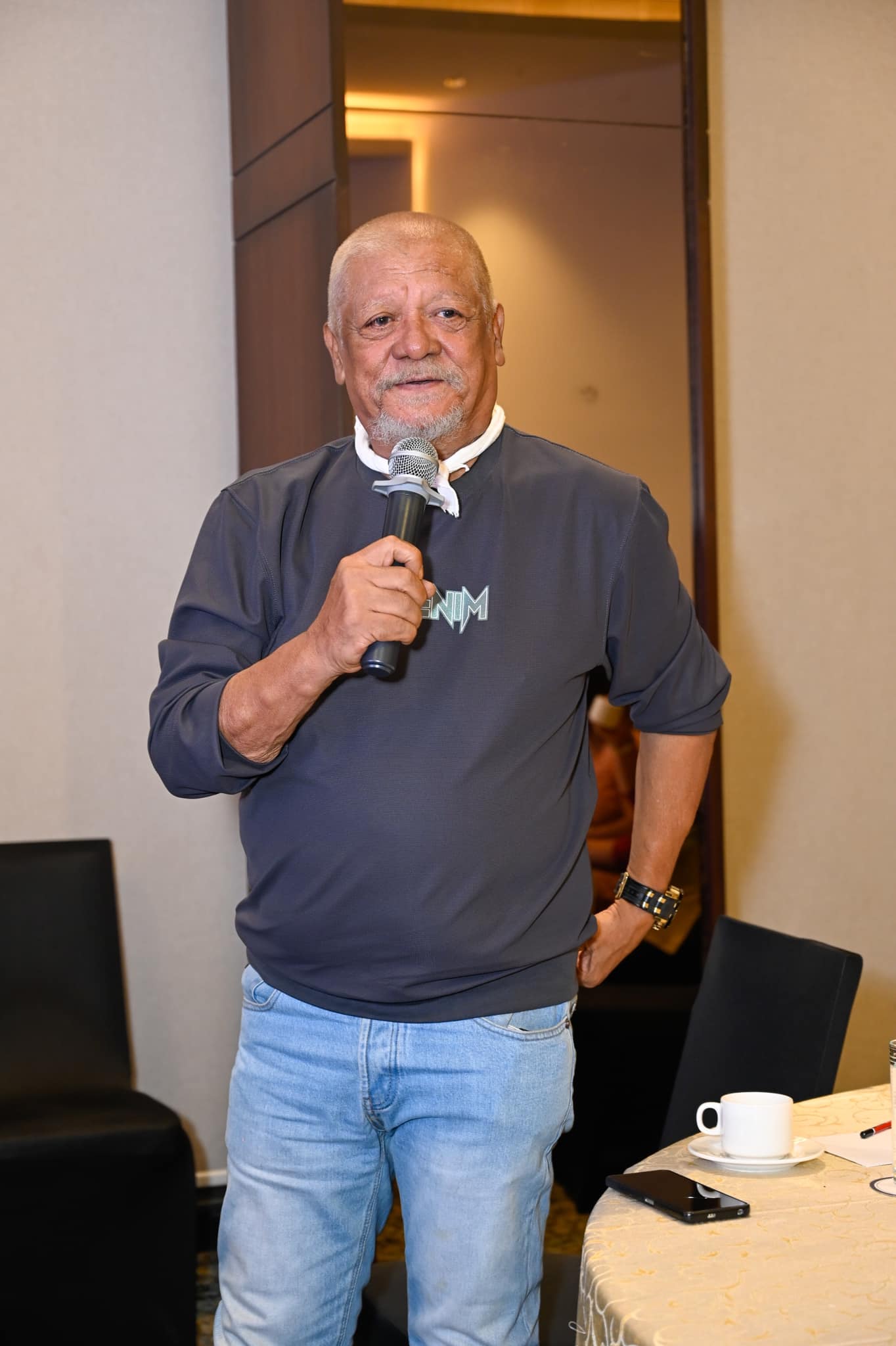
(Legendary Actor • Iconic Villain • Nepali, Bollywood & Bhojpuri Star)Sunil Thapa (19 May 1957 – 7 February 2026) was one of the most influential actors in Nepali cinema, celebrated for redefining villainy and character acting across Nepali, Bollywood, and Bhojpuri films. Born in Dang, Nepal, he began his acting career in Bollywood with Ek Duuje Ke Liye and went on to become a household name in Nepal through unforgettable roles—most famously “Rate Kaila” in the cult classic Chino (1989).His career spanned 1974–2025, with more than 150+ films, making him one of the most prolific actors in Nepali film history.He passed away on 7 February 2026 in Kathmandu, leaving behind a monumental legacy in South Asian cinema.
Sunil Thapa
Anjan Das is a name shared by two notable South Asian filmmakers:Anjan Das (Nepal) — a Nepali film director and cinematographer best known for the 1985 feature film Arko Janma, where he served as both director and DOP. His work represents the mid‑era evolution of Nepali cinema, emphasizing grounded visuals and character‑driven storytelling.Anjan Das (India) — an acclaimed Indian art‑house filmmaker associated with Bengali parallel cinema, known for internationally recognized films such as Saanjhbatir Rupkathara, Faltu, and Achin Pakhi. His work has been screened at global festivals and is known for poetic realism.
Anjan Das
Ranjan Pandey, Sound Designer
Ranjan Pandey
Pema Lama, Playback Singer
Pema Lama
Prakash Kovid, story
Prakash Kovid
Kiran Thakuri, ScreenPlay
Kiran Thakuri
Gagan Lepcha is a veteran Nepali choreographer known for his influential work in 1980s and 1990s Nepali cinema, contributing to films such as Arko Janma (1985) and other mid‑era productions. Recognized for blending classical Nepali movement with contemporary film choreography, he helped shape the visual rhythm of early commercial Nepali films. His work is noted for clean formations, expressive storytelling through dance, and strong collaboration with directors and music directors of the era.
Gagan Lepcha
Action Director
Kishor Singh
associate artist of nepali FIlm
Pralhad Chettri
associate artist of nepali FIlm
Lalit Tiwari
associate artist of nepali FIlm Industry
Purnima Khadka
associate artist of nepali FIlm Industry.
Nina Pradhan
Sen
Balai Sen
Rai
Indra Bahadur Rai
Mahendra Moktan (1985) is the actor of the film Jar.
Mahendra Moktan
Babita Gurung (1985) is the actor of the film Jar.
Babita Gurung
Devika Moktan (1985) is the actor of the film Jar.
Devika Moktan
Pradip Rimal was a pioneering Nepali film director, lyricist, folklorist, and cultural researcher whose career helped shape the foundation of modern Nepali cinema. Born in 1994 BS in Lubhu, Lalitpur, he began as a folk‑song collector and playback singer before entering films. After working as an assistant director in Maitighar, he directed acclaimed films such as Ke Ghar Ke Dera, Manako Baadh, Kumari, Sindoor, Maya, and the Nepal Bhasa classic Shilu.Rimal also acted in the popular 2025 BS film Hijoo Aaja Bholi and contributed lyrics to many beloved songs, including “Kasturi Hey Baas Aauchha Bhancha” and “Yo Barshama Chhodi Malai,” sung by Narayan Gopal. His folk‑culture book on Karnali Lok Sanskriti earned him the prestigious Madan Puraskar in 2027 BS. A versatile creator, he also wrote and directed several documentaries, leaving a lasting cultural and cinematic legacy.
Pradip Rimal
Ghanshyam Joshi, Film Actor
Ghanshyam Joshi
Ghanshyam Joshi
Ghanshyam Joshi
Awash Bhattarai
Awash Bhattarai
Bikash Khanal
Bikash Khanal

(Singer • Music Director • Composer • Lyricist • Live Performer) Ujjwal Saagar is a Nepali singer, music director, composer, and live performer known for his soulful vocal tone, poetic songwriting, and contemporary acoustic‑fusion sound. Active since the mid‑2010s, he has built a strong digital presence through a series of critically appreciated original songs, including “The Unloved (Sunana, Timi Khusi Ta Chhau Ni?)”, “Geet Lekhu Ma Kina?”, “Madhur Jhankaar (Khamaj)”, “Maaili”, “Yaatri”, “Chhaya”, “Dailo”, and “Mrigatrishna.” As a music director and composer, Saagar is recognized for clean arrangements, emotional depth, and a signature blend of Nepali pop, soft rock, Hindustani‑influenced melodies, and cinematic soundscapes. His songs often explore themes of longing, self‑reflection, and emotional resilience, resonating strongly with young Nepali listeners.
Ujjwal Saagar

Kehar Limbu (Kehar Sing Limbu) is a Nepali singer, songwriter, and music artist originally from Sankhuwasabha and now based in Kathmandu, known for his soulful vocal tone, modern folk‑pop style, and emotionally resonant storytelling. Active across digital platforms and mainstream music, he has released popular songs such as “Sarara Sarara,” “Baiguni,” “Samjhana,” “Soltini,” “Bahana,” and “Timi Lai Samjhera 2,” along with the 2025 live version of “Kata Chhau” from Kumari. His music blends contemporary Nepali melodies with heartfelt lyrics, earning millions of views on YouTube and strong streaming presence on Apple Music and Spotify. Kehar Limbu continues to rise as a versatile voice in the Nepali music scene, recognized for his consistency, authenticity, and ability to connect deeply with listeners.
Kehar Limbu
Rajani Sharma is a Nepali actress active during the early 1980s, known for her roles in films such as Bansuri (1981) and Masaal (1985), where she appeared as one of the prominent female performers of the period. Beginning her screen career in the early decade, she became recognized for her expressive presence and participation in the emerging wave of Nepali cinema that blended regional storytelling with evolving commercial formats. Her work during 1981–1985 reflects a concise but memorable contribution to Nepali film, with Bansuri marking her early appearance and Masaal establishing her visibility in a cross‑border Nepali production backed by Sikkim Film Corporation.
Rajani Sharma
Tej Rasaily is a Nepali–Sikkimese actor best known for his role in the 1985 feature film Masaal, produced by the Sikkim Film Corporation and directed by Pratap Subba.
Tej Rasaily
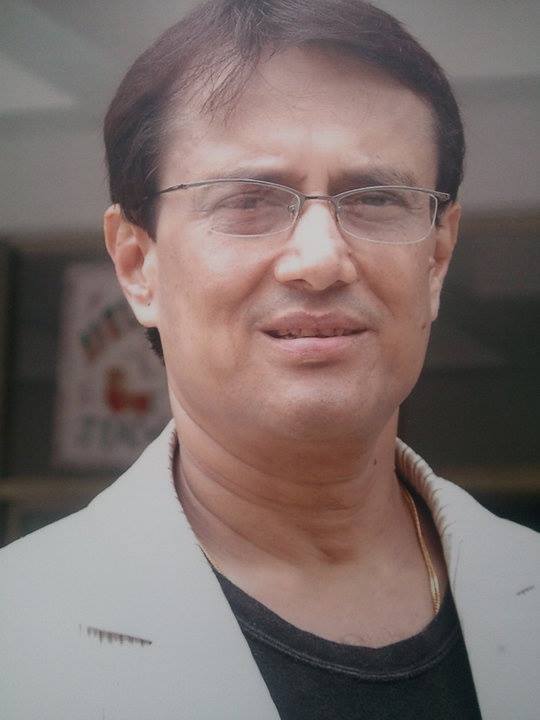
Uddhab Poudel is a multi‑disciplinary Nepali film professional whose career spans more than three decades. Active since 1986, he has contributed to Nepali cinema as a producer, director, presenter, story writer, audiographer, and lyricist. His body of work includes more than 18–23 films, depending on credit category, making him one of the most versatile contributors in the industry.He is best known for producing acclaimed titles such as Pal (2011), Kusume Rumal 2 (2009), Jiwan Mrityu (2008), Ukali Orali (2004), Shahidgate (2002), and Mato Bolcha (1999). His early creative contributions include story writing for films like Arpan (1993), Pariwar (1991), and Jay Baba Pashupati Nath (1995), and lyric writing for Tilahari (1989).Across his career, Poudel has worked with major Nepali actors, directors, and production teams, and his credits span commercial cinema, musical storytelling, and technically demanding audiography work. He has also been recognized with honors such as the Lifetime Achievement Award (Infa Film Award 2070) and the Nepal Motion Picture Award (2056).
Uddhab Poudel
Film Maker/ Producer
Barun Kawasi is the director of Jhoda (1987), known for his grounded storytelling and realistic portrayal of rural Nepali life. His direction emphasizes emotional authenticity, social themes, and character‑driven narratives, making Jhoda a notable film of the 1980s Nepali cinema era.
Barun Kawasi
Film Director
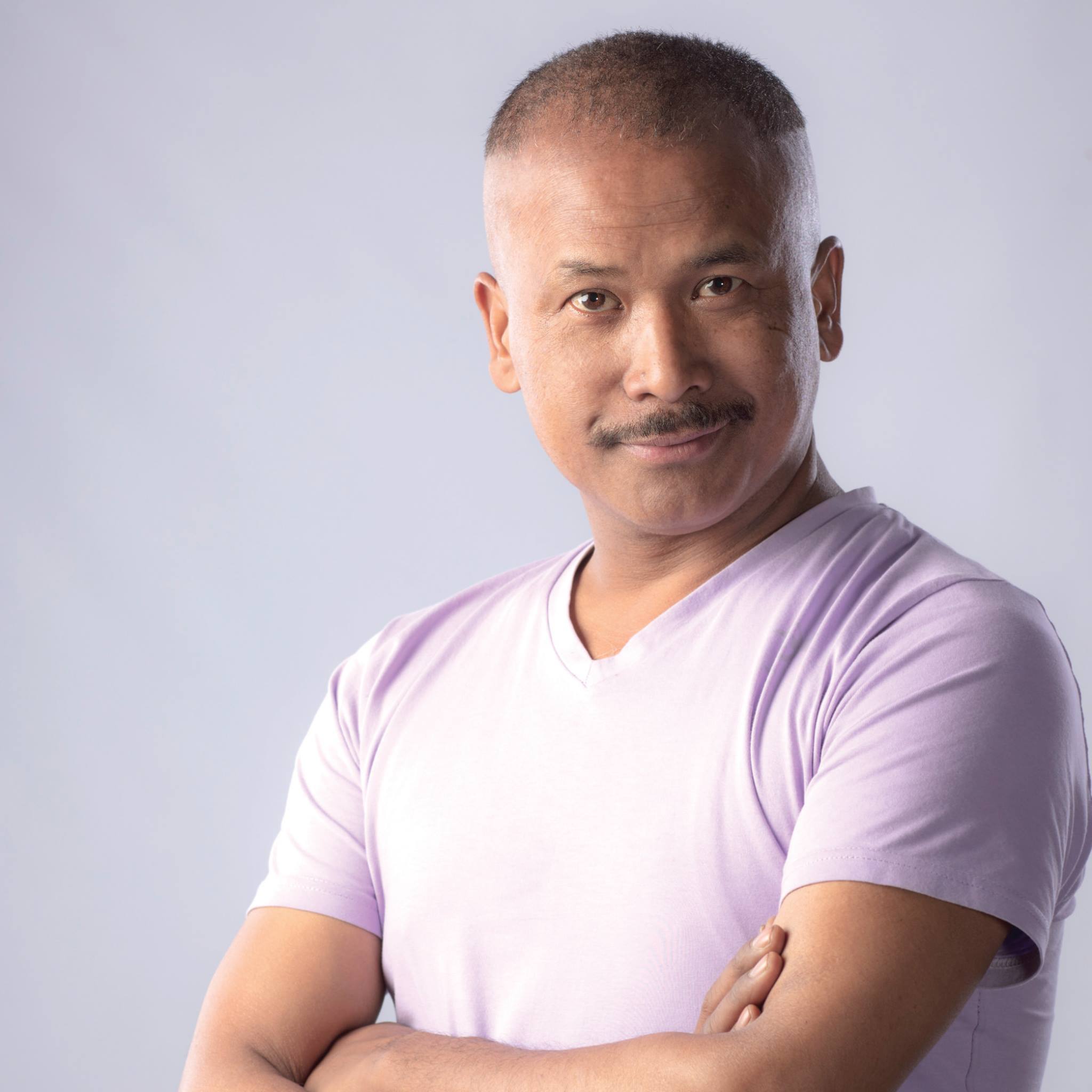
(Senior Photographer • Commercial Visual Artist • Founder, Creative D Studio)Raj Bhai Suwal is one of Nepal’s leading commercial photographers, known for his versatile visual storytelling and decades‑long contribution to modern Nepali photography. Beginning his creative journey in the late 1970s, he first worked as a photojournalist for publications such as Nepal Samacharpatra, Mahanagar, and Sadhana, where his dynamic field photography established his early reputation.A multi‑skilled artist with a background in tailoring, crafts, music, and classical dance, Suwal eventually transitioned fully into still photography and visual production. He founded Creative D Studio in 2006, a Kathmandu‑based agency recognized for commercial, fashion, advertising, and portrait photography.Over the years, Suwal has become a respected mentor and industry figure, serving as Past President of the National Photojournalists Association (NPPA) and continuing to influence Nepal’s visual media landscape through studio work, training, and creative leadership.
Raj Bhai Suwal
Photographer, Fashion Photographer
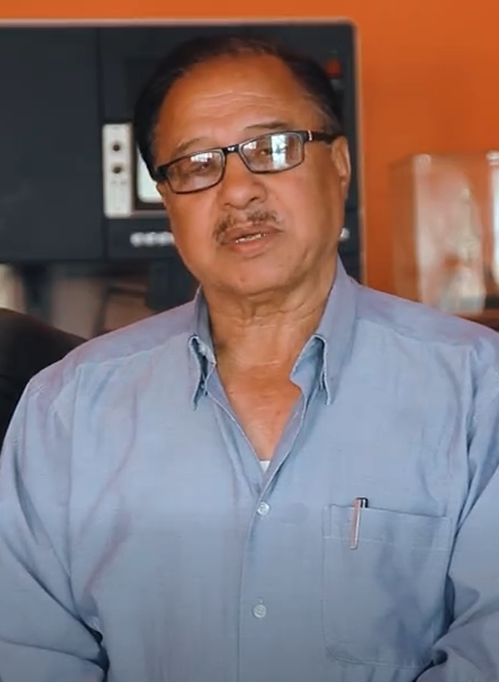
Starting from the foundational years of modern Nepali cinema, Narendra Khadka has built a distinguished career as one of Nepal’s most prolific and respected film editors. Active since 1989, he has edited more than 36 feature films, shaping the narrative rhythm and visual language of Nepali commercial and social‑themed cinema. His editorial work spans classics such as Rajamati (1995), Seemana (1996), Zameen (1998), Basanti (2000), and Prem Yuddha (2005), establishing him as a key technical figure in the industry.Beyond editing, Khadka has contributed as a story writer and chief assistant director, demonstrating a deep understanding of cinematic structure and storytelling. His long service to Nepali cinema was formally honored when he received a Lifetime Achievement Award at the 7th LG Cine Circle Awards, recognizing his decades of dedication and his role as the founding principal of the College of Film Studies.With a career spanning over three decades, Narendra Khadka remains a senior figure whose disciplined craft, technical precision, and editorial leadership continue to influence new generations of Nepali filmmakers.
Narendra Khadka

Anshu Maharjan is a Nepali film and television actress who began her career in the mid‑2000s, appearing in popular comedy serials such as Maha Chautari, other comedy shows, music videos, TV commercials, and the hit series Meri Bassai, where she performed alongside Jitu Nepal’s character “Mundreko Sauteni Aama.” Her early work in these widely loved programs established her as a natural performer with strong comedic timing and expressive acting.After building a solid foundation in television, she transitioned into films, appearing in projects such as Jatrai Jatra, Ganapati, Bar and Badhu, and Chameliko Poi. Her ability to shift effortlessly between comedy, drama, and character roles has made her a familiar and respected presence in both TV and cinema.
Anshu Maharjan
Character Artists, Comedy Actor
Manhari Singh
Film Maker/ Producer
Mohammad Iqbal
Ridhhi Charan Shrestha
Ridhhi Charan Shrestha
Film Artists
Miss Hinadevi – SingerMiss Hinadevi has 6 recorded songs from BS 1991 (AD 1934/1935). Personal details and song titles are not available, yet she is remembered as one of the early female voices of the era.
Miss Hinadevi
Music Artists
Miss Prabha – SingerMiss Prabha recorded 3 songs in BS 1991 (AD 1934/1935). Although additional information is missing, she remains part of the early generation of Nepali female recording artists.
Miss Prabha
Music Artists