
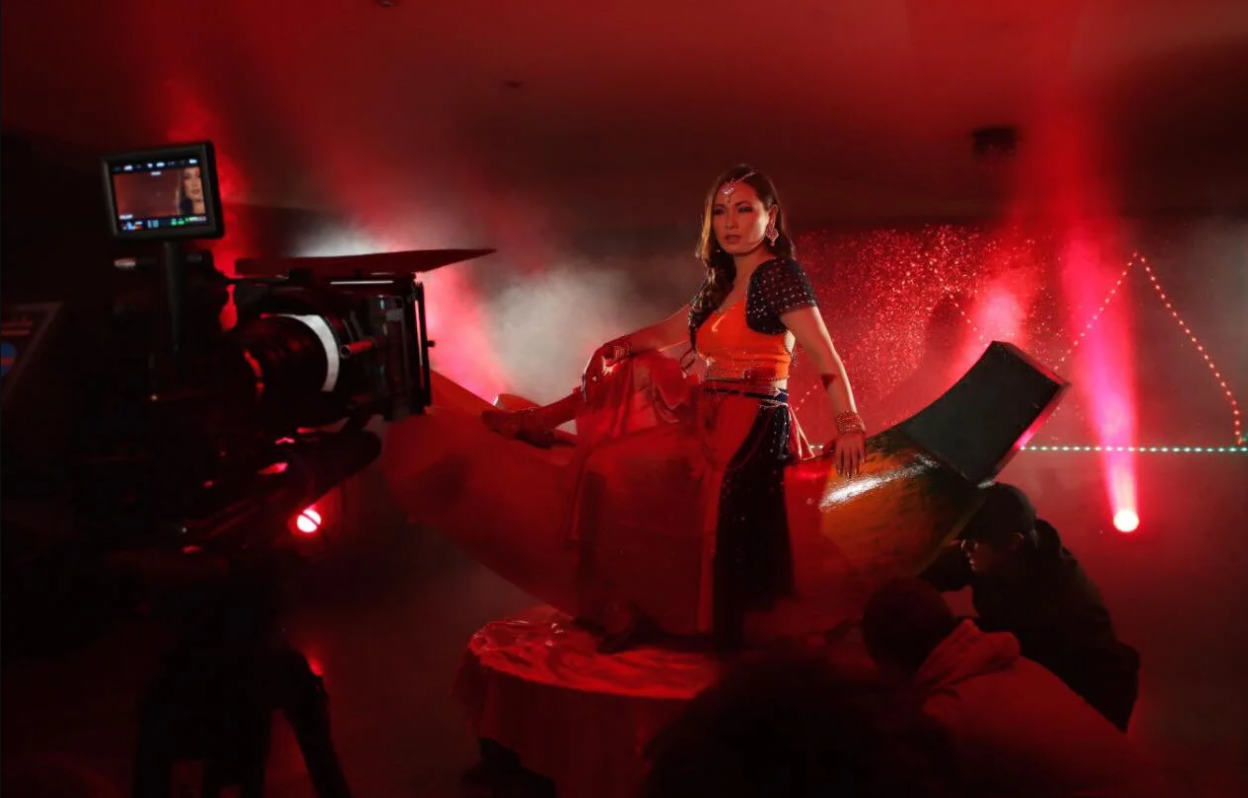

Nina Pradhan
@nina-pradhan
associate artist of nepali FIlm Industry.
Biography
Personal Info
Career Highlights
1
Films
—
Awards
—
Experience
—
Rating
Similar Artists
Artists you might also like
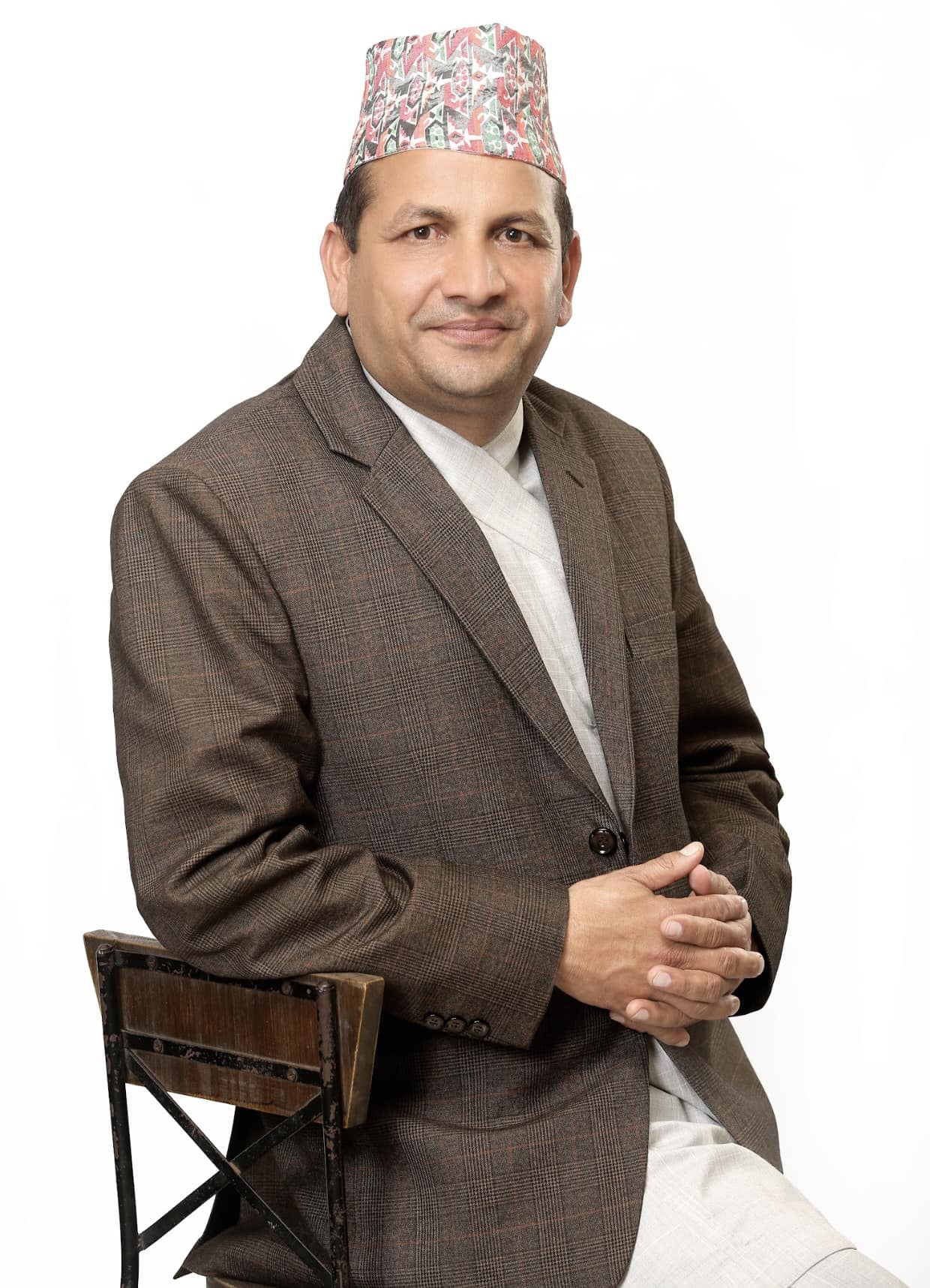
Tulasi Parajuli was born on June 23, 1972, in Dadha Bazaar, Dhankuta, Nepal, to Makar Nanda Parajuli and Tika Devi Parajuli. As the eldest son, he spent his childhood in Dhankuta, where his mischievous nature often led him to skip classes in favor of attending cultural programs. His academic journey took him from Bhanu Secondary School for his SLC, to Dharan for his Intermediate certificates, and finally to Patan Campus, where he earned his Bachelor’s and Master’s degrees in Nepali at R R College, Kathmandu. Entry into the Music Scene Parajuli’s passion for music was ignited by listening to songs on Radio Nepal, inspiring him to emulate the singers he admired. His enthusiasm for cultural events grew stronger when he moved to Dharan for further studies, leading him to participate more actively in musical programs. He eventually formed the band Jhankar, performing across major towns in Eastern Nepal. Work and Contributions Parajuli continues to be an influential figure in Nepali folk music. In 2024, he released a new song, "Musukkai Hasi", which has been well received. He also performed a solo evening featuring over a dozen songs in support of cancer and kidney patients, blending music with philanthropy. Beyond Music Apart from his musical career, Parajuli is dedicated to education. He serves as a Nepali teacher at Nobel Academy and teaches music at Nobel, Preston, and Annapurna College. He also manages Sangeet Sadhana Private Limited, a music school he founded to foster a strong learning environment for aspiring musicians. Additionally, he has been involved in hosting 'Lok Bhaka', a program for a UK-based Nepali television channel. Tulasi Parajuli remains a respected name in Nepali music, continuously evolving while staying true to his folk roots. His journey is a testament to perseverance, passion, and the power of music to inspire and uplift.
Tulasi Parajuli
Music Artists, Folk Singer
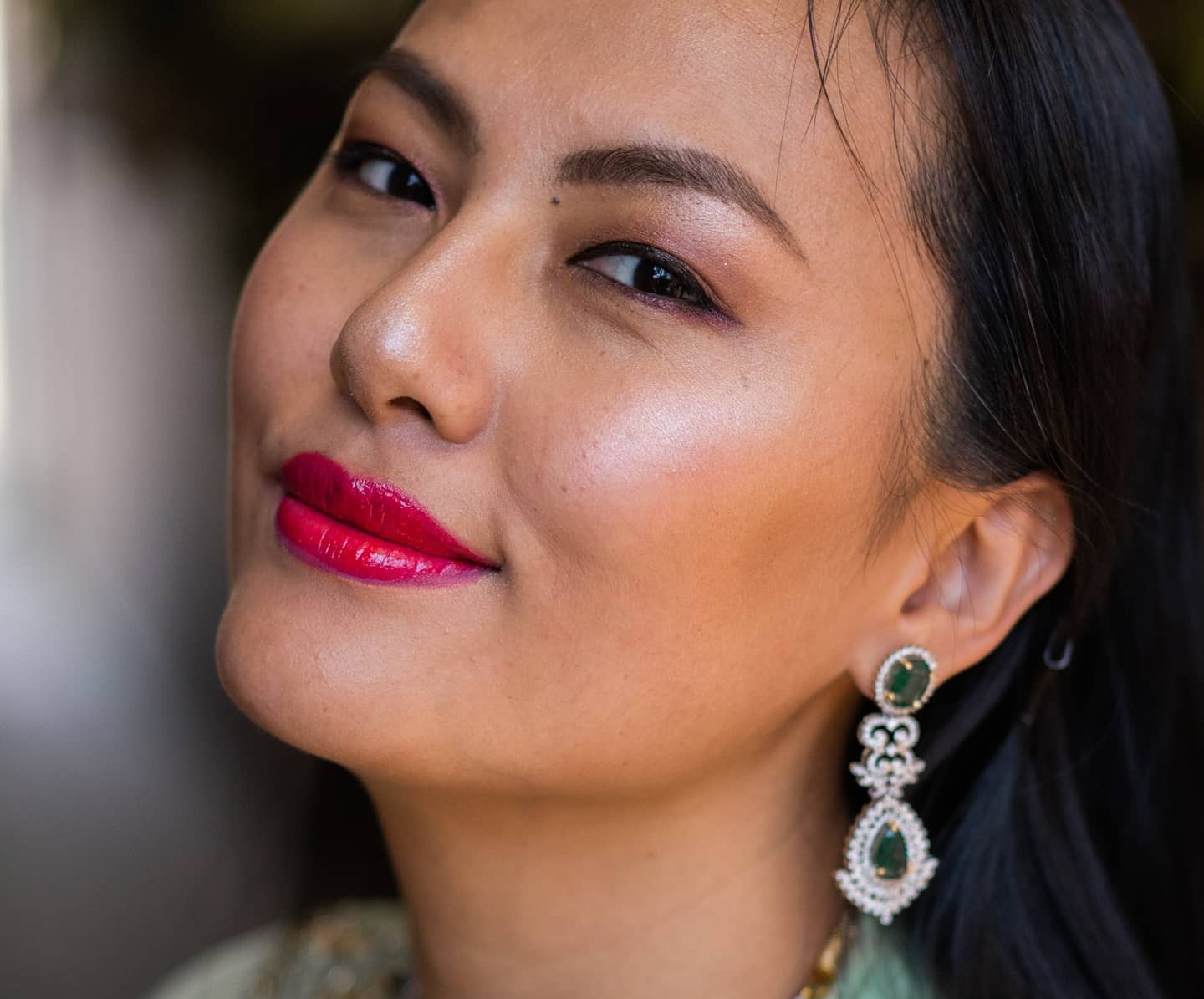
Zenisha Moktan (born May 27, 1989, Kathmandu) is a Nepali model, actress, and social advocate who rose to national fame after winning Miss Tamang and later being crowned Miss Nepal 2009, representing Nepal at Miss World 2009. She holds an MBA from the UK and serves as the Director of DM Foundation, actively engaging in philanthropic and community‑oriented initiatives. Zenisha appeared in the popular Nepali film “Mero Euta Saathi Chha”, expanding her presence in the entertainment industry. She is married to businessman Dikesh Malhotra, and they have two children, Dia and Dravya Malhotra. Known for her poise, leadership, and advocacy, she remains an influential figure in Nepal’s fashion, media, and social sectors.
Zenisha Moktan
Model, Actress, TV Presenter/ Host
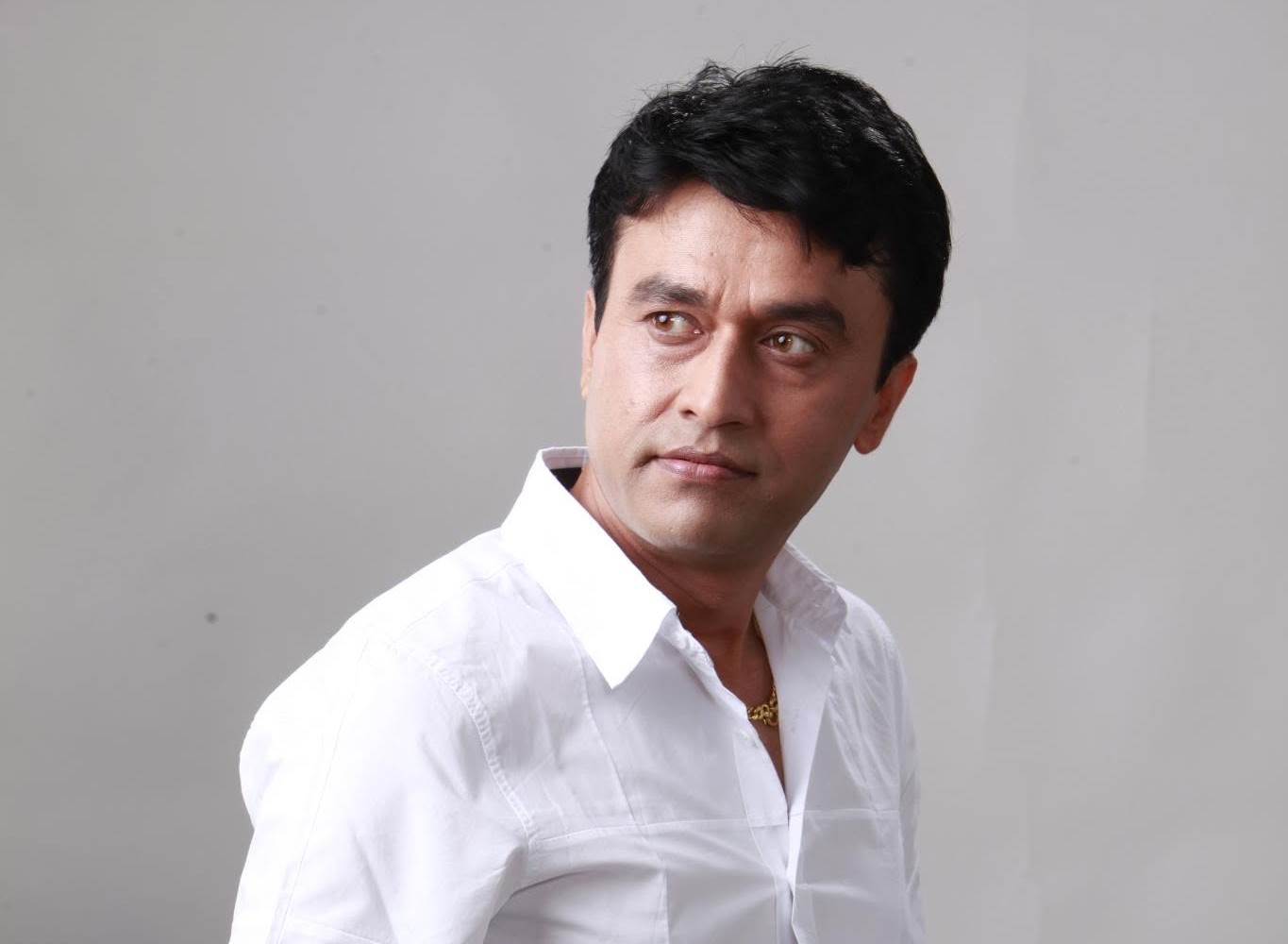
Prahlad Timalsina is a Nepali singer and live performer known for his expressive vocals and heartfelt modern sentimental songs. Active across Nepal’s regional and digital music scene, he has built a growing presence through studio recordings, stage shows, and YouTube releases that highlight his emotional delivery and folk‑influenced musical identity.
Prahlad Timalsina
Singer/ Performer
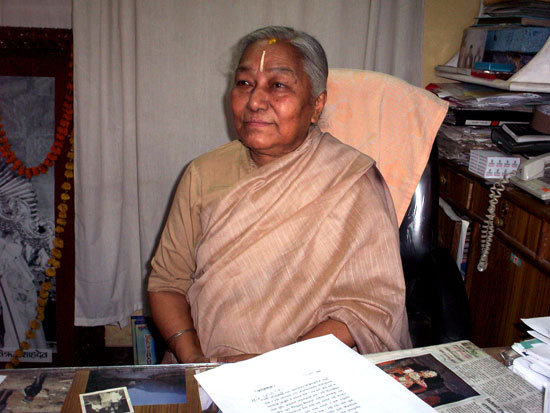
Koili Devi Mathema (1929–2007) was a trailblazer in the Nepali music industry, celebrated as the first woman lyricist, singer, and composer. Born as Radha Basnet in Chisapani Gadhi, Makwanpur, Nepal, she was affectionately nicknamed "Koili" (meaning "cuckoo bird") for her melodious voice. Her career began at Radio Nepal after the establishment of democracy in Nepal, and she went on to record over 4,000 songs, including modern and patriotic pieces. She also composed iconic songs like "Jahi ra juhi phul mala gansi duwaile launla." Koili Devi received numerous accolades, including the Gorkha Dakshin Bahu V and Chinnalata Music Award, for her contributions to Nepali music.
Koili Devi Mathema
Music Artists, Singer/ Performer