

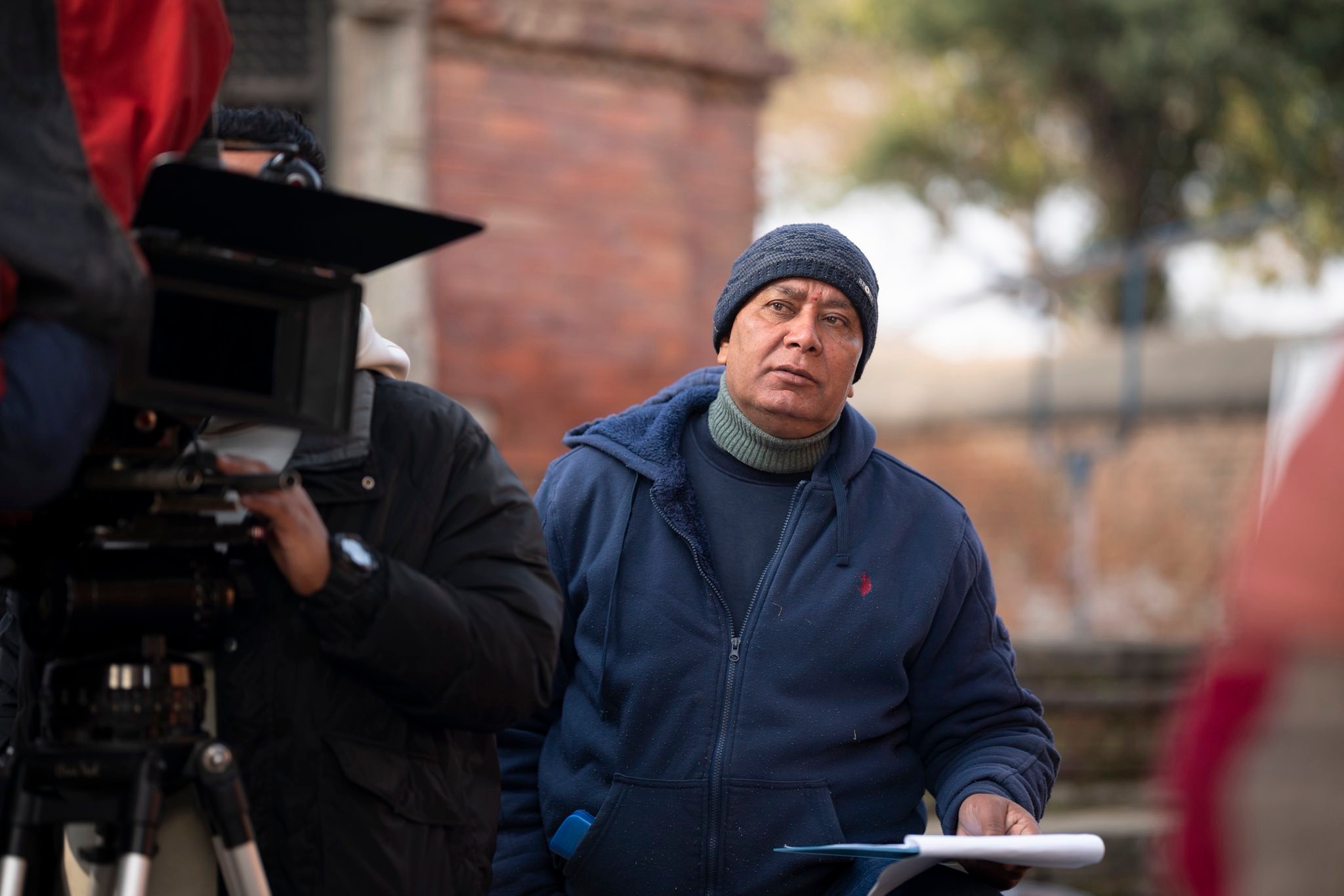
Barun Kawasi
@barun-kawasi · Film Director
Barun Kawasi is the director of Jhoda (1987), known for his grounded storytelling and realistic portrayal of rural Nepali life. His direction emphasizes emotional authenticity, social themes, and character‑driven narratives, making Jhoda a notable fi...
Biography
Barun Kawasi is the director of Jhoda (1987), known for his grounded storytelling and realistic portrayal of rural Nepali life. His direction emphasizes emotional authenticity, social themes, and char...
Personal Info
Career Highlights
1
Films
—
Awards
—
Experience
—
Rating
Similar Artists
Artists you might also like

Sahara Sharma is an independent Nepali filmmaker, writer, producer, and media entrepreneur recognized for her socially grounded narratives and youth‑focused storytelling. After completing her Master’s of Science in Communication from Bangalore University, she founded Gauthali Entertainment in Kathmandu, where she began shaping her voice as a director and media creator.Starting her career as a journalist with Nepal Republic Media, Sahara transitioned into filmmaking with several short films before directing her first television film, Chasing Rainbows (2013) — a bold exploration of sexuality, migration, and depression among Nepali youth. The film opened the Kathmandu International Mountain Film Festival (KIMFF 2013), won the Nepal Panorama Award, and later received the Critics’ Award at the Toronto Nepali Film Festival (2014).She has since produced and directed two television series — Gauthali ka Kathaharu (2017–18) and Maya Bhanne Cheez Estai Ho (2018–19) — and hosts Gauthali Talks (2020–), a roundtable show on cinema and media. Her new feature‑length project, Ek Mutthi Badal, marks her return to narrative filmmaking.
Sahara Sharma
Film Director
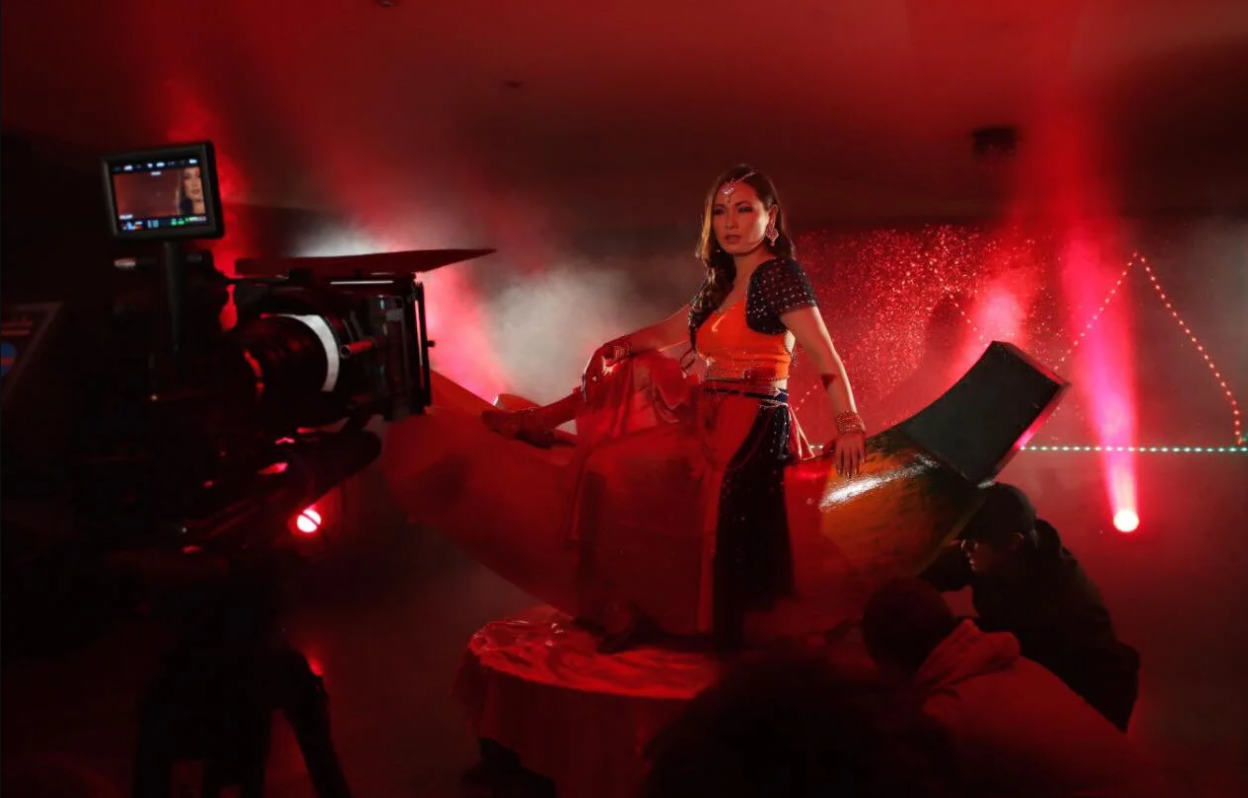
Gyanendra Bahadur Deuja is one of Nepal’s most influential film directors, screenwriters, and visual innovators, celebrated for introducing new cinematic techniques and for directing some of the most culturally significant films in Nepali cinema. Active since 1997, he is known for blending social issues, emotional storytelling, and technical experimentation in his films.Before entering cinema, Deuja served as a Deputy Director at Nepal Rastra Bank, balancing a parallel career in banking and filmmaking—an uncommon achievement in the industry. His artistic foundation began at Aarohan Theatre (now Gurukul), where he trained alongside respected Nepali actors and directors.His mentor, senior director Resh Raj Acharya, guided him through early work as chief assistant director in major tele-serials and films such as Sparsh, Dushman, Aama, Bandhan, and Tuhuro.
Gyanendra Bahadur Deuja
Film Director

Hira Singh Khatri is regarded as one of the earliest architects of Nepali cinema, best known for directing Aama (1964), the first Nepali feature film produced in Nepal under the Royal Nepal Film Corporation. His work marked the formal beginning of Nepal’s national film industry, establishing narrative, technical, and production standards for future filmmakers. Khatri later directed Hijo Aaja Bholi (1967), further strengthening the foundation of Nepali storytelling on screen. His films emphasized patriotism, social values, and emotional realism, influencing a generation of emerging directors. As a pioneering figure who helped transition Nepal from stage and radio culture into cinematic expression, Hira Singh Khatri’s contribution remains a defining milestone in the history of Nepali filmmaking.
Hira Singh Khatri
Film Director

Samundra Bhatta is a Nepali filmmaker, director, and writer known for her bold storytelling and cultural depth. A graduate of Toronto Film School, she made her directorial debut with Aadha Page (2016), a romantic drama. Her breakthrough came with Gunyo Cholo: The Dress (2024), a powerful film exploring gender identity and social stigma, starring Najir Husen. The film was selected for the prestigious Photo Film Market in Seattle, USA, gaining international attention. Bhatta’s work blends traditional Nepali themes with contemporary narratives, reflecting her commitment to inclusive cinema. As a rising voice in South Asian film, she continues to challenge norms through visual storytelling.
Samundra Bhatta
Film Director, Film Artists