
Explore Artists
Browse through 2,037 talented actors, musicians, dancers, filmmakers and creative professionals from Nepal.
2,687
All Artists
197
Actor
224
Actress

Poojan Thapa is active as Video Juckey (VJ), Model and Theater Artist. 5ft.7 inch tall Pujan worked as a video jockey for one year on Makalu Television broadcasting from Biratnagar. Now in Kathmandu, she is appearing on the live show of Sagarmatha TV and is reaching the audience as MC in various events.
Poojan Thapa
Model, Actor, Video Jockey (VJ)
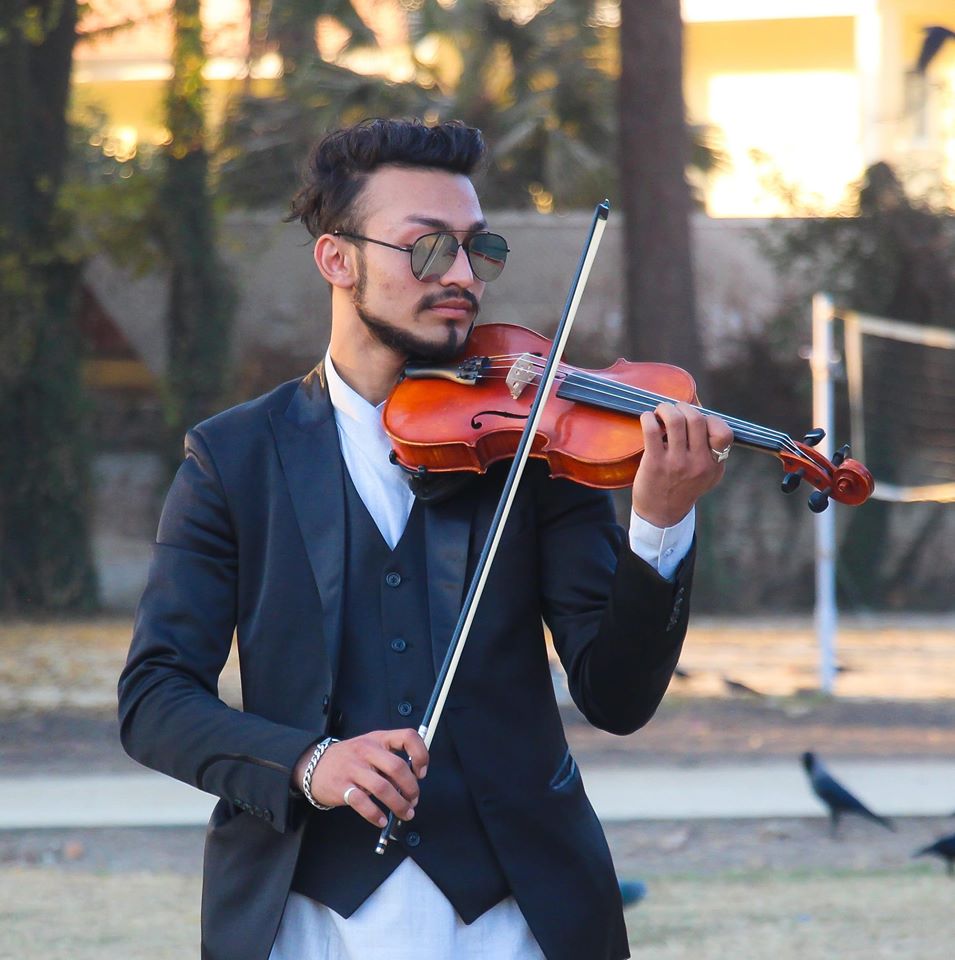
EXPERIENCE Former Violin Teacher at St.Mary's High School,Jawalakhel 2017 - Present Former Music Teacher at Blood and Thunder Music Academy 2016 - Present Violin Teacher at Occidental Public School Jun 2019 - Present Former Violin Teacher at Gloria Secondary School 2018 - Present Violin Teacher at Nobel Academy Secondary School 2017 - Present Violin Teacher at Salvation Music Center 2017 - Present
Prabhat Lamichhane
Musicians & Instrumentalists, Violinist

Hishila Maharjan, a talented Nepali model, made waves by clinching the title of the 4th Season of Liril Fresh Face. She emerged victorious in the finale, surpassing over 700 contestants in the race to the top. The competition, which aired for seven weeks, featured unique tasks that thrilled thousands of Nepali viewers. As the face of Liril, Hishila embodies the spunk and freshness of the brand. Her win earned her a cash prize of Rs 100,000 and a Hero Duet Scooter. For those curious to learn more about Hishila, you can find additional information, photos, and updates about her on NETTV. Additionally, you can watch her introduction as one of the top ten contestants on YouTube. Congratulations to Hishila Maharjan on her remarkable achievement! 🌟👏 #photo courtesy : Bikash Parajuli TGIF
Hisila Maharjan
Model, Runway Model
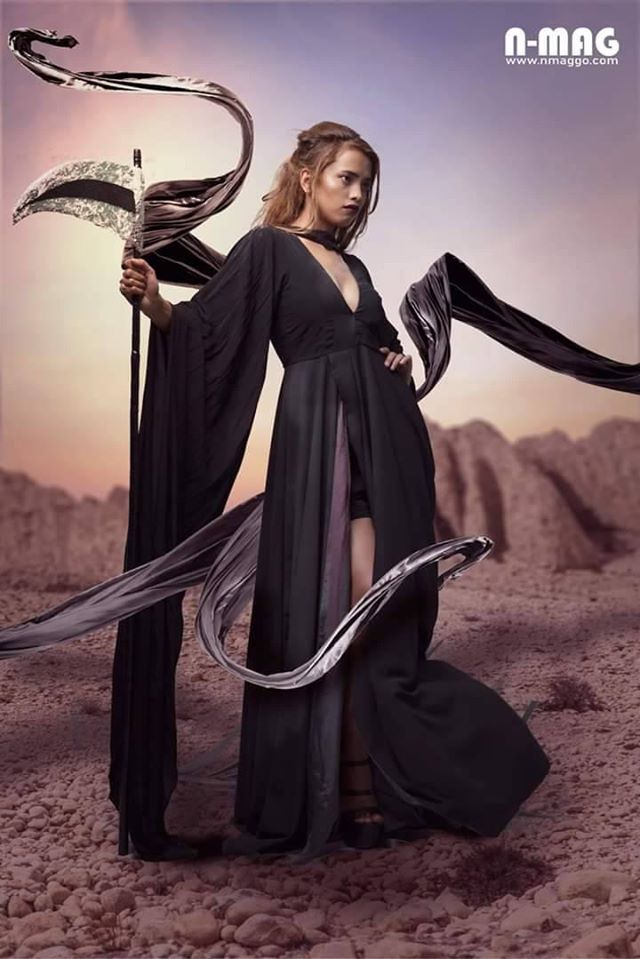
im a model .
Bipana Lama
Model, Runway Model
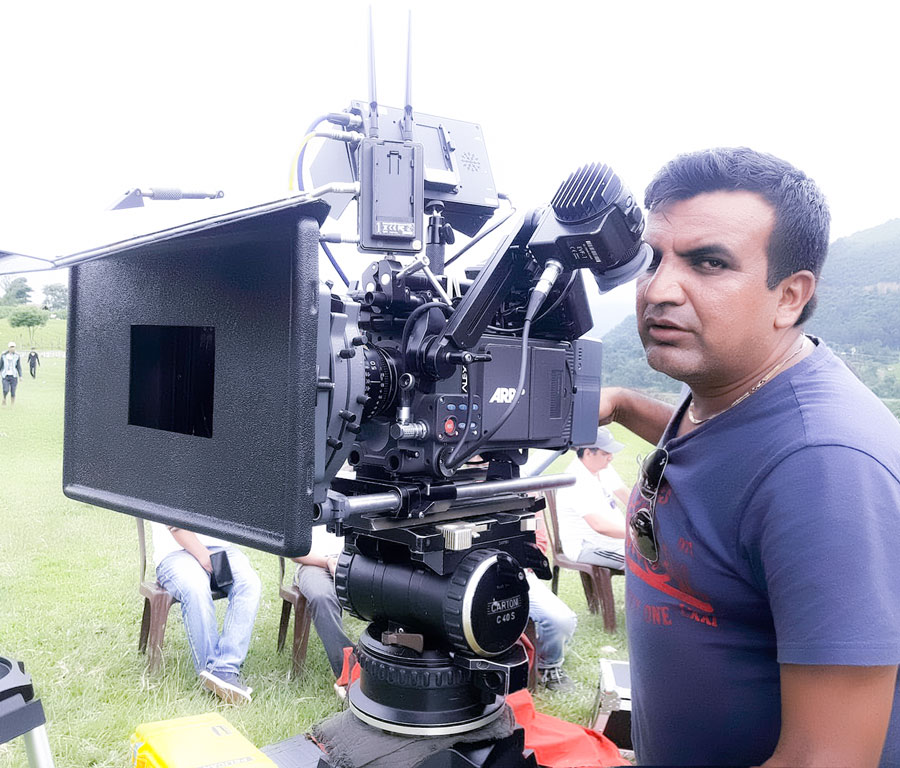
aman Adhikari is a talented Nepali music video director and TV Program producer. He has made significant contributions to the Nepali entertainment industry with his creative direction and engaging presentation skills. Career Highlights Music Video Director: Saman has directed numerous music videos, showcasing his unique vision and creativity. TV Show Director/Producer/Host: He has hosted various television programs, bringing his charisma and charm to the screen.
Saman Adhikari
Music Video TVC Director, TV Presenter/ Host
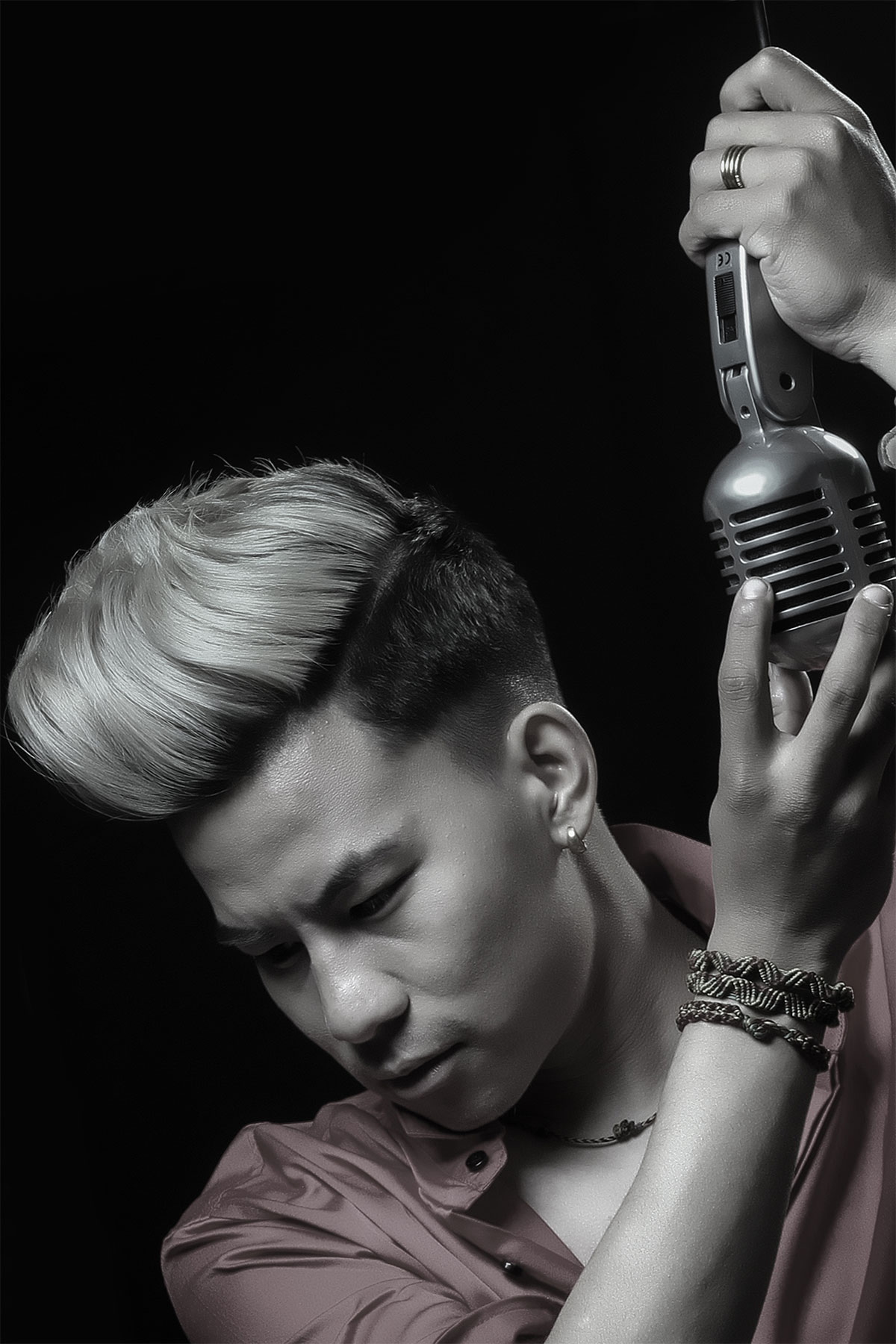
Buddha Lama is a talented Nepali playback singer, actor, and model. He gained fame after winning the first season of the Nepali TV series "Nepal Idol" in 2017. Born on November 23, 1997, Buddha has since become a prominent figure in the Nepali music industry. Career Highlights Nepal Idol: Buddha Lama won the first season of "Nepal Idol," which catapulted him to fame. Music: He has released several popular songs, including "Meri Aama," "Lai Bari Lai," and "Saani." Tours: He has performed in various concerts and tours, including the "Nepal Idol Worldwide Tour" from 2017 to 2018.
Buddha Lama
Music Artists, Playback Singer
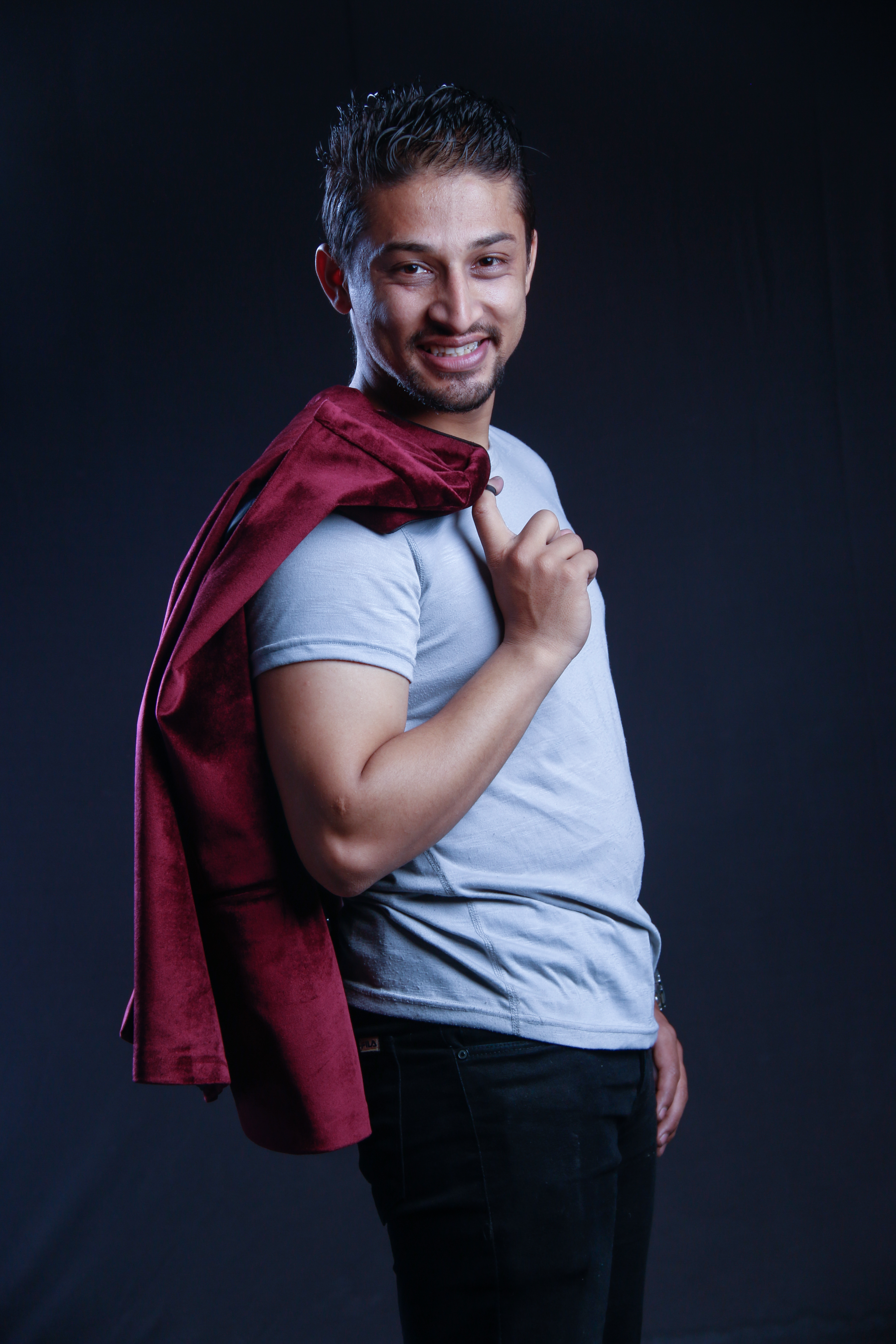
Ajar Jangam (अजर जंगम ) is a music based artist who started his musical career since 2004. He is a trained (Eastern Classical) singer who's acts includes genres like Adhunik (modern), Ghazal, Classical, Pop, Slow Rock as well as contemporary. He is also an academic musicologist who was a Gold medalist in 2005-06 (6th year/Bachelors) from Kalanidhi Sangeet Mahavidhyalaya (Affiliated to Prayag Sangeet Samiti, Allahabad, India). He completed his Masters Degree in Music from Tribhuvan University in year 2013. Currently he is doing his Ph.D in Music from Tribhuvan University. Apart from music, he is also a former athlete (Gymnast), who competed in National as well as International Games. Acts: #Ph.D Scholar (Music, TU) #Music Teacher #Composer #Singer🎤 #Musician🎸🎹 #Music Producer #Song Writer
Ajar Jangam
Music Artists, Music Director
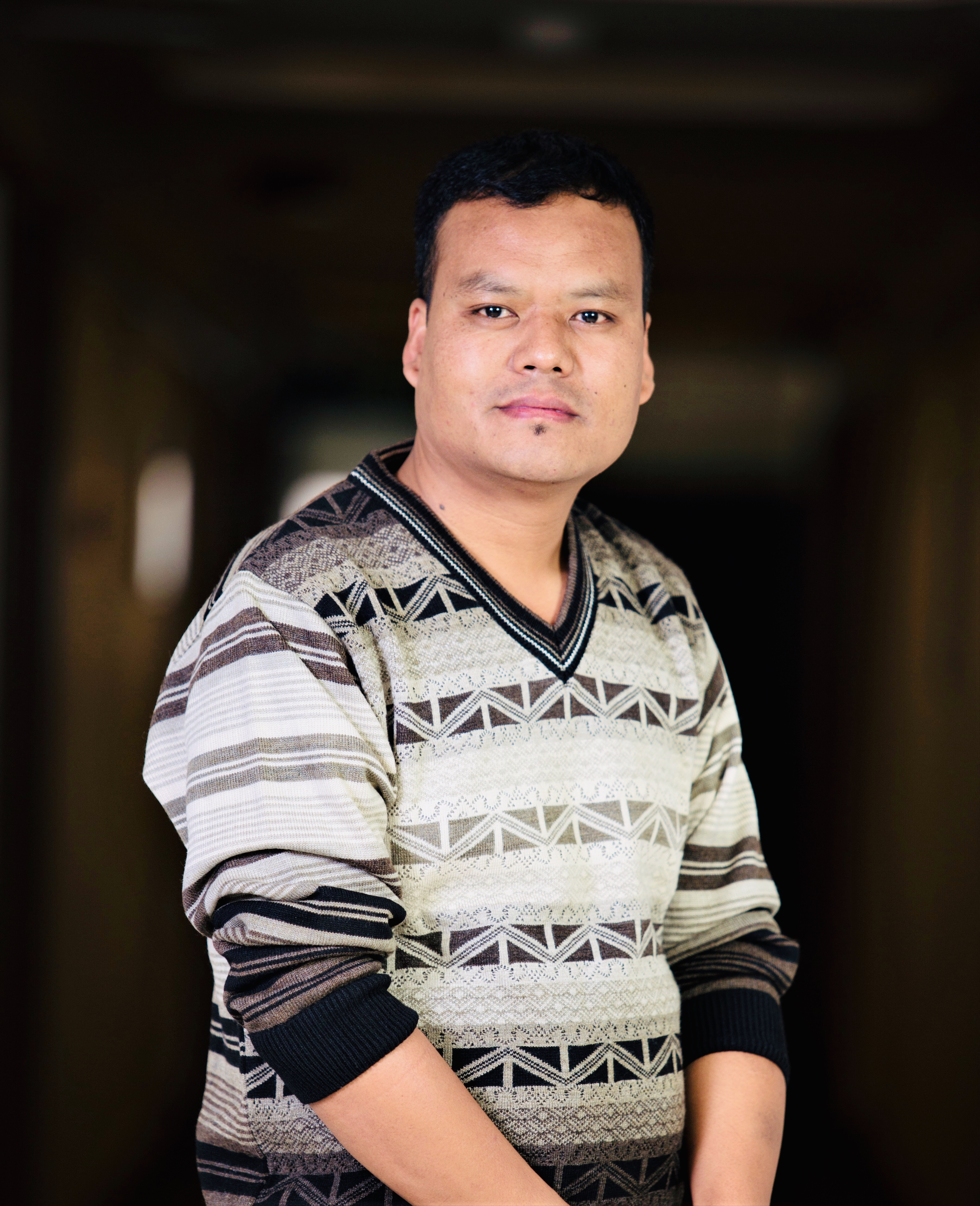
Rajesh Thapa is a talented Nepali music director and instructor. He has been working as a music composer and instructor for almost 20 years, specializing in eastern classical music. Rajesh is also an ECA (Extra-Curricular Activities) teacher for music at Radiant Readers Academy. Career Highlights Music Director: Rajesh has composed music for various projects, showcasing his expertise in eastern classical music. Music Instructor: He has been teaching music for nearly two decades, sharing his knowledge and passion with students. Personal Life Rajesh Thapa is known for his dedication to music and his ability to inspire others through his teaching and compositions. He continues to contribute significantly to the Nepali music industry.
Rajesh Thapa
Music Director, Music Instructor

Chandaa Dhungana is a talented Nepali model known for her captivating presence and work in various music videos, commercial ADS and modeling projects. She has gained recognition for her performances and has been featured in several notable music videos. Career Highlights Music Videos: Chandaa has appeared in music videos such as "Panchami Mela" alongside Bhushan Khatiwada and Anju Panta, and "Barilai Lai" with Alisha Rai and Himal Sagar. Modeling: She has been involved in various modeling projects, showcasing her versatility and talent.
Chanda Dhungana
Model
Sunita Pradhan Limbu
Music Artists
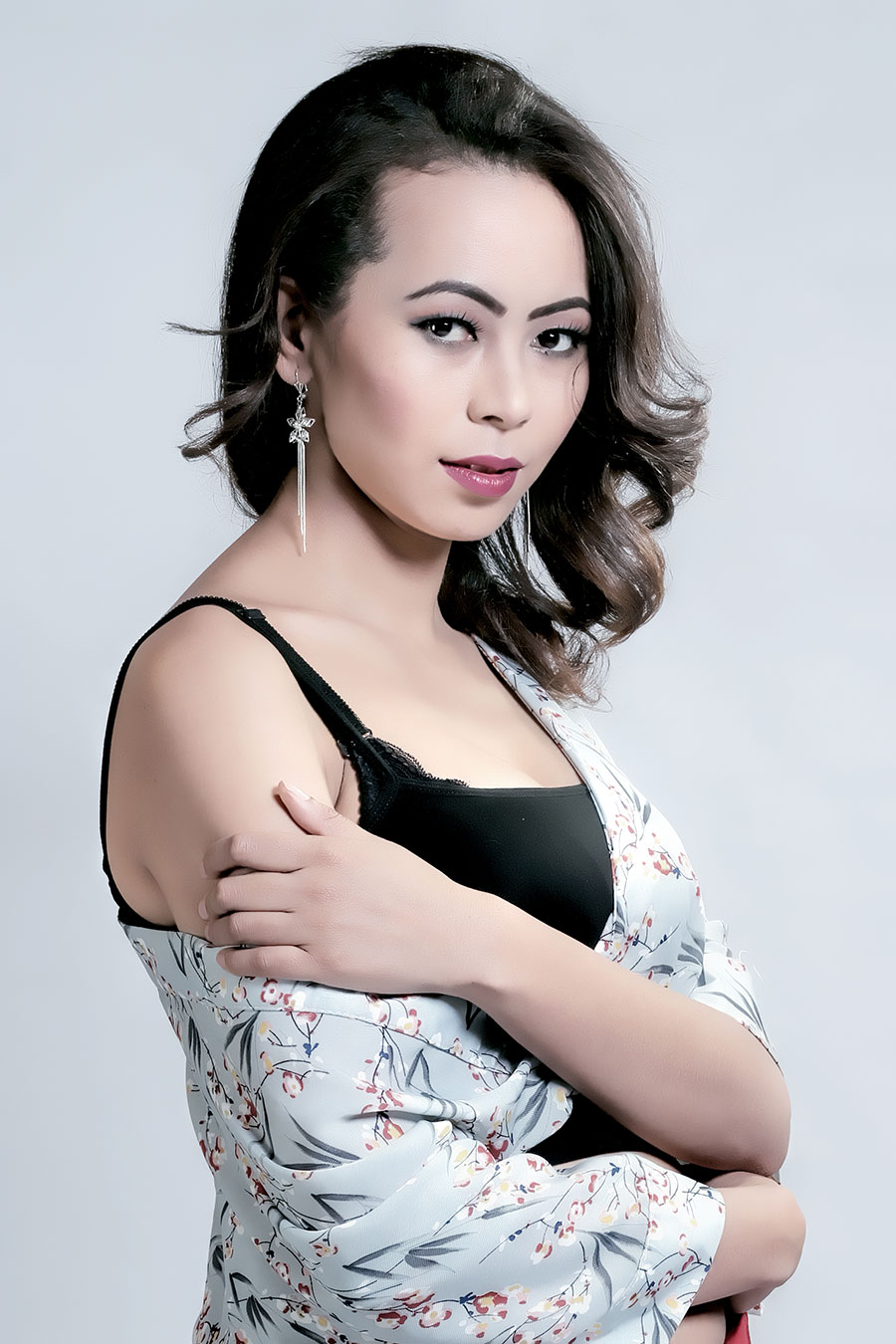
Dolakha Melung's Pema Lama wants to be a successful model in the future. Pema says she has been in the field since she was a dream to play fashion shows, music videos, from an early age. Pema says - "Aesthetics is very important in modeling". Pema, who believes in aesthetics and artistry in all, depends on how we present it.
Pema Lama
Model, Runway Model
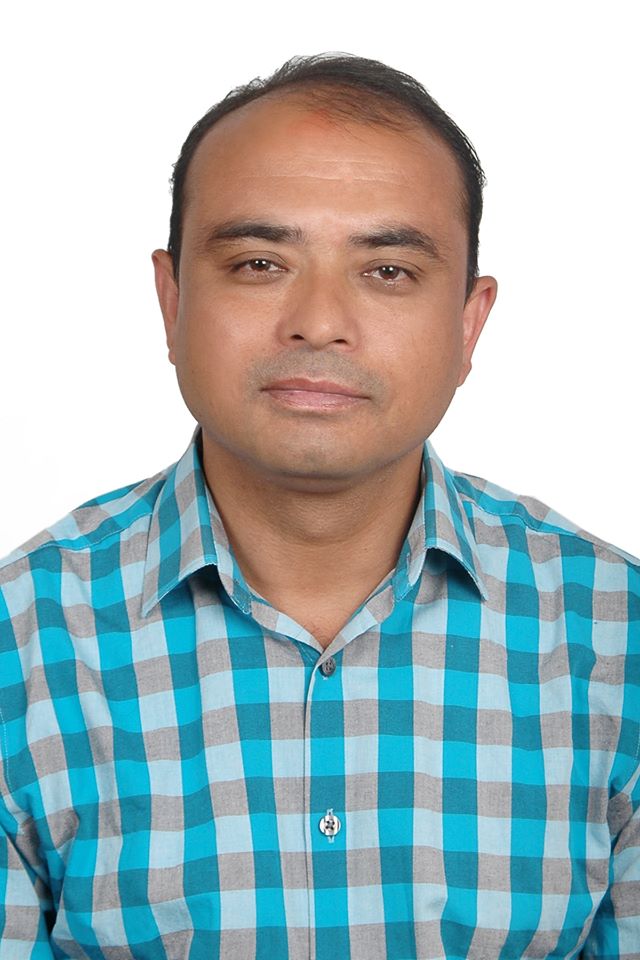
Ramesh Dahal is a Nepali lyricist who is writing lyrics for two and a half decades. Ramesh was born as an elder son of Pashupati Prasad and mother Balkumari Dahal in Dolakha. He has penned over a thousand songs. Among them, around three hundred songs are in the playlist of music lovers. He earned MSc. in Environmental Science & Policy from the USA (Source: Naya Youbodh, Dec 14, 2019). Also, he has taken online lyrics writing classes from Canvas.net and Sameer Anjaan, an Indian lyricist. Ramesh's journey on writing lyrics has begun as a poet. However, he turned himself writing lyrics from 1990. Latter, the writing became a kind of passion and now it is a responsibility of him to portray the lyrics for the listeners from each corner. The learning from real-world work experience has enabled him to captures the heart touching subject matters of very common people (Source: Music Khabar, January 1, 2020). Latter, Ramesh extends knowledge conducting research on Nepali music, songs and their impacts on the transformation of Nepali society. He expresses that after a certain time of contribution to a particular field, the experiences need to be shared with the wide arena. Keeping the fact in mind, Ramesh has written dozens of research articles that may serve as a reference to the interested persons who explore Nepali songs and music (Source: Annapurnapost, October 20, 2019). Also, Ramesh enjoys writing lyrics/poems on global issues in the English language. These creations seem meaningful in the international music market. So, it is hoped that his creations in English will get an appropriate place in the days to come (Source: Music Khabar, January 1, 2019).
Ramesh Dahal
Lyricist
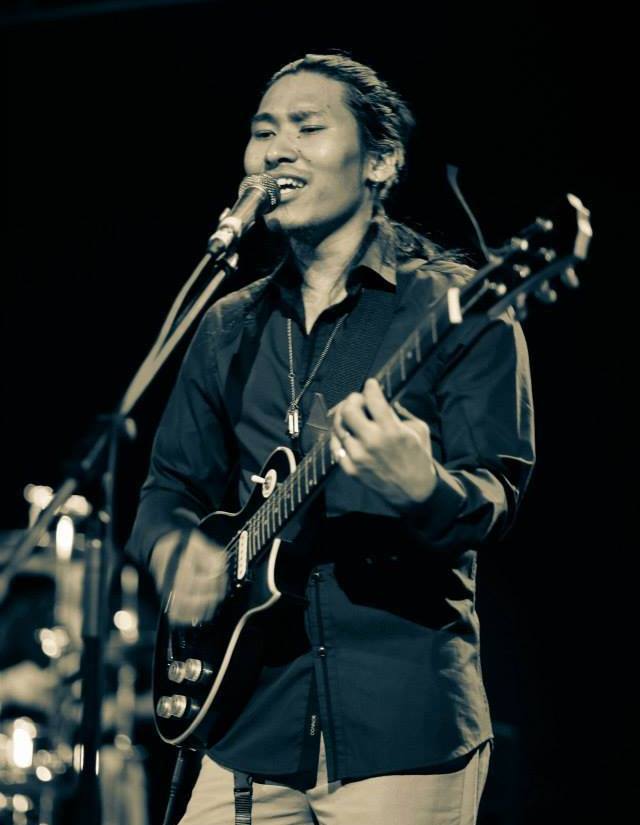
Surya Shyangden is an Nepalese singer-songwriter, guitarist, and record producer. Born in Old Baneshwor Ktm, Nepal. Shyangden attended Conservatory but disenrolled and moved to AIM(Australian Institute Of Music)in 2016. Working on a band (PRAYOM) as a frontman and Guitarist, started to write songs and composed them. Since 1998 involving on a band, started a new career as a Sound Engineer as NEPTUNE Recording Studio. During on a band, wrote and composed a song like, "DAMI GANJA", "AUNDAI CHU","SUNGAVA" and many other. Among them "AUNDAI CHU" got nominated on 5 category of 70th Hits F.M music award. Recently he released "Ma Jujuman", Nepalese EDM song on youtube. Approximately living 12yrs in Australia, he came back to Nepal to do something in Nepalese music industry and wanna help upcoming fresh talent to put their level on a peak.
Surya Shyangden
Music Artists, Lyricist, Guitarist
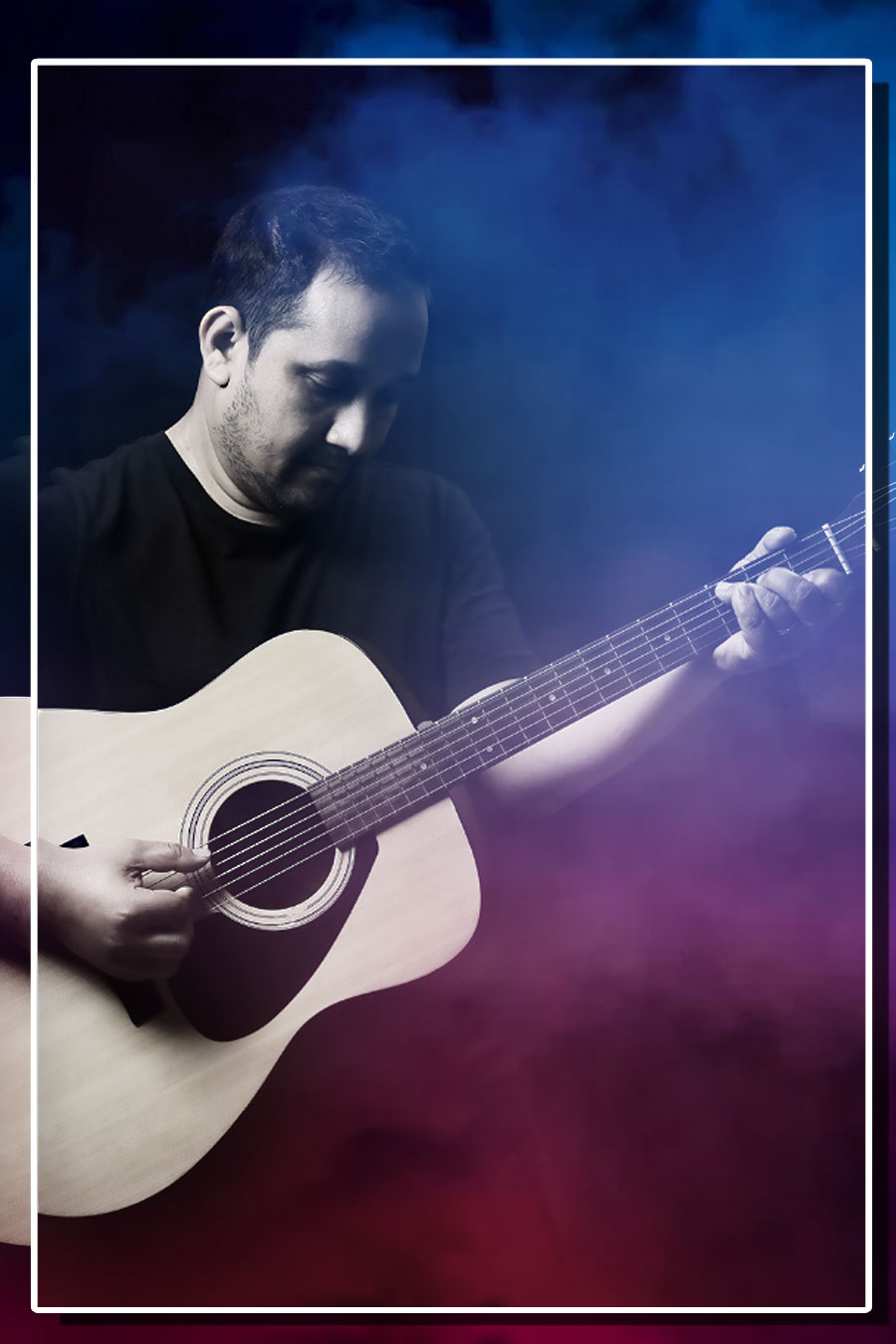
Kalyan Singh is a Nepali composer and songwriter. His works include Santosh Lama‘s ‘Batuwa’, Hemanta Rana‘s ‘Raat Ki Raani’ and ‘Muskaan’, and Nima Rumba’s ‘Jaadu’, among others. He has also directed music for films — ‘Visa Girl’, ‘Mukhauta’ and ‘Hasiya’. With the knack of composing different styles of music, he is one of the capable composers of Nepali industry. Musical roots Singh was born on March 2, 1983. He was born into a musical family. His father, Bhagat Singh was an instrumentalist who worked at Radio Nepal and it was him who taught him music. He started learning music with the harmonium. By the age of seven, he had learnt the violin. Even though he learned and played music in the next several years, he had not planned to pursue music professionally. On the other hand, nobody in his family thought that he would be in the music filed. Turning point After completing his Bachelors level of education in 2002/3, Singh wanted to go to Australia for his further studies. But he was turned down and so he picked up music instead. With the help of his brother, renowned music director Raju Singh, he debuted as a singer with his first album titled ‘Fly’ in 2005/6. Singh had written and composed five songs out of seven tracks for ‘Fly’. However, ‘Fly’ didn’t go well. And so, he chose to become a composer. Moreover, an incident took place at one of the FM stations during the promotion of ‘Fly’. The ‘hurting’ episode made him determined to become a composer as he felt, “I won’t come to this FM station but my music will.” If that incident hadn’t taken place in his life, he wouldn’t have worked hard and become a composer. His willpower to become a composer was further supported and encouraged by photographer, cover designer, Lyricist Anil Sthapit.
Kalyan Singh
Music Artists, Music Director

Rohan Poudel

Sofia Budhathoki
Model
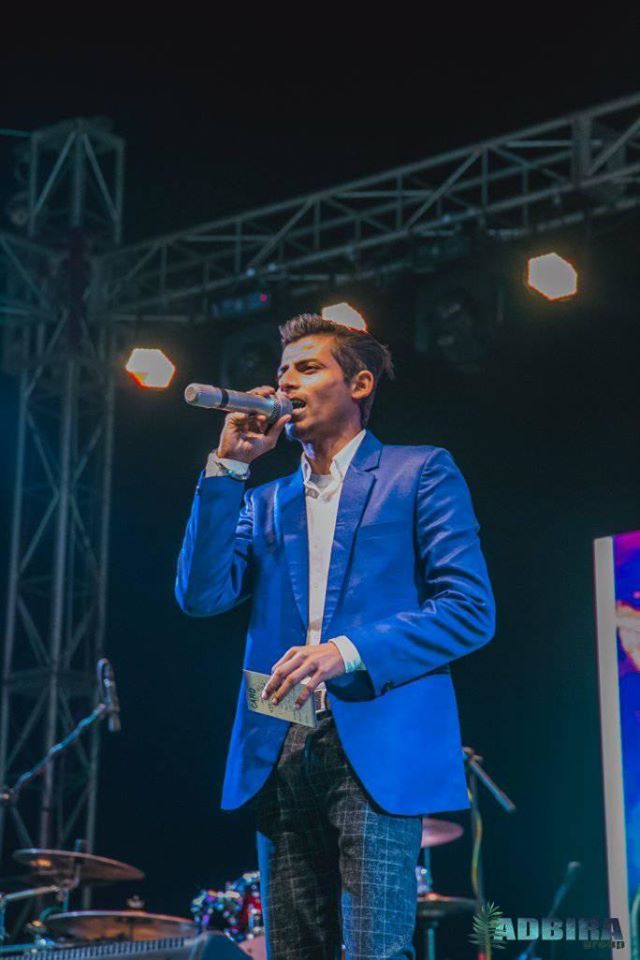
Freelance Event Emcee|Wedding Emcee|Event Host
Ryan Kayasthya
Radio Jockey [RJ]
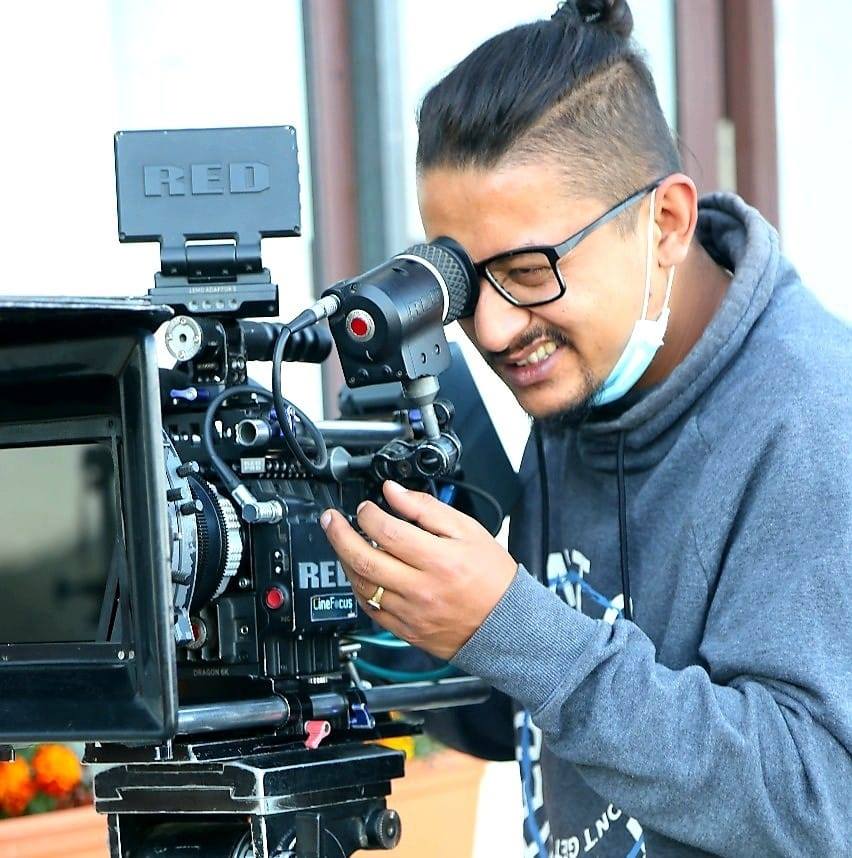
Avesh Bajracharya Cinematographer, camera person Avesh Bajracharya is a talented Nepali cinematographer and camera person. He began his career at News 24 and is currently working with AP1 Television. Avesh has worked on more than a dozen music videos and several commercial advertisements. He is also part of the camera crew for popular shows like "Nepal Idol" and "Comedy Champion". His work showcases his creativity and technical skills, making him a notable figure in the Nepali entertainment industry. 🎥
Avesh Bajracharya
Cinematographer
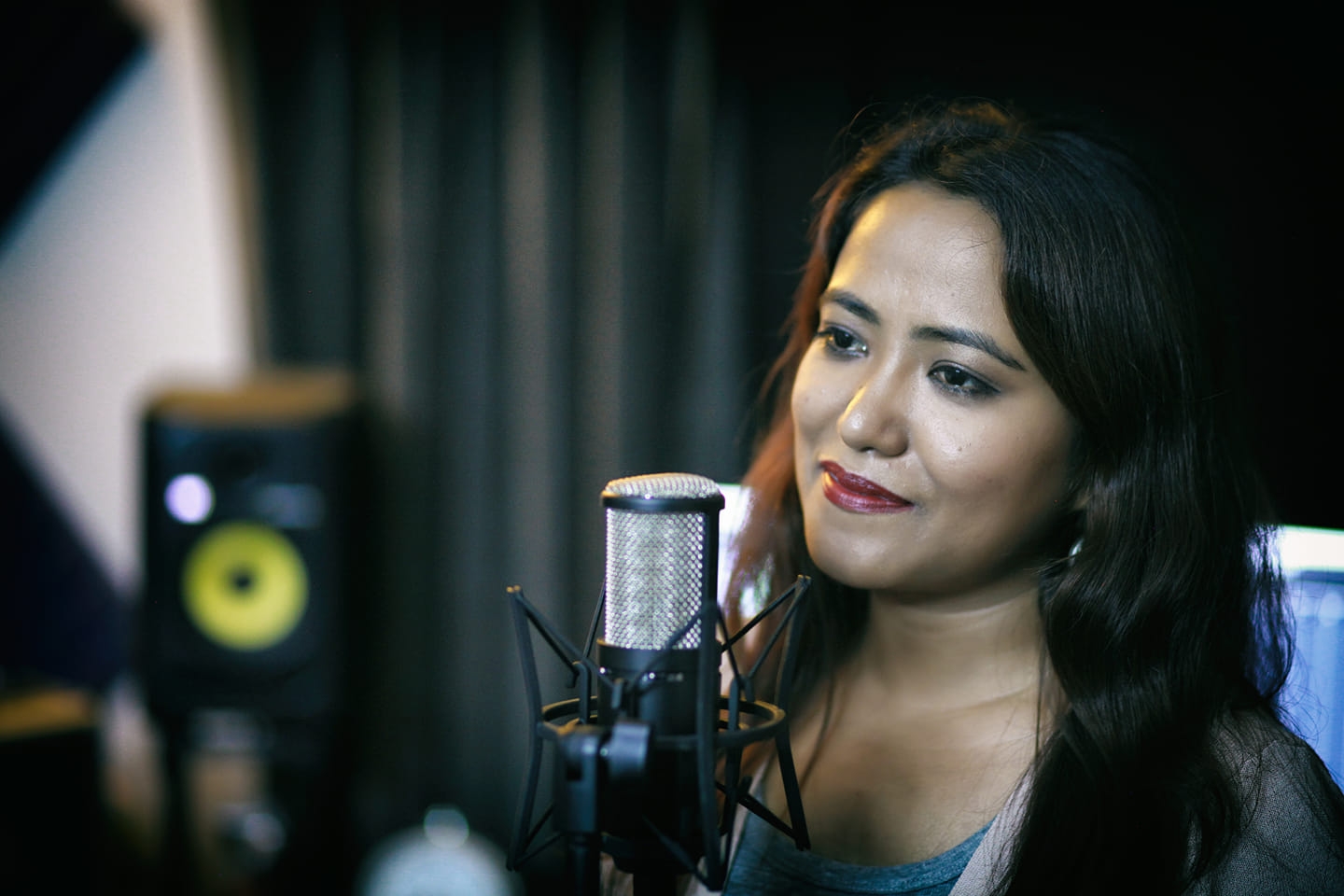
Banika Pradhan is a talented Nepali playback singer and performer known for her captivating voice and engaging performances. She has made significant contributions to the Nepali music industry and has been recognized for her work. Career Highlights Popular Songs: Some of her notable songs include "Beranga Yo Jindagi", "Gairi Khet Ko Sirai Hanyo", and "Asatya Jad". Awards: Banika has won the best playback singer award, thanks to her exceptional talent and dedication
Banika Pradhan
Music Artists, Playback Singer
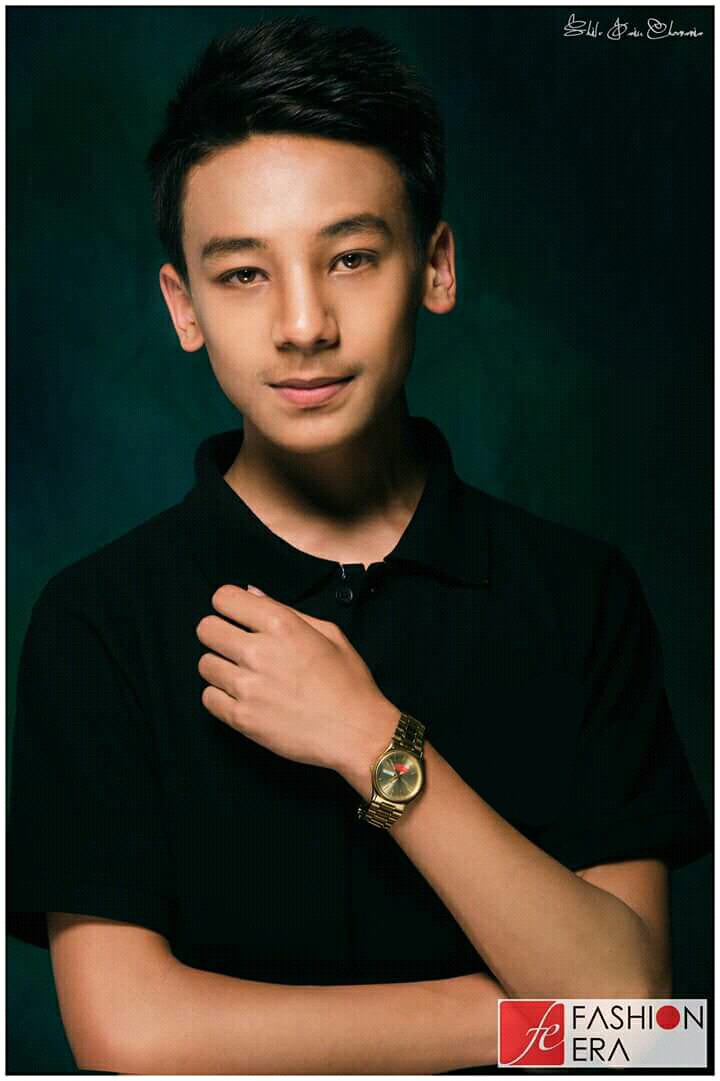
Model at D Winter Fest 2019 by L&N Model Agency. Coordinator at the Fashion Era.
Luman Amatya
Model, Runway Model

Kripa Shrestha to be Nepali Model. She has done many fashion shows and also shared experience in music videos.
Kripa Shrestha
Model, Runway Model
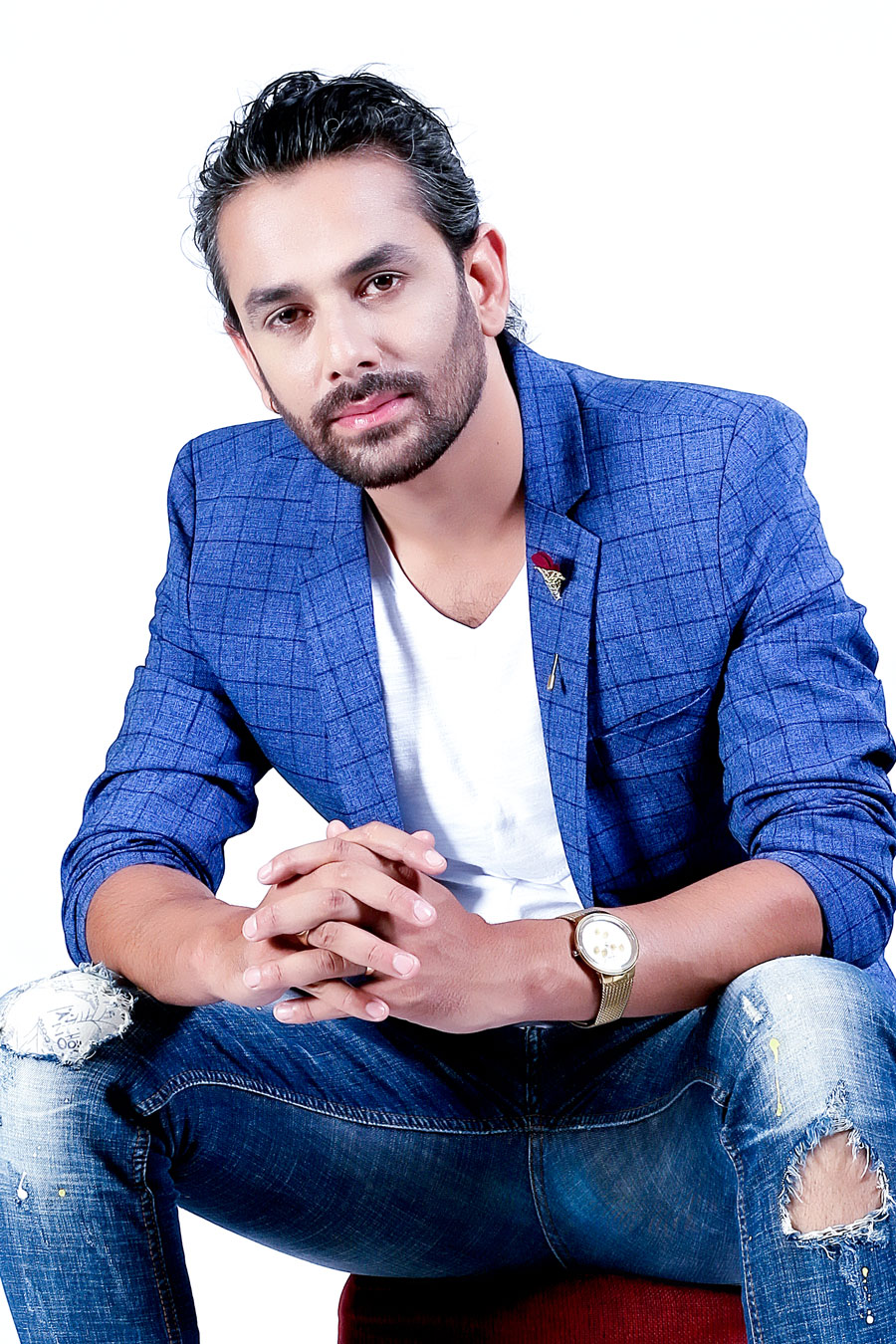
Mahesh Pandey is the model and actor of the Nepali film industry. He has played music videos.
Mahesh Pandey
Model, Actor
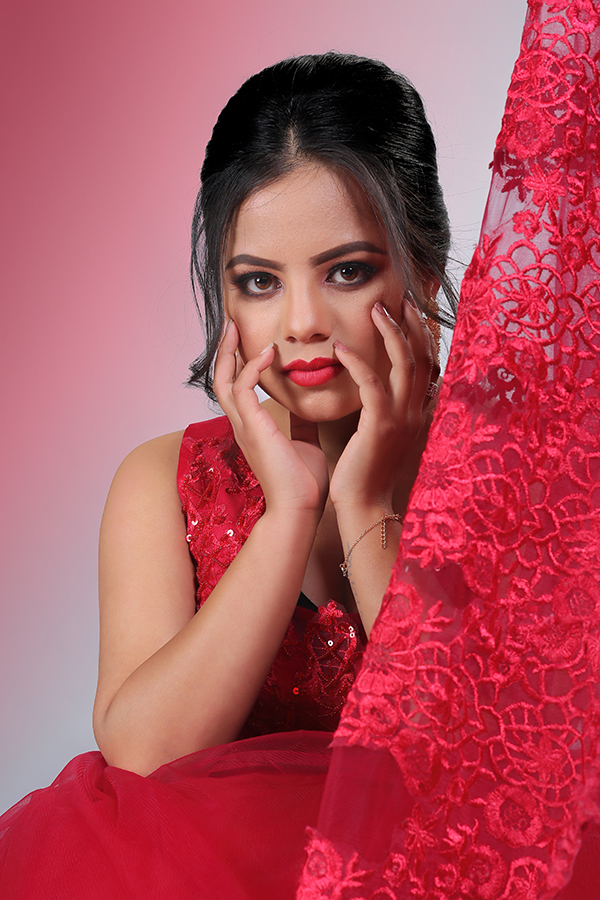
I am model and I have been doing it since 2 year. I am studying at Sawti Sadan College..I have been doing many more fashion shows some tvc advertise..
Aayushma Giri
Model, Runway Model, Promotional Model
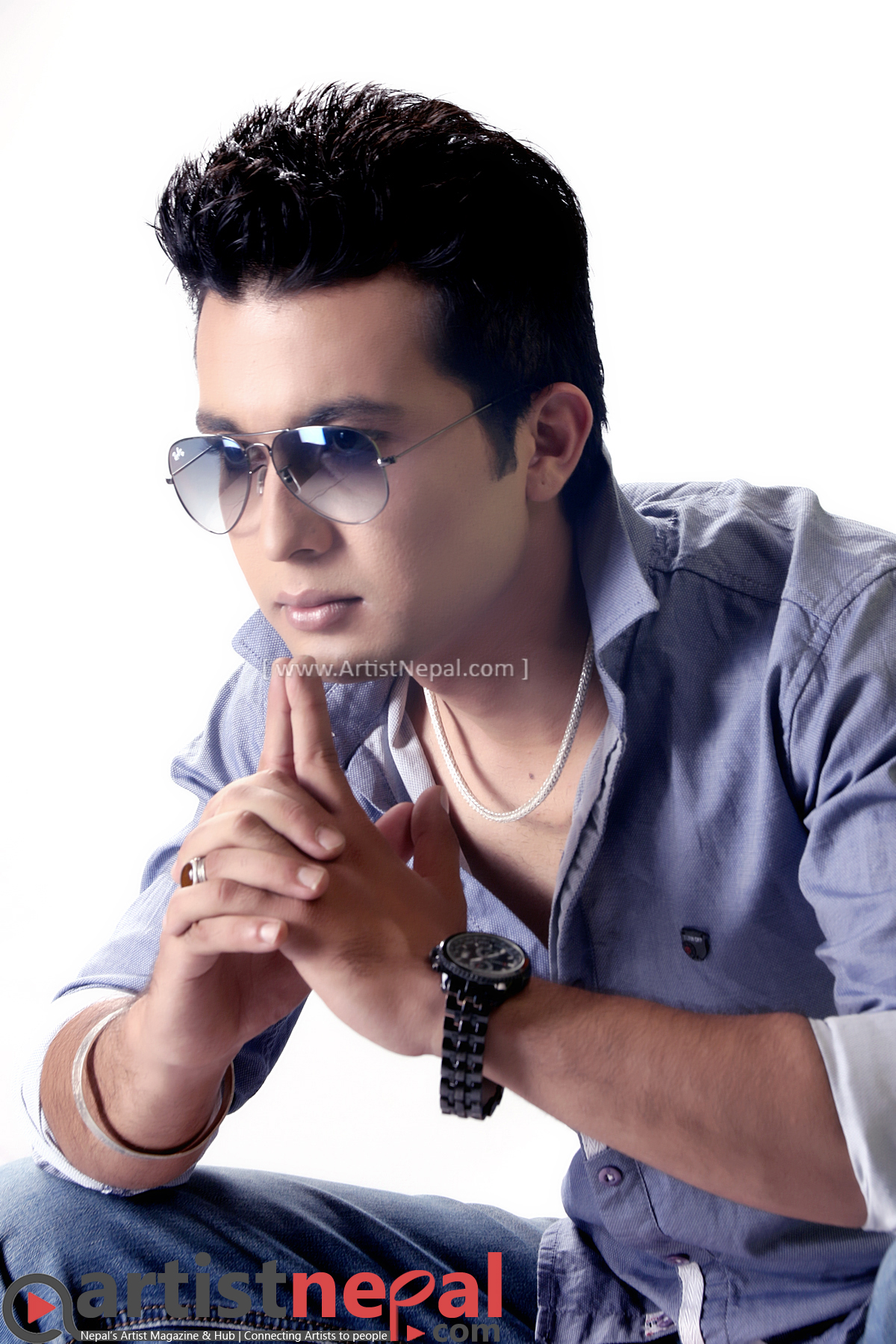
Saroj dahal actor/model at Nepal film industry.His first music video is timi aayou which shoot in rara taal.He worked with famous singer like RAM KRISHNA DAKHAL ,SWOOROP ACHARYA and many more
Saroj Dahal
Model, Actor

Usha Rumba
Model
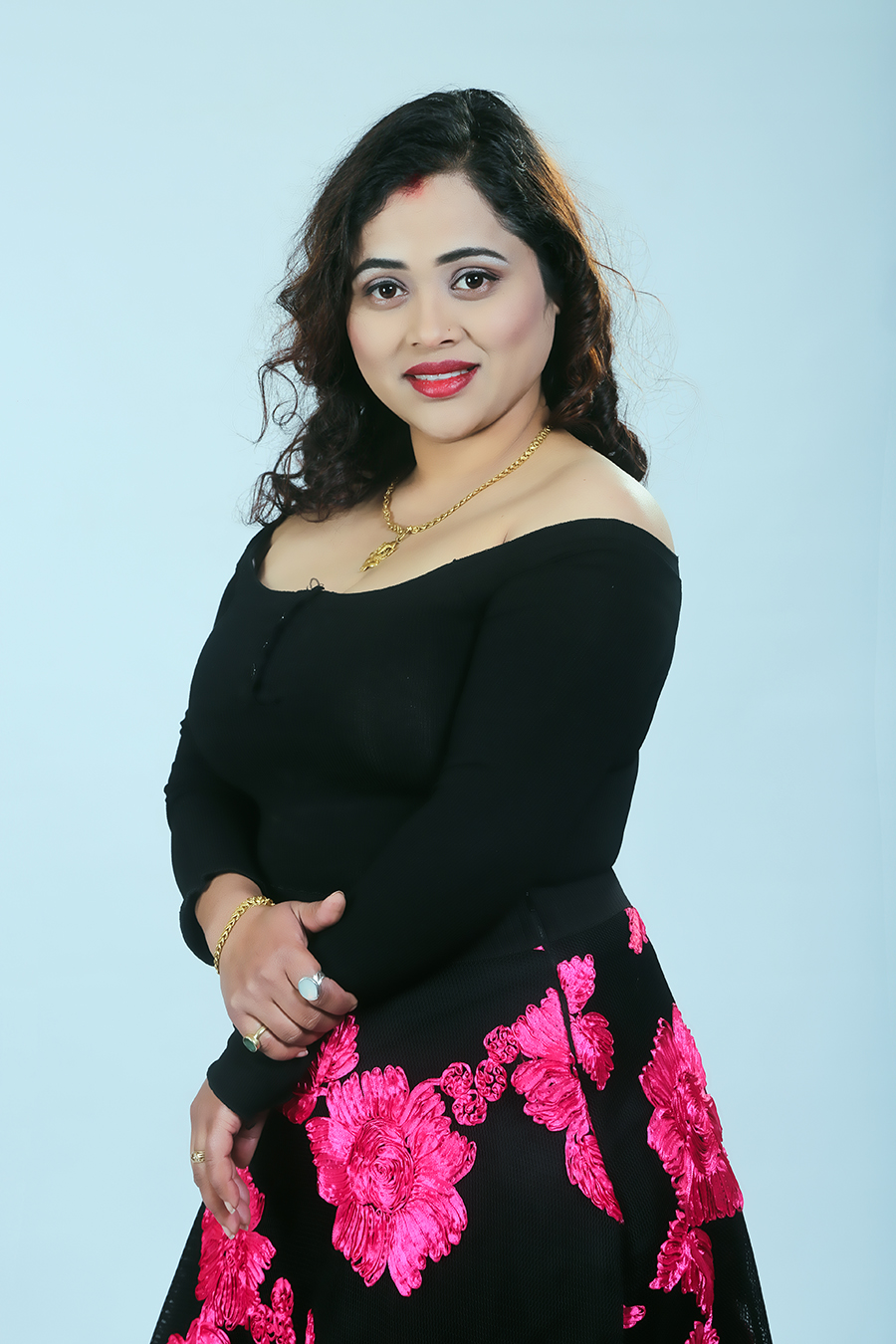
Bimala Sharma has emerged as a female songwriter in the Nepali music field. Half a dozen of her songs have been recorded and some have been made music videos.
Bimala Sharma
Lyricist

Kiran Lacoul is a famous Actor & Model of Nepal. He started his career with a music videos. He has also worked in the movie 'kamale ko bihe' and 'Mero Best Friend'. Indira Joshi's 'rato ghagara' Ram Chandra Kafle's 'ukali ma pani hajur' and more video which he played were very popular.
Kiran Lacoul
Model, Actor

Anil Shahi, a music director and fusion guitarist, was born in Bhurungkhel, Kathmandu, Nepal. During his childhood days, Anil used to play percussions and flute in social gatherings and occasions. He started to play guitar at the age of 12 and took initial lessons from his uncle, and later went to Gurukul in Varanasi, India, where he learned classical ragas.
Anil Shahi
Music Artists, Music Director, Guitarist
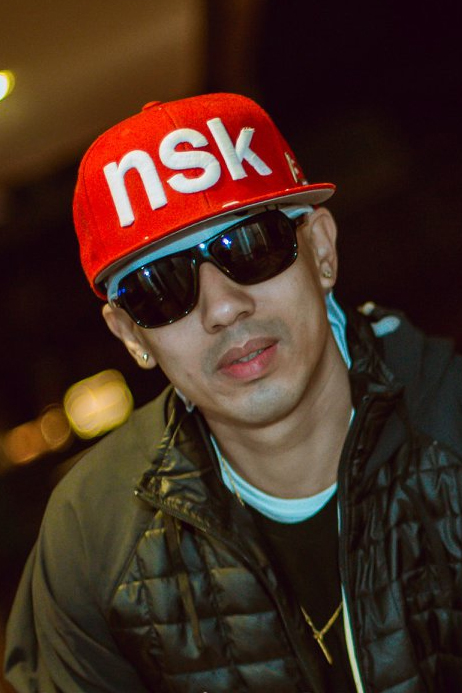
Red cap, white hand bands, white scarf, a locket having picture of eagle and leopard, loose clothes and long pants. Guess who’s he? Off course, he’s Nirnaya Shrestha AKA Nirnaya da NSK. He is the naughty soul kid of Nepali music without whom hip-hop or Rap music can’t even be imagined. While other musicians appeared and then disappeared, none were able to match Nirnaya’s standards. Nirnaya was born on 15th Feb. in Birgunj . His father Dr. Shantinath Shrestha went to America to complete his PHD and Nirnaya too moved with him in 1988. Nirnaya joined school in America but carried on guitar classes. He had X-factor in music from very beginning. He participated on most of his school shows. His singing career started from his very Mt. Loghl schooling in 1990. During those times, rap music was in its growth stage. Since, one could express all his life in a single song easily and could connect with the listeners; he was strongly influenced by it so he learned it. He also bagged president of frequency award in eighth standard. As soon as his father completed his PhD, Nirnaya came back to his land and joined St. Xavier School. He had to take tuitions for basic Nepali alphabet. With a view to introduce rap songs among Nepali listeners, he joined image fm in 1999 and started hosting a program name “Bring the house down”. Later after 5 months, he started recording an album for the same name with his group, “Nirnaya and Da’ all stars”. His group mates were Samir, Pranav Joshi, Shakeel and others. The failure of his group was his group mates’ different musical interests. Then after, Nirnaya joined Samrat. They jointly recorded a song Jhilili….. This song strengthened their relationship. In the mean time Rinchin also joined the team. The motive behind naming their group as “The Rappers’ Union” was just an idea of uniting the rappers. “The rappers’ union” released their first album, “For u all” in 2000. It also included English songs like “For u all” and “The game must go on”. More than 1000 CDs were sold by the Rappers’ Union themselves.
Nirnaya NSK
Music Artists
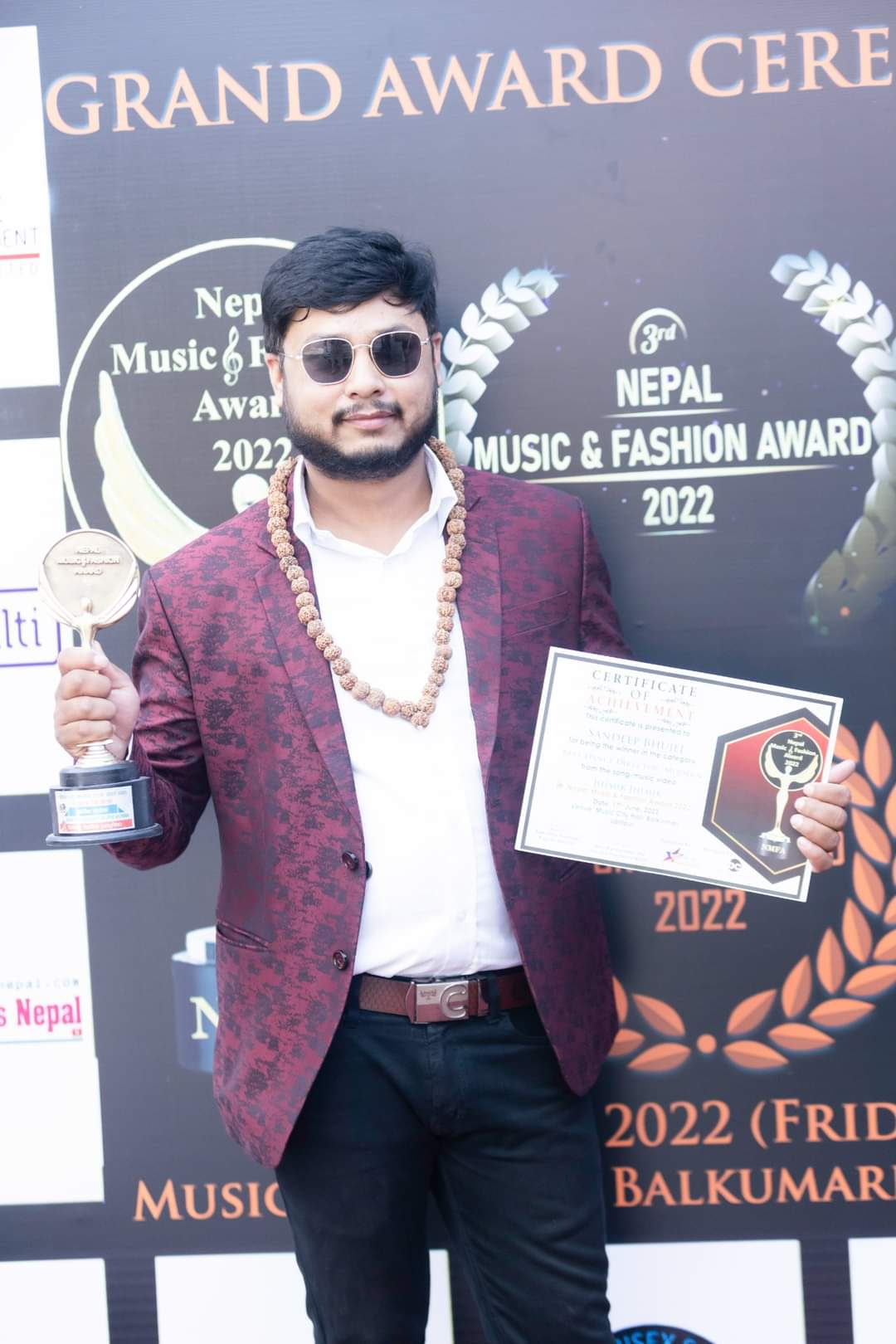
Sandeep Bhujel is very famous Dance Choreographer and Music Video Director of Nepal. He performed dances and choreographed on many music videos, Films, various National and International events. His Contribution in this industry in continuous since 2010 A.D To till Now. He is also active member of Nepal Film Dance Association He involved as official Dance choreographer in many organizations. He is also the official choreographer of Mrs Nepal World. ArtistNepal Studios. Ribbon Entertainment Pvt.Ltd Star one Entertainment Pvt.Ltd Glam World Entertainment Dakshya international Pvt.Ltd ANP Media House
Sandeep Bhujel
Dance Choreographer, Music Video TVC Director
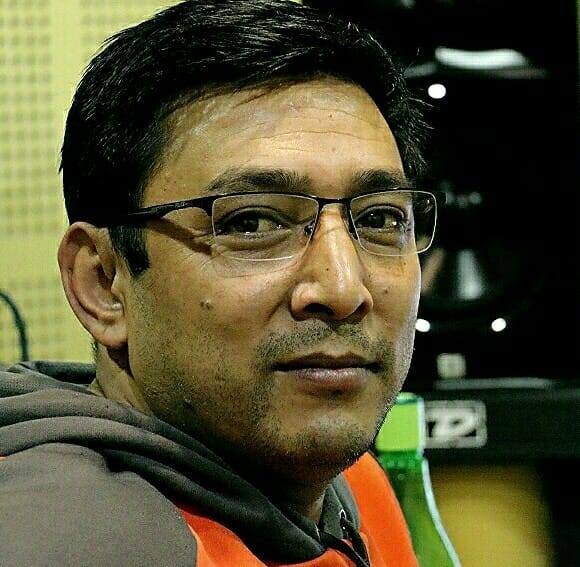
The remarkable Nepalese guitarist, arranger Dinesh Shrestha, was born on 25th January 1978 A.D. in Putalisadak, Kathmandu, Nepal to father Kashi Bahadur Shrestha and mother Ram Kumari Shrestha. Dinesh Shrestha was an accomplished guitarist, and was best known there for his rock/blues playing and one of the founder members of “The Buds Band”. Dinesh Shrestha was taught initially by his guru Phiroj Shyangden (guitarist and founder member of 1974 A D Band) on ‘Do Re Mi Music Institute’ in Kathmandu, but it soon became apparent that the boy was a gifted guitarist. Dinesh Shrestha was appeared and performed at “Shikhar Beat Contest” for the first time at Katmandu about 1994 A.D. and making enough of an impression that the famous guitarist. His band also participated in other competition like “Tuborg Music Festival’99”whne they got the first position as “The Band Of the Year” and after they participated on other programs like “Mahashivaratri Music Festival’99”,”Kathmandu Utsav’99”, “Beat Competition’98” and more than fifty programs and concerts. He made his official debut from famous Nepalese band “The Buds” from 1994 A.D. as a lead guitarist including other band members Sudip Singh (Rhythm), Bijaya Karki (Bass/Vocal), Dipesh Shrestha (Drummer/Vocal), Sushil Shrestha (Rhythm), and received reviews that noted a strong, clean tone and a polished though undemonstrative technique. The first album titled “Birsana Sakdina” including nine songs titled “Birsana Sakdina”, ‘Bihani Ko Mirmirema” etc and Second album “Buds 2” which was popular amongst Nepalese people. He had performed by the early 1990's within the various parts of country and has since performed with outstanding success playing both solo and with Band and regularly on radio and television. Now with business and academic reasons he is separated with his band members and no new project will be plan for till now.
Dinesh Shrestha
Music Arranger, Musicians & Instrumentalists, Guitarist
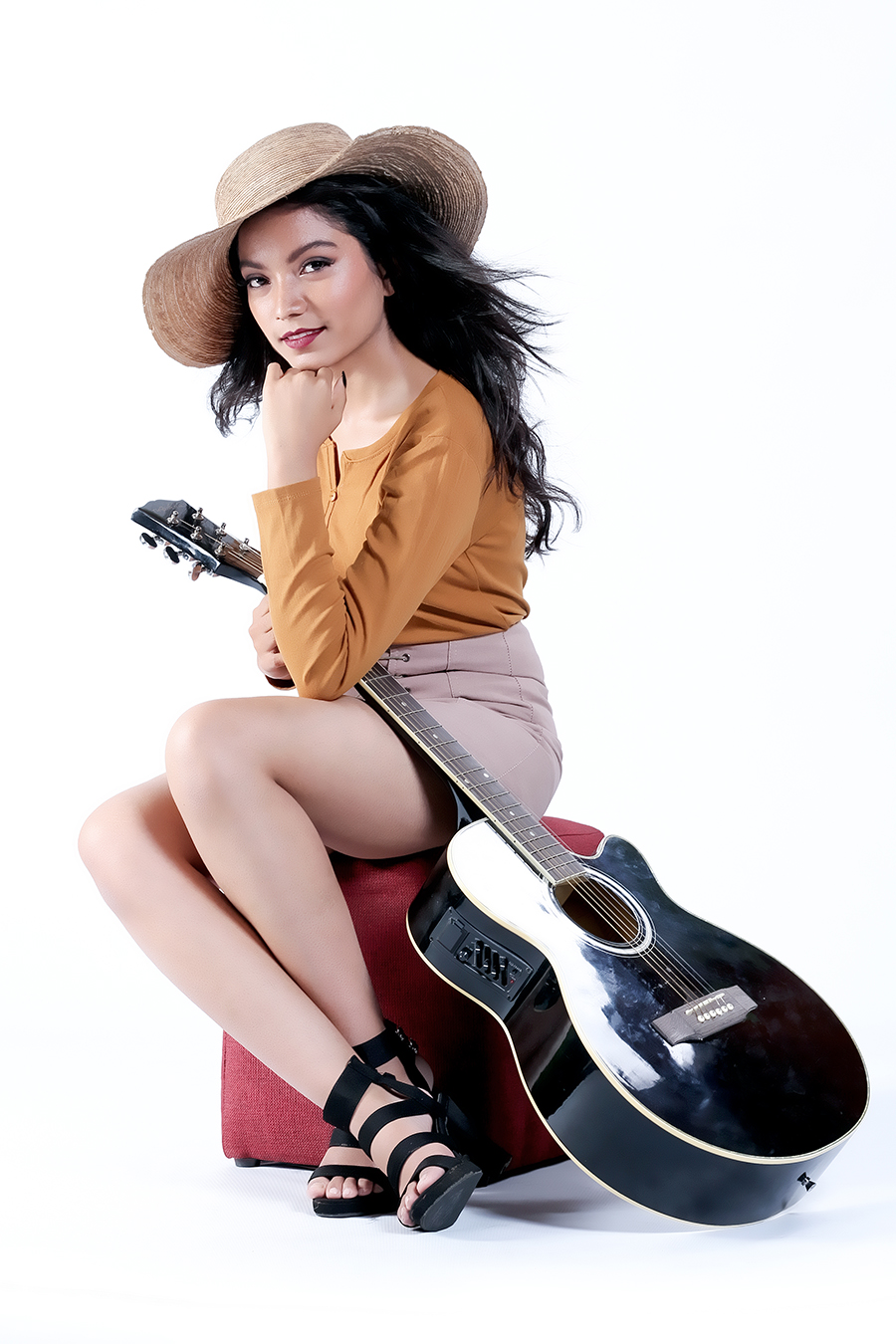
Namaste! My name is khushi kafle. I am a resident of Hetauda. And i am a high school girl. My goal is to be an actress where i can utilize my skills and improve my career path. Talking about my strengths, I am honest, self-motivated and hardworking person with positive attitude towards my career and⁸ life.
Khusi kafle
Model
Binod Raj Dhungel

Saru Shrestha is a new Nepali model. She's started her modeling journey from ArtistNepal. At 5ft, 2 inches tall Saru has experience the Fashion Show & Beauty pageant. This photo taken by Kuber Tamang of ArtistNepal Studios and Gauri Rumba Shrestha in makeup.
Saraswati Shrestha
Model, Runway Model
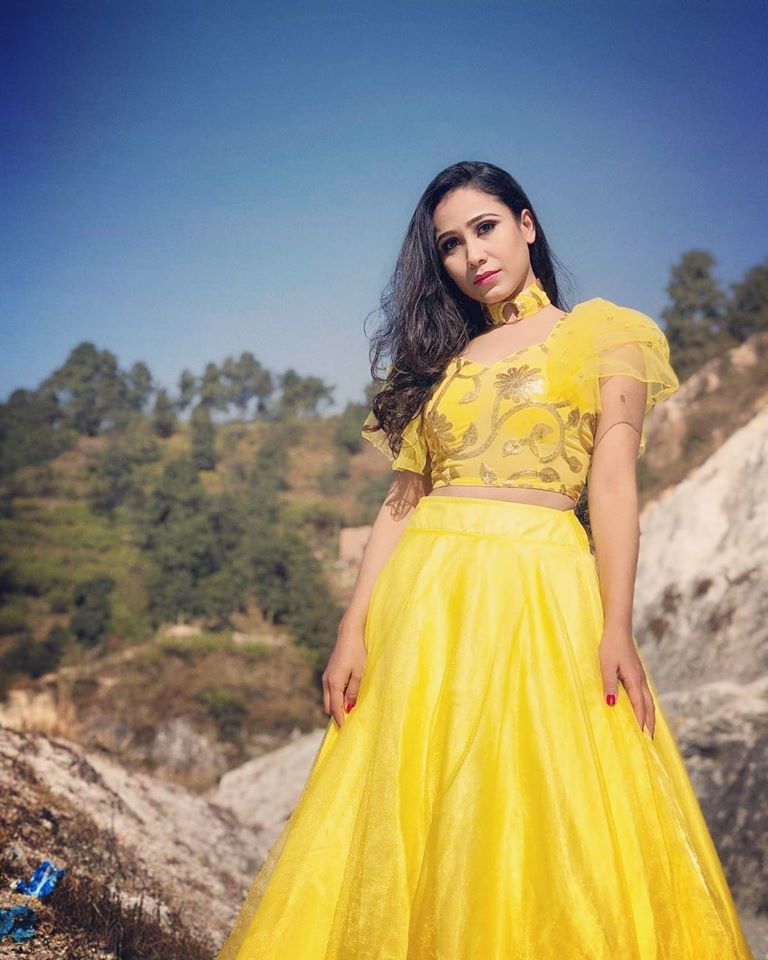
Shamita Shrestha is a Nepalese singer and model. She initially got 'Best Photogenic' by participating in a pageant called "Mrs Beautiful Nepal" and later acted in the song "Maya garchhu" as the first music video. Now making her first musical gift "Mutu ra Timi ma", with the introduction of the model itself. Which was directed by ArtistNepal.com founder Nava Dhungel.
Shamita Shrestha
Music Artists

ushil Nepal is a well-known media personality, radio jockey (RJ), and video jockey (VJ) from Nepal. Born on November 7, 1978, in Kathmandu, he has been a prominent figure in the Nepali media industry since 1997. Career Highlights Television and Radio: Sushil has worked for various television and radio stations, including Kantipur Television, Image Channel, and Radio Kantipur. He has been a senior producer, actor, and host, contributing significantly to the Nepali entertainment industry. Popular Shows: He is best known for hosting popular singing reality shows like "Nepal Idol" and "The Voice of Nepal". His engaging presentation style has made him a favorite among audiences. Current Work: Sushil is currently the executive producer and host of "The Voice of Nepal".
Sushil Nepal
Radio Jockey [RJ], Media Personality, Video Jockey (VJ)
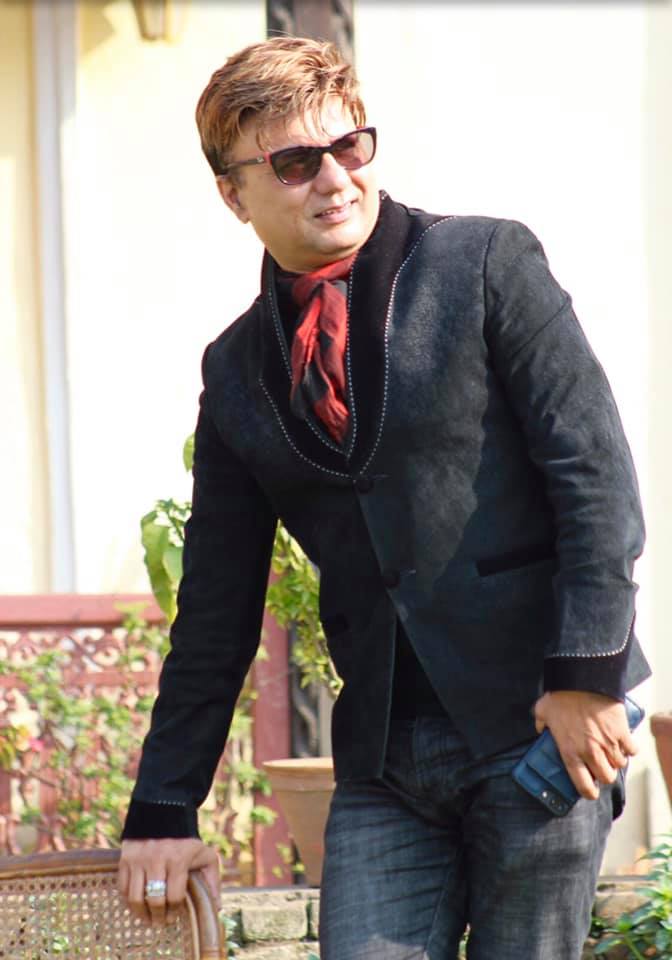
UZZWAL BHANDARY is a renowned comedian of Nepal. He has been acting in theaters, TV and cinema for the past 30 years. He is also a successful businessman, artist and program presenter. UZZWAL BHANDARY who is popularly known as Ujju Darling is the host of the longest talk show named ‘Ujju Darling.’ The popularity of Ujju Darling reached the soaring height with his totally out of the box concept that is different from other conventional shows. With the successful 600+ on air episodes, ujju darling has also made a record as the host of longest talk show[2007 t0 2018] program. The program was prepared by Nepal1 television more than 11 years ago and since then, Ujju Darling never had to turn behind.The show ujju darling is directed,concept and script also uzzwal bhandary himself
Uzzwal Bhandari
Actor, Comedian Artists, TV Producers
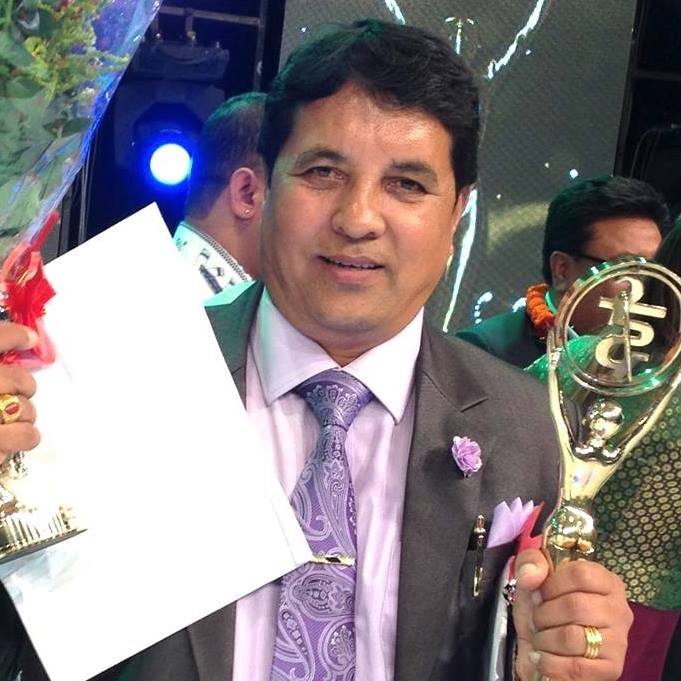
Nabin Dhungel is a well-known name in the field of Nepali folk songs. He has recorded almost 50 songs on Radio Nepal, and many of his songs have become popular among folk music lovers. Nabin Dhungel became the first in the national folk song competition in 2038 B.S. The song he sang for the first time in his life, "Kaacho Katara... Ma Janchhu Rangkhola Roka Motara," is still popular among folk lovers. Notable Songs "Machhi Marana Ho Dai Ho" "Dori Ko 3 Funda" "Sali Bhena" "Saikala Sarara" Musical Albums "Chari Himalama" (2048 B.S.) "Pipal Sangai Bar" (2043 B.S.) "Dori Ko 3 Funda" (2045 B.S.) "Purbeli Kanchho" (2056 B.S.) "Sali Bhena" (2059 B.S.) "Tirkha Metaideu" (2063 B.S.)
Nabin Dhungel
Music Artists, Folk Singer
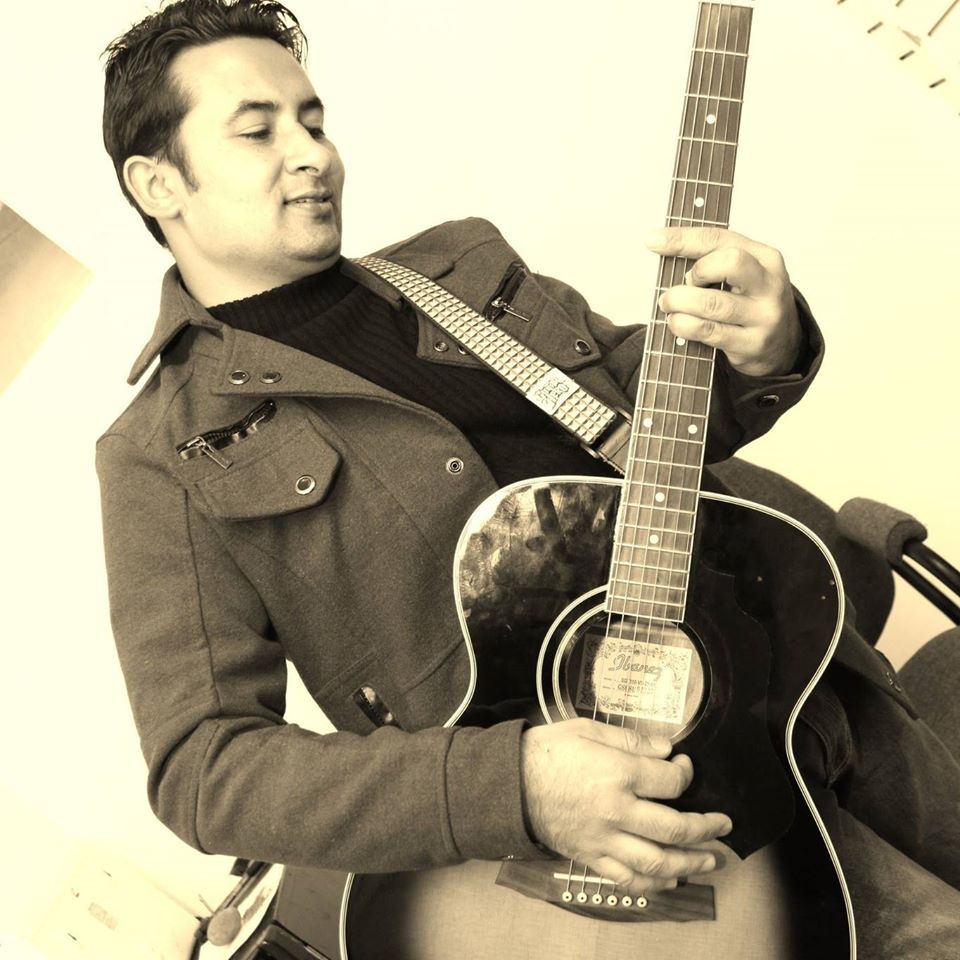
Avay Dhungel is a singer, musician and songwriter. Most of the songs they sing, they give their own words and music. Born in Okhaldhunga, Pokali VDC, folk singer Avay Dhungel recently lives in the US. Avay's father Nabin Dhungel is also a popular folk singer. Avay sang 'purbeli kanchho', 'supari jai ko mala', aakashaima are very popular songs, "Sali Bhena" is the most popular song he has given to music. Over two dozen songs have been voiced by Avay Dhungel so far and six albums have been released.
Avay Dhungel
Music Artists, Folk Singer
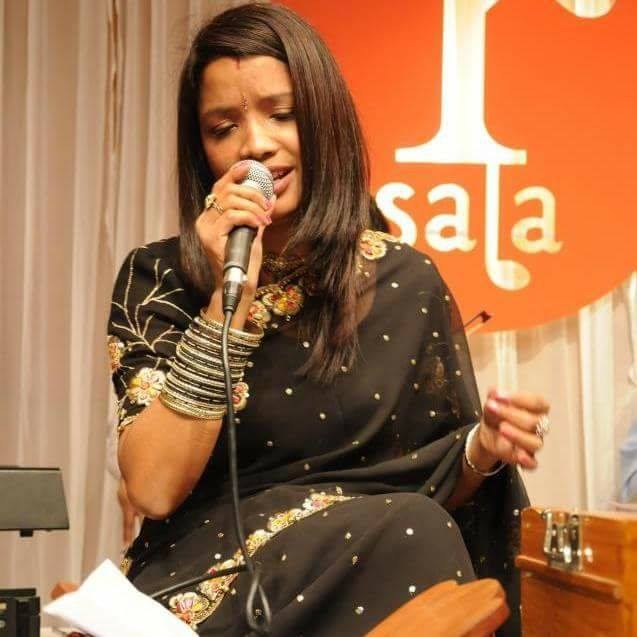
First entry in music: with children's song in Radio Nepal competition in 1985 First playback singing: ka bata kachhuwa chorus/ (movie- chot) First solo song: kasari samjhu ma( album-Bina Mausam ko Barsaat/1989) First solo album: Ragini (2003) No of songs: around 300 (nepali, newari, hindi, punjabi) No of album released: 22 First visualised Song: chithi pathauchhu (2003) Musical tours: -inside Nepal : Pokhara, Narayanghat, Nepalgunj, Solukhumbu, -outside Nepal: London,Bombay, Scotland, Switzerland,Beijing(china), Dubai Prizes won: Different prizes in cultural progrms by different organisations. NYC Celebrity singer of the Year 2006 in UK, Global motion picture award 2019 Dubai Recent released album: Revival(2014) Recently performed first solo program SUR SADHANA on magh 26 2076 at Sanskritik sansthan,nachghar, Jamal
Angela Singh shrestha
Music Artists
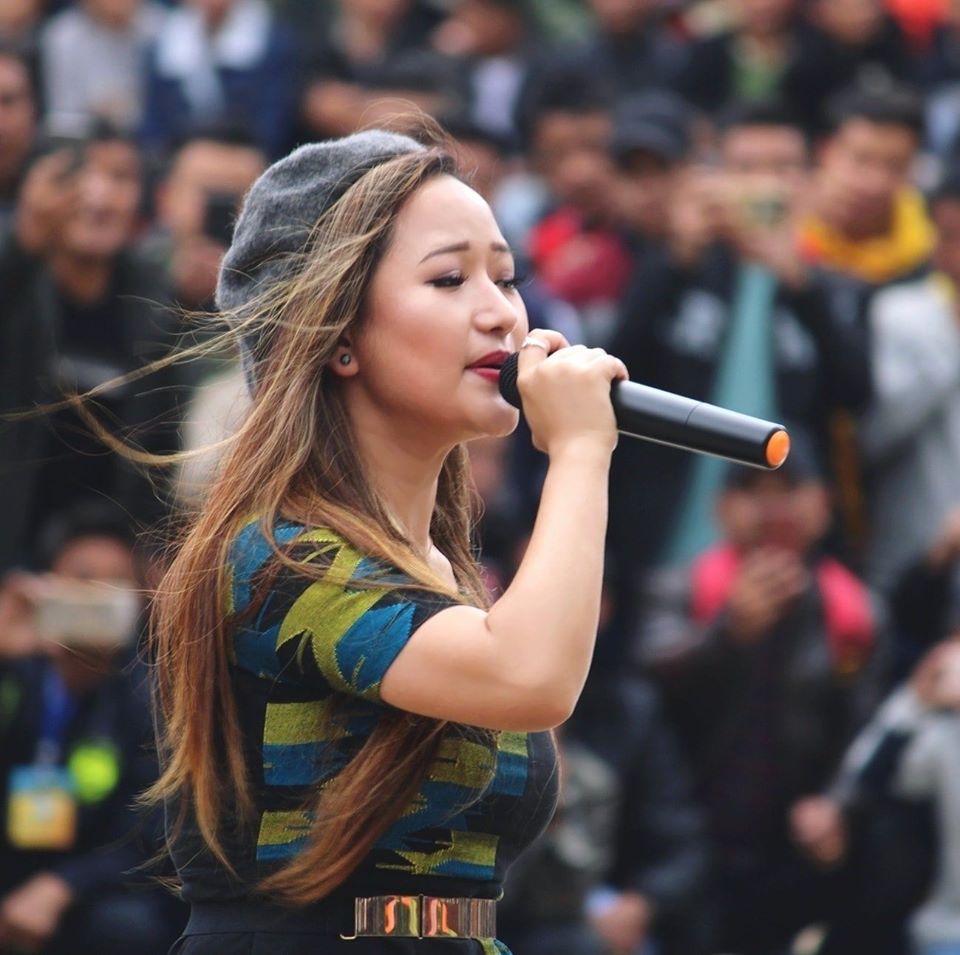
Melina Rai is Singer at Nepali music industry and most beautiful Nepali singer of beautiful song "Kutu ma Kutu" from Nepali movie "Dui Rupaiyan". Melina Rai is chorus singer and dance teacher, she started getting noticed after giving hits like "Kammar mathi patuki" and "Sirai ma sirbandi". Early Life Melina Rai is originally from Khotang district of Nepal, although she was born in Darjeeling and spent childhood there. Education Melina Rai started her schooling from Darjeeling but the age of 10 while she was in class 3, she moved to Kathmandu with their parents. Music Career
Melina Rai
Music Artists, Playback Singer
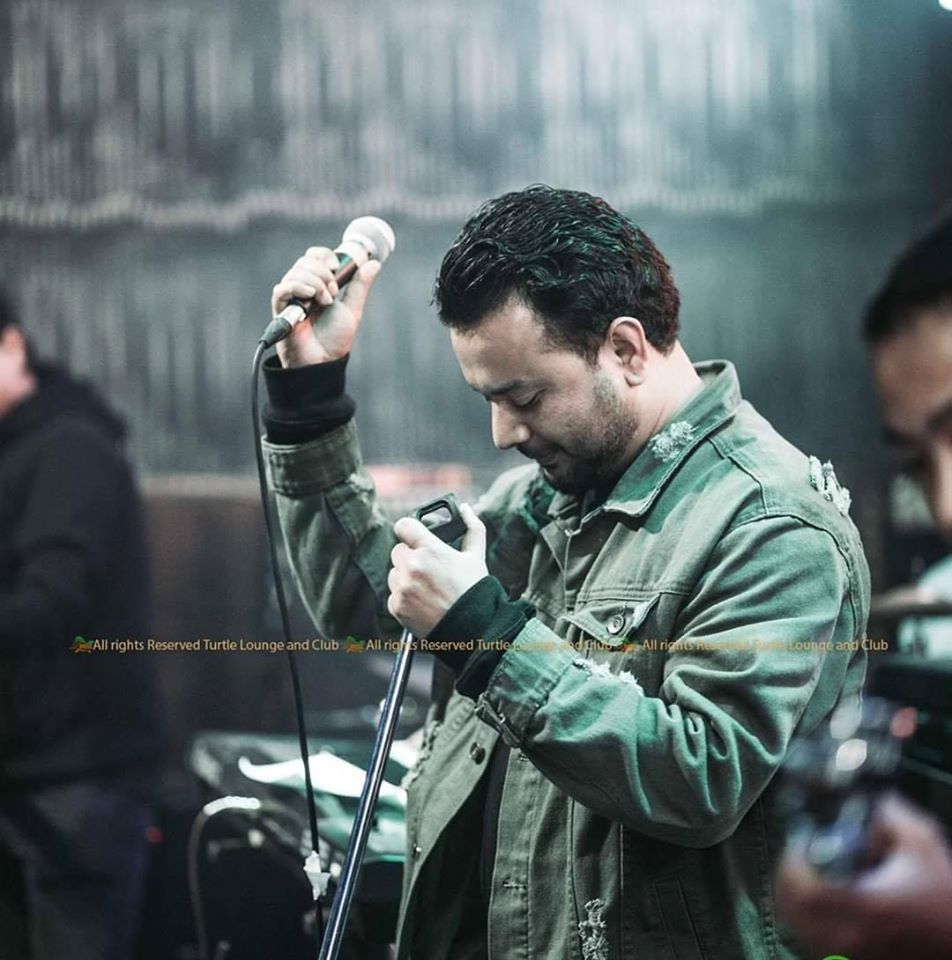
Sugam Pokharel was born 20 September, 1979 in Mangalbaaray, Morang, he is one of the most renowned singers of Nepali Music Industry. He was a very shy kid in his child days. He is also a popular RJ. Sugam Pokharel born in eastern Nepal is a highly acclaimed Nepali pop singer whose songs had created sensation in the Nepali pop music industry.He is well known as both singer and composer. He is the youngest child of two brothers and two sisters. From his earlier life he had an interest in music and used to sing in his school function and gatherings etc. His voice is his pride. His childhood days were in Biratnagar. He used to listen the songs of Sanjay Shrestha, Deep shrestha and Harish Mathema which unknowingly influenced him towards his destiny. Sugam Pokheral began his singing career when he was in teen age. He got job as an RJ in Radio Sagarmatha.Soon after his SLC,he rushed away to kathmandu as all the students do to search a way for the aims and ideas.Initially having no desire to sing a song as a professional singer or having not any aim to be a singer, later he thought of recording a song and had a wish to record a song.
Sugam Pokharel
Music Artists, Playback Singer
The term "wildflower" conjures images of untamed landscapes, awash with color and teeming with life. In the context of home gardening, wildflowers represent an opportunity to bring a slice of this natural beauty into our own backyards. The allure of wildflowers lies not only in their aesthetic appeal but also in their ability to thrive with minimal intervention, making them a sustainable choice for gardeners of all levels.
Saman Maharjan
Magician
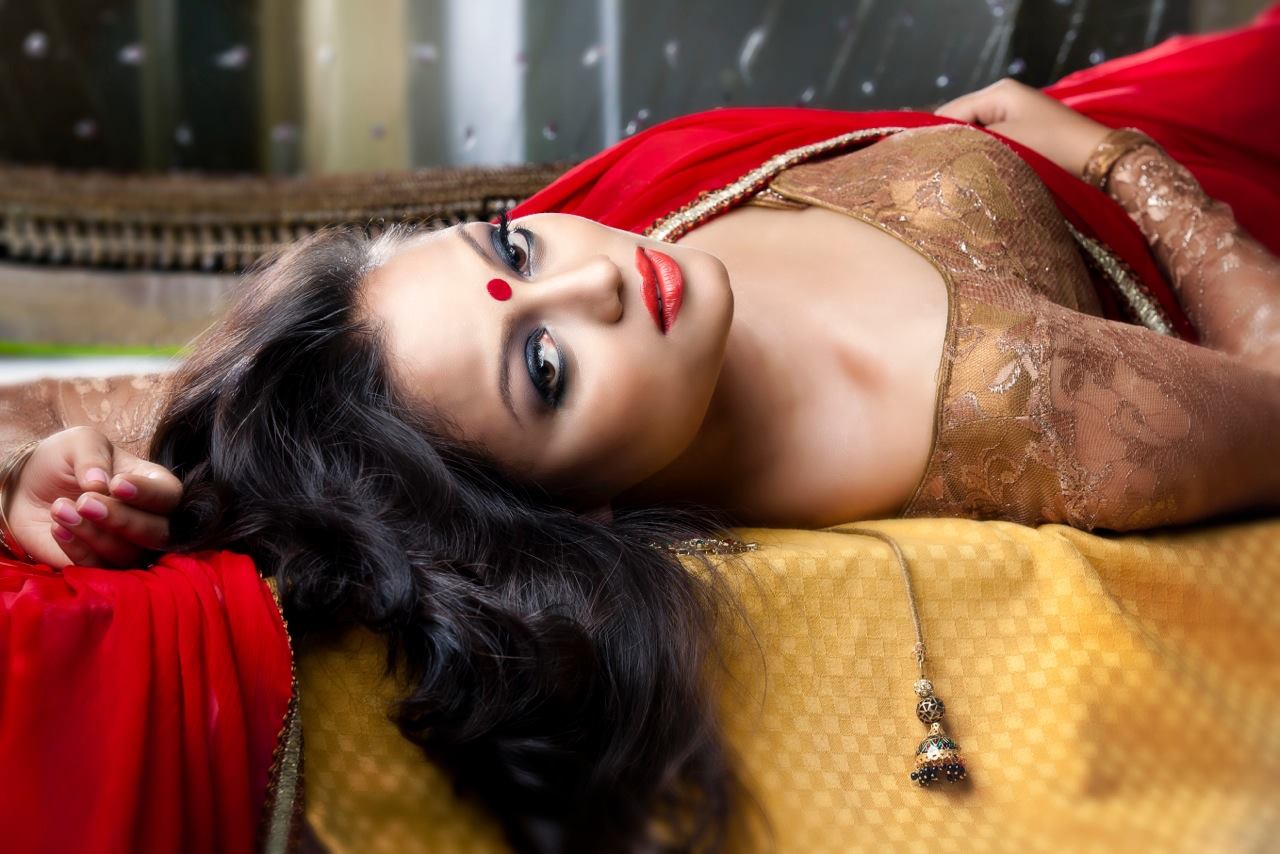
Reecha Sharma | A Nepali Actress also as Model who initially showed up as top 10-semi finalist in the Miss Nepal 2007 contest & also an admired appearance for her performance in music videos and ramps. She can also be recalled with her debut film First Love, trailed by MERO LOVE STORY, HIGHWAY, LOOT, VISA GIRL and UMA. Forthcoming movies like ZINDAGI ROCKS, JANGEY, TALAK JUNG VS TULKEY and KO AAFNO are pending. Also awarded with Critics Award 2014 for UMA she remains Youth Ambassador for Habitat of Humanity... Acting in few movies after she debuted in her first movie named First Love and her second movie called My Love Story. Beside that some movies like Highway and Visa Girl are ready for release. She is the one who was with lead role in Blockbuster movie "LOOT".
Reecha Sharma
Actress

Junu BK is a permanent resident of Dhanakuta, stay in Kathmandu. Due to her passion for dance, she started dancing at an early age while studying in Kathmandu. Having learned dance from AASTHA KALA KENDRA, she is passionate about dance in all genres including culture, hip hop, classical, modern. Currently she works as a dance teacher in some schools and cultures" she was Dance Instructor and choreographer at love of dance academy..
Junu BK
Classical / Traditional Dancer, Model, Actress, Dance Choreographer
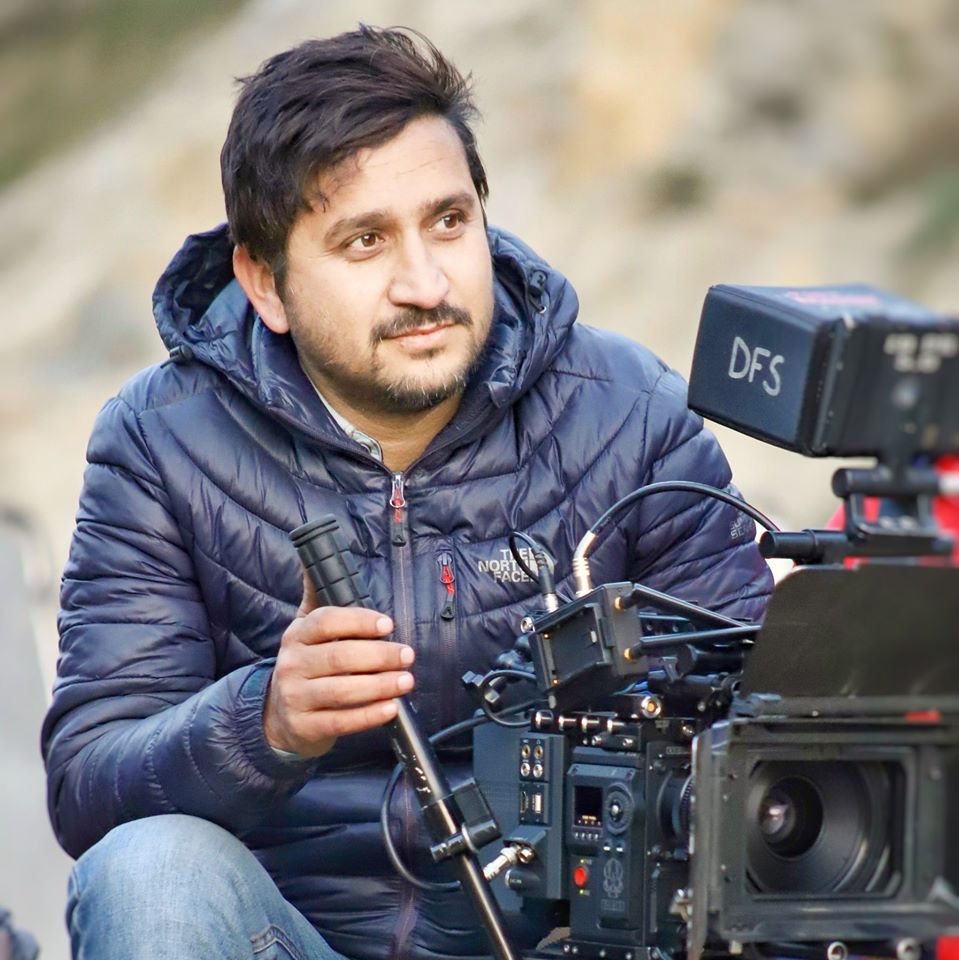
Arjun Tiwari is a highly skilled and busy cinematographer in the Nepali film industry. Here are some key highlights about him: Career and Contributions Early Career: Arjun Tiwari started his career in television but later transitioned to freelancing, where he has made a significant impact. Versatility: He has worked on a wide range of projects, including music videos, documentaries, TV commercials, and feature films. Reputation: Known for his expertise and creativity, Tiwari is one of the most sought-after cinematographers in Nepal. Notable Works Music Videos: Tiwari has shot numerous music videos, contributing to the visual appeal and storytelling of Nepali music. Reality Show: Tiwari has demonstrated his skill as DOP in popular reality shows of Nepal. He has been involved in 'The Voice of Nepal', 'Dancing Star Nepal', 'The Voice of Kids Nepal' among others. Documentaries and Commercials: His work extends to documentaries and TV commercials, showcasing his versatility and ability to adapt to different formats. Feature Films: He has also been involved in shooting feature films, bringing his unique vision and technical skills to the big screen
Arjun Tiwari
Cinematographer
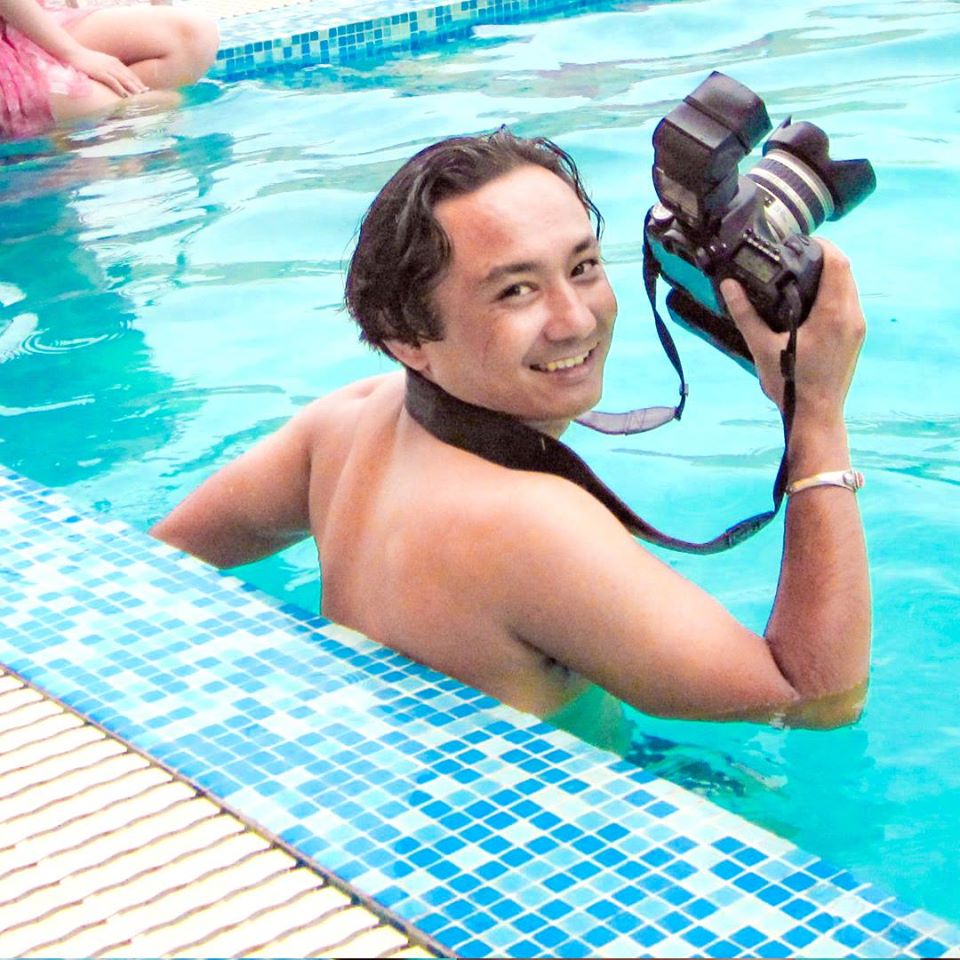
Kamal Shrestha is a Popular glamour & Commercial Photographer in Nepal. also Creative Graphic Designer & owner of glamournepal.com Since 1995, he has been working as a fashion and commercial photographer for many National News Papers as well as monthly Entertainment Magazines and Advertising Agencies in Nepal. Besides, photography Kamal shrestha associated with Video Production Companies and Ad Agencies as a freelancer videographer under he has done one movie, numerous Music-Videos, TV commercials, TV programs, Social TV Campaigns and many more. He has done numerous Album Cover Designs for Nepalese Singers too.
Kamal Shrestha
Photographer
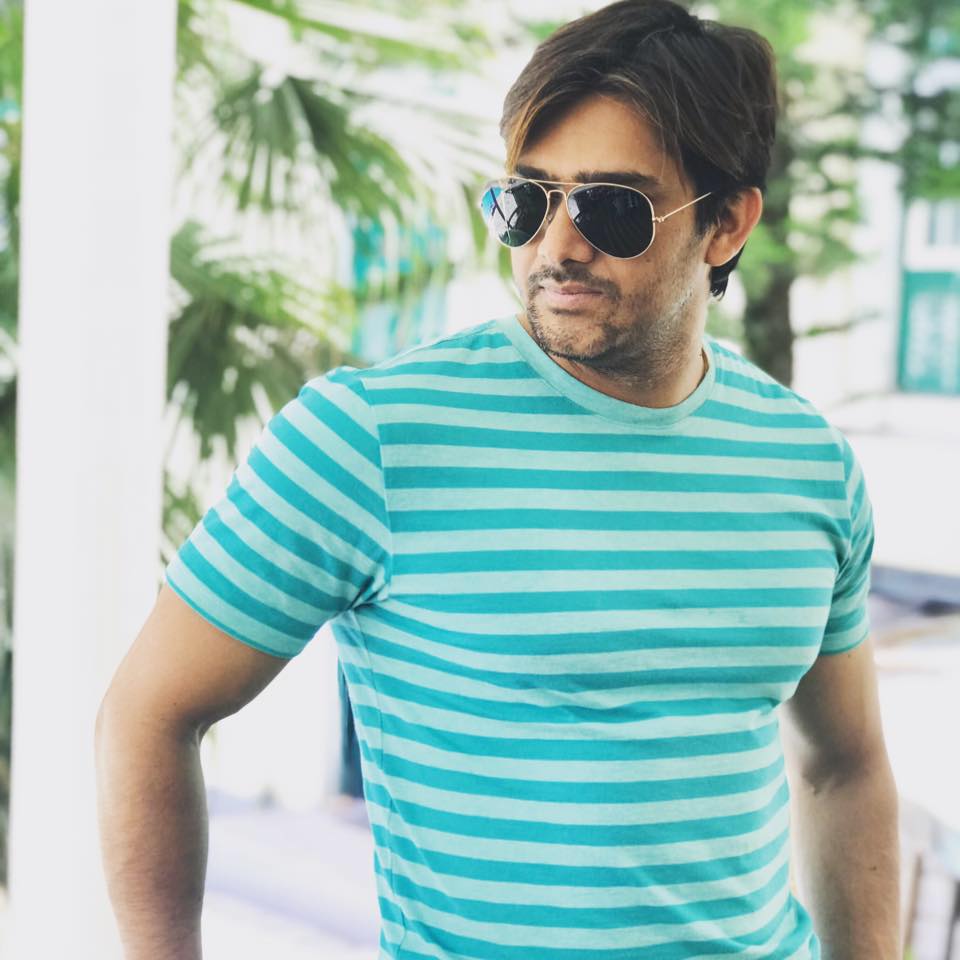
Bishal Bhandari is a Producer Director at Nepali Film Industry. Owner/Managing Director at Three Production Pvt. Ltd. and Producer Director at Comedy Champion.He has previously worked as a producer on The Voice of Nepal and Nepal Idol. He Studied Acting & Direction at Aarohan Gurukul.
Bishal Bhandari
Film Director, Music Video TVC Director, Media Personality
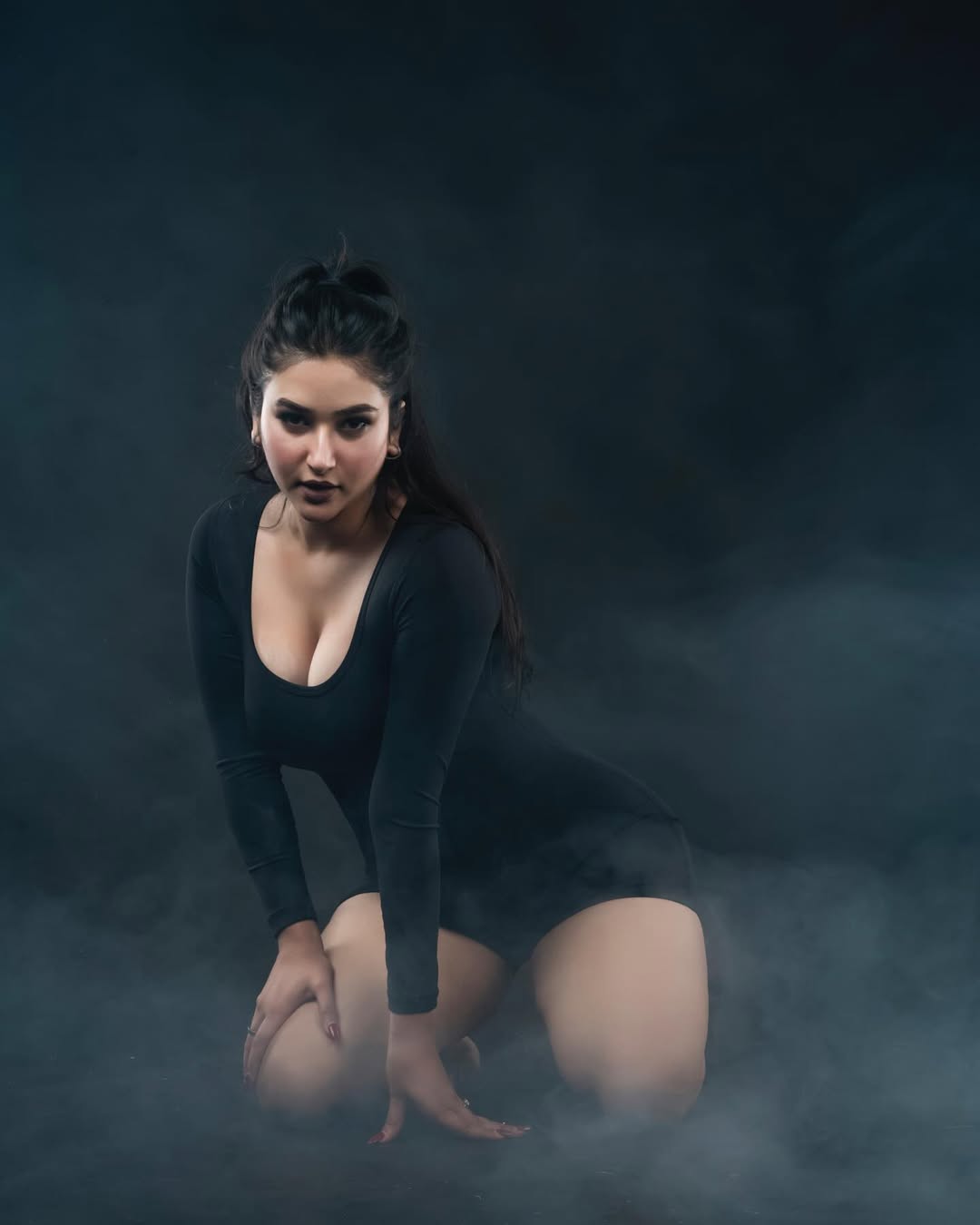
Swikriti Dhungel is a model from Nepal. She has gained recognition for her work in the fashion industry and has participated in various modeling events and shows. Swikriti was also a contestant in the Miss SEE Star-2018 pageant.
Swikriti Dhungel
Model, Actress

Rukmila Adhikari is a talented Nepali model and artist. She has made a name for herself in the modeling industry and has also ventured into acting. Rukmila gained attention by acting in the music video for the song "Mutu Bhitra" by singer Tara Lakxman Limbu. She is currently taking professional salsa dance training with choreographer Binayak Das Shrestha and studying acting at the Mala Art academy, started by artist Saroj Khanal. Rukmila has appeared in several music videos, commercials, and more, showcasing her versatility and dedication to her craft. She is also active on social media platforms like TikTok, where she shares her creative work and connects with her fans
Rukmila Adhikari
Model
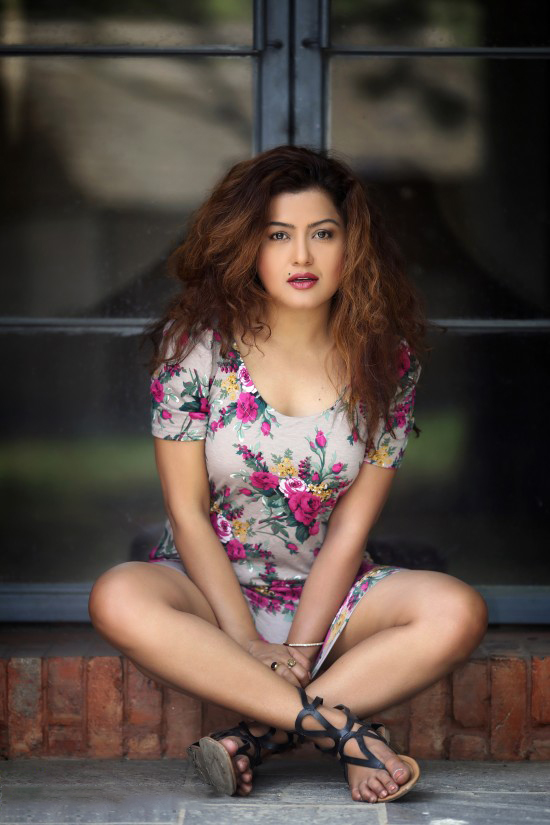
Rekha Thapa is a Nepalese film actress, model and film maker. She was a top ten finalist for Miss Nepal in 1999. She has performed in over 100 national awarded commercial movies. She owns her own movie production house called " Rekha Films". Rekha Thapa is a Founde / President of the Rekha Thapa Foundation of Nepal , She is also a social worker who is helping the poor families and children who are in need. Because of her popularity in the country and the abroad, now Rekha Thapa wants to spend her valuable time in social development of Nepal. #photography - Mahesh Pradhan
Rekha Thapa
Actress, Film Director, Film Maker/ Producer
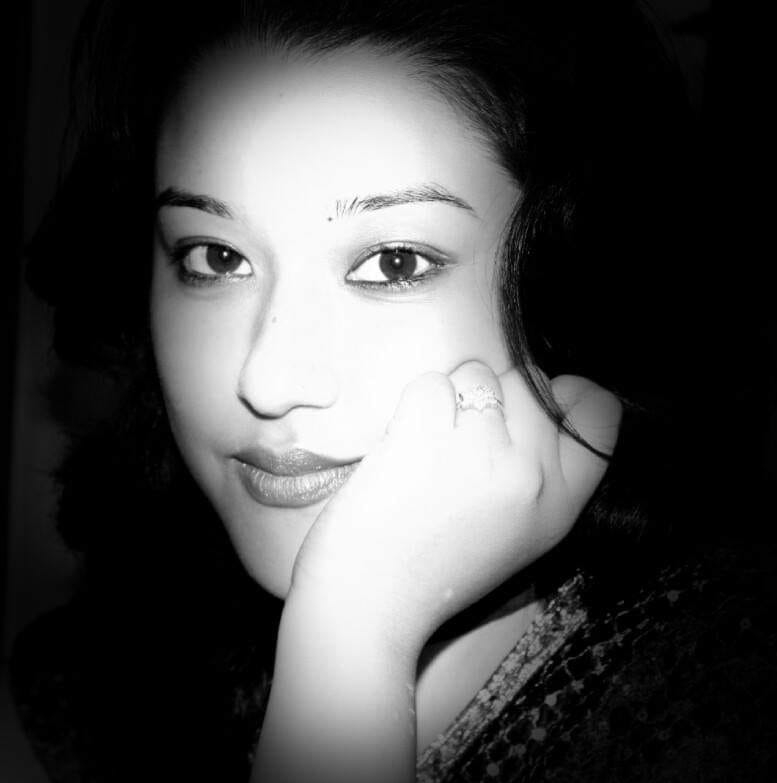
Suniti Adhikari The Singer The human voice is the organ of the soul and when adorned with lyrics & music stirs many a soul, beyond all, whether material or abstract. But this voice too, needs a human face with an expression that can evoke a million emotions and transport the listeners unto a trance. Such is the voice of Suniti Adhikari, Nepal’s face for blissful and pure singing. It is this very voice that sang “Bahaar Sangai” and swept across like a pleasant breeze, a breath of fresh air in the world of Nepali music way back in 2006. Her magnetic persona and hypnotic voice, warms the hearts of millions of music fans in Nepal, in fact worldwide
Suniti Adhikari
Music Artists, Playback Singer
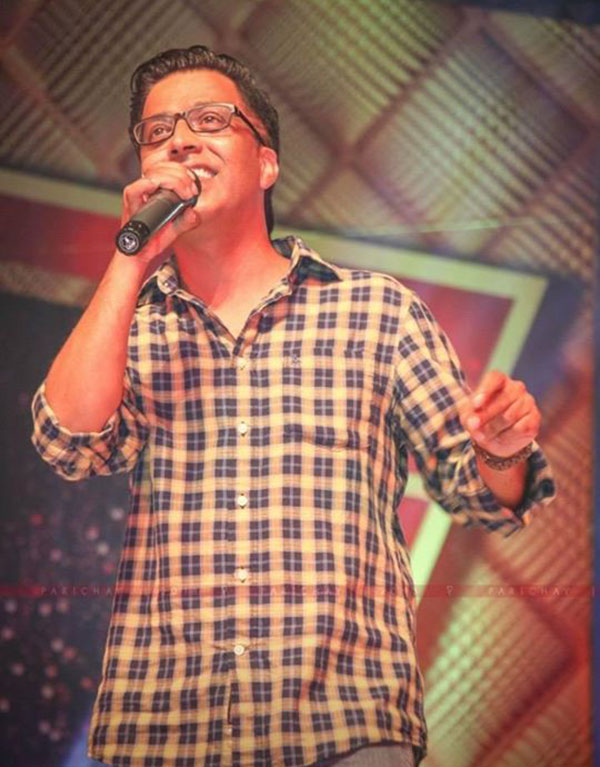
Sanup Paudel is a professional singer of Nepal. He was born in Shillong, India. He is the youngest among four siblings. Sanup rose to fame after a singing contest had come up, called Geet Bahar, run by Gulshan Kumar in Mumbai. Sanup was at the age of nineteen when he applied for this contest and was finally selected. Early life and Education He learned the classical music, under the singer Shukla Dham, after completion of his bachelor education in Ethnomusicology at the Kathmandu University. A few after completion of this education, he got a chance to enroll in School of Oriental and African Studies in the UK for about half a year. Born and raised in India he came to Nepal in the year 1997 as a young musician. He registered for vocal lessons from Prabhu Raj Dhaka as some school lessons and also private classes outside of school.
Sanup Poudel
Music Artists, Playback Singer
Birochan Malla

Prashna Shakya is a Nepali pop singer. In 2003, Hits FM awarded her Best Pop Performance Female. Prashna Shakya was born in Dharan, Nepal. Her parents are Sumitra and Binod Shakya. She has a sister and brother. When she was a teenager, her parents wanted her to pursue sports in school. Shakya preferred music and performed at school and began taking music lessons, including studying under Dibya Khaling. She participated in a singing contest by Radio Nepal and was named a finalist.
Prashna Shakya
Music Artists, Playback Singer
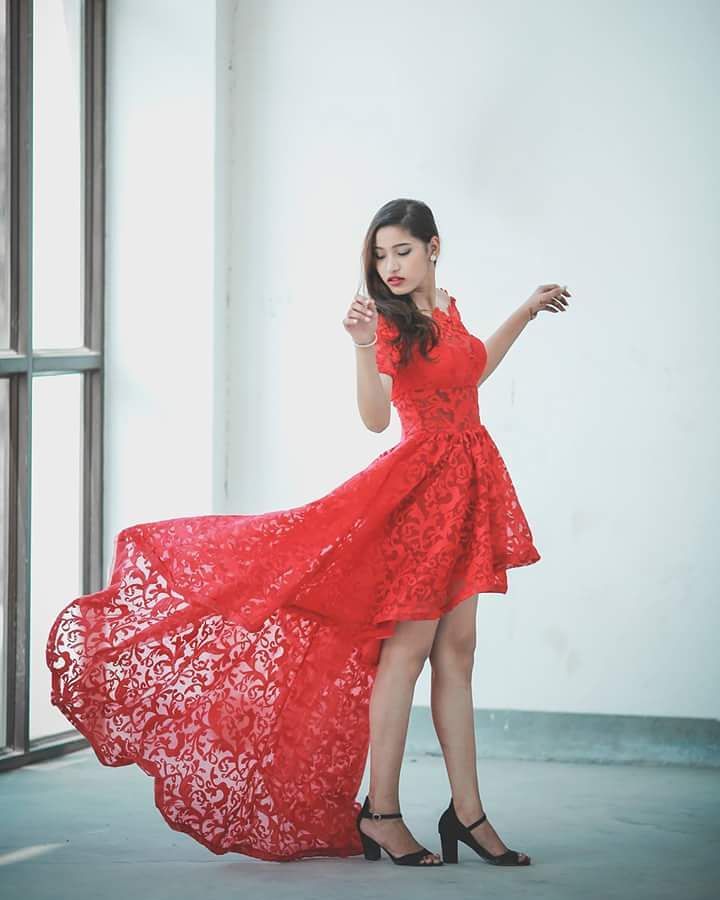
Hi I am Aasha Shakya and I have been modeling for past 3 years. I stand 5 feet and 7 inches tall. I have done different types of photoshoots as well as runways. I've been featured in tgif for three times and have done many photoshoots for different clothing stores. Thankyou!
Anisha Shakya
Model, Runway Model
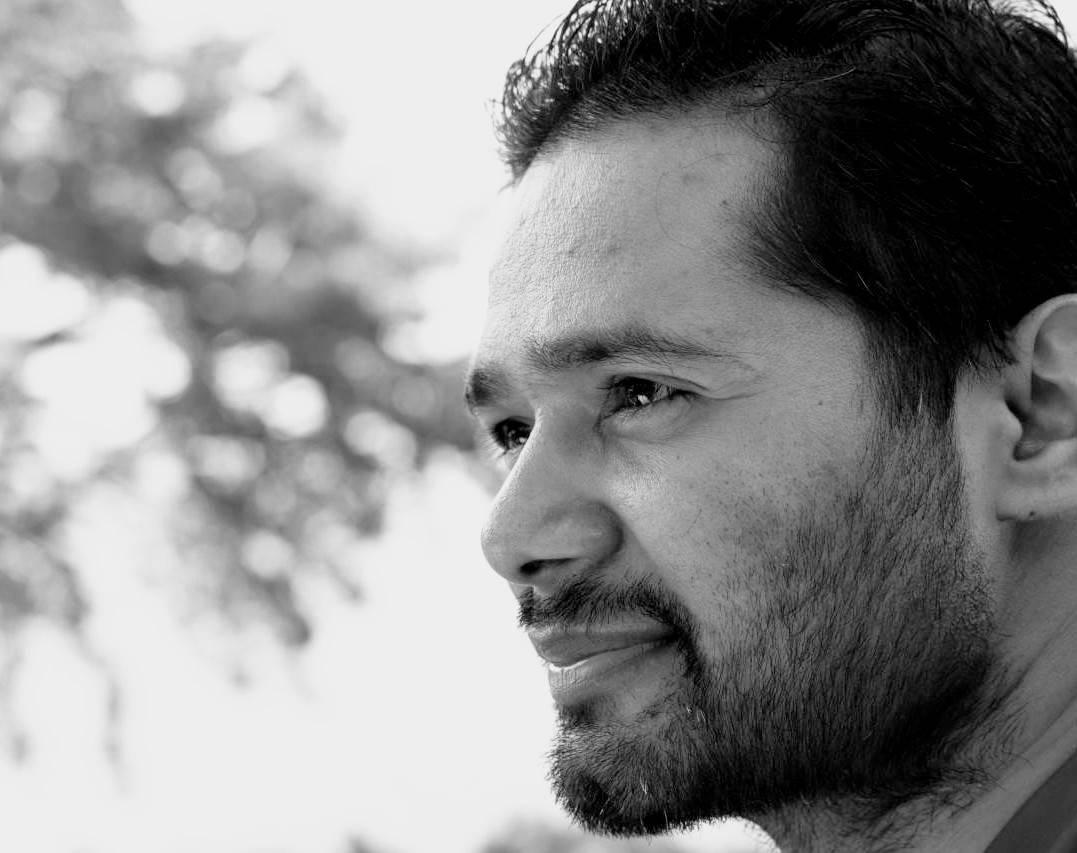
Safar Pokharel is a well-known Nepali media personality, radio jockey (RJ), and voiceover artist. He has been a radio presenter at Hits FM 91.2 since 2001 and has also appeared in a few movies, including "Red Monsoon" (2013), "Jatra" (2017), and "Dhanapati" (2018). Career Highlights Radio Presenter: Safar has been a prominent voice on Hits FM 91.2 for over two decades. Voiceover Artist: He has lent his voice to various commercials, audiobooks, and other projects. Actor: Safar has appeared in several Nepali films, showcasing his versatility as an artist. Personal Life Safar Pokharel continues to inspire many with his dedication to the media industry and his ability to connect with audiences through his work.
Safar Pokharel
Radio Jockey [RJ], Media Personality, Voiceover Artist
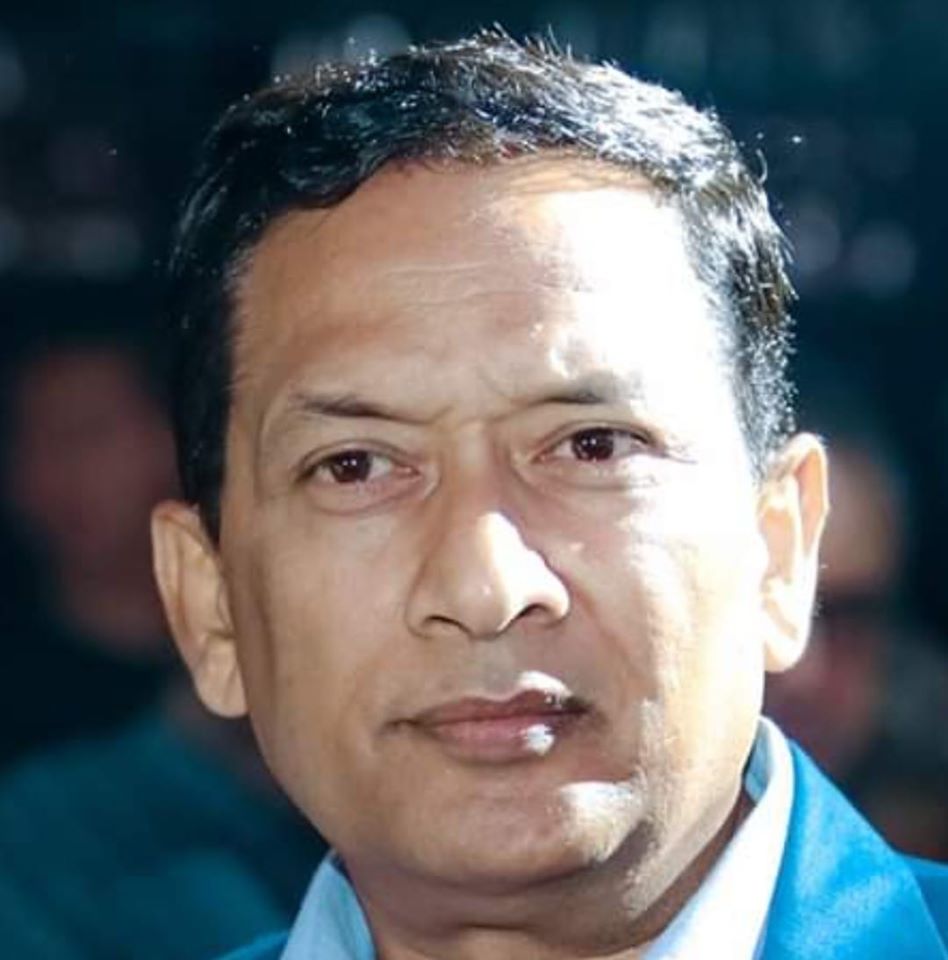
Madhav Wagle is a prominent Nepali actor, filmmaker, and producer. He has made significant contributions to the Nepali film industry, both in front of and behind the camera. Career Highlights Film Producer: Madhav Wagle is known for producing successful films like "Loot" (2012), "Resham Filili" (2015), and "Loot 2" (2017). Film Distributor: He started his career as a film distributor before establishing his own production company, Princess Movies, and later the distribution company, Popcorn Pictures. Notable Films: Some of his notable productions include "First Love" (2010), "Chhadke" (2013), "Mission Paisa Reloaded" (2015), and "Love Sasha" (2017).
Madhav Wagle
Actor, Film Maker/ Producer
Chandu Chaudhary
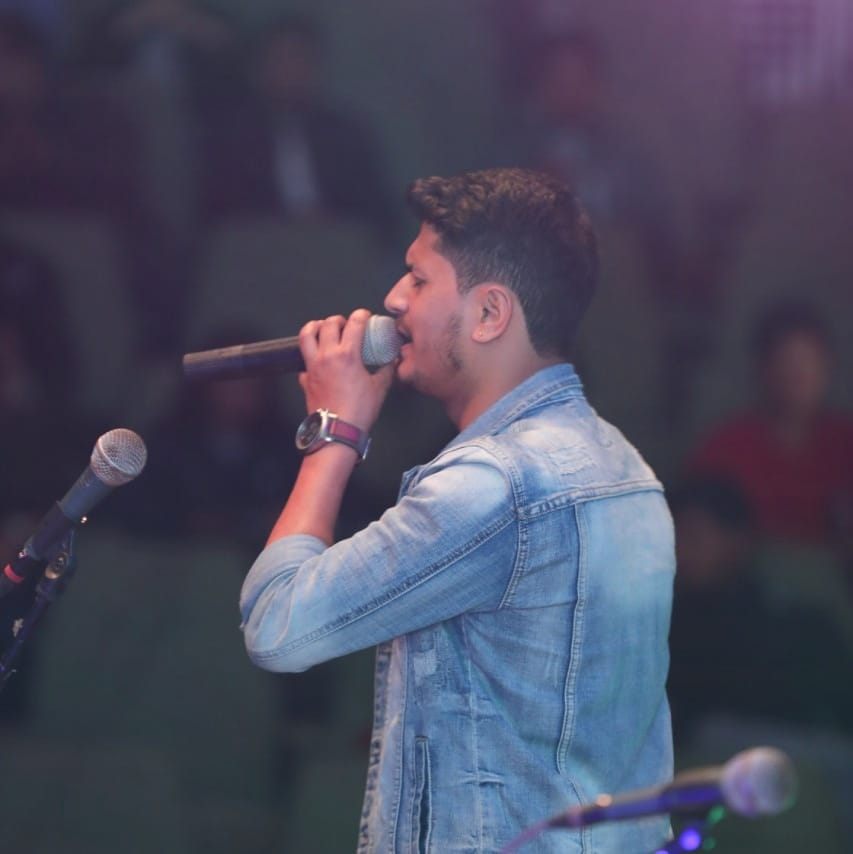
Mahendra Raj Baral is a Nepali singer known for his melodious romantic and modern songs, earning a strong following across radio, digital platforms, and live performances. His popular tracks include “Timro Yaad,” “Mero Man,” “Suna Suna,” and “Aankha Ko Nani.” Baral has been recognized for his consistent vocal presence in Nepali contemporary music, receiving multiple radio chart placements, stage show honors, and appreciation awards from Nepali cultural organizations in Nepal and abroad. His warm vocal tone and heartfelt delivery continue to make him a favorite among Nepali music listeners.
Mahendra Raj Baral
Singer/ Performer