
Explore Artists
Browse through 2,035 talented actors, musicians, dancers, filmmakers and creative professionals from Nepal.
2,685
All Artists
197
Actor
224
Actress
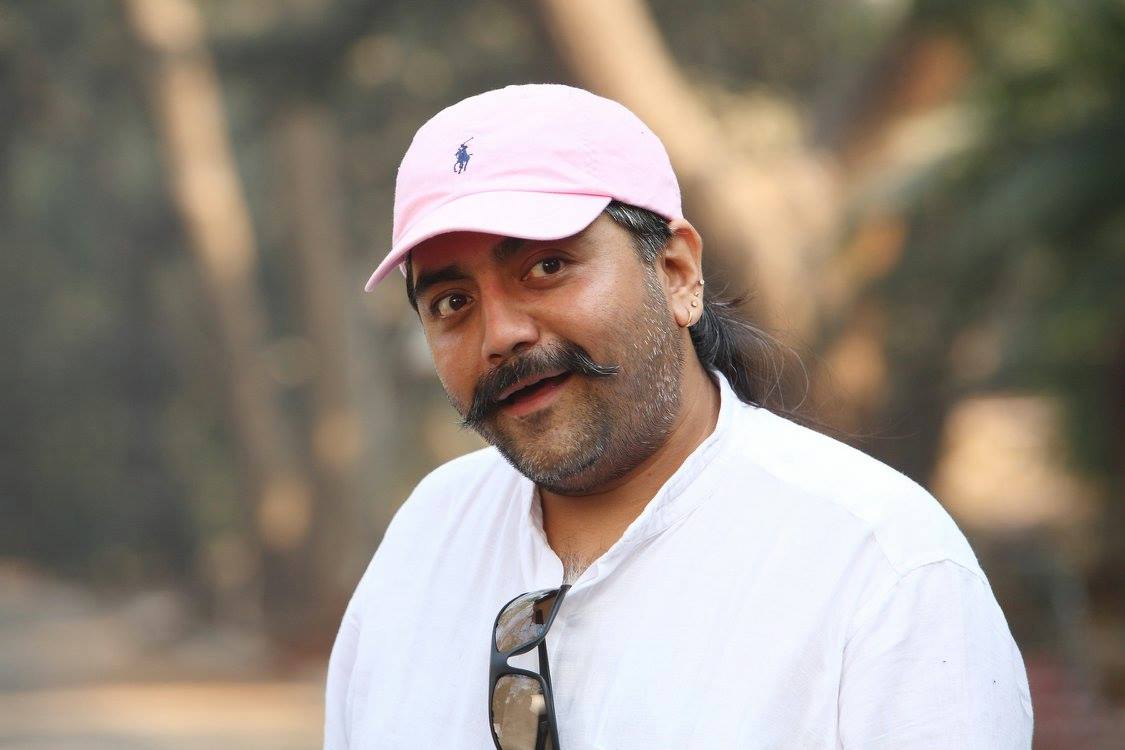
Satyajeet Gajmer is a Nepali film artist known for his appearance in the classic film Dakshina (1994). He is the son of renowned Nepali music composer Ranjit Gajmer, a respected figure in Nepali music. Continuing the creative legacy of his father, Satyajeet has expanded his career beyond Nepali cinema and is currently active in the Bollywood film industry.His early recognition came through his role in Dakshina, directed by Tulsi Ghimire, and he remains associated with the influential 1990s era of Nepali filmmaking. Today, he works in the Indian film industry, contributing to various creative and technical roles as part of Bollywood’s production ecosystem.
Satyajeet Gajmer
Actor

(Singer • Music Director • Composer • Lyricist • Live Performer) Ujjwal Saagar is a Nepali singer, music director, composer, and live performer known for his soulful vocal tone, poetic songwriting, and contemporary acoustic‑fusion sound. Active since the mid‑2010s, he has built a strong digital presence through a series of critically appreciated original songs, including “The Unloved (Sunana, Timi Khusi Ta Chhau Ni?)”, “Geet Lekhu Ma Kina?”, “Madhur Jhankaar (Khamaj)”, “Maaili”, “Yaatri”, “Chhaya”, “Dailo”, and “Mrigatrishna.” As a music director and composer, Saagar is recognized for clean arrangements, emotional depth, and a signature blend of Nepali pop, soft rock, Hindustani‑influenced melodies, and cinematic soundscapes. His songs often explore themes of longing, self‑reflection, and emotional resilience, resonating strongly with young Nepali listeners.
Ujjwal Saagar
Music Director
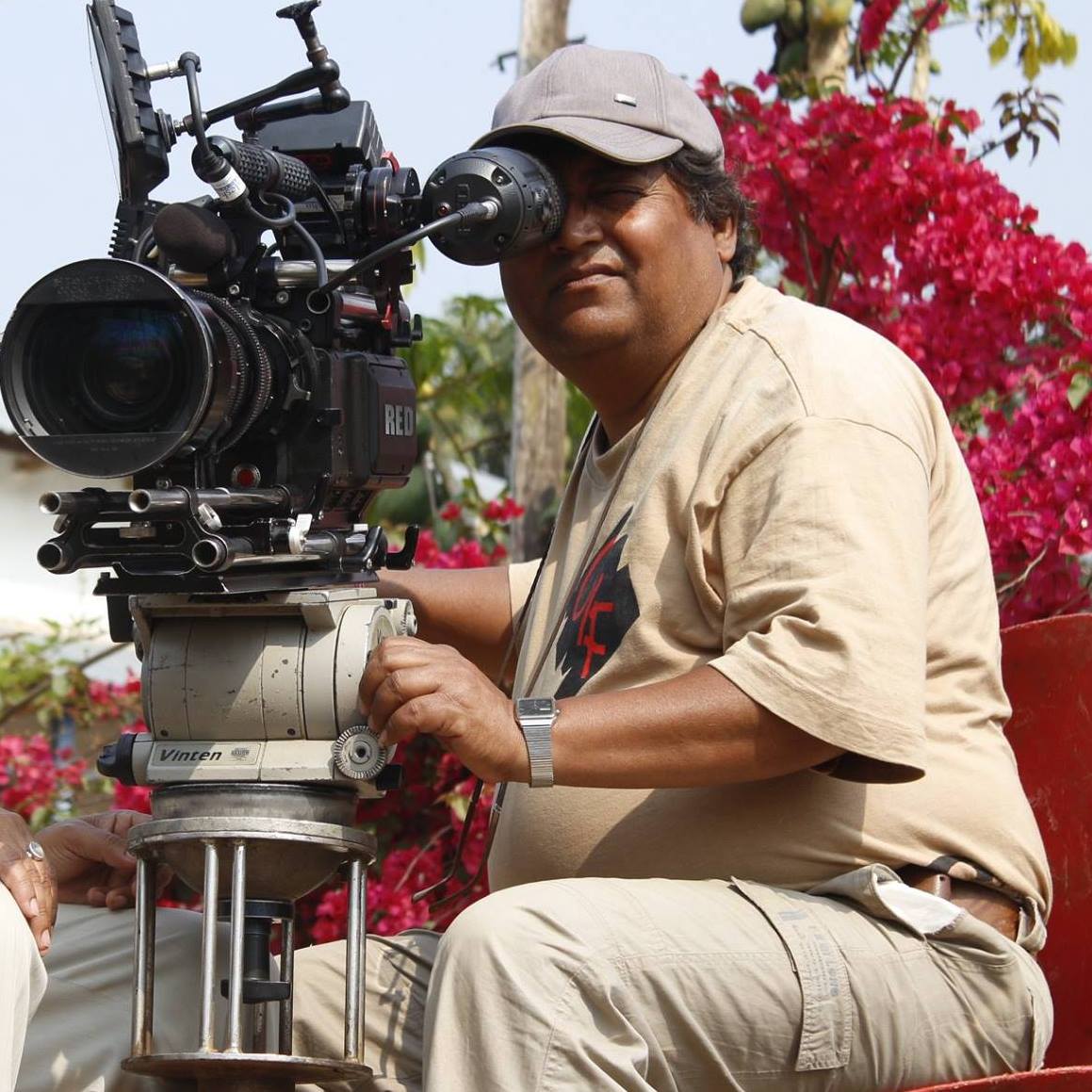
Shiva Dhakal is a senior Nepali cinematographer active since the mid‑1990s, known for his extensive work across commercial, romantic, and action‑driven Nepali films. With more than 40–50 feature films to his credit, he has shot notable titles such as Bulaki (2023), Krishna Leela (2022), Poi Paryo Kale (2019), Heroz (2018), Leela (2017), Ram Pyari (2016), and K Ma Timro Sathi Banna Sakchu (2012). His upcoming work includes the 2026 release Pariwartan, where he serves as Director of Photography. Dhakal received the National Film Award (2080) for Best Cinematography, underscoring his long‑standing contribution to Nepali visual storytelling.
Shiva Dhakal
Cinematographer

Aaradhana Chhetri is a Nepali film actress best known for her role in the 1995 feature film Jeevan Sangharsha, where she appeared as Sanju. She was active during the mid‑1990s and is credited in two Nepali films: Jeevan Sangharsha (1995) and Hatya (1999). Though her public biography is limited, her work places her among the actresses who contributed to the transitional era of 1990s Nepali cinema, marked by emotional storytelling and emerging commercial filmmaking.
Aaradhana Chhetri
Actress
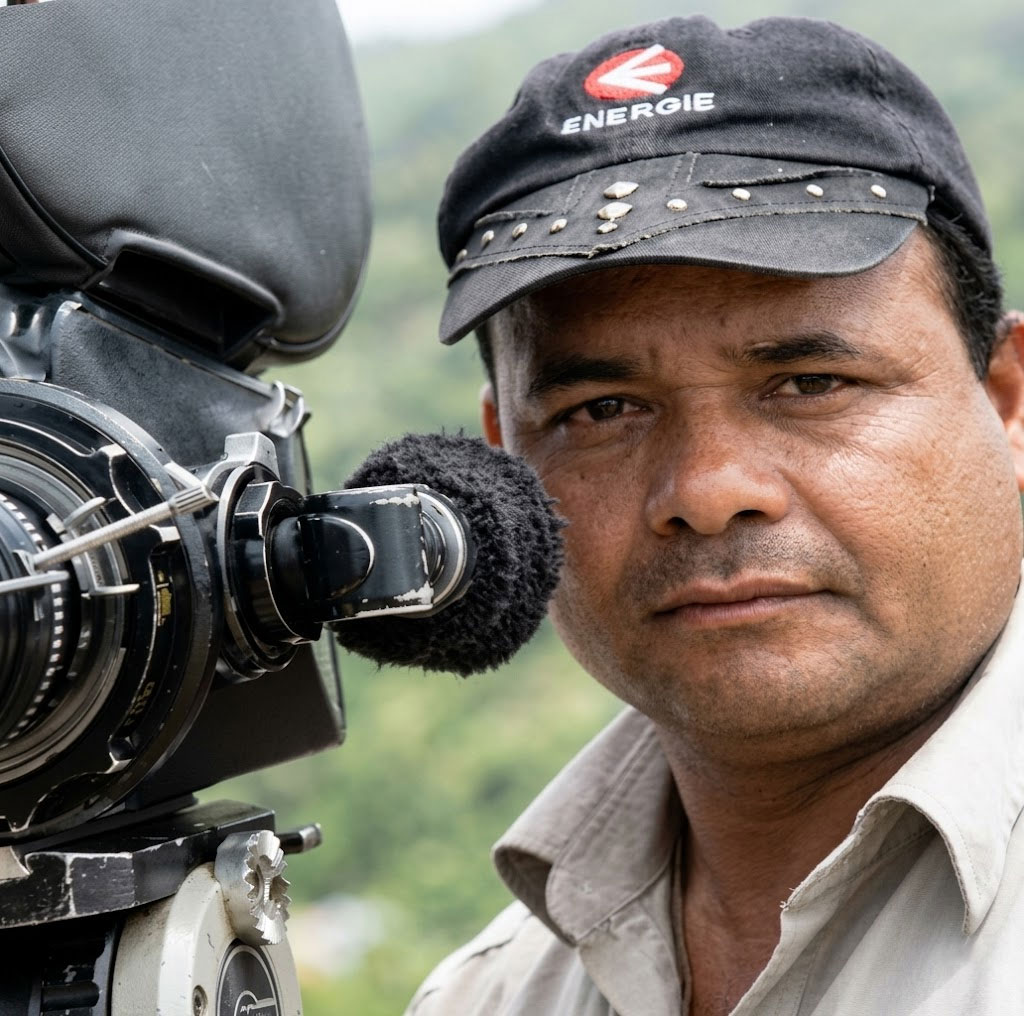
Shambhu Sapkota is a Nepali cinematographer from Panauti, active in Nepali cinema since 1994, known for his extensive body of work across commercial and dramatic films. He has shot more than 50 feature films, contributing to the visual style of late‑1990s and 2000s Kollywood. His early credit includes Sadak (1994), and he continued through major titles such as Thuldai (1999), A Mero Hajur (2002), Kismat (2007), Ma Timi Bina Marihalchu (2008), and Rhythm (2013). His career reflects consistency, technical reliability, and long‑term collaboration with leading directors of the era.
Shambhu Sapkota
Cinematographer
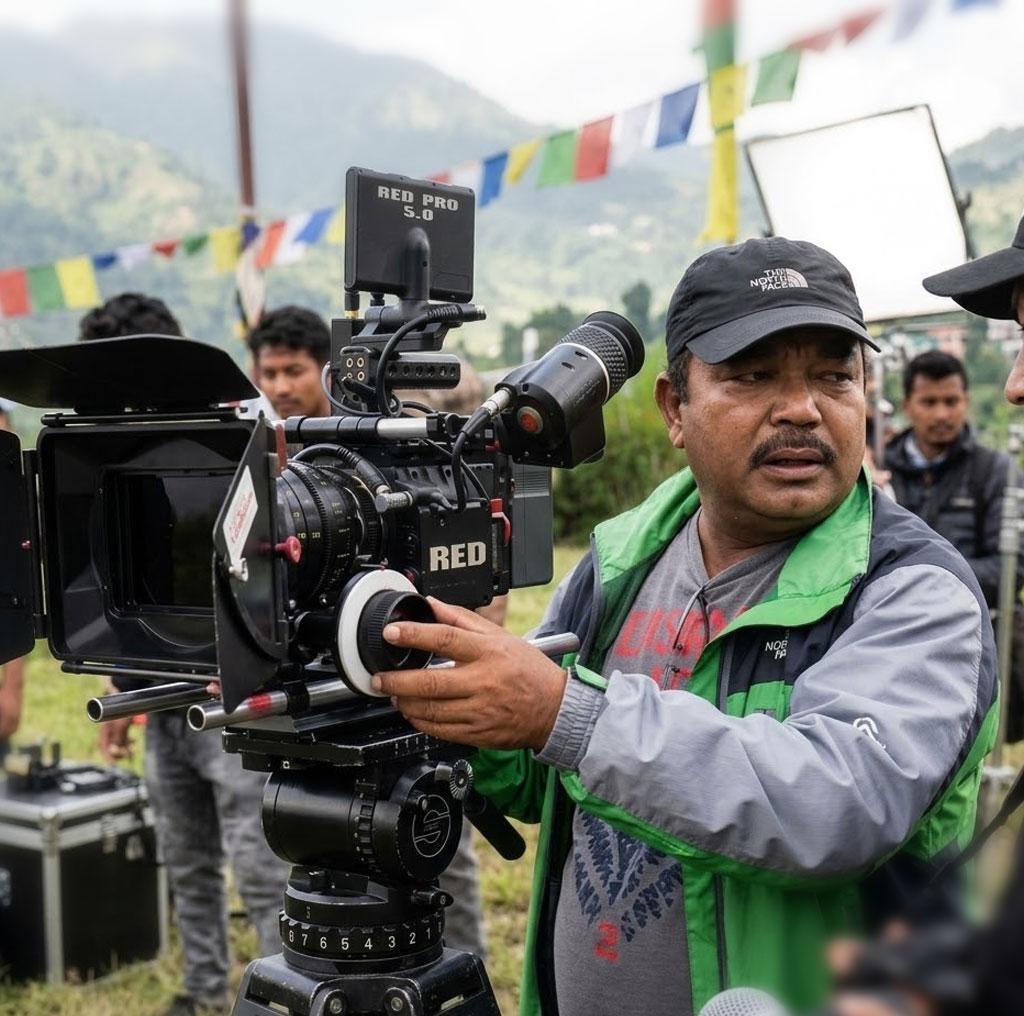
Krishna Shrestha is a Nepali cinematographer active since 2002, known for his versatile work across commercial, romantic, and action‑drama films in Kollywood. His career spans more than two decades, with credits in major productions such as Kranti (2002), Bhuttukai Bhaye Ni (2002), Pyari Bahini (2004), Kanoon (2007), Dhoom (2009), Dosti (2009), Man Manai Man Paraye (2011), Bodyguard (2012), Jodi No.1 (2014), Bhram (2015), Luv Sab (2015), Sakas (2017), Boyfriend (2018), and Eklavya (2019). His work is recognized for clean framing, commercial visual appeal, and consistent collaboration with mid‑2000s and 2010s Nepali film directors.
Krishna Shrestha
Cinematographer
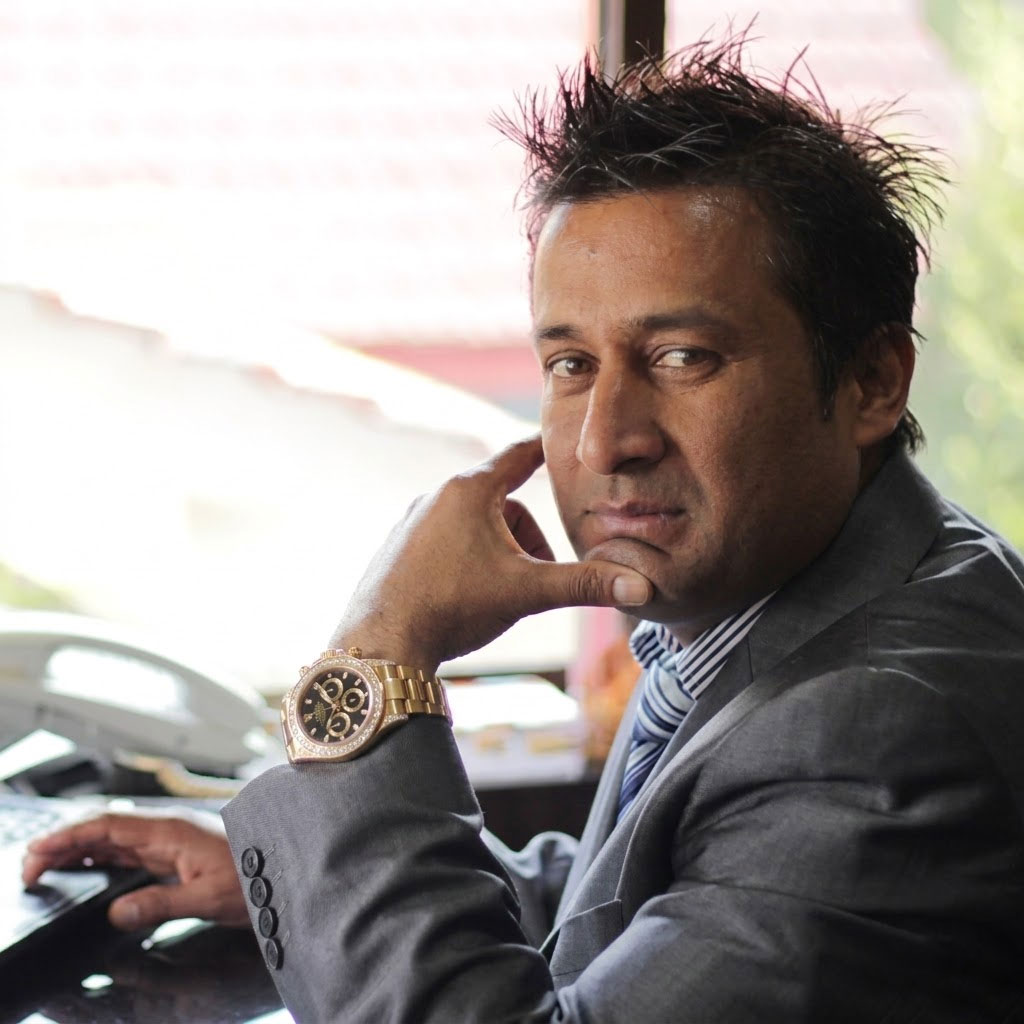
Lokendra Karki is a Nepali film actor and producer who became active in the Nepali film industry during the mid-1990s. He is recognized for his performances in action, drama, and social films that were popular during the late 1990s and early 2000s Nepali cinema era.Lokendra Karki started his acting career with the film Soltini in 1995 and later appeared in several Nepali movies including Deurali, Dulaha Raja Dulaha Rani, Hatiyar, Jange, Army, Sadyantra, Maan, and Shasan. His screen presence and supporting roles helped him establish a recognizable identity among audiences of that period.Apart from acting, Lokendra Karki has also been involved in film production. He worked as a producer for the movie Shasan (2011), expanding his contribution to the Nepali film industry beyond acting.
Lokendra Karki
Actor
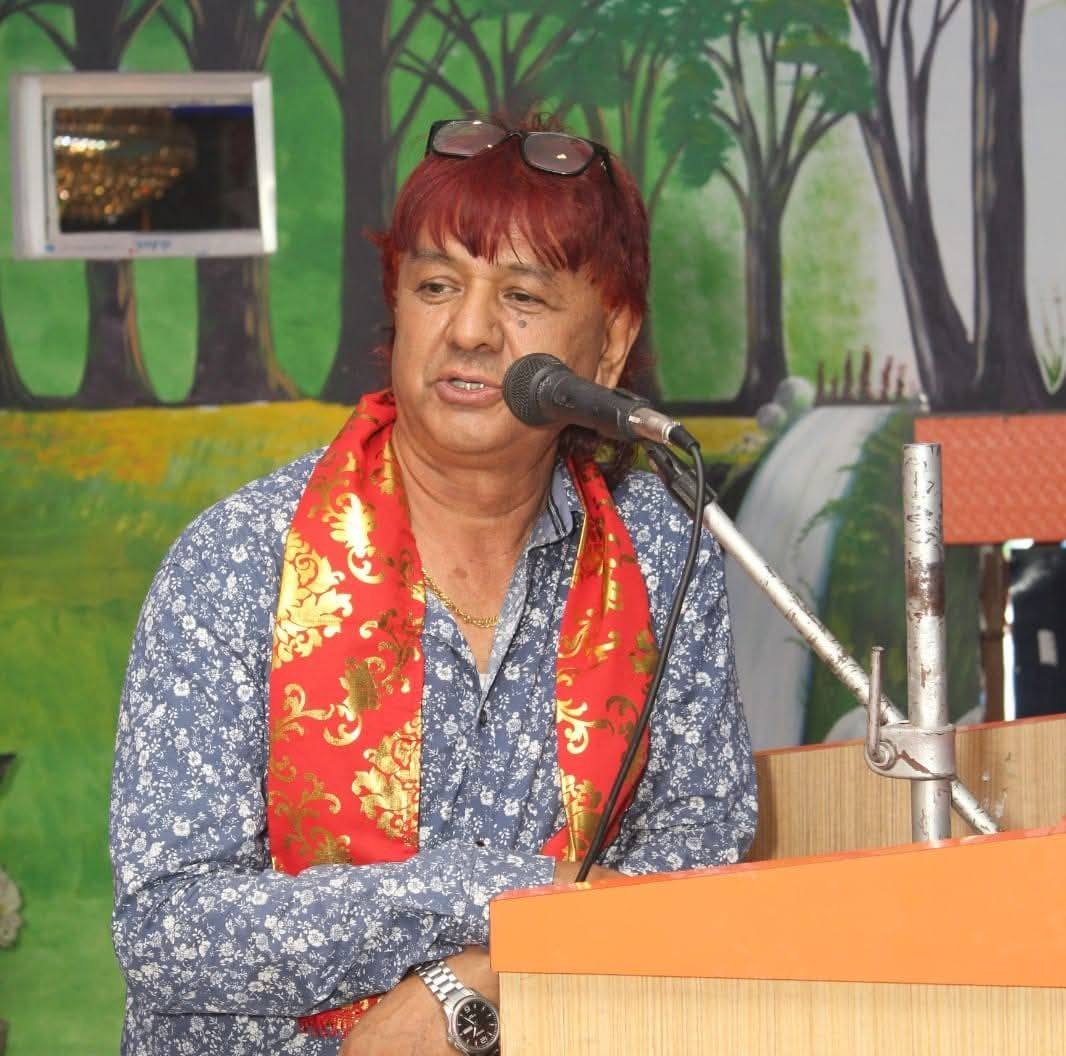
Chiranjibi Basnet is a Nepali film artist active since 1990, known for his wide-ranging contributions as an actor, producer, sound designer, music director, production manager, legal advisor, audiographer, story writer, and co‑cinematographer. He has worked in 26+ films across multiple departments, making him one of the most versatile behind‑the‑scenes contributors in Nepali cinema.
Chiranjibi Basnet
Film Maker/ Producer, Film Artists
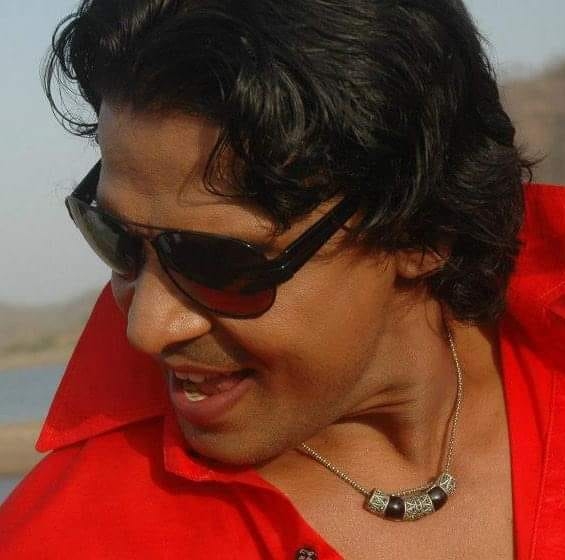
Biraj Bhatta, born Bhojraj Bhatta in Dhangadhi, is one of Nepal’s most commercially successful action actors, celebrated for his commanding screen presence and cross‑industry impact in Nepali, Bhojpuri, and Tharu cinema. Active since the early 2000s, he has appeared in over 200 films, earning the titles “Action Star” and “Action Tiger” for his signature socio‑drama and action roles.He received the National Film Award for Best Actor for Khal Nayak (2008) and remains one of the highest‑paid actors in Nepali film history. His recent work includes directing and starring in the 2024 action‑drama 12 Gaun, which strengthened his reputation as a bankable star and filmmaker.With a career spanning two decades, Biraj continues to shape Nepal’s mainstream action cinema.
Biraj Bhatta
Actor
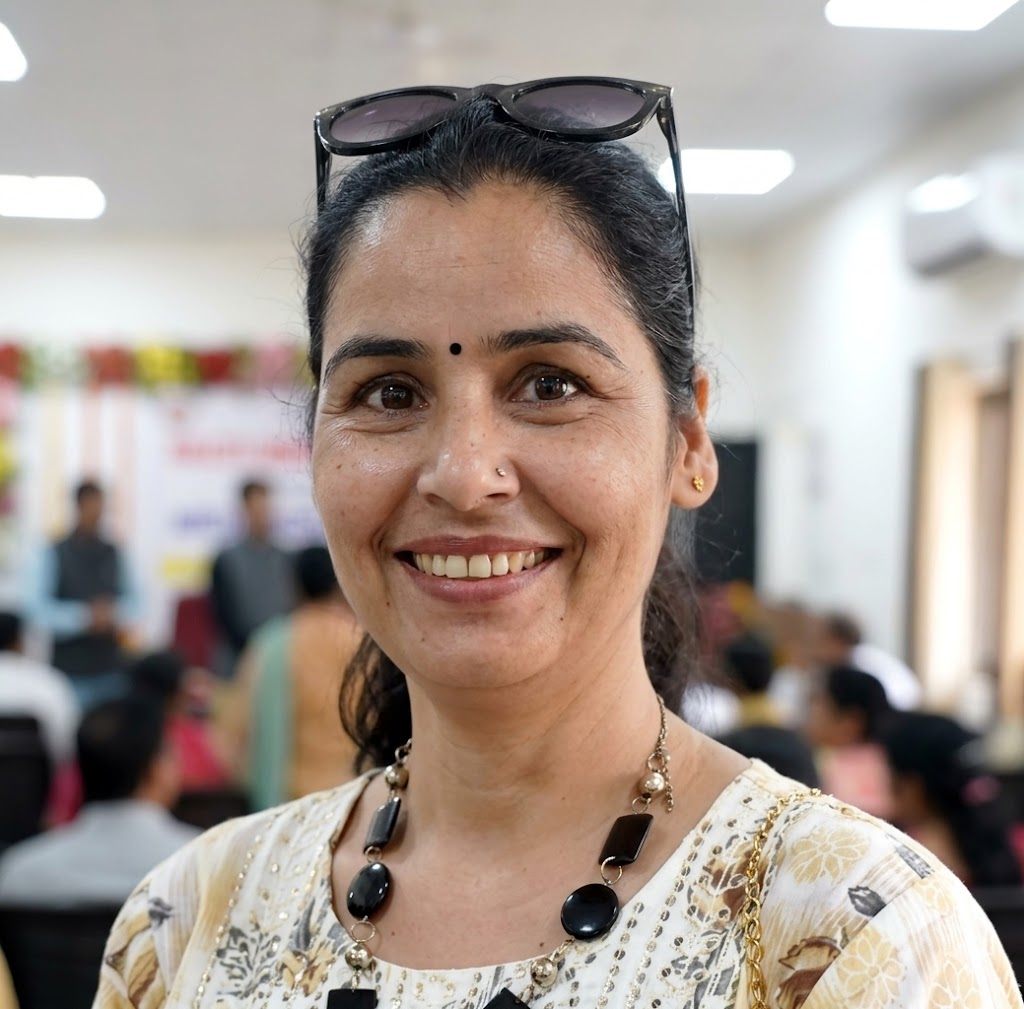
Megha Pokharel (मेघा पोखरेल) is a former Nepali film actress who was active in Nepali cinema during the mid-1990s. She is remembered for her appearances in social and romantic Nepali films and is considered one of the actresses associated with the 1990s generation of Nepali cinema. Although she remained active for a short period, her work in films like Soltini and Sannani helped her gain recognition among audiences of that era.Megha Pokharel appeared in the 1995 Nepali movie Soltini, directed by Arun Kumar Jha. The film featured actors including Lokendra Karki, Ravi Shah, Santosh Panta, Parvati Adhikari, and Chiranjibi Basnet. The movie became one of the notable social-romantic films of its time and introduced Megha Pokharel to mainstream Nepali film audiences.She later appeared in Sannani alongside Saroj Khanal, Hemanta Budhathoki, and Sunil Thapa.Megha Pokharel’s real name is believed to be Bimala Pokharel, while “Megha Pokharel” was used as her screen name during her film career. After the late 1990s, she gradually stayed away from the public film industry, her contribution remains part of the archival history of classic Nepali cinema.
Megha Pokharel
Actress
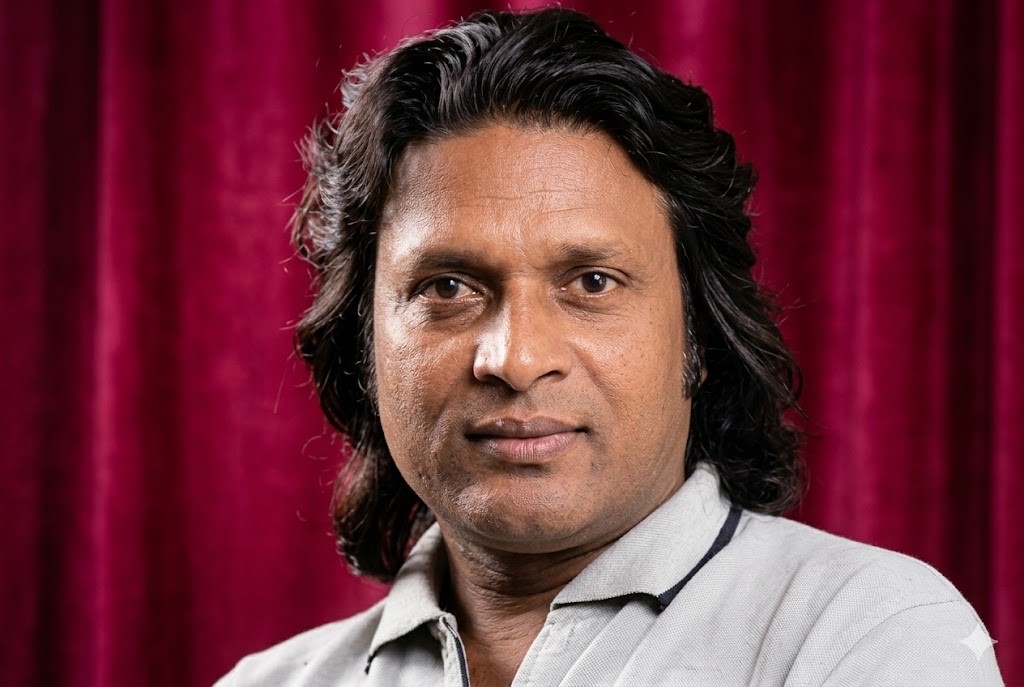
Rajkumar Shah is a veteran Nepali film artist active since 1993, known for his long career in commercial Nepali cinema and his appearance in the 1995 feature film Soltini, where he played a supporting negative character. His work spans more than three decades, with credits in 16+ feature films, including Rakshya (1993), Tuhuro (1994), Soltini (1995), Daijo (1996), Avatar (1997), Ghaite (1997), Sindur Pote (1998), Aafanta (1999), Santanko Maya (2002), and later titles such as Hasideu Ek Phera (2010) and Bindaas 3
Rajkumar Shah
Film Artists

Sangam Bhandari (born 1971) is a Nepali film actor active since 1991, recognized for his steady contribution to Nepali cinema. He began his career with Pariwar (1991) and Sampati (1991), later appearing in Chatyang (1994), Jay Baba Pashupati Nath (1995), and Surakshya (1999). His performance in Muna Madan (2003) strengthened his presence in literary‑adapted films, and he continued his work with Jhingedau (2022), marking over three decades of involvement in the industry.
Sangam Bhandari
Film Artists
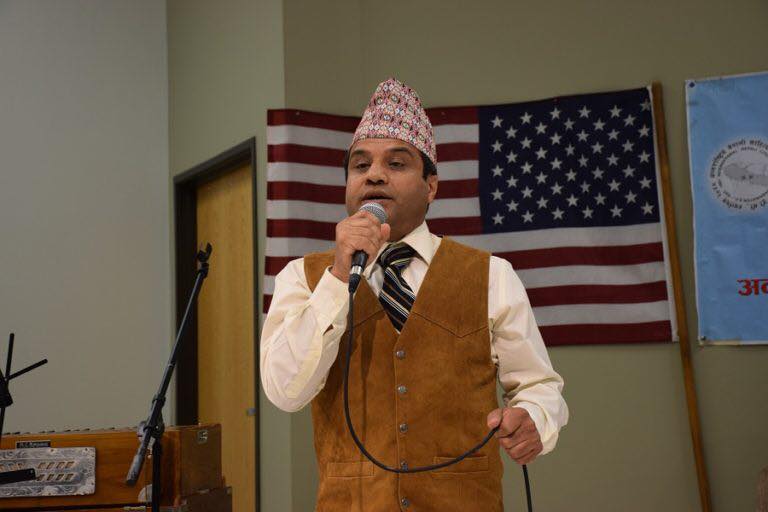
Krishna Murari Dhungel is a Nepali film artist known for his supporting roles in 1990s Nepali cinema, including his appearance in Bhisma Pratigya (1995). Active during the era of ensemble social‑action dramas, he contributed to films featuring leading actors such as Rajesh Hamal, Gauri Malla, Dhiren Shakya, and Neer Bikram Shah. Recognized for his steady presence in character roles, Dhungel remains part of the generation that shaped the classic period of Nepali commercial filmmaking.
Krishna Murari Dhungel
Film Artists
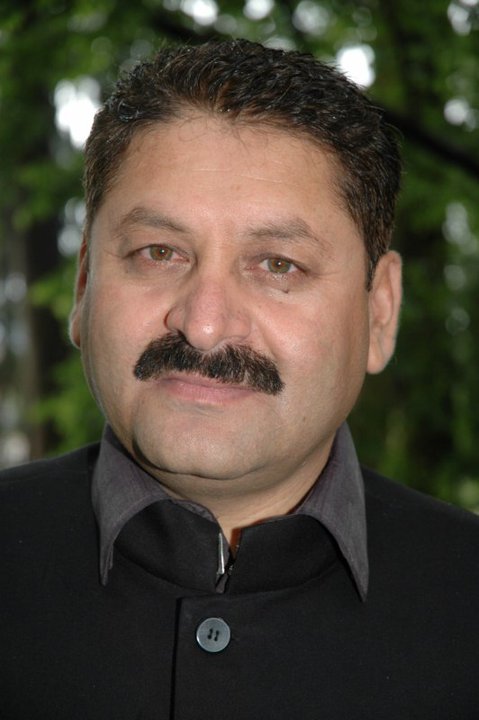
Sabin Bastola is a Nepali film actor and assistant director active since the late 1990s, known for his steady presence across commercial cinema and contemporary social‑themed films. As an actor, he has appeared in projects such as Numbari Sun (2024), Nango Gaun (2023), Chhakka Panja 4 (2023), Mahapurush (2022), and Chha Maya Chhapakkai (2019), while earlier contributing behind the camera as Chief Assistant Director in films like Angalo Angaloma (2000) and Parai Ghar (1998). His career reflects a blend of on‑screen performance and technical craft, making him a versatile contributor to modern Nepali cinema.
Sabin Bastola
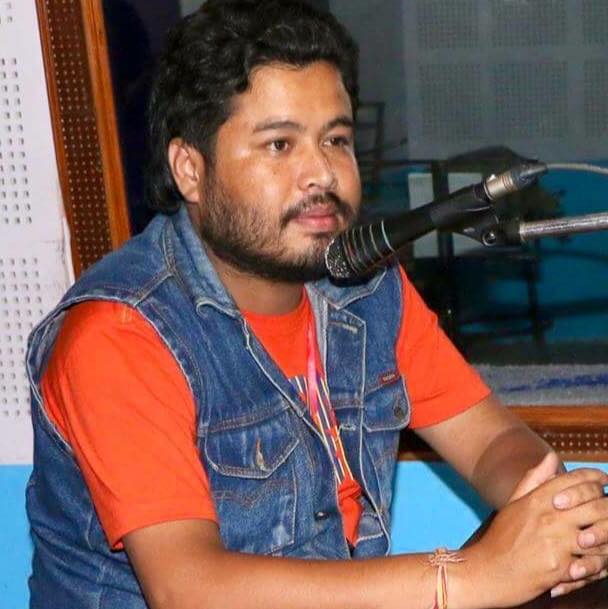
Bikash Chaudhary is a prominent Nepali music director and composer known for his versatile work across films, modern songs, and commercial soundtracks. Active since 2011, he has contributed to more than 25+ Nepali films as a music director, shaping the soundscape of contemporary Nepali cinema with melodic, emotionally resonant, and folk‑influenced compositions. His notable works include Sworga Mero Gau, Panchebaja, Gun Gun, Teenage, Dhanwan, Parcel, Lale, Refugee, Killa, and Yo Katha Ho Timro Mero, among others. His compositions have earned industry recognition, including the Music Khabar Music Award (2015) for Yo Katha Ho Timro Mero.
Bikash Chaudhary
Music Director
Khem Sharma is a Nepali comedian and film artist active since 1992, known for his expressive comic timing and memorable supporting roles across classic and commercial Nepali cinema. Beginning his career in the early ’90s, he appeared in films such as Saugat (1992), Jhajhalko (1994), Ghar Aangan (1997), Karodpati (1997), Dushman (1998), Dharma (1998), Gham Chhaya (1998), Filim (1999), Apsara (2000), Beimani (2001), Yestai Huncha Pirati (2001), and Kanchi Nani (2005), establishing himself as a familiar comedic presence in Nepali films. Alongside acting, he has also contributed professionally as a legal advisor in cinema, including the film Akaal (2014). His long-running involvement in Nepali entertainment, including comedy videos and stage performances, has made him a recognizable figure whose humor, character roles, and industry versatility continue to be appreciated by audiences.
Khem Sharma

Balaram Samal is a Nepali music arranger, singer, and multi‑instrumentalist known for his versatile command over modern, folk, and cinematic sound design. Active since the 2010s, he has arranged music for numerous Nepali songs across digital platforms, collaborating with singers, composers, and studios to craft polished, emotionally rich productions. His work is recognized for blending traditional Nepali melodic textures with contemporary arrangements, supported by his strong musicianship on multiple instruments.
Balaram Samal
Music Arranger

Narayan Thapa is a Nepali singer, composer, and musician known for his expressive sugam and modern vocal style. Born in Sindhuli, he entered the industry with “Chokho Maya Ma” and has since released over 60 songs, including popular tracks like “Aajkalka Muna Madan” and “Timro Aakarshanle.” With albums such as Ajambari, Parivesh, and Aakarshan, he has earned multiple national music awards and recognition for his versatile contributions to Nepali music.
Narayan Thapa
Singer/ Performer
Dhurba Koirala is a Nepali film actor known for his strong screen presence and frequent portrayal of intense, authoritative, and negative‑shade characters across contemporary Nepali cinema. Active since 2012, he has appeared in notable films such as Lanka (2012), Notebook (2013), Kaali (2013), Shoot Out (2014), Gaatho (2016), Rudra (2017), Machha Machha (2019), Babari (2022), A Dhakre Dai (2023), Devwani (2024), and Riyal Ringgit (2025), steadily establishing himself as a reliable character actor. His performances in Hawaldar Suntali earned him nominations and awards in the Best Actor in a Negative Role category, reflecting his command over villainous and complex roles. Alongside acting, he has also contributed as a legal advisor in films such as Bhairav (2015), showcasing his dual professional expertise. With a career spanning more than a decade, Dhurba Koirala remains a respected and consistent presence in Nepali cinema, known for discipline, versatility, and impactful character portrayals.
Dhurba Koirala
Character Artists, Film Artists
Shardda Silwal is a Nepali dance teacher, actor, and former senior dance director known for her long service at the Cultural Corporation (1992–2023). Over three decades, she trained students across multiple schools, specializing in classical, folk, and contemporary Nepali dance. Her work includes stage choreography, cultural program direction, and mentoring young performers who later entered professional arts. Alongside teaching, she has also contributed as an actor, appearing in cultural productions and performance‑based projects.
Shardda Silwal
Dance Choreographer, Film Artists
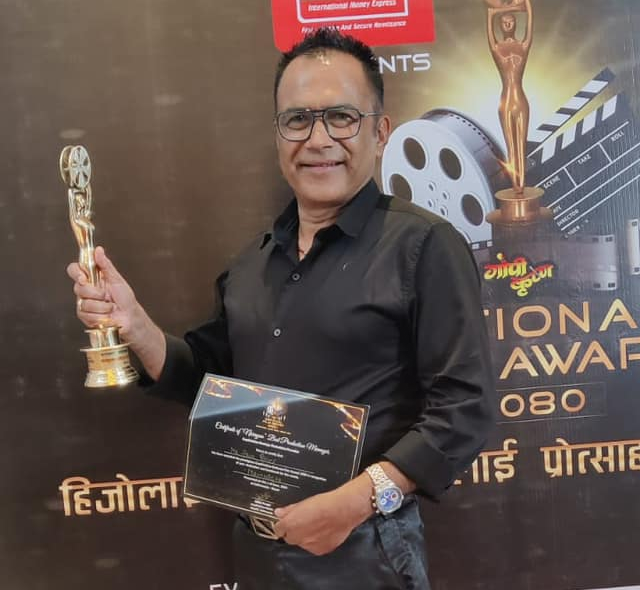
Arun Regmi is a Nepali actor and film professional active since 1996, known for his long-standing contribution to Nepali cinema through both acting and production work. As an actor, he has appeared in notable films such as Darpan Chhaya (2000), Bato Muniko Phul (2010), Rhythm (2013), Zhigrana (2015), Resham Filili (2015), Bhairav (2015), and Rajja Rani (2018), establishing himself as a familiar on‑screen presence across commercial and dramatic genres. Alongside acting, he has built a respected parallel career as a production manager, contributing to major films including Kagbeni, Rato Tika Nidharma, Hajar Juni Samma, Yatra, Rudrapriya, How Funny, and Sungava, earning industry recognition including the Gopikrishna National Film Award for Best Production Manager. Known for his reliability, discipline, and deep understanding of filmmaking logistics, Arun Regmi remains an important figure in Nepali cinema, balancing performance and production with equal professionalism.
Arun Regmi
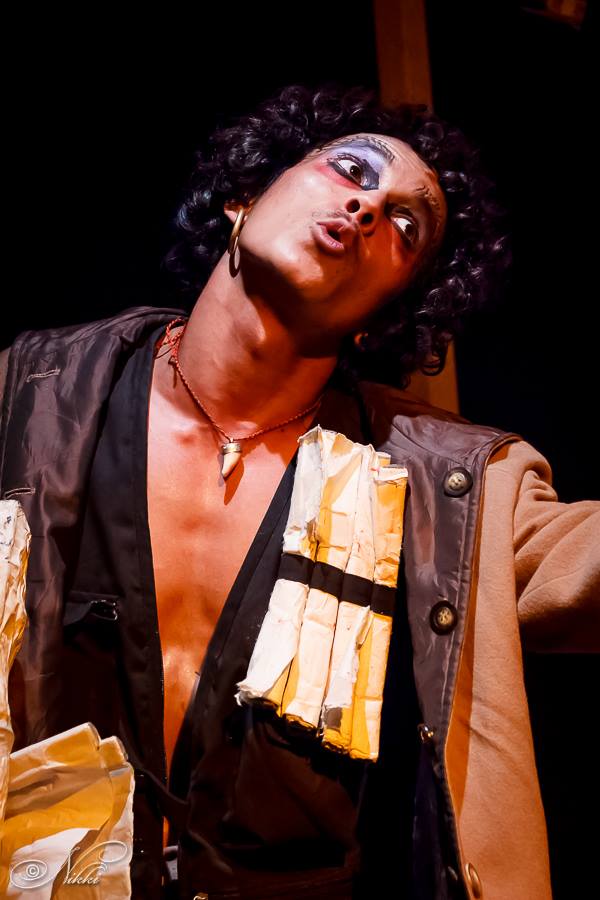
Ankeet Khadka is a Nepali film and theatre artist known for his versatile performances across cinema, television, and stage. A long‑time member of Mandala Theatre, he built his foundation through years of stage work before transitioning to film, earning recognition for his role as Assistant Inspector Kamal Prasad Adhikari in Gham Pani, his debut feature. He has since appeared in acclaimed films and series including Ghampani (2017), Damaru Ko Dandibiyo (2018), Gopi (2019), Basenji (2023), Nango Gaun (2023), and the series Kathmandu Connection (2022), along with roles in Tandavam (2024) and IC 814: The Kandahar Hijack (2024). Known for his grounded acting style, disciplined craft, and strong theatre roots, Ankeet represents a new generation of Nepali performers who bridge stage and screen with equal command, steadily establishing himself as a prominent talent in contemporary Nepali cinema.
Ankeet Khadka

Aasha Poudel is a Nepali and Bhojpuri film actress active since 2008, known for her work across commercial and family‑drama cinema. She began her career with the Nepali film Trinetra (2008) and went on to appear in titles such as Sasu Nanda Bhauju (2010), Daiko Sasurali (2010), Jindagi (2011), Timro Mayama (2012), and Karja Ragatko (2013), establishing herself as a consistent on‑screen performer. Alongside acting, she has also contributed professionally as a legal advisor in films like Tadap (2012), reflecting her dual expertise within the industry. Known for her expressive performances and grounded screen presence, Aasha Poudel continues to work across Nepali and Bhojpuri film circuits, representing a versatile generation of actresses who balance artistic craft with professional discipline.
Aasha Poudel

Uma Giri is a Nepali actress and producer active in the Nepali film industry since 2007, known for her steady contribution to commercial and character‑driven cinema. Originally from Sikkim, she began her artistic journey as a young actor, dancer, and model before moving to Nepal, where veteran filmmaker Tulsi Ghimire introduced her to the film industry. Over the years, Uma has worked across acting and production, building a reputation for discipline, emotional performance, and strong on‑set collaboration. Her industry credibility led to her selection as a jury member for the Dadasaheb Phalke Film Foundation Awards representing Nepal, reflecting her respected standing in the creative community. Active in films, production work, and cultural events, Uma Giri continues to contribute to Nepali cinema with experience, commitment, and a cross‑border artistic background.
Uma Giri
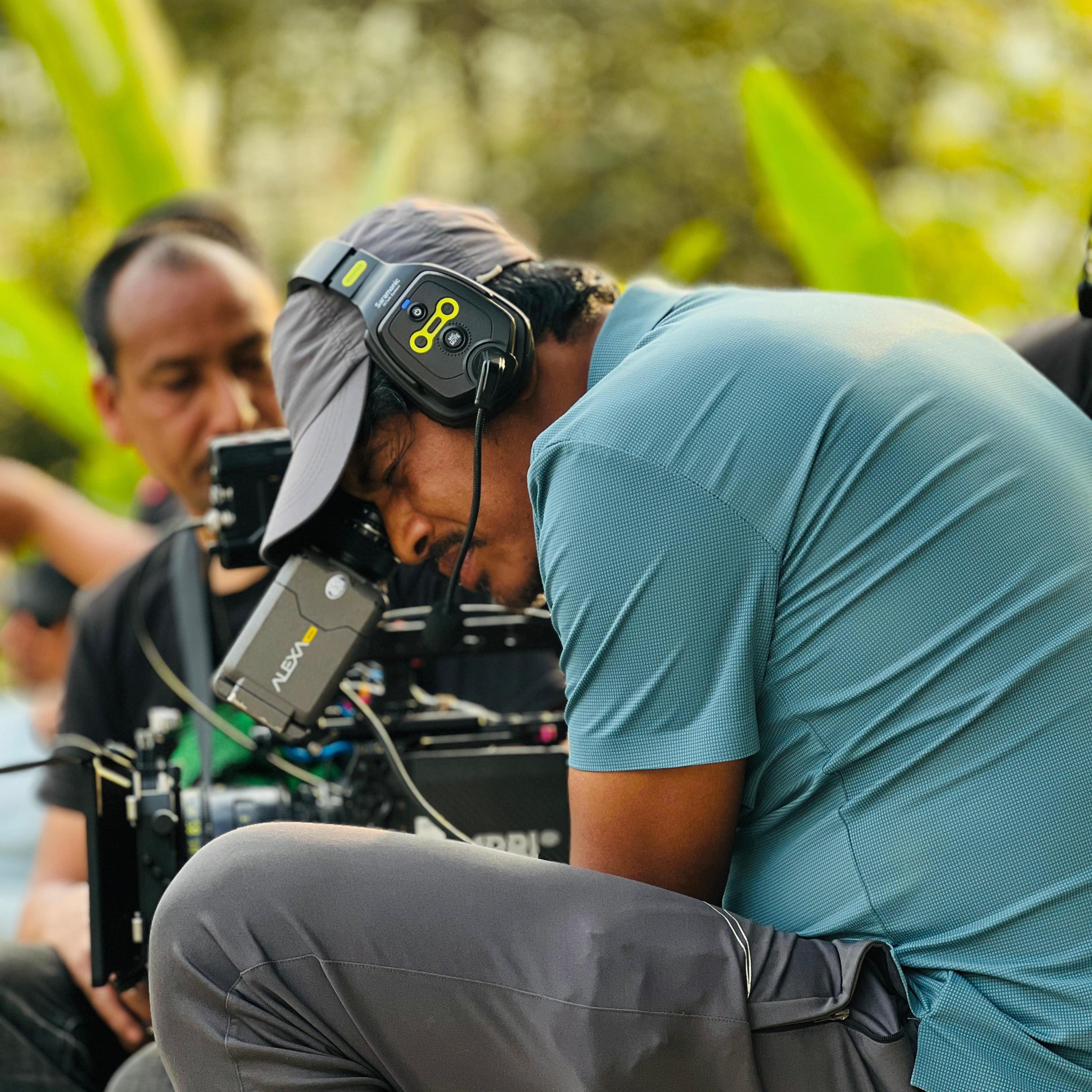
(DOP • Cinematographer • Camera & Electrical Department • Nepali Film Industry) Maan Krishna Maharjan is a Nepali Director of Photography (DOP) and cinematographer known for his work on major Nepali feature films, including Pitaambar (2025), Pradeshi 2 (2023), Prem Geet (2022), Sanglo (2020), Chhakka Panja 3 (2018), Tshering (2018), Rani (2017), and Bato Muniko Phul 2 (2016). Active since 2011, he has contributed to the industry as a cinematographer, media consultant, script analyst, and camera & electrical department specialist, making him one of the most versatile visual technicians in modern Nepali cinema. Known for his clean visual framing, controlled lighting, and emotionally grounded camera language, Maharjan works across commercial blockbusters, romantic dramas, action films, and music videos. His upcoming project Sydney Blues (pre‑production) further expands his portfolio into international‑themed storytelling.
Maan Krishna Maharjan
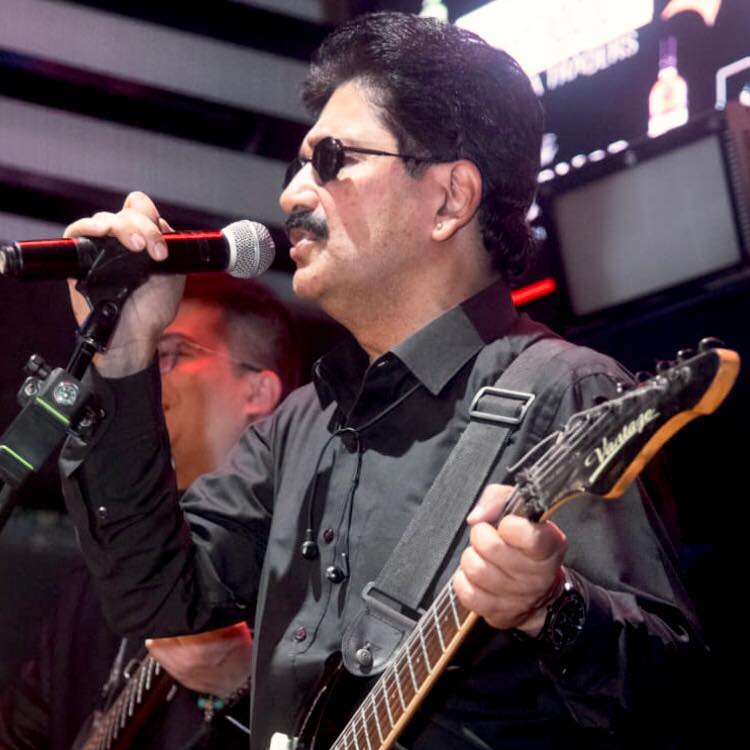
Sunil Upreti is a prominent Nepali pop singer and guitarist whose career emerged in the 1990s, gaining recognition as one of the defining voices of Nepal’s early pop era. He began as the vocalist and guitarist of the Prism Band and later performed with The Legend Band before establishing himself as a solo artist known for his expressive singing style and melodic guitar work. His signature hit “Sagar Jhai Gahiro” became a cultural milestone of the decade, followed by several well‑loved songs that strengthened his presence in the Nepali pop scene. Even after moving abroad, Upreti remained closely connected to Nepali music through interviews, retrospectives, and continued creative engagement, maintaining his influence as both a vocalist and a guitarist within Nepal’s modern pop history.
Sunil Upreti
Guitarist, Singer/ Performer
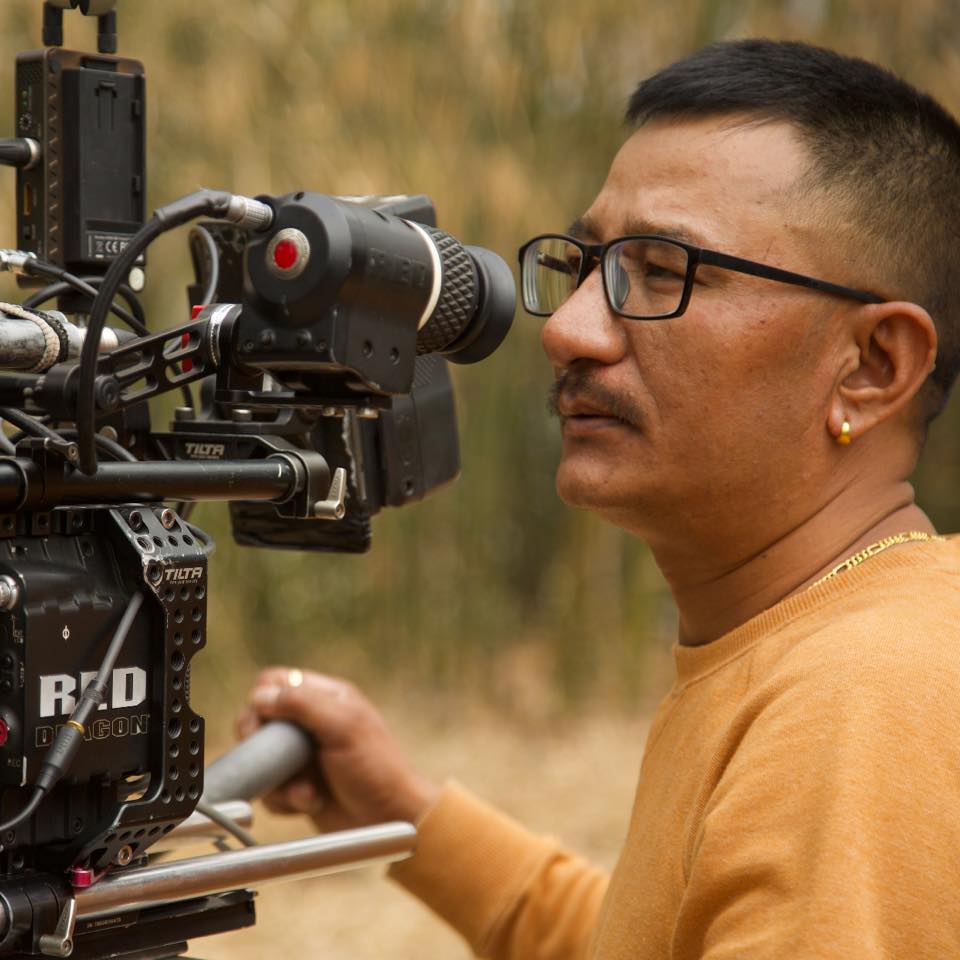
Sher Bahadur Lama is a Nepali cinematographer known for his work on acclaimed feature films such as “Talakjung vs Tulke”, “Chhakka Panja 3”, “Black Dairy”, “Pitambar”, “Thooli”, and “Mutu.” Active since 2007, he has contributed to Nepali cinema in multiple capacities, including cinematographer, script analyst, production manager, assistant cinematographer, operative cinematographer, and light man, building a solid reputation as a technically skilled and dependable visual craftsman. His filmography spans commercial hits and character‑driven dramas, often collaborating with leading directors and choreographers. Credits listed on major Nepali film databases show his involvement in projects like “Jaun Hida Pokhara,” “Teacher,” “Bardaan,” “Agni Jwala,” “Lappan Chhappan 2,” “Hello Jindagi,” and others, reflecting a steady, long‑term presence in the industry.
Sher Bahadur Lama
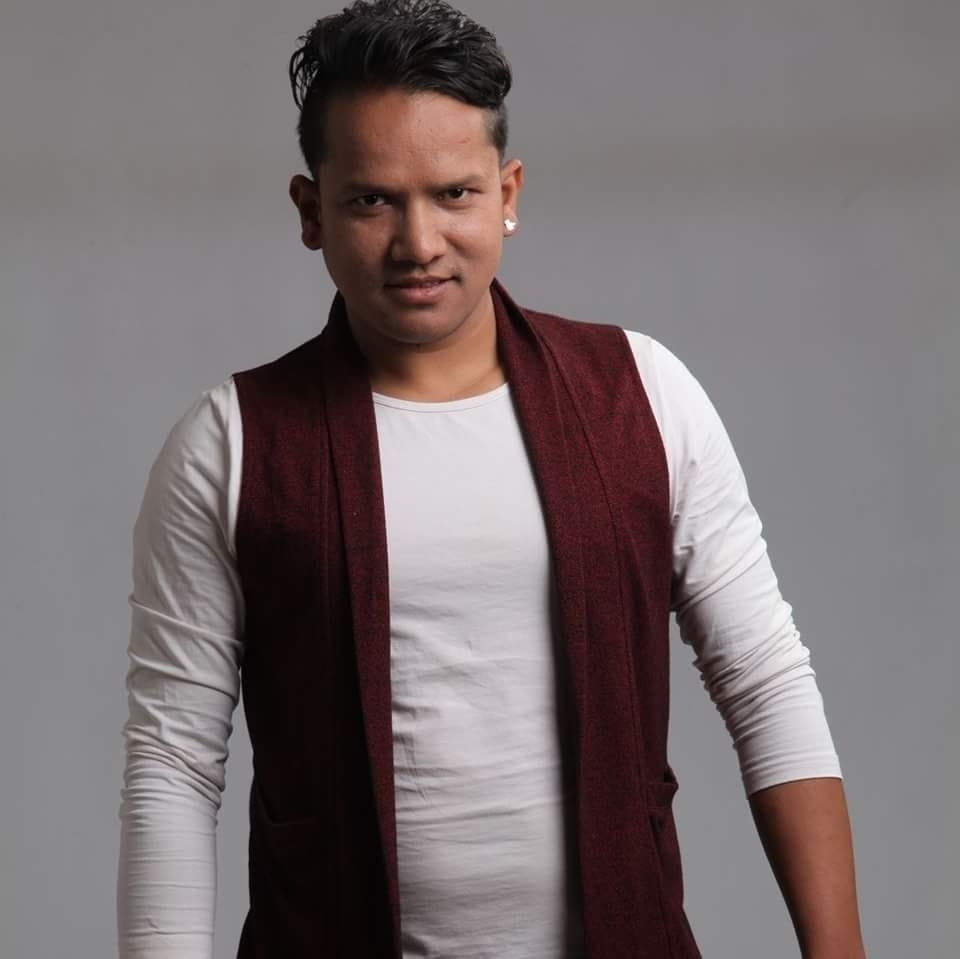
(Film Director • Music Video Director • Choreographer • Founder – Mycall Entertainment House) Mycall Chand (also credited as Michael Chand) is a Nepali film director, music video director, and choreographer who has built his career in the Nepali music‑video industry and is now transitioning into feature films. Active since 2016, he is known for directing numerous Nepali music videos with strong visual pacing, dance‑driven storytelling, and youth‑focused aesthetics. Chand officially announced his feature‑film directorial debut with the contemporary drama “Ram Naam Satya: Behind the Curtain”, produced in both Nepali and Hindi and featuring a high‑profile cast including Biraj Bhatta, Sushil Shrestha, and Sunil Thapa. The film is produced under Mycall Entertainment House, further establishing his identity as a filmmaker expanding from music videos into mainstream cinema.
Mycall Chand
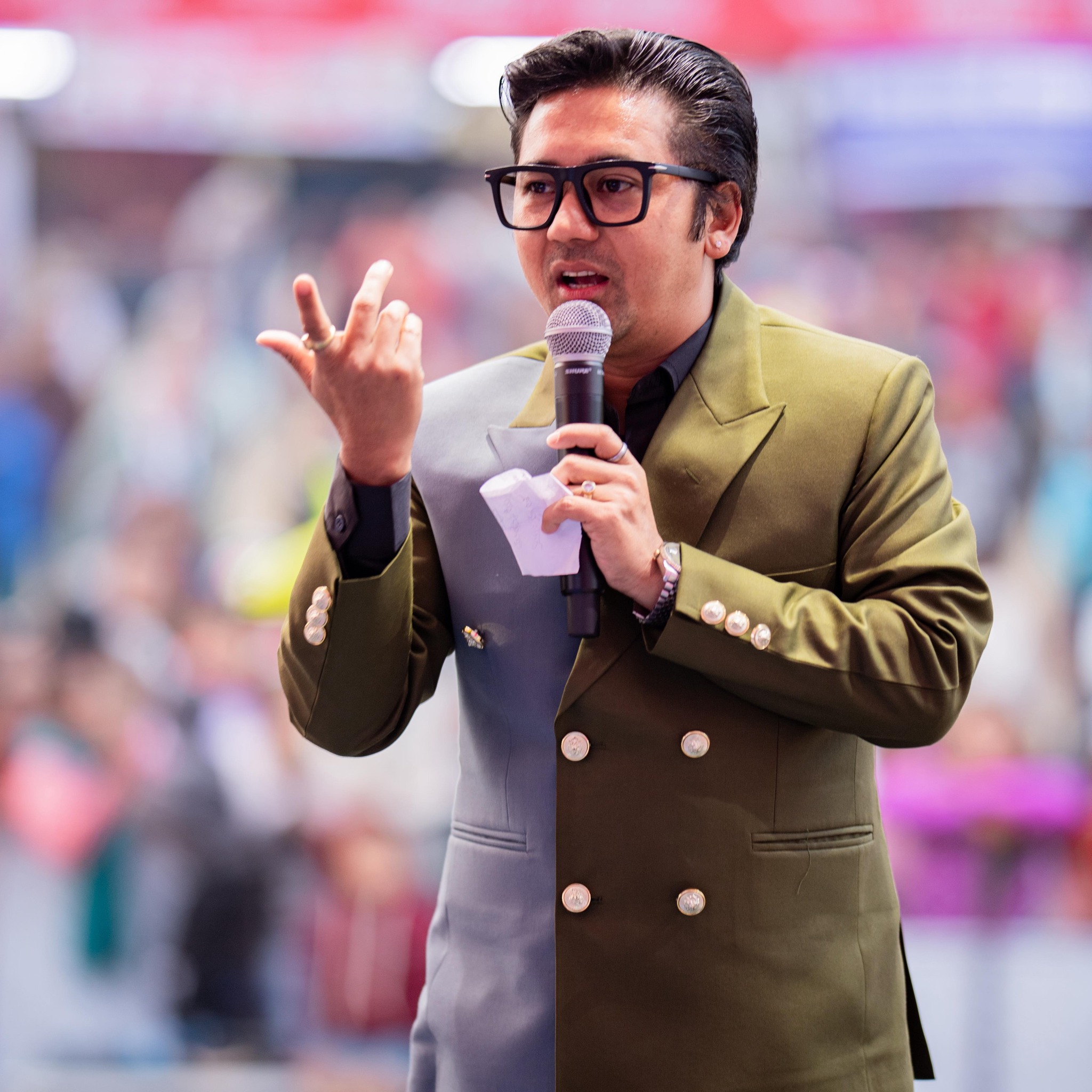
Dinesh Khadka is a Nepali comedian who began his public career as an RJ around 2010/12, developing his voice, timing, and audience connection through radio before stepping onto local stages as a comic performer. He gained early attention by portraying the character “Nakkali Magne Budha,” skillfully echoing the style and rhythm of the original while adding his own improvisation to make audiences laugh. Known for his sharp mimicry, he can naturally reproduce the voices of many artists, public figures, and political leaders, which became one of his strongest comedic signatures. From radio studios to community festivals, and from small local shows to larger platforms, he gradually built his presence through steady struggle and consistent performance. His journey expanded further as he appeared in programs like Mundreko Comedy Club, Nepali films, and Comedy Darbar, where his expressive acting, character humor, and vocal versatility helped him establish himself as a rising national‑level comedian. His career reflects a long path of persistence.
Dinesh Khadka
Comedian Artists

Chanda Dewan is a Nepali singer recognized for her smooth, soft‑melodic and folk‑influenced vocal style. Her musical journey began with the debut album Nilo Akash, which introduced her expressive tone and emotional delivery. She later released Chanda and Jham Jhame Maya, expanding her presence in modern Nepali music. Active in studio recordings, live shows, and collaborative projects, Dewan continues to shape contemporary Nepali melodies with her warm voice and versatile performance style.
Chanda Dewan
Singer/ Performer
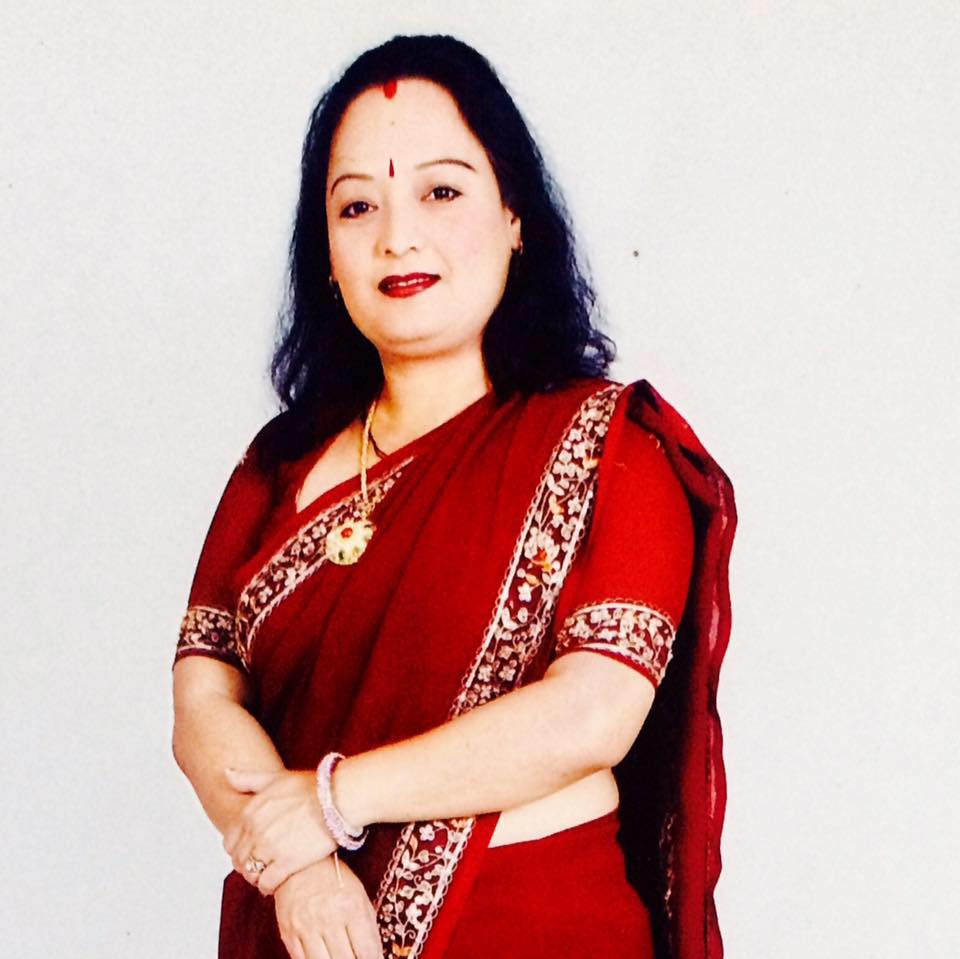
Ramana Shrestha is a Nepali playback singer known for her expressive, melodious voice that became a defining presence in the popular film‑song era of the 2050s. As cinema halls promoted films through hit songs, her vocals played a central role in shaping audience appeal and elevating the emotional tone of Nepali films. Her duets and playback performances became staples of the period, contributing to some of the most memorable soundtracks of the decade.She rose to prominence through collaborations with leading composers and singers of the time, most notably her celebrated duets with Umesh Pandey. Together, they delivered evergreen hits such as “Rato Tika Nidharma Talkyo…”, a song that remains deeply rooted in Nepali musical memory. Her voice also enriched major film projects, including Nirmaya, Allare, and several other productions where her tonal clarity and emotive delivery stood out.Throughout the 2050s, Ramana Shrestha became one of the most recognized female playback voices, contributing to numerous film soundtracks that continue to resonate with audiences today. Her work represents a significant chapter in the golden era of Nepali film music, marking her as one of the era’s defining playback artists.
Ramana Shrestha
Singer/ Performer

Sita Gurung is a former Nepali stage dancer and film actress. During the mid-1990s, she was actively involved in cultural and comedy programs organized by the legendary Maha Jodi and performed in Nepal as well as abroad, including Hong Kong. She was also a featured dance performer in the popular touring stage show Shikhar Sanjh, which traveled to various parts of the country and attracted large audiences.Building on her success as a stage performer, Sita Gurung later entered the Nepali film industry and appeared in movies such as Aaghat (1996) and Daiva Sanjog (1998). Although there is little evidence of her continued involvement in the entertainment industry today, her beauty, talent, and stage presence left a lasting impression on the Nepali artistic scene of her era.
Sita Gurung
Dancer, Film Artists

Jalu Gurung is a Nepali singer and dancer known for her contributions to Nepali folk music and stage performances. Through her involvement in cultural programs, folk music recordings, and live stage shows, she established herself as a versatile performer who skillfully combined singing and dancing.She has been associated with the Nepal Purba Prahari Kalakar Sangh (Nepal Ex-Police Artists Association), contributing to various cultural and musical activities organized by the institution. Over the years, she has performed numerous folk and traditional songs, some of which are available on digital platforms including YouTube, helping preserve and promote Nepal's rich musical heritage.
Jalu Gurung
Folk Singer, Singer/ Performer

(Director • Reality Show Creator • Music Video Director • TVC Filmmaker) Aleen Shrestha is a Nepali director and visual creator known for his work across reality shows, music videos, and television commercials. Active in Nepal’s media industry for more than a decade, he has built a reputation for clean visual storytelling, sharp pacing, and a strong command of performance‑driven direction. Shrestha has directed multiple reality‑show formats, working closely with production houses to shape episodes, contestant arcs, and studio‑based storytelling. In the music industry, he is recognized for crafting high‑engagement Nepali music videos, blending cinematic visuals with youth‑focused aesthetics. His TVC work spans brand films, corporate ads, and promotional campaigns, known for clarity, emotional appeal, and polished execution.
Aleen Shrestha

(Music Producer • Music Arranger • Composer • Programmer) Uday Raj Poudel is a Nepali music producer, arranger, and composer known for his work across commercial Nepali songs, film soundtracks, and digital releases. Active since 2017, he has arranged and composed several popular tracks including “Kathmandu Bazar,” “Tehi Gori,” “Chitikka,” “Pahilo Pahilo,” and “Parda Parda.” His clean arrangement style, rhythmic clarity, and modern pop‑fusion sensibility have made him a rising figure in Nepal’s contemporary music scene. Poudel is also credited as a music arranger for the Nepali feature film A Mero Hajur 3 (2019), marking his entry into mainstream cinema. His work spans pop, folk‑fusion, electronic, and cinematic textures, and he is frequently featured on major Nepali music platforms and labels.
Uday Raj Poudel

Tulsa Silwal is a Nepali actress who emerged around 1995 and became known for her glamorous yet natural on‑screen presence, representing a new wave of actresses who brought ease, confidence, and modern styling into Nepali cinema during the late 90s. Active for nearly a decade, she appeared in feature films, television serials, often portraying youthful, expressive, and fashion‑forward characters that resonated with urban audiences of the time.Her career reflected the transitional phase of Nepali cinema, when glamour, music‑driven storytelling, and modern character portrayals were gaining popularity. Tulsa’s screen appeal, camera comfort, and effortless performance style made her a recognizable face of that era. After several years of steady work, she gradually stepped away from the film industry, maintaining a low public profile while her earlier performances continued to be remembered by fans of 90s Nepali films.
Tulsa Silwal
Actress
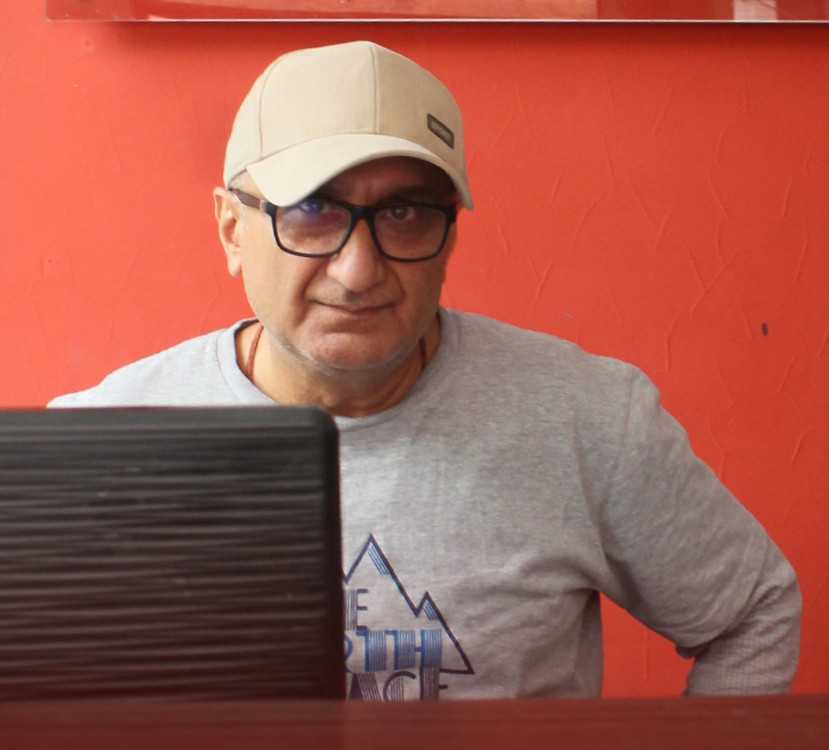
(Writer • Director • Producer • Creator of the Nai Nabhannu La Franchise) Bikash Raj Acharya (born April 7, 1962) is one of Nepal’s most commercially successful film directors, writers, and producers, best known for creating the blockbuster Nai Nabhannu La franchise — one of the highest‑earning and longest‑running series in Nepali cinema. Active since the mid‑1990s, Acharya has shaped mainstream Nepali film through emotional storytelling, family‑drama narratives, and youth‑centric romantic films. His work spans more than 40+ films, with credits across direction, story, screenplay, dialogue, lyrics, and production, making him one of the most versatile creators in the industry.
Bikash Raj Acharya
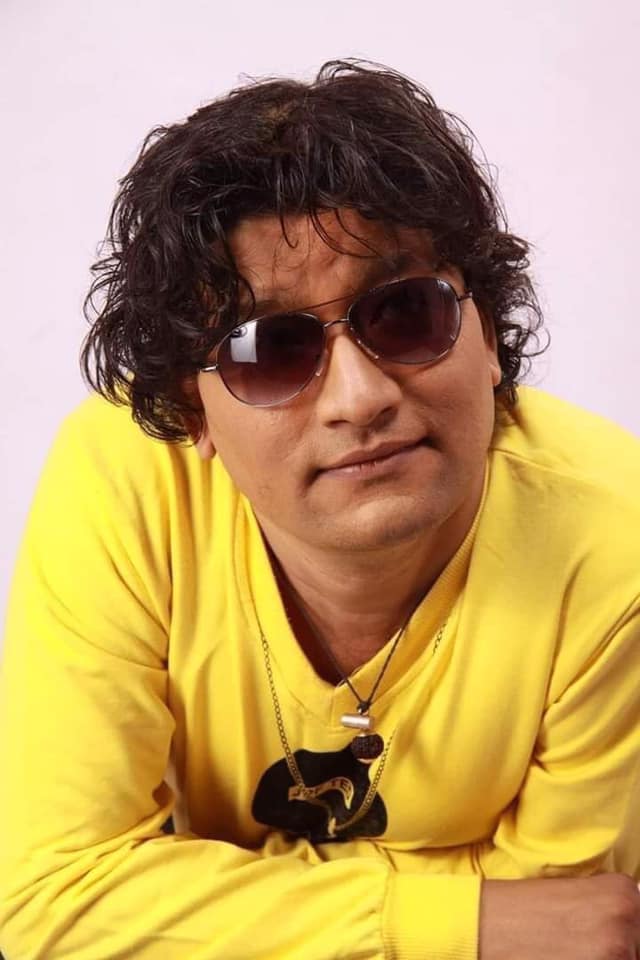
(Music Arranger • Composer • Studio Founder • Nepali Adhunik/Pop Music Producer) Biju Bajra is a respected Nepali music arranger, composer, and studio producer known for shaping the sound of modern Nepali pop and adhunik music. As the founder of Bajra Creation Records, one of Kathmandu’s long‑running recording studios, he played a key role in producing and arranging songs for major Nepali artists across multiple generations. His studio became a creative hub for singers, composers, and filmmakers seeking high‑quality audio production, and today it continues under the leadership of his son Kobid Bazra. Biju Bajra’s musical signature blends emotional melody lines with clean, expressive arrangements. His work includes collaborations with top vocalists and contributions to popular songs such as “Bistarai Chayo” (music by Biju Bajra), performed by Karna Das, which remains one of the most‑viewed lyrical videos in the Nepali digital space. He has also arranged and produced tracks featured on platforms like TunesNepal, where his credits include songs such as Sanu Mayale, Jhajhalko Ma, Ma Eklo, and others.
Biju Bajra
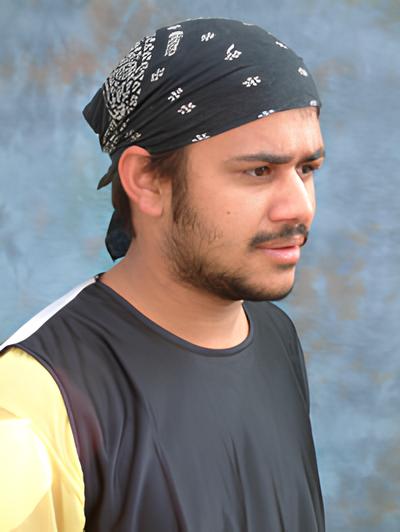
(King of Nepali Pop • Singer‑Songwriter • Cultural Icon) Cool Pokharel (Kul Prasad Pokhrel) (September 21, 1981 – October 4, 2004) was one of the most influential figures in modern Nepali pop music. Widely known as the “King of Nepali Pop”, he helped define the early‑2000s soundscape with his emotional voice, youthful themes, and genre‑blending pop/folk compositions. Born in Sunwal City, Nawalparasi, he began singing at age 11 and quickly emerged as a generational voice whose songs still dominate Nepali playlists, radio rotations, and digital platforms. His breakout hit “Sun Meri Mayalu” became a nationwide sensation, launching him into mainstream stardom and leading to collaborations with the hip‑hop group The Unity, which expanded his musical reach. Despite his short life, Cool Pokharel’s influence remains unmatched in Nepali pop culture.
Cool Pokharel
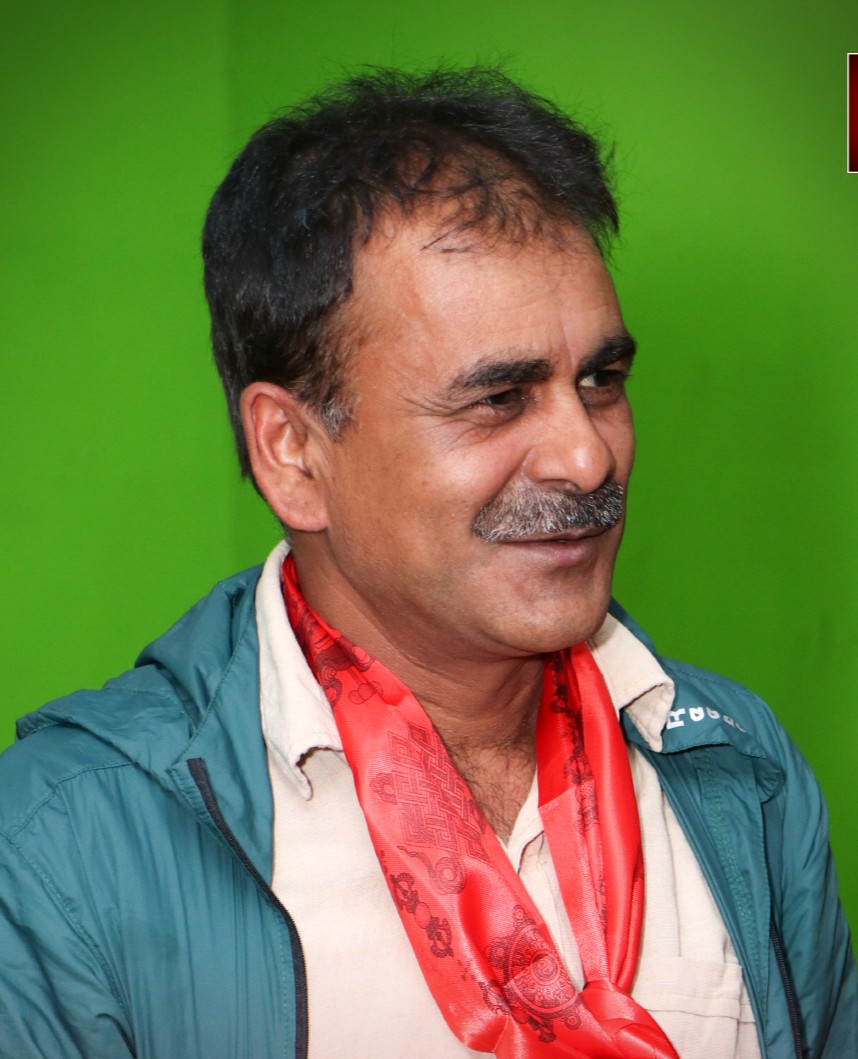
(Cinematographer • Director of Photography • Visual Storyteller) Dibya Raj Subedi is a Nepali cinematographer known for his versatile camera work across feature films, music videos, and commercial productions. Active since 1997, he has built a steady career moving through the full technical ladder—starting as a spot sound technician, then assistant cinematographer, co‑cinematographer, and eventually becoming a full‑fledged Director of Photography. His work is recognized for clean framing, naturalistic lighting, and a grounded visual style that supports emotional storytelling. Subedi’s most recent and high‑visibility credit is as the cinematographer for the 2025 feature film Cetamol, which has positioned him among the new‑generation DOPs gaining traction in Nepali cinema.
Dibya Raj Subedi

Kiran D.C. is a former Nepali film actress who was active in the Nepali film industry during the 1990s. She appeared in several Nepali motion pictures and was among the actresses contributing to the growth of Nepal's cinema industry during that period.Available film archives and cast records identify her as a performer in films such as Soon Chandi (1996) and Chandal (1998). Through her screen appearances, she became part of an era that helped shape modern Nepali cinema.Although detailed information about her personal life, early background, and career journey remains limited in publicly available sources, her work in Nepali films of the 1990s continues to be preserved through film archives and historical records. As one of the actresses associated with that generation of Nepali cinema, Kiran D.C. remains a recognizable name among enthusiasts of classic Nepali films
Kiran D.C.
Film Artists
Nista Malla (Shrestha)
Film Artists
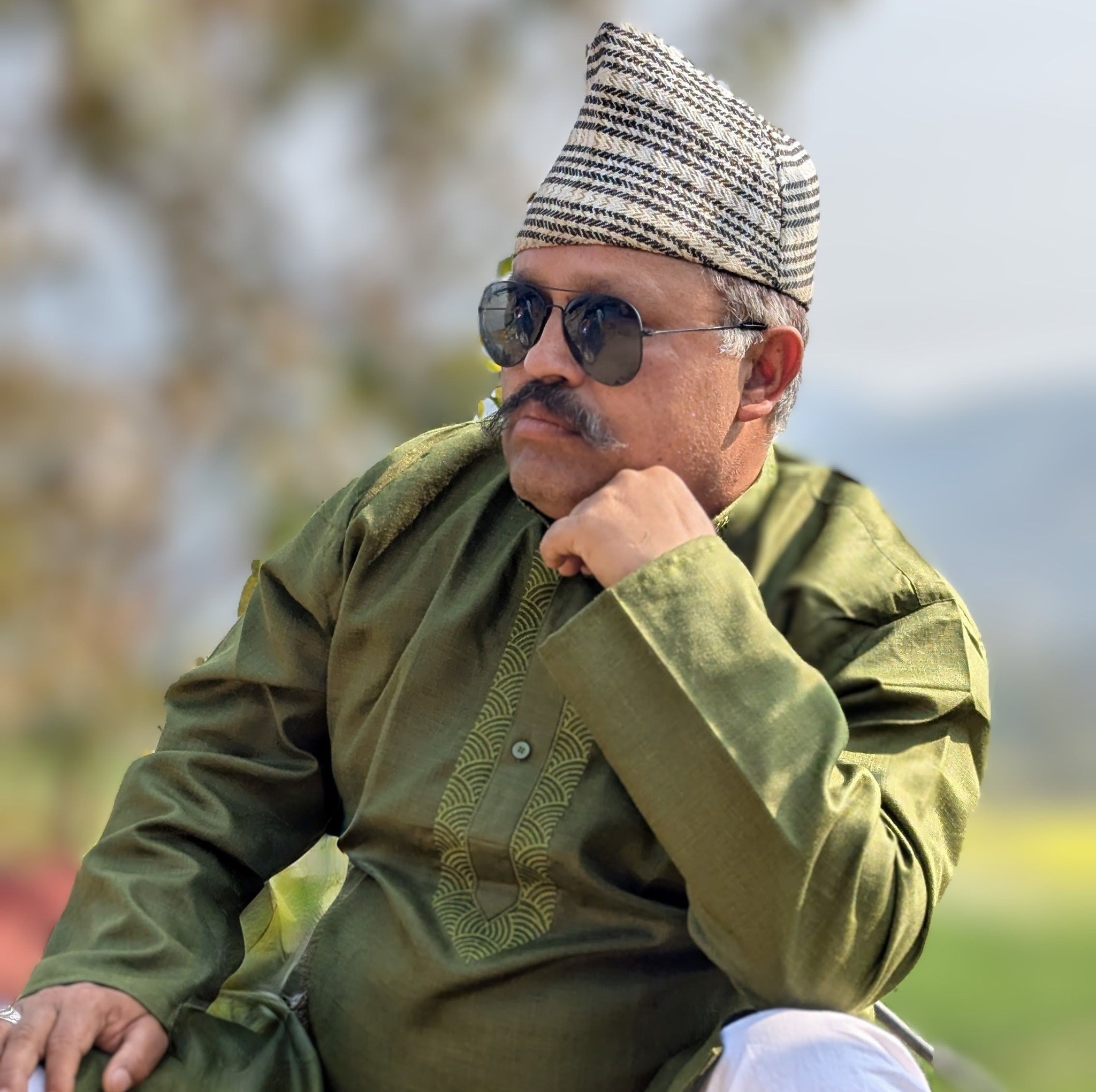
(Actor • Comedian • Writer • Director • Television & Film Artist) Kishor Bhandari, popularly known as “Dittha Sab”, is one of Nepal’s most beloved comedians and character actors, recognized for his long‑running impact on Nepali television and cinema. He rose to national fame through the hit comedy serial Dittha Sab, aired on Kantipur Television, where his portrayal of a witty, outspoken village character became a cultural phenomenon. A versatile performer, Bhandari has worked as an actor, comedian, scriptwriter, and director, contributing to both films and serials. He has directed the feature film Changa and continues to create and act in popular comedy series such as Harke Hawaldar and the 2025–2026 serial Adda / Adda Kachahari. Beyond entertainment, he is also active in public service—elected as a Ward Member of Tarkeshwor Municipality‑2, Kathmandu in 2022, representing the Nepali Congress
Kishor Bhandari
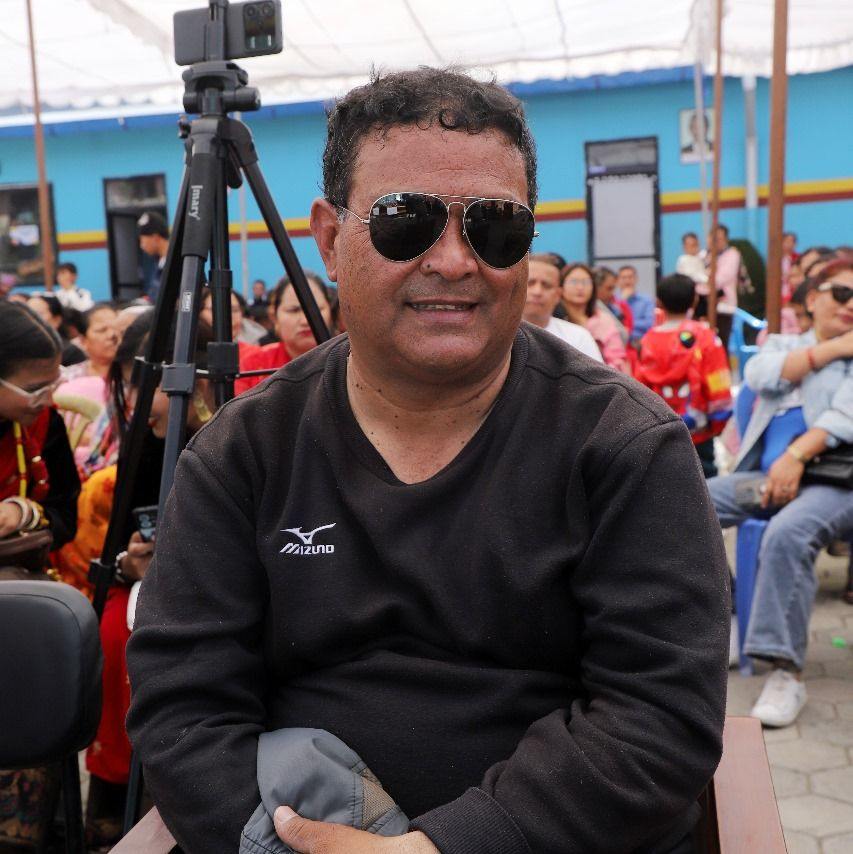
(Film Actor • Character Artist • Chief Assistant Director • Nepal Bhasa & Nepali Cinema Contributor) Krishna Bhakta Maharjan is a Nepali film actor and chief assistant director active since 2014, known for his naturalistic performances in both mainstream Nepali films and Nepal Bhasa cinema. He gained recognition through roles in acclaimed films such as Pashupati Prasad (2016), where he played the memorable Gold Shop Owner, and Suntali (2014) as Bishnu. His work spans social dramas, dark comedies, and urban‑realist storytelling, making him a reliable character artist in modern Nepali cinema. Beyond acting, Maharjan has contributed behind the camera as a Chief Assistant Director, notably in World Cup in Nepal (2014), reflecting his technical understanding of filmmaking. He continues to appear in both Nepali and Nepal Bhasa films, including Karma (2022) and Aankha (2024), expanding his presence across diverse storytelling traditions.
Krishna Bhakta Maharjan
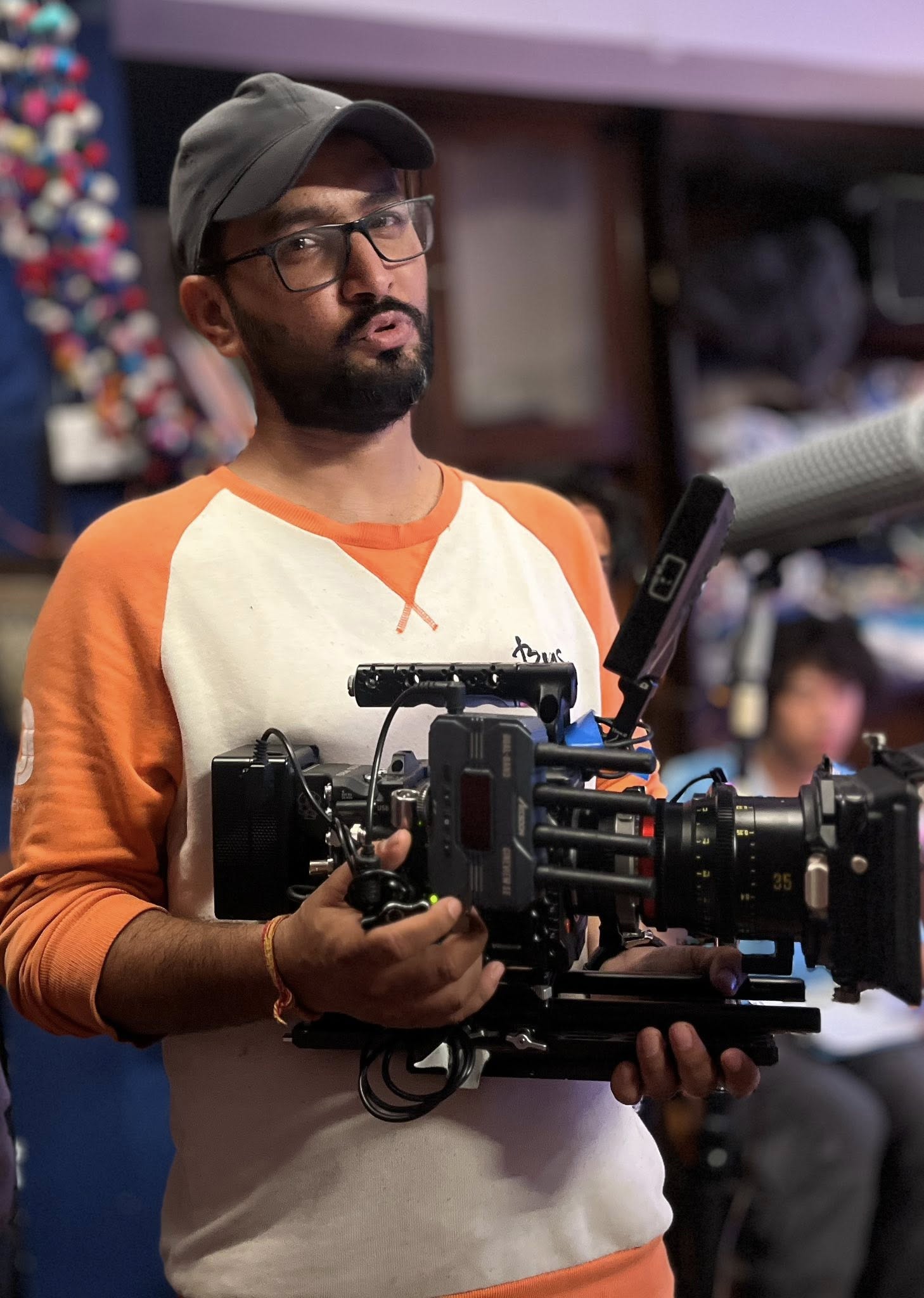
(Cinematographer • DOP • AFA Fellow • Nepali Independent & Festival‑Circuit Filmmaker) Robin Sharma Dahal is a Nepali cinematographer known for his visually expressive work in independent films, festival shorts, and emerging Nepali cinema. Born on 5 September 1989 in Patan, Lalitpur, he studied Motion Picture Photography at Oscar International College, graduating in 2013. He began his career assisting senior DOP Narendra Mainali, working on films such as Mukhauta and Gattho. In 2015, Dahal earned a prestigious Asian Film Academy (AFA) Fellowship in Busan, South Korea, where he co‑shot the short film Meet Sohee, which premiered at the Busan International Film Festival (BIFF). He is best known for cinematography in acclaimed shorts and indie films including Lachhamaniya (2017), Halkara (2014), To the North (2020), and Wheels on the Bus (2022). His work is noted for naturalistic lighting, intimate framing, and emotionally grounded visual storytelling. Dahal currently works as a freelance cinematographer based in Kathmandu, collaborating on narrative films, festival projects, and commercial visual work.
Robin Sharma Dahal
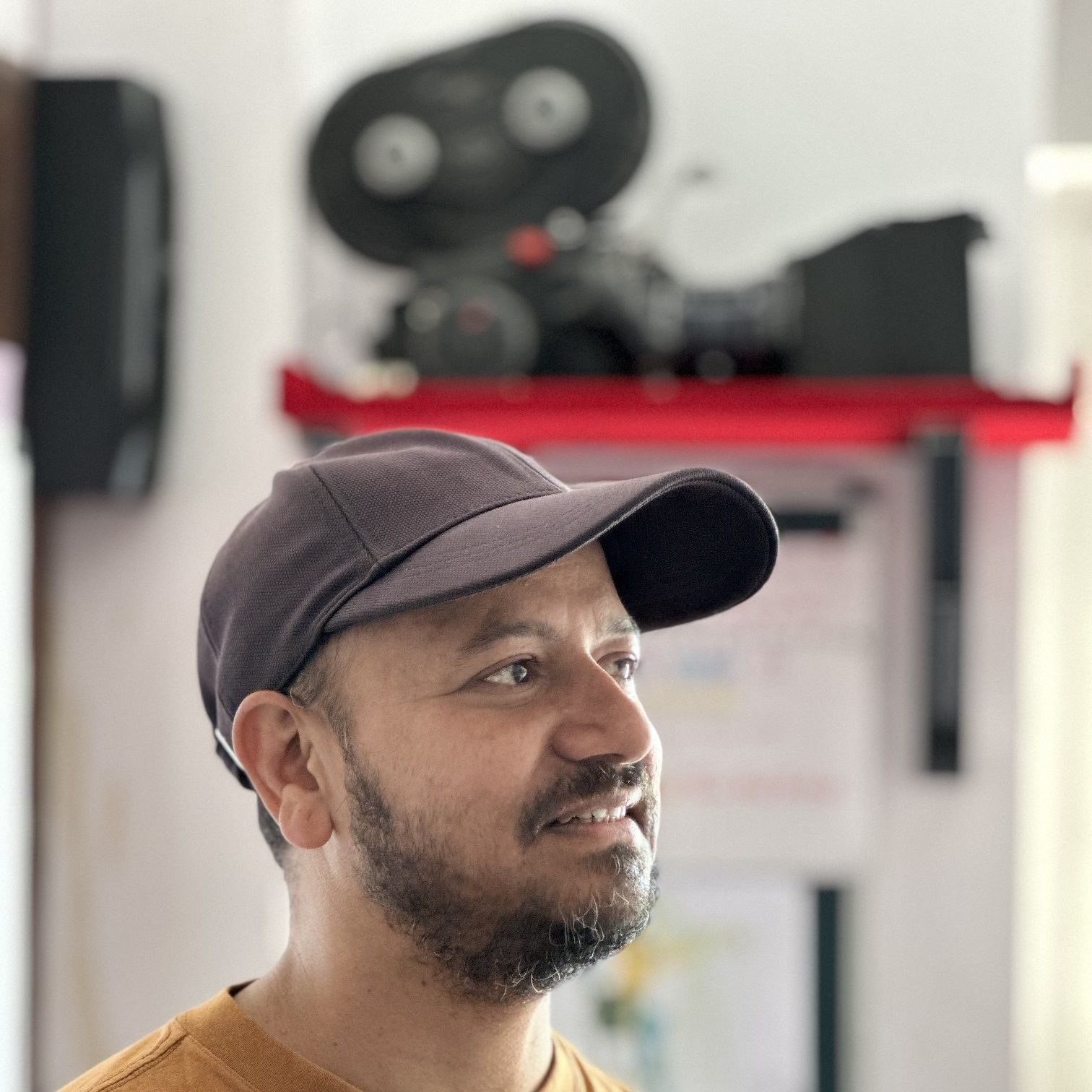
(Author • Screenwriter • Story Writer • Dialogue Writer • Nepali Film Industry Creator) Abhimanyu Nirabi is a Nepali author, screenwriter, and story/dialogue writer active in the film industry since 2007, known for crafting some of the most successful commercial screenplays of the last decade. His writing spans feature films, comedy franchises, social dramas, and contemporary urban stories, making him one of the most versatile storytellers in modern Nepali cinema. He is best known for writing major hits such as Chhakka Panja (2016), Chhakka Panja 2 (2017), Aincho Paincho (2023), Harry Ki Pyari (2023), and the upcoming films Pitaambar (2025) and Aa Bata Aama (2025). His work blends humor, social commentary, emotional arcs, and mass‑appeal storytelling.
Abhimanyu Nirabi
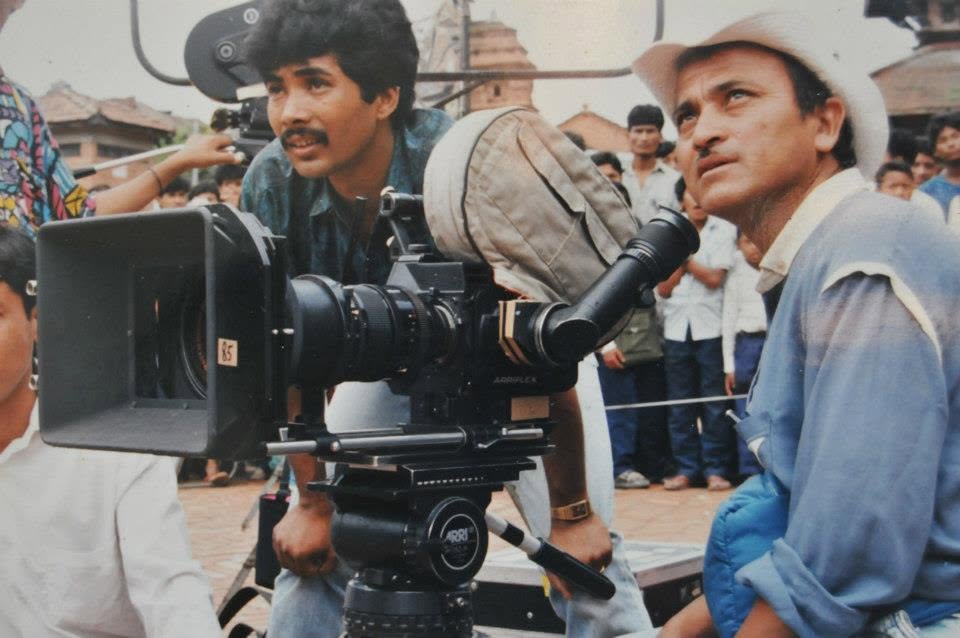
Narendra Pradhan is a Nepali cinematographer and freelance visual artist known for his work across feature films, independent projects, and photography. Active since the early 1990s, he has contributed to Nepali cinema through a grounded visual style shaped by practical lighting, clean framing, and narrative-focused camerawork. His film credits include Arpan (1993) as script analyst and cinematographer roles in Aama Ko Maya (1996), Sakkali Nakkali (1996), Bandhan (1997), and Mato Bolcha (1999), reflecting his presence during a formative era of modern Nepali filmmaking.Alongside film work, Pradhan has built a parallel career as a freelance cinematographer and photographer, working on diverse visual assignments ranging from documentaries and music videos to still photography. His adaptability and hands-on technical approach have made him a reliable creative collaborator for directors seeking naturalistic, story-driven imagery.Recognized for his steady contribution across decades, Narendra Pradhan remains part of the generation that strengthened Nepali cinema’s visual identity through disciplined craft and quiet consistency.
Narendra Pradhan
Cinematographer
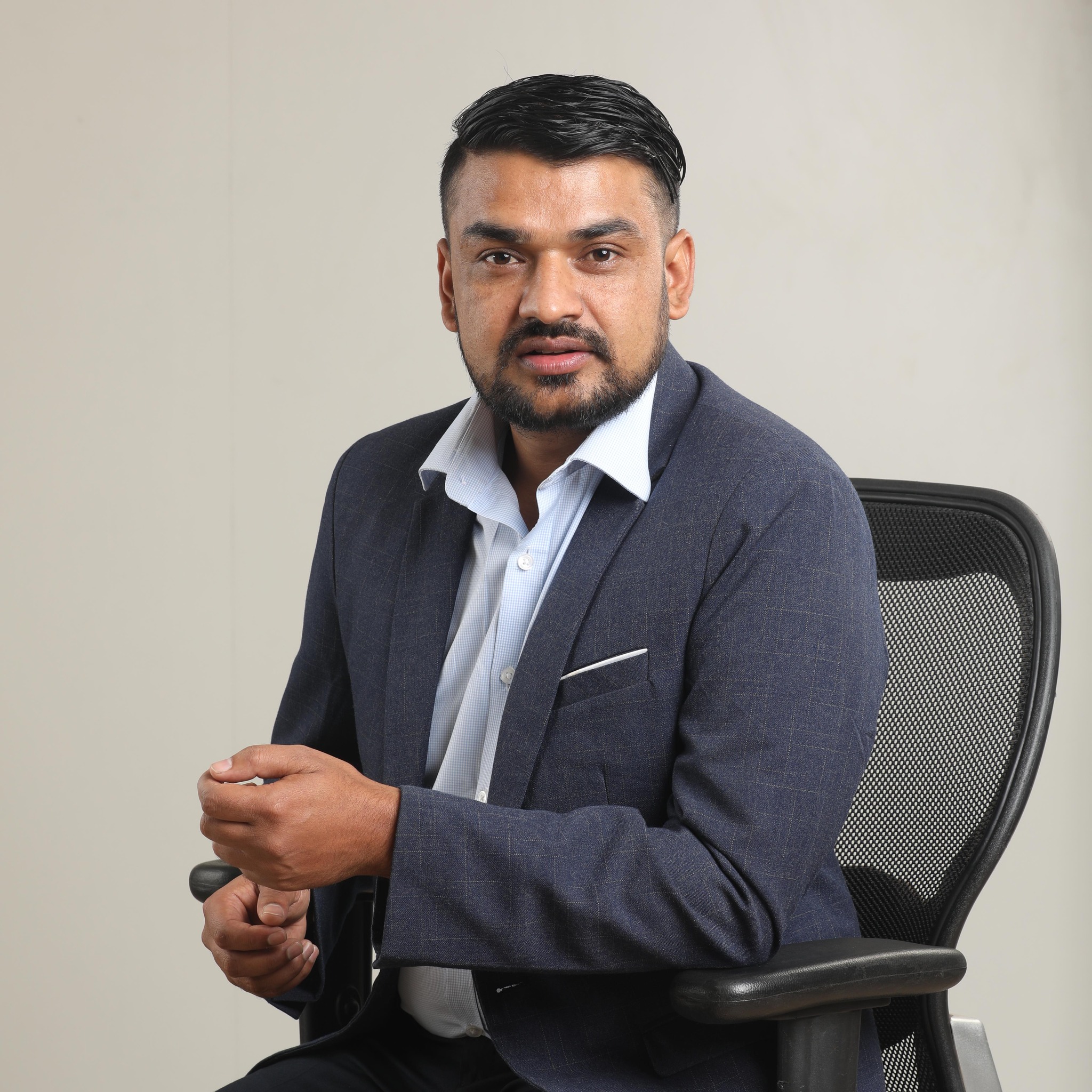
(Writer • Screenwriter • Lyricist • Television Host • Media Personality) Bikash Subedi is a Nepali writer, screenwriter, lyricist, and television host known for his long‑standing contribution to Nepali media and entertainment. Active since the early 2000s, he has written screenplays, dialogues, lyrics, and story concepts for Nepali films while also becoming a familiar face on television through his popular program Sajha Sawal and later Sajha Khabar. Subedi is recognized for his clean narrative style, socially aware writing, and ability to blend emotional storytelling with contemporary Nepali realities. His lyrics and scripts often highlight human relationships, social issues, and cultural identity, making him a respected creative voice in Nepali cinema and broadcasting.
Bikash Subedi
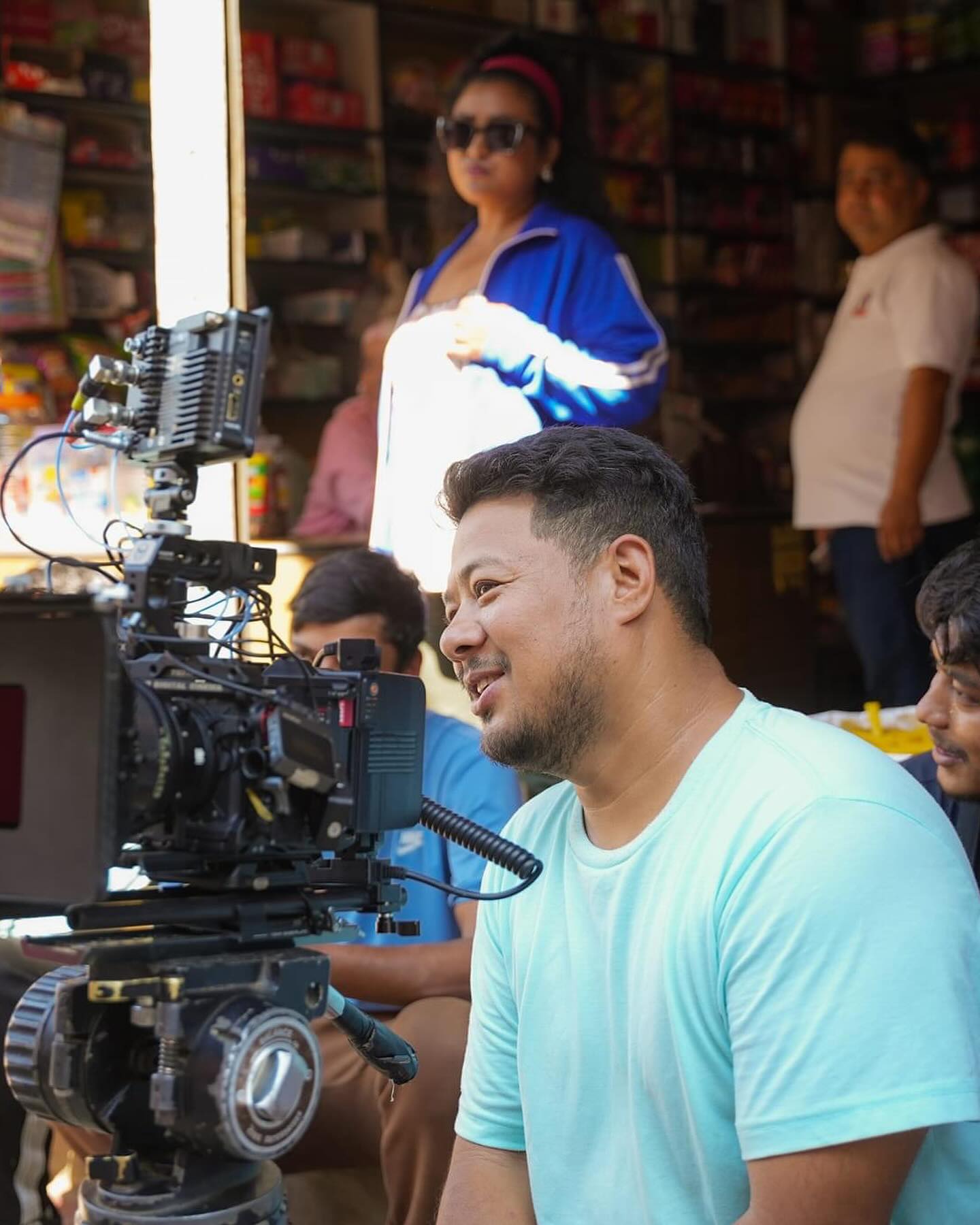
Sushan Prajapati is one of Nepal’s most in‑demand cinematographers, known for his dynamic visual style and prolific work across commercial and independent Nepali cinema. Active since 2010, he has shot more than 20 feature films, including acclaimed titles such as The Red Suitcase, Dui Numberi, Rangeli, Selfie King, Bulbul, Garud Puran, Lukamari, Junge, Ritu, and Apabaad. Recognized for his technical mastery and storytelling instincts, Prajapati was selected for Berlinale Talents, the prestigious global filmmaking platform organized by the Berlin International Film Festival — a major milestone for Nepali cinematography. He is widely regarded as one of the busiest and most versatile DOPs in the Nepali film industry, praised for his belief that “cinema is about the operator’s skill, not the gear.”
Sushan Prajapati
Biju Ranjit is a film Artists known for Chunauti (1996) and Gothalo (1996).
Biju Ranjit
Film Artists
Mina Shrestha is a Nepali film actress active in the late 1990s, known for her graceful presence and expressive performances during the era’s shift toward modern, music‑driven storytelling. She portrayed a variety of characters across different films, delivering natural, effortless acting in every role. Though her career was brief, she remains part of the 90s generation remembered for charm, simplicity, and evolving screen aesthetics.
Mina Shrestha
Film Artists
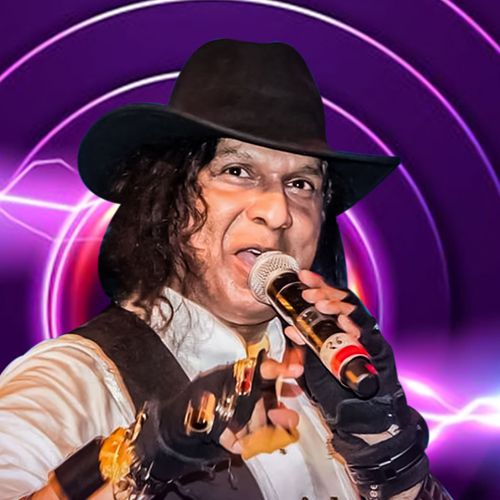
Binod Rathod is an Indian playback singer whose smooth, emotive voice became familiar to Nepali audiences through his selective but memorable contributions to Nepali film music. Known for his romantic tone, expressive phrasing, and effortless high‑range delivery, he recorded several Nepali songs during the cassette and early‑CD era, when cross‑border musical collaboration between Nepal and India was growing.Rathod’s Nepali tracks are remembered for their polished vocal texture and Bollywood‑influenced melodic styling, which added a modern, cinematic feel to Nepali film soundtracks of the time. His ability to adapt to Nepali lyrics while maintaining his signature romantic softness made him a preferred choice for love songs and emotional sequences. Though his Nepali output is limited compared to his vast Indian career, the songs he recorded remain popular among fans who appreciate the blend of Nepali composition and Indian playback finesse.
Binod Rathod
Playback Singer
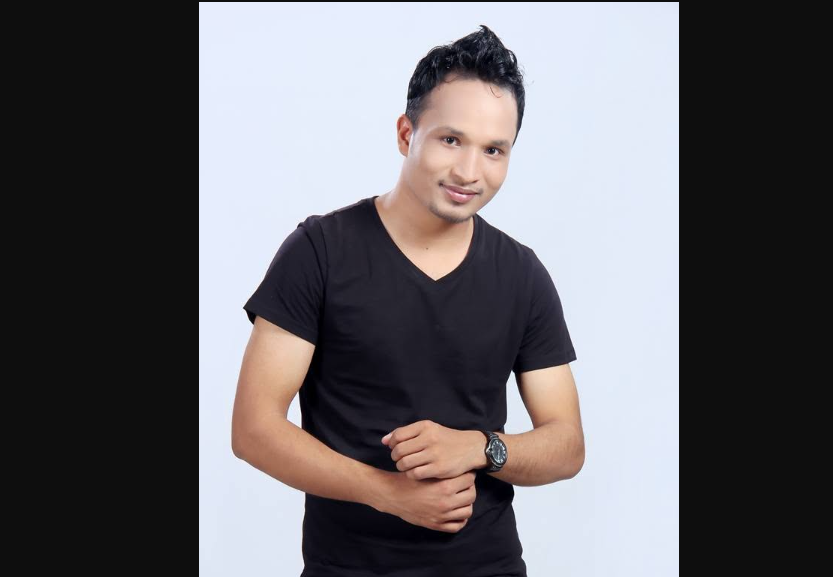
Shyamshwet Rasaily is a Nepali singer, recording engineer, and music arranger known for his versatile vocal work and technical contribution to modern Nepali music. Active across folk, pop, and contemporary commercial genres, he has recorded, arranged, and performed in numerous popular songs featured on major platforms. His collaborations include widely recognized tracks such as “Galbandi,” “Pir,” “Babari Rang,” “Jhari Pareko Raat,” and “Kafalko Dana,” where his voice and arrangements appear alongside leading artists of Nepal’s current music scene.Rasaily’s dual expertise as both a vocalist and a studio professional has made him a sought‑after figure in recording and production environments. His work is featured across YouTube, Genius, and digital music platforms, reflecting a career rooted in both performance and behind‑the‑scenes craftsmanship. He continues to contribute to Nepali music through consistent releases, collaborations, and studio production.
Shyamshwet Rasaily
Music Arranger
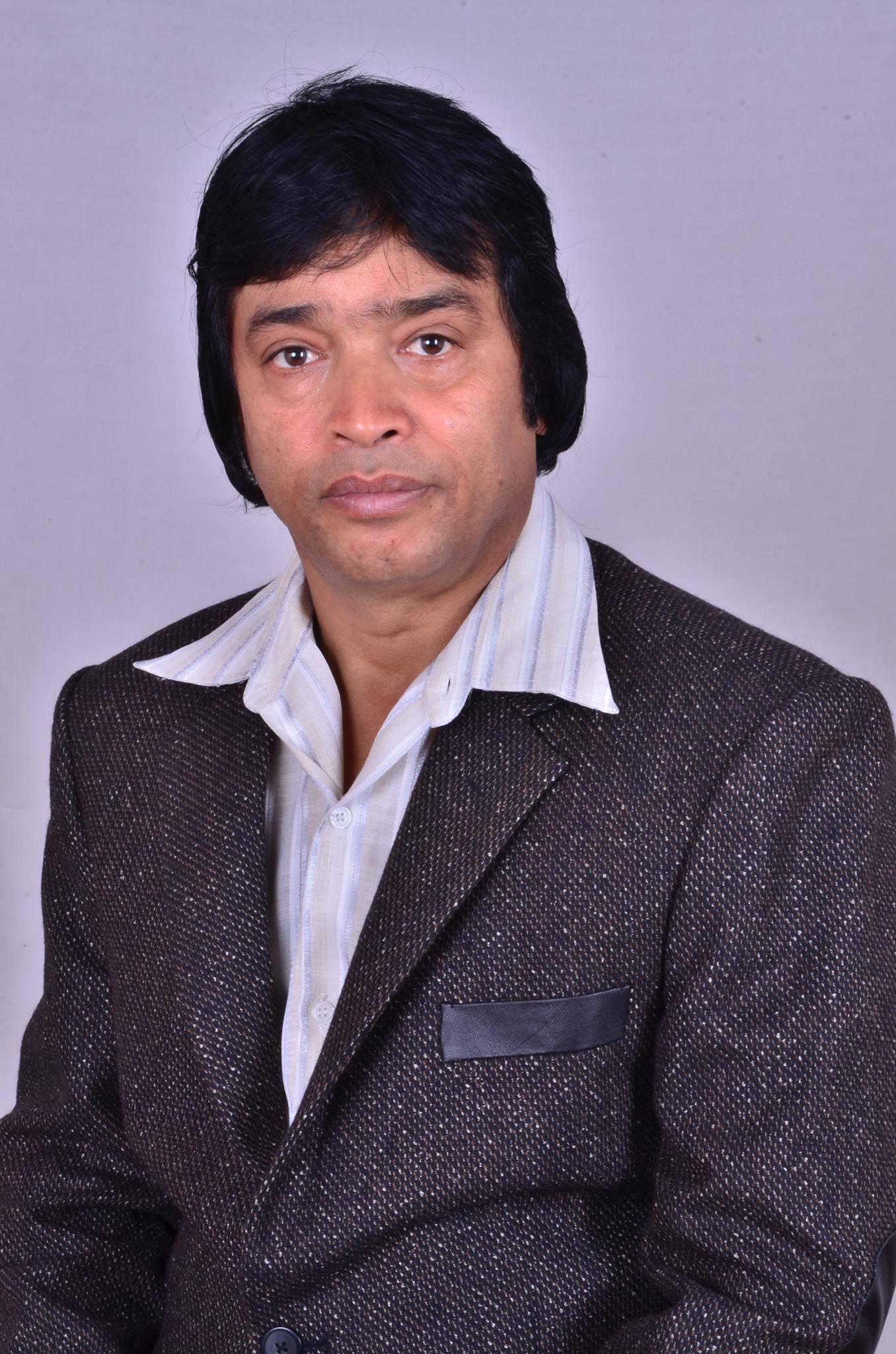
Shankar Acharya is a veteran Nepali film artist, writer, and director whose career spans theatre, telefilms, television serials, and feature films. Widely recognized for his beloved comedic character “Varishte,” Acharya has earned a lasting place in Nepali entertainment through expressive acting and socially rooted storytelling. Born in 1961 (B.S. 2018) in Mudkhu Bhanjyang, he grew up at the Social Welfare Centre (Orphanage) in Panchkhal, Kavre, where he arrived as a child due to financial hardship. He completed his SLC in First Division in 1985 (B.S. 2042) before moving to Kathmandu to pursue acting. Acharya began performing at the Rastriya Nach Ghar and received formal acting training at Himalaya Culture in 1983 (B.S. 2040). His professional acting journey started with the telefilm “Rupmati” (B.S. 2047), where he portrayed Birepachhe Pandit. He continued with “Bhoka Ra Bhitra” (B.S. 2048) and has since acted in and directed dozens of telefilms, TV serials, stage plays, and films.
Shankar Acharya
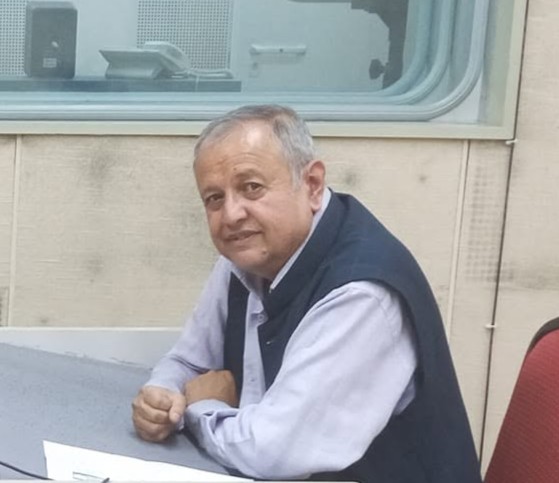
Shree Purush Dhakal is a Nepali lyricist with verified credits across multiple Nepali feature films from the early 1990s to recent years. His work appears consistently in The Film Nepal and LensNepal databases, confirming him as an active and recognized songwriter in Nepali cinema.
Shree Purush Dhakal
Lyricist, Songwriter
Sriya Singh appears in Nepali cinema records under the name Shreya Singh, with one confirmed film credit in Apaharan (Ekadeshma) (1995).
Sriya Singh
Film Artists

(Singer • Guitarist • Live Performer • Nepali Contemporary Music Artist) Deepak Thapa is a Nepali singer, guitarist, and live performer known for his warm vocal tone, acoustic‑driven sound, and emotionally expressive performances. Active since 1990, he has built a strong presence across live concerts, studio recordings, and digital platforms, blending Nepali pop with soft rock and folk‑fusion influences. He is best known for his popular song “Bidesh Jane Mayalu Timilai,” a heartfelt acoustic track that helped expand his audience and establish his identity as a contemporary romantic‑pop vocalist. Alongside this, Thapa continues to release original songs, unplugged covers, and collaborative sessions with emerging Nepali musicians.
Deepak Thapa
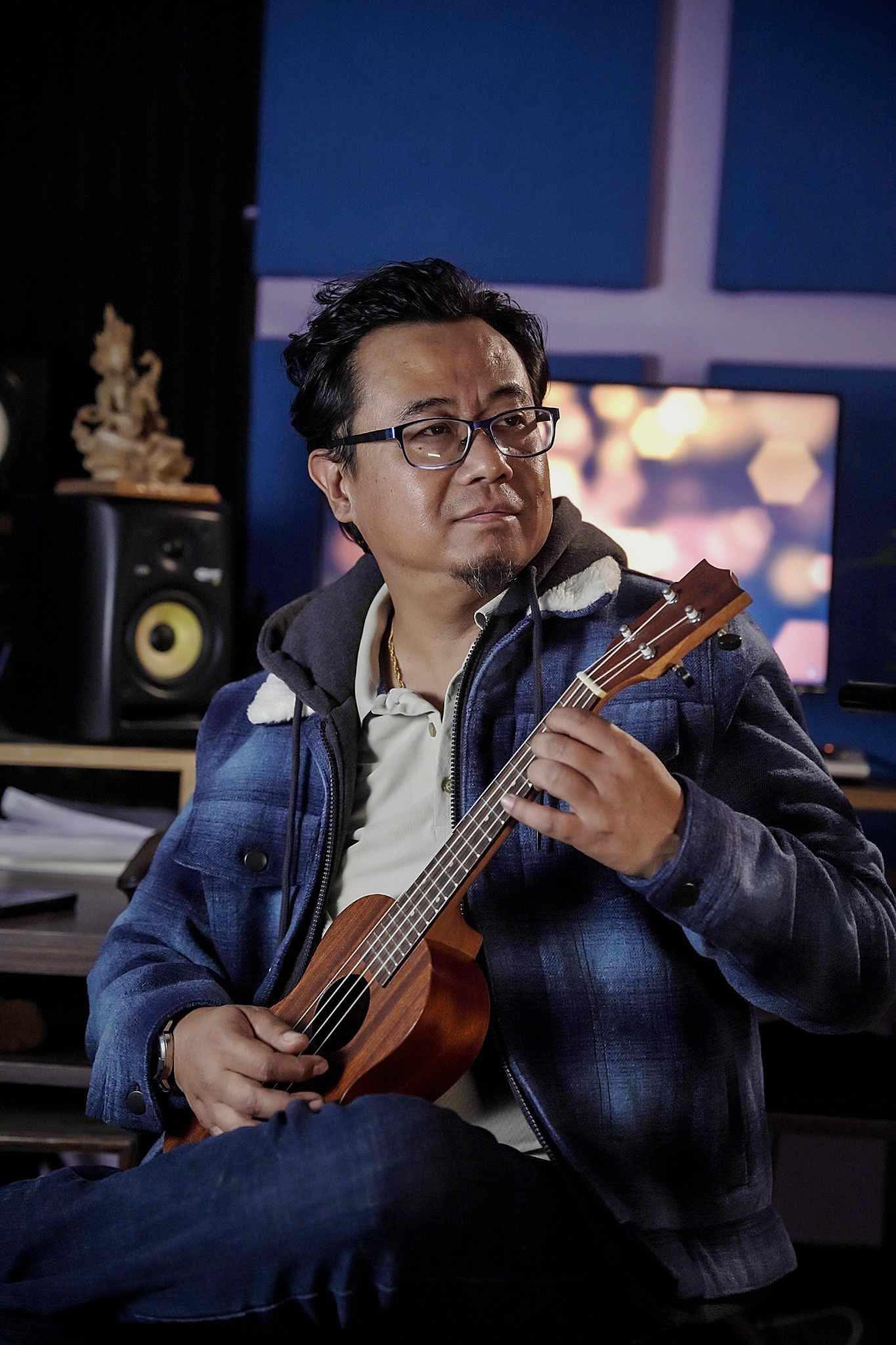
(Music Arranger • Programmer • Studio Producer • Founder – Studio Purple) Phanindra Rai is a Nepali music arranger, programmer, and studio producer, best known as the creative force behind Studio Purple, a growing hub for modern Nepali music production. Active in the industry for more than a decade, he has arranged and programmed music for films, commercial songs, and high‑engagement digital releases, earning a reputation for clean sound design and emotionally balanced arrangements. Rai’s work blends contemporary Nepali pop, folk‑fusion, and cinematic textures, making him a go‑to arranger for artists seeking polished, modern, and radio‑friendly sound. His studio, Studio Purple, is recognized for its warm acoustic environment, precise mixing workflow, and collaborative approach with singers, composers, and emerging talents.
Phanindra Rai
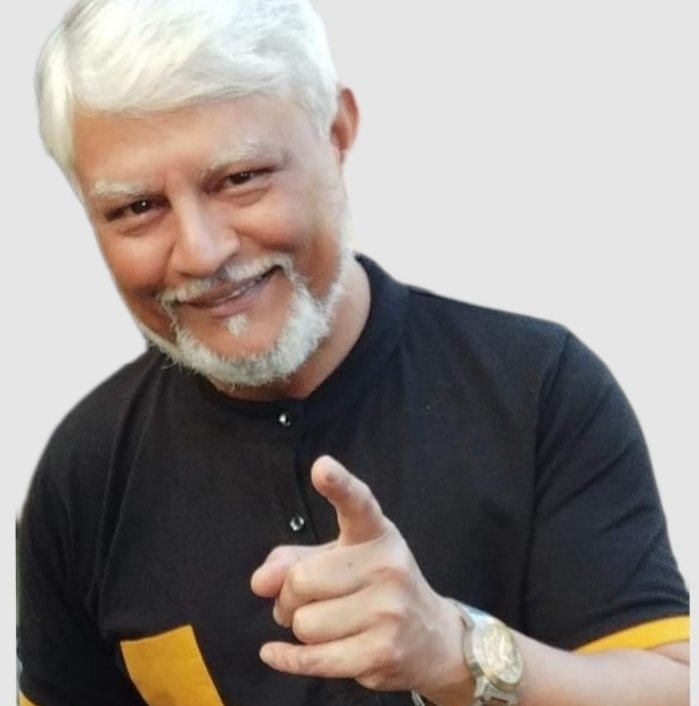
Sushil Devkota is a multifaceted Nepali writer, lyricist, actor, and voice artist with an extensive background in television and radio broadcasting. He has served as a producer and presenter across major Nepali media houses, including Himalaya Television (2011), Nepal 1, Channel Nepal, and KATH 97.9 FM (now Image FM), where he also worked as Head of the Nepali Department. Known for his clear narrative voice and strong command of dialogue, Devkota wrote for the feature film Paral Ko Aago (2026), further establishing his presence in Nepali cinema. His career reflects a blend of storytelling, performance, and broadcast leadership.
Sushil Devkota
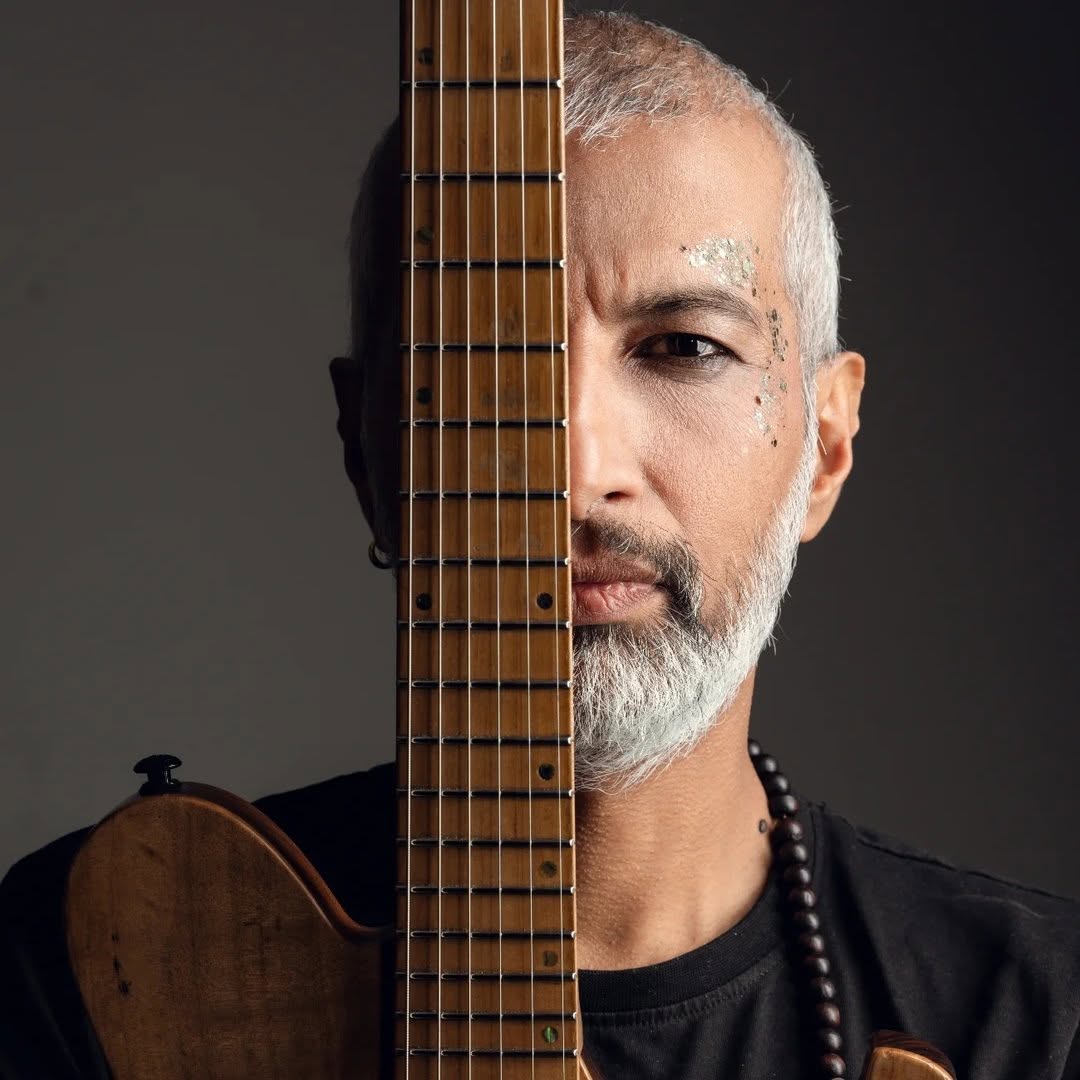
Roshan Sharma is a renowned Nepali guitarist and Mohan Veena player celebrated for his distinctive riffs, versatile tunings, and ability to blend Eastern classical expression with Western contemporary styles. A disciple of Grammy Award–winning maestro Pandit Vishwa Mohan Bhatt, he has built a prolific career as a session musician, contributing to over 4,000 songs across Nepali, Indian, and cross‑border projects.He is a member of the instrumental jazz‑rock band Urjaa (Nepal), Kavya (Dubai), and the acclaimed Pakistani band The Sketches, expanding his musical reach across South Asia. His performances are widely regarded as engrossing, marked by deep musical sensitivity and mastery of both guitar and Mohan Veena.Sharma has recorded and performed pieces such as Saanjhi, Faani Aur Baqa, Dil Jo Dost (Unplugged), Ishq Laga Mann Jaga, Jeevan, Panchion Ka Gaon, Aashiq Mast Jalali, and Ram Kali, among many others.Beyond performance, he has contributed to music education as a lecturer at Tribhuvan University and currently heads the music department at Osho Tapoban, where he continues to mentor and inspire young musicians.
Roshan Sharma
Guitarist