

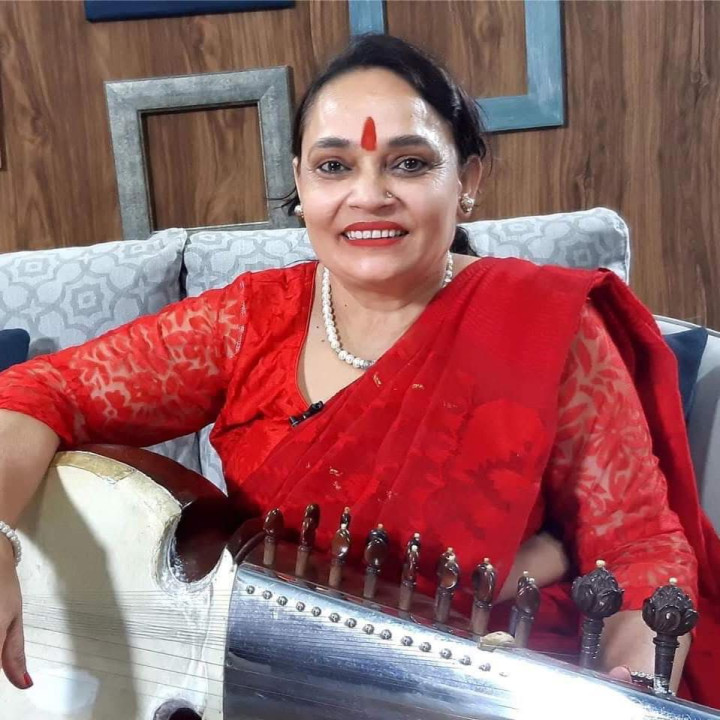
Rupa Neupane
@rupa-neupane · Musicians & Instrumentalists
Dashain and Malshree Dhun are deeply connected in Nepali culture. The sacred melody of Malshree is considered the musical soul of Dashain, and helping preserve this tradition is Nepal’s first and only female sarod player, Rupa Neupane. Rupa Neupane w...
Biography
Dashain and Malshree Dhun are deeply connected in Nepali culture. The sacred melody of Malshree is considered the musical soul of Dashain, and helping preserve this tradition is Nepal’s first and only...
Personal Info
Career Highlights
—
Films
1
Awards
33 yrs
Experience
—
Rating
Similar Artists
Artists you might also like
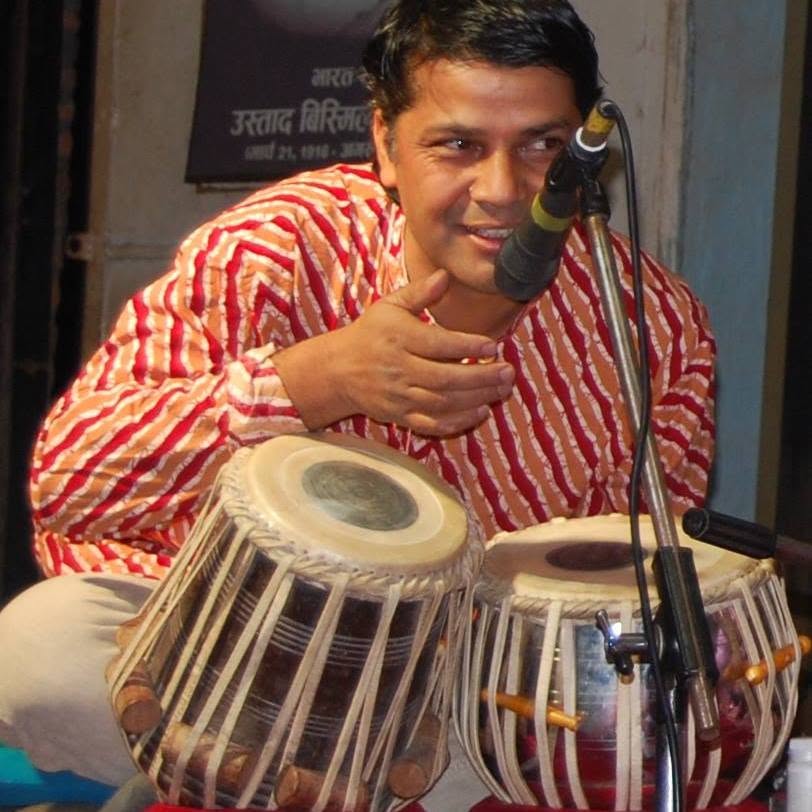
Parsuram Prasad Poudel is a distinguished Nepali tabla player, music educator, researcher, and academic who has made significant contributions to the promotion of Hindustani classical music and music education in Nepal. He currently serves as an Assistant Professor (Tabla) at Lalitkala Campus, Tribhuvan University, where he teaches, conducts research, and mentors students pursuing higher education in music.A dedicated practitioner of Hindustani classical music, Poudel has established himself as both a performer and scholar. Alongside his academic career, he actively participates in tabla recitals, lecture-demonstrations, workshops, and music seminars while contributing to research on Nepal's musical heritage. His scholarly works focus on music education, traditional musical instruments, and the relationship between music and Nepal's artistic traditions.Parsuram Prasad Poudel is also recognized for his academic publications in the Journal of Fine Arts Campus. His research includes studies such as "Musical Instruments in Nepali Sculpture" and "Formal Music Education in Nepal: A SWOT Analysis of Tribhuvan University," reflecting his commitment to strengthening music education and preserving Nepal's cultural heritage through research and documentation.He belongs to a new generation of scholar-musicians who successfully combine performance, teaching, and academic research, contributing to the continued development of classical music in Nepal.
Parsuram Poudel
Musicians & Instrumentalists, Music Instructor, Tabla Players
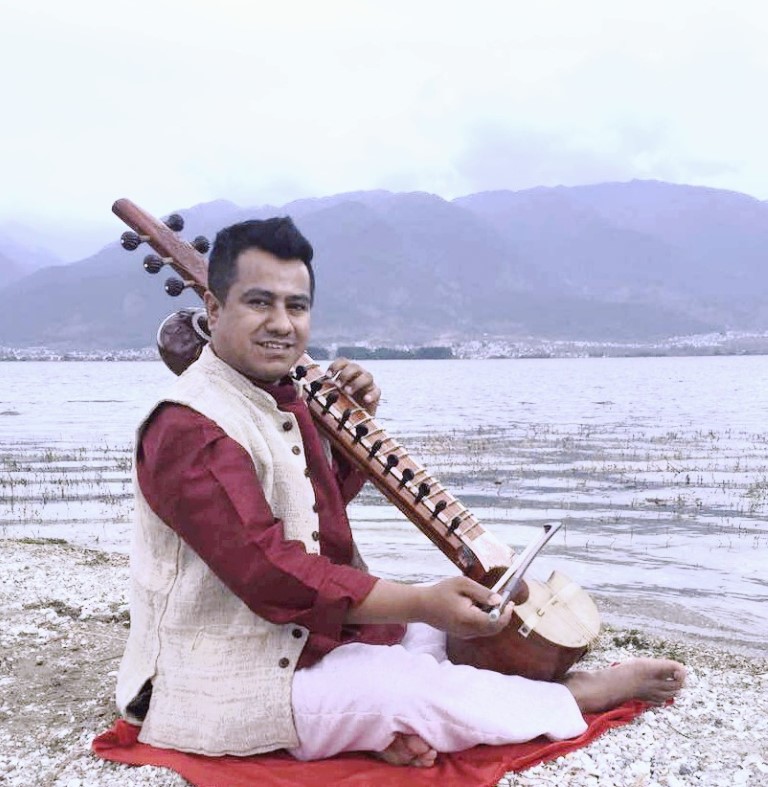
Suraj Nepal, The Esraj player born in Nepal started a love affair with music since his childhood. He grew up listening to folk and religious tunes played during various festivals in Kathmandu. At the age of 10 he started playing madal (A Nepali percussion) and started singing folk songs since his school days. As years passed, his interest in eastern classical music and instruments grew. That’s when he met a musician friend of a relative that introduced him to Esraj and encouraged him to learn the instrument. He learnt Esraj from Guru Santosh Bhakta Shrestha who then was the only person in Nepal to play the instrument. He too was his only disciple. He received a diploma in Esraj and in 2007. Since then he’s won many accolades, performed with many international artists, played many projects, bands and function. He’s benchmark performances include Playing for Change Organization, Varanasi International Ashram, Udaipur Shilpgram Festival, CPI NTOK 2014 Korea and Wumeng Grassland Music Festival China 2016, Inner Mongolia China 2018 & Wilma Israel 2019 etc.
Suraj Nepal
Musicians & Instrumentalists, Esraj Player
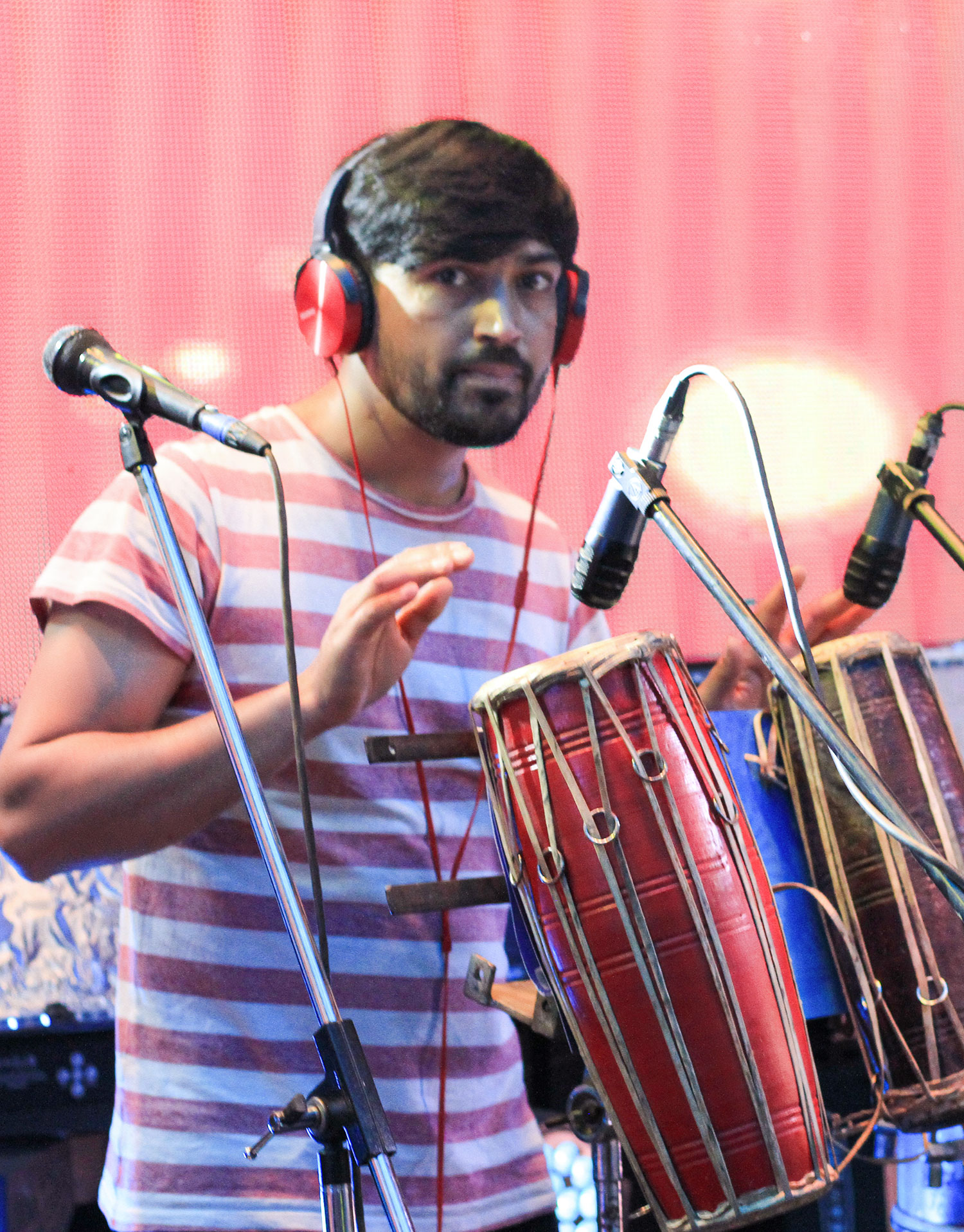
Originally from Tanahun, Paras Mani Subedi has already accomplished much. Already nicknamed madaleat an early age for his skills at playing the madal back in his village, he soon came to Kathmandu and now holds a graduate degree in Music, a Masters in Sociology and is currently pursuing a Masters in Music all while juggling his musical career.
Paasmani Subedi
Musicians & Instrumentalists, Madal - Dholak Player

Shila Bahadur Moktan is a veteran Nepali music director, arranger, composer, and multi‑instrumentalist, celebrated for more than five decades of contribution to Nepali music. He is regarded as one of the most respected figures in modern and folk‑influenced Nepali music, known for his refined arrangements, melodic sensibility, and mastery of multiple instruments.Born and raised in Darjeeling, he received formal classical training under J.C. Rai, which shaped his foundation as a composer and instrumentalist. His first recorded song, “Aakha Kahile Najudos,” was broadcast on All India Radio, Kurseong, in the 1980s .Shila Bahadur Moktan has contributed to over 1,200 songs, working as a composer, arranger, and instrumentalist across genres ranging from folk to adhunik Nepali music. His notable early works include folk songs such as “Hoina Maile Dhakeko Badulki Lageko” and “Topi Hataile Bunera,” and the modern classic “Kahile Kahi Malai Pani Herideuna Pharkera,” a song that introduced both Kunti Moktan (vocals) and Shila Bahadur (music) to the Nepali music scene .He is married to legendary singer Kunti Moktan, and together they are considered pillars of Nepali music. Their daughters Subani Moktan and Shital Moktan are also successful musicians, continuing the family’s artistic legacy .After retiring from Music Nepal, Shila Bahadur initially planned to step back from active work, but his passion for music kept him fully engaged in composing, arranging, and performing. He continues to appear in concerts, including the Paleti Series, where he performs his own compositions and vocals .With nearly 50 years in music, he remains an influential figure whose arrangements, compositions, and instrumental work have shaped generations of Nepali music lovers.
Shila Bahadur Moktan
Music Director, Music Arranger, Musicians & Instrumentalists