
Dev Rana
@devrana · Musicians & Instrumentalists, Drummer & Percussionist
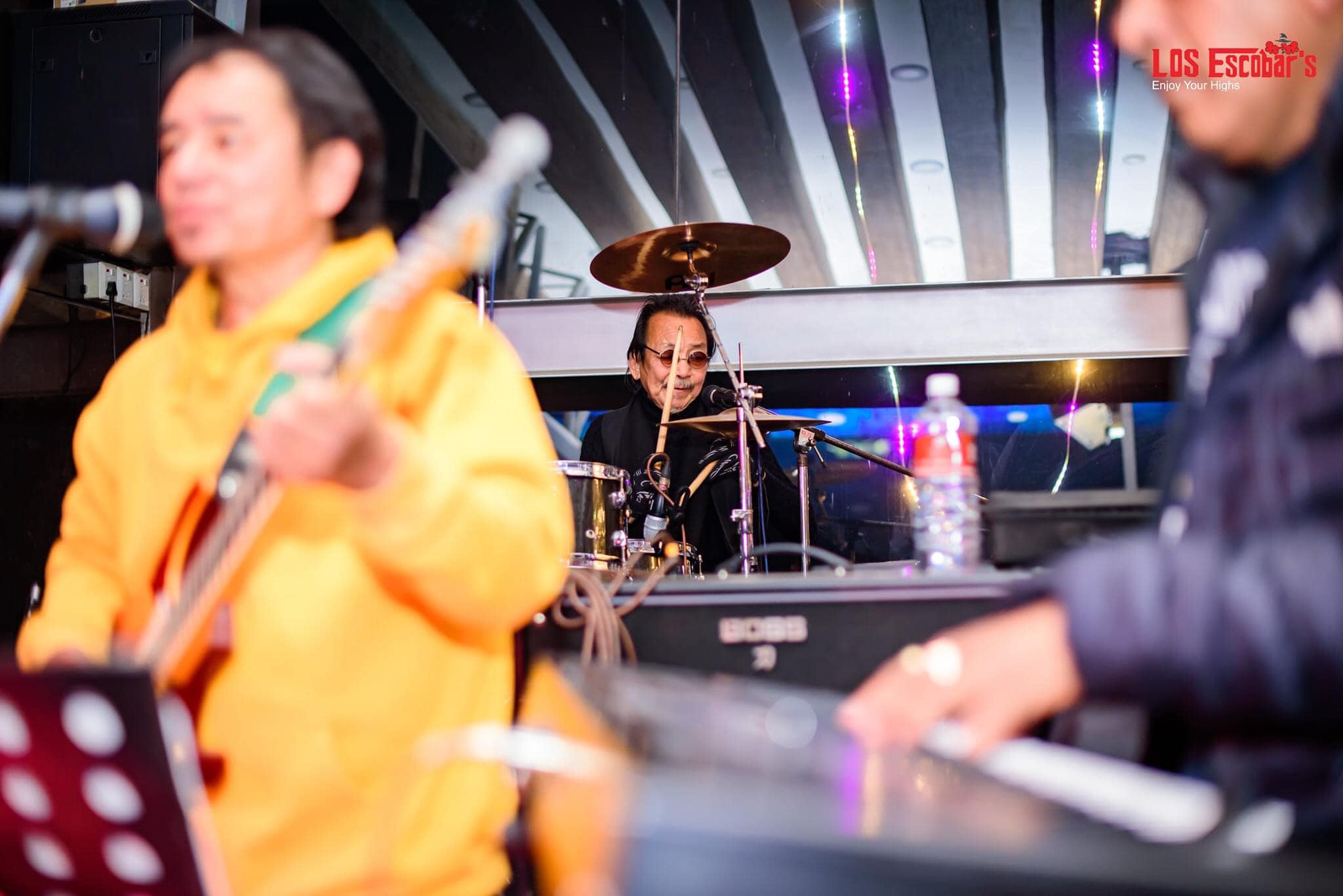
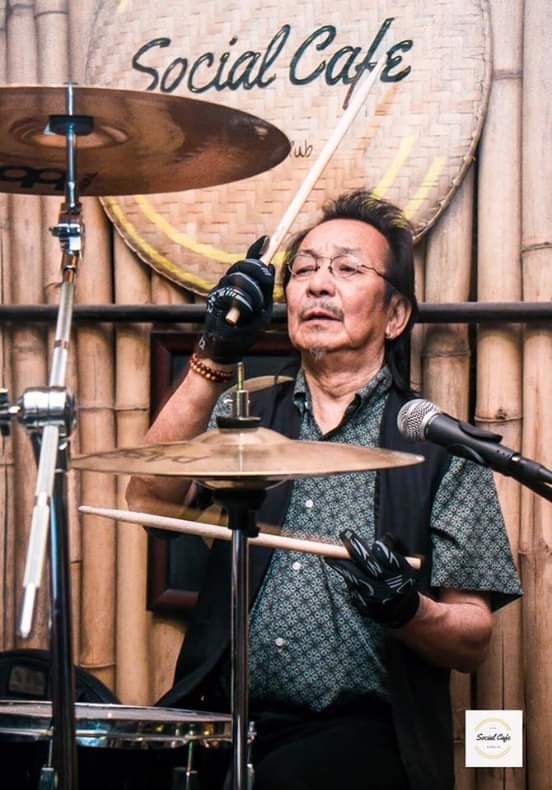
Dev Rana, one of the most iconic drummers of Nepal was born on June 18, 1952 in Sungai Petani, Malaysia. Rana has entertained the music lovers for almost five decades and has massive respect from the audiences as well as today's rockstars.
Biography
Dev Rana, one of the most iconic drummers of Nepal was born on June 18, 1952 in Sungai Petani, Malaysia. Rana has entertained the music lovers for almost five decades and has massive respect from the...
Personal Info
Career Highlights
—
Films
—
Awards
—
Experience
—
Rating
Similar Artists
Artists you might also like
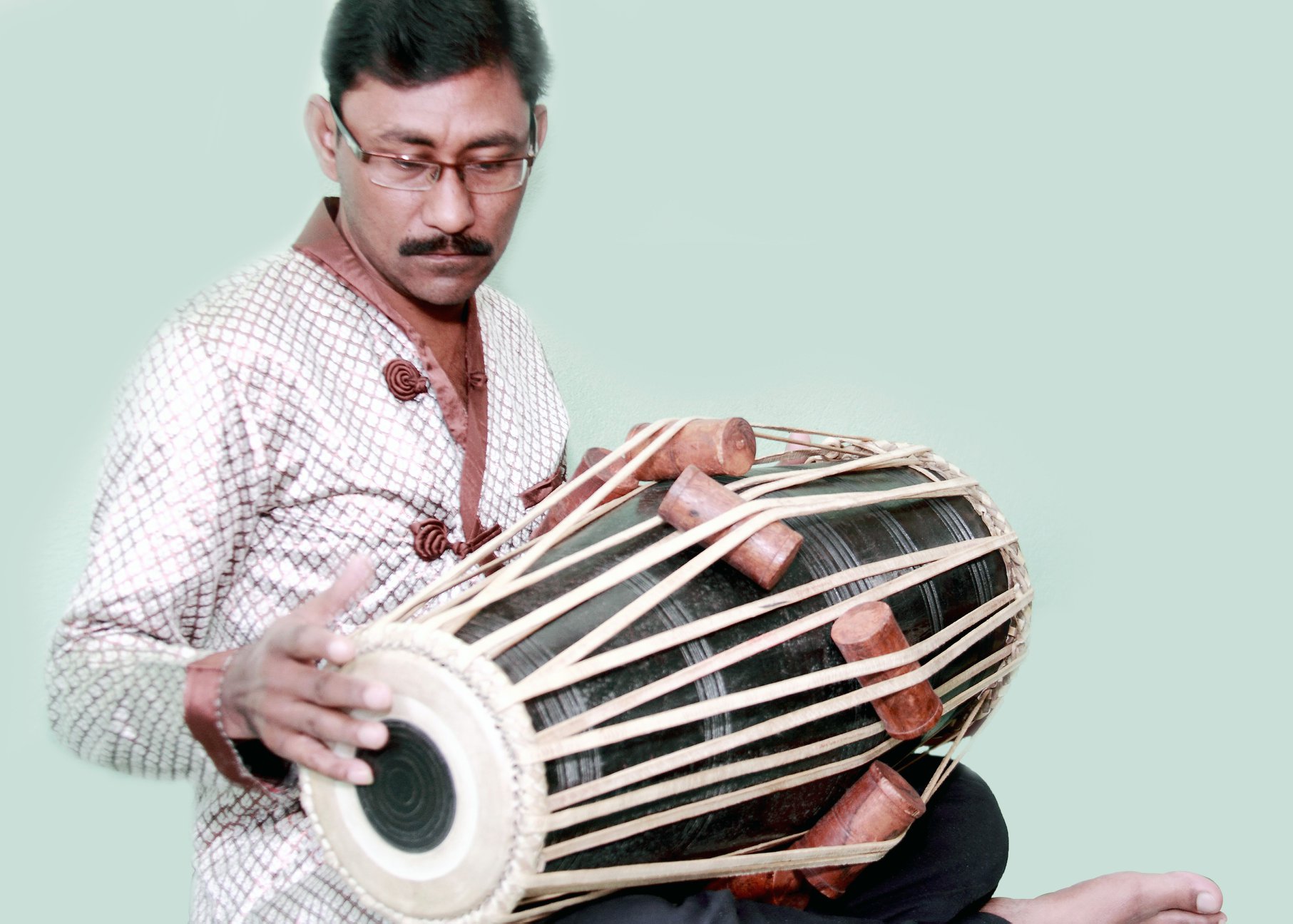
Rabin Lal Shrestha is a Nepali tabla virtuoso and music educator known for his contributions to classical and devotional music in Nepal. Born in Kathmandu, he has been a leading figure in preserving and teaching the tabla tradition for several decades, both as a performer and as a mentor to young musicians. Key facts Birthplace: Kathmandu, Nepal Primary Instrument: Tabla Teaching Position: Lalit Kala Campus, Bhotahiti (since 1989) Notable Albums: Tabla Solo, Grand Rehearsal Collaborations: Suresh Raj Bajracharya (sarod), Prabhu Raj Dhakal (vocals) Musical training and influences Shrestha began studying tabla at the age of ten, inspired by bhajans sung by his father. His early training was under Sadhuram Manandhar, followed by advanced tutelage from Ganesh Raj Wonta, Nara Raj Dhakal, Homnath Upadhyaya, and Sambhu Prasad Misra. This diverse lineage grounded him in the North Indian classical tradition while connecting it to Nepal’s own devotional music culture. Teaching and mentorship Since joining Lalit Kala Campus in 1989 after three years at Holy Garden School, Shrestha has educated generations of students through structured intermediate and diploma programs. His classes maintain a rigorous schedule, emphasizing rhythm discipline and improvisational skill. He is regarded as a key figure in institutionalizing tabla education in Nepal. Performances and recordings Beyond teaching, Shrestha regularly performs at Kathmandu’s Hotel Vajra in a long-running program titled Dafa. He has toured internationally—including performances in Europe with sitarists Tarabir and Bijaya Vaidya—and released two albums: Tabla Solo, accompanied by his instructional book Dafa, and Grand Rehearsal. His work bridges traditional and contemporary interpretations of tabla music. Legacy Rabin Lal Shrestha continues to inspire Nepal’s younger generation of classical musicians. His dual role as performer and educator has made him a cornerstone of the country’s evolving Hindustani percussion scene, ensuring the tabla’s rhythmic heritage remains vibrant in modern Nepal.
Rabin Lal Shrestha
Musicians & Instrumentalists, Tabla Players
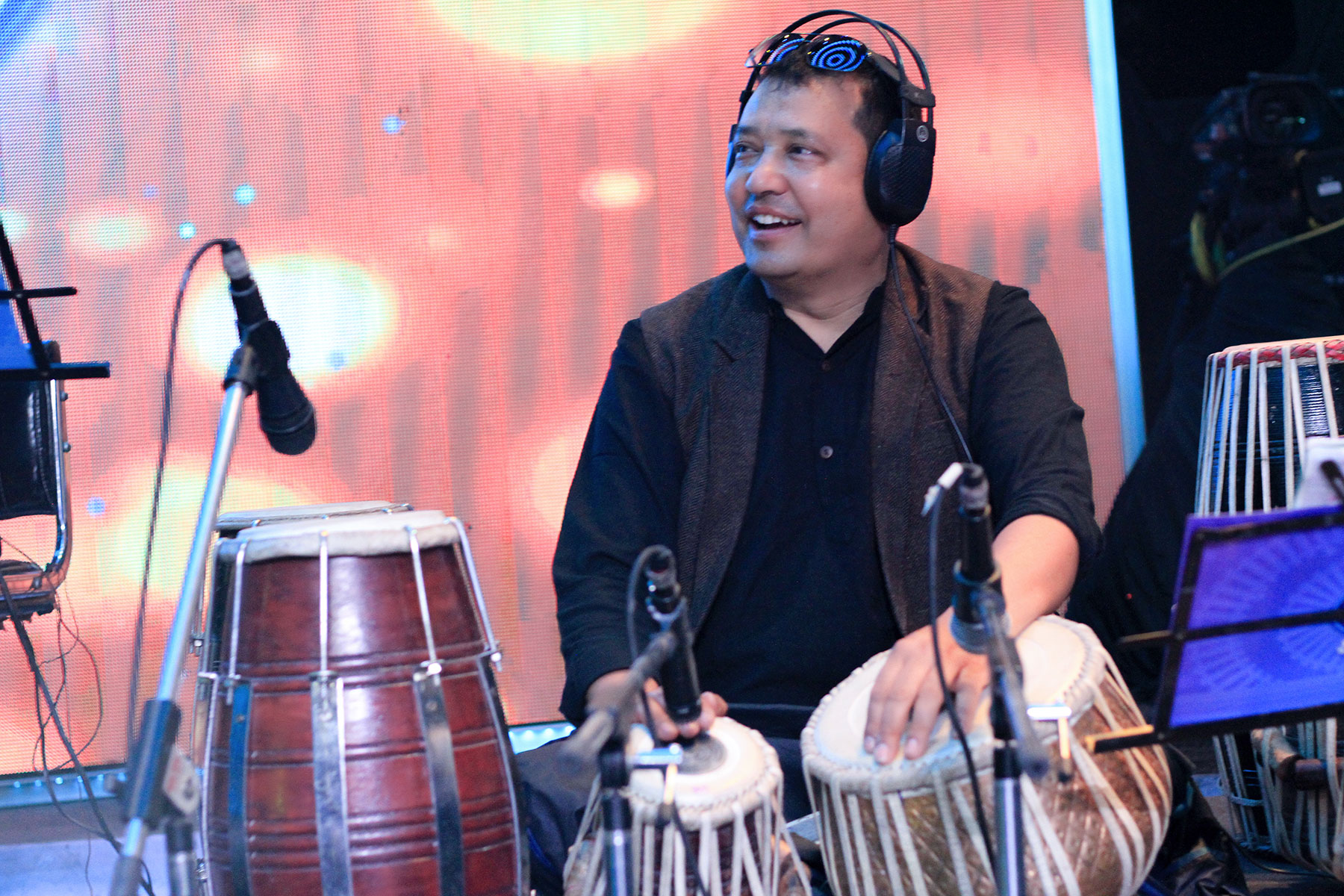
Laxmi Prasad Dangol is a Nepalese tabla player. He is also member of Jayshree Music society & of Project Baja Nepal. He evolved into as a tabala player in many classical music and songs and Nepal idol.
Laxmi Dangol
Musicians & Instrumentalists
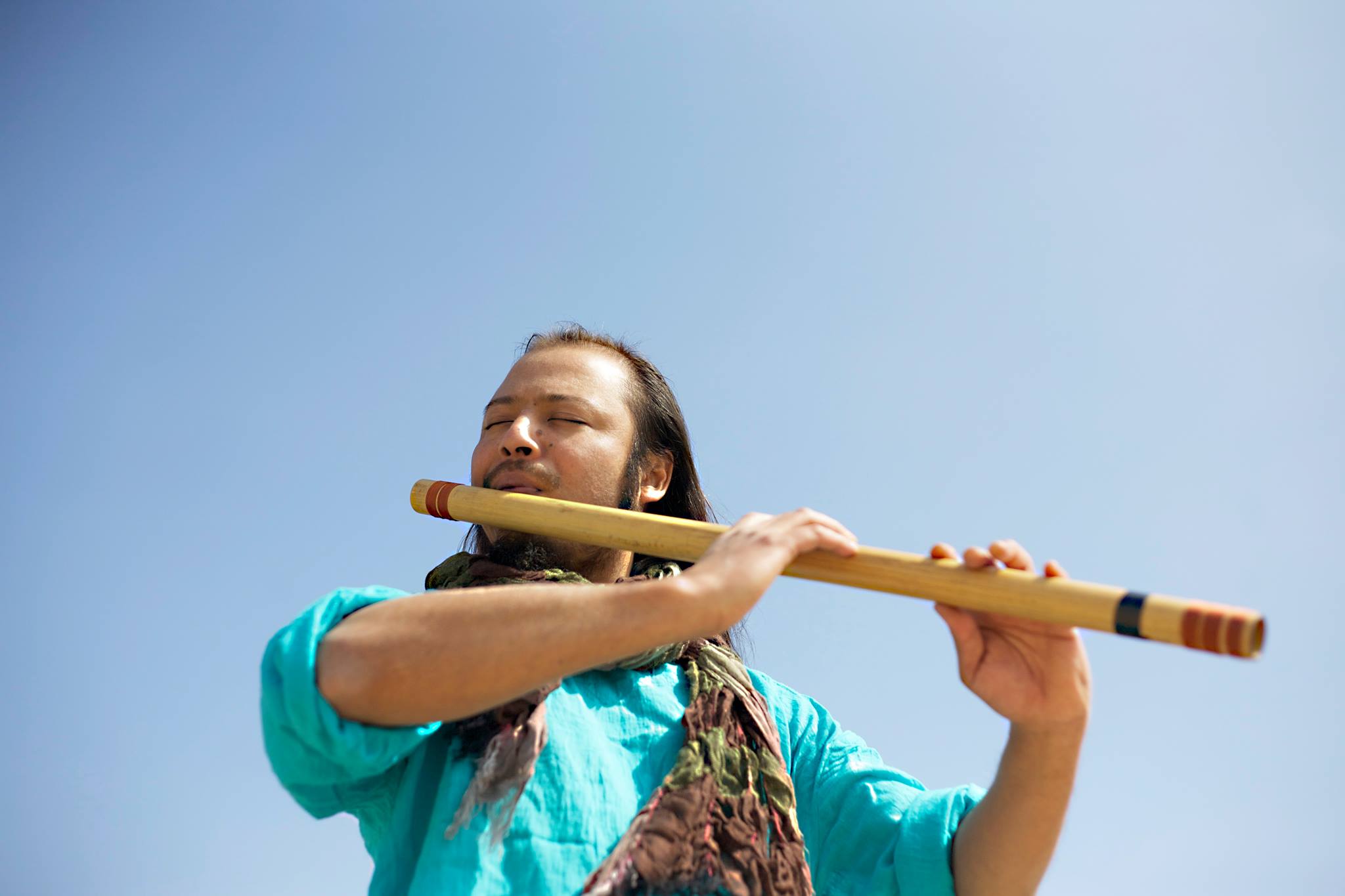
Binod Katuwal is a Nepali bansuri flutist, multi‑instrumentalist, and music teacher from Kathmandu, currently based in Barcelona, Spain. With 17–20 years of professional experience, he performs Nepali and Indian bamboo flute across world‑fusion, spiritual, folk, and contemporary styles, collaborating with local and international musicians.A versatile instrumentalist, he also plays percussions, didgeridoo, ukulele, and practices overtone singing, blending these elements into his global fusion sound. His work spans live performances, studio recordings, sound‑healing sessions, and independent album releases. His digital catalog includes albums such as Breath of Bansuri, Nepali Alaap, Didge Therapy, and the 2026 release SINGARY.Katuwal’s music is featured on platforms like YouTube, Bandcamp, and his official website, where he continues to expand his repertoire through collaborations and cross‑cultural projects.
Binod Katuwal
Musicians & Instrumentalists, Flautist
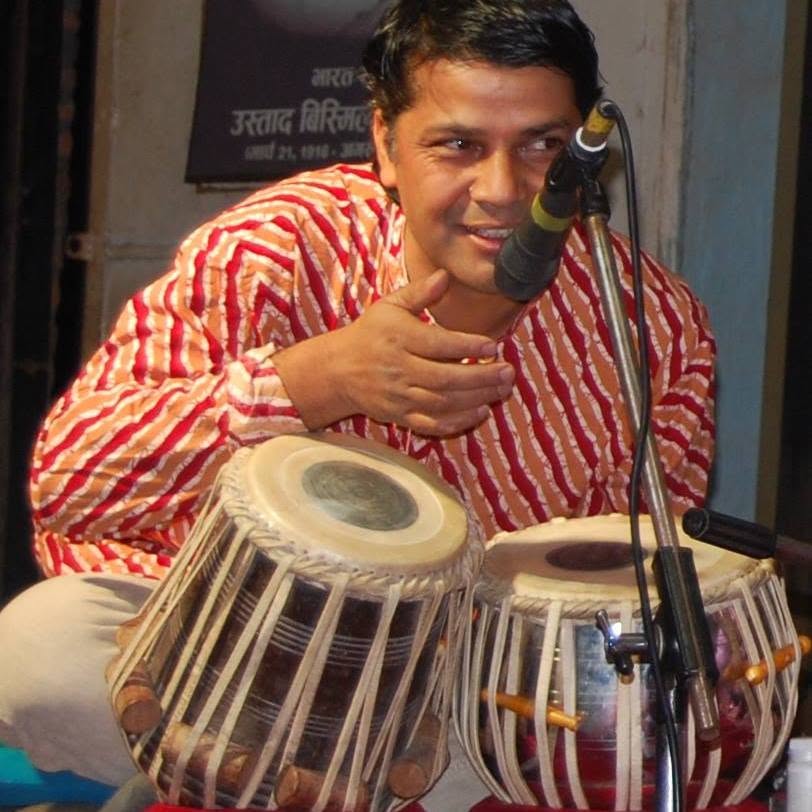
Parsuram Prasad Poudel is a distinguished Nepali tabla player, music educator, researcher, and academic who has made significant contributions to the promotion of Hindustani classical music and music education in Nepal. He currently serves as an Assistant Professor (Tabla) at Lalitkala Campus, Tribhuvan University, where he teaches, conducts research, and mentors students pursuing higher education in music.A dedicated practitioner of Hindustani classical music, Poudel has established himself as both a performer and scholar. Alongside his academic career, he actively participates in tabla recitals, lecture-demonstrations, workshops, and music seminars while contributing to research on Nepal's musical heritage. His scholarly works focus on music education, traditional musical instruments, and the relationship between music and Nepal's artistic traditions.Parsuram Prasad Poudel is also recognized for his academic publications in the Journal of Fine Arts Campus. His research includes studies such as "Musical Instruments in Nepali Sculpture" and "Formal Music Education in Nepal: A SWOT Analysis of Tribhuvan University," reflecting his commitment to strengthening music education and preserving Nepal's cultural heritage through research and documentation.He belongs to a new generation of scholar-musicians who successfully combine performance, teaching, and academic research, contributing to the continued development of classical music in Nepal.
Parsuram Poudel
Musicians & Instrumentalists, Music Instructor, Tabla Players