
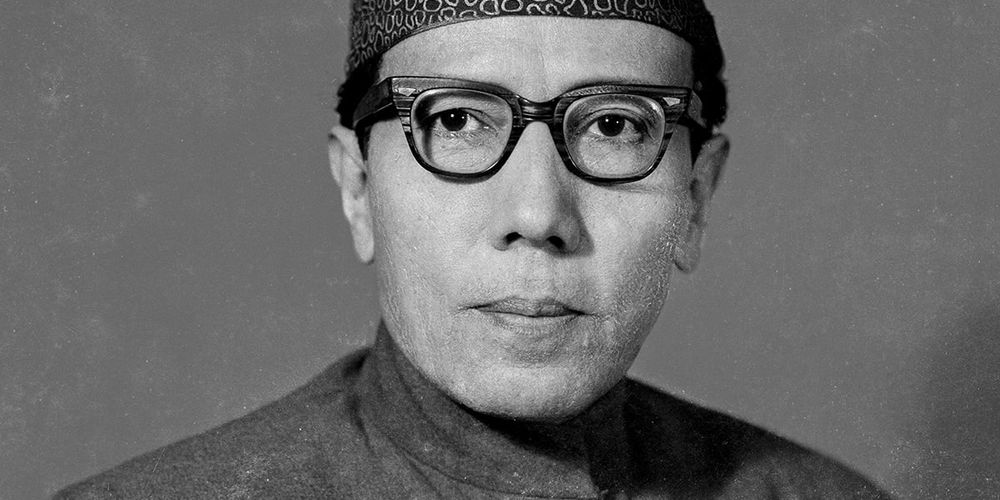
Balkrishna Sama
Late Artists@balkrishna-sama · writer-author, Writing & Literature, Playwright
Balkrishna Sama (1902 – 20 June 1981) was Nepal’s most influential modern playwright, poet, and literary reformer, widely honored as the Shakespeare of Nepal for his pioneering contribution to Nepali drama. Born in Gyaneshwor, Kathmandu, he began his...
Biography
Balkrishna Sama (1902 – 20 June 1981) was Nepal’s most influential modern playwright, poet, and literary reformer, widely honored as the Shakespeare of Nepal for his pioneering contribution to Nepali...
Personal Info
Career Highlights
2
Films
—
Awards
106 yrs
Experience
—
Rating
Similar Artists
Artists you might also like
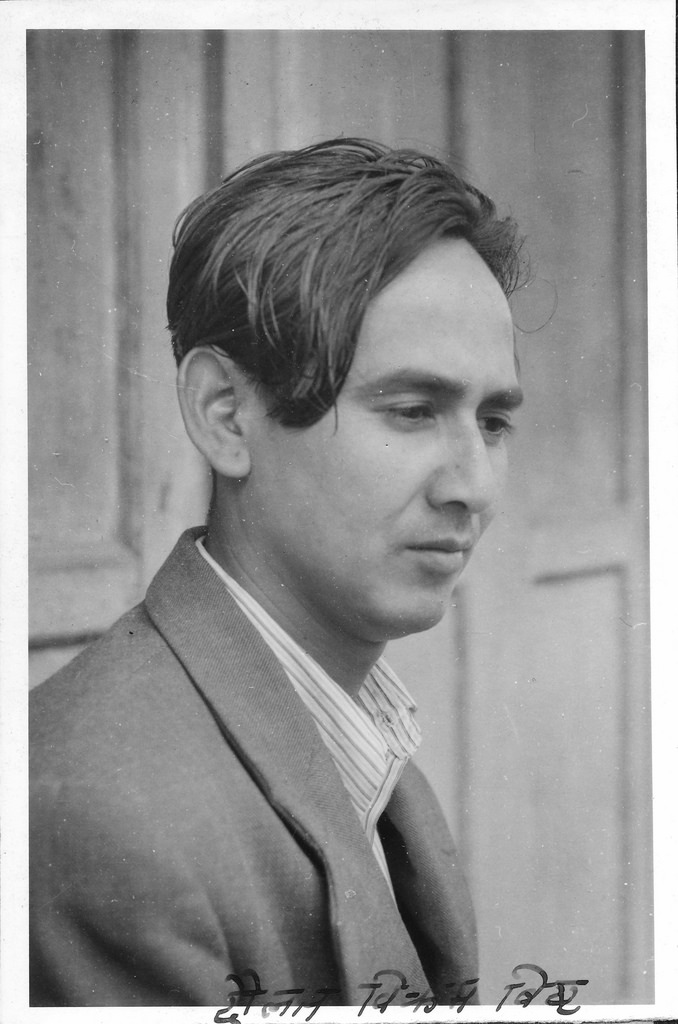
Daulat Bikram Bista (1925–2002) was a renowned Nepali writer and novelist celebrated for his portrayal of social issues, culture, and the lives of ordinary people. Born in Bhojpur, Nepal, he authored several influential novels, including Chapaiyeka Anuhar and Jyoti Jyoti Mahajyoti, the latter earning him the prestigious Madan Puraskar. His works often highlighted discrimination, inequality, and human struggles in Nepali society. Bista’s literary contributions have influenced Nepali culture and cinema, with some of his stories adapted into films, such as Sindoor, for which he is credited with the story.
Daulat Bikram Bista
Writing & Literature, Novelist
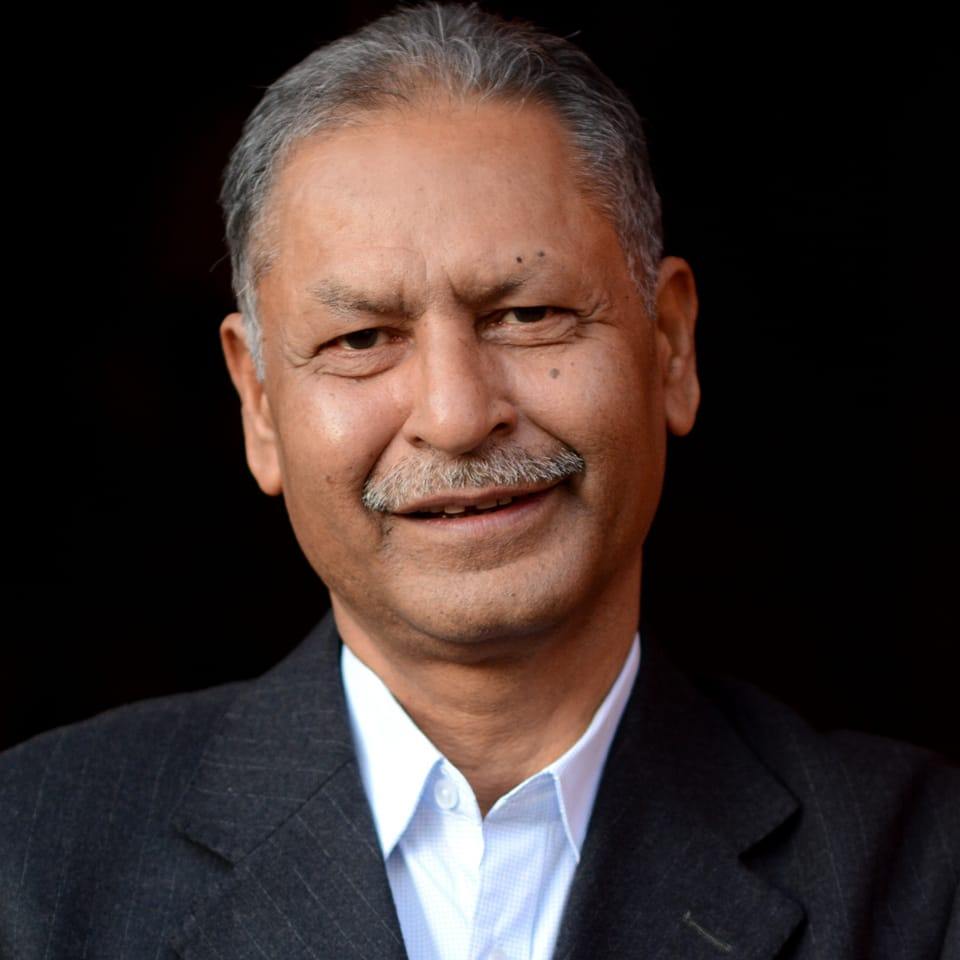
Dinesh Adhikari (दिनेश अधिकारी) is a distinguished Nepali poet and lyricist, born on December 7, 1959, in Baneshwor, Kathmandu, Nepal. His literary journey began in 1976, and since then, he has made significant contributions to Nepali literature and music. Adhikari has authored 12 books and released 14 audio albums, showcasing his versatility and dedication to the arts. His poetry collection "Atirikta Abhilekh" earned him the prestigious Madan Puraskar in 1999 (2056 B.S.), highlighting his profound impact on Nepali literature. Additionally, his work "Indrajatra" received the Sajha Puraskar in 1994 (2051 B.S.). As a lyricist, Adhikari has penned around 500 songs, collaborating with renowned Nepali musicians. Some of his popular songs include: "Yo Samjhine Mann Cha" "Soche Jasto Hunna Jeevan" "Timi Yasai Lajayau" "Timi Jun Rahar Le" "Pani Pani Vayo Mann" These songs have resonated with audiences, reflecting his deep understanding of human emotions and societal themes.
Dinesh Adhikari
Lyricist, writer-author
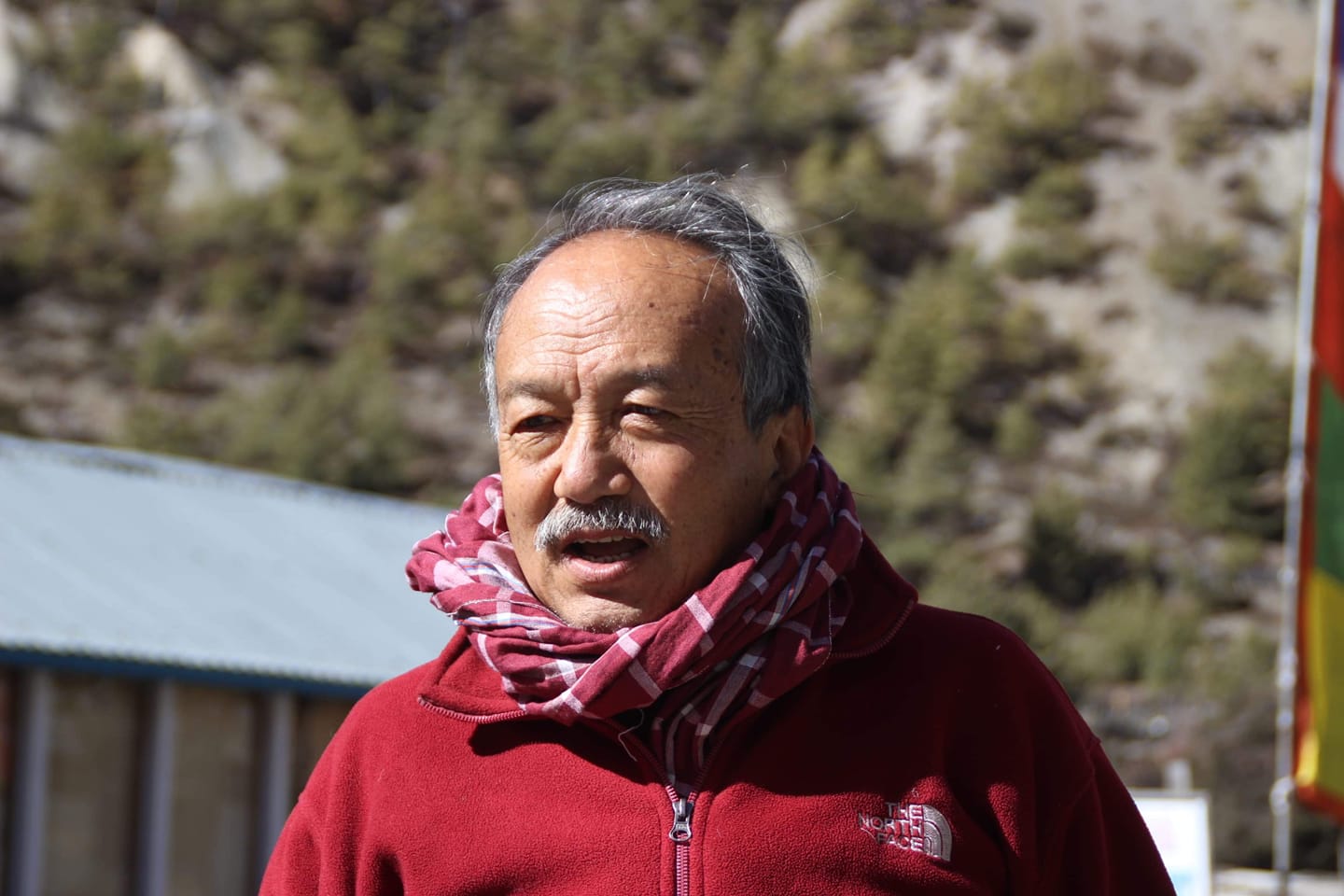
Bulu Mukarung (born 1962) is a respected Nepali musician, composer, and vocalist known for his contribution to modern Nepali music and his distinctive blend of folk‑rooted melodies with contemporary arrangements. Beginning his musical journey in the early 1980s, he gained recognition for his refined compositions, emotive vocal delivery, and his ability to elevate lyrical depth through thoughtful musical interpretation. Mukarung’s work spans studio recordings, live performances, and collaborations with leading Nepali artists, and he is noted for maintaining musical authenticity while adapting to evolving trends. Honored with the Best Musician Award at Radio Nepal’s 2041 Annual Event, he remains an influential figure whose disciplined artistry continues to inspire emerging musicians across Nepal’s modern music landscape.
Bulu Mukarung
writer-author, Folk Singer
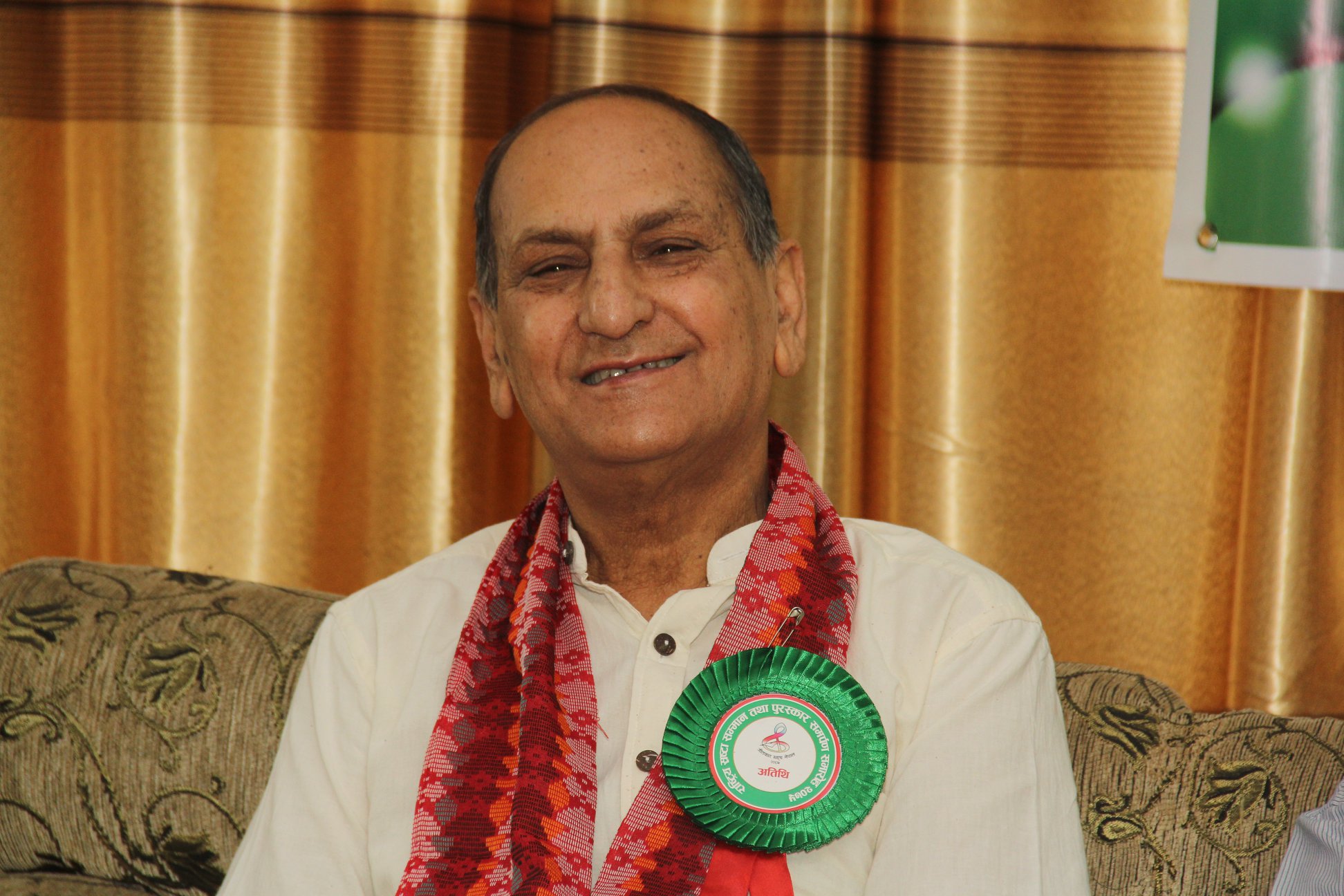
Kiran Kharel is a renowned Nepali poet and lyricist known for his significant contributions to Nepali literature and music. He has penned lyrics for numerous popular Nepali songs, collaborating with various artists and composers. Popular Songs by Kiran Kharel: "Aina Nabhaye" "Aakha Bhari Timi Timi" "Yo Mausam Yo Hariyali" "Tasbir Mai Yasto" "Makhamali" These songs have been cherished by audiences and have contributed to the rich tapestry of Nepali music. Throughout his career, Kharel has received several accolades recognizing his talent and impact on the industry. Notably: Kalika FM Music Award 2075: Lifetime Achievement Award Nefta Film Award 2069: Best Lyricist for the song "Pal" Dcine Award 2068: Best Lyricist for "Kasle Choryo Mero Man"
Kiran Kharel
Lyricist, writer-author