
Daulat Bikram Bista
Late Artists@daulat-bikram-bista · Writing & Literature, Novelist
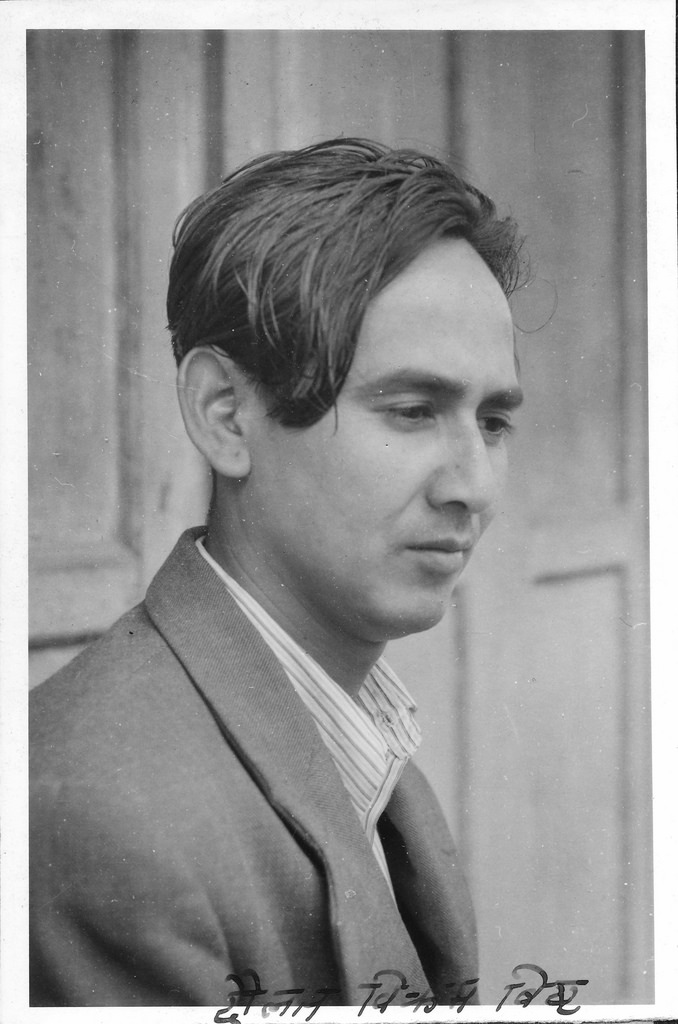
Daulat Bikram Bista (1925–2002) was a renowned Nepali writer and novelist celebrated for his portrayal of social issues, culture, and the lives of ordinary people. Born in Bhojpur, Nepal, he authored several influential novels, including Chapaiyeka A...
Biography
Daulat Bikram Bista (1925–2002) was a renowned Nepali writer and novelist celebrated for his portrayal of social issues, culture, and the lives of ordinary people. Born in Bhojpur, Nepal, he authored...
Personal Info
Career Highlights
1
Films
—
Awards
76 yrs
Experience
—
Rating
Similar Artists
Artists you might also like
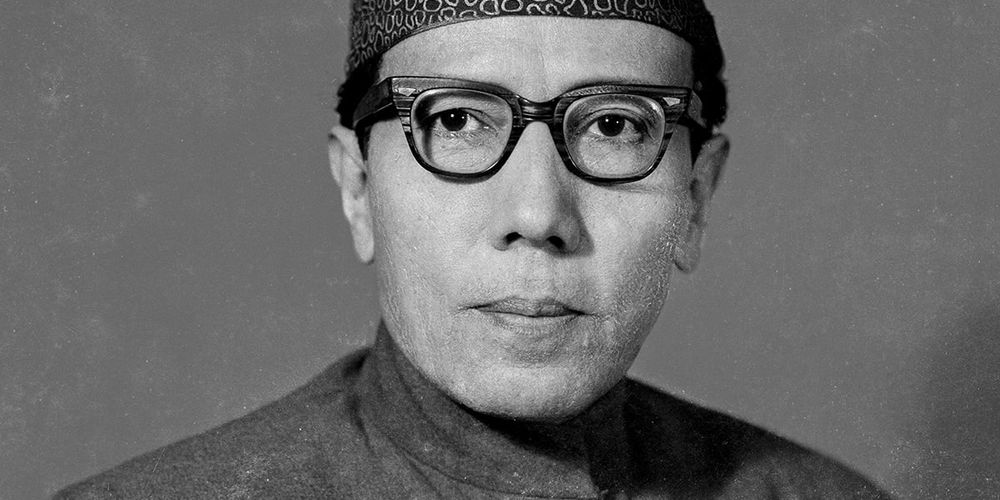
Balkrishna Sama (1902 – 20 June 1981) was Nepal’s most influential modern playwright, poet, and literary reformer, widely honored as the Shakespeare of Nepal for his pioneering contribution to Nepali drama. Born in Gyaneshwor, Kathmandu, he began his literary career in the early 1920s, writing socially conscious plays that challenged tradition and expanded the artistic scope of Nepali theatre. His worksincluding Prem Pinda, Bhater, Tansen, and Amar Singh introduced psychological depth, historical imagination, and modern dramatic structure to Nepali literature. A former army officer turned full‑time writer, Sama received Nepal’s highest honors for his cultural impact, and his legacy continues to define the foundation of Nepali drama and stage literature.
Balkrishna Sama
writer-author, Writing & Literature, Playwright

Manisha Gauchan is a Nepali writer, screenwriter, novelist, playwright, researcher, and former television journalist whose work spans literature, radio drama, journalism, and cinema. Recognized for her socially conscious storytelling, she explores themes of human emotions, disability, inclusion, identity, gender, and social justice through both fiction and screenwriting.Beginning her literary journey with poetry, Gauchan has established herself as a respected voice in contemporary Nepali literature. She is the author of four published books: the poetry collection Phoolharuko Rang Chaina (2003), the novel Walliko Diary (2006), Whitecane (2014), and Prativahan (2023). Her writings are widely appreciated for their emotional depth, character-driven narratives, and realistic portrayal of marginalized communities.Beyond literature, Gauchan has worked as a television journalist at Avenues Television, a Senior Radio Playwright at Antenna Foundation Nepal, and a freelance writer and researcher. Her multidisciplinary background has enriched her storytelling, allowing her to bridge journalism, literature, and visual media while advocating for inclusive narratives and social awareness.Expanding her creative journey into cinema, Manisha Gauchan co-wrote the screenplay for the Nepali feature film Bob Dai, directed by Praveen Shrestha. The project marks one of her notable contributions to the Nepali film industry as a screenwriter, bringing her literary sensibilities to the medium of film.
Manisha Gauchan
Screenwriter/Script Writer, writer-author, Writing & Literature
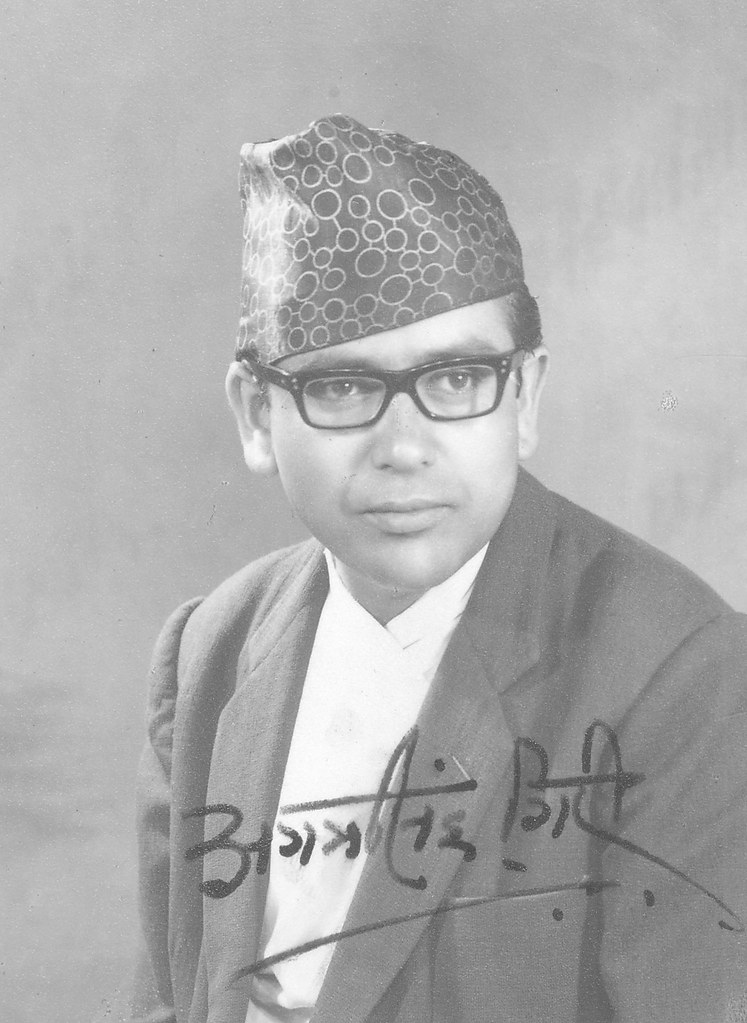
Agam Singh Giri (Nepali: आगम सिंह गिरी; 27 December 1927 – 31 January 1971) was one of the most influential Nepali-language poets and lyricists of the twentieth century. An Indian Gorkha writer from Darjeeling, West Bengal, India, he is celebrated for his profound contribution to Nepali literature and for giving voice to the identity, emotions, and aspirations of the Nepali-speaking community through his poetry and songs.Born as Hemraj Giri, he developed a passion for literature at an early age and began writing poetry while still a student. His first published poem, "Gorkhako Jay Hos," appeared in 1946, marking the beginning of a distinguished literary career. Inspired by both Nepali and world literature, Giri's writing blended lyrical beauty with themes of patriotism, humanity, social justice, love, and hope.Alongside poetry, Agam Singh Giri earned lasting recognition as a lyricist, writing several timeless Nepali songs. His famous lyric "Naulakhe Tara Udayo" remains one of the classics of Nepali music. His poems and songs are admired for their emotional depth, simplicity, and powerful expression.His notable literary works include Yaad (1955), Aatmakatha (1959), Jeevan Geet (1960), Aansu (1968), and the acclaimed Yuddha ra Yoddha (1970). He also contributed to the growth of Nepali literature by editing literary magazines and encouraging emerging writers.Despite passing away on 31 January 1971 at the age of 43, Agam Singh Giri left an enduring legacy. Today, he is remembered as one of the greatest Nepali-language poets and lyricists, whose timeless works continue to inspire readers, musicians, and literary enthusiasts across Nepal, India, and the global Nepali-speaking community.
Agam Singh Giri
Lyricist, writer-author, Writing & Literature

(कुमार नगरकोटी) is one of Nepal’s most influential contemporary fiction writers, known for his surrealism, magical realism, and highly experimental narrative style. Born on 2 December 1974 (17 Mangsir 2031 BS) in Lalitpur, Nepal, he has established himself as a bold, genre‑bending storyteller whose works challenge traditional Nepali literary forms. He began his literary journey in 1999 with an English poem titled “Sorry Buddha, I Cannot Follow You.” At age 21, he published his first story “Nikash” in Sahakalam Sahitya, a publication that typically featured only established writers—marking his early recognition. Nagarkoti’s debut book “Mokshanta: Kathmandu Fever” (2011) introduced his signature eccentric style. He followed it with “Fossil” (2013), “Aksharganj” (2014), “Mistika” (2015), “Ghatmandu” (2016), “Docha” (2017), “Gya” (2018), and the experimental “Kalpa‑Grantha” (2021), which contains 63 experimental tales including typographs, postcards, and screenplays. His novel Gya was shortlisted for the Madan Puraskar (2075 BS), and Kalpa‑Grantha was shortlisted for Madan Puraskar (2077 BS). He also won the Barsha Pustak Puraskar (2013 AD) for Fossil. Nagarkoti has also written acclaimed plays such as “Coma — A Political Sex” (2015) and “Bath‑Tub” (2019), both staged at Shilpee Theatre under the direction of Yubraj Ghimire. He made a cameo appearance in the Nepali film “Lal Purja” (2018). He describes himself not as a writer, but as a “fiction designer.”
Kumar Nagarkoti
Writing & Literature