
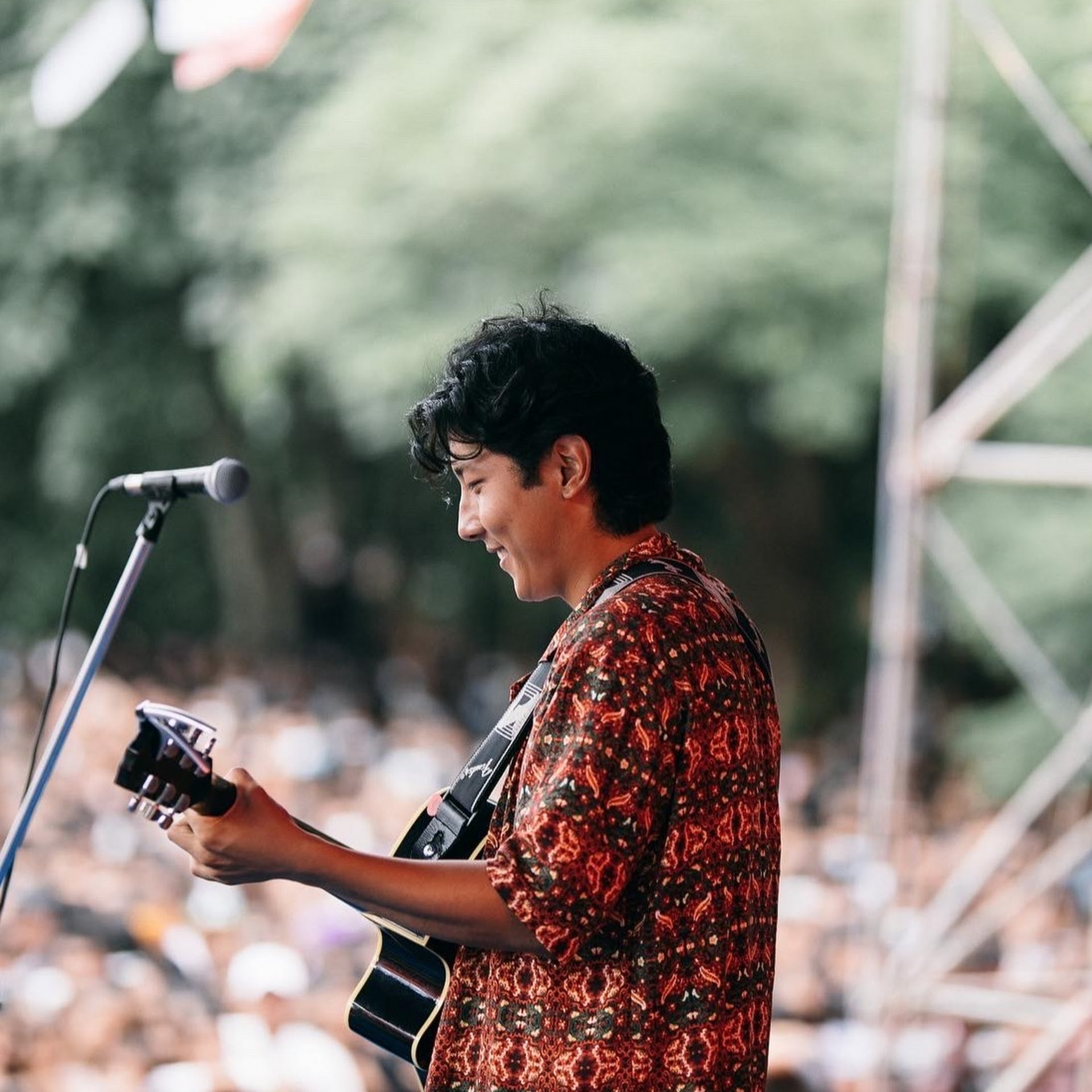
Wangden Sherpa
Active@wangden-sherpa · Singer/ Performer
Wangden Sherpa is a young Nepali singer‑songwriter known for his deep vocals, bilingual pop style, and viral digital presence. Rising from Kathmandu’s indie scene, he gained recognition through TikTok and YouTube, followed by his debut album Tangled ...
Biography
Wangden Sherpa is a young Nepali singer‑songwriter known for his deep vocals, bilingual pop style, and viral digital presence. Rising from Kathmandu’s indie scene, he gained recognition through TikTok...
Personal Info
Career Highlights
—
Films
1
Awards
6 yrs
Experience
—
Rating
Similar Artists
Artists you might also like
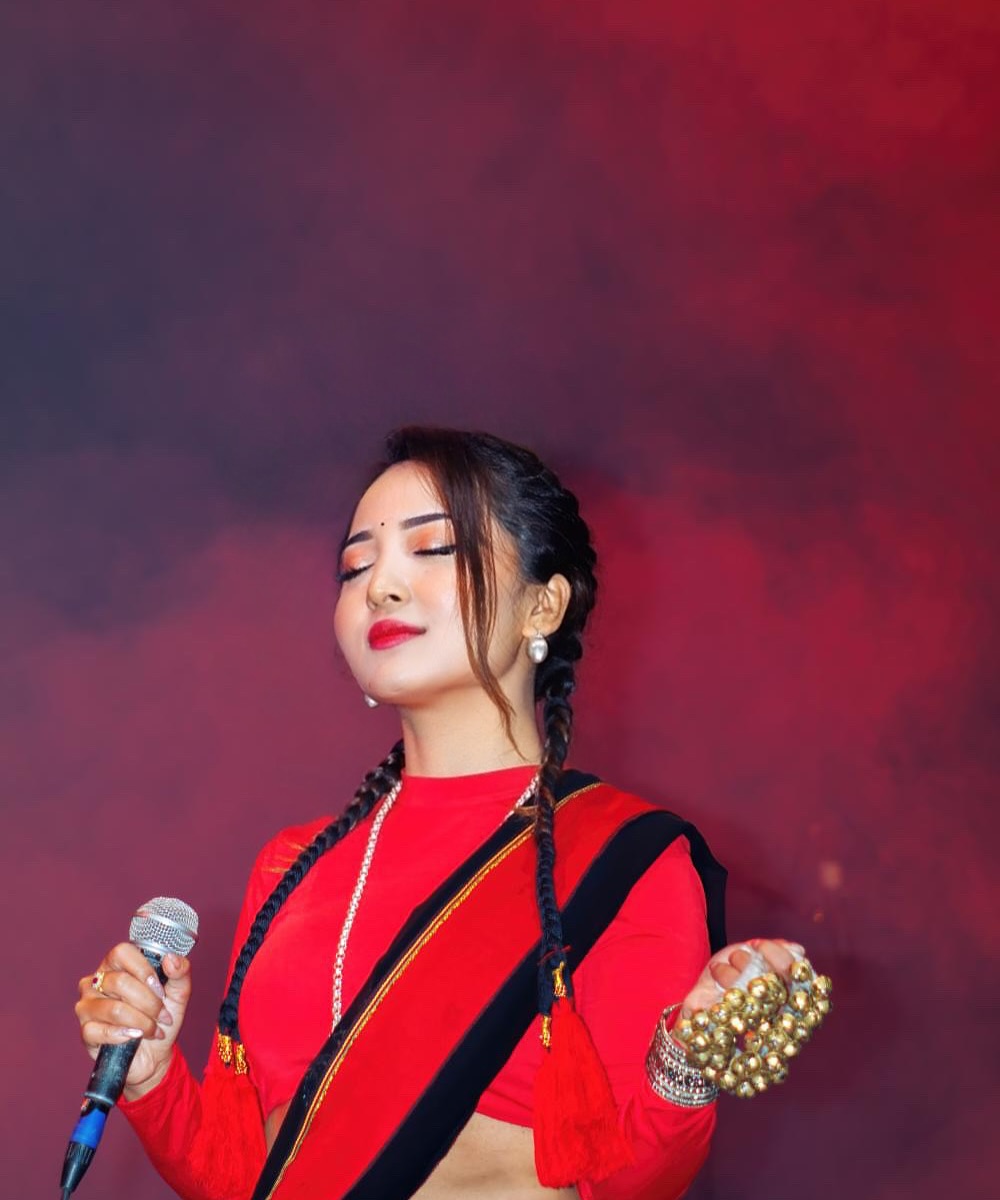
Barsha Karmacharya is a talented Nepali singer, songwriter, model and composer who has made a mark in the Nepali music industry. She is known for her unique blend of pop and traditional Nepali music, often incorporating cultural elements into her songs. Some of her popular tracks include "Sarara," "Narisauna," and "Oh Makka," which showcase her versatility and creativity. Barsha is also a model and makeup artist, adding to her multifaceted career. She has collaborated with other artists and gained recognition for her vibrant music videos and performances. Currently based in the United States, she continues to pursue her passion for music while exploring other creative fields.
Barsha Karmacharya
Music Artists, Model, Singer/ Performer
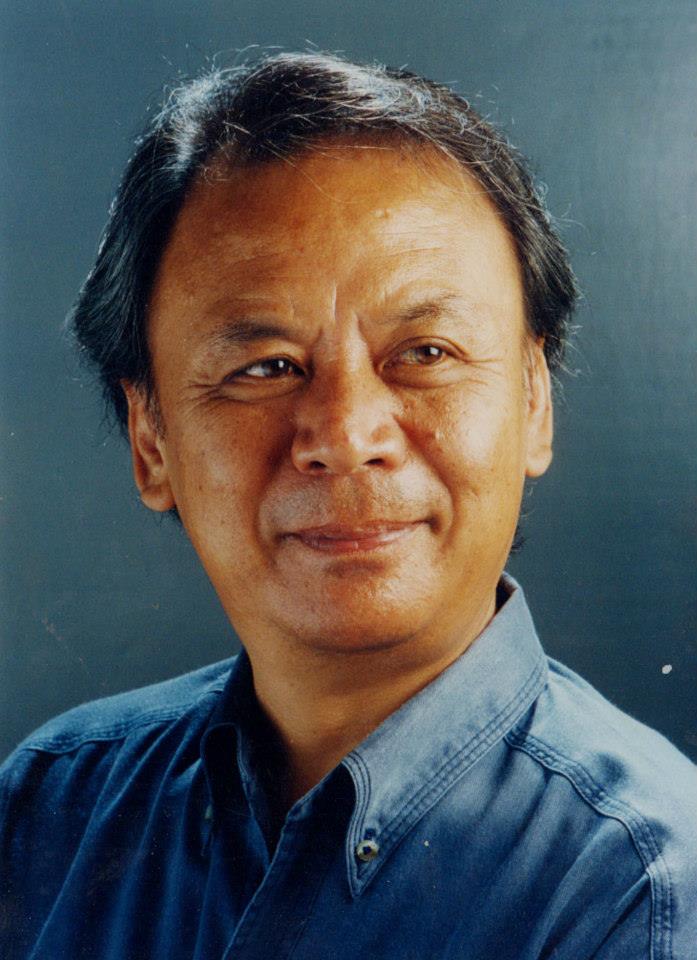
Gopal Yonjan (1943–1997) was a towering figure in Nepali music—an accomplished singer, lyricist, music director, arranger, flutist, and multi-instrumentalist. Born in Darjeeling, India, he began his musical journey with the flute, winning accolades as a young performer. His deep study of Nepali folk, Rabindra Sangeet, and classical traditions shaped a career that spanned over three decades and more than 2,000 compositions. Yonjan moved to Kathmandu in 1967 to pursue his MA in Nepali and taught music at prestigious schools while composing for Radio Nepal, Nepal Police Club, and films. His partnership with Narayan Gopal is considered the golden era of Nepali modern music. He was known for blending poetic depth with rich orchestration, often writing, composing, and arranging his own songs. His works spanned genres—patriotic, romantic, philosophical, spiritual, and children's music. He was honored with the Gorkha Dakshin Bahu, Chinnalata Song Award, and multiple Best Music Director titles. His legacy continues to inspire generations of musicians and listeners.
Gopal Yonjan
Music Artists, Music Director, Music Arranger, Singer/ Performer

Mausami Gurung is a celebrated Nepali music artist and playback singer known for her sweet, melodic voice, versatile genre range, and influential presence in Nepali pop and film music since 2003. Born on 4 March in Kolkata, India, she grew up in an army family, moving frequently and performing in school and cultural programs from a young age. Her early musical foundation came from Gandharva Sangeet Kala Kendra, after she moved to Nepal in 2001 and passed the Radio Nepal voice test, formally entering the professional music field.Her debut album “Unforgettable” (2060 BS) introduced her to Nepali audiences with hits like “Parelimai Chhau Ki Kaso” and “Mero Maan”, establishing her as a rising pop artist. She later delivered evergreen songs such as “Chyangba Oi Chyangba”, “Kanchi Hey Kanchi”, “Machi Marana”, “Jhumke Phooli”, “Ma Roop Hu”, “Ma Nepali”, and “Unko Muskan”, becoming one of the most recognizable female voices of the 2000s pop era.As a playback singer, she has recorded songs for over 14 Nepali films, including Itihas, Jwalamukhi, Paley Dai, Aagni, and more, making her a consistent presence in Nepali cinema. Her album “Mahasus” (2012) further strengthened her musical identity with popular tracks like “Sheetal Sheetal” and “Naya Mausam Cha”.Beyond music, she has voiced major commercial advertisements (Fair & Lovely, Dabur, Rajhans, Pepsodent, Frooti) and performed internationally in Belgium, Hong Kong, New York, and the United Kingdom, expanding her global audience. Known for her emotional delivery and strong stage presence, she remains an influential figure in Nepali pop and playback music.
Mausami Gurung
Playback Singer, Singer/ Performer
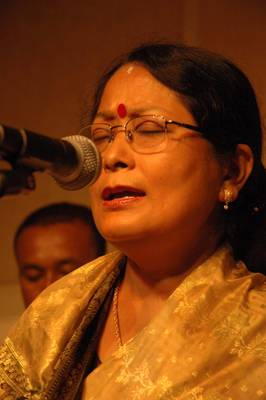
Dawa Gyalmo is a gifted Nepali singer celebrated for her expressive voice and poetic sensibility. Hailing from Darjeeling, she has become a beloved figure in the world of Adhunik (modern) Nepali music. Her performances in the Paleti music series brought her widespread recognition, with standout songs like “Phoolko Dali Dali”, “Aankha Bhitra Timi Aai”, and “Raat Gahirindai Janchha” capturing hearts across generations. She often collaborates with other iconic artists, including Daisy Baraili and Madhu Chhetri, blending lyrical depth with melodic richness. Her music is known for its emotional nuance and timeless appeal, often exploring themes of love, longing, and introspection.
Dawa Gyalmo
Music Artists, Singer/ Performer