

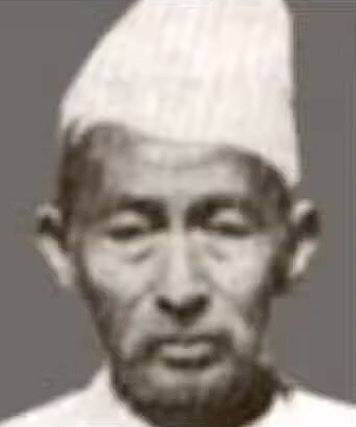
Ustad Sahila
@ustad-sahila · Folk Singer, Singer/ Performer
Ustad Sahila, born (Asta Man Shrestha) in Asaar 1951, was a pioneering figure in Nepali folk‑based musical innovation. Known for introducing a fresh dimension to Nepali lok‑laya, he blended traditional rhythms with expressive vocal phrasing that made...
Biography
Ustad Sahila, born (Asta Man Shrestha) in Asaar 1951, was a pioneering figure in Nepali folk‑based musical innovation. Known for introducing a fresh dimension to Nepali lok‑laya, he blended traditiona...
Personal Info
Career Highlights
—
Films
1
Awards
36 yrs
Experience
—
Rating
Similar Artists
Artists you might also like

Roshani Rasaili, a talented folk and duet singer from Nepal, has made a significant impact in the music industry. Born on November 5th, 1984, in Indrenigaun, Baglung district, Gandaki, Nepal, Rasaili has shown a natural inclination towards the arts and performance from a young age. She actively participated in various school programs and cultural events, showcasing her talent and passion. Rasaili's repertoire includes a wide range of Nepali songs, particularly in the genres of folk, duet, and lok pop. With her captivating voice, she has made remarkable contributions to renowned compositions such as "Raksi Ganayo," "Fur Fur Putali," "Tetis kilo Sun," and "Driver Dai," among others. Education has played a crucial role in Rasaili's journey. She completed her schooling at Machhapuchhre School and obtained her School Leaving Certificate (SLC) in 2007 from Bhairab Secondary School in Baglung, Nepal. Later, she moved to Kathmandu and pursued her intermediate studies in music at Ratna Rajya Laxmi Campus.Roshani Rasaili's dedication and talent has earned her a prominent place in the Nepali music scene. Her contributions to the industry continue to inspire and entertain audiences both within Nepal and beyond. Roshani Rasaili, also known as Roshani B K, possesses a true identity that shines brightly. Beyond her impressive academic achievements, her passion for artistry sets her apart from her peers. Within her chosen field, she has accomplished remarkable feats that deserve recognition. Musical Carrier Embarking on her illustrious journey in 2009, she commenced her career as a distinguished female vocalist for Kathmandu. In that very year, she unveiled her inaugural melody titled "Kati Palayo Dali," a harmonious collaboration with the esteemed Krishna Gc. The release of her debut solo album, "Mutu bijhaune," solidified her presence in the Nepali Music Industry. With an unwavering dedication, she has graced the industry with her mellifluous voice, recording songs in the enchanting Nepali language. Her remarkable talent has propelled her to the forefront, establishing her as a leading figure in duet and folk singing. Collaborating with numerous luminaries and renowned singers, she has left an indelible mark on the hearts of her audience. Throughout her remarkable 14-year journey, her unwavering commitment and tireless efforts have elevated her to the pinnacle of success, making her one of Nepal's most prolific and exceptional female vocalists. Not only does she possess exceptional talent, but she also radiates humility and wholeheartedly dedicates herself to delivering unparalleled entertainment to her cherished audience. Mrs. Rasaili possesses an extraordinary talent for singing, captivating and entertaining her audience with her remarkable performances. Her appealing presence and exceptional vocal skills never fail to please her listeners. Her music is renowned entertaining, soothing, and alluring qualities. With a string of consecutive and commercially successful hits, she has firmly established herself as one of the industry's top female singers.’ Guinness World Records The song "Melancholy" has made its mark in history as it was recognized by the Guinness World Records on 1 February 2018 for having the "Most Vocal Solos in a Song Recording." This incredible achievement is a true testament to the immense talent and dedication of the 365 Nepali artists who lent their voices to this masterpiece. The magical musical concert took place on 19 May 2016 at the prestigious Radio Nepal Studio, located in Singh Durbar, Kathmandu Nepal. The event was graced by the presence of the esteemed National Poet, Madhav Ghimire, and the Rt. Hon. Prime Minister KP Sharma Oli.The song itself is a captivating experience, running for a total of 33 minutes and 49 seconds. It was officially released on 02 September 2017 in Kathmandu, under the auspicious presence of the Rt. Hon. President of Nepal, Bidya Devi Bhandari.Beyond its musical brilliance, "Melancholy" carries a powerful message of Sustainable Environment and Ecosystem Management (SEEM). This serves as a testament to the artists' unwavering commitment to promoting a better world. Their collective efforts have truly created a masterpiece that resonates with audiences and inspires positive change. International Award Roshani Rasaili, a remarkable individual, has been honored with a highly esteemed international accolade for her exceptional “Best Women Leadership Excellence Award in the Music & Entertainment Industry Category. This prestigious award was presented during a grand ceremony organized by the South Asian Partnership Summit & Business Excellence Awards (SAPS) on December 10, 2021, in the captivating city of Colombo, Sri Lanka. National Award S.no Award Title Category Song Name /Date/ Result 1 8th Chhayachhabi Teej Music Award-2021 Best Teej Song Singer Garchhu Maya Garchhu 06 September, 2021 Won 2 National Creative Citizen Award 2023 Best Folk Duet Singer 07 April, 2023 Nepal Tourism Board Won 3 Star Music and Film Awards 2021 Best Nepali folk female singer Sali bhena 11 December, 2021, Won 4 Sagarmatha Music Award 2023 Best folk-pop Singer Furfur Putali 13 October 13, 2023 Kathmandu Won
Roshani Rasaili
Folk Singer

Sushant Ghimire is a rising Nepali singer-songwriter known for his introspective lyrics and soulful melodies. Originally from Biratnagar, he discovered his passion for music early on—singing Raju Lama’s “Timi Lai Dekhera” at a school event sparked his journey. Despite initially pursuing engineering and working full-time at a construction company, his love for music led him to perform cover songs and original compositions at bars in Kathmandu, often juggling gigs with his day job. His notable songs include: - “Mann Chari” – a poetic reflection on inner peace and freedom - “Bujhau Malai” – a heartfelt lyrical piece - “Feri Feri” – a tribute to love and friendship - “Eklo Mann” – written from a female perspective for the drama Kohi Kina Barbaad Hos Ghimire’s music blends emotional storytelling with a modern acoustic sound, resonating with listeners who appreciate authenticity and vulnerability.
Sushant Ghimire
Music Artists, Singer/ Performer

Narayan Thapa is a Nepali singer, composer, and musician known for his expressive sugam and modern vocal style. Born in Sindhuli, he entered the industry with “Chokho Maya Ma” and has since released over 60 songs, including popular tracks like “Aajkalka Muna Madan” and “Timro Aakarshanle.” With albums such as Ajambari, Parivesh, and Aakarshan, he has earned multiple national music awards and recognition for his versatile contributions to Nepali music.
Narayan Thapa
Singer/ Performer
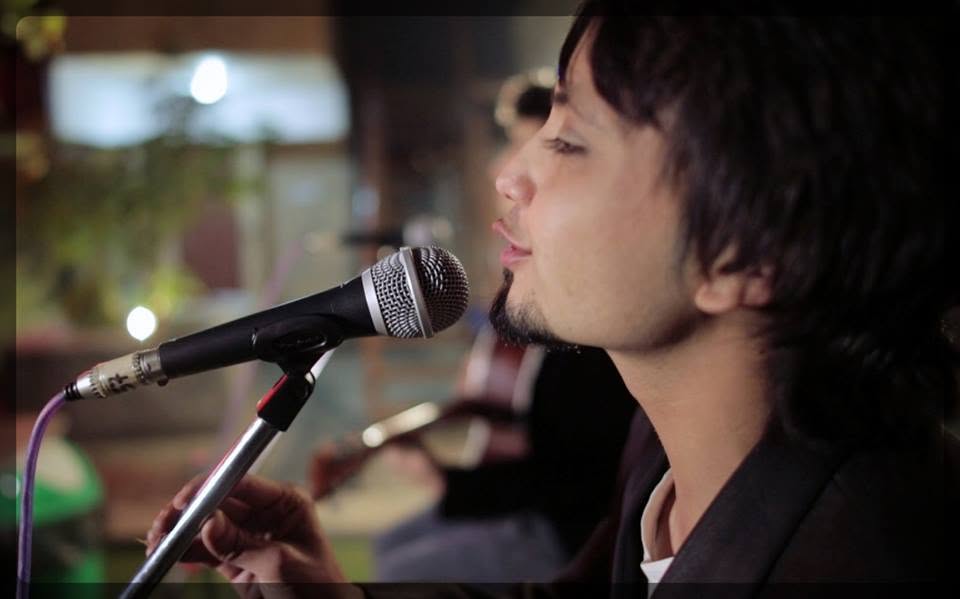
Chintu Rimal is a Nepali singer known for his digital‑era music presence, with several popular releases circulating widely on YouTube. His songs such as “Churot,” “Aadha Raatma,” and the humorous viral track “Babaal Jhyap” have helped him gain recognition among young listeners and online audiences. Active primarily in contemporary Nepali pop and experimental digital music, he continues to build his profile through independent releases, lyrical videos, and collaborations featured across Nepali music channels.
Chintu Rimal
Singer/ Performer