
Dewasish Tamang
@dewasish-tamang · Musicians & Instrumentalists, Guitarist
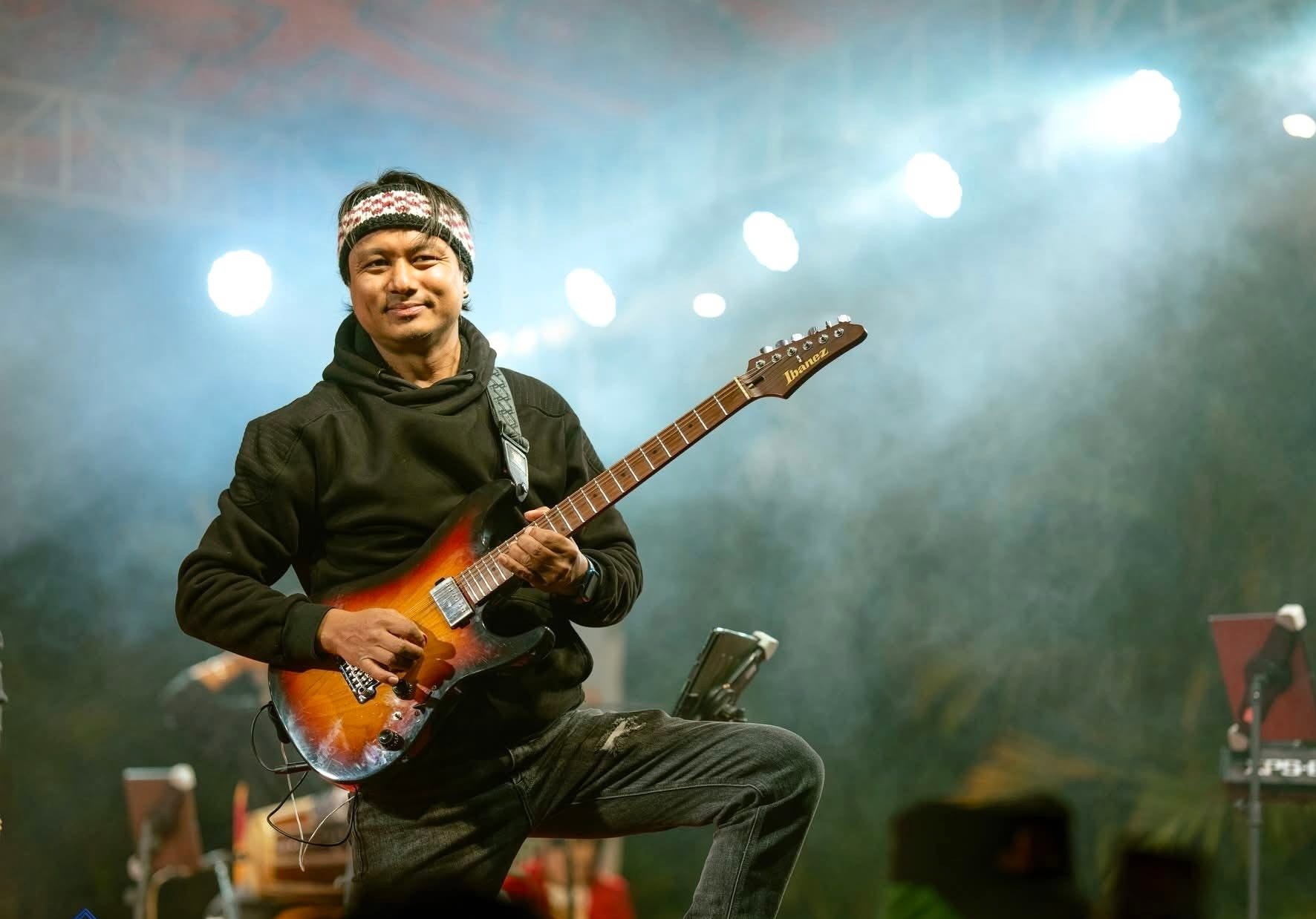
Dewasish Tamang is a Nepali lead guitarist, musician, and session performer known for his expressive playing style, technical clarity, and versatility across modern, pop, fusion, and instrumental music. He gained national visibility as a finalist in ...
Biography
Dewasish Tamang is a Nepali lead guitarist, musician, and session performer known for his expressive playing style, technical clarity, and versatility across modern, pop, fusion, and instrumental musi...
Personal Info
Career Highlights
—
Films
—
Awards
14 yrs
Experience
—
Rating
Similar Artists
Artists you might also like
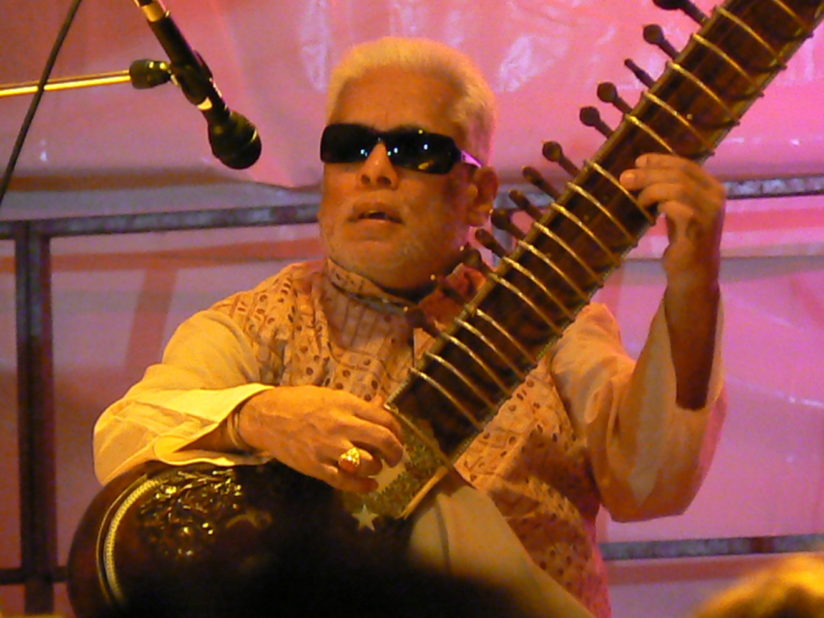
Narendra Bataju Narendra Bataju (died 2018) was a Nepali-born sitar and surbahar virtuoso renowned for his mastery of Hindustani classical music. A disciple of Ravi Shankar, he became an influential cultural bridge between South Asia and Europe through performance and teaching. Key facts Born: Kathmandu, Nepal (year not publicly documented) Died: September 2018, Paris, France Discipline: Hindustani classical (Maihar gharana) Instruments: Sitar, surbahar Based in: Paris since 1972 Early life and training Blind from birth, Bataju began learning sitar at age eight. He pursued formal training for a decade at the Conservatory of Music in Lucknow, India, earning a master’s diploma and two Grand Prizes. His prodigious skill earned recognition from Ravi Shankar, who praised his natural musicality and emotional sensitivity. Career and recordings Settling in Paris in 1972, Bataju performed for the Nepalese royal family and later across European concert halls and festivals, including the Centre Mandapa, the Musée du Quai Branly, and the Festival du Tibet et des Peuples de l’Himalaya. His recordings include Sitar: Râga Kirvani / Surbahar: Râga Gunkali (1975), Les Sitar et Surbahar de Narendra Bataju (1980), and Jog Kauns / Misra Pilu (2006). Collaborations and performances Bataju collaborated internationally, performing alongside the Egyptian oud player Hussein El Masry at Paris’s Cité de la Musique (1996) and appearing at cultural events such as France’s Festival de l’Inde. His cross-cultural work extended to Western artists, including contributions to Symphonie celtique (Tír na nÓg) by Alan Stivell. Legacy Celebrated as a pioneer of Indian classical music in France, Narendra Bataju inspired new generations of European and Nepali musicians through his teaching and emotive performance style. His artistry remains documented in a modest but significant body of recordings and archival radio broadcasts.
Narendra Bataju
Musicians & Instrumentalists
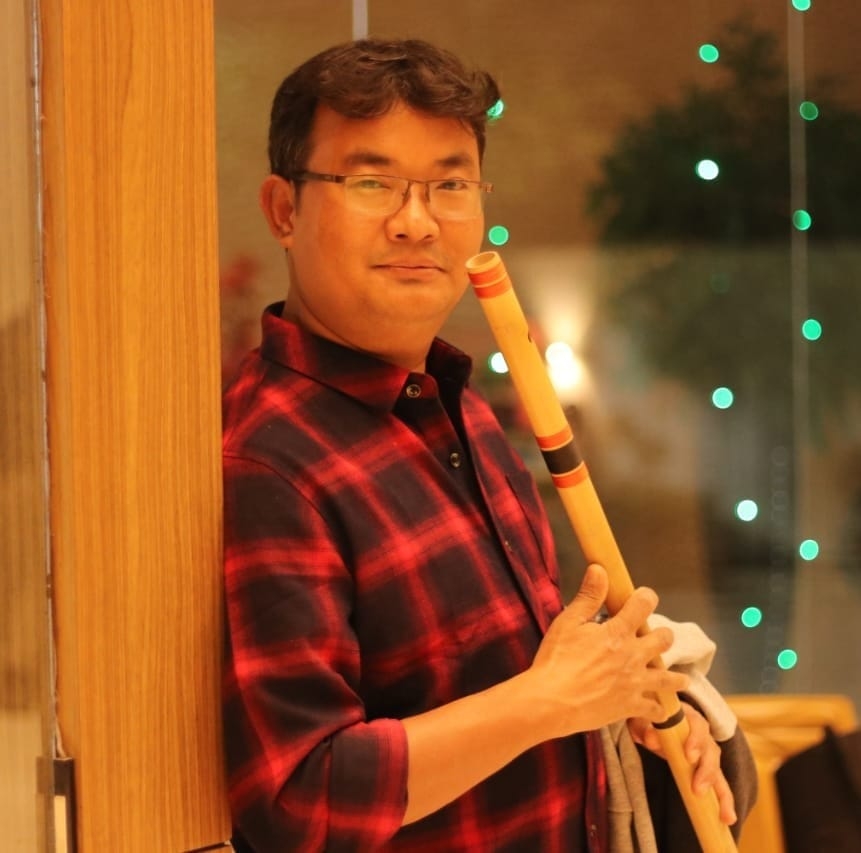
Buddha Lama is a musically talented young personality. He used to keep peoples spellbound by playing popular folk tunes in flute from his childhood. He came to Kathmandu for his further theoretical & practical courses in flute after finishing his schooling. In Kathmandu , he met flute instructor Jeevan Ale. Then he started both theoretical & practical classes in classical music. During his learning period he came to know from his instructor that no one can make flutes professionally in Nepal and it was hard to get even a perfect scaled flute in Nepal . People had to go to India to get a perfect flute. One day he determined to make flute himself in Nepal and after few years of his study he succeeded. Now world renowned flute-maestro from Nepal like Prem Ran Autari from ‘Sur Sudha' band, Himalayan Flutist Manose Sing, Pancha Lama from Chautari band and other well-known flutists are using flutes made by him. He also supplies his flutes in USA, Japan, Switzerland and other countries. All the effort he puts in result in quality flutes that have a massive and ever increasing demand abroad. He is pleased with this and plans to further improve the quality and as well address a wider market thus helping spread the melodious tune of flutes all around the world.
Buddha Lama
Musicians & Instrumentalists, Flautist
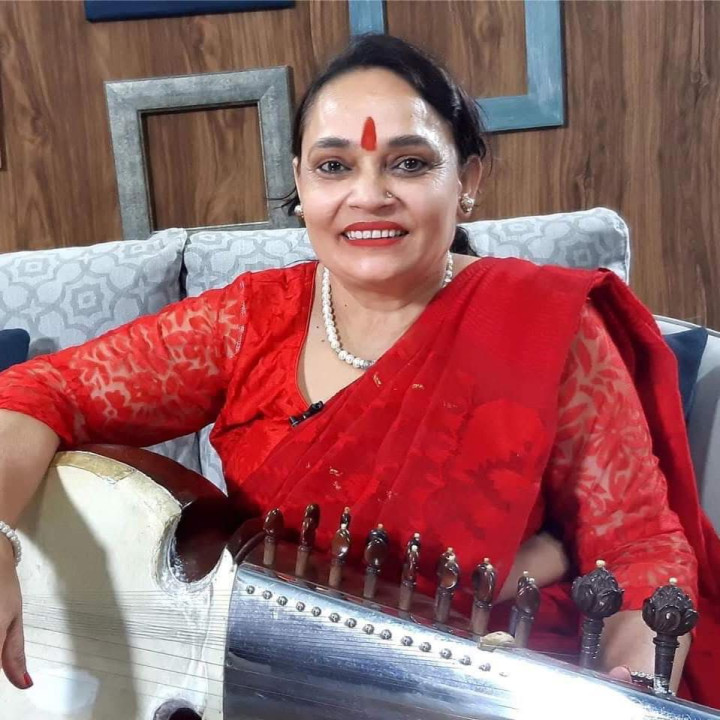
Dashain and Malshree Dhun are deeply connected in Nepali culture. The sacred melody of Malshree is considered the musical soul of Dashain, and helping preserve this tradition is Nepal’s first and only female sarod player, Rupa Neupane. Rupa Neupane was born in Asar 2026 B.S. (1969 A.D.) in Mulpani, Kathmandu. She was married at the age of 12 in 2038 B.S. Despite early marriage and social responsibilities, her passion for music gradually found its way into her life. At the age of 24, in 2050 B.S. (1993 A.D.), she began learning the sarod, marking the beginning of her remarkable musical journey. She first trained under senior sarod maestro Mohan Sundar Shrestha in Kathmandu. Later, she continued her studies with Suresh Raj Bajracharya and further refined her skills under Dr. Anupama Kumari in India. Through dedication and continuous practice, she steadily established herself as a respected sarod instrumentalist. In a field traditionally dominated by men, Rupa Neupane broke barriers and created a historic identity as Nepal’s pioneering female sarod player. Her performances of Malshree Dhun during Dashain have strengthened the cultural connection between classical instrumental music and Nepal’s most celebrated festival. Today, she continues her journey as a committed sarod artist, inspiring women and young musicians across the country. Her life reflects perseverance, courage, and devotion to classical music, proving that passion and determination can overcome social and personal challenges.
Rupa Neupane
Musicians & Instrumentalists
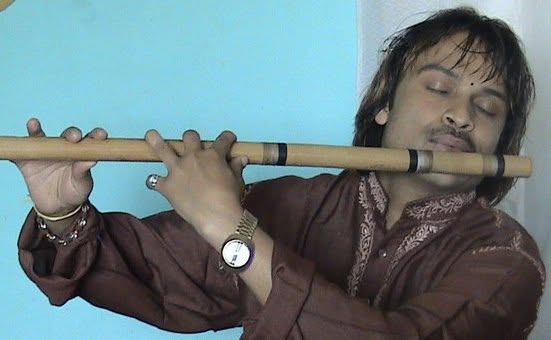
Durkha Khatiwada is a distinguished Nepali flutist (bansuri artist), music educator, and performer dedicated to the promotion of Hindustani classical and instrumental music. Originally from Ilam, Nepal, he has established himself as one of the country's respected flute instructors and performers through decades of teaching, stage performances, and institutional leadership.Khatiwada currently serves as a Lecturer at Lalitkala (Fine Arts) Campus, Tribhuvan University, where he teaches instrumental music and mentors undergraduate and postgraduate students. Alongside his academic career, he has been associated with the Nepal Music Center, Pingalasthan, Kathmandu, since 2005, serving as Head of the Eastern Department, Education Coordinator, and Flute Instructor, playing an important role in training young musicians and promoting classical music education.In addition to teaching, he has been working as an Instrumental Music Teacher and Assistant Music Director at the Cultural Corporation of Nepal since 2018. Through concerts, workshops, lecture-demonstrations, and educational programs, he continues to contribute to the preservation and promotion of Nepal's rich musical heritage while inspiring the next generation of instrumental musicians.
Durkha Khatiwada
Music Artists, Musicians & Instrumentalists, Flautist