
Viplob Pratik
@viplob-pratik · Lyricist, Poet, Writing & Literature
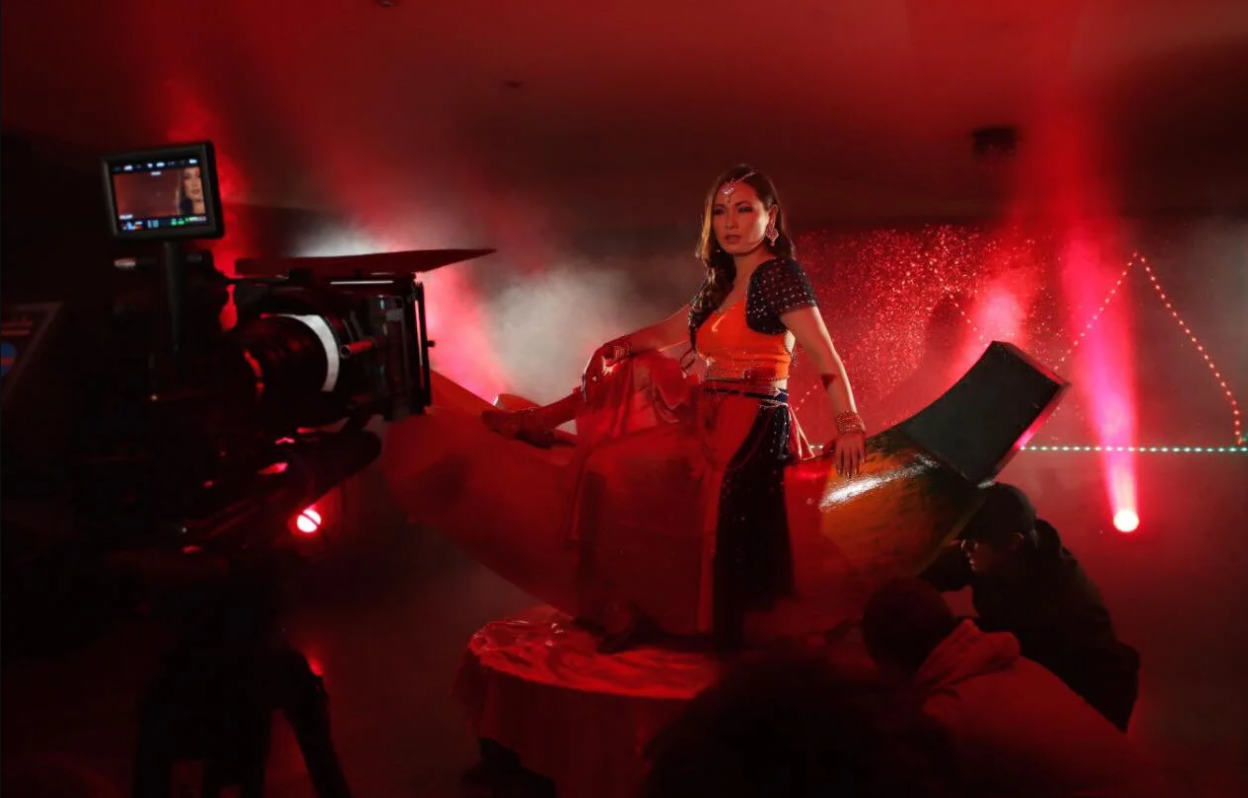
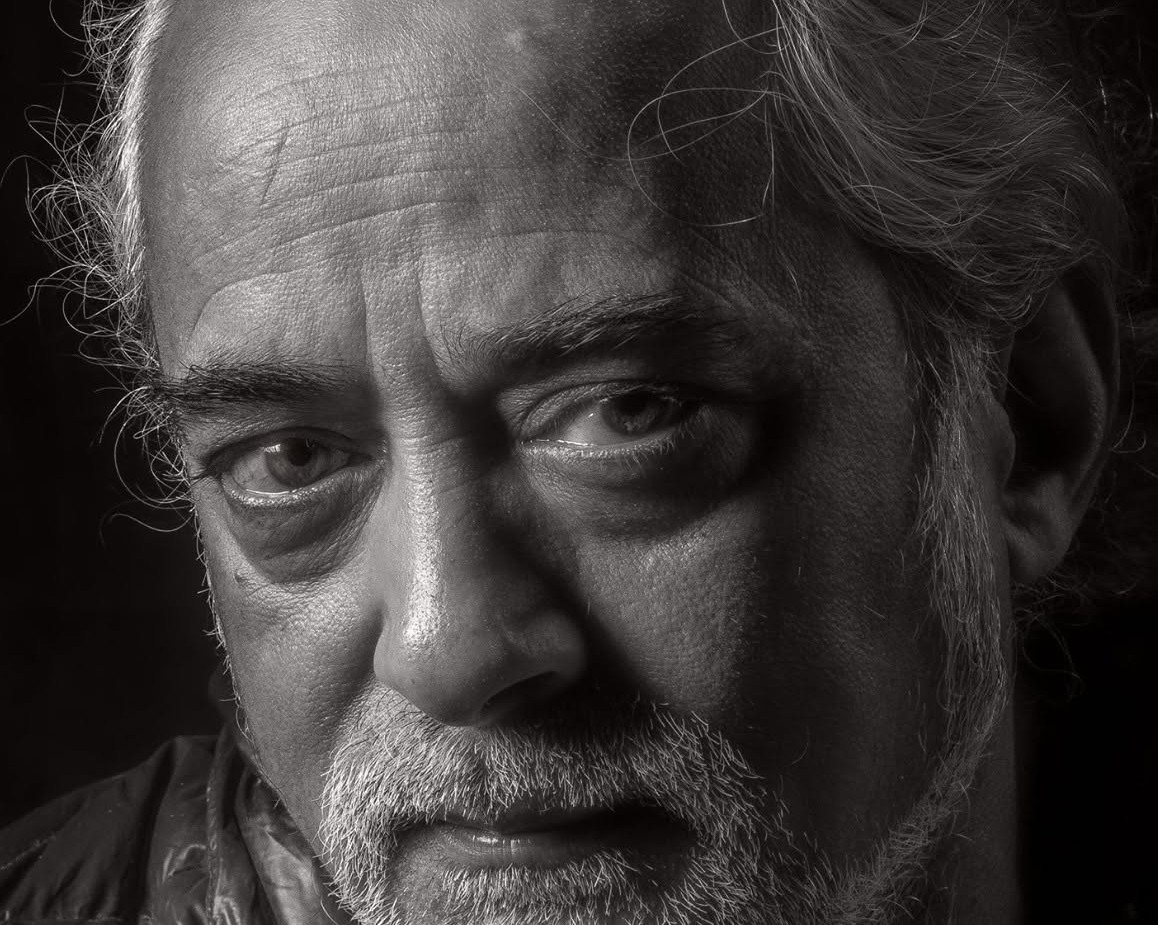
Viplob Pratik is a Nepali poet, lyricist, novelist, and editor known for his socially conscious poetry, modern Nepali lyrics, and editorial contributions to contemporary literature. Active since the late 1990s, he has published acclaimed poetry colle...
Biography
Viplob Pratik is a Nepali poet, lyricist, novelist, and editor known for his socially conscious poetry, modern Nepali lyrics, and editorial contributions to contemporary literature. Active since the l...
Personal Info
Career Highlights
—
Films
—
Awards
36 yrs
Experience
—
Rating
Similar Artists
Artists you might also like

I was born in 2014 BS, 7th Mangsir, in East Charikot 2, Fusku. Father Bir Bahadur Gurung and Mother Krishna Kumari's distinguished upbringing and teaching made me an able graduate. I grew up in a family where people have been indulged in the military career since the time of my grandfather Bhaktabir Gurung Jung Bahadur. To carry on the family profession, I also worked as an officer in the government His Majesty the King. I also run a bus service under the name 'Ambika Travel Agency'1985-1993. I came to the USA in 1994 after my husband was offered a working visa from the United States. I have been in the habit of writing poetry and stories since I was a child. I collected a lot of poems and stories that I started on my way to school. When I started studying in college, some poems were published in magazines. And also, I started writing Geeti Katha to give to Radio Nepal for publishing, that was 35 years ago. After I got married, I could not continue writing because I had to take care of my family and children. Finally, in 2015, 'Bhav Sagar' Part 1 poetry collection was published, and immediately in 2016 'Bhav Sagar Part 2' was also published. I started my journey of song and music on July 31, 2016, and I am still doing it. I have my own company Bhavsagar Entertainment L L C &Bhavsagar Creations youtube channels.
Ambika Gurung
Lyricist
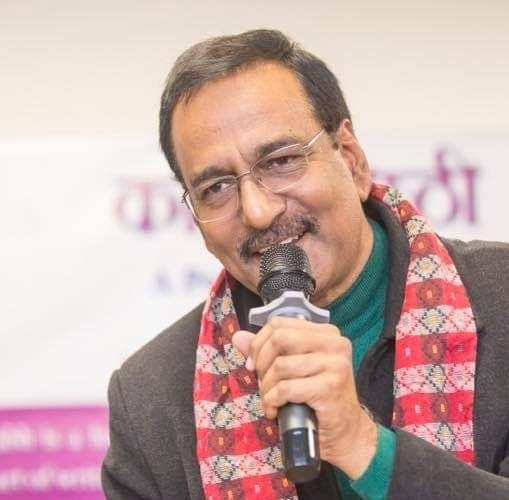
Rajendra Shalabh (also credited as Rajendra Salav) is a veteran Nepali filmmaker and lyricist whose career spans cinema, literature, media, and cultural programming. Active since 1990, he has directed notable Nepali films such as Bijaya Parajaya (1990), Bhauju (1993), and Paribhasha (1994), and contributed as a lyricist and writer across multiple projects.Beyond cinema, Shalabh is recognized as a poet, cultural organizer, and media professional. He has been involved in poetry recitation programs, literary events, and audiovisual poetry projects featuring major Nepali poets. His multidisciplinary work extends into television production, education, and entertainment management, including serving as Executive Director of CG Entertainment and working as a Law Associate at Tribhuvan University.
Rajendra Shalabh
Lyricist, Film Director
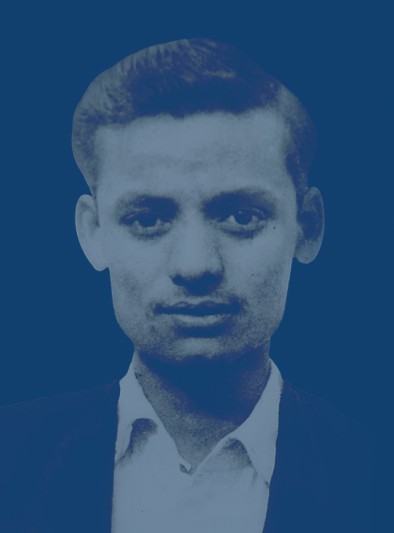
Batukrishna Jwala (Nepali: बटुकृष्ण ज्वाला; 23 Falgun 1999 B.S. – 23 Magh 2025 B.S. / 1943–1969 A.D.) was a pioneering Nepali singer, composer, lyricist, music teacher, and stage performer who played a significant role in the evolution of modern Nepali music during the 1960s. Although his life and career were tragically brief, he left an extraordinary legacy through his timeless songs, innovative musical style, and charismatic performances. Widely regarded as one of the artists who transformed the image of Nepali modern music, Jwala introduced a fresh blend of melody, expression, and stagecraft that influenced generations of musicians.Born as Batukrishna Silwal in Kshetrapati, Kathmandu, he was the son of Rameshwor Krishna Silwal and Prabhavati Silwal. From an early age, he demonstrated exceptional musical ability and developed a deep passion for singing and composing. As his artistic career flourished, he adopted the stage name Batukrishna Jwala, a name that would become synonymous with Nepal's golden era of modern music.Before dedicating himself fully to music, Jwala served as a music teacher at Laboratory School, Kirtipur, where he nurtured young talent while continuing his own artistic pursuits. His background as an educator reflected his commitment to promoting music beyond the stage and recording studio.Batukrishna Jwala emerged as a leading voice in Nepali modern music during the 1960s. At a time when the country's music industry was still in its formative years, he brought a distinctive performance style that combined expressive singing with theatrical presentation. His energetic stage presence earned him recognition not only as a gifted vocalist but also as one of Nepal's earliest musical performers, captivating audiences through both his voice and his expressive interpretation of songs.His breakthrough came with the timeless classic "Ae Durka Sitara Mero Chandani Kaha Chha." The song, written by renowned lyricist Kiran Kharel, became one of the landmark recordings in Nepali music history. According to musical accounts, King Mahendra was deeply impressed after hearing Jwala perform the song live, leading to its recording in Kolkata, India. The recording marked an important milestone in his career and introduced his voice to audiences across Nepal.Jwala achieved nationwide fame with the evergreen hit "Chanchale Aankhale Ho Ho Chanchale Aankhale," a song that remains one of the most recognizable classics of Nepali modern music. His expressive vocal delivery, memorable melodies, and lively presentation helped redefine popular music at the time. Other notable songs associated with his career include "Phuleko Phool" and several other compositions that continue to be appreciated by lovers of classic Nepali music.Beyond singing, Batukrishna Jwala was also an accomplished composer and lyricist. His musical works blended traditional Nepali melodies with modern arrangements, creating a fresh sound that appealed to a new generation of listeners while preserving the emotional depth of Nepali music. His versatility allowed him to contribute creatively in multiple aspects of music production, making him one of the pioneering multi-talented artists of his era.Despite achieving immense popularity, Jwala's recording career remained relatively short due to the limited recording infrastructure available in Nepal during the 1960s. Many of his performances were witnessed live on stage rather than preserved through commercial recordings. Nevertheless, the songs he recorded became enduring classics and continue to be broadcast, performed, and celebrated decades later.Batukrishna Jwala passed away on 23 Magh 2025 B.S. (1969 A.D.) at the age of only 25, bringing an untimely end to one of the most promising careers in Nepali music. Although his life was brief, his artistic contributions left a lasting impact on the country's musical landscape.Today, Batukrishna Jwala is remembered as one of the pioneers of modern Nepali music—a gifted singer, composer, lyricist, teacher, and performer whose timeless songs and innovative artistry helped shape the identity of Nepali popular music. His classics, including "Chanchale Aankhale," "Ae Durka Sitara Mero Chandani Kaha Chha," and "Phuleko Phool," continue to inspire musicians and delight audiences, ensuring that his legacy remains an enduring part of Nepal's musical heritage.
Batukrishna Jwala
Music Director, Lyricist, Singers & Vocalists

Tara Adhikari is a talented Nepali lyricist known for his captivating lyrics and contributions to the Nepali music industry. He has written lyrics for numerous popular songs and albums, showcasing his creativity and talent. Notable Works "Chadke Najar": A music video featuring lyrics by Tara Adhikari. "Manaibhari": An album with lyrics by Tara Adhikari. "Sunaulo Tara": Another album featuring his lyrical work. Career Highlights Tara Adhikari has collaborated with various artists and musicians, creating memorable songs that resonate with audiences. His work spans different genres and styles, making him a versatile and respected figure in the Nepali music scene.
Tara Adhikari
Lyricist