


Shreedhar Khanal
@shreedhar-khanal
Shreedhar Khanal was a Nepali film personality associated with the early development of Nepali cinema. He is best remembered for his involvement in the 1968 Nepali film 'Hijo Aaja Bholi', where he contributed as one of the key creative figures in the...
Biography
Shreedhar Khanal was a Nepali film personality associated with the early development of Nepali cinema. He is best remembered for his involvement in the 1968 Nepali film 'Hijo Aaja Bholi', where he con...
Personal Info
Career Highlights
2
Films
—
Awards
—
Experience
—
Rating
Similar Artists
Artists you might also like
associate artist of nepali FIlm Industry
Purnima Khadka
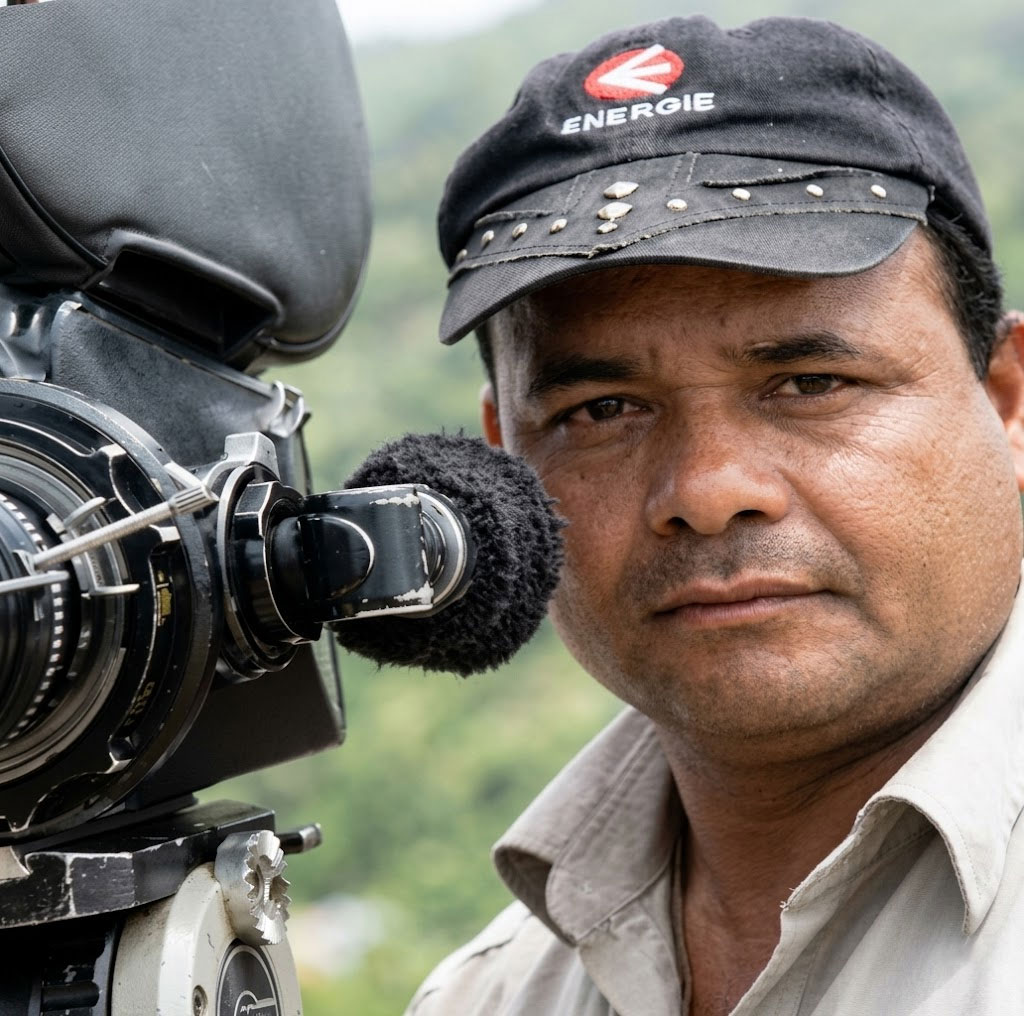
Shambhu Sapkota is a Nepali cinematographer from Panauti, active in Nepali cinema since 1994, known for his extensive body of work across commercial and dramatic films. He has shot more than 50 feature films, contributing to the visual style of late‑1990s and 2000s Kollywood. His early credit includes Sadak (1994), and he continued through major titles such as Thuldai (1999), A Mero Hajur (2002), Kismat (2007), Ma Timi Bina Marihalchu (2008), and Rhythm (2013). His career reflects consistency, technical reliability, and long‑term collaboration with leading directors of the era.
Shambhu Sapkota
Cinematographer

Rudra Shekhar Sharma, known as RUDY, is a versatile singer who captivates audiences in various languages. Born in Jhapa, Nepal, to Bhumika Devi Upadhyay and Ganga Prasad Sharma, Sharma developed a passion for singing at a young age. Even during his school years, he actively participated in cultural activities. After his family moved to Kathmandu, Rudy's desire to become a singer grew stronger with the increased exposure to opportunities in the capital. While pursuing his education in Kathmandu, Sharma also took singing classes at several institutes. His penchant for modern songs and exceptional talent quickly earned him recognition in the music industry. Within a short period, Rudy established himself as a successful singer in the music scene. He found himself among the top singers of the time. Sharma's contribution to Nepali music was acknowledged when he received the 6th RAPATI MUSIC AWARD in 2074 BS for his exceptional singing skills. Despite the presence of other renowned singers at the peak of their careers, Sharma also made a mark among them. He has actively contributed to the Nepali music industry for over twelve years, delivering melodious tunes that resonate with listeners. In 2074 BS, Sharma released his debut album "RUPAM" which garnered significant attention in the Nepali music market. The album, consisting of five songs, received widespread acclaim and became a topic of discussion in the music circles. For the first time, Sharma found himself featured in an album, presenting him with a golden opportunity. Even amidst the challenging times of the COVID-19 pandemic, Sharma released songs like "Devadut Haau Timi," specially dedicated to doctors and medical professionals, contributing to the cause while pursuing his musical endeavors. His other songs, such as "Maya Mari, Maile Cheke Daura ra Surwal, Timi Bhanchhau Jun Ramro, Dukhdina Ma, Kina, Tadpiyera Kati Bachnu, Barshau Bityo, Sital Tapnu, Kahile Aanshuma, Jeena Abhi Baaki Hain (Hindi)" garnered significant attention for both their artistic merit and social relevance.
Rudra Shekhar Rudra Shekhar
Music Artists, Actor, Playback Singer, Folk Singer
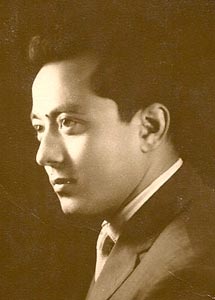
Pushpa Nepali (Born: 3 January 1932 AD – Died: 13 November 2001 AD) was a legendary Nepali singer, lyricist, and composer, celebrated for his powerful voice, disciplined artistry, and extraordinary contribution to the golden era of Radio Nepal. Born on Poush 19, 1988 BS in Kathmandu, he emerged as one of the most influential musical figures of his generation.He entered Radio Nepal in 2008 BS with a monthly salary of fifty rupees, marking the beginning of a remarkable musical journey. After serving for eight years, he briefly left the station, but his exceptional voice soon reached the ears of King Mahendra, who personally requested his return. Rejoining Radio Nepal, Pushpa Nepali resumed recording with renewed energy, and his voice quickly became one of the most admired in the country.By 2036 BS, he had recorded over 500 songs, establishing himself as one of the most prolific singers of his era. Alongside his vocal achievements, he also contributed around 25 lyrics and 25 musical compositions, all preserved as part of Nepal’s musical heritage.Pushpa Nepali’s artistry combined emotional depth, classical grounding, and cultural authenticity. His songs remain beloved across generations, and his influence continues to shape Nepali music long after his passing on Kartik 27, 2058 BS.
Pushpa Nepali
Singer/ Performer