
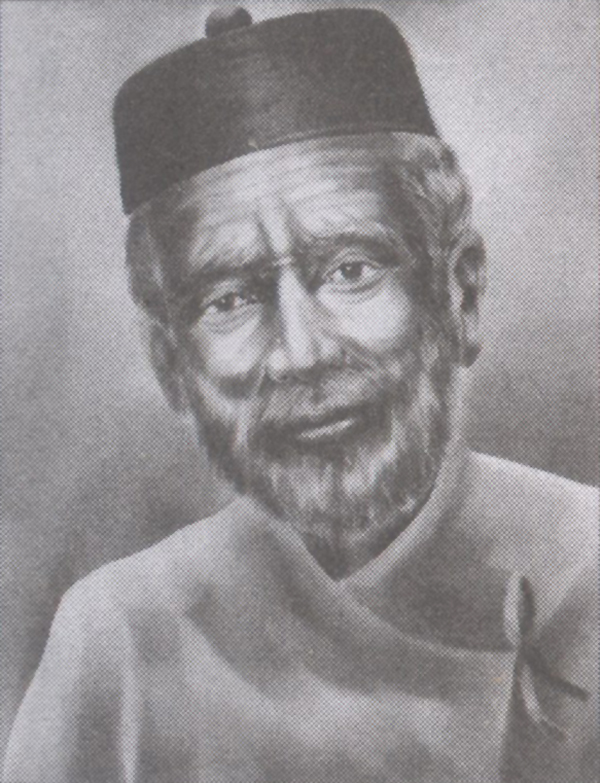
Seturam Pradhan
Late Artists@seturampradhan · Music Artists, Singer/ Performer
Seturam Pradhan holds the distinction of being the first Nepali singer. Born in 1891 in Kathmandu, Nepal, he was a pioneer in Nepali music and played a significant role in its early development. His contributions laid the foundation for modern Nepali...
Biography
Seturam Pradhan holds the distinction of being the first Nepali singer. Born in 1891 in Kathmandu, Nepal, he was a pioneer in Nepali music and played a significant role in its early development. His c...
Personal Info
Career Highlights
—
Films
—
Awards
101 yrs
Experience
—
Rating
Similar Artists
Artists you might also like
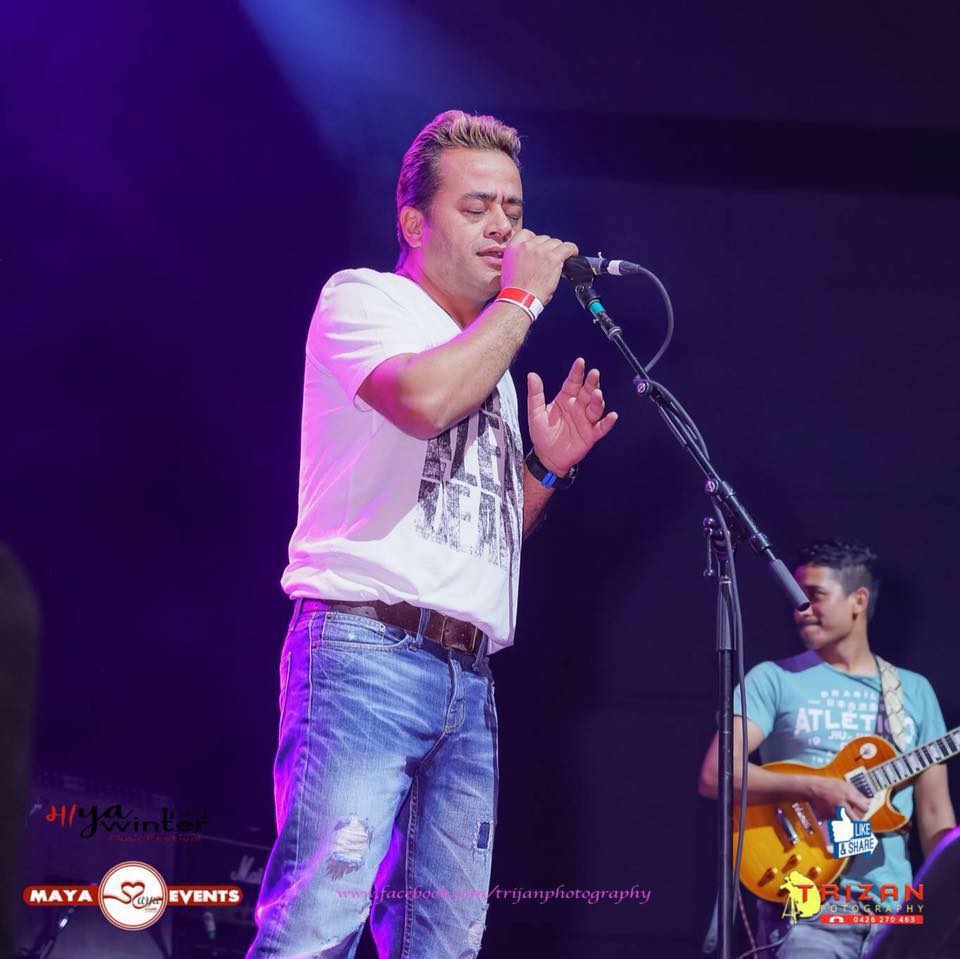
Dipesh Kishor Bhattarai is a well-known Nepali singer and composer who has made significant contributions to the Nepali music industry. He has released several popular songs, including Hosh Haraye Pani, Fortunes, and Forever, which have resonated deeply with listeners. His music blends pop and traditional Nepali sounds, making him a beloved figure in the industry.
Dipesh Kishor Bhattarai
Music Artists, Singer/ Performer
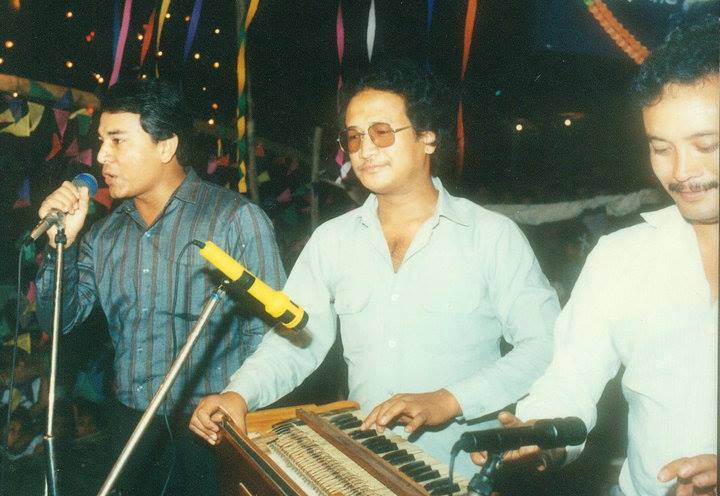
Dibya Khaling (March 28, 1952 (15 Jestha 2009 BS)) is a famous Nepali musician, composer and lyricist. Dibya Khaaling has rendered music for about 1000 songs, including the famous “Mero geet sabai timi laai..” sung by Arun Thapa , Ma Ta Laligurans Bhayechhu, Hey Bir Hinda Aghi Sari, Preyasika Yaadharu, Mayako Aadharma, and Bipana Babhaye Bachidine, and music for plays and films (Nepali film Didi by Pratap Subba). Khaling moved to Nepal from Darjeeling in the 1960s and worked with Radio Nepal. He composed music for singers like Narayan Gopal, Arun Thapa, Gyanu Rana, Mira Rana etc. A book “Dibya Sangeetkaar, Dibya Khaaling” has been written by his friends and family members, such as poet Madhav Prasad Ghimire and musicians Kiran Pradhan and Bulu Mukarung in his memory. He was married to Grace Khaaling. He is survived by three sons (Prajaya, Pradesh, Pratibimba), one daughter (Pratigya), two granddaughters (Divyanah Grace and Aanyata Parisa) and two grandsons (Noah and Deedan Daniel). Dibya was suffering from heart problems and died on 25 June 2006.
Dibya Khaling
Music Artists, Music Director
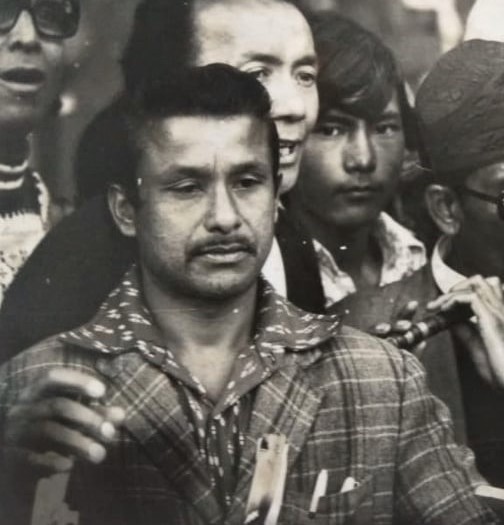
Jitendra Bardewa (Nepali: जितेन्द्र बर्देवा; 8 March 1942 – 2 July 1995) was one of the legendary figures of Nepali music and is widely regarded as one of the "Trimurti" (Trinity) of modern Nepali music. A gifted singer, songwriter, composer, music arranger, sitar player, and presenter, he made remarkable contributions to the development of Nepali modern music and remains one of its most versatile and influential musicians.Born in Darjeeling, India, Bardewa developed a deep interest in music from an early age. He became one of the closest and most accomplished disciples of the legendary Amber Gurung, who played a pivotal role in shaping his musical career. In 1956, Bardewa succeeded his mentor as the Head of the Music Department of the Lok Manoranjan Branch in Darjeeling, continuing the institution's rich musical legacy.Early in his career, Bardewa joined the renowned musical ensemble Sangam Club, alongside Peter J. Karthak, Sharan Pradhan, Ranjit Gazmer, and Aruna Lama. During his time with the group, he emerged as a talented singer and lyricist. One of Sangam Club's most memorable songs, "Hera Na Hera Kancha," a duet by Aruna Lama and Jitendra Bardewa, won a major music competition and remains one of the most cherished classics in Nepali music.Seeking greater artistic freedom, Bardewa later established his own musical group, Shravan, where his extraordinary talent flourished. As a sitar player, lyricist, composer, singer, music arranger, and presenter, he excelled in all six disciplines, earning widespread admiration for his creativity and musical excellence.Jitendra Bardewa wrote, composed, arranged, and performed many timeless Nepali songs that continue to resonate with listeners today. His best-known classics include "Ek Raat Thiyo Bharkharkai Thiyo," "Kopilamai," "Dhalkija Hai Joban Din Dhalke Jastai," and "Ban Dadheko Dekhinchha Hai," along with numerous other memorable compositions. His songs are celebrated for their poetic lyrics, rich melodies, and sophisticated musical arrangements.Throughout his career, Bardewa helped elevate the artistic standard of Nepali modern music by blending classical influences with contemporary musical expression. His versatility and dedication earned him lasting respect among musicians and audiences alike, making him one of the defining architects of Nepali music's golden era.Jitendra Bardewa passed away on 2 July 1995 at the age of 53. Although his life was cut short, his extraordinary body of work continues to inspire generations of singers, composers, and music lovers. Today, he is remembered as one of the greatest pioneers of Nepali modern music, whose timeless creations remain an invaluable part of Nepal's musical heritage.
Jitendra Bardewa
Music Director, Lyricist, Singer/ Performer
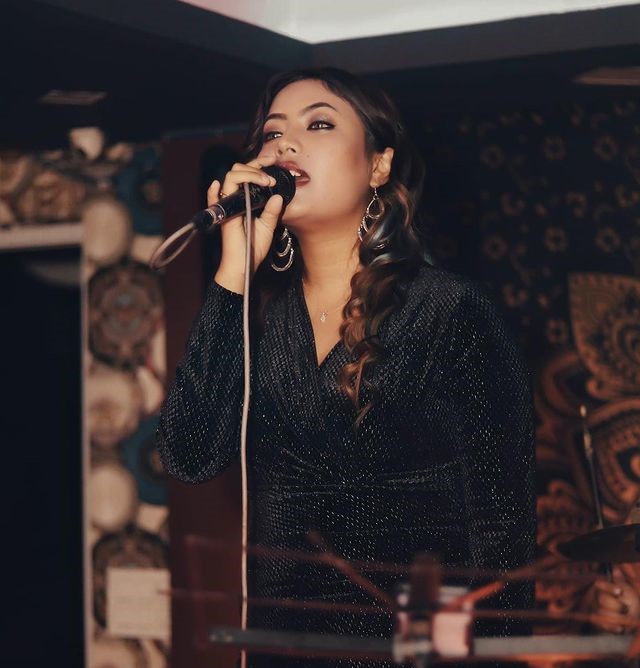
Afrita Khadgi is one of the most popular singer-songwriters. Her popularity has increased after she reached the top 10 of Nepali singing competition 'The Voice of Nepal' season 3. She has performed in many songs and concerts.
Afrita Khadki
Music Artists