


Rajani Sharma
@rajani-sharma
In Bansuri (1981), Rajani Sharma played a leading role in this early Nepali film directed by Tulsi Ghimire, helping bridge his work into wider South Asian cinema.
Biography
Personal Info
Career Highlights
1
Films
—
Awards
—
Experience
—
Rating
Similar Artists
Artists you might also like
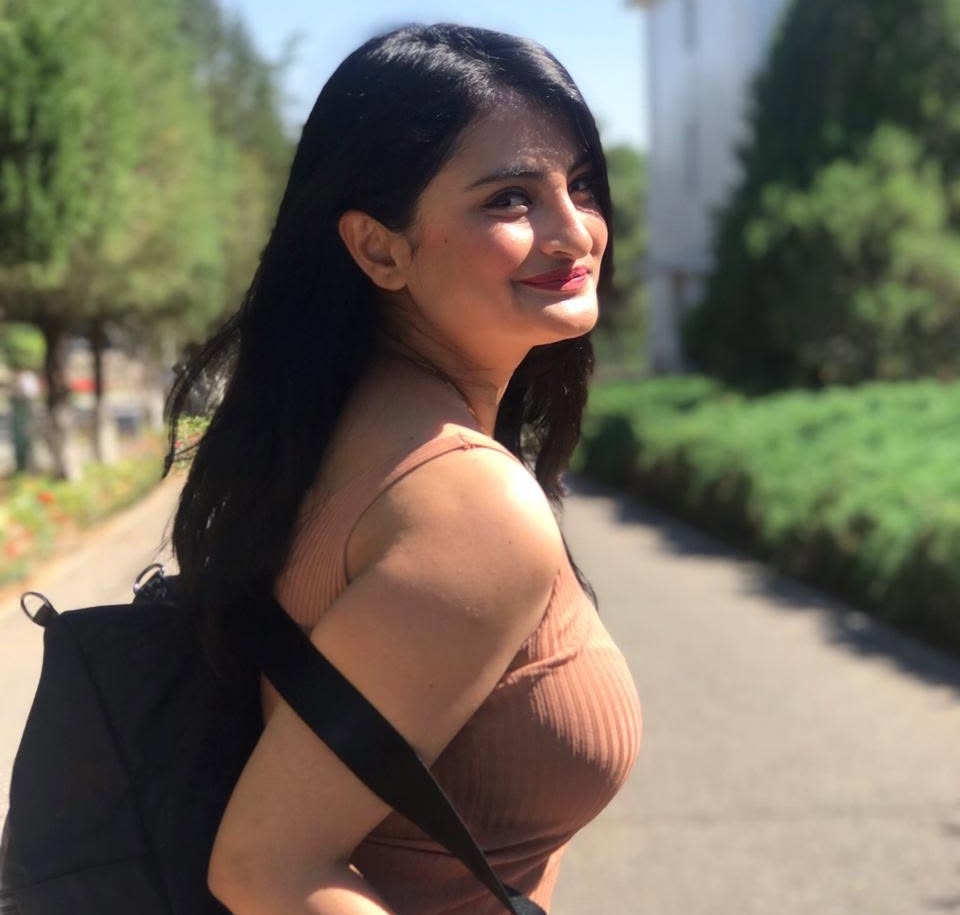
Shraddha Prasai is a Nepali creative director and media professional, known for her work in concept development, show direction, and production coordination within Nepal’s entertainment industry. She began her professional journey at Three Production Pvt. Ltd., where she gained hands‑on experience in studio workflow, content planning, and visual storytelling.After her marriage to filmmaker and comedian Bikey Agarwal, she became actively involved in the creative development of the comedy show Comedy Durbar. Working alongside him, Prasai contributes to the show’s concept, direction, and overall creative shaping, helping refine its format, character flow, and audience‑friendly presentation.Her work reflects a growing command of modern Nepali entertainment production, blending structured planning with a collaborative, performance‑driven approach. As part of a new generation of behind‑the‑scenes creators, she continues to build her identity as a thoughtful and emerging creative force in Nepali digital and television‑style programming.
Shraddha Prasai
Film Director, Assistant Director

Bishal Devkota is a Nepali actor and theatre performer who entered mainstream cinema with Nametine Ghau (2024) and gained wider recognition through his role in the 2026 social‑drama Lalibazar. Known for his grounded performance style shaped by stage experience, he represents a new generation of actors transitioning from theatre to film with natural screen presence and character‑driven acting.
Bishal Devkota
Theatre Artists

Mahima Silwal (1991–2020) was a Nepali actress and model known for her bold roles and expressive performances in contemporary Nepali cinema. Originally from Bharatpur, Chitwan, she began her career in modeling before debuting in the film Karbahi. She went on to star in April Fool, Ek Pal, Kismat 2, and several music videos, earning recognition for portraying strong, independent female characters. Tragically, Mahima passed away on February 12, 2020, in a road accident in Gajuri, Dhading, while traveling with her sister Sharmila, who also died in the incident. Her untimely death was a great loss to the Nepali film industry.
Mahima Silwal
Model, Actress

Sumi Moktan is Actress, Model. She was born on 9th October in Kathmandu. Her horoscope is Libra. Her marital status is Single. Her height is 5 feet 6 inches. She has recently been involved in movie Jhyanakuti. photo courtesy : ARJUN SHAH, AMAN's PHOTOGRAPHY
Sumi Moktan
Model, Actor