
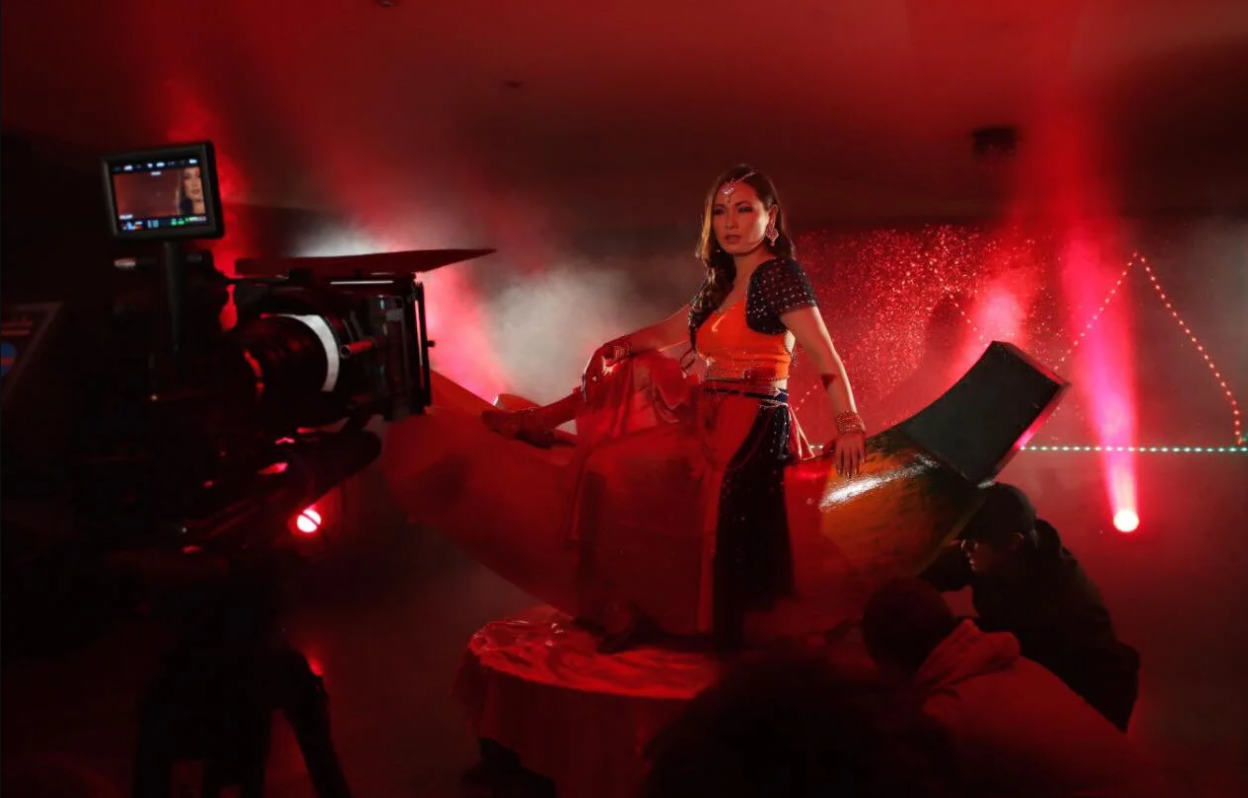

Deeksha J Thapa
@deeksha-j-thapa · Singer/ Performer
Deeksha J Thapa (also credited as Diksha/Deeksha Thapa) is a Nepali singer, songwriter, and music artist known for her soulful voice, original compositions, and strong presence on digital platforms. Born 1 September 1996 in Dharan, she later complete...
Biography
Deeksha J Thapa (also credited as Diksha/Deeksha Thapa) is a Nepali singer, songwriter, and music artist known for her soulful voice, original compositions, and strong presence on digital platforms. B...
Personal Info
Career Highlights
—
Films
—
Awards
8 yrs
Experience
—
Rating
Similar Artists
Artists you might also like
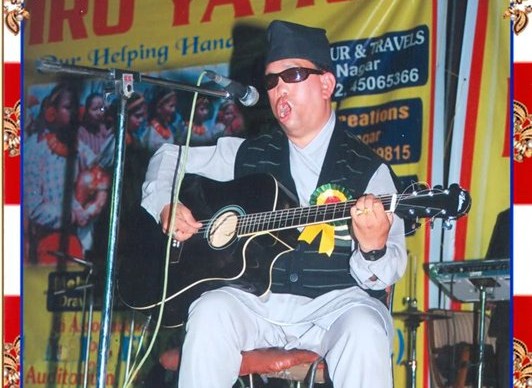
Paras Gazmer was a respected Nepali musician, composer, lyricist, and singer from Darjeeling, celebrated for his emotionally powerful songwriting and his unique ability to translate personal struggle into deeply moving music. Despite losing his eyesight at the age of one and a half due to measles, he rose to become one of the most influential musical voices of the Darjeeling hills.Born in Tindharey, Kurseong in 1962, Paras studied at the Kalimpong Blind School, where he learned guitar and developed his musical foundation. Entirely self‑taught, he composed, wrote, and arranged his own songs, drawing inspiration from lived experience, inner emotion, and the philosophy that “our sweetest songs are those that tell of saddest thought.”He gained widespread recognition with his acclaimed albums Sanjha Ko Gham (1993) and Mero Bhagya (1999), both of which left a lasting mark on Nepali music. His compositions often explored themes of longing, hardship, and the inner world of the differently‑abled, resonating deeply with audiences across Nepal, Darjeeling, Sikkim, and the Nepali diaspora.Paras Gazmer performed extensively across the hills and neighboring regions and was honored by various cultural organizations for his contributions. His legacy continues to be remembered as that of a musical icon who transformed adversity into art.
Paras Gazmer
Music Artists, Music Director, Singer/ Performer

Laboni Chakraborty is a talented Nepali classical singer originally from Kolkata, India. She has made a significant impact on Nepal’s contemporary classical music scene, captivating audiences with her soulful renditions. She is also a judge on the Mero Voice Universe talent show. Early Life & Education Laboni Chakraborty grew up in a musical family, where her father and relatives were singers. She began learning music at the age of five under the guidance of Baishali Juardhar. Later, she trained under Ajoy Chakrabarty, a renowned Hindustani classical vocalist, for ten years. She pursued her academic degree in music at Rabindra Bharati University, where she was a gold medalist in her master’s program. Career & Contributions Despite her strong musical foundation in India, Laboni Chakraborty chose to work in Nepal, where she has become one of the most respected classical singers. She teaches music at Lalit Kala Campus, Tribhuvan University, and runs her own music school, Raagrup, where she mentors aspiring musicians. She has performed in various prestigious events, including the Yalamaya Classic, where her rendition of Vilambit and Madhya Khayal in Raag Todi received a standing ovation. Popular Works Laboni Chakraborty has released several classical and contemporary songs. Some of her notable performances include: "Dhuwa Dhulo" – A song released in 2024 "Raag Puriya Kalyan" – A classical vocal performance. "Yo Jindagi" – A song released in 2024
Laboni Chakraborty
Music Artists, Music Instructor, Singer/ Performer
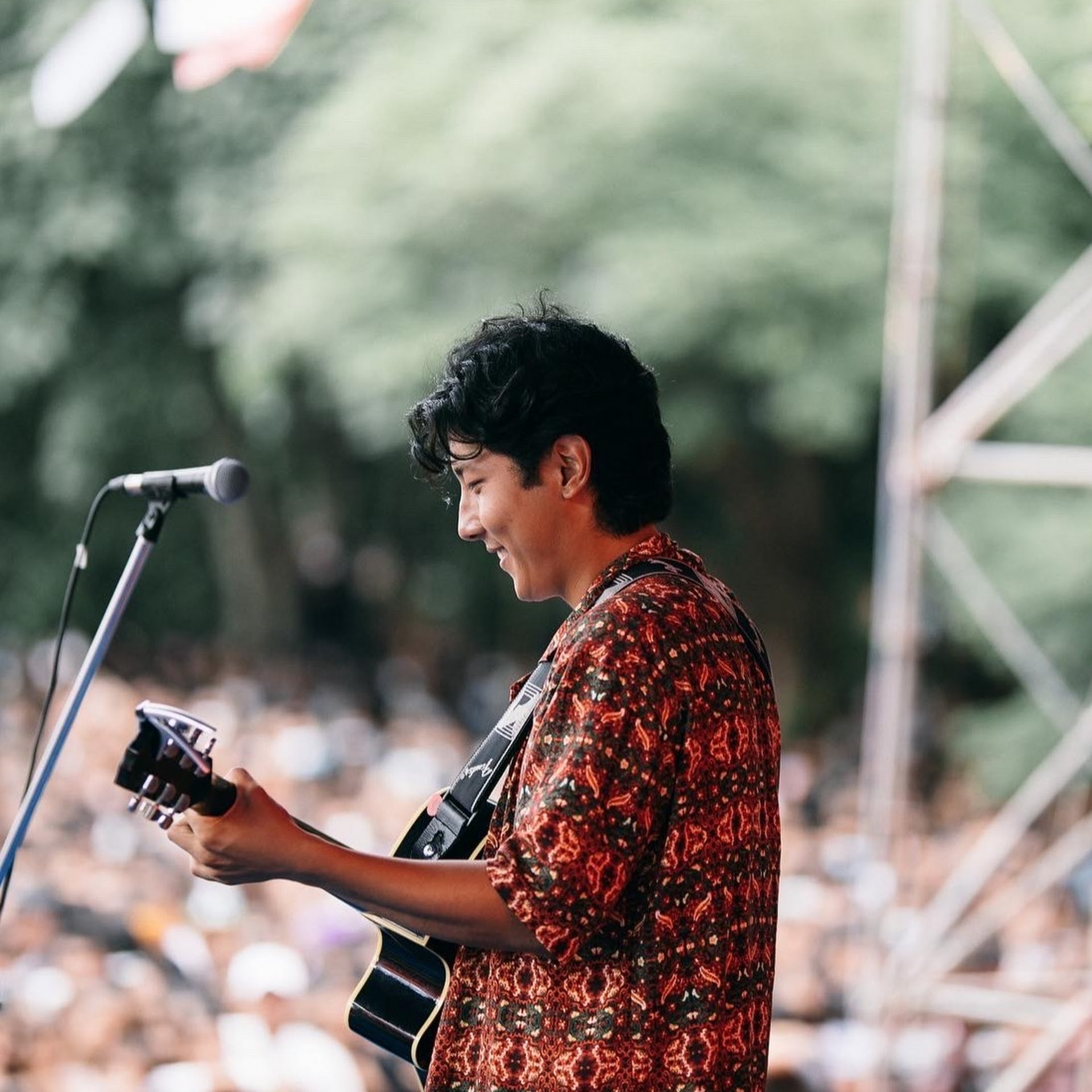
Wangden Sherpa is a young Nepali singer‑songwriter known for his deep vocals, bilingual pop style, and viral digital presence. Rising from Kathmandu’s indie scene, he gained recognition through TikTok and YouTube, followed by his debut album Tangled in You. His popular tracks, including “Timi Nacha Na” and “Ali Ali,” have established him as a promising new voice in Nepali music.
Wangden Sherpa
Singer/ Performer
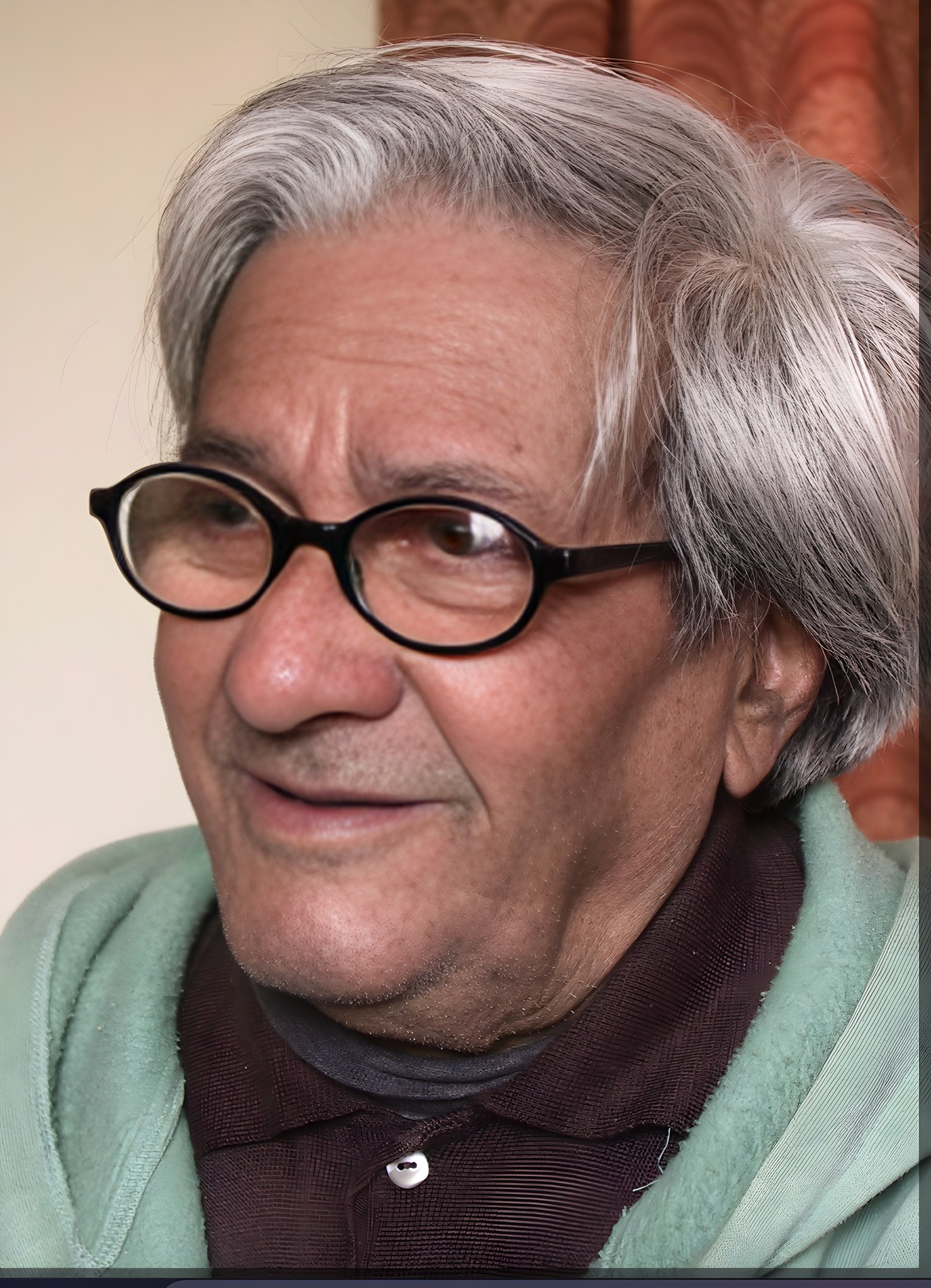
Hari Prasad Rimal is honored as one of the foundational figures of Nepali performing arts, celebrated for his pioneering contributions to theatre, music, and cinema. Widely recognized as Nepal’s first radio singer, he recorded Mero Mann Ma Timro for Radio Nepal in 1951, marking a historic milestone in the nation’s broadcasting and musical culture. Rimal was also a prominent stage actor and later transitioned into film, appearing in early Nepali classics such as Aama (1964). His expressive performances, disciplined craft, and commitment to artistic excellence helped shape the identity of modern Nepali acting. Over his long career, he received multiple honors acknowledging his influence on theatre, music, and the evolution of Nepal’s cultural landscape
Hari Prasad Rimal
Actor, Theatre Artists, Singer/ Performer