
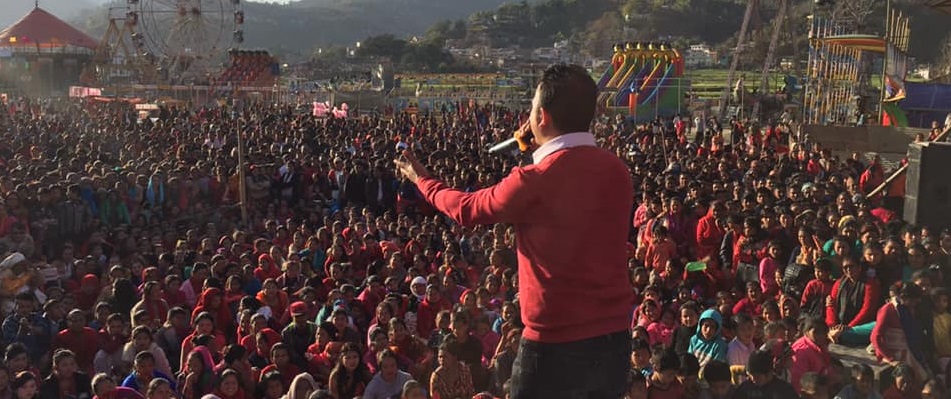


Bishwa Nepali
@bishwanepali · Music Artists, Playback Singer
Bishwa Nepali is a versatile singer.his genre is semi classical.he is also associated with Rudra Band the folk and fusion band.
Biography
Personal Info
Career Highlights
—
Films
—
Awards
—
Experience
—
Rating
Similar Artists
Artists you might also like
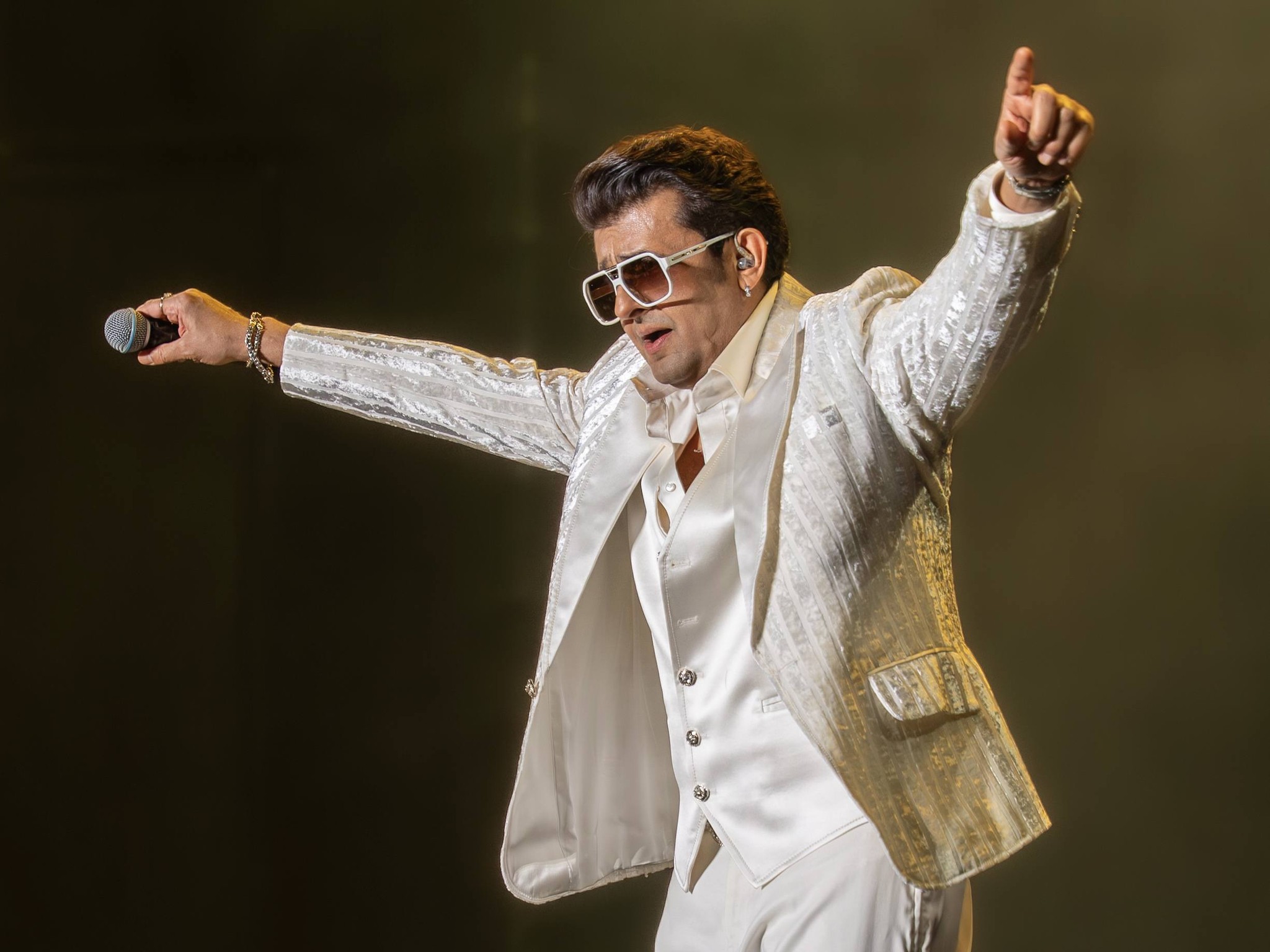
Anuradha Paudwal, one of India’s most acclaimed playback singers, holds a special place in Nepali music history for her selective yet memorable contributions to Nepali‑language songs. Her smooth, devotional‑tinged vocal style brought a new texture to Nepali film music in the 1990s, most notably through the duet “Sapana Ho Yo Bhane Dekhi” from the film Prem Pinda (1995), composed by Shambhujeet Baskota with lyrics by Yadav Kharel.Her Nepali songs—though few—became iconic for their emotional clarity, cross‑border appeal, and the prestige she brought as a major Indian playback voice. Paudwal has also performed live in Kathmandu, strengthening her connection with Nepali audiences and reaffirming her influence across borders.
Anuradha Paudwal
Playback Singer

Master Ratna Das Prakash was a pioneering figure in Nepali music, especially known for shaping the genre of aadhunik geet (modern songs) during the mid-20th century. Key Details: Date of Birth: Unfortunately, his exact birth date is not publicly documented. Active Years: He was actively recording and performing from the 1950s through the 1970s, particularly through Radio Nepal and the Ratna Recording Trust, which began producing phonograph records in 1961. Contributions: He helped blend Indian light classical music, Nepali folk melodies, and Western harmonies, creating a sentimental and distinctly Nepali sound. His recordings were among the earliest to be distributed widely in Nepal, making him a household name in urban music circles.
Master Ratna Das Prakash
Music Artists, Music Instructor

Kamal Khatri, born on 8th Mangshir in Hetauda, is a prominent figure in the Nepali music scene. Growing up in a musical family, Kamal's father, Puskar Bahadur Gotame Khatri, worked in a bank, while his mother, Laxmi Devi Khatri, was a homemaker. Though Kamal spent his early childhood in Hetauda and later Sarlahi, it was his passion for music that shaped his path. Early Life and Education: Kamal completed his schooling at Shree Chakra Janta Higher Secondary School and later pursued his higher education at R.R. College. However, his heart was always set on music, and after completing his S.L.C., Kamal decided to follow his dreams, moving to Kathmandu in 2059 BS to immerse himself in the city's vibrant music scene. Musical Journey: Kamal’s early days in Kathmandu were full of challenges. He initially worked as a technician in a local studio, which allowed him to gradually familiarize himself with the music industry. In 2062 BS, Kamal made his debut by recording his first song, marking the beginning of his musical career. His big break came when he joined Ethos Band in 2063 BS as the lead vocalist. The band’s songs, especially Nakkali Maiya, brought Kamal into the limelight, but it was the iconic track Sustari Suatari that truly cemented his place in Nepali music. Solo Career: Building on the success of his time with Ethos Band, Kamal Khatri pursued a solo career and released his first album, Pida. The album was a huge hit, with songs like Pida and Sambodhan becoming fan favorites. His music videos gained widespread airplay on television and FM stations, solidifying his reputation as a talented and influential artist in Nepal. Achievements and Recognition: Over the years, Kamal Khatri has garnered significant recognition for his contributions to Nepali music. He has received several awards for his powerful voice and songwriting skills. His time with Ethos Band helped shape the band’s success, while his solo projects continue to resonate with listeners, earning him praise and a loyal fanbase. Popular Songs: Nakkali Maiya (Ethos Band) Sustari Suatari (Ethos Band) Pida (Solo Album) Sambodhan (Solo Album) Mero Jindagima (Solo Album) Beyond Music: Despite his success, Kamal remains grounded, expressing gratitude to his family, friends, and fans for their unwavering support. Known for his humble nature and commitment to his craft, Kamal’s journey from a young aspirant to a celebrated figure in Nepali music is an inspiring testament to his dedication. With his rich voice and musical vision, Kamal continues to be a key figure in the Nepali music industry, with even greater accomplishments on the horizon.
Kamal Khatri
Music Artists

Mamata Dipabima (also credited as Mamata Dipbim) is a respected figure in Nepali music, known for her expressive vocals and contributions to modern and classic Nepali songs. Active since the late 1990s, she has released numerous albums and collaborated with prominent artists and composers like Madan Dipbim and Dipesh Pradhan. She has appeared on albums such as Mamata-1, Mamata-3: Tara Gandai, Ke Yo Maya Ho – Mamata-4, and Greencardko Lobhma. Her music blends heartfelt lyrics with melodic arrangements, often reflecting themes of love, longing, and cultural identity
Mamata Dipabima
Music Artists, Singer/ Performer