

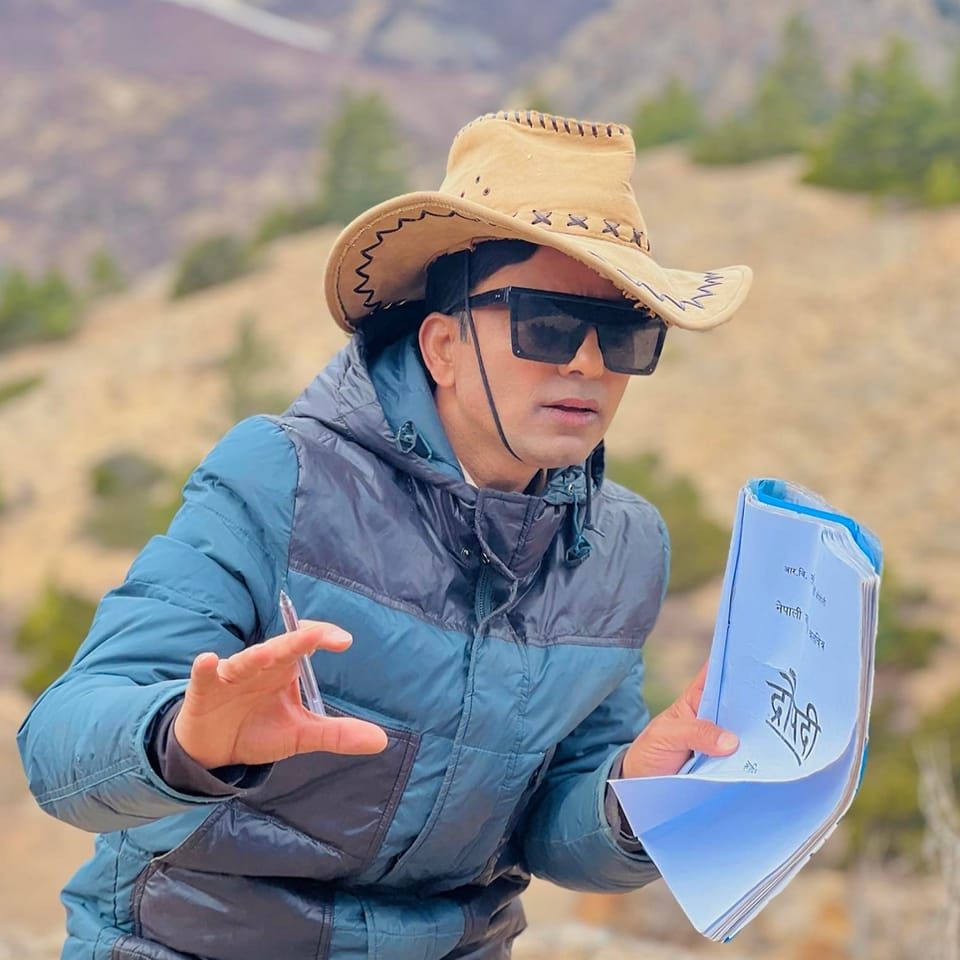
Rishi Raj Acharya
@rishi-raj-acharya · Film Director
Rishi Raj Acharya is one of Nepal’s most respected film directors, known for blending social realism, cultural depth, and emotional storytelling in modern Nepali cinema. Born on September 14, 1978, in Tulsipur, Dang, he has shaped a distinct director...
Biography
Rishi Raj Acharya is one of Nepal’s most respected film directors, known for blending social realism, cultural depth, and emotional storytelling in modern Nepali cinema. Born on September 14, 1978, in...
Personal Info
Career Highlights
—
Films
—
Awards
18 yrs
Experience
—
Rating
Similar Artists
Artists you might also like
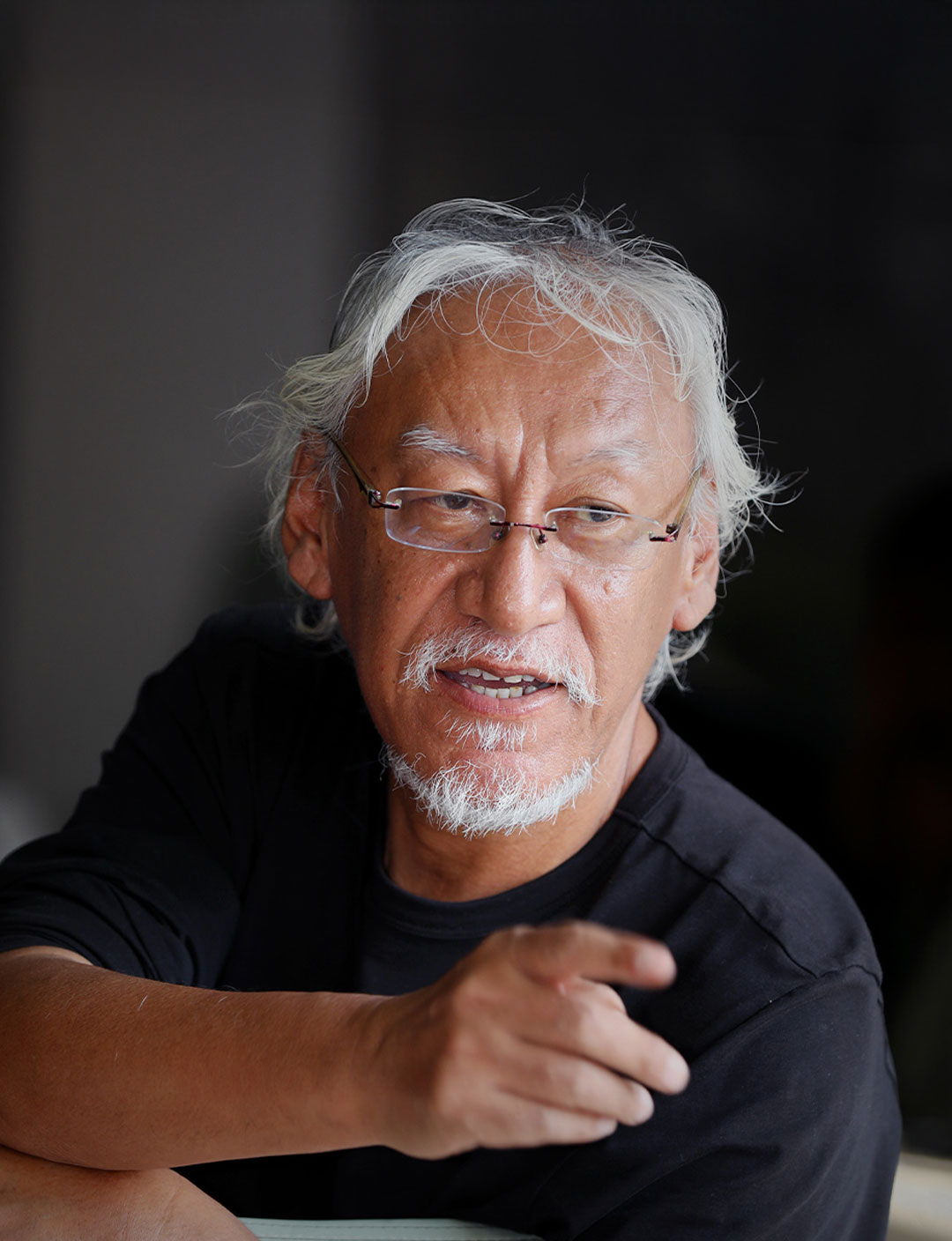
Deependra Gauchan is a renowned Nepali film director, screenwriter, and producer who has made significant contributions to the film industries of both Nepal and Cambodia. Contributions in Nepal "Ujeli: A Child Bride in Nepal": This social tragic drama, directed by Deependra Gauchan and produced by UNICEF, highlights the issue of child marriage in Nepal. The film portrays the life of a 10-year-old girl forced into an arranged marriage, shedding light on the sharp distinctions between the roles of boys and girls in Nepal. Other Works: Deependra has also worked on various other projects, including "Sneh Svaikun 4" and "Viplas/Rachana," showcasing his versatility and dedication to the Nepali film industry. Contributions in Cambodia "Love 2 the Power of 4": Deependra co-directed this Khmer-language romantic comedy alongside Cambodian co-director and co-writer Sothea Ines. The film explores the relationships of four young, middle-class Cambodian couples as they navigate their professional and romantic aspirations. It addresses sensitive issues such as relationships between transgender people, trauma, suicide, and abortion, making it a significant contribution to Cambodian cinema. Deependra Gauchan's work in both Nepal and Cambodia has been instrumental in addressing social issues and promoting cultural narratives through film. His dedication to storytelling and his ability to tackle complex themes have made him a respected figure in the film industry.
Deependra Gauchan
Film Director

Zaun Yonzan is a Nepali filmmaker best known as the director of Crawling Crows: Aankha, Nepal’s first film to win Best Film at the 62nd Asia Pacific Film Festival in 2025. His work blends bold visual language with socially rooted storytelling, positioning him among the new-generation directors bringing Nepali cinema to global attention.
Zaun Yonzan
Film Director
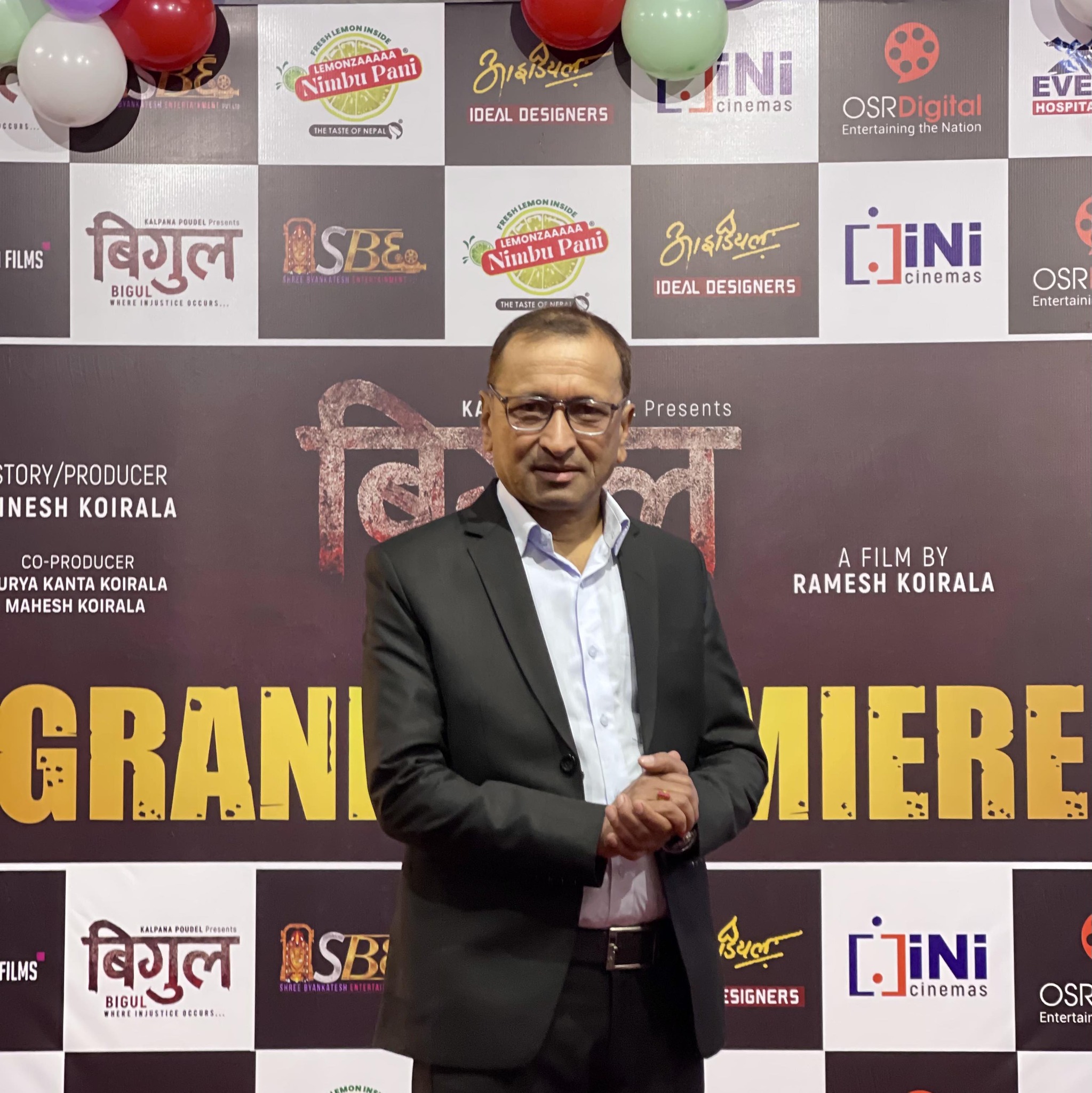
Ramesh Koirala is a Nepali film director recognized for his grounded approach to storytelling and his focus on emotional realism. Active in Nepal’s evolving film landscape, he has contributed to projects that highlight social themes, personal journeys, and relatable Nepali experiences. Koirala’s direction emphasizes clarity, performance‑driven scenes, and strong narrative structure, establishing him as a thoughtful voice in modern Nepali filmmaking.
Ramesh Koirala
Film Director
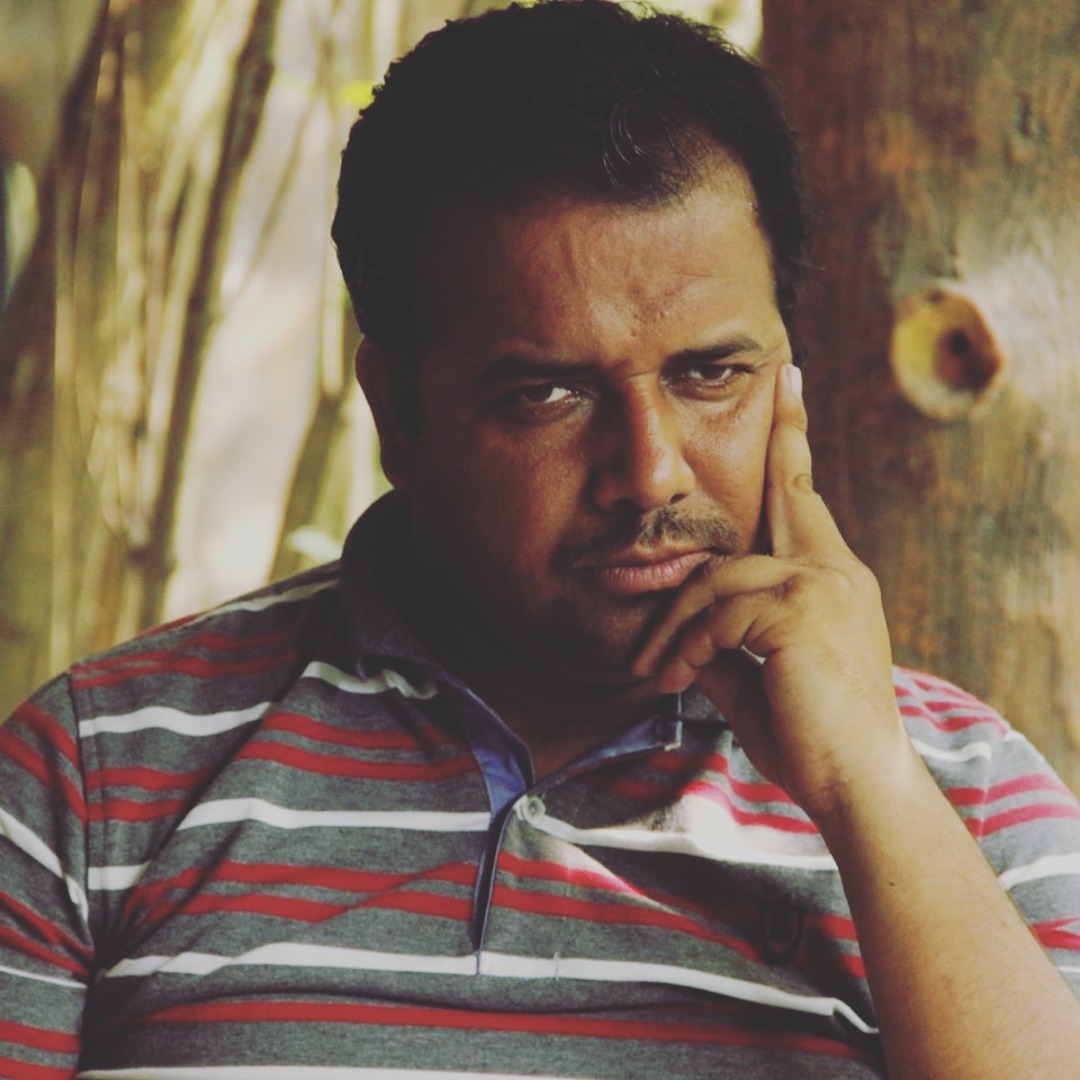
Certainly! Manoj Pandit is a prominent filmmaker known for his contributions to Nepali cinema. Let’s explore more about him: Documentary Films: Manoj Pandit has directed several thought-provoking documentary films that address burning issues. Notable among them is “Greater Nepal In Quest Of Boundary,” which sheds light on the historical context of Greater Nepal and its current status. The documentary reveals facts about territories that legally belong to Nepal but are illegally occupied by India. Biopics and Docudramas: His filmography includes both biopics and docudramas. Notable directorial works include: “Chhayan”: A film that delves into human emotions and relationships. “Dasdhunga”: A thought-provoking film that explores political and social issues. “Khaag”: A powerful narrative that resonates with audiences. “Badhshala”: A historical drama that captivates viewers . Author and Educator: Manoj Pandit has also written numerous thought-provoking articles and authored the book “Cinema Manthan.” He received the Dr. S. Radhakrishan Memorial Award in 2015 for his teaching excellence.
Manoj Pandit
Film Director, Film Maker/ Producer