
Kanchhi
कान्छी
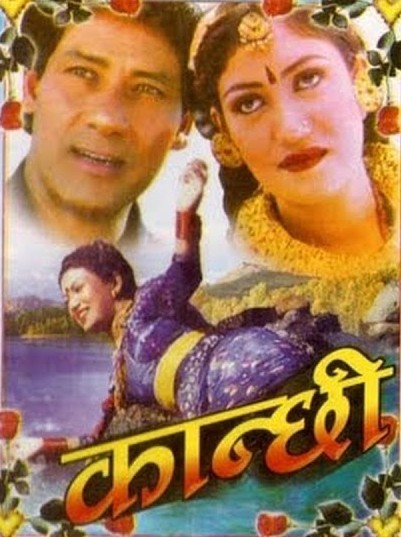
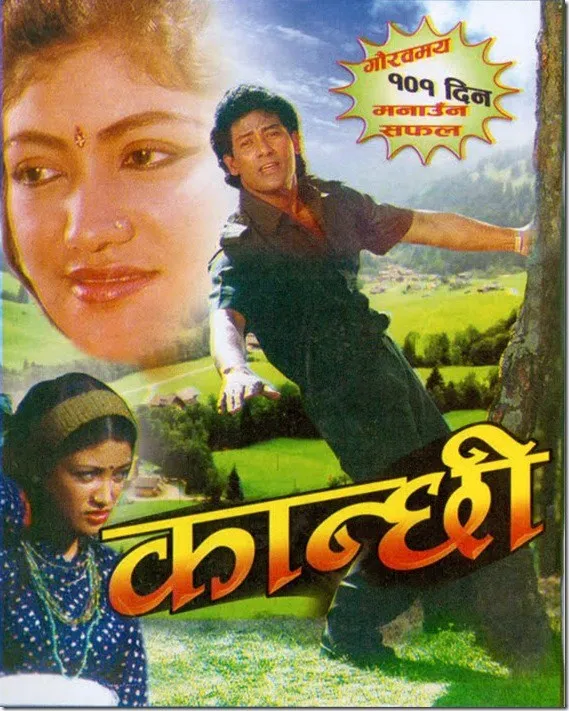
Kanchhi (1991) revisits B.S. Thapa’s signature romantic‑drama storytelling through a narrative centered on love, loyalty, and the pressures imposed by family and society. Set against rural and semi‑urban Nepali landscapes, the film follows Kanchhi and the people around her as they navigate emotional bonds shaped by tradition, class differences, and personal longing.The story unfolds through intersecting character arcs: Shiva Shrestha’s strong yet emotionally restrained protagonist, Sharmila Malla’s poised and conflicted lead performance, and Sushma Shahi and Mausami Malla’s roles that deepen the film’s emotional stakes. As relationships evolve, misunderstandings, unspoken desires, and societal expectations create tension that pushes each character toward difficult choices.The film uses melodrama, music, and interpersonal conflict to explore themes of sacrifice and resilience. Gopal Yonjan’s compositions and Manohari Singh’s background score heighten the emotional tone, while B.S. Thapa’s direction emphasizes character‑driven storytelling over spectacle.By its conclusion, Kanchhi presents a portrait of love tested by circumstance—where personal happiness must be weighed against duty, reputation, and the realities of Nepali social life in the early 1990s. The film remains notable for its ensemble cast, its music, and its place within the era’s evolving romantic‑drama tradition.
B.S Thapa
—
Gopal Yonjan
0
Synopsis
Kanchhi (1991) revisits B.S. Thapa’s signature romantic‑drama storytelling through a narrative centered on love, loyalty, and the pressures imposed by family and society. Set against rural and semi‑urban Nepali landscapes, the film follows Kanchhi and the people around her as they navigate emotional bonds shaped by tradition, class differences, and personal longing.
The story unfolds through intersecting character arcs: Shiva Shrestha’s strong yet emotionally restrained protagonist, Sharmila Malla’s poised and conflicted lead performance, and Sushma Shahi and Mausami Malla’s roles that deepen the film’s emotional stakes. As relationships evolve, misunderstandings, unspoken desires, and societal expectations create tension that pushes each character toward difficult choices.
The film uses melodrama, music, and interpersonal conflict to explore themes of sacrifice and resilience. Gopal Yonjan’s compositions and Manohari Singh’s background score heighten the emotional tone, while B.S. Thapa’s direction emphasizes character‑driven storytelling over spectacle.
By its conclusion, Kanchhi presents a portrait of love tested by circumstance—where personal happiness must be weighed against duty, reputation, and the realities of Nepali social life in the early 1990s. The film remains notable for its ensemble cast, its music, and its place within the era’s evolving romantic‑drama tradition.