
HomeMovies & ShowsHijo Aaja Bholi
Hijo Aaja Bholi
film

Hijo Aaja Bholi

2h 18m1968

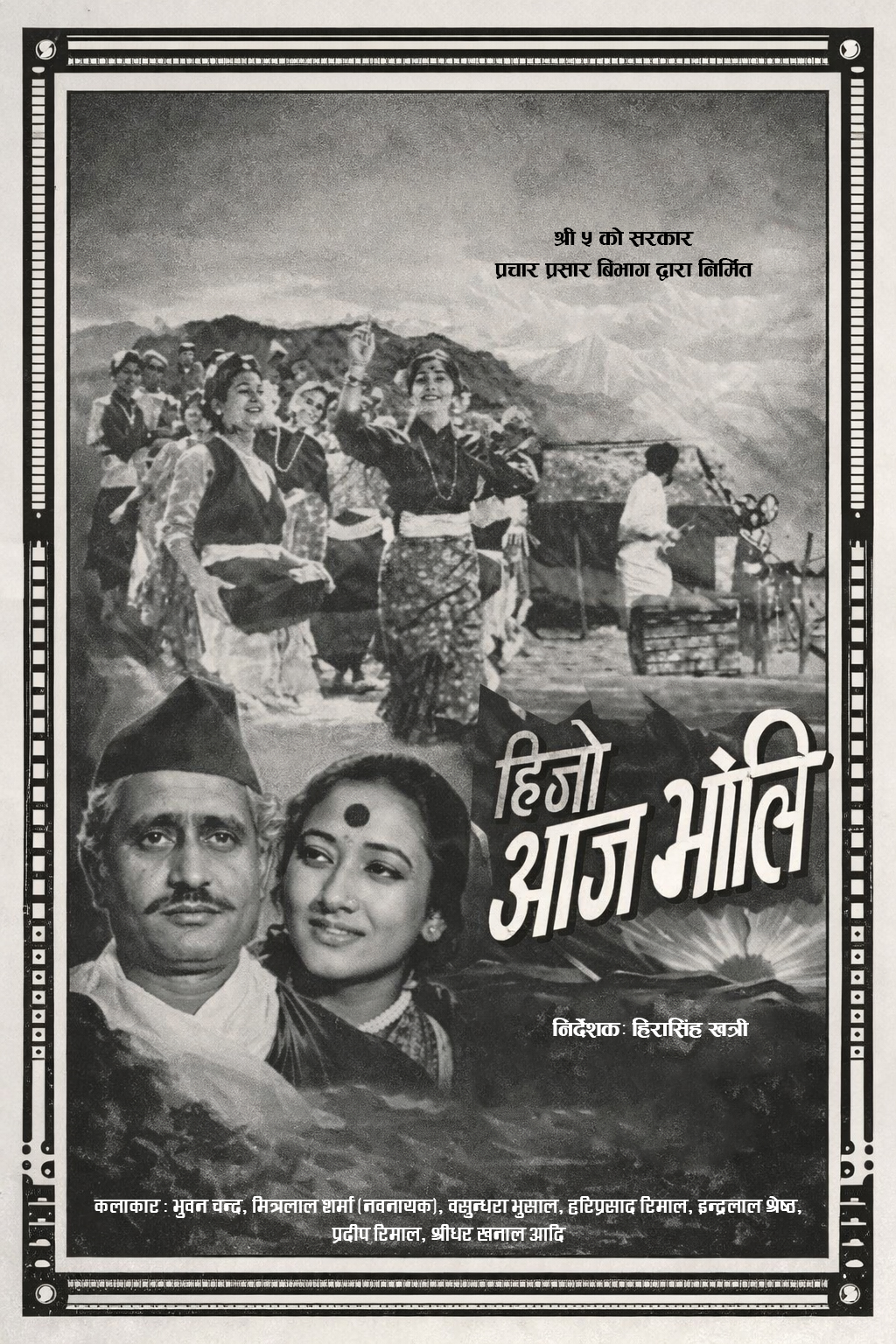
The story of Hijo Aaja Bholi reflects the changing social and cultural landscape of Nepal during a period when traditional customs were gradually being influenced by modern education and new ways of thinking. The narrative revolves around individuals and families who struggle to balance long-held traditions with emerging modern ideals. At the center of the story is a conservative elder who strongly believes in preserving traditional values and social norms. He represents the “Hijo” (yesterday) of Nepali society—deeply rooted in customs, hierarchy, and established ways of life. His perspective often clashes with the younger generation, who are more open to education, social reform, and progressive ideas. The younger characters symbolize “Aaja” (today), living in a time of transition. They respect their cultural heritage but also question outdated practices that limit personal freedom and social development. Their lives depict the tension between duty to family and the desire for change. As the story progresses, conflicts arise within the family and community over issues such as generational authority, marriage, and personal aspirations. Through emotional and social struggles, the characters begin to understand each other’s viewpoints. The narrative ultimately moves toward “Bholi” (tomorrow), representing hope for a society where tradition and modernity can coexist in harmony. The film concludes with a message of optimism, suggesting that while traditions are important, progress and understanding between generations are essential for the future of society. Through its symbolic structure and social themes, Hijo Aaja Bholi reflects Nepal’s cultural transformation and the aspirations of a nation looking forward while remembering its past.

Director

Hira Singh Khatri

Production

Music

V. Balsara

Awards

0

Synopsis

The story of Hijo Aaja Bholi reflects the changing social and cultural landscape of Nepal during a period when traditional customs were gradually being influenced by modern education and new ways of thinking. The narrative revolves around individuals and families who struggle to balance long-held traditions with emerging modern ideals. At the center of the story is a conservative elder who strongly believes in preserving traditional values and social norms. He represents the “Hijo” (yesterday) of Nepali society—deeply rooted in customs, hierarchy, and established ways of life. His perspective often clashes with the younger generation, who are more open to education, social reform, and progressive ideas. The younger characters symbolize “Aaja” (today), living in a time of transition. They respect their cultural heritage but also question outdated practices that limit personal freedom and social development. Their lives depict the tension between duty to family and the desire for change. As the story progresses, conflicts arise within the family and community over issues such as generational authority, marriage, and personal aspirations. Through emotional and social struggles, the characters begin to understand each other’s viewpoints. The narrative ultimately moves toward “Bholi” (tomorrow), representing hope for a society where tradition and modernity can coexist in harmony. The film concludes with a message of optimism, suggesting that while traditions are important, progress and understanding between generations are essential for the future of society. Through its symbolic structure and social themes, Hijo Aaja Bholi reflects Nepal’s cultural transformation and the aspirations of a nation looking forward while remembering its past.