

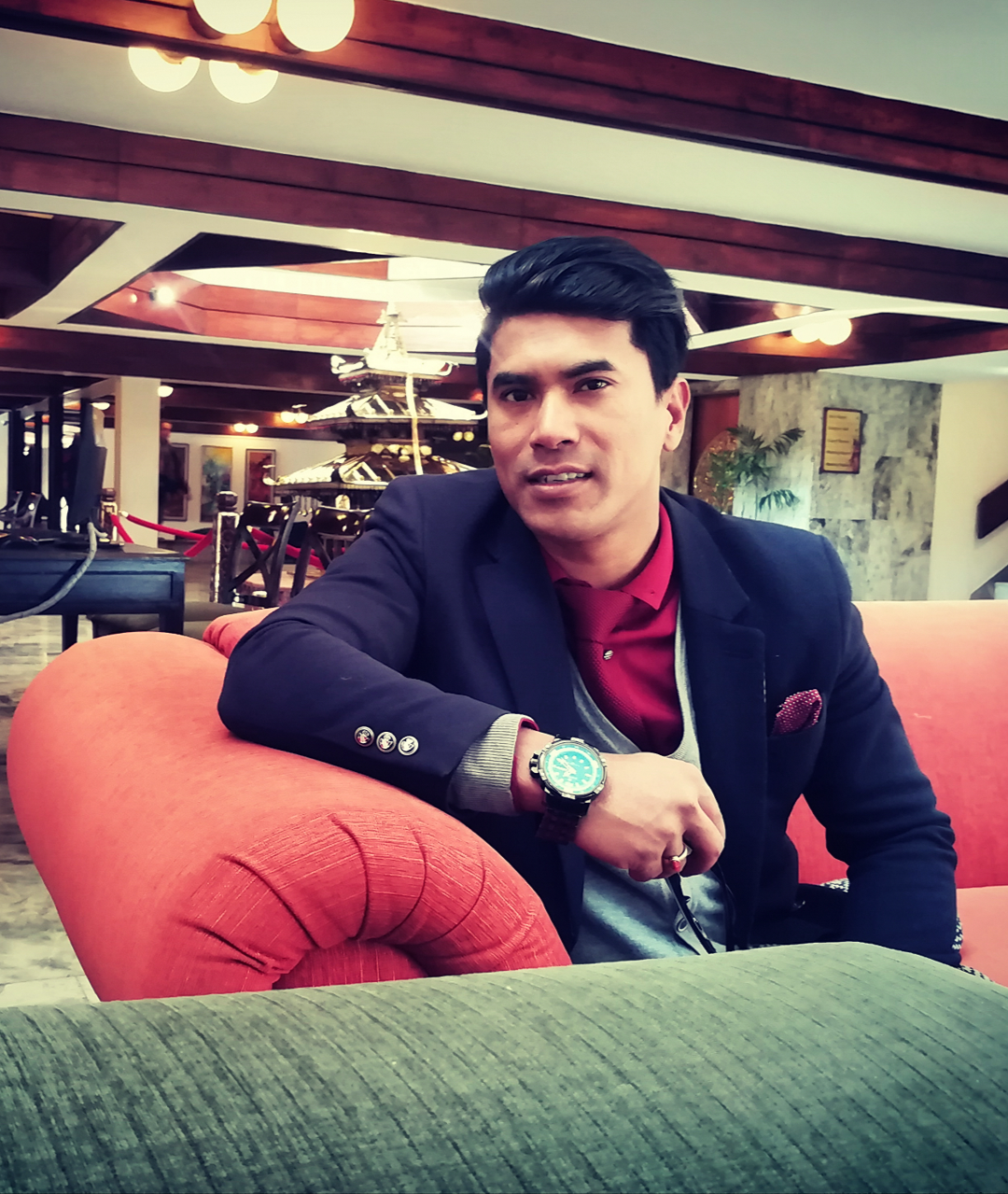
Saroj Sajan Shrestha
Active@s3 · Music Artists
Saroj Sajan Shrestha (born on December 28, 1985 as Saroj Kumar Shrestha) is a new face in the Nepali music industry. ‘S3’ (Saroj Sajan Shrestha) which was released on December 25, 2015 is his first album. He is a versatile singer and he has sung song...
Biography
Saroj Sajan Shrestha (born on December 28, 1985 as Saroj Kumar Shrestha) is a new face in the Nepali music industry. ‘S3’ (Saroj Sajan Shrestha) which was released on December 25, 2015 is his first al...
Personal Info
Career Highlights
—
Films
—
Awards
—
Experience
—
Rating
Similar Artists
Artists you might also like

Laboni Chakraborty is a talented Nepali classical singer originally from Kolkata, India. She has made a significant impact on Nepal’s contemporary classical music scene, captivating audiences with her soulful renditions. She is also a judge on the Mero Voice Universe talent show. Early Life & Education Laboni Chakraborty grew up in a musical family, where her father and relatives were singers. She began learning music at the age of five under the guidance of Baishali Juardhar. Later, she trained under Ajoy Chakrabarty, a renowned Hindustani classical vocalist, for ten years. She pursued her academic degree in music at Rabindra Bharati University, where she was a gold medalist in her master’s program. Career & Contributions Despite her strong musical foundation in India, Laboni Chakraborty chose to work in Nepal, where she has become one of the most respected classical singers. She teaches music at Lalit Kala Campus, Tribhuvan University, and runs her own music school, Raagrup, where she mentors aspiring musicians. She has performed in various prestigious events, including the Yalamaya Classic, where her rendition of Vilambit and Madhya Khayal in Raag Todi received a standing ovation. Popular Works Laboni Chakraborty has released several classical and contemporary songs. Some of her notable performances include: "Dhuwa Dhulo" – A song released in 2024 "Raag Puriya Kalyan" – A classical vocal performance. "Yo Jindagi" – A song released in 2024
Laboni Chakraborty
Music Artists, Music Instructor, Singer/ Performer
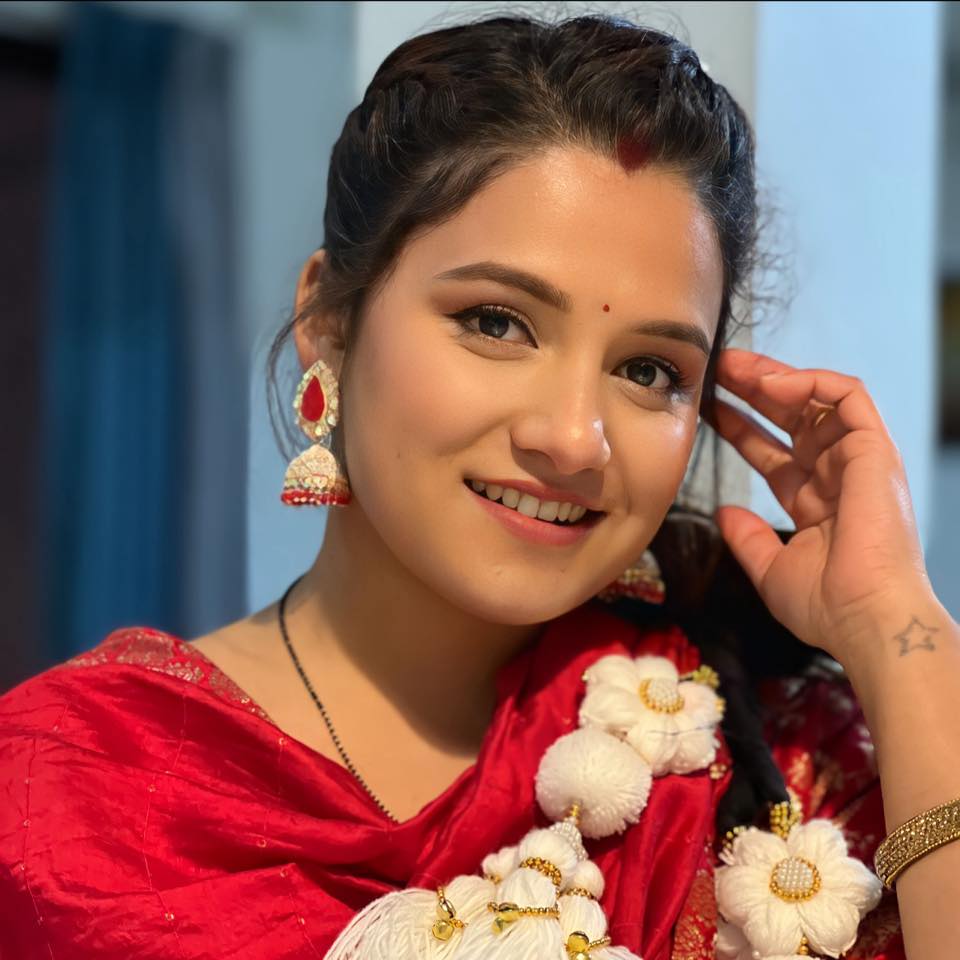
Sameera Thapaliya: A Musical Journey Sameera Thapaliya is a versatile Nepali singer known for her powerful vocals and emotive performances. She gained prominence through her participation in two popular Nepali reality shows: “Nepal Idol” and “The Voice of Nepal.” Her journey from reality show stages to creating soul-stirring music has captured the hearts of audiences. Notable Songs: “Duri”: Sameera’s song “Duri” is a beautiful composition that showcases her vocal range and heartfelt delivery. The lyrics, composed by Dipesh Lama, resonate with listeners, making it a memorable track. “Bhutukkai Hunchhu Ma”: In collaboration with Bal Bahadur Rajbanshi, Sameera lent her voice to this soulful Nepali song. The emotional depth of the lyrics and melody makes it a popular choice. Sameera’s rendition of this song, composed by Sandesh Ruchal, showcases her versatility. The fusion of traditional and contemporary elements in this track is delightful.“Baluwa Ra Chhal”: Remember, Sameera Thapaliya’s musical journey continues to evolve, and her passion for music shines through in every note she sings. 🎶
Sameera Thapaliya
Music Artists
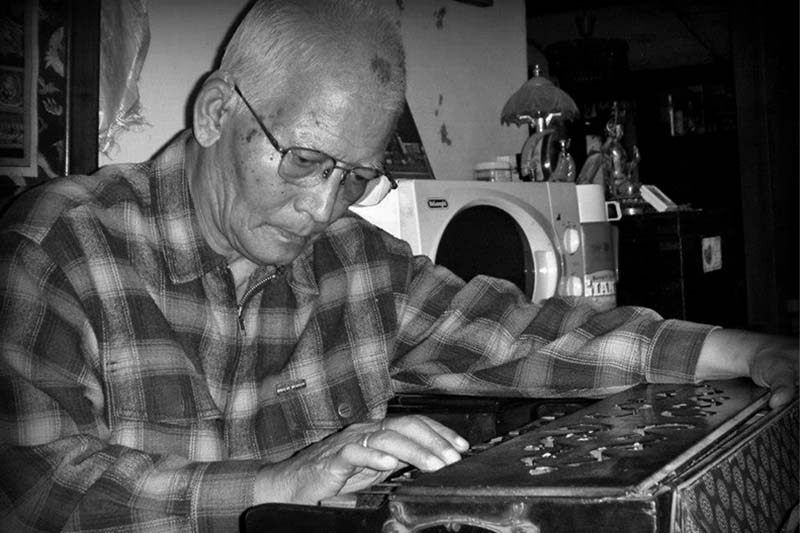
Panna Kaji Shakya (1931–2017) was a pioneering Nepali singer, composer, and lyricist, widely regarded as one of the foundational voices of Nepal’s modern music era. Born in Ombahal, Kathmandu, he began his musical journey through devotional singing and later became one of the earliest and most influential artists associated with Radio Nepal, where he worked from 1951 to 1985.Across four decades, Shakya contributed his voice and compositions to over 300 songs, shaping the sound of early Nepali modern, folk‑inspired melodies, and bhajans. His timeless recordings—“Tiriri Murali Bajyo Banaima,” “Naulakhe Tara,” “Kina Kina Timro Tasbir,” “Lolaeka Ti Thula Timra Ankha”—remain cultural landmarks and continue to define Nepal’s musical heritage.Beyond music, Shakya was active in theatre and stage performance during a period when male actors often portrayed female roles due to the absence of women in the field. He was also briefly involved in political activism through the Nepal Praja Parishad, leading to his arrest in 1962.In recognition of his lifelong contribution to Nepali music, he received the Tuborg Image Award – Lifetime Achievement Award (2013). Panna Kaji Shakya passed away on January 25, 2017, at the age of 85, leaving behind a legacy that continues to inspire generations of Nepali musicians.
Panna Kaji Shakya
Music Artists, Singers & Vocalists
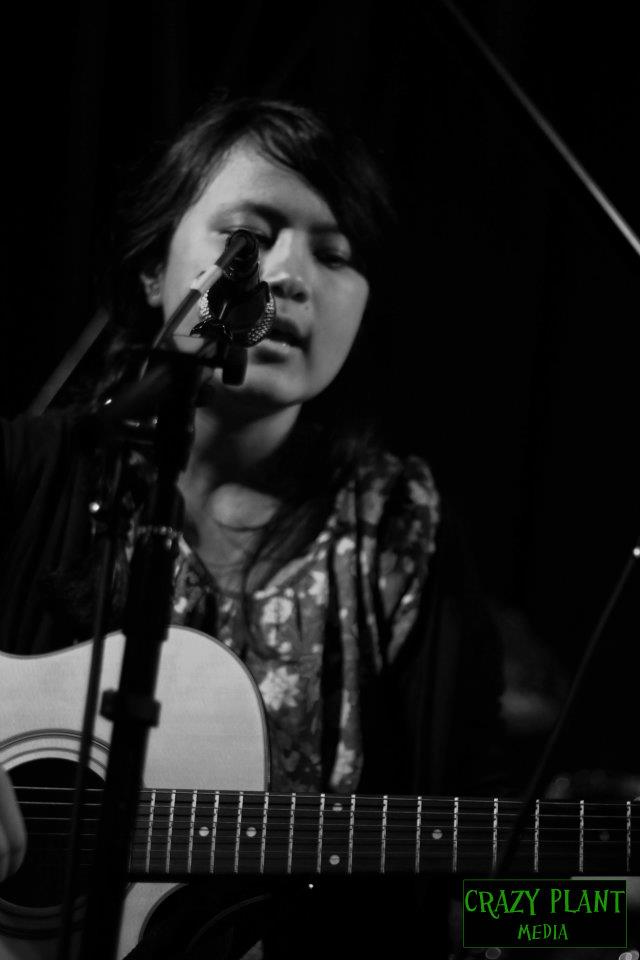
Jerusha Rai is a Nepali indie singer-songwriter and music producer known for her experimental fusion of traditional Nepali folk sounds with contemporary pop, rock, and electronic influences. Born in Kathmandu, she attended St. Mary’s Secondary School and was immersed in Nepali folk music and instruments. Rai relocated to London for university studies and became involved with the Nepali diaspora music scene. Her self-released EP “We All Make Mistapes” gained attention, and her debut album “A Dark Place to Think” (2016) showcased her evocative songwriting. Her second album, “Sunsaan” (2019), explored Nepal’s political turmoil and mental health issues. Rai celebrates her indigenous Kiranti roots and uses music as a medium of healing. In 2023, she mysteriously disappeared after leaving her Kathmandu home without her phone, shocking Nepal’s music scene where she had been praised as a pioneering female indie artist and powerful creative voice. 🎵🌟
Jerusha Rai Jerusha Rai
Music Artists