
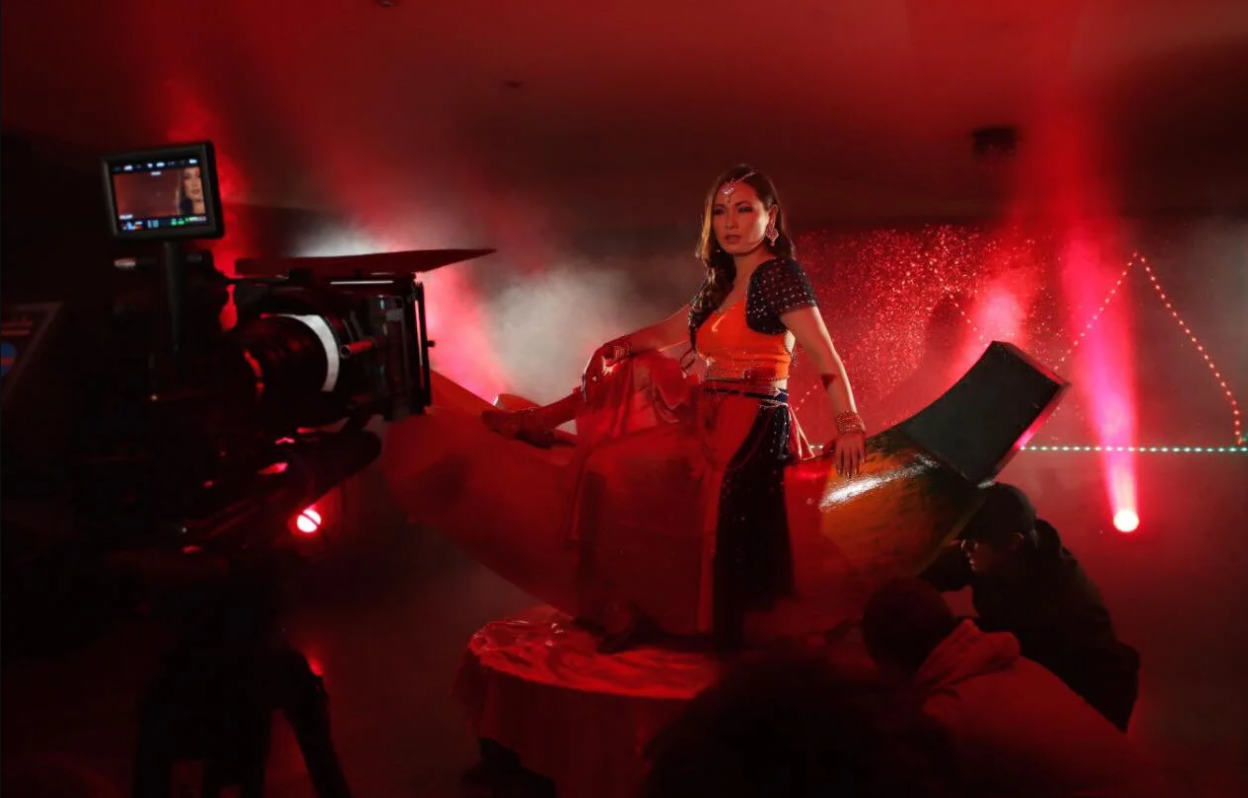

Kumar Shah
@kumar-shah · Film Director, Video-film Editor, Colorist, VFX Artist
Kumar Shah is a Nepali film and music‑video director, editor, and VFX artist known for his technical versatility and behind‑the‑scenes contribution to Nepal’s modern visual production scene. Active across direction, post‑production, and visual effect...
Biography
Kumar Shah is a Nepali film and music‑video director, editor, and VFX artist known for his technical versatility and behind‑the‑scenes contribution to Nepal’s modern visual production scene. Active ac...
Personal Info
Career Highlights
—
Films
—
Awards
21 yrs
Experience
—
Rating
Similar Artists
Artists you might also like
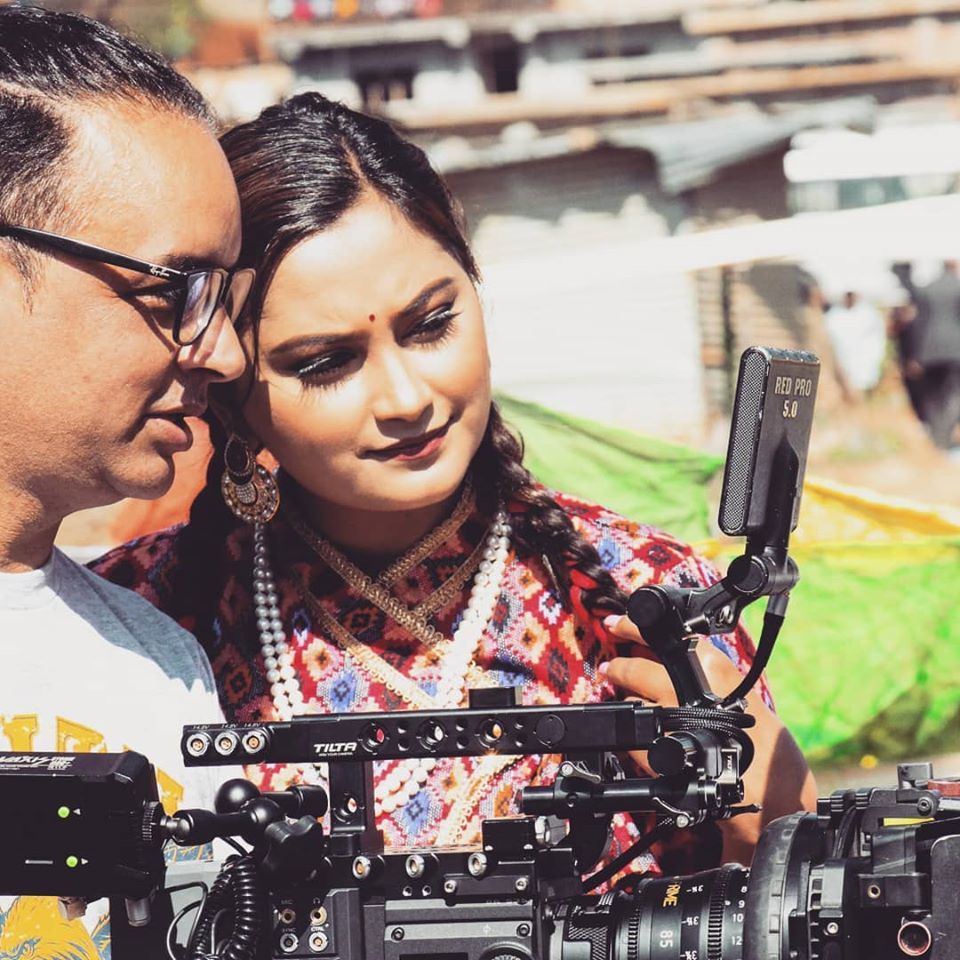
Subrat Raj Acharya is a Nepali media personality and director. He was associated with Kantipur Weekly for a long time. He has directed many music videos. He has also acted in movies and music videos. The first film he directed was ADHKATTI. The second film is Sushree Sampatti.
Subrat Raj Acharya
Film Director, Music Video TVC Director, Media Personality
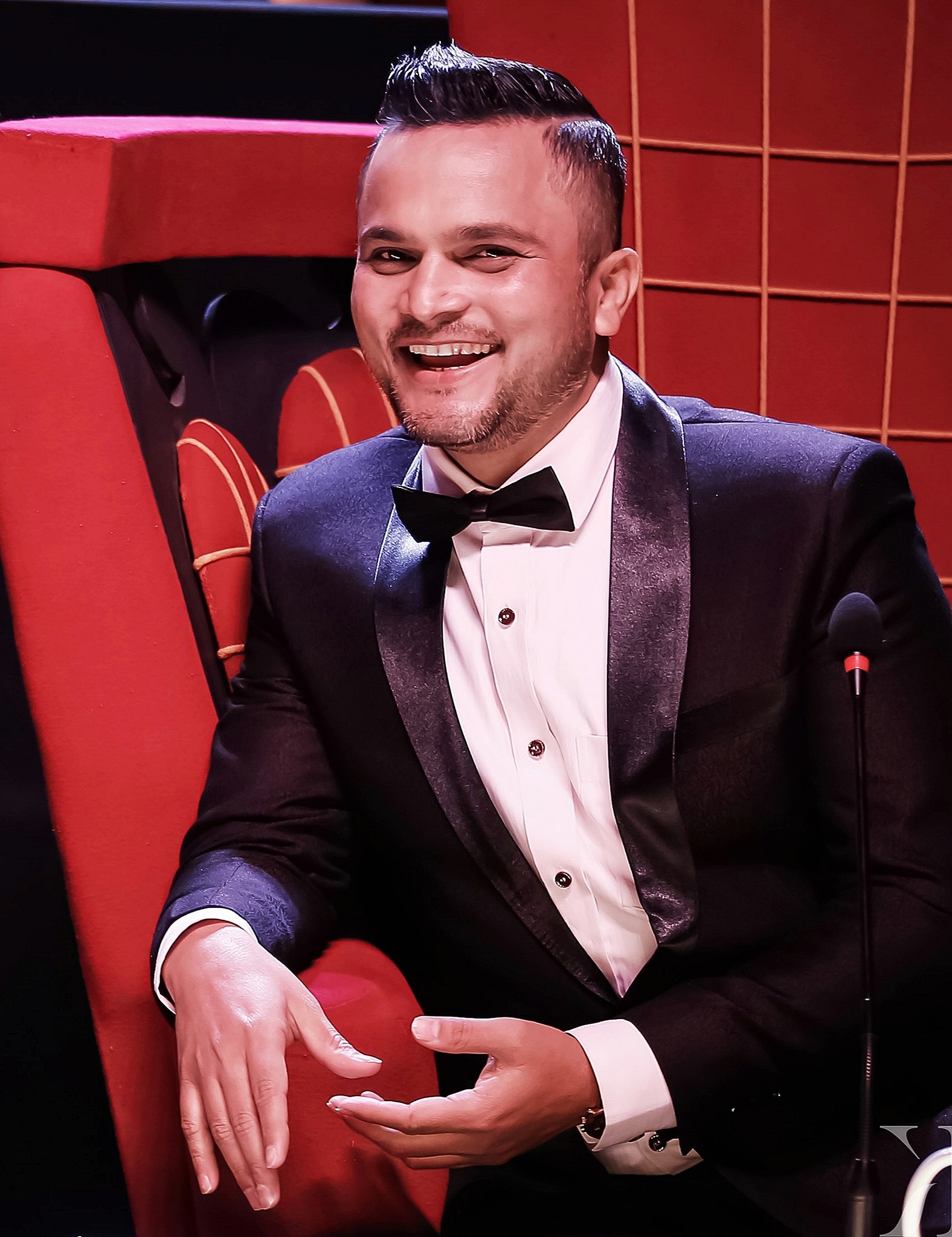
Pradip Bhattarai, alternatively spelled Pradeep, is a notable Nepalese screenwriter and film director recognized for his contributions to the industry. He marked his directorial debut in 2016 with the successful heist-comedy film “Jatra.” Produced by Singe Lama and Yadav Poudel under Shatkon Arts, the film garnered commercial success. Since then, Pradip has directed two other films: Shatru Gate (2018): Another commercially successful venture. Jatrai Jatra (2019): Yet another hit film. In addition to his filmmaking endeavors, Pradip Bhattarai serves as one of the judges on the first Nepali comedy-reality TV show, Comedy Champion. His association with renowned Nepali comic actors Maha Jodi dates back to the early 2000s. Pradip’s creative journey continues to entertain audiences, and his impact on Nepali cinema remains significant 🎬.
Pradip Bhattarai
Film Director
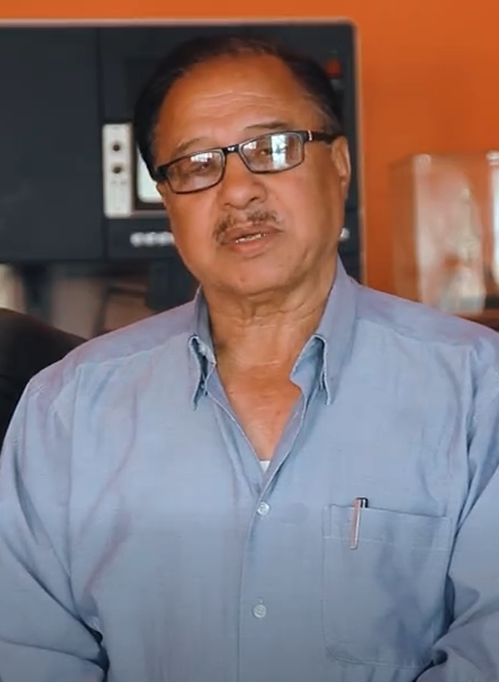
Starting from the foundational years of modern Nepali cinema, Narendra Khadka has built a distinguished career as one of Nepal’s most prolific and respected film editors. Active since 1989, he has edited more than 36 feature films, shaping the narrative rhythm and visual language of Nepali commercial and social‑themed cinema. His editorial work spans classics such as Rajamati (1995), Seemana (1996), Zameen (1998), Basanti (2000), and Prem Yuddha (2005), establishing him as a key technical figure in the industry.Beyond editing, Khadka has contributed as a story writer and chief assistant director, demonstrating a deep understanding of cinematic structure and storytelling. His long service to Nepali cinema was formally honored when he received a Lifetime Achievement Award at the 7th LG Cine Circle Awards, recognizing his decades of dedication and his role as the founding principal of the College of Film Studies.With a career spanning over three decades, Narendra Khadka remains a senior figure whose disciplined craft, technical precision, and editorial leadership continue to influence new generations of Nepali filmmakers.
Narendra Khadka
Video-film Editor, Colorist
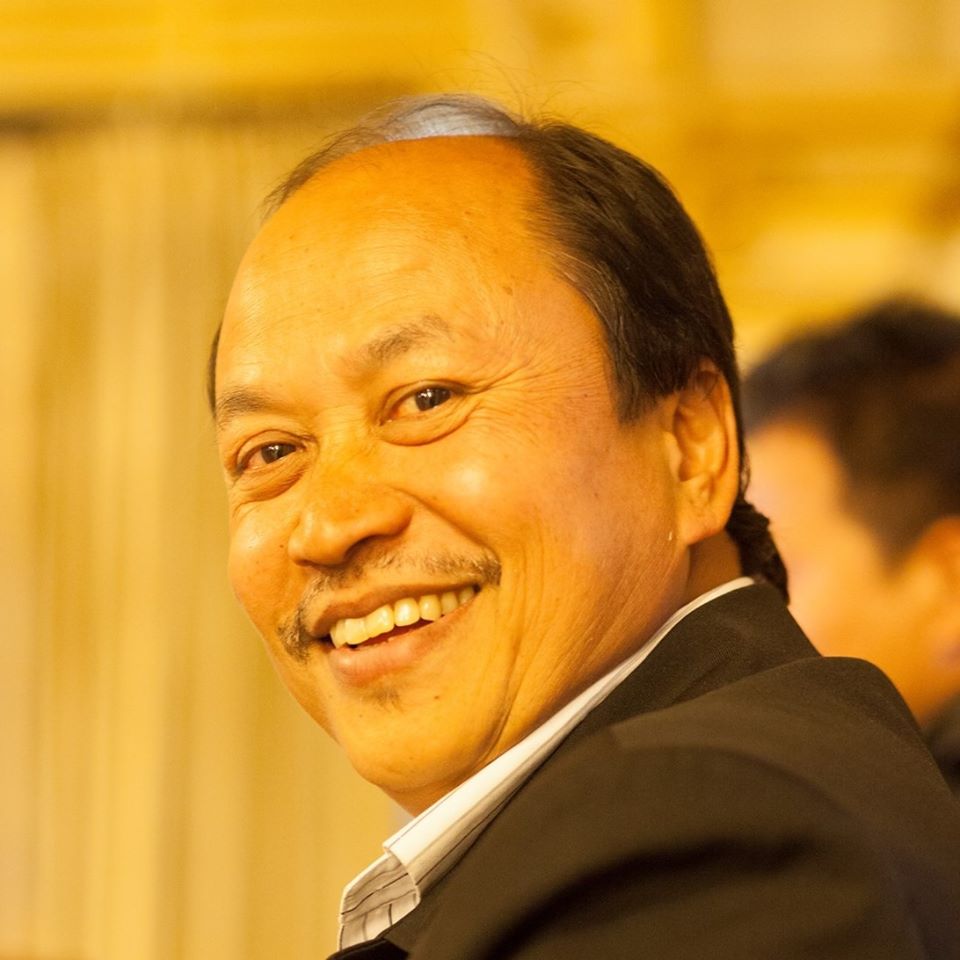
Prakash Sayami (born 21 March 1965) is a Nepali film director, writer, producer, and one of the country’s most respected media personalities. Known for his independent filmmaking spirit, Sayami has directed six feature‑length films, including Prithvi (1994), Simana (1997), Avtaar (2002), Zameen (2005), Rani Khola (2008), and Hatiyar (2010). Among them, Simana remains his most celebrated and widely recognized work.Beyond cinema, Sayami is a passionate writer and an avid collector of books, maintaining a personal library filled with English, Hindi, and Nepali literature. He is the author of Barshadi Dinharu and has written extensively on filmmaking, along with publishing poems, essays, plays, songs, and biographies. A multilingual creator, he writes in Newari, Hindi, English, and Nepali.Sayami studied filmmaking in Bombay and began his career in 1986 as an assistant director and scriptwriter for commercial Nepali films. He made his directorial debut in 1993, marking the beginning of a long and influential journey in Nepali cinema.He has represented Nepal in several international events, including the WIPO Asia‑Pacific Regional Symposium, and in 2008, he was elected Vice‑President of the Music Royalty Society of Nepal, working to protect musicians’ copyrights nationally and internationally.A respected film critic, media guru, and music promoter, Sayami has managed FM stations across Nepal and conceptualized popular television programs. He is currently associated with Ujyaalo 90 Network, contributing to the program Ajar Amar Geetharu.
Prakash Sayami
Film Director, writer-author, Media Personality