

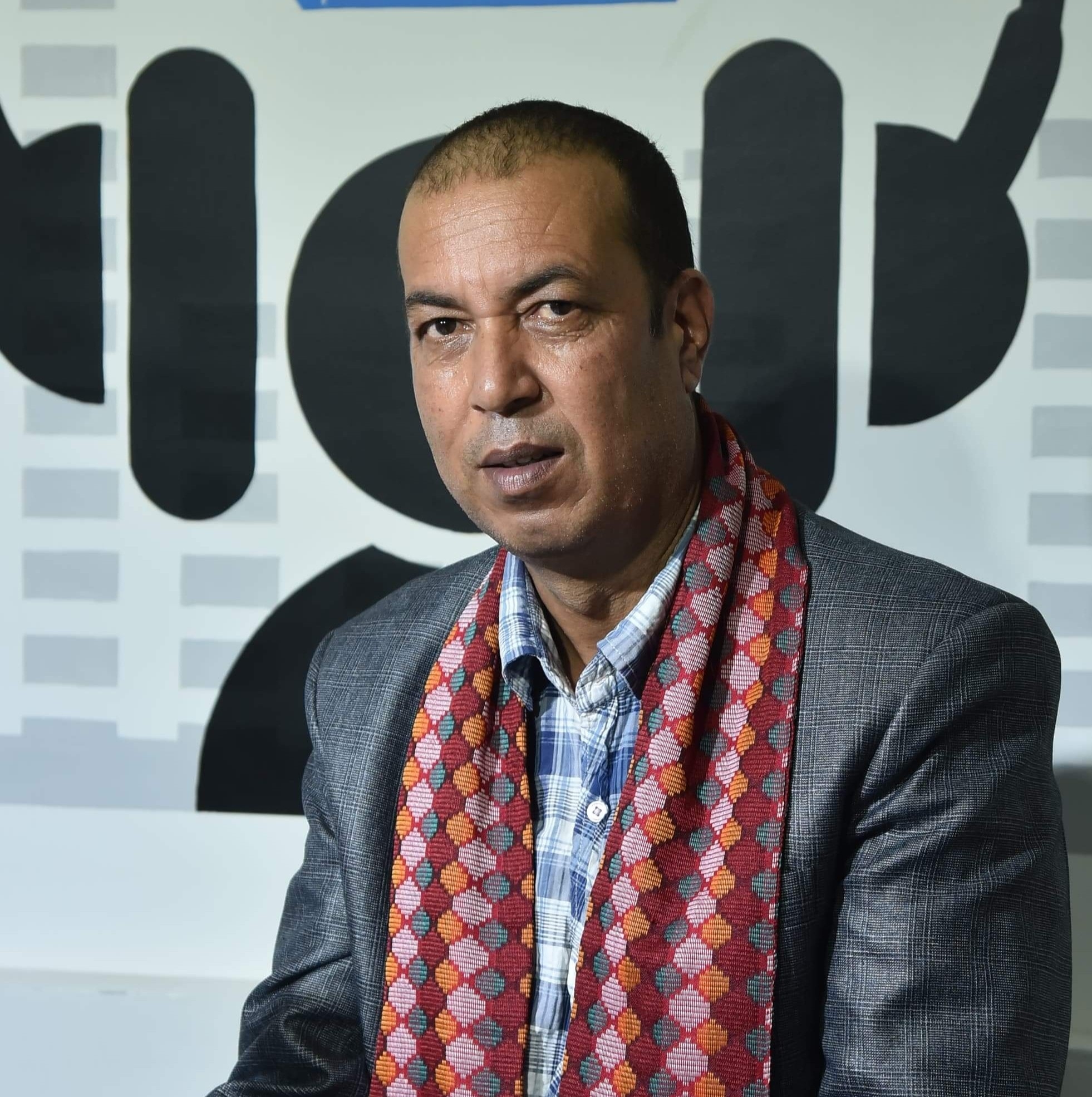
Dayaram Dahal
@dayaram-dahal · Film Director
Dayaram Dahal (born 27 May 1970, Kavrepalanchok) is a veteran Nepali filmmaker active since the late 1980s, known for his multi‑disciplinary contributions as a director, actor, producer, writer, lyricist, and music director. He began his career in 19...
Biography
Dayaram Dahal (born 27 May 1970, Kavrepalanchok) is a veteran Nepali filmmaker active since the late 1980s, known for his multi‑disciplinary contributions as a director, actor, producer, writer, lyric...
Personal Info
Career Highlights
12
Films
—
Awards
39 yrs
Experience
—
Rating
Similar Artists
Artists you might also like

Rekha Thapa is a Nepalese film actress, model and film maker. She was a top ten finalist for Miss Nepal in 1999. She has performed in over 100 national awarded commercial movies. She owns her own movie production house called " Rekha Films". Rekha Thapa is a Founde / President of the Rekha Thapa Foundation of Nepal , She is also a social worker who is helping the poor families and children who are in need. Because of her popularity in the country and the abroad, now Rekha Thapa wants to spend her valuable time in social development of Nepal. #photography - Mahesh Pradhan
Rekha Thapa
Actress, Film Director, Film Maker/ Producer

Laya Sangroula is a Nepali actor and filmmaker known for his thoughtful performances and contributions to socially conscious cinema. Active across film, theatre, and television, he has built a reputation for portraying grounded, emotionally layered characters that reflect everyday Nepali life. Sangroula has also worked behind the camera, engaging in writing and direction that highlight cultural identity, social issues, and human relationships. His commitment to meaningful storytelling and his steady presence in the industry have made him a respected creative voice within contemporary Nepali film and performing arts.
Laya Sangroula
Film Director, Character Artists, Film Artists

Ujjwal Poudel
Film Director

Hira Singh Khatri is regarded as one of the earliest architects of Nepali cinema, best known for directing Aama (1964), the first Nepali feature film produced in Nepal under the Royal Nepal Film Corporation. His work marked the formal beginning of Nepal’s national film industry, establishing narrative, technical, and production standards for future filmmakers. Khatri later directed Hijo Aaja Bholi (1967), further strengthening the foundation of Nepali storytelling on screen. His films emphasized patriotism, social values, and emotional realism, influencing a generation of emerging directors. As a pioneering figure who helped transition Nepal from stage and radio culture into cinematic expression, Hira Singh Khatri’s contribution remains a defining milestone in the history of Nepali filmmaking.
Hira Singh Khatri
Film Director