


Apurva Tamang
@apurvatamang · Music Artists
Apurva Tamang, born in Mirik, Darjeeling, India, is a talented singer-songwriter with a significant following on platforms like YouTube and Spotify. Let’s dive into his musical journey: Background and Early Career: ...
Biography
Apurva Tamang, born in Mirik, Darjeeling, India, is a talented singer-songwriter with a significant following on platforms like YouTube and Spotify. Let’s dive into his m...
Personal Info
Career Highlights
—
Films
—
Awards
—
Experience
—
Rating
Similar Artists
Artists you might also like

Sabin Rai is a Nepali Singer and lyricist who is called as the Bryan Adams of Nepal because of the voice. His first successful single was "Komal Tyo Timro" from the album Sataha. Although his song "Ekai Aakash Muni" was released before Sataha.
Sabin Rai
Music Artists, Music Band
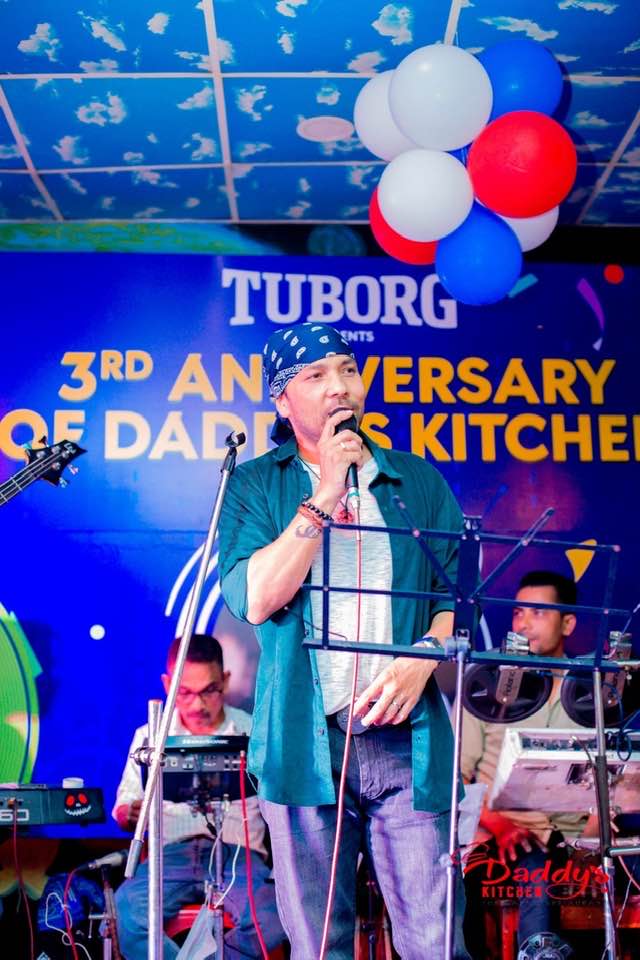
Yash Kumar, born Suresh Kumar Nepal Pariyar on November 16, 1978, is a renowned Nepali singer, songwriter, music composer, and actor. He has made significant contributions to the Nepali music and film industry. Career Highlights Music Albums: Yash Kumar started his musical journey as a composer in 2000 with his debut album "Yo Sansar." Some of his notable albums include "Reason," "Tirkha," and "Na Rune Aakha Haru". Popular Songs: His song "Maile Chhoyeko Paani Chaldaina" from the album "Reason" became a chartbuster and earned him several awards. Acting: Yash Kumar made his acting debut in the movie "Bato Muniko Phool" in 2010, which was the highest-budget movie in Nepal that year. He has also acted in films like "Veer," "Aadhi Bato," and "Tshering". Awards: He has received numerous awards, including Best Playback Singer at the 3rd Himalayan International Nepali Music Award (Dubai) in 2020, Best Modern Singer at the 4th Epic Nepal Music Award 2079, and Best Decade Singer at the AMIN National Music Award 2023
Yash Kumar
Music Artists, Actor
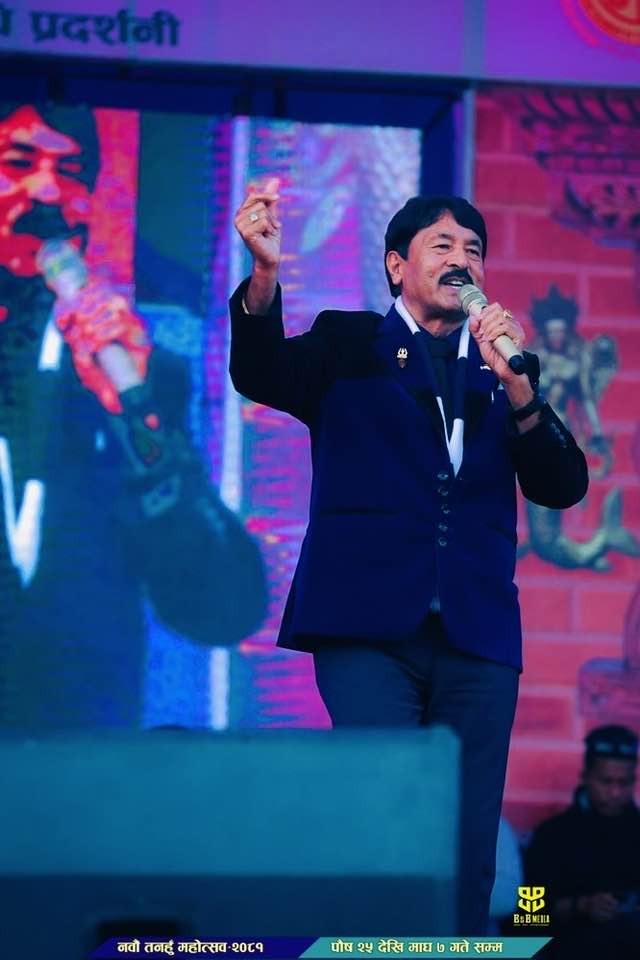
Prem Raja Mahat is a renowned Nepali folk singer, songwriter, and musician. Often referred to as the "Elvis of the Himalayas," he has made significant contributions to Nepali folk music since the late 1970s. Some of his timeless classics include Bajho Khet Ma, Paan Ko Paat, and Simsime Panima. He is also known for playing traditional Nepali instruments like the sarangi and madal. Born in Tanahun, Nepal, Prem Raja Mahat faced hardships early in life, losing both parents at a young age. Despite these challenges, he pursued his passion for music and became a celebrated artist. In 1996, he immigrated to the United States, where he continued to create music and even opened a Nepali restaurant in Baltimore
Prem Raja Mahat
Music Artists, Folk Singer

Miss Prabha – SingerMiss Prabha recorded 3 songs in BS 1991 (AD 1934/1935). Although additional information is missing, she remains part of the early generation of Nepali female recording artists.
Miss Prabha
Music Artists