

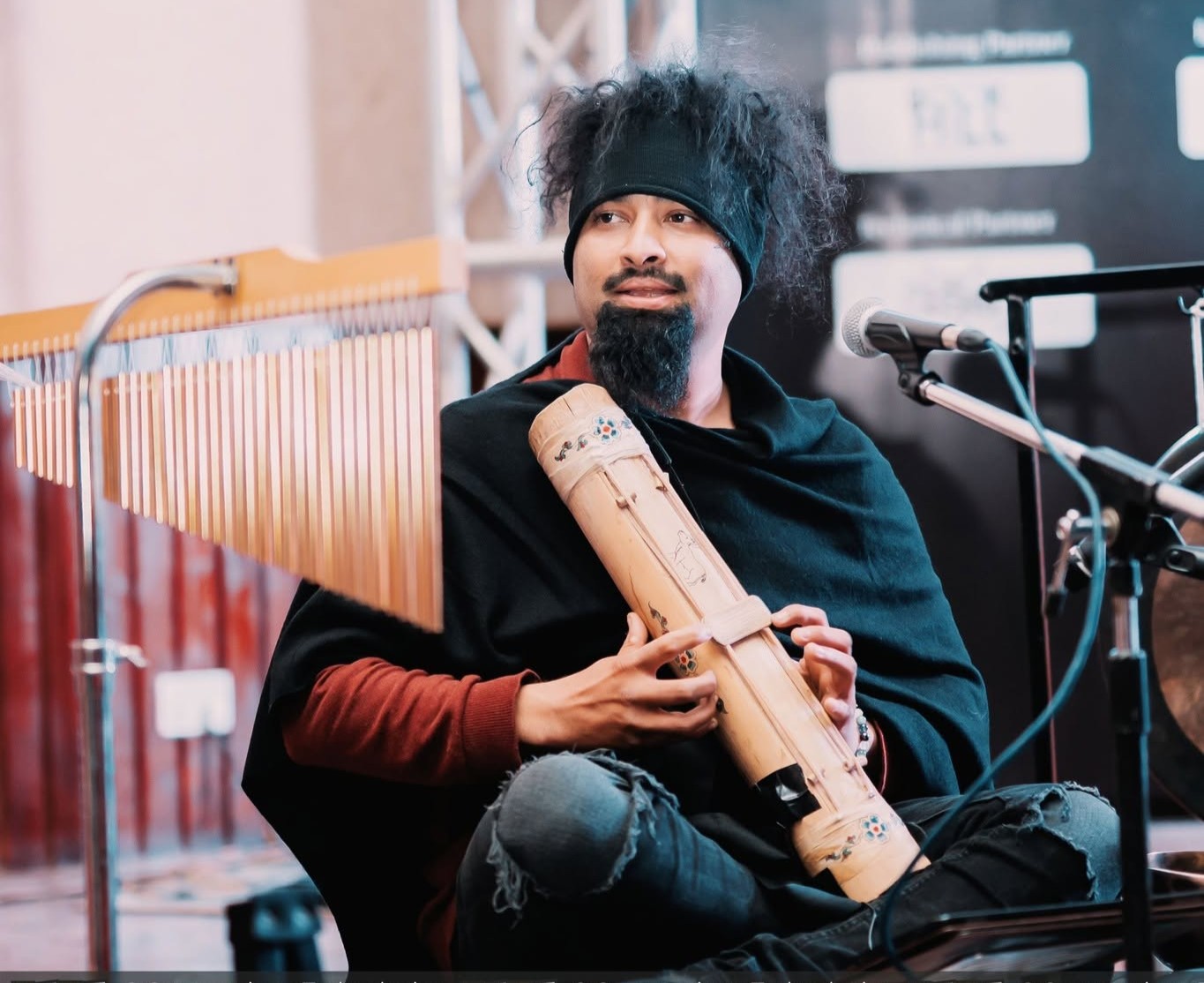
Anup Timilsina
@anup-timilsina · Musicians & Instrumentalists, Theatre Artists
Anup Timilsina is a Nepali musician, sound & multimedia designer, and theatre performer associated with Shilpee Theatre Nepal. Active in contemporary Nepali theatre, he contributes live music, background score, sound design, and multimedia integr...
Biography
Anup Timilsina is a Nepali musician, sound & multimedia designer, and theatre performer associated with Shilpee Theatre Nepal. Active in contemporary Nepali theatre, he contributes live music, bac...
Personal Info
Career Highlights
—
Films
—
Awards
11 yrs
Experience
—
Rating
Similar Artists
Artists you might also like
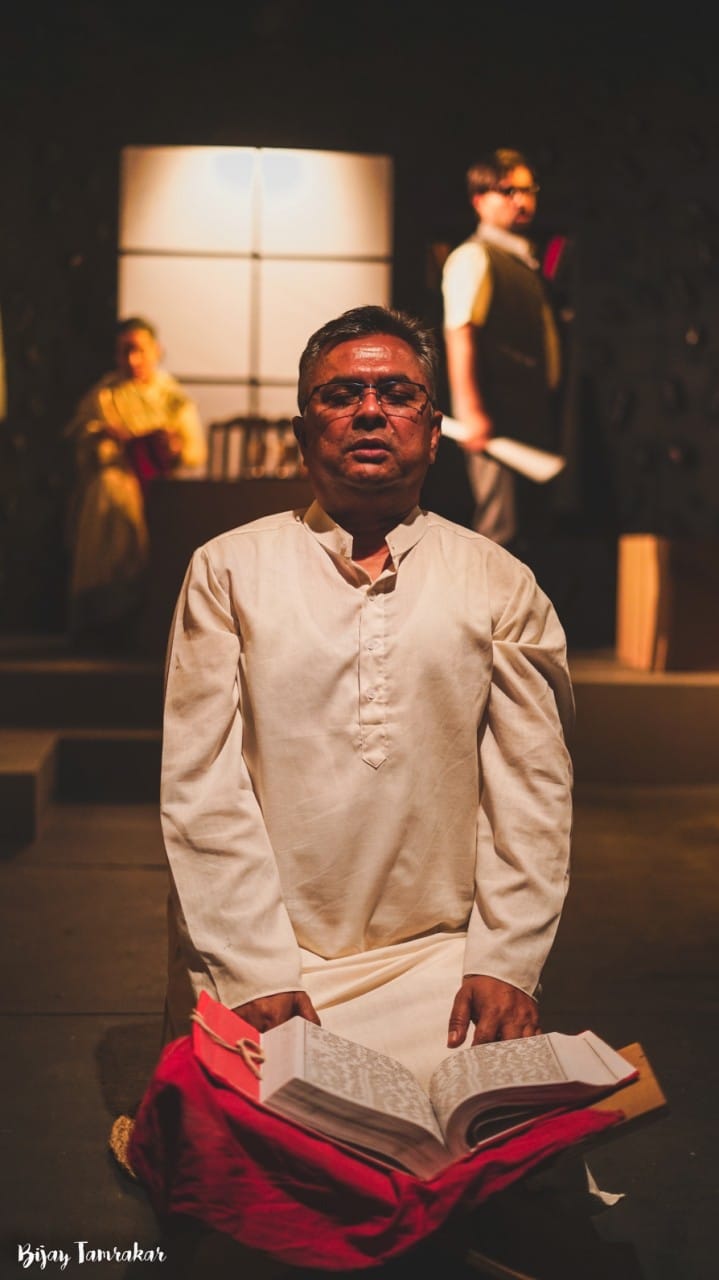
Ramesh Budhathoki has so far acted in 1,200 teleserials and in about five dozen movies. Moreover, he has also directed 11 movies. He also holds the record for making Nepal’s longest teleserial of 980 episodes which ran on Nepal 1 television from 2004 to 2007. Budhathoki also made Nepal’s first teleserial called Bacha Birseko Chaina (Haven’t Forgotten Promise) in 1986.
Ramesh Budhathoki
Actor, Film Maker/ Producer, Theatre Artists
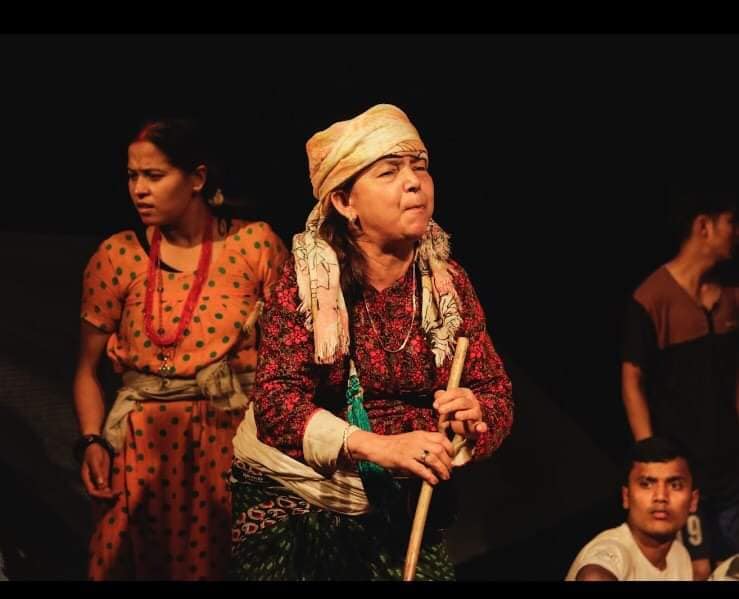
Tika Niroula is a Nepali theatre artist and film character actor known for his grounded performances, expressive stage craft, and his ability to bring authenticity to socially rooted and emotionally layered roles. Active across stage and screen, he represents the generation of performers who bridge classical theatre discipline with the evolving language of Nepali cinema.
Tika Niroula
Character Artists, Theatre Artists
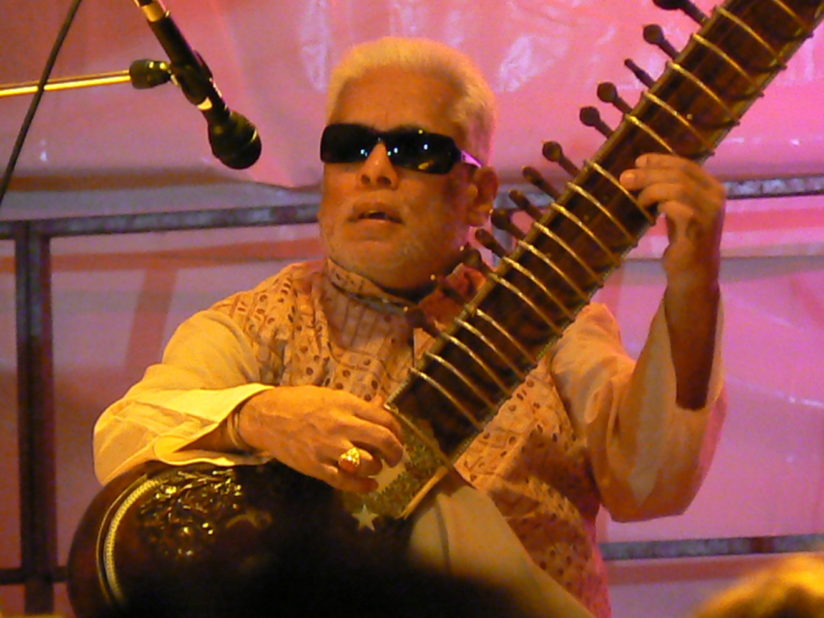
Narendra Bataju Narendra Bataju (died 2018) was a Nepali-born sitar and surbahar virtuoso renowned for his mastery of Hindustani classical music. A disciple of Ravi Shankar, he became an influential cultural bridge between South Asia and Europe through performance and teaching. Key facts Born: Kathmandu, Nepal (year not publicly documented) Died: September 2018, Paris, France Discipline: Hindustani classical (Maihar gharana) Instruments: Sitar, surbahar Based in: Paris since 1972 Early life and training Blind from birth, Bataju began learning sitar at age eight. He pursued formal training for a decade at the Conservatory of Music in Lucknow, India, earning a master’s diploma and two Grand Prizes. His prodigious skill earned recognition from Ravi Shankar, who praised his natural musicality and emotional sensitivity. Career and recordings Settling in Paris in 1972, Bataju performed for the Nepalese royal family and later across European concert halls and festivals, including the Centre Mandapa, the Musée du Quai Branly, and the Festival du Tibet et des Peuples de l’Himalaya. His recordings include Sitar: Râga Kirvani / Surbahar: Râga Gunkali (1975), Les Sitar et Surbahar de Narendra Bataju (1980), and Jog Kauns / Misra Pilu (2006). Collaborations and performances Bataju collaborated internationally, performing alongside the Egyptian oud player Hussein El Masry at Paris’s Cité de la Musique (1996) and appearing at cultural events such as France’s Festival de l’Inde. His cross-cultural work extended to Western artists, including contributions to Symphonie celtique (Tír na nÓg) by Alan Stivell. Legacy Celebrated as a pioneer of Indian classical music in France, Narendra Bataju inspired new generations of European and Nepali musicians through his teaching and emotive performance style. His artistry remains documented in a modest but significant body of recordings and archival radio broadcasts.
Narendra Bataju
Musicians & Instrumentalists
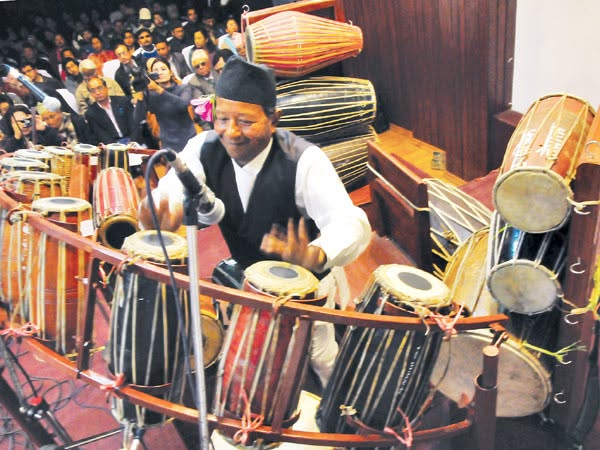
Nhuche Bahadur Dangol is a distinguished Nepali folk music educator, researcher, and multi‑instrumentalist, widely respected for his lifelong contribution to preserving and teaching Nepal’s traditional musical heritage. As an Associate Professor at Tribhuvan University, he has dedicated more than 36 years to teaching Nepali folk music, folk musical instruments, and traditional folk tunes to new generations of Nepali students.His career reflects a rare combination of academic depth, practical musicianship, and cultural stewardship. Dangol has played a central role in documenting, teaching, and transmitting the musical traditions of Nepal’s diverse ethnic communities. His classroom work, field knowledge, and performance experience have shaped thousands of young musicians, many of whom now serve as performers, teachers, and cultural ambassadors.Known for his mastery of multiple Nepali folk instruments, Dangol emphasizes authentic technique, historical context, and cultural meaning in his teaching. His approach blends scholarship, performance, and preservation, making him one of the most influential figures in Nepali folk music education.Through decades of service at Tribhuvan University, he has contributed to curriculum development, academic research, and the institutional recognition of Nepali folk music as a formal discipline. His work continues to strengthen the identity, continuity, and global appreciation of Nepal’s musical heritage.
Nhuche Bahadur Dangol
Musicians & Instrumentalists, Music Instructor, Madal - Dholak Player