
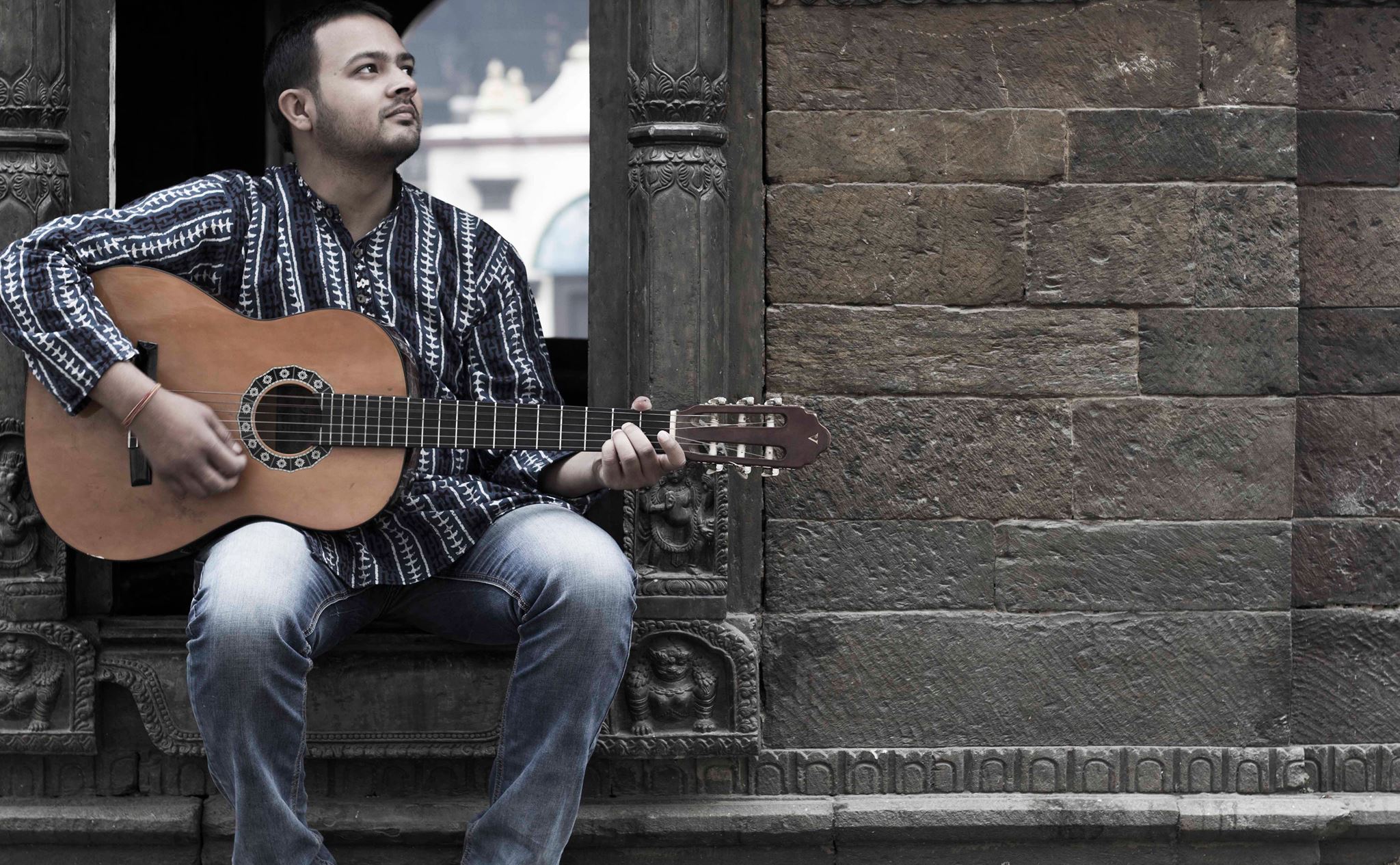
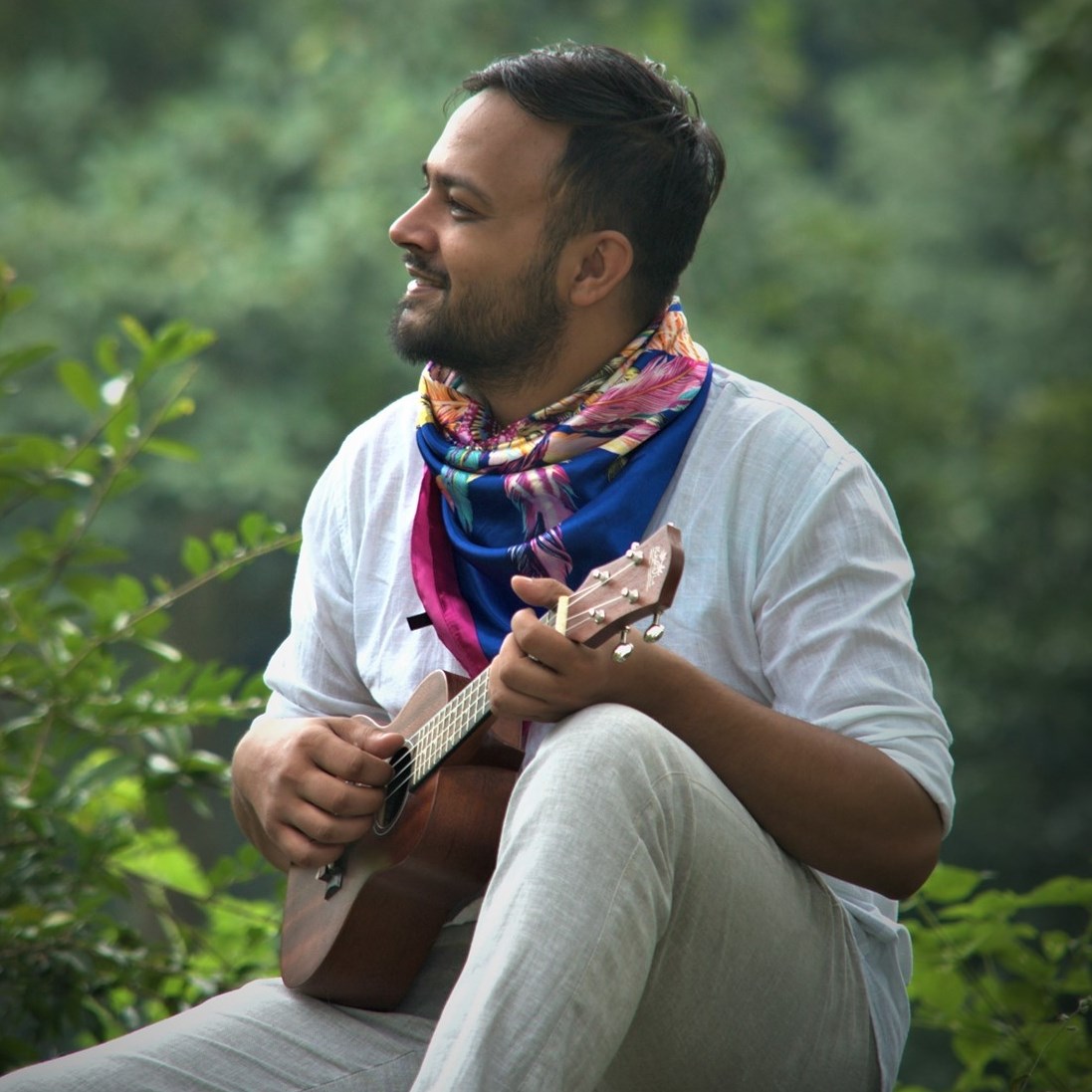
Ankit Babu Adhikari
@ankitbabuadhikari · Music Artists
Ankit Babu Adhikari is a musician, singer and lyricist from Kathmandu, known from his as finalist in Nepali Tara season 3 & the voice. Ankit started his musical career by composing and performing songs for a post-modern play Coma; A Political Sex ...
Biography
Ankit Babu Adhikari is a musician, singer and lyricist from Kathmandu, known from his as finalist in Nepali Tara season 3 & the voice. Ankit started his musical career by composing and performing s...
Personal Info
Career Highlights
2
Films
—
Awards
—
Experience
—
Rating
Similar Artists
Artists you might also like
Lochan Rijal is a multi-instrumentalist, a singer, songwriter and a scholar of ethnomusicology. Born in the Panchthar district of Nepal, he grew up around music performed at festivals by the local people of that region. The experience influenced him to explore the potential of sound and develop his passion into his profession. While in college, he began teaching music to school children in Kathmandu while also working in the pop and rock music scene, producing award-winning albums, before moving onto something that fed his scholarly ambitions. In 2014, he graduated with a PhD in ethnomusicology from the University of Massachusetts and Kathmandu University. He also works as the associate professor and Head of Kathmandu University’s Department of Music.
Lochan Rijal
Music Artists, Lyricist, Musicians & Instrumentalists

Junu Gautam is a Nepali singer. Junu, who is a permanent resident of Jhapa, She has taken music education in India. Even today, She is still studying music with Bernali Basu in Siliguri. , Junu is coming to Nepal during the free time. She entered Nepali music by giving voice to two songs in the film 'Jeevan Kandaki Phool', which is based on the biography of the literary Jhamak Ghimire.
Junu Gautam
Music Artists, Playback Singer
Sundar Shrestha is a veteran Nepali folk singer and lyricist best known for co-performing the iconic song “Resham Firiri” in 1969. Alongside Dwarika Lal Joshi, his rendition helped popularize the song across Nepal, making it a staple of street music and cultural gatherings. Active since the 1970s, Shrestha contributed to numerous folk recordings and live performances, preserving traditional melodies and rhythms. He also collaborated on songs like Chautariko Majhaima and worked with artists such as Chandra Kumar Moktan and Hira Devi Rai. His legacy lies in promoting Nepali folk music through Radio Nepal and live platforms for over four decades.
Sundar Shrestha
Music Artists, Folk Singer
Lakpa Sherpa is a renowned Nepali legendary singer. He has given a song that can never be forgotten in Nepali music. His famous songs include "Jhaskiera Dukcha Yo Mutu Mero ", among others. His birth was on BS 2020, Manshir 29 in 'Ilam-Chamaita'. He also passed the voice test from All India Radio. Later, he also passed the voice test from Radio Nepal.
Lakpa Sherpa
Music Artists