

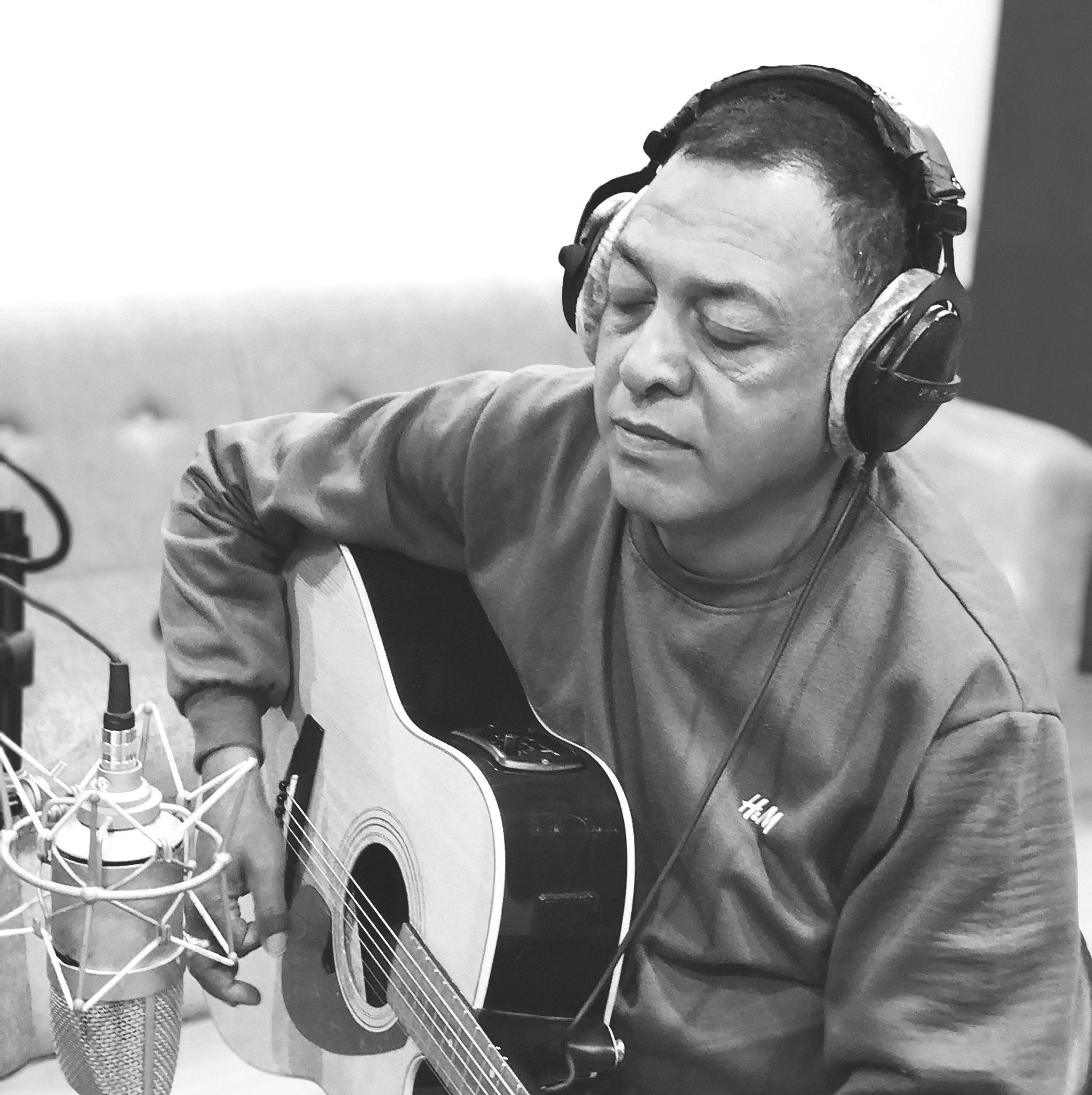
Anup Das
@anup-das · Musicians & Instrumentalists, Guitarist
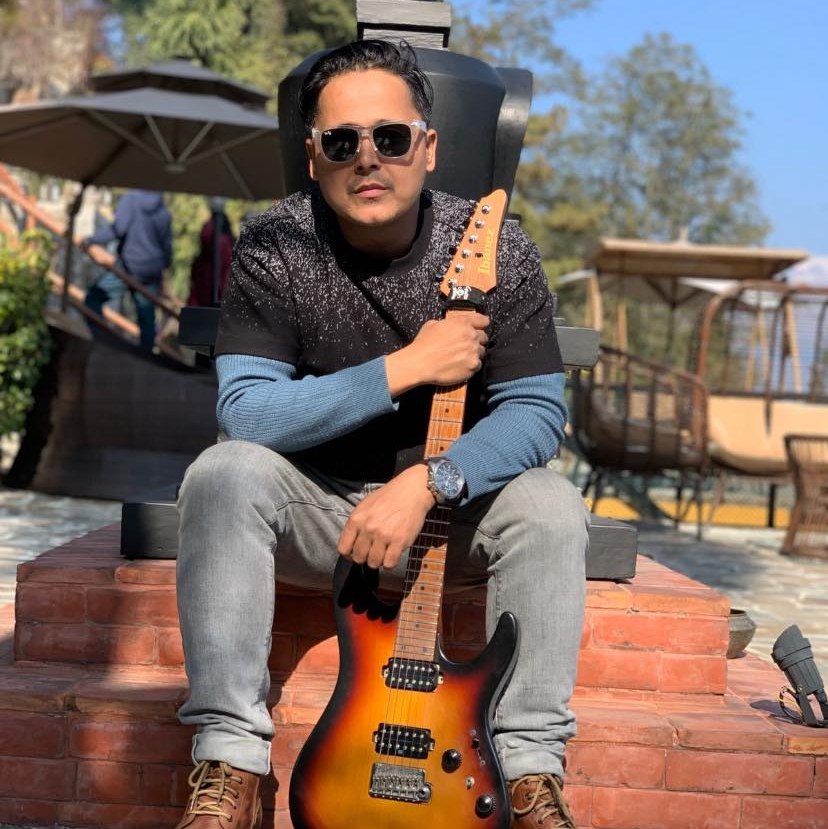
Anup Das is a Nepali guitarist and bass guitarist active in studio recordings, live performances, and session work across Kathmandu’s music scene. His playing appears in multiple recording studios—including Mahol Studio, Studio Sangam, and Studio Kin...
Biography
Anup Das is a Nepali guitarist and bass guitarist active in studio recordings, live performances, and session work across Kathmandu’s music scene. His playing appears in multiple recording studios—inc...
Personal Info
Career Highlights
—
Films
—
Awards
36 yrs
Experience
—
Rating
Similar Artists
Artists you might also like
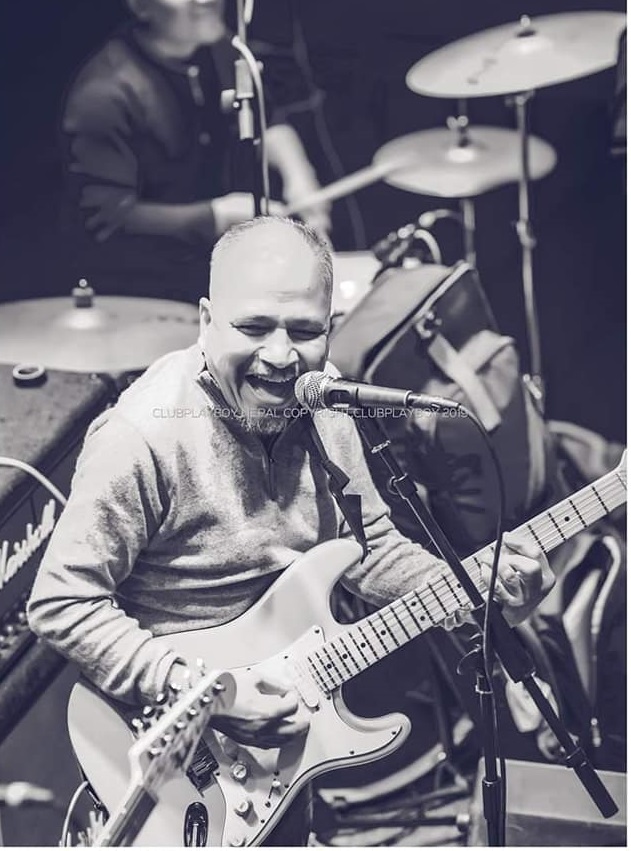
The ever-young Jyoti Ghimire is known for his contributions in helping shape Nepal's contemporary rock scene to its present state. In his musical journey spanning over three decades, the guitar virtuoso has given hits like 'Anjaan', 'Maski Maski', and 'Nashalu'.
Jyoti Ghimire
Music Artists, Guitarist
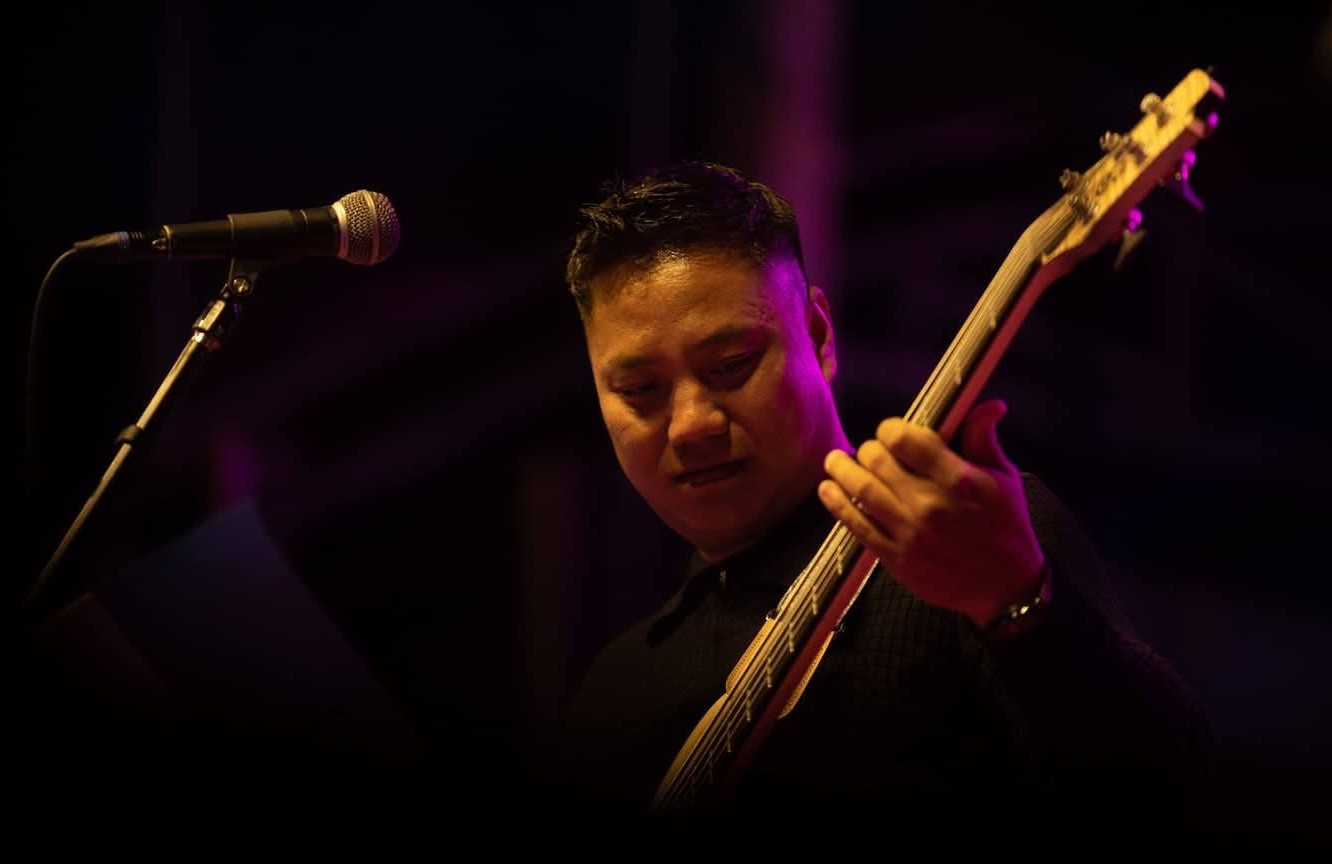
Kushal Thapa is a Nepali lead guitarist known for his versatile work across recording studios, reality‑show stages, and major live concerts. A skilled session musician, he has contributed guitar arrangements and studio recordings for various artists, bringing a blend of melodic phrasing and modern Nepali guitar style.He also performs as a band guitarist for Pramod Kharel, supporting national tours, concerts, and televised performances with expressive lead lines and strong stage presence. His experience across studio, stage, and broadcast settings has established him as a reliable and adaptable guitarist in Nepal’s contemporary music scene.
Kushal Thapa
Musicians & Instrumentalists, Guitarist
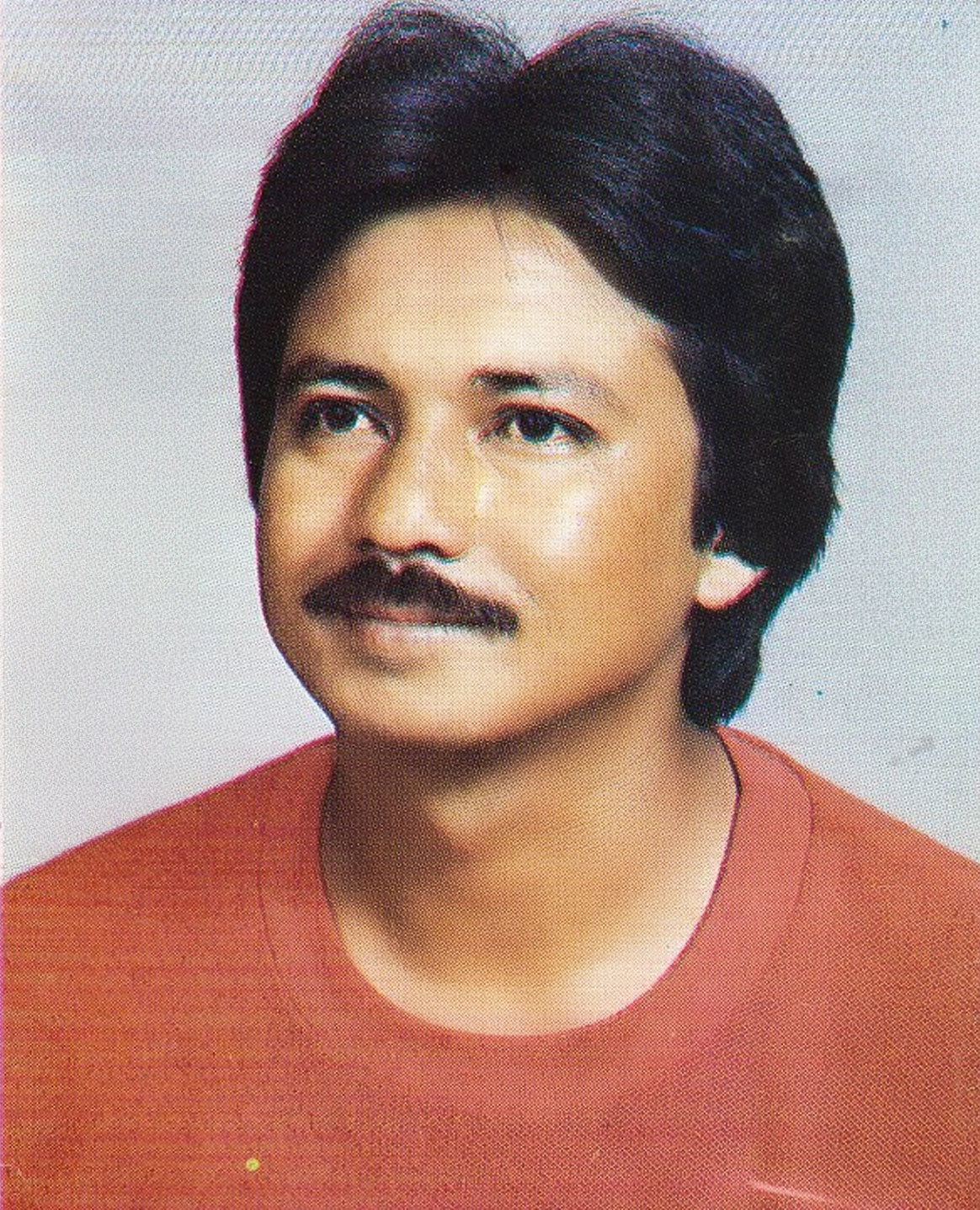
Ram Thapa (1958–2008) was a pioneering Nepali folk singer, music director, and Radio Nepal presenter known for his humorous and socially conscious songs. Born in Kamalpokhari, Kathmandu, he began his musical career in 1974 and became a 7th Grade Music Director at Radio Nepal. He sang over 150 folk songs and directed music for more than 200, with hits like Thok Na Madal Thok, Timi Yesai Lajayau, and Ritu Haruma Timi, which was ranked 7th by BBC in 2003. He was the first to publish Nepali music books with lyrics and chords, contributing to music education. Ram Thapa also served as a judge on Nepali Tara I & II, mentoring young talent. He passed away in 2008 due to liver disease.
Ram Thapa
Music Artists, Musicians & Instrumentalists, Radio Jockey [RJ], Folk Singer, Guitarist, Performing Artists
Vishal Poudel is a singer, musician, sound producer, arranger, and songwriter who has been active in the Nepali music industry for nearly 20 years. His career spans studio production, live performance, composition, and genre‑blending experimentation. He is the founder of the progressive‑rock and social‑issue–focused band Kalpavriksha, formed four years ago, where he serves as vocalist, instrumentalist, composer, and arranger. Musical Identity & StylePoudel’s musical foundation comes from intense self‑training—he recalls practicing guitar up to 16 hours a day, learning by ear from bands like Iron Maiden, whose influence shaped his vocal tone and performance energy. His personal affinity for jazz and his band’s focus on progressive rock give his work a hybrid, modern sound. Career HighlightsFounder of Kalpavriksha, a band dedicated to music about social justice, political issues, mental health, spiritualism, and transgender rights.Released the band’s debut track “Lyang Bho”, a progressive‑rock piece addressing corruption and youth frustration in Nepal.Preparing the next release, “Kalpavriksha”, a storytelling music video centered on transgender experiences in Nepal.Has worked for nearly two decades as a music arranger, sound producer, and instrumentalist, collaborating with major Nepali vocalists including Nabin K. Bhattarai and Hemanta Rana.
Vishal Poudel
Music Arranger, Guitarist